Defining A Word We All Use Constantly, And Are Concerned About

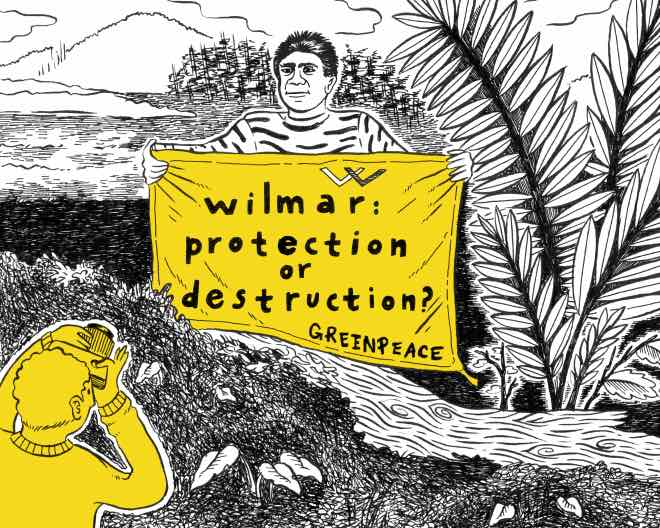
Illustration by Javier Jaén

Illustration by Javier Jaén

Thanks to one of the great writers on food-related ethical issues for getting us to think about a core definition for our everyday vocabulary, including taken-for-granted words like this one:

Why ‘Natural’ Doesn’t Mean Anything Anymore

By

It isn’t every day that the definition of a common English word that is ubiquitous in common parlance is challenged in federal court, but that is precisely what has happened with the word “natural.” During the past few years, some 200 class-action suits have been filed against food manufacturers, charging them with misuse of the adjective in marketing such edible oxymorons as “natural” Cheetos Puffs, “all-natural” Sun Chips, “all-natural” Naked Juice, “100 percent all-natural” Tyson chicken nuggets and so forth. The plaintiffs argue that many of these products contain ingredients — high-fructose corn syrup, artificial flavors and colorings, chemical preservatives and genetically modified organisms — that the typical consumer wouldn’t think of as “natural.” Continue reading
Skyfall

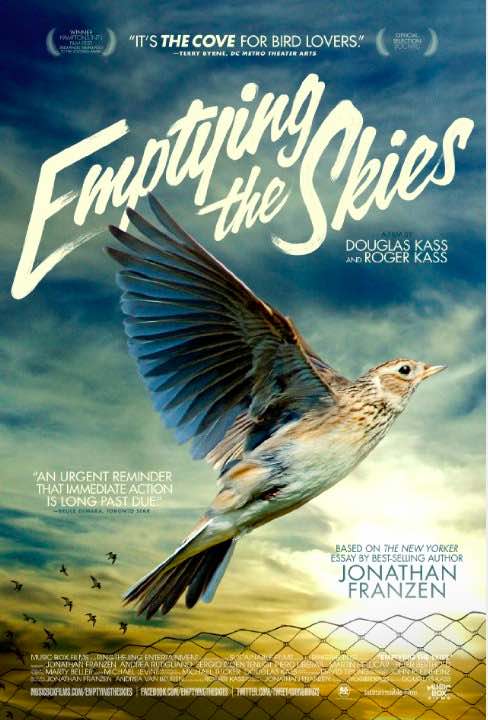
Screen Shot 2015-04-26 at 7.22.04 AMOur literary bird-loving activist took it to another level, as the film (click above) testifies well.  Really, this must stop. Thanks to the Cornell Lab of Ornithology for bringing this to our attention with this interview:

Cornell Lab: Where are you from, how did you find out about this issue—and what made you want to make this film?

Roger Kass: Born and raised in Bedford, New York, I have a background in law and movie production.  I first learned of the issues presented in Emptying the Skies by reading Jonathan Franzen’s story in the New Yorker magazine and wanted to make a film about it to bring these terrible truths to a larger audience.

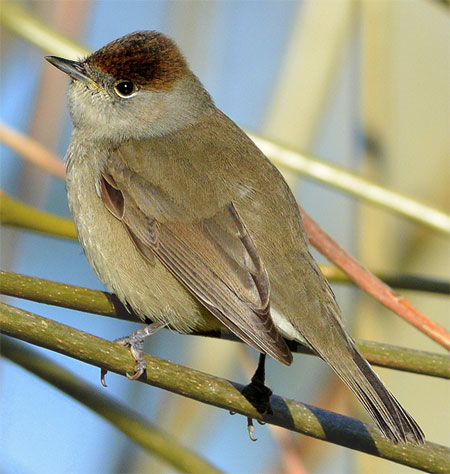
The Blackcap (Sylvia atricapilla) is a commonly hunted species in the Mediterranean. This female safely returned to her northern breeding grounds in England. Photo by jefflack Wildlife & Nature via Birdshare.

The Blackcap (Sylvia atricapilla) is a commonly hunted species in the Mediterranean. This female safely returned to her northern breeding grounds in England. Photo by jefflack Wildlife & Nature via Birdshare.

The main characters in the movie are environmentalists and people who love animals, but they don’t seem like bird watchers exactly. What motivates them to take this interest in tiny songbirds? Follow-up question: they are all men. Why do you think there were no women?

Doug Kass: As is often the case, there were a lot of things we weren’t able to put into the final film. Most CABS members we met were very passionate bird watchers and had extensive lists of sightings, as well as favorite locations, and bucket lists. You could describe them as “extreme bird-watchers,” because unlike most birders, they come into physical contact with the birds.

If you are podcast-oriented, give Leonard Lopate a listen on this topic: Continue reading

48 Hours Of Rainforest Fate

Nikki Burch

Nikki Burch

We have read this in both its original home, and here on vox, and commend it as much as we recommend it:

Glenn Hurowitz sat down for his Thanksgiving meal discouraged. He’d spent 2013 flying halfway around the world to cultivate a fragile relationship with Kuok Khoon Hong, CEO of the world’s largest palm oil corporation, Wilmar. Kuok was the linchpin, Hurowitz believed — a single person who might turn the entire palm oil industry around. Wilmar buys palm oil from 80 percent of the world’s suppliers. If Kuok committed to buying only from farmers who promised not to cut down the rainforest, it would set off a chain reaction that might save hundreds of species from extinction and squelch one of the world’s biggest sources of carbon emissions. But after months of progress, the signals he’d been getting from Kuok were not encouraging. Continue reading

Danish Can-Do Greenery

Screen Shot 2015-04-10 at 5.53.12 AM

Read a bit about their work, mission and invitation, and contagion takes on a new meaning:

Sustainia is a think tank and consultancy headquartered in Copenhagen, Denmark. We identify readily available sustainability solutions across the world and demonstrate their potential impacts and benefits in our work with cities, companies, and communities.

By focusing on innovative breakthroughs, inspiring alternatives and new opportunities, Sustainia is shaping a new narrative of optimism and hope for a sustainable future that seeks to motivate instead of scaring people with gloom and doomsday scenarios. Continue reading

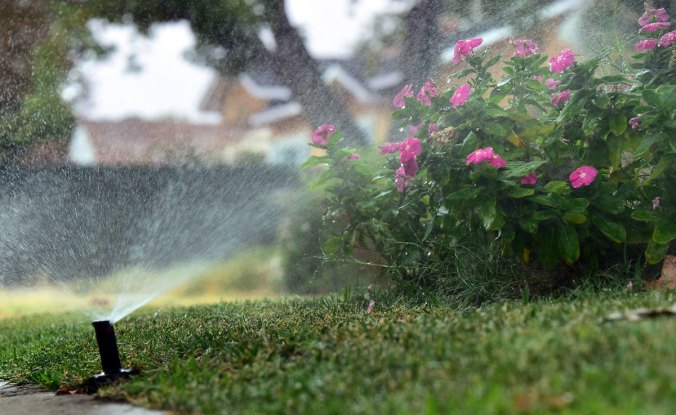
Water And Its Discontents

The California drought has prompted Governor Jerry Brown to mandate a twenty-five-per-cent reduction in the state’s water usage. CREDIT PHOTOGRAPH BY FREDERIC J. BROWN / AFP / GETTY

The California drought has prompted Governor Jerry Brown to mandate a twenty-five-per-cent reduction in the state’s water usage. CREDIT PHOTOGRAPH BY FREDERIC J. BROWN / AFP / GETTY

Thanks to this post we learn that writers from one of our most valued sources of cultural and environmental long-form journalism and rapid-fire website posts sometimes travel to Costa Rica, and we can only hope they will consider Xandari a home away from home on such travels. But more importantly, in this post, we are reminded that the environmental footprint of the foods we eat is a relatively new topic for most of us. Did you consider the almond, the way you consider beef, to be one of the greedier foods, in terms of the water-intensity of its life cycle? Until reading this post we were clueless on that topic:

Drought City

BY DANA GOODYEAR

“Los Angeles Residents Walk Up to 4 Hours Per Day to Look for Potable Water”: I read this headline in a small monthly that covers the coastal province in northwestern Costa Rica where I was travelling, but it took me a moment to realize that this was not about the city of nearly four million where I pay my water bill, and not a joke, though it was April 1st. Los Angeles, in this case, referred to a fifteen-family town in the Central American highlands. But my Los Angeles is in for it, too, and it is a measure of how imminent and ominous these changes feel that my mistake seemed, for a moment, plausible—a new extreme in a year’s worth of shocking news about the effects of the California drought. Continue reading

Be Wary, Is The Point

Crouch-Amazon-dash-button-690

What would the opposite of a blog-crush be called? Whatever that is, we may have it for Amazon, not least because of their various commercial practices we cannot admire–though we admit to finding Jeff Bezos one of the most fascinating individuals alive today. But also because of our resistance of the standard rush to advance consumerism, and our wariness of innovations that make consumerism more difficult to resist, which this blog post explores in punchy terms:

The Horror of Amazon’s New Dash Button

BY IAN CROUCH

Amazon’s new Dash Button, which will allow shoppers to reorder frequently used domestic products like laundry detergent or paper towels with the click of a real-life button, is not a joke. Many people assumed it was, mostly because the announcement came the day before April Fool’s, but also because the idea seemed to poke fun at Amazon’s omnipresence, making it visibly manifest with little plastic one-click shopping buttons adhered to surfaces all over your home.

There was also something slightly off about the promotional video. Continue reading

The Dumbest Experiment In History, By Far

Screen Shot 2015-04-05 at 7.14.35 AM

It’s official, our blog-crush on this particular conservation-focused entrepreneur. We have not yet heard (click above for a podcast in which “Neil deGrasse Tyson explores the future of humanity with one of the men forging that future: billionaire entrepreneur Elon Musk, CEO of SpaceX and Tesla Motors. Co-hosted by Chuck Nice and guest starring Bill Nye.”) or yet read (continue below to Motherboard‘s interview) anything to make us question that he is the real deal; a living, breathing visionary achiever of heroic proportions:

Elon Musk: Burning Fossil Fuels Is the ‘Dumbest Experiment in History, By Far’

Written by JASON KOEBLER, STAFF WRITER

Elon Musk, founder of Tesla and SpaceX, and chairman of SolarCity, and the guy who dreamt up the hyper loop, says we shouldn’t need an environmentally motivated reason to transition to clean energy. We’re probably going to run out of oil sometime; why find out if we can destroy the world while we do it, if an alternative exists?

“If we don’t find a solution to burning oil for transport, when we then run out of oil, the economy will collapse and society will come to an end,” Musk said this week during a conversation with astrophysicist and Cosmos host Neil deGrasse Tyson. Continue reading

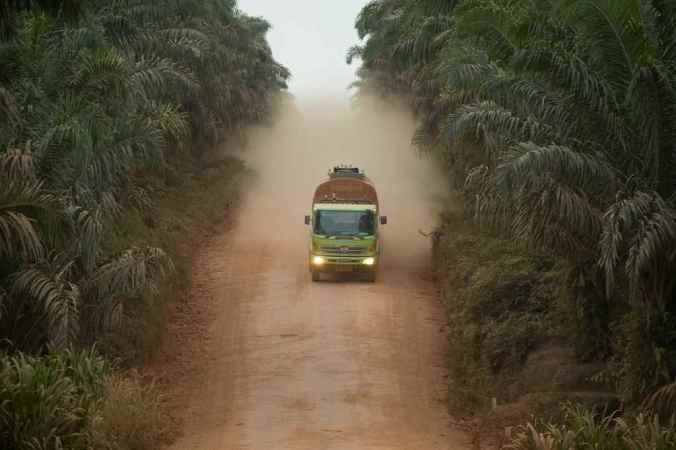
Eye-Popping Understanding Of Palm Oil

A Cargill-run palm plantation in Borneo in 2009. Image: ​David Gilbert/RAN

A Cargill-run palm plantation in Borneo in 2009. Image: ​David Gilbert/RAN

Every now and then we of non-technical education read an article written by and for a technical audience, and kind of get it, and feel the stretch is worth the effort. Raxa Collective works in locations where palm oil is grown, and recently has scouted locations in Borneo that make this article both eye-opening and eye-popping:

THE BUILDING BLOCKS OF EVERYTHING

The Race for Sustainable Palm Oil

WRITTEN BY ALEX SCOTT FOR CHEMICAL & ENGINEERING NEWS

Palm oil is a wonderfully versatile and cheap raw material. On its own or via chemical derivatives, the oil makes its way into many packaged foods and into household products ranging from fine cosmetics to heavy-duty detergents.

Some 63 million metric tons of palm oil is harvested annually from tropical plantations, 87 percent of it coming from Malaysia and Indonesia. Palm oil is derived from the flesh and kernel of the fruit of oil palms. Demand for the oil is set to exceed 70 million metric tons by the middle of the next decade.

But palm oil’s large-scale use has environmental costs. In Southeast Asia, it is the leading driver of deforestation. Indonesia has the third-largest area of contiguous tropical forest in the world, but according to a 2007 United Nations Environme​nt Programme report, 98 percent of the country’s natural rainforest will be destroyed by 2022 unless strict conservation measures are implemented. Continue reading

Necessary Measures Implemented By A Good Man, In A Great State, In A Moment Of Ecological Crisis

California Governor Jerry Brown, left, discusses snowpack at Phillips Station, which this year is bare in April for the first time ever. PHOTOGRAPH BY MAX WHITTAKER/GETTY

California Governor Jerry Brown, left, discusses snowpack at Phillips Station, which this year is bare in April for the first time ever. PHOTOGRAPH BY MAX WHITTAKER/GETTY

We cannot say it is good news, but it is heartening to read news of a man we have always admired taking action in the great state of California, the land of endless possibilities (except where water is concerned). Deniers, back off. Get with the program:

Phillips Station sits about sixty-eight hundred feet up in the Sierra Nevada mountain range, not far from the ski resorts near the southern shore of Lake Tahoe. Each year around this time, a surveyor from the California Department of Water Resources thrusts a hollow, aluminum tube into the snow at Phillips Station—one of a number of such stations across the state—to collect a cylindrical sample. The aim is to measure the depth of the snow, which, as it melts and trickles down the mountain and into rivers and reservoirs, becomes one of California’s most crucial sources of water. Continue reading

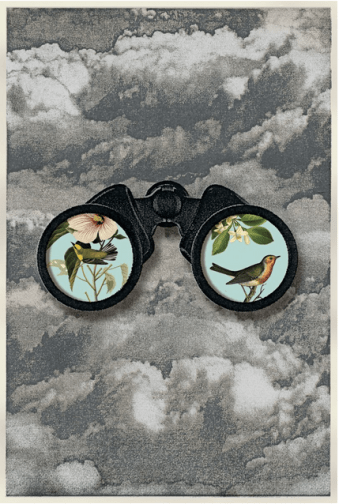
Environmentalism, Puritanism and a Binocular View

To slow global warming, we could blight every landscape with biofuel crops and wind turbines. But what about wildlife today? CREDIT ILLUSTRATION BY OLIVER MUNDAY

Jonathan Franzen, a writer who we have chosen to link to numerous times mainly because he is also clearly a bird guy, has a small masterpiece in this week’s New Yorker. Please, read it:

Last September, as someone who cares more about birds than the next man, I was following the story of the new stadium that the Twin Cities are building for their football Vikings. The stadium’s glass walls were expected to kill thousands of birds every year, and local bird-lovers had asked its sponsors to use a specially patterned glass to reduce collisions; the glass would have raised the stadium’s cost by one tenth of one per cent, and the sponsors had balked. Around the same time, the National Audubon Society issued a press release declaring climate change “the greatest threat” to American birds and warning that “nearly half ” of North America’s bird species were at risk of losing their habitats by 2080. Audubon’s announcement was credulously retransmitted by national and local media, including the Minneapolis Star Tribune, whose blogger on bird-related subjects, Jim Williams, drew the inevitable inference: Why argue about stadium glass when the real threat to birds was climate change? In comparison, Williams said, a few thousand bird deaths would be “nothing.” Continue reading

Waste Less, Want Less, Lean In, Pop Up

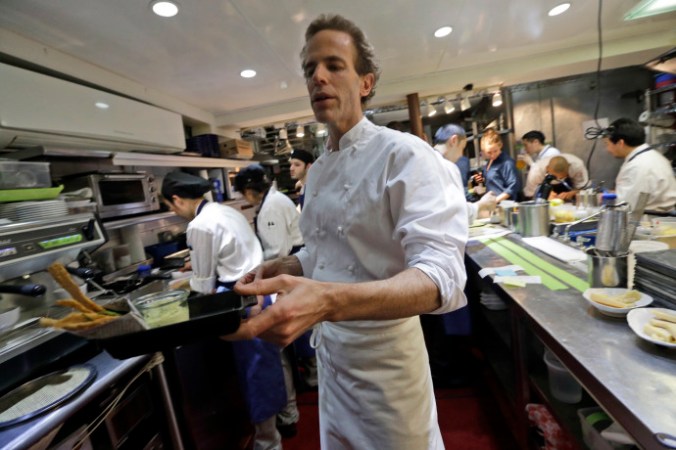
In this Thursday, March 19, 2015 photo, chef Dan Barber hands a waiter an order of fried skate wing cartilage with smoked whitefish head tartar sauce at WastED in New York. Dishes using scraps and other ignored bits comprise the menu at chef Dan Barber's WastED, a pop-up project at one of his Blue Hill restaurants intended to shed light on the waste of food. (AP Photo/Mary Altaffer)

In this Thursday, March 19, 2015 photo, chef Dan Barber hands a waiter an order of fried skate wing cartilage with smoked whitefish head tartar sauce at WastED in New York. Dishes using scraps and other ignored bits comprise the menu at chef Dan Barber’s WastED, a pop-up project at one of his Blue Hill restaurants intended to shed light on the waste of food. (AP Photo/Mary Altaffer)

Thanks to Hannah Goldfield for this post:

The other night, as I ate a salad at Blue Hill, in the West Village, a server approached my table with an iPad. “Have you seen this?” she asked. “Chef wanted you to see this.” By “Chef,” she meant Dan Barber, the man behind Blue Hill and Blue Hill Stone Barns, a sister restaurant and farm upstate. By “this,” she meant a photograph of a dumpster, into which a chute was depositing an enormous quantity of multi-colored scraps of fruit and vegetables—the runoff from a commercial food processor. The experience felt something similar to being shown a picture of what would happen to a sad-eyed old horse if you didn’t save it from the glue factory. Sitting in a small, enamel casserole dish in front of me were fruit and vegetable scraps that Barber had rescued, just like the ones in the photo. Arranged in an artful tangle, bits of carrot, apple, and pear were dressed with a creamy green emulsion, studded with pistachios, and garnished with a foamy pouf that turned out to be the liquid from canned chickpeas, whipped into haute cuisine. Continue reading

Redefining Recycling

In the early years of this site we highlighted a concept of “the fourth r” – focusing on the restaurants and events planners who support a form of social entreprenuership by donating excess food to local shelters. On an annual basis huge amounts of prepared foods go to waste in all forms of venues, but the classic buffet-style cafeteria is a long-term culprit. But luckily creative solutions have gone hand-in-hand with awareness of the problem. At the time we used the term “recycled” when taking about the food programs. Kudos to the new voices who redefined at as “repurposed.”

Back in 2011 when I was a student at the University of Maryland in College Park I once noticed a massive pile of trash in front of a dining hall. A closer look revealed that it was mostly food — a half-eaten sandwich, a browning apple and what appeared to be the remains of the day’s lunch special.

The heap was gross, but intriguing. Turned out it was a stunt to get students thinking about how much food they throw out each day.

Nowadays, students are coming face to face with their food waste, and its environmental and social impact, a lot more often. They also have more opportunities do something about it. Continue reading

Sugar Beets, Wherefore Art Thou?

shutterstock_79736593

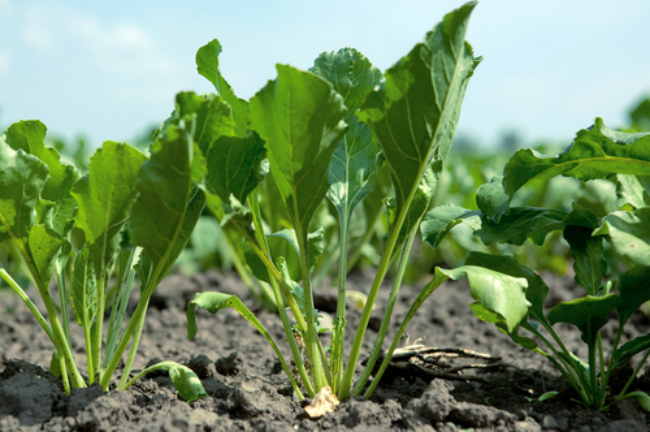
A Dutch scientist has created a process for turning sugar beet leaves into protein. Photo credit: Shutterstock

Thanks to Ecowatch, we can consider the long lost love of our better, healthier selves, found:

Sugar Beet Leaves Create Vegan Protein Alternative

Katie Levans

A scientist in the Netherlands is turning plant waste into a potential substitute for environmentally unsustainable proteins like meat, dairy and soy. The Dutch government commissioned Peter Geerdink, a food scientist at TNO, to identify a use for the 3 million tons of beet sugar leaves produced each year and left to rot after the beets themselves are harvested. The result of his work is a vegan gluten-free plant-based protein extracted from the pressed green juice of sugar beet leaves that, according to Geedink, is as versatile as a chicken egg.

Continue reading

Better Buying, Canned Tuna Edition

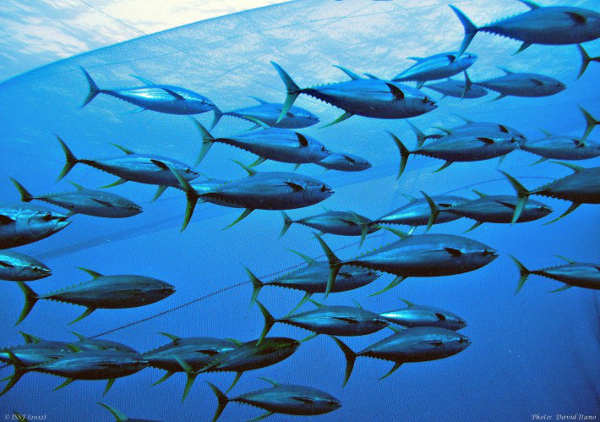
Seafood companies are responding to the public’s increased interest in whether fishing practices deplete tuna populations. Photo credit: David Hano/International Sustainable Seafood Foundation

Seafood companies are responding to the public’s increased interest in whether fishing practices deplete tuna populations. Photo credit: David Hano/International Sustainable Seafood Foundation

Thanks to Ecowatch for the updated primer on better canned tuna shopping criteria:

Canned tuna is one of the world’s most popular packaged fish, but it has also long been controversial. Between issues of overfishing resulting in fishery depletion and bycatch that threatens other species including the much-publicized incidental capture of dolphins by tuna fishermen, it has gotten a bad name. With the increased awareness of the harm tuna fishing can cause, companies have stepped up to try to reassure consumers that they are paying attention to the health of our oceans. Continue reading

Lovely Things Pedaled To A Place Near You

trailhead650

Several contributors to this site descend from a man from the mountains north of Sparta, who sailed from Greece to New York City more than a century ago, and had a pushcart that earned him enough money to return to his village and become a prosperous olive farmer.

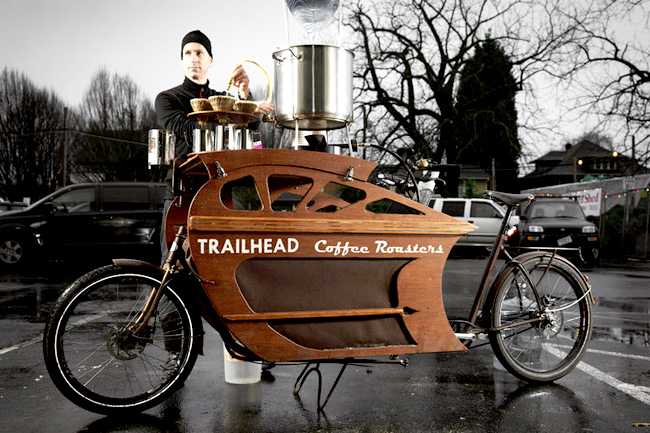
Good things come in, and from, pushcarts. We like the bike design as much as anything else in the photo above, and speaking of aesthetics the last photo below will help understand why we absolutely had to post this. As for pedal-powered treats on wheels, we will do something to extend the reach of 51 in Fort Kochi, so stay tuned… Thanks to Ecowatch.com for this:

Riding your bike to work is gaining momentum as more cities adopt or expand bike-sharing programs, but what about ordering your morning latte or lunch from a bike? With more and more food bikes popping up in cities across the country, finding more meals on wheels (without the truck) might soon be an option. Continue reading

Fairer Trade Pact, In The Interest Of Wildlife

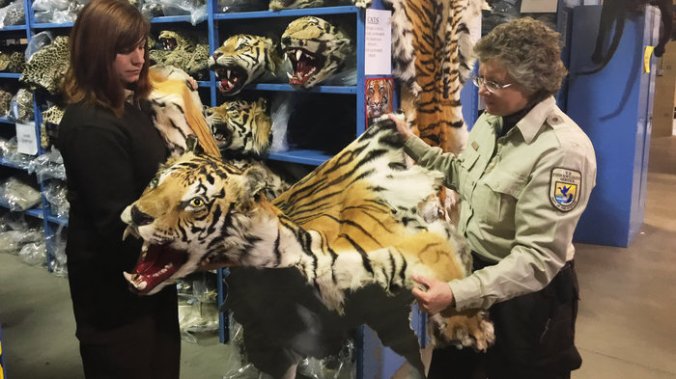
Coleen Schaefer (left) and Doni Sprague display a tiger pelt that was confiscated and is being stored at the National Eagle and Wildlife Repository on the outskirts of Denver. Some 1.5 million items are being held at the facility. The Trans-Pacific Partnership, which is still under negotiation, would punish wildlife trafficking.

Coleen Schaefer (left) and Doni Sprague display a tiger pelt that was confiscated and is being stored at the National Eagle and Wildlife Repository on the outskirts of Denver. Some 1.5 million items are being held at the facility. The Trans-Pacific Partnership, which is still under negotiation, would punish wildlife trafficking. Jackie Northam/NPR

Thanks to National Public Radio (USA) for this story, which has nothing pleasant about it but which signals a positively determined approach to do something substantive about this tragic scourge:

Tiger Skins And Rhino Horns: Can A Trade Deal Halt The Trafficking?

If you want a sobering look at the scale of wildlife trafficking, just visit the National Eagle and Wildlife Repository on the outskirts of Denver. In the middle of a national reserve is a cavernous warehouse stuffed with the remains of 1.5 million animals, whole and in parts.

They range from taxidermied polar bears to tiny sea horses turned into key chains. An area devoted to elephants is framed by a pair of enormous tusks. Continue reading

Craft Ascendant

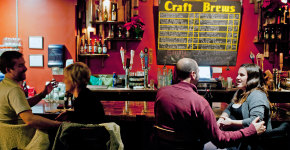
Local Habit, in San Diego, offers a variety of California craft beers. Beer has become as much a part of the San Diego identity as surf and sun. CREDIT PHOTOGRAPH BY EROS HOAGLAND/THE NEW YORK TIMES/REDUX

Local Habit, in San Diego, offers a variety of California craft beers. Beer has become as much a part of the San Diego identity as surf and sun.
CREDIT PHOTOGRAPH BY EROS HOAGLAND/THE NEW YORK TIMES/REDUX

As admirers of well-crafted beer, and of small-scale businesses, we appreciate this post by Tim Wu:

Consider a few surprising and optimistic facts for the new year: nationwide, independent bookstores have grown by about twenty per cent since 2009; meanwhile, American craft breweries collectively now sell more than 16.1 million barrels of beer annually, outpacing, for the first time, Budweiser. This isn’t the only evidence that small-scale businesses are making a comeback. Over the last ten years, the long-running decline of small farms has levelled out, and more than three billion dollars was spent last year on more than four thousand independent feature films. Over all, since 1990, small businesses (with, generally, fewer than five hundred employees or less than $7.5 million in annual receipts) have added millions of employees, while big businesses have shed millions.

None of these developments has individually transformed the American economy, but taken together they represent something. Continue reading

Bookstores, Breweries, Bunk

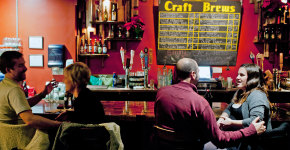
Local Habit, in San Diego, offers a variety of California craft beers. Beer has become as much a part of the San Diego identity as surf and sun. CREDIT PHOTOGRAPH BY EROS HOAGLAND/THE NEW YORK TIMES/REDUX

Local Habit, in San Diego, offers a variety of California craft beers. Beer has become as much a part of the San Diego identity as surf and sun.
CREDIT PHOTOGRAPH BY EROS HOAGLAND/THE NEW YORK TIMES/REDUX

It was already so good at what it did in print, it was easy to wonder what would come next. How to respond to the digital era? The New Yorker‘s transformation has been welcome, and Tim Wu is clearly an awesome part of it, as you may already know:

Consider a few surprising and optimistic facts for the new year: nationwide, independent bookstores have grown by about twenty per cent since 2009; meanwhile, American craft breweries collectively now sell more than 16.1 million barrels of beer annually, outpacing, for the first time, Budweiser. This isn’t the only evidence that small-scale businesses are making a comeback. Over the last ten years, the long-running decline of small farms has levelled out, and more than three billion dollars was spent last year on more than four thousand independent feature films. Over all, since 1990, small businesses (with, generally, fewer than five hundred employees or less than $7.5 million in annual receipts) have added millions of employees, while big businesses have shed millions. Continue reading

Words Forming A Name, Becoming A Brand

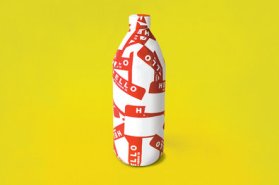
Illustration by Paul Sahre

Illustration by Paul Sahre

We spent much of the first half of 2011 poring over dictionaries. Mostly Sanskrit to English dictionaries, but also Malayalam to English, and also just English dictionaries with the occasional thesaurus to inspire.

We thought a lot about a company that two of us had formed that had done a lot of projects relevant to, and some interestingly different from, the new enterprise that would re-brand the hospitality portfolio of a major business group based in Kerala, India. We recorded a few facts about that naming process at the time this blog went live. This article not only brings back memories of those days, weeks, months of name-pondering, but gets us thinking about the meaning of Raxa Collective now versus what we thought then:

The Weird Science of Naming New Products

To find the perfect brand, leave no word unturned.

Pop Up Restaurant Trends

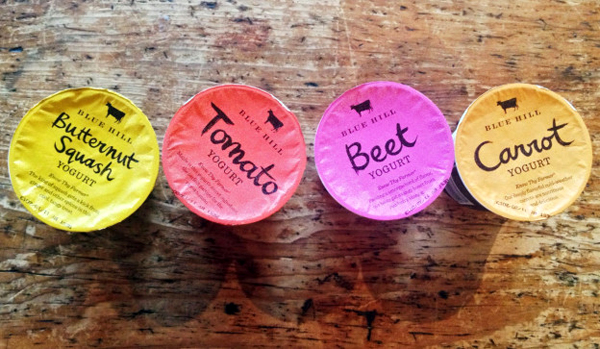
Savory yogurt is one of this year’s top food trends. Photo credit: Blue Hill Yogurt / Facebook page

Savory yogurt is one of this year’s top food trends. Photo credit: Blue Hill Yogurt / Facebook page

Thanks to EcoWatch for this note on trending foodways to watch this year:

On today’s Here & Now, host Jeremy Hobson talked with foodies Kathy Gunst, resident chef for Here & Now, and J.M. Hirsch, food editor for the Associated Press, about some of the trends in food for 2015.

Several trends that the guests identified include, savory yogurt, butter and full-fat dairy, mini vegetables and “new” whole grains such as freekeh, hemp, chia and spelt. Continue reading