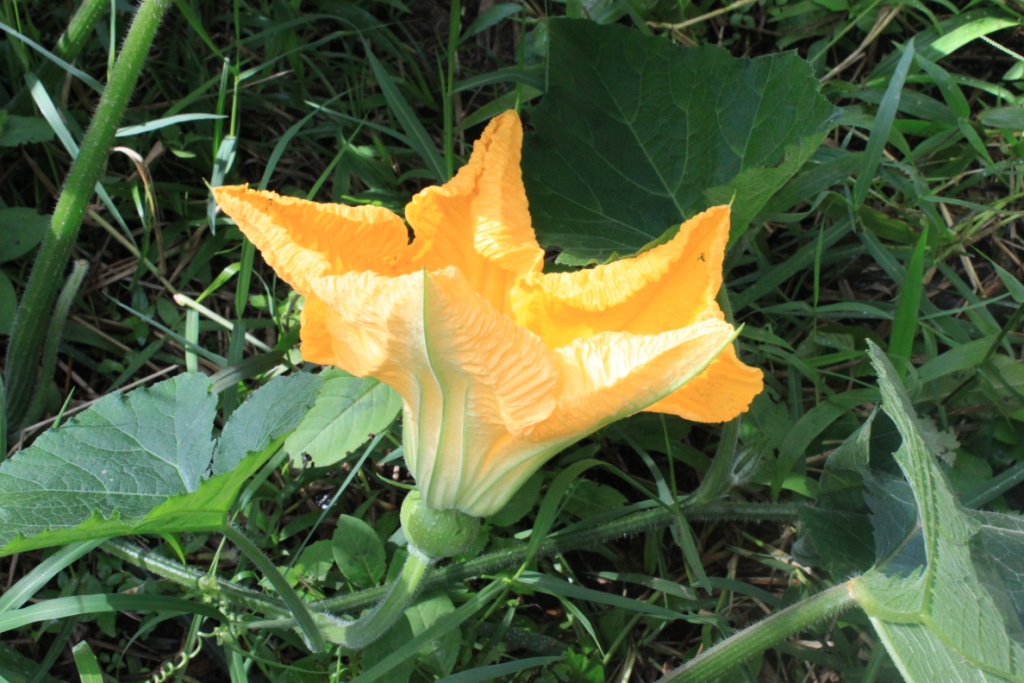
Although originally native to North America pumpkins are now widely growing all over the world as one of the largest vegetables. This gourd-like squash belongs in the botanical family Cucurbitaceae. In India they are commonly farmed in hill station ecosystems. Continue reading
Cuisine
You Probably Will Not Believe It
The Atlantic‘s website for mobile devices has run an article with the graphic above under this headline:
Why Does Canada Have a Strategic Maple Syrup Reserve?
Yes, difficult to believe. So click the image above to get the full story:
On Friday, news broke that thieves had stolen $30 million dollars worth of Quebec’s strategic maple syrup reserves. Much as the United States keeps a stock of extra oil buried in underground salt caverns to use in case of a geopolitical emergency, the Federation of Quebec Maple Syrup Producers has been managing warehouses full of surplus sweetener since 2000. The crooks seem to have made off with more than a quarter of the province’s backup supply. (I personally suspect these guys.)
Indian Gooseberry (Embeklic myrobalan)
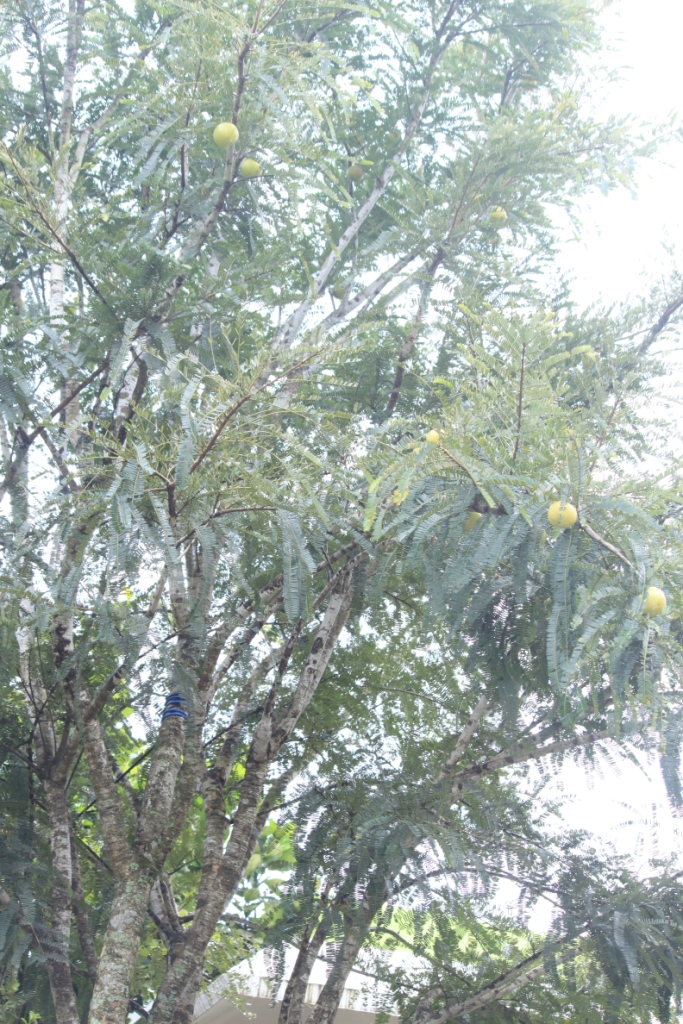
Indian Gooseberry, also known as Amla, grows throughout the country in deciduous forest and hill slopes up to an altitude of 900 meters and is also cultivated in plains for commercial purpose. This medium sized tree can grow up to 10- 15 meters in height and produces round and juice fruits. The leaves are used to treat conjunctivitis, inflammation and diarrhoea. The fruits are used in wide range of disorders including colic, ulcers, diarrhoea, and cardiac disorders.
Taro (Colocasia esculenta)
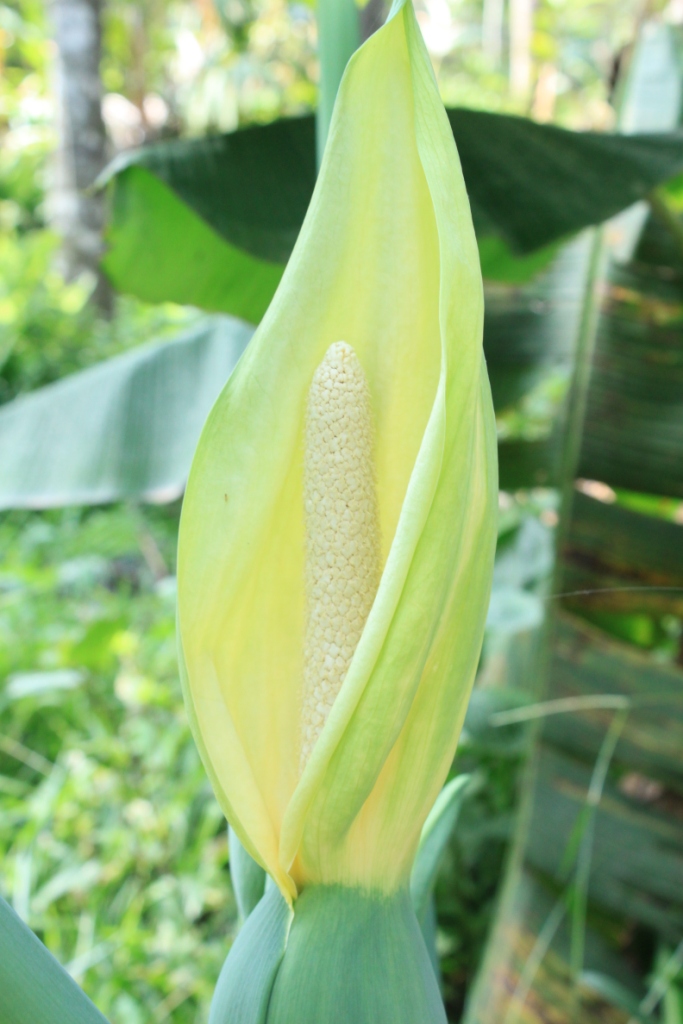
Taro is a gregarious herb growing from tubers on the banks of streams, ponds and marshes and in moist patches of the forest at altitudes up to 1400m. Taro is widely cultivated throughout Kerala, Tamil Nadu and Sri Lanka primarily for its tubers, but the eaves and stems are also cooked and eaten. Continue reading
A Great Finale To Our Kerala Experience
Our time at Cardamom County in Thekaddy, Kerala was way too short. After returning from a wonderful trip with River Escapes in the backwaters of Kerala we headed for the state’s iconic hill stations in the Western Ghats. I suggested to my husband Dave that we take a taxi, but being a former backpacker, he urged me to give the bus a chance. I stood my ground, insisting the trip would take several hours and I could bet the buses wouldn’t pass an inspection. But Dave was persistent and persuasive – I acquiesced and don’t regret that decision for one moment. It was a wild ride.
Nutmeg (Myristica Fragrans)

The Nutmeg Tree is an evergreen aromatic which usually grows up to a height of 15-20 meters. Nutmeg and mace are two distinctly different spices produced from the same tree- the nutmeg being the actual interior nut, while mace is the red lacy covering beneath the outer shell. Although it is now cultivated throughout most of the south Indian states, the tree is a native of Moluccas, an island in the Indonesian archipelago. It thrives in hot and moist climates at low elevations.
Post-Poned
Funny: I was just about to follow up on yesterday’s news about UNESCO’s declaration, with some further explanation for those less familiar with the various definitions/forms of patrimony and heritage considered worthy of protecting. Then Tim’s post popped up when I refreshed this page. Then my other tab opened, eerily on its own, to The New Yorker‘s website. Although it is a site of frequent visitation for my browser, the eery thing was that it chose to open on its own, at that particular moment, and in the most visible spot on the page was this particular blog post:
Rounding out the weekend reading was a piece in Le Monde about the California ban on foie gras—another death notice of sorts. As Dana Goodyear has written, the Californians see the ban as a life-extending measure for ducks and, potentially, for humans who relish their fatty livers, whereas the French fear the demise of their patrimony before its time. “The French producers are furious,” Le Monde wrote, quoting a diplomatic source who reasoned, somewhat shakily, “It’s a subject that can seem anecdotal, but it’s necessary to take it seriously … Foie gras is an important part of our gastronomic heritage, recognized by Unesco.”
I no longer need to write the post I had intended, so I will just link to a post that partially explains my love of heritage, culinary patrimony in particular. Truth be told, Tim’s compelling post notwithstanding, the above in extra-particular is among my culinary favorites.
Not A Creature Was Stirring…Or So I Thought
Like many people that can’t sleep at two o’clock in the morning, I let my nose lead me into the kitchen. In the wee morning hours, I was surprised to find one, lone and hardworking chef, Jimmy, preparing the morning’s breakfast buffet. I was drawn to the beverage station where I stood aghast, hoping my drip coffee machine would appear. As I looked pained with an overwhelming desire for caffeine, Jimmy’s hospitality ensued. He lowered the heat to his Aloo Bhaji, grabbed a saucepan, and began making me some coffee the “old fashioned” way with only a pot, water, ground coffee, and a sieve.
With my fuel source performing caffeinated magic, I observed his hard work ethic, learned how to make Kozhukattai, and had good conversations despite my poor and minimum Malayalam and his frequent inability to understand my East Texas “twangy” accent. I was filled with respect when I found he alone prepared the delicious breakfast for the guests of the retreat. I grew greater appreciation for my Wusthof knives; and, once again, I was, and continue to be, awed and inspired by the hospitality and giving character of the people I’ve met in Kerala.
Rarely do I find such great rewards for sleepless nights, but this night I found gold. I’m thankful and I “remove my hat” to Jimmy of the Allspice Restaurant. It’s people like these in this culture that increase my fondness for this state of India and strengthen my wish to stay or repeatedly return.
Red Torch Ginger (Pyramidosphaera)
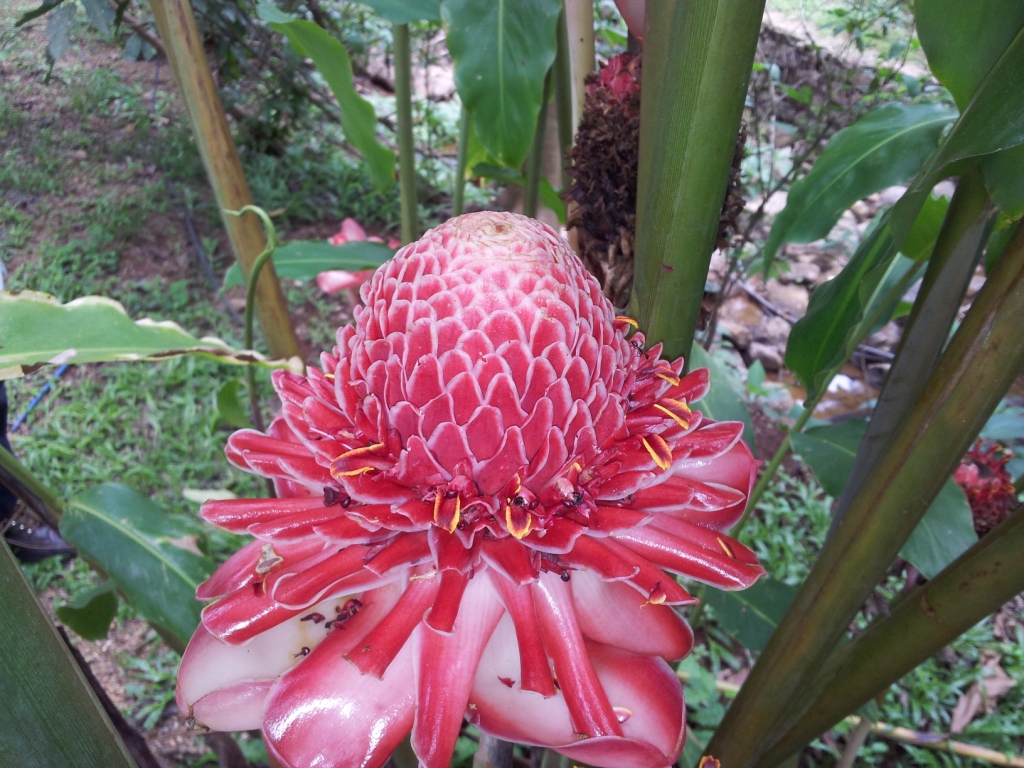
Red torch ginger is a perennial tropical plant native to Malaysia and Indonesia but naturalized in the Western Ghats of India. The plant grows from rhizomes, bulbous root structures similar to culinary part of the ginger family. The main attraction of the plant is its sturdy cluster of bracts that vary from light pink to deep rose color and resemble a flaming torch, hence the name Red Torch Ginger. Continue reading
Breadfruit
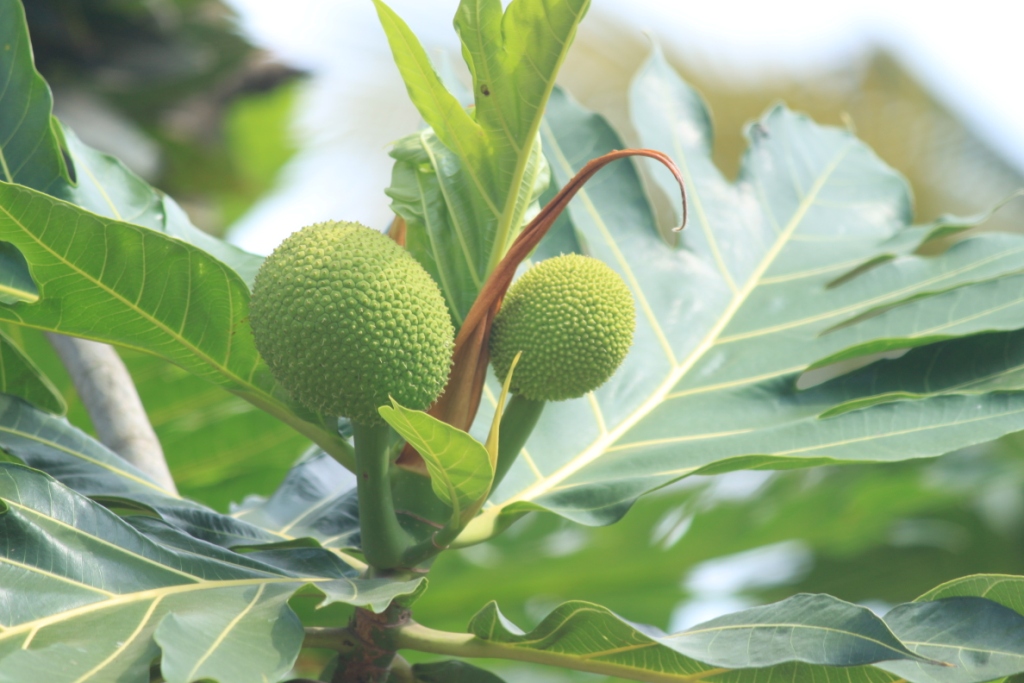
Breadfruit is an equatorial tropical fruit species found at the elevation of 1500m in the Western Ghats of South India. The starchy, potato-like fruit has a taste and texture similar to freshly baked bread when cooked; and hence the name ‘Breadfruit’. The tree grows vigorously to a height of 25m and produce 120-200 fruits annually. Continue reading
Papaya Fruit
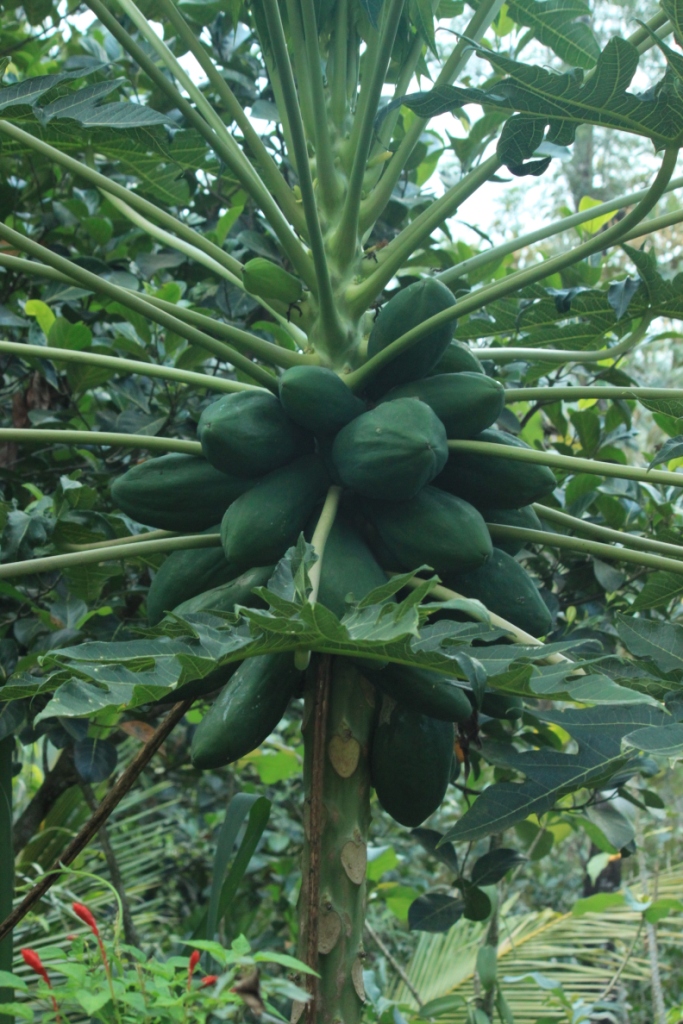
Papaya is a tropical, tree-like plant found commonly in the Western Ghats of India that grows to a height of 15-30 ft with a single stem. The large (20-30in) leaves as well as the fruit grow up the central stalk in a spiral fashion. Continue reading
Marsh Glory (Ipomoea Acquatica)
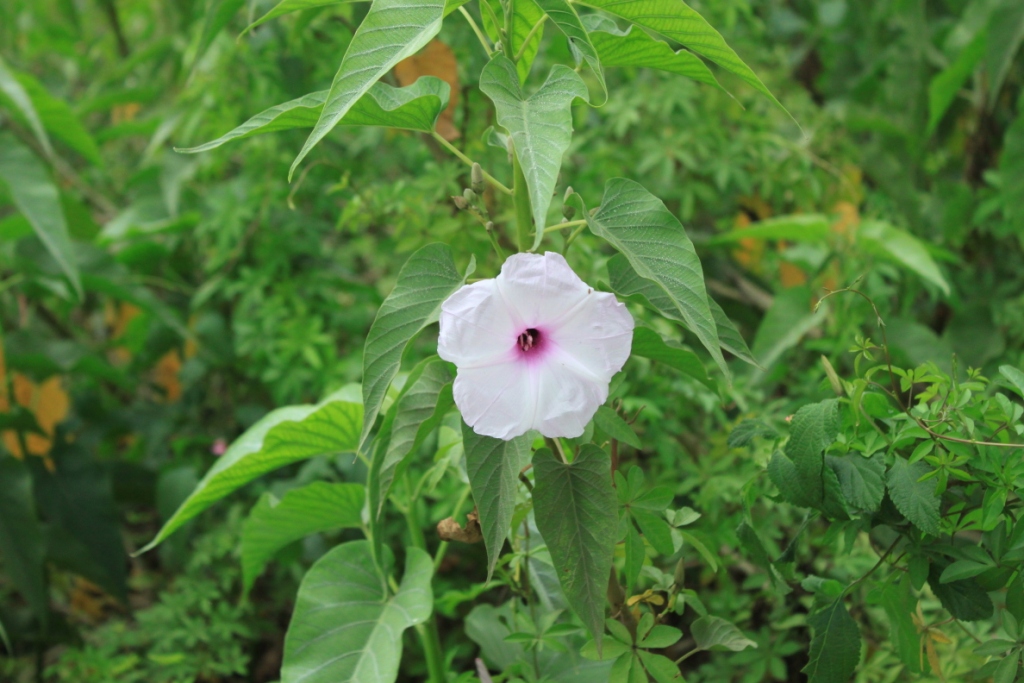
Marsh Glory is a semi aquatic plant found commonly in marshy, water logged places of the India’s Western Ghats and hence the name ‘Marsh Glory’. The plant grows in water as well as in moist soil with hollow stems and branching, bulbous roots. Continue reading
Rollin’ On The River
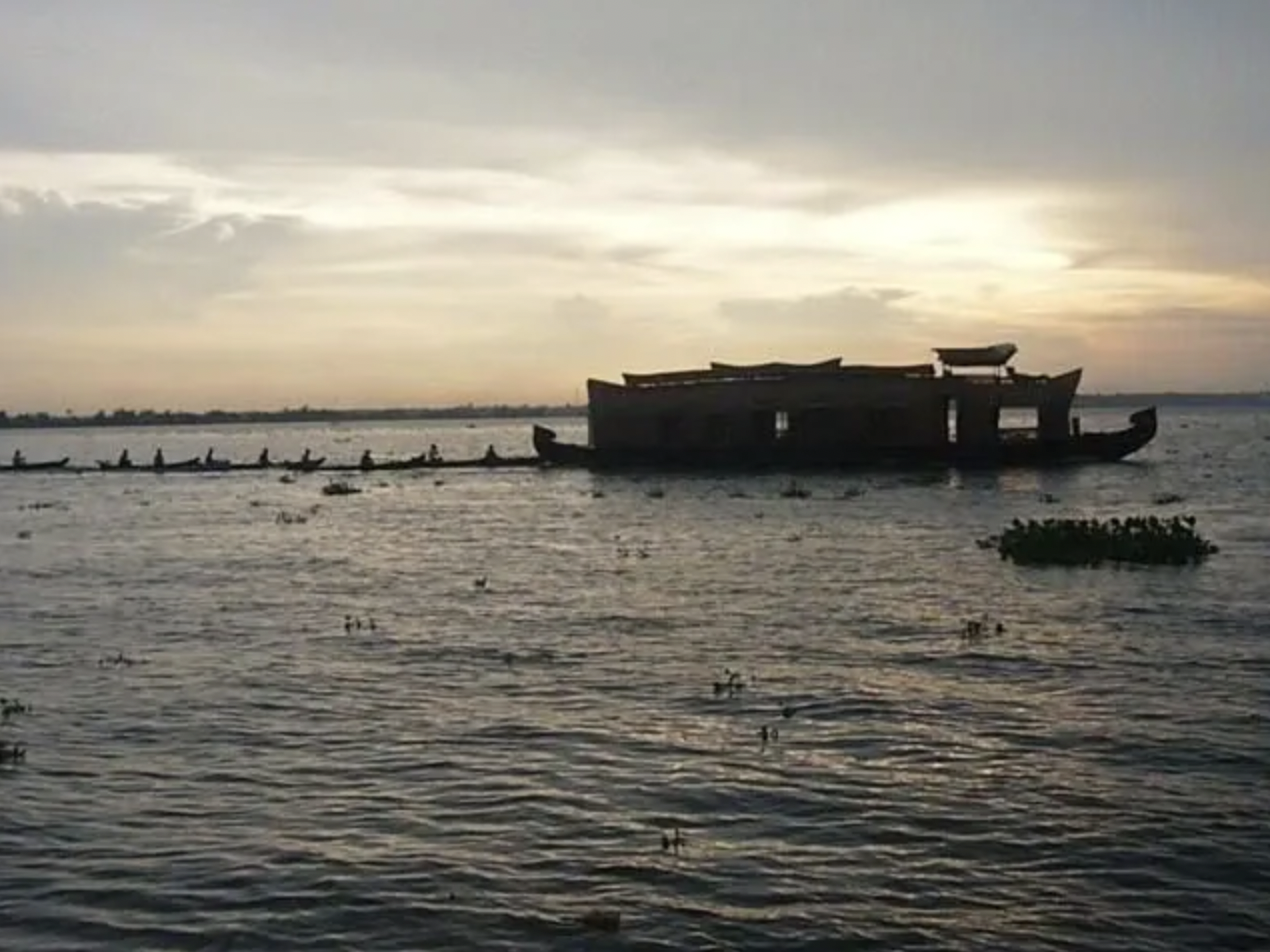
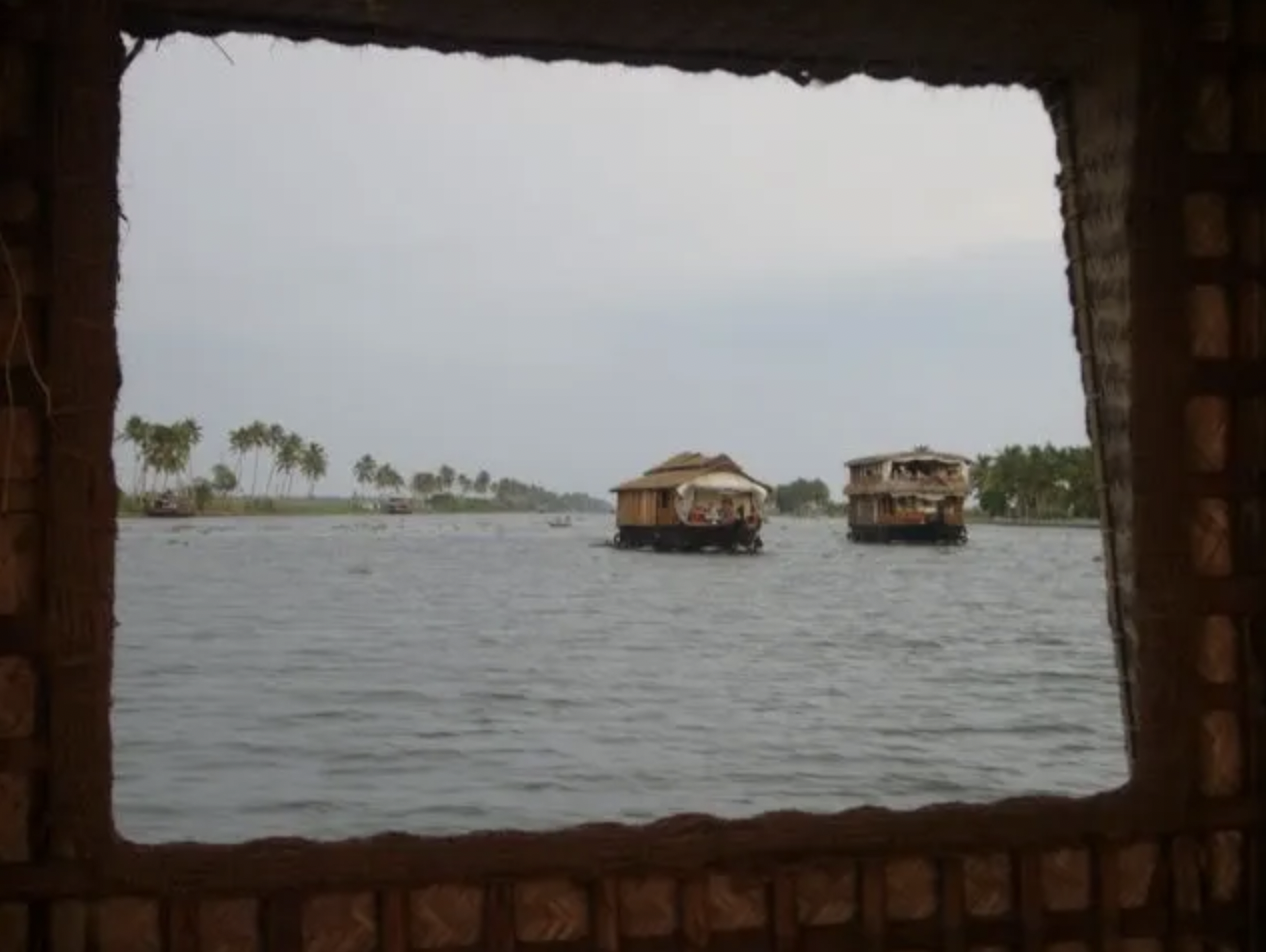
Our second excursion in India was heading from Fort Cochin to the backwater region of Kerala called Alleppey. (The actual Malayalam name is Alappuzha, the ‘zha’ letters forming the same sound as the Hungarian actress who I’m sure to date myself by mentioning.) Just the sound of these Indian names invoked a sense of the exotic and we weren’t disappointed. After a little adventure finding the River Escapes dock (a determined taxi driver made sure we arrived at the right location), we were welcomed with a refreshing drink of tender coconut and sipped away along with four other guests – a young Indian couple (honeymoon perhaps?) and an older English couple. As Dave and I began to settle in, we felt ourselves slipping into a lazy relaxation underlined with an excited sense of anticipation. After a brief orientation, each group was escorted to the dock, where a row of beautifully maintained wooden houseboats waited for boarding.
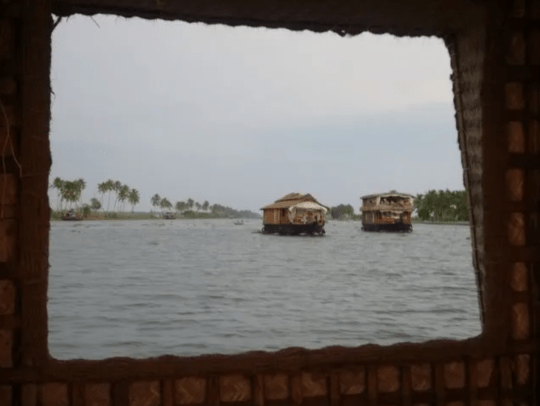
The houseboat held a casual elegance with spotless wooden floors, wide wicker chairs and large open-air windows. The dining table had a bowl of fresh fruit and before we even got our shoes off, the staff of three – the captain, first mate and chef introduced themselves, integrating a slight nod of the head, a typical Indian gesture indicating friendship or often agreement (depending upon the exchange at the moment). With the captain comfortably seated at the helm, the steward pushed the houseboat away from the dock and the chef headed to the galley.
Having been a chef on the high seas myself, a highlight for me was following the chef to the galley as he prepared our lunch. (At the end of this blog, I’ve included some of the culinary tips I learned and have repeated, with great success, at home.) The chef, a tall, slender man in a clean white chef’s coat and tall toque (making him all the more imposing in height) was shy but friendly, explaining his preparations as he skillfully cooked with a deliberateness that conveyed training and personal pride. Our fish, a favorite on the Kerala backwaters called Pearl Spot or Karimeen, was trippy looking, resembling more of a skeleton than an edible item, but it was delicious – crunchy and spicy. As the chef cooked, the captain remained attentive at the helm, navigating through the waterways that would eventually (for someone else) lead to the Arabian Sea. And we were not alone. There were dozens of other houseboats meandering their way down the river – some had two levels with expansive balconies while others stood out with ornate window frames and decorative wood designs. And we all just moseyed along, with passengers waving to one another as we passed modest homes on the shore with clotheslines holding colorful saris. As the waterway became narrower, we found ourselves being led off the houseboat and into a long motorized canoe. We had arrived at the backwaters. Continue reading
The Hill Mangoes of the High Range
These pictures were taken in the area of Periyar where one can find these hilly mangoes in plenty. Mangoes have grown for more than 4,000 years in India. Hilly mangoes are widely used in making pickles instead of being eaten as fruits. Mangoes require a tropical or subtropical, frost-free climate. Flowers Continue reading
Lime
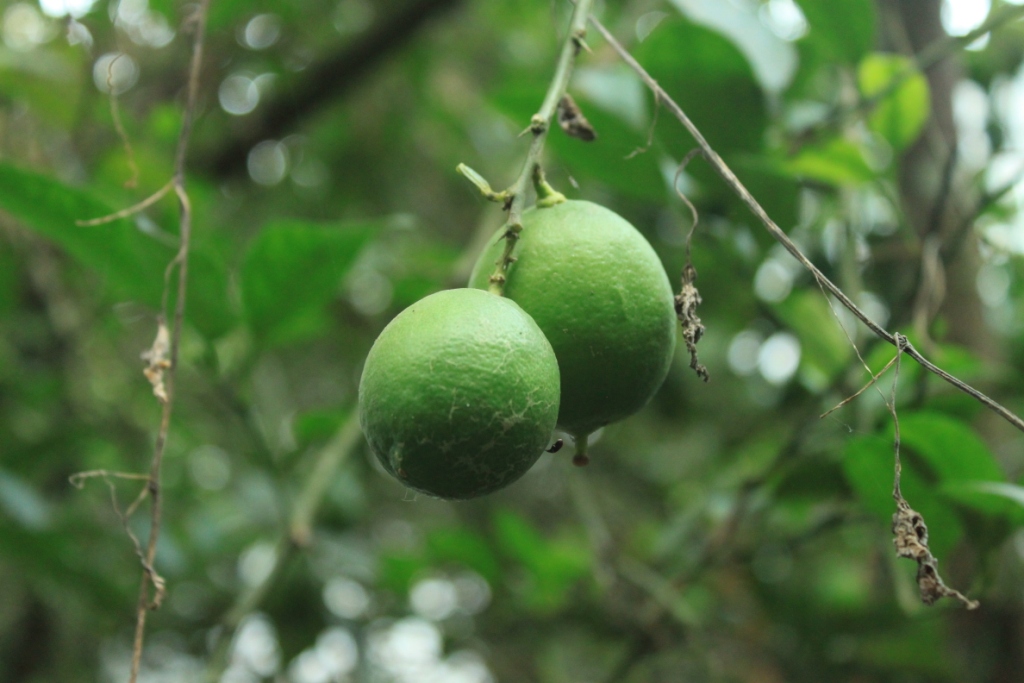
The lime tree is a spiny evergreen shrub found in plenty in the Western Ghats of India. Limes are typically round, green, with leathery leaves and fragrant white flowers. They are rich in vitamin C and often used to add more taste to the flavors of Indian food and beverages like lime water, lime juice, etc.
Continue reading
My Recent Spice Route
Do you ever have a project you keep putting off? And putting off, because the project just feels too all-consuming with no easily defined beginning or end? Welcome to my world of trying to write this brief recollection of my extraordinary experiences in India during the fall of 2011.
This is one of 3 reflections regarding my time in India and my pleasure meeting Amie Inman and visiting two of the Raxa Collective resorts. This first entry focuses on visiting the markets of Cochin and Ernakulum.
Last October my husband Dave and I visited Amie Inman, with Raxa Collective, in Fort Cochin and Ernakulam, in Kerala. At the time, I was the Adult Lifelong Learning Coordinator for the University of Virginia’s Semester at Sea around-the-world voyage. Dave and I had 6 days in Southern India and we didn’t waste a minute. Dave was returning to a region he loves while I was just being introduced, not knowing what to expect. Continue reading
The Clove Tree (Syzygium aromaticum)
Clove is one of the best known spices in the world. The clove tree is an evergreen tree which grows up to 10-12 meters and the spice itself is the flowering bud of the tree. The green, unopened buds grow in a bunch and are harvested when bright red. When dried the buds become dark brown and are used as a spice in numerous cuisines of the world.