With Quinoa, All’s Well Only If It Ends Well

peruvianquinoa_custom-eb612ca1281105ba9be2d6e069a3db7ab8627b5b-s1400-c85

A man holds Peruvian quinoa. New studies of detailed data gathered by Peru’s government find that the global quinoa boom really was good both for Peruvians — both those who grow it and those who eat it. Juan Karita/AP

Thanks to National Public Radion (USA)’s Salt program for this important update:

Your Quinoa Habit Really Did Help Peru’s Poor. But There’s Trouble Ahead

The price of quinoa tripled from 2006 to 2013 as America and Europe discovered this new superfood. That led to scary media reports that the people who grew it in the high Andes mountains of Bolivia and Peru could no longer afford to eat it. And while, as we reported, groups working on the ground tried to spread the word that your love of quinoa was actually helping Andean farmers, that was still anecdote, rather than evidence.
Continue reading

Non-metaphorically Strange Fruit


hybrid-fruit-master675

A mix of tropical and hybrid fruits recently available in the United States. Credits: Photograph by Anthony Cotsifas. Styled by Michael Reynolds. Retouching: Anonymous Retouch. Prop assistant: Caleb Andriella. Photo assistants: Karl Leitz and Jess Kirkham. Fruit courtesy of Melissa’s Produce and Frieda’s Specialty Produce.

From the New York Times, the most unusual short news feature we have seen in some time just came to our attention. An April Fool’s item, perhaps? Click to the end of the story to see these “fruits” identified:

In a world of very few absolutes, here is one: Nature has no more perfect offering than fruit, nothing that seems better engineered to delight and entice humankind’s every sense. But of course, the real purpose of fruit is not to make humans happy, but to make more fruit: While it is the result of a relentless biological process that we happen to enjoy, the creation of fruit itself — from its larval stage as a flower to its dropping from the tree or bush onto the ground and growing into a new tree or bush — would go on whether we were there to appreciate it or not. Continue reading

Float

The ocean stirs the imagination and inspires the heart. In its frolicking waves and every grain of sand is a story of the earth. And the beautifully timed crash of the waves whisper about nature’s simple treasures. For the sea and its tales along the land are a continual miracle. – Rosanna Abrachan

The tale we hear is thrilling – of knowledge passed down for generations, of artisanal fishing practices that grace us with sustenance from the Arabian Sea without depleting her waters.

Come sea!

Fair’s Fare, More Than Fair

160404_r27910-690

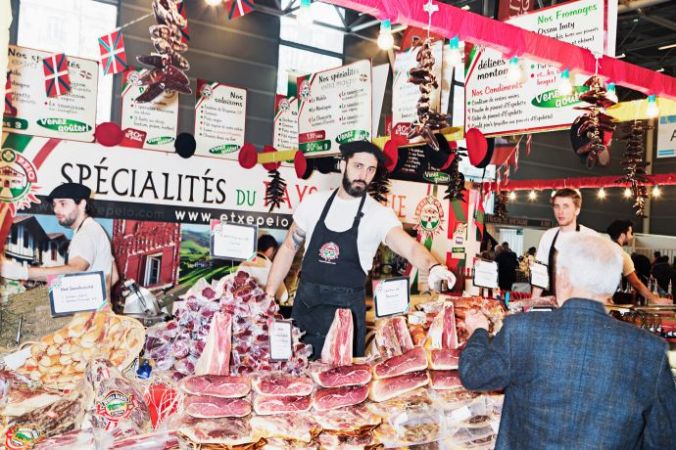
The Salon de l’Agriculture, held every year in Paris, is also a political crucible. PHOTOGRAPH BY IMMO KLINK FOR THE NEW YORKER

It is our favorite annual edition of our favorite source of longform journalism, and this looks like it could be our favorite article from this year’s edition:

Come to the Fair

The food-and-booze fest that is France’s national agricultural exhibition.

BY LAUREN COLLINS

It would be a mistake to think of microtourism, the latest invented word to capture the imagination of the travel sector, as mere staycationing. The practice, as defined by a pair of design students in Denmark who recently completed a project on the theme, is a prerogative of a future in which “gas prices are so high that we must develop a new form of adventure that does not require travelling great distances.” Microtourism is not glamping (no yurt) or bleisure (no work) or minimooning (no wedding). Nor is it Netflix and putter. If a staycation means pajamas and the garden shed, microtourism means sneakers and the subway. Continue reading

If You Happen To Be In New York City

141-690

When the exhibition space re-opens, under new management, this is one of the empty spaces that will be filled, and this post on the New Yorker website makes us think it would have been interesting to see the spaces empty, before:

On Friday, March 18th, the Metropolitan Museum of Art invites the public into the Met Breuer, better known for the past fifty years as the Whitney. (The Met is leasing the building for eight years, while its modern and contemporary wing undergoes a radical transformation.) Fun fact: the Whitney might not have existed at all if the Met had accepted Gertrude Vanderbilt Whitney’s offer, Continue reading

Roots and Anchors

Anybody can welcome you to a destination. Tell you about the must-do and the must-see. Weave you through its facts and fables, seat you through its culinary journey. At Xandari, we welcome you to our people. And the living stories they are. From what’s cooking to an effective cure for colds, good ol’ ways of growing with the land to dreams by the beach, we hear them loud. And, are part of them.

Here’s to our pride. Here’s to our people. Here’s to our family.

Rosanna Abrachan

Community, Collaboration and Conservation are the “3 Cs” that we stand by, and crafting these videos felt like a large family gathering with a smorgasbord of experiences to choose from. Thank you Anoodha and the RAXA Collective –Xandari Pearl teams!

Stay tuned for more!

If You Happen To Be In New York City

160314_r27801-690

PHOTOGRAPH BY DINA LITOVSKY FOR THE NEW YORKER

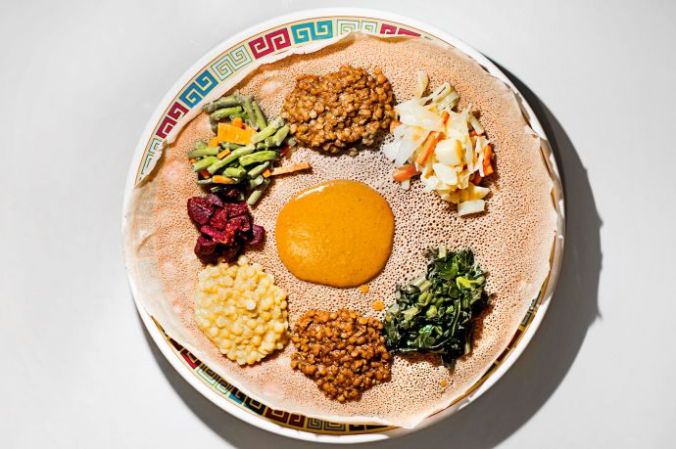
We took a respite from thinking about Ethiopian food for some months, following our brief exploration of Ethiopia but this item in the current issue of the New Yorker reminds us of why that all held our attention so firmly. It gets us thinking about a return trip to Ethiopia. It has us wondering where have the last 363 days gone? Whet the appetite here:

Abyssinia

For lovers of Ethiopian food, recent years were marked by two seismic events in Harlem. First, Tsion Café and Bakery opened on Sugar Hill, serving steaming piles of stew atop injera.

Continue reading

If You Happen To Be in Dubai

http://www.artdubai.ae/

Collaborative relationships are beautiful things. Most of human endeavors lend themselves to collaboration, and art is no exception. The stereotype of solo artist in studio is an old one, but in truth inspiration rarely occurs in isolation, and art doesn’t develop in a vacuum. Collaboration and community between artists, artists and patrons, or artists and those who appreciate art has existed in some form ever since the first charcoal marks on cave walls. Continue reading

What Is It With Tangier?

Petrusich-TheShelteringSoundPaul-Bowles-690

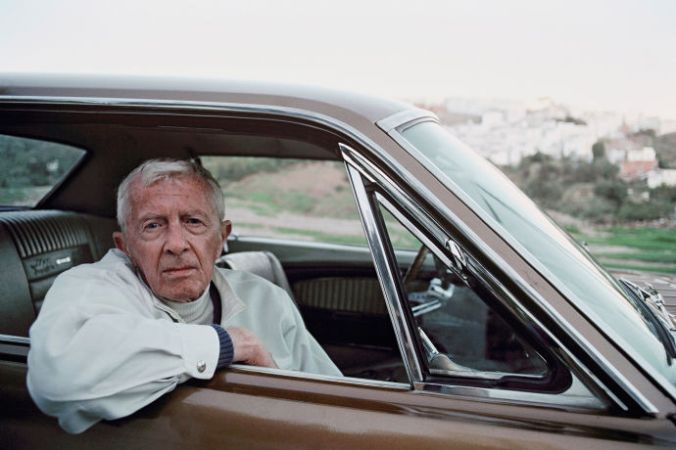
We have not heard any of these recordings, but the last two paragraphs of this post have our attention fully focused and we look forward to the sound:

…I think Bowles would be deeply pleased by what Schuyler and Dust-to-Digital have done with his recordings, the way they’ve now been lovingly, responsibly repackaged. The music itself is frequently staggering: an eleven-minute recording Bowles made in Goulimine, a city in the southern lowlands, is one of the more beautiful examples I’ve heard of guedra, in which one male vocalist and a women’s chorus bang together on a twenty-eight-inch drum. Continue reading

Capturing The Sense Of A Place

pond 001

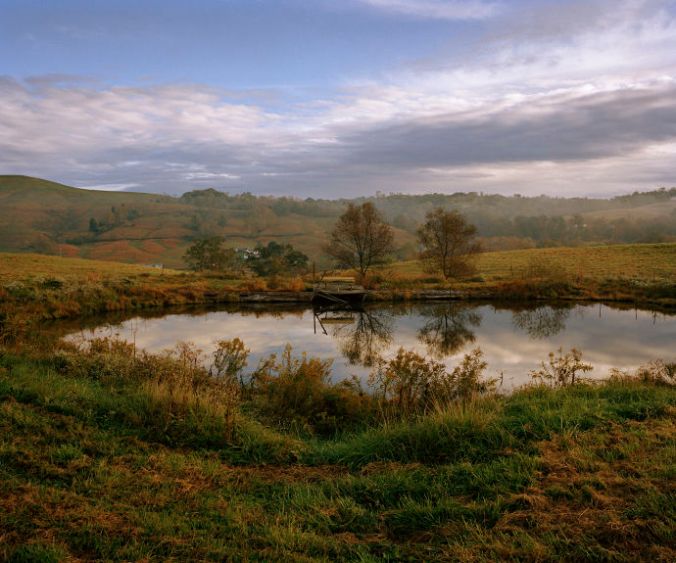
“The Fishing Hole,” 2015. PHOTOGRAPH © AARON BLUM

The Photo Booth feature on the New Yorker‘s ever expanding online offering is a reminder to us of Milo’s camera, in hibernation while he settles into the homestead in the rolling hills of Central New York. We hope that hibernation ends soon, but meanwhile:

Another Side of Appalachia

BY

Appalachia is not a corner of the United States that cameras come to fresh. Artist-visitors have been making visual shorthand of the rural region for decades, and they have tended to seek the place’s more derisive scenes: the folded flesh of the obese, the writhing snakes of the Pentecostals, the scabbed injections of addicts. These subjects are there for the finding, but the photographer who focusses only on the sordid or the sensational has an outsider’s narrowness of vision. Harder to capture, and far more revealing, are the mysteries of Appalachia as they appear to Appalachians. Continue reading

If You Happen To Be In Boston

Kngwarray-Anwerlarr angerr_TL41481.3_seasonality_PR-2

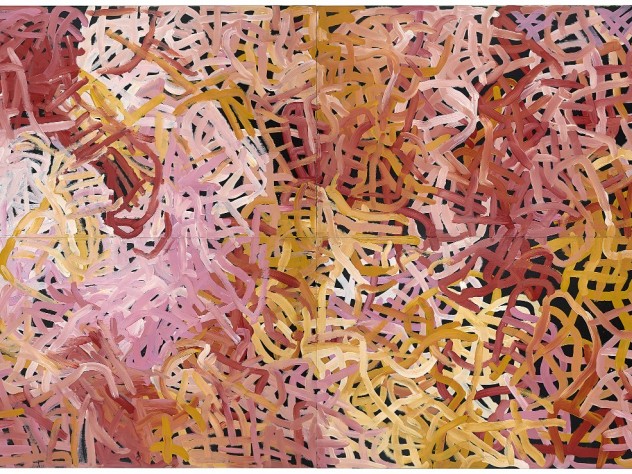
Emily Kam Kngwarray’s Anwerlarr angerr (Big yam) (1996), on display in the “Seasonality” portion of the exhibition Everywhen © Emily Kam Kngwarray / © 2015 Artists Rights Society (ARS), New York / VISCOPY, Australia.

Cambridge, more precisely, is the location where this exhibition can be experienced:

At the Harvard Art Museums, Indigenous Australian Art and Thought on Display

THOUGH SNOW MAY FALL OUTSIDE, inside their special exhibition galleries the Harvard Art Museums host some heat from desert Australia. Composed of 70 artworks—many of which had never left their native land before now—the exhibition Everywhen: The Eternal Present in Indigenous Art from Australia opened on February 5.

The project was some five years in the making for visiting curator Stephen Gilchrist, an associate lecturer at the University of Sydney, and its planning required many late-night conference calls. “I felt,” he jokes, “like I was calling from the future.” Continue reading

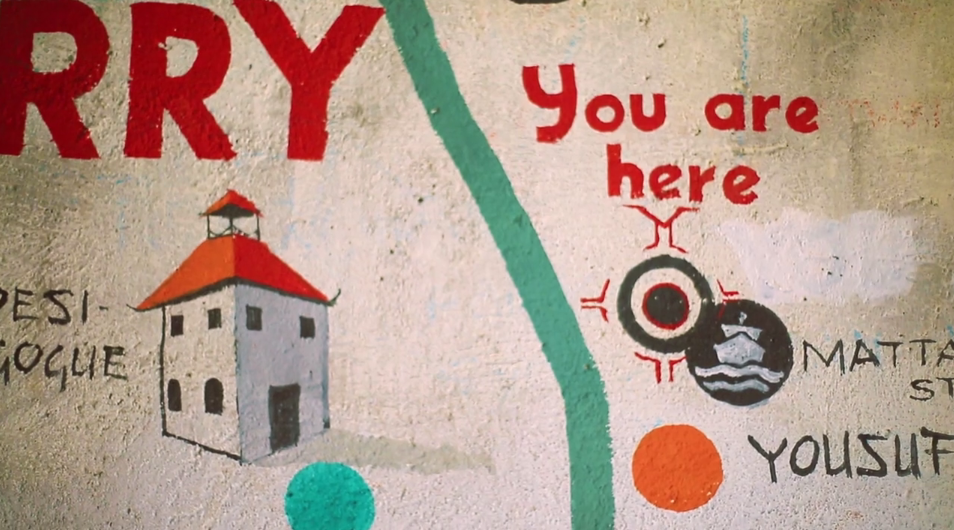
You Are Here

You Are Here.

Three small words found on map boards from metros to malls around the world, usually accompanied by a red dot. Existential words to be sure. Words whose underlying message begs us to live with intention.

The RAXA Collective team crafted the Xandari Harbour walking map with the same deliberateness.

Come explore with us!

Step out from Xandari Harbour’s red door. Go right. Go left. You can’t go wrong!


click below to view the map!

Continue reading

For Whom the Bell Tolls

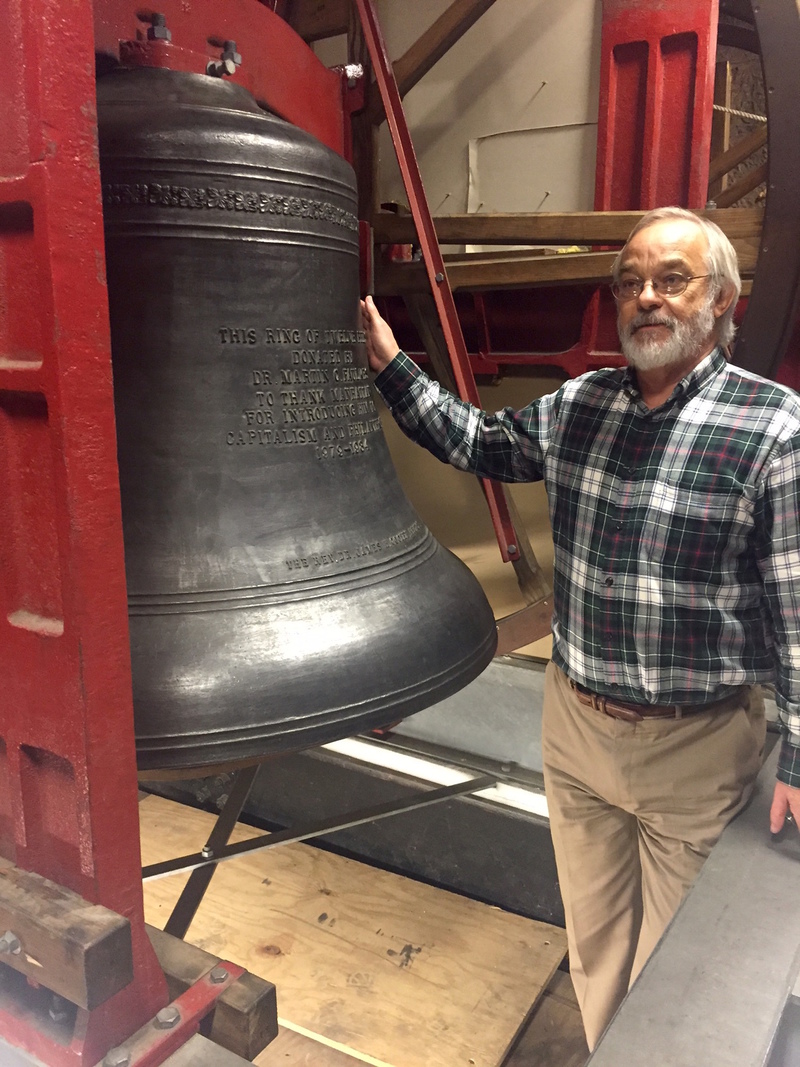
Tony Furnivall beside one of the dozen bells in Trinity Church's clocktower. (Photo: Ella Morton)

Tony Furnivall beside one of the dozen bells in Trinity Church’s clocktower. (Photo: Ella Morton)

If you’ve still not knocked off “do the new” on the year’s bucket-list, we have a suggestion. Join the Wednesday Night rites of New York’s church bell ringers.

Bell ringing, also known as change ringing, is what Furnivall calls “an ultra-niche interest.” Originating in medieval England, it is practiced by an estimated 40,000 people around the world today, mostly in the United Kingdom and among countries of the former British Empire. In the U.S., there is a small but enthusiastic bell-ringing scene, spread across 42 towers. The North American Guild of Change Ringers, established in the 1970s, calls ringing “a team sport, a highly coordinated musical performance, an antique art, and a demanding exercise.” “We ring bells to celebrate,” Furnivall says, and if you’re spry enough to clamber up a clock tower, you can grab a rope and join in the fun.

Continue reading

The Master of Filipino Tattoo Art


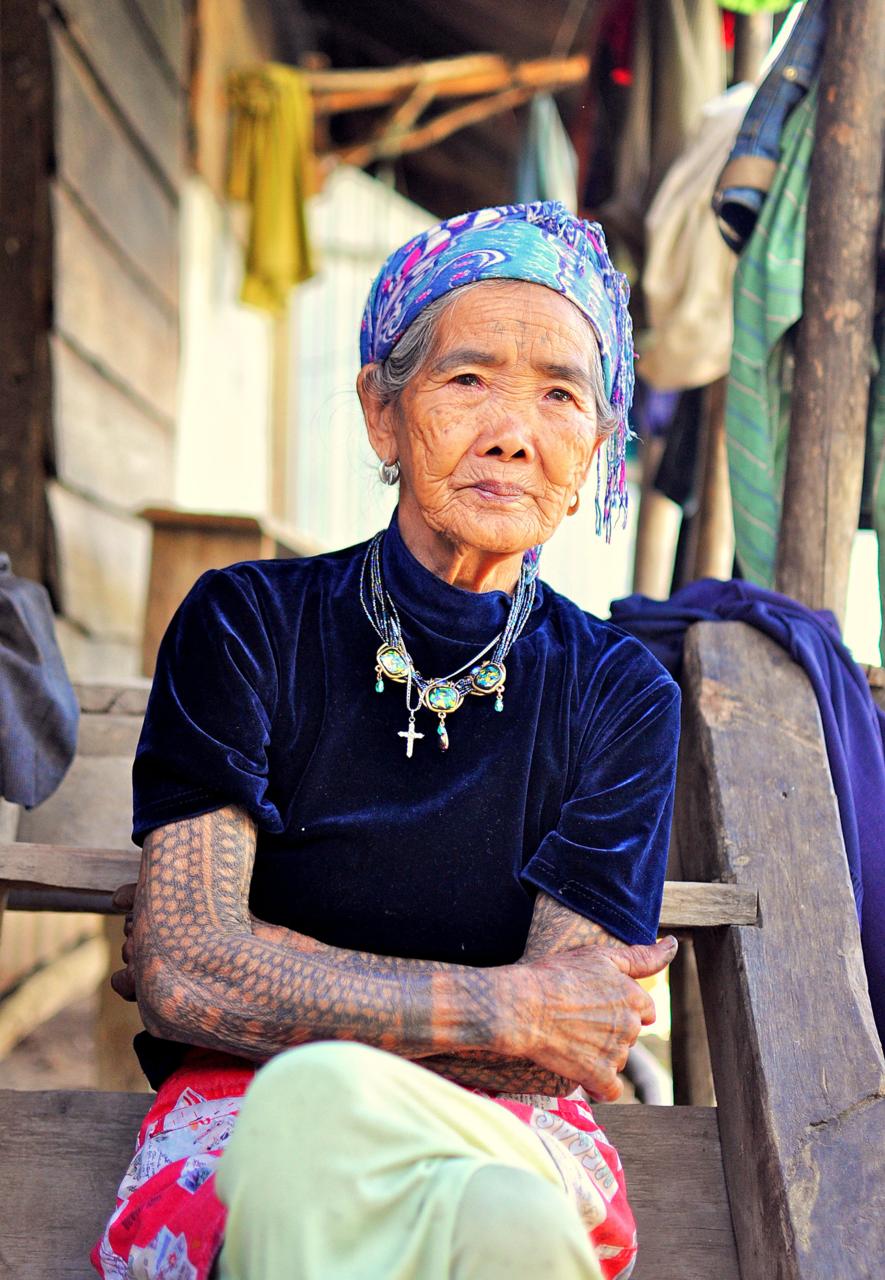
A dying Filipino tattoo tradition is being revived – and forever changed – by the international travellers seeking to get inked by its last tribal artist, 97-year old Apo Whang-Od. (Credit: Travel Trilogy)

A dying Filipino tattoo tradition is being revived – and forever changed – by the international travellers seeking to get inked by its last tribal artist, 97-year old Apo Whang-Od. (Credit: Travel Trilogy)

Winging it on a cliche, we’ll say tattoos are forever. And in the far flung, rustic town of Kalinga,  Apo Whang-Od prays it continues to be so. As the last tattoo artist in the Kalinga region, she carries forth the 1,000-year tradition of batok. And the pressure to see to it that she bequeaths the legacy to a worthy successor.

Every Kalinga village used to have a mambabatok (a master tattooist) to honour and usher in life’s milestones. When women would become eligible for marriage, they would adorn their bodies with tattoos to attract suitors. When headhunters prepared for battle, an inked centipede would be their talisman, or when they returned with a kill, an eagle would commemorate their victory. “Tattoos are one of our greatest treasures,” Whang-Od said. “Unlike material things, no one can take them away from us when we die.”

Continue reading

Malabar Soul Food


Malabar Soul Food – embodies the spices of the land blended with the memories of distant homelands, taking people back to the time when people who loved them cooked for them in a way that was meaningful and satisfying.

Food is about sense memories: it embodies our personal and social history, giving us a sense of place, of home…

What We Are Made Of


Water and light… History and tradition… The patina of layered paint on classic four-part doors, and sun-faded signs help inspire the Xandari Harbour color palette.

The design brief was simple: honor history, but be not a slave to it. Embrace the fresh language of Indian aesthetics while celebrating the materials of the past.

Two entrances are here to welcome you. Choose classic – Choose modern. They both lead inside.

Come see!

Walking In on the Sari

Walk. That’s my one-word gospel for all who will listen in on the best way to discover. Meander. Be curious, the good kind. Because stories wait around corners, discoveries often plonk themselves on one-way streets. And some are found in messy backrooms of squeaky clean shops lined with mannequins and smiles. Like this woven tale of the people, history, and fabric that go into the making of the Indian drape. There’s more than just five yards to the sari, trust me.

Continue reading

Venice’s First and Only Gondoliera

Venice

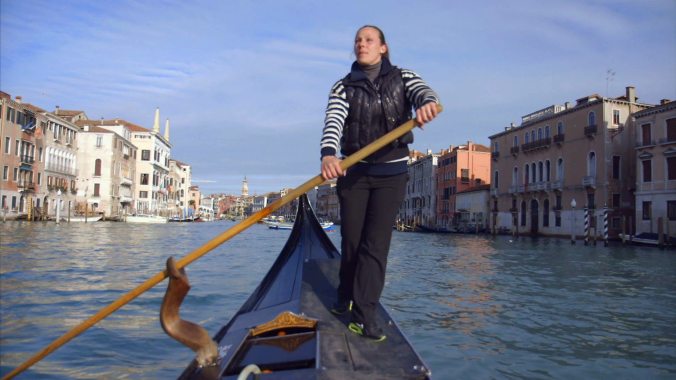
In 2009, 23-year-old Giorgia Boscolo overcame one of Italy’s last all-male bastions (for 900 years) to become a certified gondolier. PHOTO: BBC

Travel empowers. Not just the map-toting, lens-faced tourists but also the people who make travel possible. Often, mere faces. Rarely remembered by their names for their service. Giorgia Boscolo is an exception. She’s a rare breed, in a league of her own on Venice’s canals. Should your travel plans point towards this city, do catch a glimpse of this spirit who sails right through 900 years of taboo.

As a little girl in Venice, Giorgia Boscolo was forever bugging her father to let her ride with him in his gondola. While her three sisters played with their dolls, she would beg him for a turn with the remo, or oar. Dante Boscolo, an indulgent Italian father, humored his pint-sized shadow — to a point.

“My father only let me row when it was bad weather,” Giorgia recalled with a laugh.

His retort was swift: “That’s how you learn.”

Continue reading

Where We Stand


There’s something beautifully timeless about Bazar Road in Mattanchery. The classic counting methods and long-standing relationships between the stevadores and shop keepers. The ebb and flow of commerce as merchandise moves through the streets. The noble patterns of fishermen setting their nets or going out to sea.

Experience a portal into those journeys here…