Let My Country Awake

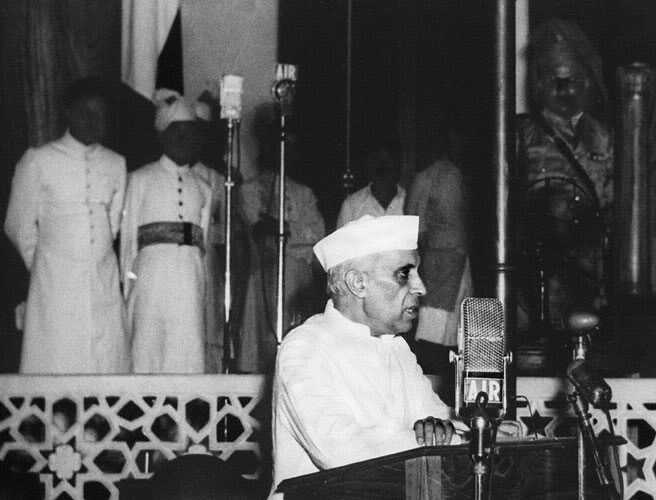
A photo dated 15 August 1947 shows Jawaharlal Nehru, India's first Prime Minister, delivering his Famous

A photo dated 15 August 1947 shows Jawaharlal Nehru, India’s first Prime Minister, delivering his Famous “Tryst With Destiny” speech at the Parliament House in New Delhi

Long years ago we made a tryst with destiny, and now the time comes when we shall redeem our pledge, not wholly or in full measure, but very substantially. At the stroke of the midnight hour, when the world sleeps, India will awake to life and freedom. A moment comes, which comes but rarely in history, when we step out from the old to the new, when an age ends, and when the soul of a nation, long suppressed, finds utterance… And so we have to labour and to work, and work hard, to give reality to our dreams. Those dreams are for India, but they are also for the world, for all the nations and peoples are too closely knit together today for anyone of them to imagine that it can live apart…

I write this at the eleventh hour, before the hands of the clock officially rest on India’s 68th Independence Day. Oh wait, isn’t it a national holiday? I must admit the latter has me more thrilled. Also admit to not having read the country’s first Independence Day speech (excerpt above) in its entirety until now. I shall wallow in shame for a bit, until I cross over to gratitude. Grateful for this chance to dwell on what freedom meant then, means now, and will come to be.

Continue reading

Here’s How to See a Meal on a Banana Leaf

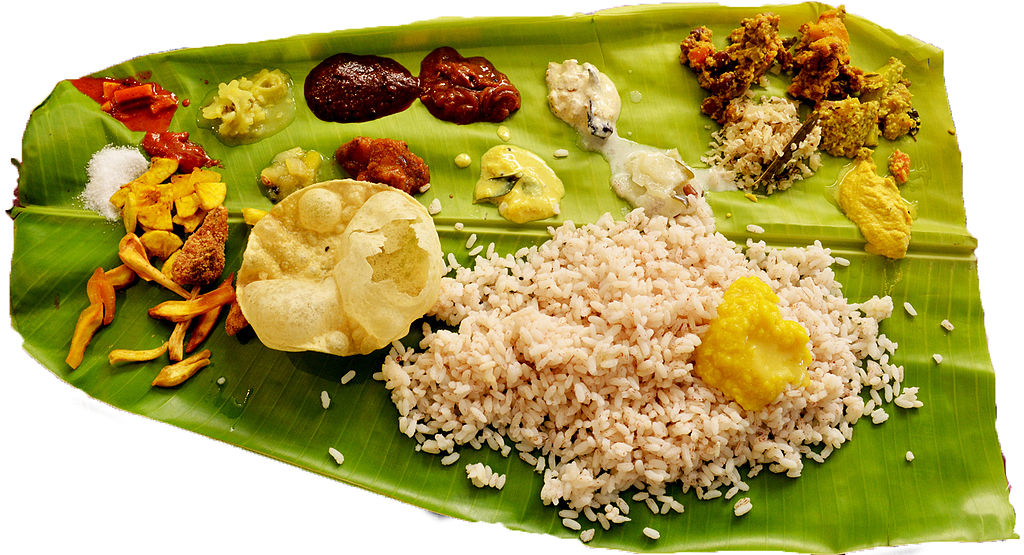
Eating on a banana leaf goes beyond the food; it's about science, energy, and teachings of yore. PHOTO: Wikimedia Commons

Eating on a banana leaf goes beyond the food; it’s about science, energy, and teachings of yore. PHOTO: Wikimedia Commons

The rains have ceased and clearer skies bless our days here in Kerala as the calendar turns a page to August. The words are only beginning to be murmured but sadyakasavuand Onam can put the life back in any Keralite’s soul. Food, clothing, and a festival – in translation – who could possibly ask for more! And one thing that binds them all together is how true to the land they stay. The sadya in particular, once you look beyond the fact that it’s an only-hands affair and is best had sitting cross-legged on the floor, is an example of food science, forms of energy, folk teachings, and more.

Continue reading

Shaken, Not Stirred – The Golden Age of Cocktails

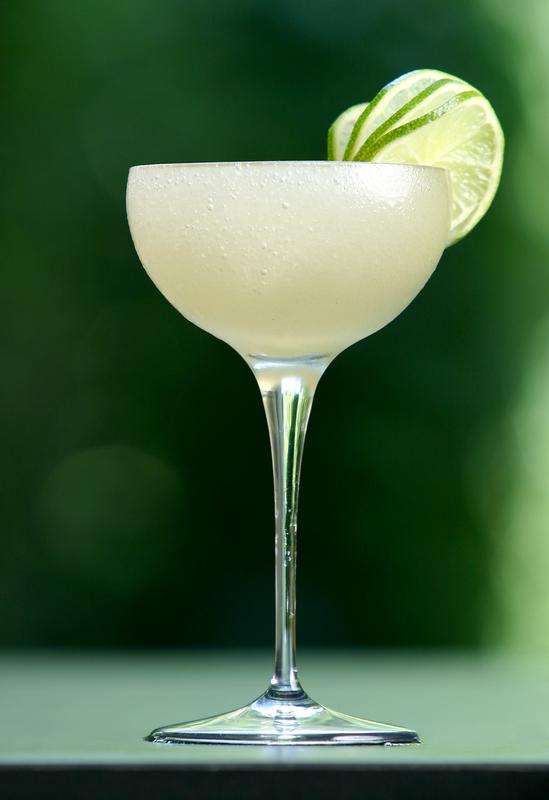
Forget the blender and all of the bottled mixes, the best Daiquiri is made from scratch and it is an unbelievably easy mix of three main ingredients.

Forget the blender and all of the bottled mixes, the best Daiquiri is made from scratch and it is an unbelievably easy mix of three main ingredients.

“Shaken, not stirred” is a catchphrase of Ian Fleming‘s fictional British Secret Service agent James Bond and describes his preference for the preparation of his martini cocktails. The phrase first appears in the novel Diamonds Are Forever (1956), though Bond himself does not actually say it until Dr. No (1958), where his exact words are “shaken and not stirred”. Going by it, there clearly seems to be a preference and an art to topping up a glass. And The Salt‘s trackback to when Americans learned to love mixed drinks shows just that.

Continue reading

Food for the Soul

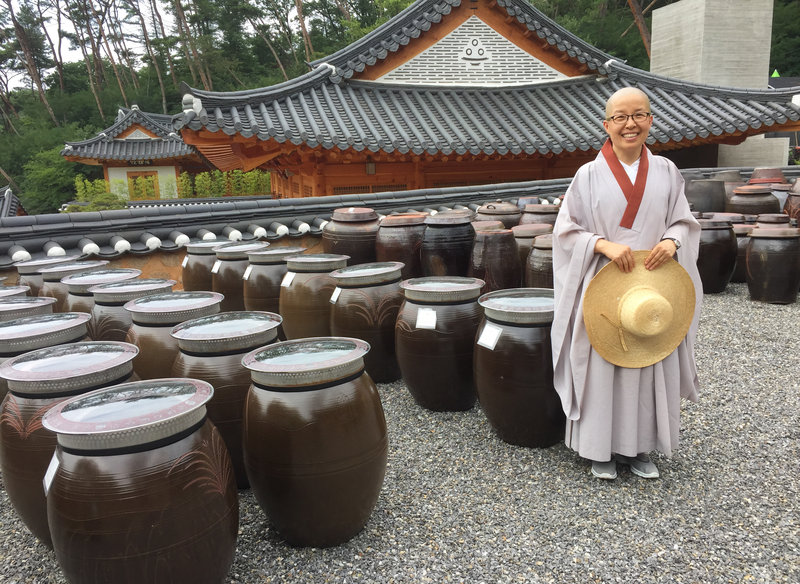
Sun Woo directs the visitor program at Jinkwansa, a Buddhist temple outside Seoul famous for preserving the art of Korean temple food. Behind her are giant jars filled with fermented soybeans. PHOTO:  Ari Shapiro/NPR

Sun Woo directs the visitor program at Jinkwansa, a Buddhist temple outside Seoul famous for preserving the art of Korean temple food. Behind her are giant jars filled with fermented soybeans. PHOTO: Ari Shapiro/NPR

When it comes to faith matters, it’s interesting to see how matters of divinity are linked to food. One interpretation of it could be the need to connect the intangible with the tangible. And no better universal language than food as a medium to impart lessons for the soul. While most Hindu temples distribute prasadchurches have the Eucharist, Jewish rituals revolve around the seder meal and so on. The Buddhist temple at Jinkwansa too has a food tradition, one that goes back 1,600 years and is renowned for its detoxification power.

Continue reading

From India to Houston, the 40-year-old Yogurt

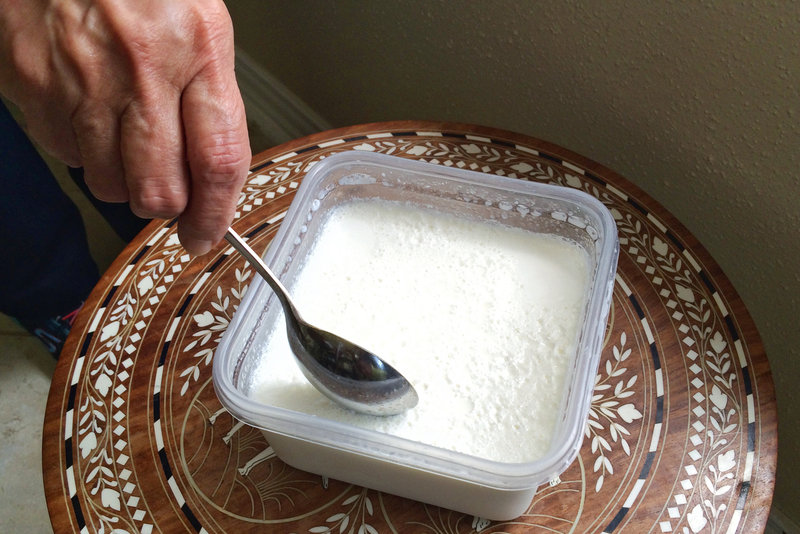
A recent batch of Veena Mehra's yogurt in Houston. She's been making yogurt the same way, with the same starter, for about 40 years. PHOTO: Nishta Mehra

A recent batch of Veena Mehra’s yogurt in Houston. She’s been making yogurt the same way, with the same starter, for about 40 years. PHOTO: Nishta Mehra

If you’re making your own yogurt at home, you need an old batch to make a new batch. And the community of microbes in that yogurt starter — and the flavor — should remain relatively unchanged if you make it the same way every time. That’s what Rachel Dutton, an assistant professor of microbiology at the University of California, San Diego who studies cheese and other dairy products, says, anyway.

Continue reading

Put a Label On It

During Prohibition, whiskey could legally be sold as medicine. This particular bottle of Four Roses bourbon was prescribed to a patient in Sparks, Nev., in 1924. The label tells patients to mix 2 ounces of whiskey with hot water. PHOTO: Ten Speed Press/Four Roses

During Prohibition, whiskey could legally be sold as medicine. This particular bottle of Four Roses bourbon was prescribed to a patient in Sparks, Nev., in 1924. The label tells patients to mix 2 ounces of whiskey with hot water. PHOTO: Ten Speed Press/Four Roses

Many a book, blog and news article has been devoted to the topic of whiskey: the way it’s aged, where to drink it, how to store it and serve it or pair it with food. But comparatively little attention has been paid to how whiskey is packaged. Spirits and wine writer Noah Rothbaum felt that it was time that American whiskey labels had their day in the spotlight. His new book, The Art of American Whiskeytraces the history of surprisingly elaborate labels from the 1800s to today.

Continue reading

The Village Capital of Light

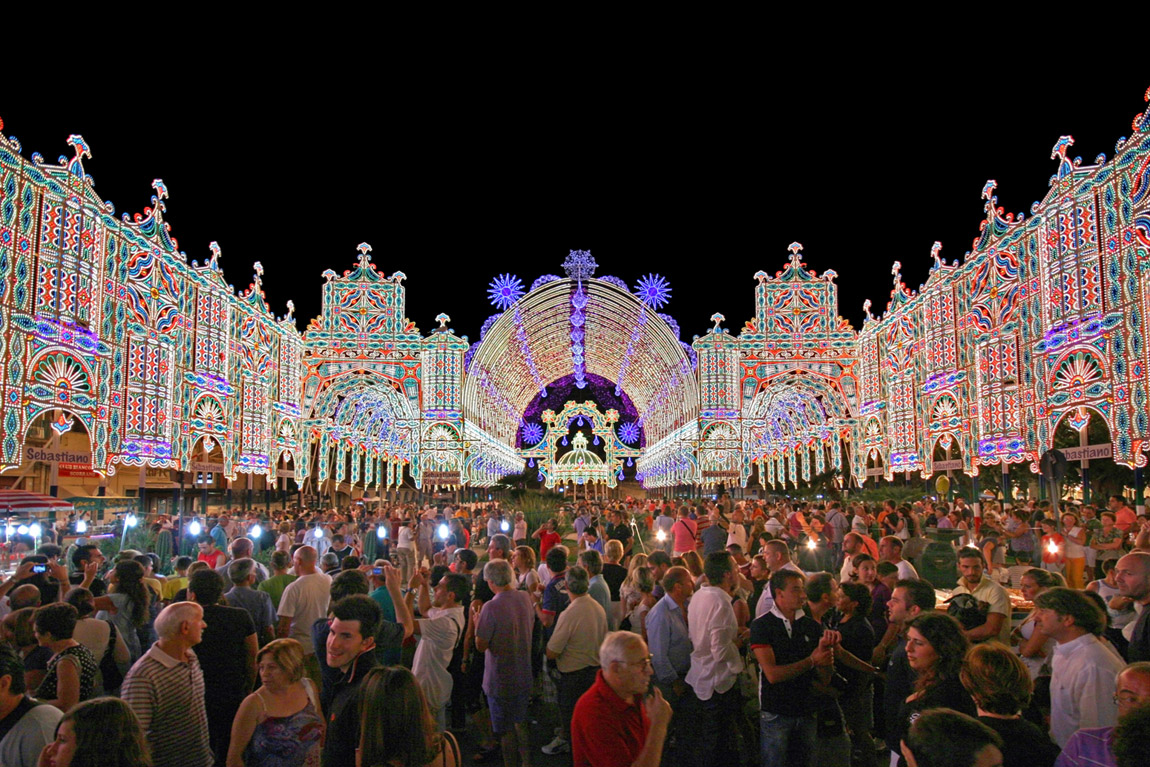
Scorrano, a little village turns into the Capital of the Luminarie for a few days a year. PHOTO: Gorgonia.it

Scorrano, a little village turns into the Capital of the Luminarie for a few days a year. PHOTO: Gorgonia.it

Tradition, religion, heritage, and passion: from one generation to the other, a small town in the Apulia region, Scorrano, has been able to keep all these things untouchable and unique and give them expression during a festival called “Festa delle Luminarie”. The history of this festival goes back to the 20th century and it is related to the existence of small family-run businesses that have been developing and installing the so-called “luminarie” to celebrate local patrons and religious feasts. This was especially true for this small town where only 7,000 people live: there, a few local firms used to wait for the village’s feast in order to install the most beautiful and spectacular illuminations they had been working on in the months before.
Continue reading

Hunger Games and Peru’s Wachiperi

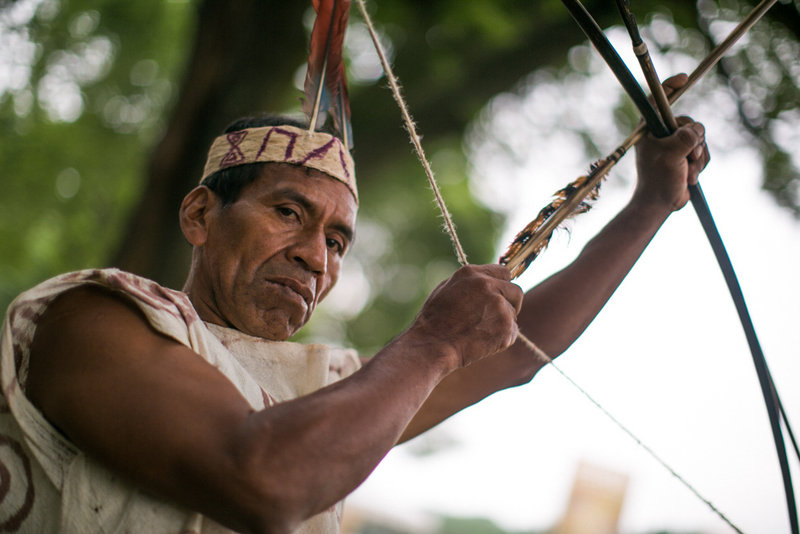
Victorio Dariquebe Gerewa displays his bow and arrow at the Smithsonian Folklife Festival in Washington, D.C. PHOTO:  Ben de la Cruz/NPR

Victorio Dariquebe Gerewa displays his bow and arrow at the Smithsonian Folklife Festival in Washington, D.C. PHOTO:
Ben de la Cruz/NPR

Girls and women in the Peruvian Andes are also asking to learn — but for a different reason. They want to be able to hunt for meat and fish so they don’t have to rely on the men to bring home food.

“The world is modernizing, and women are starting to want to use the bow,” says Sergio Pacheco, a skilled archer who’s part of the tiny Wachiperi community — population estimates range from 90 to 140 — in a remote region of Southeast Peru. “They say, ‘We are just women in the family, so what happens when our father dies? We need to learn this to be able to take care of our families.'”

Continue reading

Fancy Some Meat Done Inca-style?

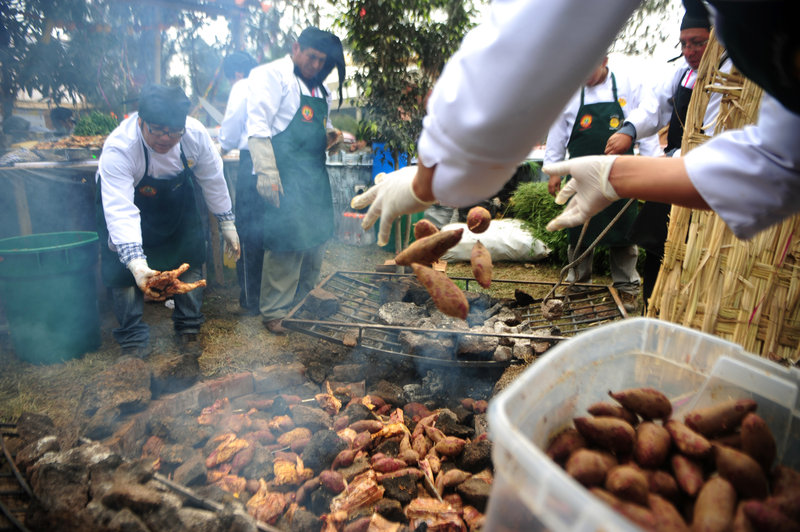
People throw potatoes into a pachamanca during a gastronomic fair Mistura in Lima. PHOTO: Ernesto Benavide

People throw potatoes into a pachamanca during a gastronomic fair Mistura in Lima. PHOTO: Ernesto Benavide

What’s the epitome of summer for a lot of Americans? It’s communing around a grill, with friends and family, waiting for a slab of meat to cook to juicy perfection. In Peru, people like to gather around heat and meat, too. Except the heat — and the meat — are buried in the ground. It’s called pachamanca, a traditional way of cooking that dates back to the Inca Empire. The pit cooking technique has evolved over time but remains an important part of the Peruvian cuisine and culture, especially in the central Peruvian Andes all year-round for family get-togethers and celebrations. Imagine a cornucopia of dozens of potatoes and corn ears and giant slabs of well-marinated meat, stacked carefully in layers. Pachamanca is that cornucopia turned upside-down and sealed for hours.

Continue reading

Of Magical Tattoos and Civil Wars

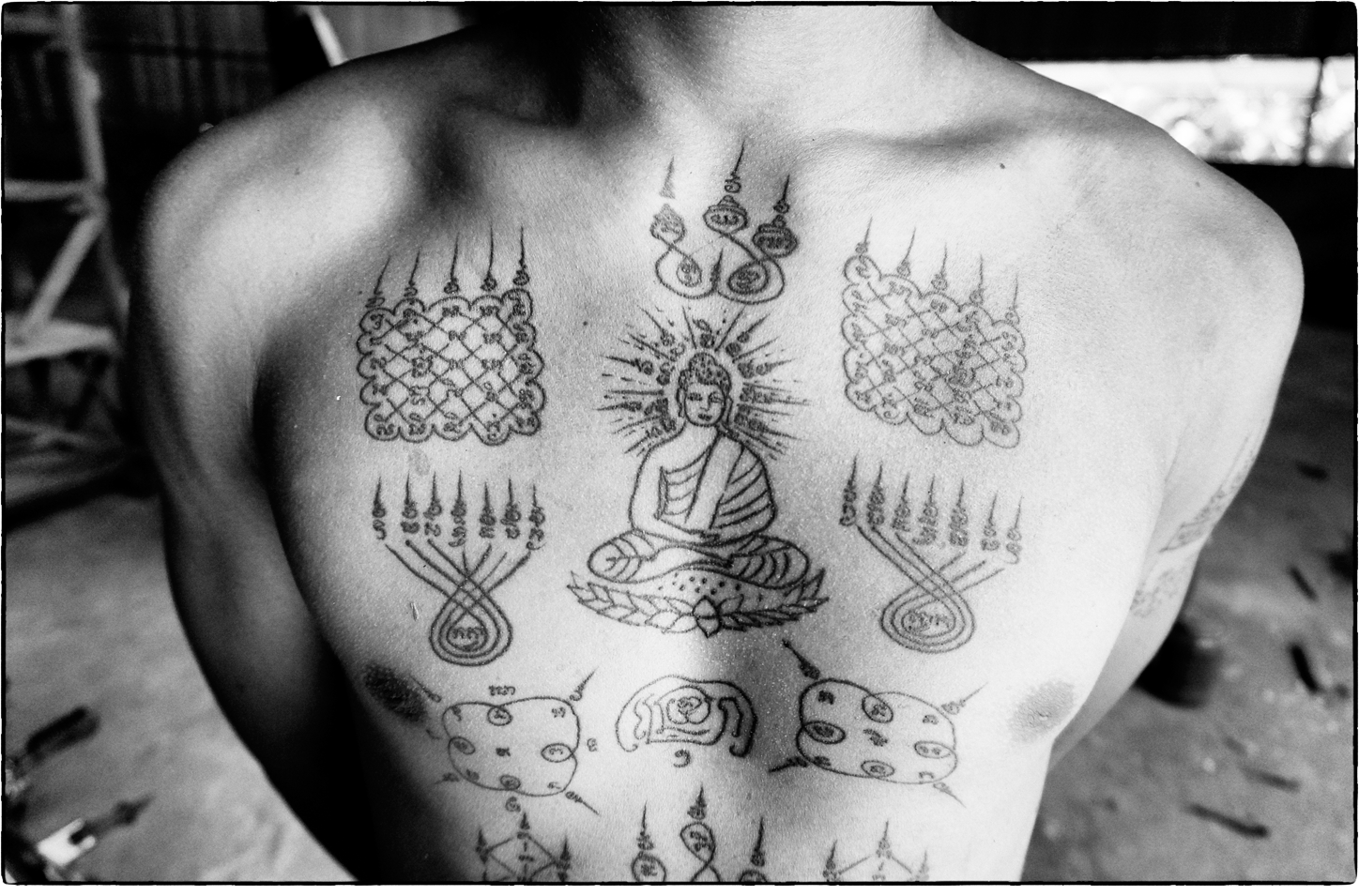
Believed to ward off bad luck, sacred tattoos or sak yant have centuries of history in Southeast Asia. PHOTO: Nathan Thompson

Believed to ward off bad luck, sacred tattoos or sak yant have centuries of history in Southeast Asia. PHOTO: Nathan Thompson

Magical tattoos, known as sak yant in Khmer – the language of Cambodia – are believed to render their wearers impervious to bullets, protect them from misfortune and endow them with sexual magnetism. While the tradition prevails throughout Southeast Asia, little is known about the art in Cambodia, partly because of a 1920 royal ordinance that forbade monks from tattooing and partly because the remaining practitioners were killed during the Khmer Rouge genocide and civil war. Today, traditional Cambodian sak yant is especially difficult to find because those who are still practicing the art form are reluctant to publicize their activities.

Continue reading

Indian Music, European Violin

Clarinet, mandolin, saxophone - the Carnatic tradition of Indian classical music is a ground of growing collaborations across the world. PHOTO: Aambal

Clarinet, mandolin, saxophone – the Carnatic tradition of Indian classical music is a ground of growing collaborations across the world. PHOTO: Aambal

Indian classical music has our attention today. Thanks to its fluidity and pliability that makes it a thriving collaborative space. If you want the history of this art form, find it here. And for crossovers of Western strains and Indian sensibilities, head here. For much of Indian cultural evolution and practice, music is not a standalone art form. It forms the crux of cultural discourse, an important part of the axis that binds community, ritual, practice and social mores. The Carnatic music form of South India is a rather interesting and rich tradition among the musical traditions of the world. For one, it is tremendously alive and vibrant, not just in South India but also in different ways around the world.

Interestingly, the Carnatic form has also been receptive to a great number of innovations, especially in the sorts of instruments it has drawn into its fold. The European violin, for instance, finds an entry as late as the 19th century but has become near irreplaceable in the Carnatic context and performance formats of today. Tipped as being the one instrument that is as close as possible to the infinite flexibilities of the human voice, the violin has spawned different playing styles and traditions of its own in its comparatively brief but highly impactful history.

Continue reading

Putting the Horse Before the Cart

For better or worse – the Indian city of Mumbai is preparing to bid goodbye to one of its icons. The city’s ornate horse-drawn carriages are nearing the end of the road after a court in the Indian city ruled them illegal. The silver-colored Victorias – styled on open carriages used during Queen Victoria’s reign – have been plying Mumbai’s streets since British colonial times, and for years have been a tourist attraction. But recently, the Bombay High Court agreed with animal welfare groups, who had petitioned for a ban citing poor treatment of the horses, that the practice was cruel.

Continue reading

Yoga – Popular and Partisan in Nature?

India celebrates its first International Yoga Day today. PHOTO: Members of the Navy performing Yoga at sea.

India celebrates its first International Yoga Day today. PHOTO: Members of the Navy performing Yoga at sea.

On Sunday morning, the Indian capital New Delhi’s broadest and grandest avenue, Rajpath, will be covered in a sea of yoga mats, with some 35,000 people expected to indulge in mass physical contortions to mark the first International Day of Yoga—a pet initiative of India’s Prime Minister Narendra Modi. He pitched the idea to the U.N. General Assembly (UNGA) in his maiden speech at the annual diplomatic confab in September. A formal UNGA resolution to establish an international yoga day was passed in December, with more than 170 countries co-sponsoring the move. Modi’s government has since gone all out to promote the first yoga day, calling its diplomatic corps into service to plan events in more than 190 countries.

The Modi government is attempting to set two world records, including the largest yoga lesson (the current record was set in India in 2005, when nearly 30,000 students from more than 360 schools participated in a yoga session in the central Indian city of Gwalior). It also wants to set a record for the number of nationalities involved in a single yoga lesson, a category it hopes to pioneer.

Continue reading

Your Worst Dragons Are Your Best Teachers

PHOTOGRAPH BY ELI REED/MAGNUM

PHOTOGRAPH BY ELI REED/MAGNUM

Amie and I lived around the corner from the Chelsea Hotel during the second term of Ronald Reagan’s presidency. At that moment in our lives, newly married and full of that kind of hope, we nonetheless observed with concern the culture of the USA changing radically around us. New York City, in particular seemed an epicenter for the demonization of “welfare queens” (Reagan terminology) and homeless people (of which there was a sudden massive increase due to various social safety nets being eliminated, a result of the “Reagan revolution”), while the values associated with speculative money, and cronyism, were ascendant.

It seems to me in hindsight that it was the moment when entrepreneurial capitalism receded as a driving force of the culture, giving way to a strong strain of some other form of capitalism. A much darker, or at least shadier, form that culminated in the economic tragedies of recent years in the USA, including contagious sub-strains that made their way to Europe and can be seen in the Greek tragedy today.

Reading that the Chelsea Hotel is g0ing “boutique” is at first depressing, but then not; it is a reminder of how New York City has been transformed by the new rules of capitalism; yet encouraging, even if the Chelsea Hotel’s role as an institution will be lost, because some of its core values remain intact as residents live out their terms there. The heartless strain of capitalism that bred and multiplied in the 1980s, which we have thought monstrous, has forced us to look for answers, which in turn has led us to the entrepreneurial conservation concept that animates our work, daily. The dragon sometimes teaches:

At a moment when the once beautifully entangled fabric of New York life seems to be unravelling thread by thread—bookstore by bookstore, restaurant by restaurant, and now even toy store by toy store—it might be time to spare a thought or two for the Chelsea Hotel. At the hotel on Twenty-third Street, famously rundown and louche—the Last Bohemia for the Final Beatniks, our own Chateau Marmont, where Dylan Thomas drank and Bob Dylan wrote “Sad-Eyed Lady of the Lowlands” and Leonard Cohen wore (or didn’t; people argue) his famous blue raincoat, and Sid Vicious killed (or didn’t; they argue that, too) Nancy Spungen—the renovators and gentrifiers have arrived. The plastic sheeting is everywhere, the saws buzz and the dust rises. In a short time, the last outpost of New York bohemia will become one more boutique hotel. Continue reading

What’s in Your Tequila?

Although demand for tequila is booming, the younger generation of laborers is deserting the land of the agave in Mexico, from which the liquid is extracted. PHOTO: The Huffington Post

Although demand for tequila is booming, the younger generation are deserting the land of the agave in Mexico, from which the liquid is extracted. PHOTO: The Huffington Post

Find yourself taking a shot at the tequila often? Or are you one to cook with it, whipping up some tequila wings, tequila-cured salmon or infusing the liquid in cheesecakes and ice cream? Not to forget those breezy cocktail mash-ups featuring flavors of rose, mango, strawberry, and even pepper! Now that we have your attention, we are going to take a shot at bringing you this story from the home of the drink – Mexico. A story with a mood-board that will definitely not have you screaming “One tequila, two tequila, three tequila, floor”. One that may possibly leave you with questions about the future of the drink and Mexico’s loss of a family tradition.

The craft of the agave harvest, still done entirely by hand, has remained virtually unchanged since around 1600 when tequila was first invented by the Spanish conquistadors. It is also one that has traditionally remained in families, with each generation teaching the next, ensuring that the mechanization of the tequila harvest has been kept at bay.

Yet traditions of the jimador, a figure still cloaked in romantic mystique in literature and even Mexican telenovelas, are slowly disappearing. While the demand for high-quality tequila is rising year on year, with the industry worth over $1bn and seven out of 10 liters produced now exported worldwide, the younger male generations who would once have taken on the mantle of their fathers to become jimadores are turning away from the agricultural way of life in droves.

Continue reading

Fishing for Life

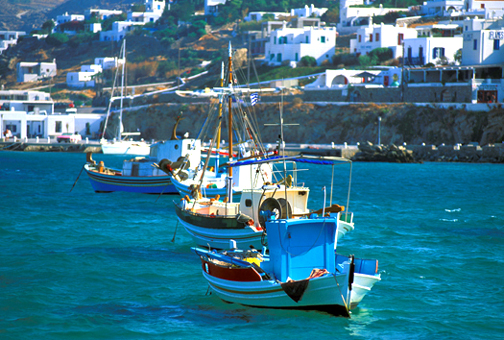
Greece is now heavily investing in open-ocean fish farming to meet demand.  PHOTO: Gerald Brimacombe

Greece is now heavily investing in open-ocean fish farming to meet demand. PHOTO: Gerald Brimacombe

The traditional Greek fisherman casting a net from his small wooden caique is a postcard image of the Mediterranean. In the past, these fishermen supplied tavernas and fish markets. But fish stocks are so low now that many say they can’t make a living. Reason? Commercial trawlers scoop most of the fish out of the sea, there’s over-exploitation of marine wealth, and fishing regulations are lax. National Public Radio tells this story from the port of Laki, a fishing village on the Aegean island of Leros:

It’s a sunny afternoon on the port of Laki, a fishing village on the Aegean island of Leros. The seaside tavernas are filled with happy tourists and local families listening to traditional violin music and eating fresh grilled fish. But fisherman Parisi Tsakirios is not celebrating. He’s on his wooden fishing boat, cleaning a bright yellow net. Two days at sea, he says, and barely a catch.”We caught just 20 pounds of fish,” says Tsakirios, who, at 29, has been fishing for 15 years. “We can sell that for 200 euros (about $225). But fuel costs almost as much, so we’ll be lucky if we make 20 euros (about $22).”

Continue reading

Six Yards of Handwoven History

An understated tourist destination, Chanderi and its looms are often missed on the route to nearby Orchha and Khajuraho. PHOTO: Gaatha

An understated tourist destination, Chanderi and its looms are often missed on the route to nearby Orchha and Khajuraho. PHOTO: Gaatha

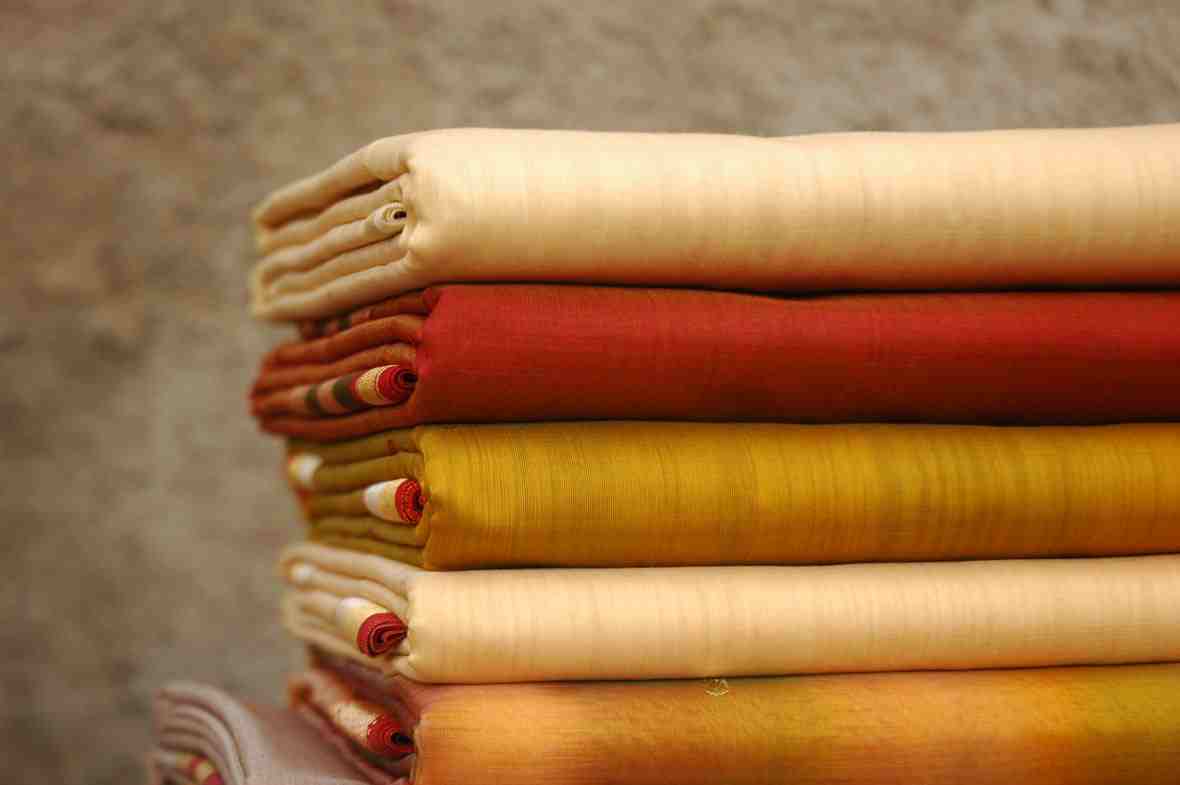
You must have heard of India’s ubiquitous piece of clothing that is the sari. Graceful, flattering, stately – several are the adjectives used to describe this six yards of fabric. But have you heard its story? From the threads and to the loom, to the people striving to uphold the dignity of working by hand and keeping the powerloom lobbies at bay? Then, the story of the Chanderi sari is for you to read, courtesy the Outlook:

The softly shimmering legacy of many hands lingers in its weave, the gorgeous rustle of cotton and silk hails its arrival: the handloom sari, timeless showcase of India’s heritage textile, gathered from all over the country to drape the Indian woman. From Delhi living room conversation piece to subtle South Indian wedding showstopper, the handloom sari has always kept standards high. Parrot green, frighteningly pink, marvellously magenta, from Kancheepuram in Tamil Nadu to Sambalpuri in Orissa, it wends its way into trousseaus, staple sari collections and 100 Sari Pacts (the most recent trend in sari preservation has women vowing to wear a hundred saris and commemorate the traditional garment). Its weavers are craftsmen, their outlines blurred by the sheer number of people involved in the creation of one long, winding stretch of cloth.

Continue reading

A Culture in Need of Safeguards

Each year since 2009, UNESCO puts out two lists that closely look at indigenous practices across the world. The List of Intangible Cultural Heritage in Need of Urgent Safeguarding is composed of heritage elements that require urgent measures to keep them alive. During the period from 2009 to 2014, 38 elements have been included on this List. These include Mongolian calligraphy, the Paach (corn-veneration ritual) of Guatemala, the male child cleansing ceremony of northern Uganda, practices of the Kayas of the sacred forests of Mijikenda in Kenya and more. The second list –  Representative List of the Intangible Cultural Heritage of Humanity – comprises practices that help demonstrate the diversity of heritage and raise awareness about their importance.

Continue reading

Yoga And Its Contents

9780307593511_custom-96a370c39830fd94be59575d59bbffb4c13ce088-s500-c85We have been intrigued by news reports that the leader of the country where many of Raxa Collective’s contributors are based, and where yoga comes from, is leading an effort to get his country more devoted to its practice, and thereby export more of one of India’s most important innovations.

This intrigue is piqued especially after listening to an interview with the author of a book on this very subject–how yoga came to be disseminated from India to elsewhere–which puts the book on the top of our monsoon season reading list.

If you happen to be in Delhi two weeks from today, join in:

…On 21 June – the new International Yoga day – Narendra Modi, India’s prime minister, hopes the world will join in. The grass near India Gate will be transformed into the venue for what it is hoped will be the biggest single yoga session ever held, with up to 45,000 people running through a 35-minute routine.

The participants will include 64-year-old Modi, most of his government and, they hope, a range of celebrities. Officials have been sent to round up volunteers from scores of countries to reinforce the international credentials of the ancient Indian practice…

Meanwhile, listen to this interview to learn more about yoga’s journey to the West:

Continue reading