Christmas Tree Facts From the BBC

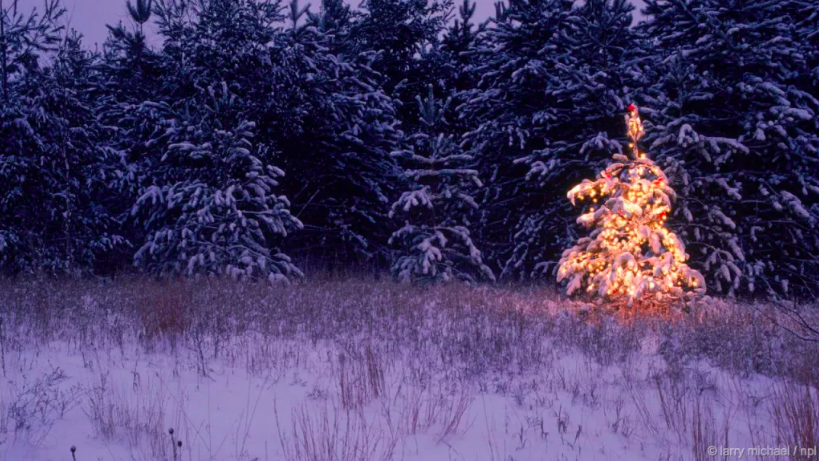
Credit: Larry Michael / NPL. Via the BBC

Although Organikos is a non-denominational blog, there is no doubt that Christmas is an important holiday in many of the places we work, like Kerala and Costa Rica. This year, Stephanie Pappas from the BBC shares some interesting secrets about Christmas trees that you probably didn’t know, and can read below:

Each Christmas, families gather around evergreens, real or fake, to celebrate the season.

But what holiday revellers may not realise is just how incredible these spruce, fir and pines can be.

In the wild, evergreen conifers survive drastic temperature swings, grow to towering heights and create ecosystems that shelter strange and wonderful creatures.

Here are some the secrets of Christmas trees and their tough, tenacious lives.

Christmas trees can turn to glass

Here’s a party trick not to try without the proper safety equipment: drop a sprig of Siberian spruce (Picea obovata) or Scots pine (Pinus sylvestris) in a vat of liquid nitrogen, at a temperature of -196 degrees Celsius. Providing you’ve pre-chilled the plant to -20 degrees Celsius or so, the sprig will survive.

Continue reading

Wilbur, Come To Kerala!

Wilbur Sargunaraj sings about life in his family's ancestral village in India. Produced by Wilbur Sargunaraj for NPR and John W. Poole/NPR.

Wilbur Sargunaraj sings about life in his family’s ancestral village in India. Produced by Wilbur Sargunaraj for NPR and John W. Poole/NPR.

Tirunelveli, as the crow flies, is not so far from the Raxa Collective office in Cochin.  Much closer than the location of the average reader of National Public Radio (USA)’s website, or the typical viewer of these videos on YouTube. They ring true with southern Indian sense of hospitality, so we hereby invite Wilbur to our neck of the woods:

Who is that man in a white shirt, black necktie and what appear to be blue plaid pajama pants? And why is he running around a village tasting and drinking all kinds of food?

That’s Wilbur Sargunaraj. He calls himself “India’s first YouTube star.” His videos about life in India have drawn more than a million views. And now he’s made some very first-class videos for NPR’s Goats and Soda blog: “Dunk-A-Chicken: The Village Way” and “The Village Way: Food.” (Well, he says they’re first-class, and who are we to argue?) Continue reading

Goats, Sheep, Dairy

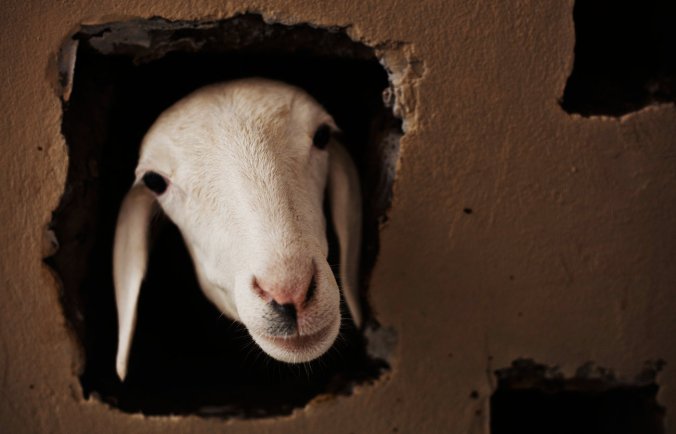
The photographer thought it was a goat. The photo editor thought it was a goat. Sure looked like a goat to the author of this post. It turns out to be a sheep, in Dakar, Senegal. Claire Harbage for NPR

The photographer thought it was a goat. The photo editor thought it was a goat. Sure looked like a goat to the author of this post. It turns out to be a sheep, in Dakar, Senegal. Claire Harbage for NPR

From a strictly culinary vantage point, those of us at Raxa Collective who are not vegetarian are at least slightly more inclined to lamb than to mutton (though this dish is a favorite); but we find ourselves in goat territory more often than in sheep territory. And in goat territory, from a productive agriculture vantage point, we are focused on dairy rather than meat. From the time we started paying close attention to goats we have also been wondering whether sheep might be adaptive to the same territory, and this post got us thinking further along those lines:

So perhaps you noticed a post I wrote last weekend about how you know if your goat is happy. Yes, scientists do study that.

The story had a cute picture of a goat at the top, taken by a photographer in Dakar, Senegal. The farmer told the photographer that the animal was his “goatie.” And to our untutored eyes, it looked like a goat.

And then NPR’s ruminant-wise Africa correspondent, Ofeibea Quist-Arcton, send me an e-mail with the subject: “MARC, THAT’S A PIC OF A SHEEP, NOT A GOAT!”… Continue reading

Librarians Fortify The Front Line

9780544535022_custom-376b39afbbf45a91478a9f43c2df0b1cc11e6e4f-s500-c85

Books we love, war not so much. The story told in this book is about books, about librarians, publishers and common folk who believe in books. And who believe that books are important for fortifying people who need heroic capacities.

In an interview with the author, we see publishers and their town square counterparts, librarians, in a light we had not been aware of, showing their contribution to community at a critical moment in history:

…Over the next few years, millions of Americans would leave home to fight in Europe and the Pacific. They had few comforts and little in the way of escape or entertainment — at least not until American publishers got involved.

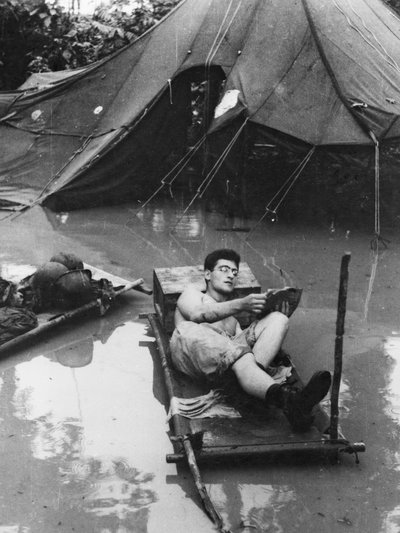
A soldier reads an Armed Services Edition in monsoon conditions during World War II. Australian War Memorial/Courtesy of Houghton Mifflin Harcourt

A soldier reads an Armed Services Edition in monsoon conditions during World War II. Australian War Memorial/Courtesy of Houghton Mifflin Harcourt

“During World War II, American publishers wanted to support the troops,” author Molly Guptill Manning tells NPR’s Renee Montagne. “And so they decided that the best they could do was print miniature paperback books that were small enough that they could fit in a pocket so the men could carry these books with them anywhere.”

Guptill Manning’s new book, When Books Went to War, is a history of these paperbacks, known as Armed Services Editions. They included all sorts of literature — from Charles Dickens and William Shakespeare to mysteries and Westerns — and were the culmination of earlier efforts on the part of American librarians to get usedbooks to servicemen with help from book drives. Well-intentioned though they were, the results of these book drives were mixed, turning up titles like How to Knit and Theology in 1870. So the focus switched to designing and printing books that soldiers actually wanted to read — no easy task since these Armed Services Editions had to be battlefield ready.

Continue reading

If You Happen to be in Kochi

http://www.huffingtonpost.in/riyas-komu/kochimuziris-biennale-aga_b_6319218.html

The second edition of the Kochi-Muziris Biennale opened with typical Indian energy, with drums and enthusiasm. Fort Kochi and Mattanchery streets were alive with painters, working solo or in teams, adding finishing touches to murals and other installations.

Riyas Komus’ words resonate well with the RAXA Collective ethos of Community, Collaboration and Conservation.

The story of Kochi-Muziris Biennale, an artist initiative which derived its confidence from artists, art lovers, cultural organisations and the people of Kochi, is the story of taking on challenges to create an alternate space, of sacrifices and solidarity to build an art ecosystem for the new emerging India. Conducting the biennale in Kerala — a state that had the world’s second democratically elected communist government — complimented by the history of the land in the context of art was an organic achievement of its legacy. Our mission is to draw energy from the rich tradition of public action and political engagement in Kerala and build a new aesthetic that integrates both the past and the present…. Continue reading

Ithaca Featured in NatGeo’s Intelligent Travel Section

Cornell’s McGraw Tower. Photo by S. Inman

Over the last several years, dozens of our interns have been Cornellians, and some have even been born-and-bred Ithacans. It is often said that Ithaca is “ten square miles surrounded by reality,” for reasons that we won’t go into here and might be gleaned from the text below. But if Ithaca is sometimes seen as a bubble, then it can be expected that students at Cornell University or, to a lesser degree, Ithaca College live in an even more insulated shell that separates them from the city of Ithaca.

So it’s somewhat refreshing to see a descriptive post by an Ithaca resident–but McGill University graduate–in National Geographic’s Intelligent Travel section. Under the “Beyond the Guidebook” category, Alizé Carrère wrote a quick but information-packed list of things that she loves about her city, which you can read below or here:

Summer is the best time to visit my city because that’s when Ithaca really comes to life. Many of the college students leave for summer break, so the city opens up and all of the best outdoor attractions are in their prime. You can enjoy waterfall hikes, summer concerts in the park, patio happy hours, fresh produce in local restaurants, and twilights that stretch into the nine o’clock hour.

You can see my city best from the top floor of Cornell University’s Johnson Art Museum, which reveals a near 360-degree view of Ithaca, including Cornell’s beautiful campus and the south end of Cayuga Lake. The museum itself, which looks like a giant sewing machine, was designed by renowned architect I.M. Pei, the creative mind behind the striking (and once controversial) glass pyramid in front of the Louvre.

Continue reading

Museum As Pollinator

07SUBGUGGENHEIM-thumbStandard-v2A New Art Capital, Finding Its Own Voice

As plans for the Guggenheim Abu Dhabi go forth, those involved are hoping to speak to the art history of many nations.

Cosmopolitanism expands its reach. A good thing, we believe. Thanks to the New York Times Arts section for that story.

From Our Amazing Planet

Twilley-Truffle-690

PHOTOGRAPH BY TIMOTHY A. CLARY / AFP / GETTY

In other news:

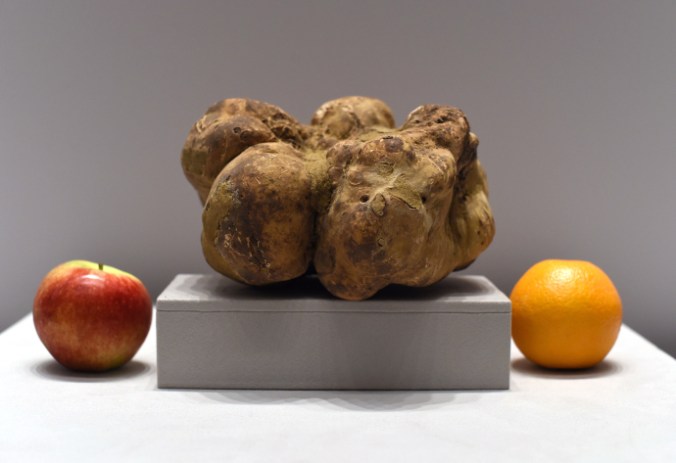
A few minutes after 9 A.M. on Saturday morning, at Sotheby’s, on the Upper East Side of Manhattan, a small group of people huddled around a knobbly, dirt-smudged tuber sitting on a white china cake stand. Federico Balestra, the C.E.O. of the North American branch of his family’s company, Sabatino Tartufi, put on a pair of white gloves, squeezed past a rack of oil paintings, and rotated the tuber a few degrees—“for showing its good side” to the in-house photographer, Balestra said. “To be honest, we really didn’t know what to expect,” Dan Abernethy, a Sotheby’s representative, said apologetically. It was the auction house’s first experience with selling a truffle. Continue reading

When Walls Can Talk

As preparation for the second edition of the Kochi-Muziris Biennale slides into the preopening home stretch the streets of Fort Kochi are awash with colorful activity. Stay tuned for more images as they continue to unfold!

This slideshow requires JavaScript.

Here, Now

9780375406508We hope that the review of his book (thank you National Public Radio, USA), a hard cover tome that began as what we then called comic strips, brings one of the great graphic novelists of our time appropriate rewards worthy of his herculean efforts:

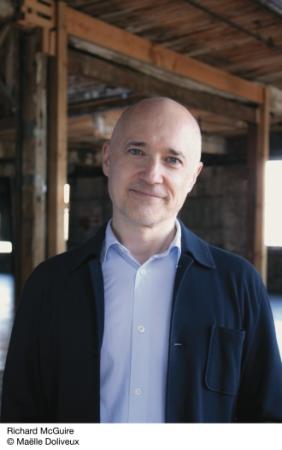
What is it about Richard McGuire’s Here? A simple-looking, black-and-white cartoon that first appeared in Raw magazine in 1989 — clocking in at a mere 36 panels — it’s maintained its hold on comic artists’ imaginations ever since. McGuire himself spent more than eight years creating this book-length version.

The words of his publisher, Pantheon, about the author make us want to explore this book and his earlier work, especially the toys:

downloadRichard McGuire is a regular contributor to The New Yorker. His work has appeared in The New York Times, McSweeney’s, Le Monde, and Libération. He has written and directed for two omnibus feature films: Loulou et Autre Loups (Loulou and Other Wolves, 2003) and Peur(s) du Noir (Fear[s] of the Dark, 2007). He has also designed and manufactured his own line of toys, and he is the founder and bass player of the no-wave band Liquid Liquid. The six-page comic Here, which appeared in 1989 in Raw magazine, volume 2, number 1, was immediately recognized as a transformative work that would expand the possibilities of the comic medium. Its influence continues to be felt twenty-five years after its publication.

Continue reading

Seed to Cup Tea Experience

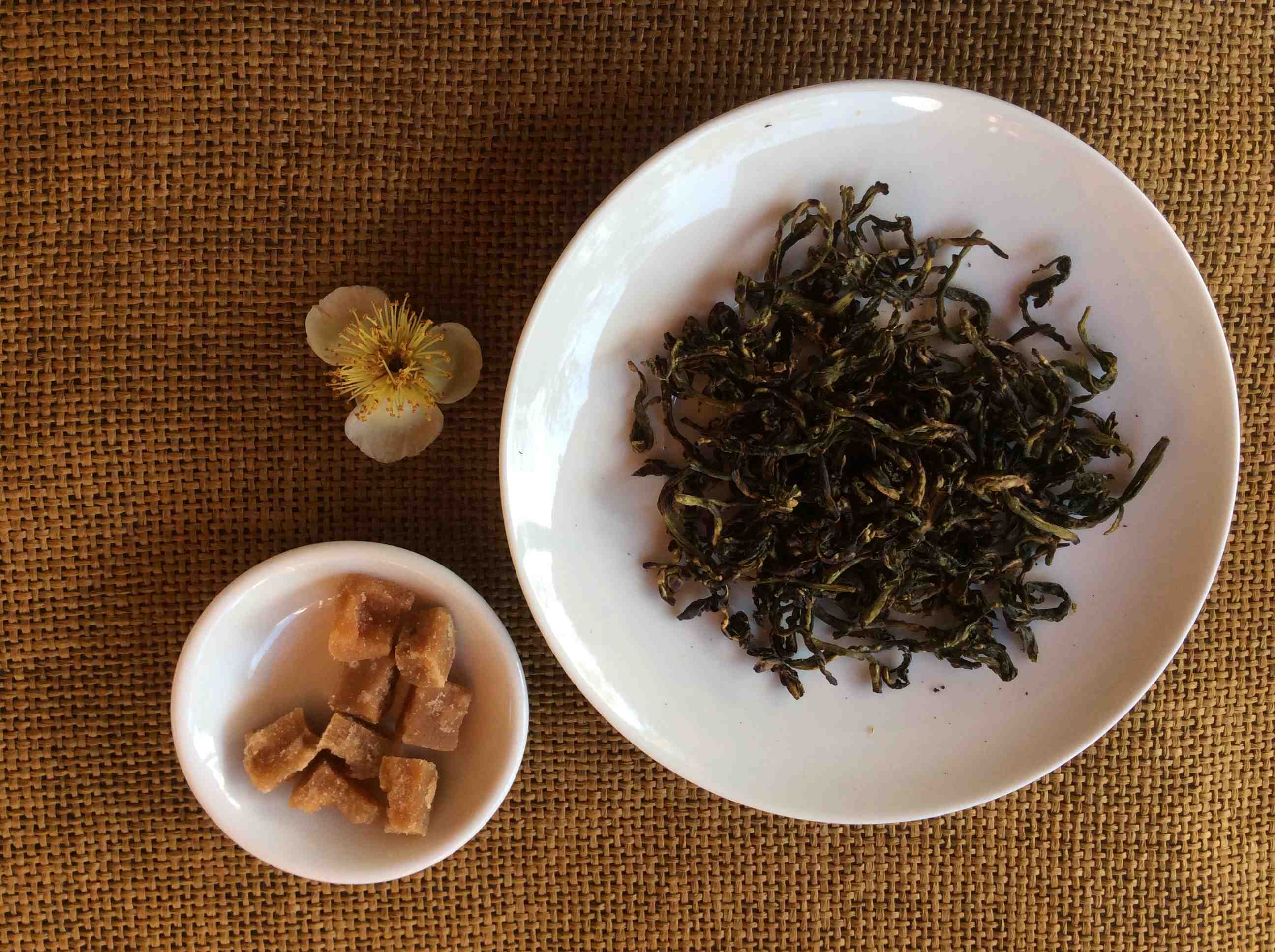
Roasted Assam Tea "nibble" with cane sugar

Roasted Assam Tea “nibble” with cane sugar

Our time in Thailand included a range of sensory experiences, one of which was tea. One might think that living in India, we have little more to learn about tea, but that is far from the truth. Our experience with tea in our adopted home has been more visual than experiential; drives through the beautiful, sculpted tea landscapes of Munnar, or the tea tours near Thekkady, for example.

In the northern Thailand we visited a 60-hectare tea plantation near the Lisu Hilltribe village in Chaing Mai Province. One of the oldest plantations in the country, the owners are working on expanding the quantity of tea produced while offering the full range of tea experience for visitors, from planting a seed that will be lovingly cared for over a 2-year period before being transplanted, to hand plucking the tender green “silver tips” of the tea, Continue reading

Preservation Of Language

We have posted on the topic of intangible patrimony and include it in our explanation of entrepreneurial conservation; the topic extends to our interest in reading and the liberal arts. Below is a link to an op-ed piece published today, penned by a savvy academic whose primary focus is language, that we consider worthy of the brief reading time, even if you are not a language fanatic:

07gray-thumbWideGRAY MATTER

Why Save a Language?

Culture Of Hack

9781781685839_Hacker__hoaxer-294b89cbd6b3950d9cdbfb0e39e66884We are the antithesis of radical, in the political science and political activism sense of that word. We have been more incremental, often experimental and necessarily patient in our approach to entrepreneurial conservation than political radicals are in their approach to social change. Working with children, as we often do in our community outreach, we use methods appropriate to the situations. We sometimes say, perhaps just in the spirit of cheekiness, that we “hack” solutions in remote locations. We even say sometimes that the outcome is “radical.”

But that is the slang use of the word, just as we once called skateboarding or ball-dribbling moves in football “wicked.” We aspire to neither radical nor wicked outcomes in our day to day work, in the proper definitions of those words. Still, as with Mr. Watson, whose methods are different from ours but his objectives are akin, this review of Hacker, Hoaxer, Whistleblower, Spy: The Many Faces of Anonymous in the current issue of Book Forum helps us see some recognizable objectives in this particular culture of hack (with plenty of notable exceptions, as the review makes plain to anyone who regularly reads our blog):

By Any Memes Necessary

An inside look at the hacking group Anonymous reveals a boisterous culture of dissent and debate

ASTRA TAYLOR

THE FIRST TIME I SAW Gabriella Coleman speak about the hacker group Anonymous I was befuddled. It must have been around 2009. Anonymous was already at least three years old, having materialized out of the bowels of the popular, and often excruciatingly obscene, online bulletin board 4chan as early as 2006, yet it was still known mostly for its antisocial pranks.  Continue reading

Water Hyacinth EcoDevelopment Projects

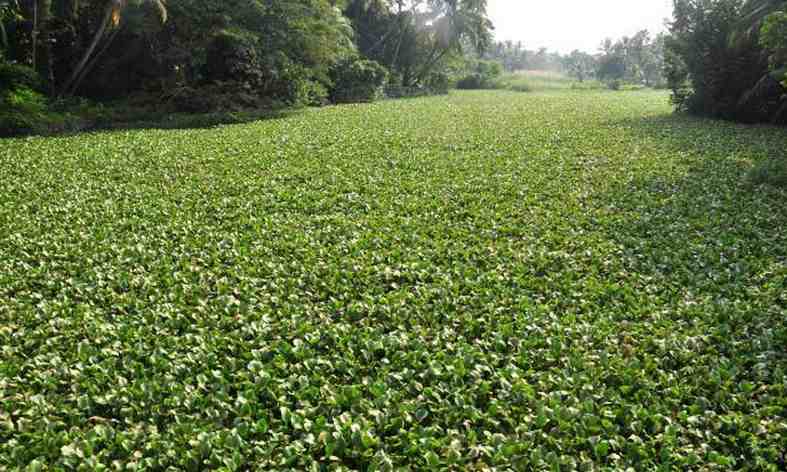
Water hyacinths choke the Poorna river at Tripunithura. Photo: Vipin Chandran; The Hindu

Water hyacinths choke the Poorna river at Tripunithura. Photo: Vipin Chandran; The Hindu

There are many similarities between Indian and Thai river life; watching villagers and people on barges going about their daily lives on the water is one, and the flora and fauna of river life is another. While traveling on the Chao Phraya River it only took a moment to see how the water hyacinths have the potential to choke river traffic. My excitement was piqued when Chananya from Asian Oasis told me that there was an established industry to use the plant for decorative, household and furniture purposes. Continue reading

An Art Brand, A Big Bubble

Koons’s “Inflatable Flower and Bunny (Tall White, Pink Bunny),” 1979. BROAD ART FOUNDATION, SANTA MONICA

Koons’s “Inflatable Flower and Bunny (Tall White, Pink Bunny),” 1979. BROAD ART FOUNDATION, SANTA MONICA

Because we are not experts in any sense of the subject, contemporary art is only rarely a topic of interest on this blog. But as readers of media far and wide related to the cultures we operate in, we cannot help noticing what experts say about it. We have once or twice linked out to articles that reflect our concern about the overwhelming sense of art and commerce overlapping more than seems right. Jeff Koons, on show in Paris currently, offers an other prime example of our concern.  A review of the New York retrospective of Koons earlier this year had this respectful insight:

…Koons’s smiley mien and a line of patter that is part huckster and part self-esteem guru—“Everybody’s cultural history is perfect”—call to mind Degas’s remark to Whistler: “You behave as though you had no talent.” But Koons has no end of talent and, within his range, mastery, marked by an obsessive perfectionism, and wound tightly around some core emotion, perhaps rage, which impels and concentrates his ambition. It’s really the quality of his work, interlocking with economic and social trends, that makes him the signal artist of today’s world. If you don’t like that, take it up with the world… Continue reading

Pathum Thani River Market

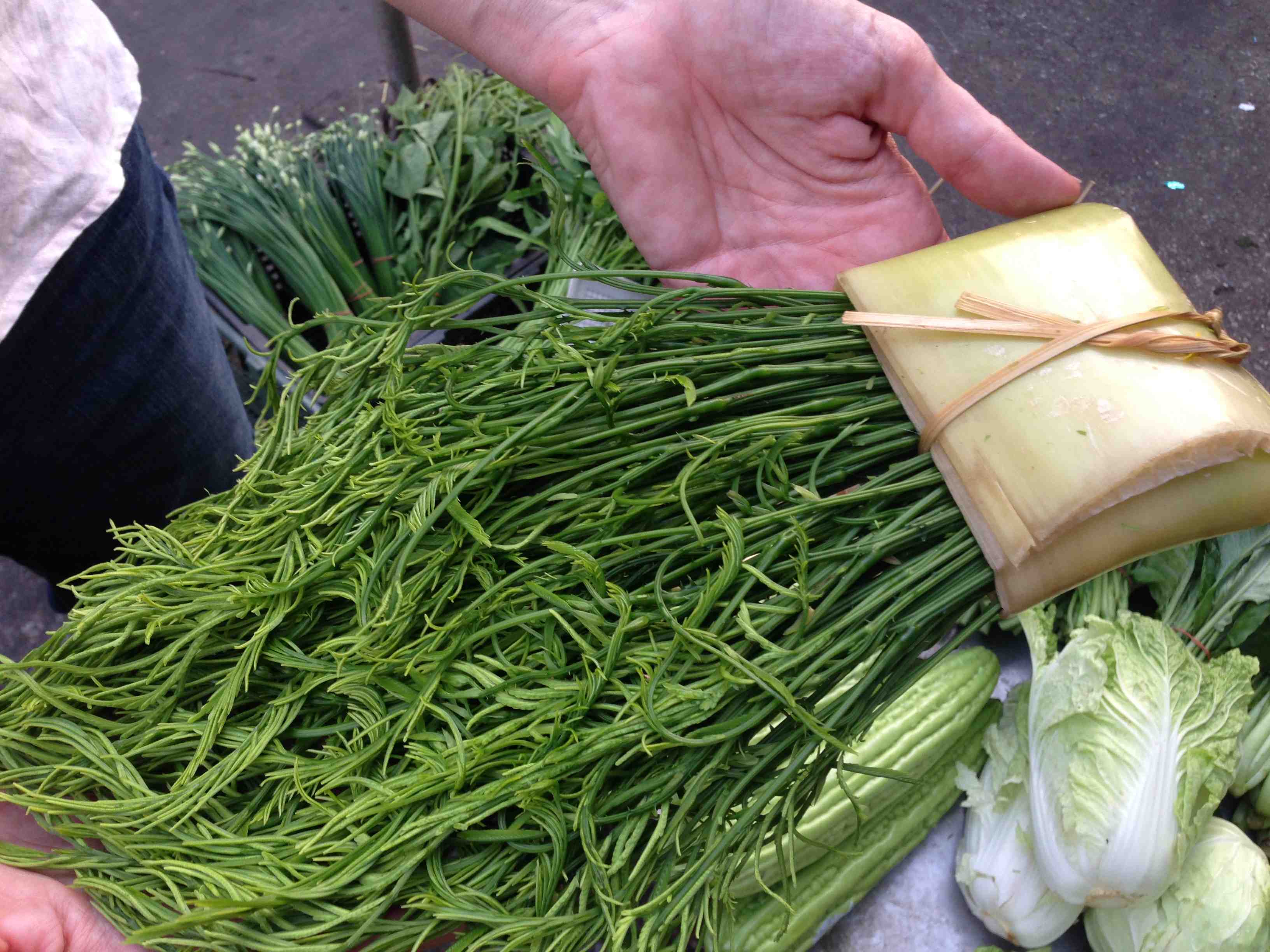
Climbing Wattle (sometimes called Acacia) with a charming banana stalk wrapping. In Thai it’s call “Cha- om ” and it’s mostly eaten fried in egg batter to accompany chili dip. (Thanks to Chananya from Asian Oasis for the wonderful explanation!)

Climbing Wattle (sometimes called Acacia) with a charming banana stalk wrapping. In Thai it’s call “Cha- om ” and it’s mostly eaten fried in egg batter to accompany chili dip. (Thanks to Chananya from Asian Oasis for the wonderful explanation!)

With the opening of Spice Harbour and Marari Pearl, life at RAXA Collective frequently is filled with a flurry of activities. But a current visit to meet colleagues in Thailand has reminded me of my love of markets. The first leg of our trip took place on the lovely Mekhala Rice Boat cruising up the Chao Phraya River from Bangkok toward the Bang Pa In Summer Palace. The overnight was lovely, but one of the highlights was a stop at the riverside market at Pathum Thani.

Although similar to markets I’ve experience in India, this one seemed to have a distinctive Thai flare, with more prepared items than I’ve seen in India.

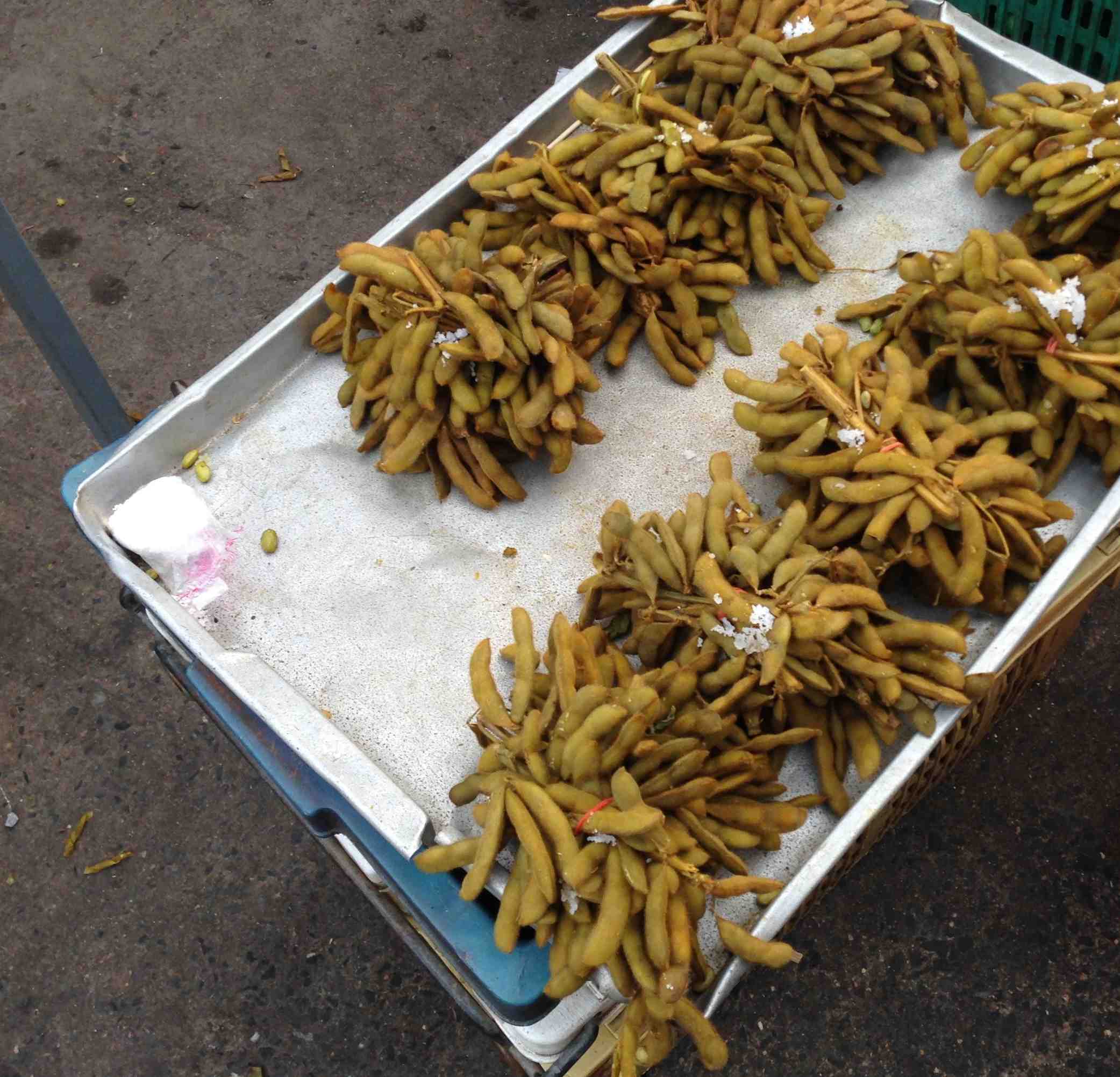
Salted Edamame - I'm guessing steamed.

Bundles of Salted Edamame – I’m guessing steamed.

Continue reading

Joint Ventures In Thanksgiving Cooking

Renee Comet Photography/Restaurant Associates and Smithsonian Institution

Renee Comet Photography/Restaurant Associates and Smithsonian Institution

We had not seen this book when it was first published two years ago, but now will seek it out to authenticate our commemorations for our table mates in distant lands:

The Native American Side Of The Thanksgiving Menu

Everyone knows the schoolhouse version of the first Thanksgiving story: New England pilgrims came together with Native Americans to share a meal after the harvest. The original menu was something of a joint venture, but over the years, a lot of the traditional dishes have lost their native flavor.

For those who want to create a feast that celebrates the flavors that Native Americans brought to the table, Chef Richard Hetzler put together an entire menu of options from his award-winning cookbook,The Mitsitam Cafe Cookbook. The recipes are drawn from the Mitsitam Native Foods Cafe at the Smithsonian National Museum of the American Indian, where Hetzler was lead chef until summer 2014. Since opening the cafe, he told NPR’s Celeste Headlee he observed a growing interest in native cooking.

Continue reading

Thanksgiving, 2014

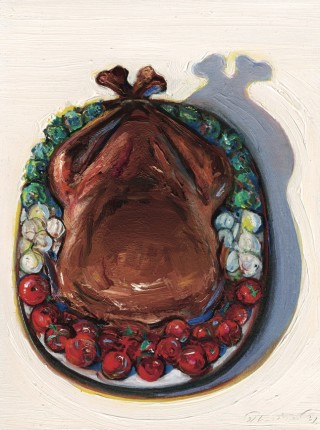
The problem with cooking Thanksgiving dinner abroad is never just the shopping. It’s the local culinary aesthetic. CREDIT WAYNE THIEBAUD

The problem with cooking Thanksgiving dinner abroad is never just the shopping. It’s the local culinary aesthetic. CREDIT WAYNE THIEBAUD

For those whose heritage includes someone who has proclaimed thanks in a land distant from where s/he was born, and/or broke bread with the locals, this day has a particular ring to it. For anyone who has commemorated the specific holiday in lands distant to their own original homes, there is an odd symmetry to the original Thanksgiving event. This New Yorker classic-in-the-making will bring special pleasure to all who have commemorated the Thanksgiving holiday in far off lands:

NOVEMBER 23, 2009 ISSUE

Pilgrim’s Progress

Thanksgiving without borders.

BY

…I am what you might call an amateur of Thanksgiving. My family prefers the phrase “regrettably hospitable,” but I would add strategically hospitable, because Thanksgiving dinner has turned out to be the stealth weapon of my reporting life. Everybody knows something about Thanksgiving, though not necessarily what we eat or why we eat it. Continue reading

Ethio-jazz And A Goal For 2015

16ETHIOPIA1-articleInline-v2

Nichole Sobecki for The New York Times. Mulatu Astatke, seen as the father of Ethio-jazz, performs at African Jazz Village, which opened in late 2013.

As we prepare for a scouting trip to Ethiopia for a possible Raxa Collective collaboration with our Ghana colleagues in 2015, we were happy to see this item in the Sunday Travel section of the New York Times last week and just now remember to post this link:

CULTURED TRAVELER

In Ethiopia’s Capital, a Resurgent Jazz Scene

Resistance, Change, Art, Words–Liberating

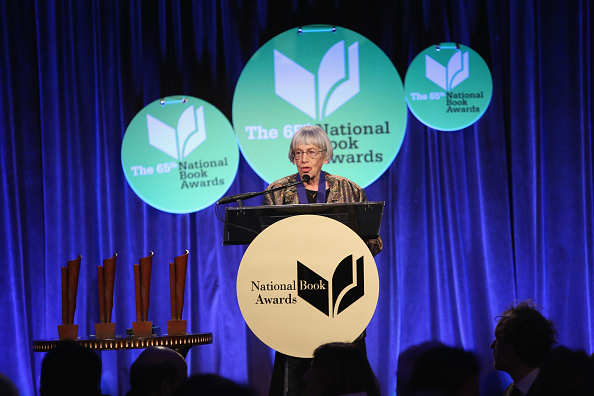
NEW YORK, NY - NOVEMBER 19:  Ursula K. Le Guin attends 2014 National Book Awards on November 19, 2014 in New York City.  (Photo by Robin Marchant/Getty Images)

NEW YORK, NY – NOVEMBER 19: Ursula K. Le Guin attends 2014 National Book Awards on November 19, 2014 in New York City. (Photo by Robin Marchant/Getty Images)

We do not normally pay attention to awards ceremonies, but this one catches our attention. We have said on occasion why we think books matter, why libraries matter, why the fate of publishing matters. On a good day, in our line of work, we approach the same ideal of books: to create experiences different from those encountered in normal, every day lives and by virtue of such experiences, to liberate. Comfort. Beauty. Taste. Wonderment, awe, perspective, yes yes yes.

But going somewhere. And that somewhere is freedom from the confines of norms, from the confines of places devoid of nature. The freedom of the road, a cliche that nonetheless has meaning.  Thanks to the New Yorker‘s Rachel Arons for pointing us to the short, powerful comment from an author who influenced many of us early in life to do what we do for a purpose:

…But it was Ursula K. Le Guin, accepting the Medal for Distinguished Contribution to American Letters early in the evening, who gave the definitive remarks of the ceremony, gliding through the genre debate and the Amazon-Hachette debacle on her way to explaining the crucial role that literature must play in our society.

Continue reading