Basil Twist’s Puppetry Illuminated

Screen Shot 2013-04-27 at 9.25.19 AM

The New Yorker’s Joan Acocella profiled Basil Twist in a recent issue, and the magazine’s online team visited Twist at his studio, which you can see in the video above (click on the image), and the profile itself is worth a read:

“The crucial point about puppets,” Twist told me, “is that they are real and unreal at the same time.” At the beginning of the twentieth century, many writers and visual artists (Alfred Jarry, Paul Klee, Oskar Schlemmer, Sophie Taeuber-Arp), looking for something that was a little bit human, but much more art, made puppets, or works for puppets. The trend continues. Continue reading
Pooja – Hindu Worship

Photo Credits:Ramesh Kidangoor

Photo Credits:Ramesh Kidangoor

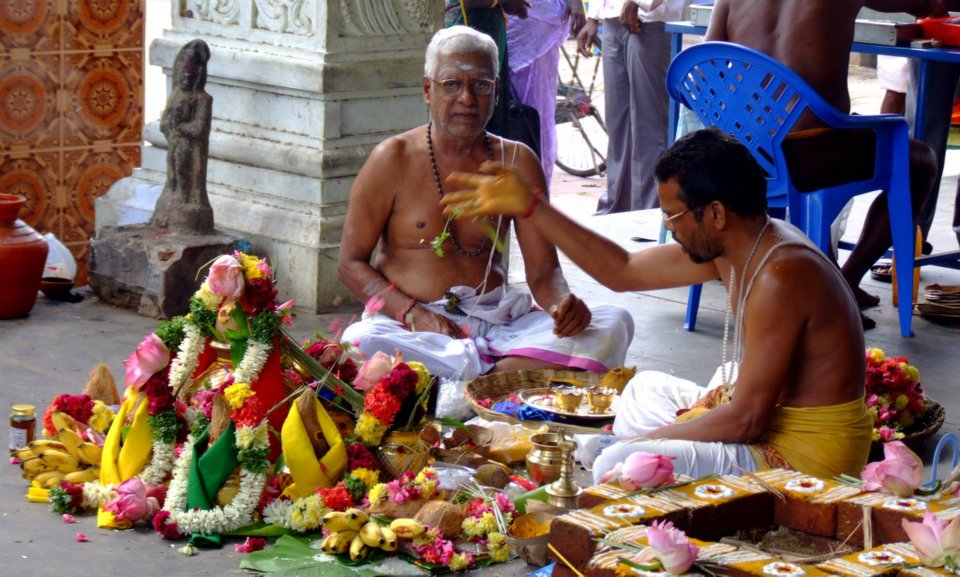
The Hindu view of the universe is a cyclical one and the complex theme of Hindu mythology is dominated by the constant conflict between good and evil. Pooja is a ritualistic worship performed by Hindus as an offerings to various Gods and Goddess. It is an act of showing reverence  through invocations, prayers, songs and rituals. Pooja can be performed in different ways like through meditation, chanting mantras, and offering flowers and fruits. Poojas are regularly performed in Hindu homes, irrespective of caste or status. Continue reading

Vidyarambham – The Beginning Of Learning

Photo Credits: Ramesh Kidangoor

Photo Credits: Ramesh Kidangoor

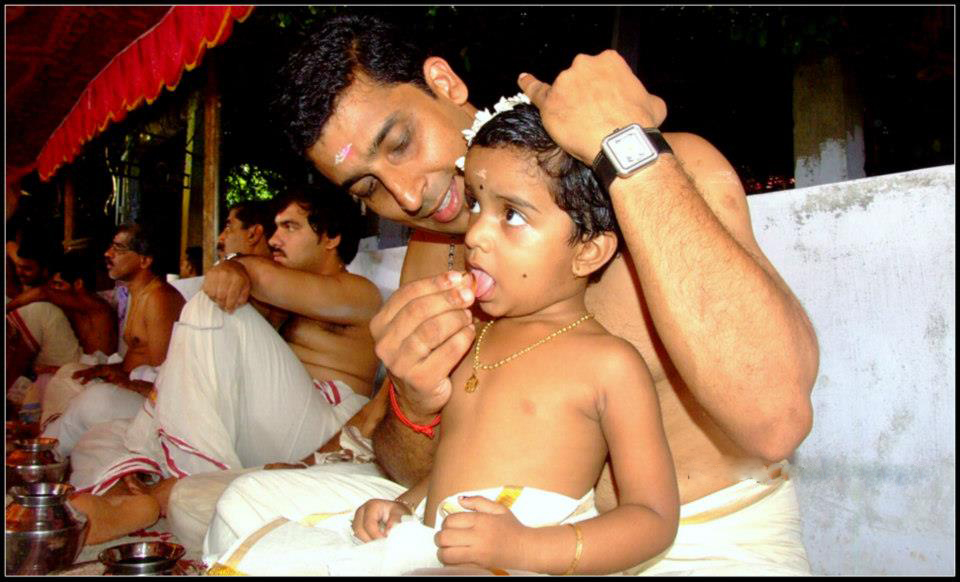
Vidyarambham means the beginning of education, or being initiated into the world of learning. As the auspicious day of Mahanavami approaches, devotees get ready to pray to Sarasvati, the Goddess of Knowledge and Education. On the eve of Mahanavami books and equipment associated with one’s vocation are placed before the Goddess to invoke her help in surmounting obstacles in the path of learning. The ritual of Vidyarambham is performed on the following day, Vijayadashami, which is the last day of the 9-day Navaratri festival. On the Vijayadashmi day from early morning hundreds of children between the ages of three and five are initiated into the world of education in various temples across the state. Continue reading

Rural Bees

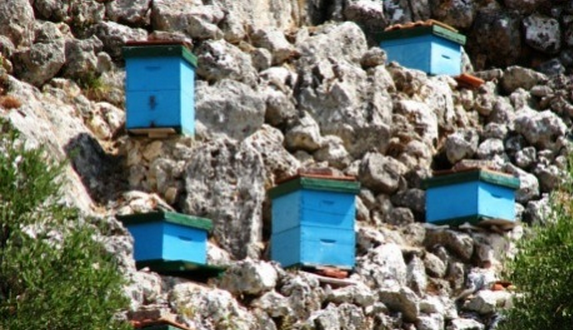
Our soft spot for bees is self-evident. We also have a soft spot for Greece in general and the Peloponnese in particular, the southern part of this southern European country that forms the “sweet spot” for olives, olive oil, wine and yes, honey.

Unblended honey is one of the world’s amazing taste experiences, with sensory “notes” as varied as herbal, floral, citrus and wood. The Peloponnese and the rest of the country provides a wide range of habitats with distinct blooming periods because the majority of its land is home to forests and wild ecosystems with less than a third of it allocated to farming.

“Colony collapse disorder”,  a problem in the United States and some European countries has not yet reached Greece, partially because the beekeepers are still able to maintain a safe distance from commercial farming, and the pesticides so frequently used there.

Beekeeping is a way of life in rural Greece. Continue reading

Festival Of Kerala- Thrissur Pooram (April 21 , 2013)

Photo Credits: Ramesh Kidangoor

Photo Credits: Ramesh Kidangoor

Thrissur Pooram is the grandest of festivals in Kerala, filled with elephants decorated with headdresses, beautifully crafted parasols, decorative bells and ornaments. The atmosphere is set by the ensemble of panchvadyam and pandimelam; the riveting orchestras  dominated by percussion. The fireworks display in the early hours of the day following the pooram will rival shows held anywhere in the world. The Thrissur Pooram takes place every year in the Vadakkumnathan temple. Continue reading

Uthralikavu Bhagavathy Temple – Kerala

Photo Credits: Ramesh Kidangoor

Photo Credits: Ramesh Kidangoor

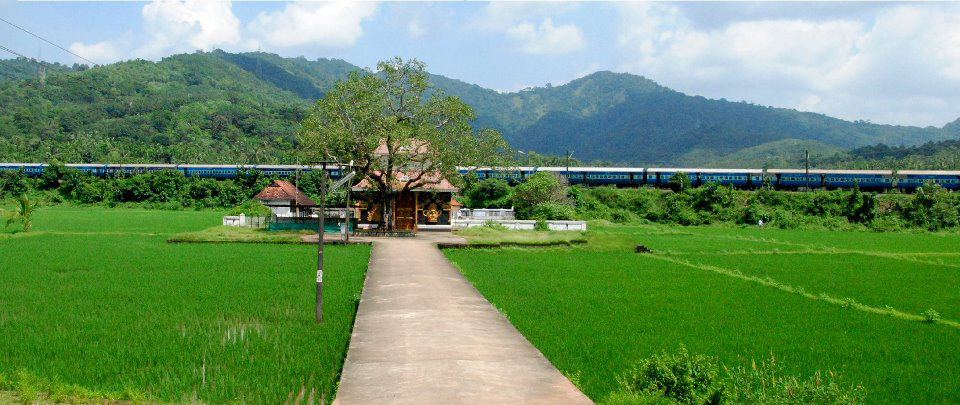
Uthralikavu is a Devi temple surrounded by paddy fields near Thrissur. The Uthralikavu Temple Festival is one of the most popular temple celebrations in central Kerala. The annual pooram festival is conducted by three villages near by. The temple is dedicated to Goddess Sri Rudhiramahakali. Continue reading

Flavours Of Kerala – Halwa

Photo Credits: Ramesh Kidangoor

Photo Credits: Ramesh Kidangoor

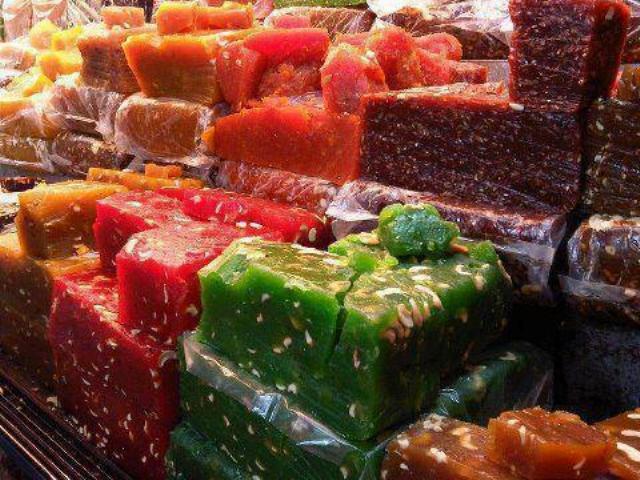
There is no written history as to when Halwa first came to Kerala but considering that it appears where Arab culture took root in matters of cuisine, this sticky sweet must have its origins in the Middle East. While Halwa is also native to many other parts of India, what is essentially different about the Kerala Halwa are the basic ingredients used. In other regions either wheat paste or white flour with sugar forms the base; here it is rice flour with jaggery, with the addition of cardamom, nuts and occasionally grated fruit or vegetable. Continue reading

Witnessing the Devi Temple Festival

Photo Credits: Mr. Vijay Mampilly

Photo Credits: Mr. Vijay Mampilly

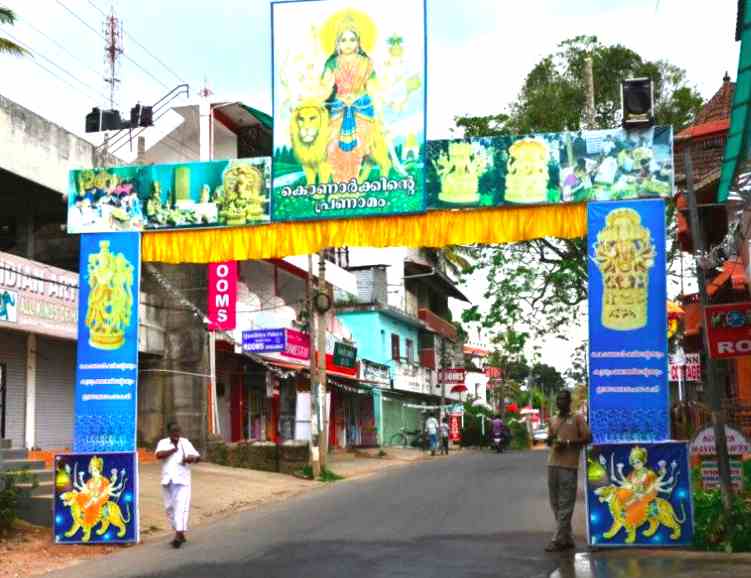
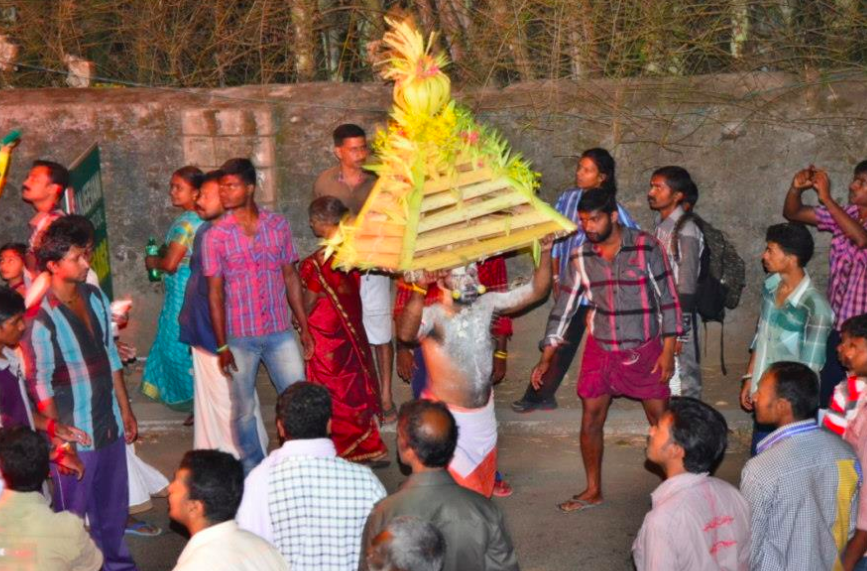
It’s amazing how often dreams have become reality during my trip to India as a Raxa Collective Management trainee in Thekaddy! In Ghana I have seen religious tribal festivals and seen pictures of the Indian versions in magazines and movies. But it was incredible to have the firsthand experience of seeing devotees as more than masqueraders or people in carefree disguise.

The Devi Temple festival procession–beautiful, colourful and sometimes slightly otherworldly–passed right in front of the Cardamom County entrance gate. I was thrilled to see hundreds of people dressed up in festive mood, joyfully drumming and dancing in convoy following the Devi Shrine toward the gates of the Periyar Tiger Reserve. Continue reading

Nilavilakku -Traditional Lamps

Photo Credits: Dileep Narayanan

Photo Credits: Dileep Narayanan

The Nilavilakku is an integral part of the rituals and ceremonies in most Kerala homes. Lighting the Nilavilakku on certain occasions is considered auspicious, especially within the Hindu community and at places of worship. As dusk sets in, young girls in Hindu families bring the lighted lamps to the verandah of the house. In the flickering light of the nilavilakku children and family elders gather to chant hymns and evening prayers. Continue reading

A Great Magazine Becomes A Great Insititution

The consistently superb essayist Adam Gopnik, who often writes about topics unrelated to the themes of our blog, in this week’s New Yorker writes on a topic close to our heart (click the image above to go to the article, subscription required):

Magazines in their great age, before they were unmoored from their spines and digitally picked apart, before perpetual blogging made them permeable packages, changing mood at every hour and up all night like colicky infants—magazines were expected to be magisterial registers of the passing scene. Yet, though they were in principle temporal, a few became dateless, timeless. The proof of this condition was that they piled up, remorselessly, in garages and basements, to be read . . . later. Continue reading

Festival Of Kerala- Vishu

Photo Credit: Abhay

Photo Credit: Abhay

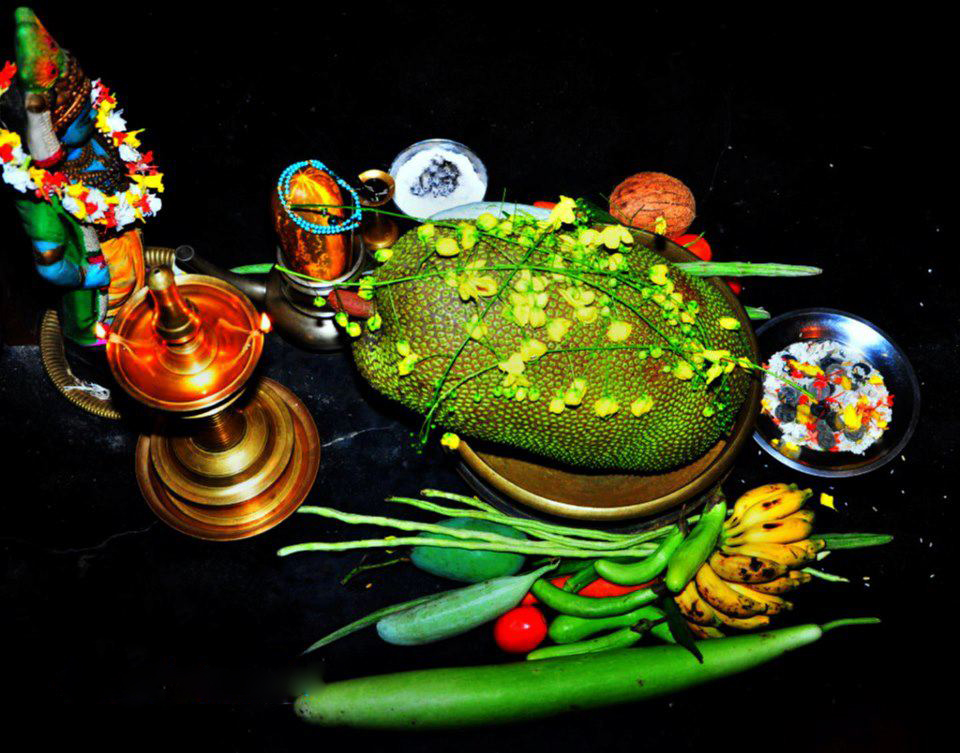
Celebrated on the first day of the Malayalam month of Medam (which in 2013 falls on April 14th) Vishu is one of Kerala’s most important festivals. The parallel festival to the Onam harvest celebration, Vishu is the festival of sowing. All Hindu households begin the day with offerings called vishu kani. This consists of a ritual arrangement of auspicious articles like raw rice, fresh linen, golden cucumber, betel leaves, banana, jack fruit , yellow flowers (indian Laburnum) and a metal mirror. Continue reading

Innovative Cross-Cultural Sound

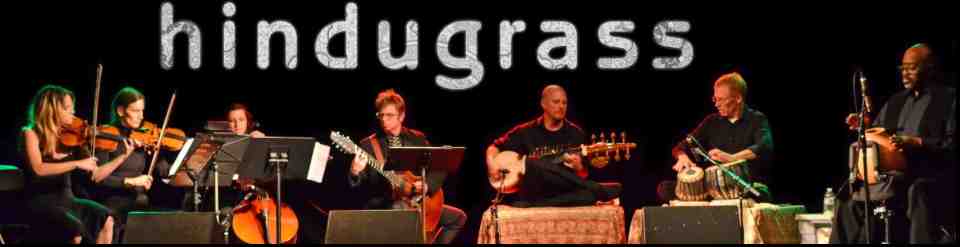
Thanks to the folks who created the music-recording studio (more on which to come) we had the opportunity to experience this live:

Hindugrass at Manifold Recording

Kicking off our recording sessions for the new album with a live performance in the magnificent music room at Manifold Recording. Continue reading

Hindu Marriage

Photo credits: Ramesh Kidangoor

Photo credits: Ramesh Kidangoor

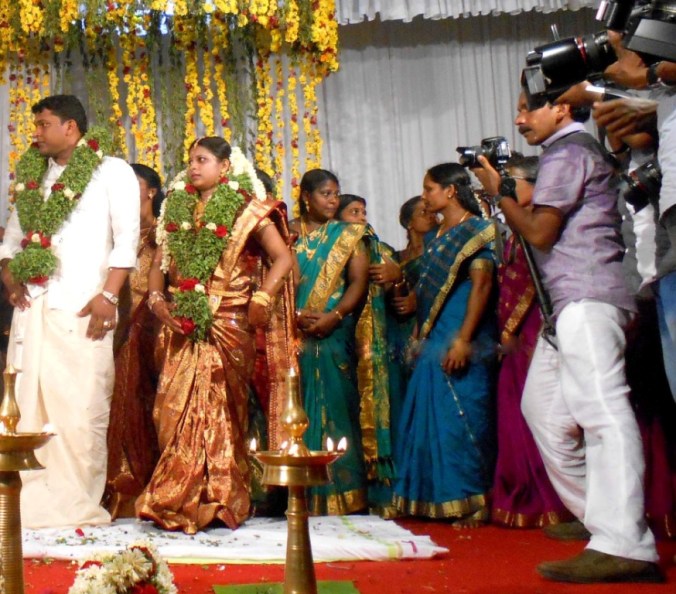
As is common in India, in Kerala the marriage rituals differ in accordance with religious groups. Even within communities there are dissimilarities. In Hindu families on the day of marriage the bride and groom visit their respective temples and pay obeisance to family deities. Both are dressed in traditional attire, the boy in Kasavu Mundu and the girl in a Pattu Sari with matching blouse, bedecked with gold ornaments. The marriage ceremony is extremely brief, consisting only of an exchange of rings, garlands and bouquets, followed by the groom tying the taali (a sacred gold thread) around the bride’s neck; all these rituals are to the accompaniment of auspicious music. The ceremony ends with a purely vegetarian feast, the sadya (traditional meals) which is hosted by the bride’s  family. Continue reading

Flavours Of Kerala – Meen Curry (Fish Curry)

Meen Curry (Fish Curry) is a hot and spicy fish preparation in thickly seasoned red sauce. Although the spice levels may be varied as per individual preferences, meen curry is one of the all-time favourites of every Malayali household. This preparition is best served with rice, but tapioca is also an extremely popular accompaniment. Continue reading

Theerthakkulam – Temple Ponds, Kerala

Photo credits: Shanavas

Photo credits:  Shanavas

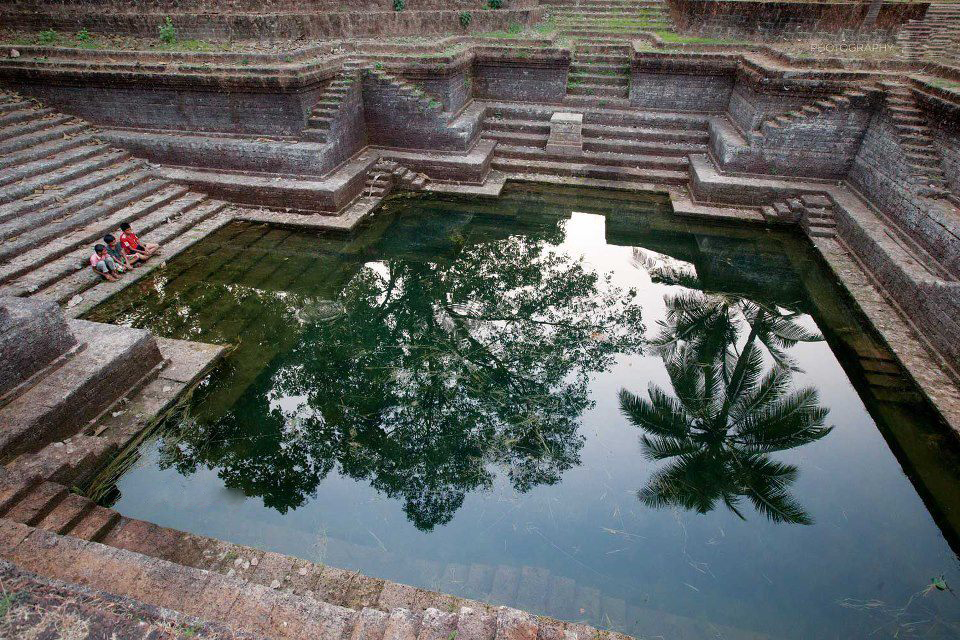
Most temples in Kerala have  a sacred pond, or Theerthakkulam, outside the temple wall. Normally the pond  is located on the North- East corner of the compound. The sacred water is used by devotees to wash their hands and feet before going into the temple . Continue reading

A Thekkady Easter

The dawn of my Easter Holiday experience in Kerala started with this unique communion bread served with Molasses sauce to represent the wine. The beautiful church nearby the resort was filled beyond capacity but I fully enjoyed the Sunday service together with other worshippers standing across the street. There I stood, not understanding any of the words (the service was in Malayalam) but following all the rituals with the same sense of peace as in my own church in Accra, Ghana.

After a good lunch and the sleep of the blessed I had my road to “Emmaus” experience by going on the 3 hour Green Walk in the Periyar Tiger Reserve with one of the naturalist guides. Continue reading

Aihole Temples – Karnataka

Photo Credits: Ramesh Kidangoor

Photo Credits: Ramesh Kidangoor

Aihole was the capital of the Chalukyan Kings, who between the 4th and 6th century A.D began experimenting with the idea of constructing temples with stone blocks. Aihole has over 125 temples, all intricately carved and rich in detail. Durga temple has a semicircular apse and a sanctum, encircled by a richly carved colonnaded passageway. Durga temple is roofed in the usual flat Early Western Chalukyan manner. The niches in the circumambulatory  passage around the sanctum are filled with statues; notable among them are splendid images of Durga and Shiva. Continue reading

Kerala Cities – Ernakulam (Kochi)

Photo Credits: Ramesh Kidangoor

Photo Credits: Ramesh Kidangoor

Known as the commercial capital of Kerala, Ernakulam is the one of the largest cities in the state. Ernakulam refers to the eastern part of the twin cities Ernakulam-Kochi. Alive and throbbing with people, shopping centers, cinemas, hotels, offices, plush buildings, and restaurants; the factors that come together to create the quintessential city life can be experienced here with an International Airport an hour away. Ernakulam is the only city in Kerala where one can experience the conveniences of an urban lifestyle that is now increasingly prevalent in the larger cities of India, in addition to the criss-crossing backwaters that make the area famous. Continue reading
Traditional Kerala Houses

traditional house

traditional house

Traditionally the architecture of Kerala has been of a humble scale, an ensemble of simplicity and elegance tailored to suit the climate and culture of the state. The low walls, sloping roofs and projecting eaves of ancient houses were built for protection against heavy rains and intense heat. The architecture of Kerala tells many stories; the way its structures have been designed not only speaks about the artistic and technical capabilities of the craftsmen, but also about the progression and evolution of its society. Continue reading

Chaya Kada – Traditional Tea Stalls

Photo Credits: Shanavas

Photo Credits: Shanavas

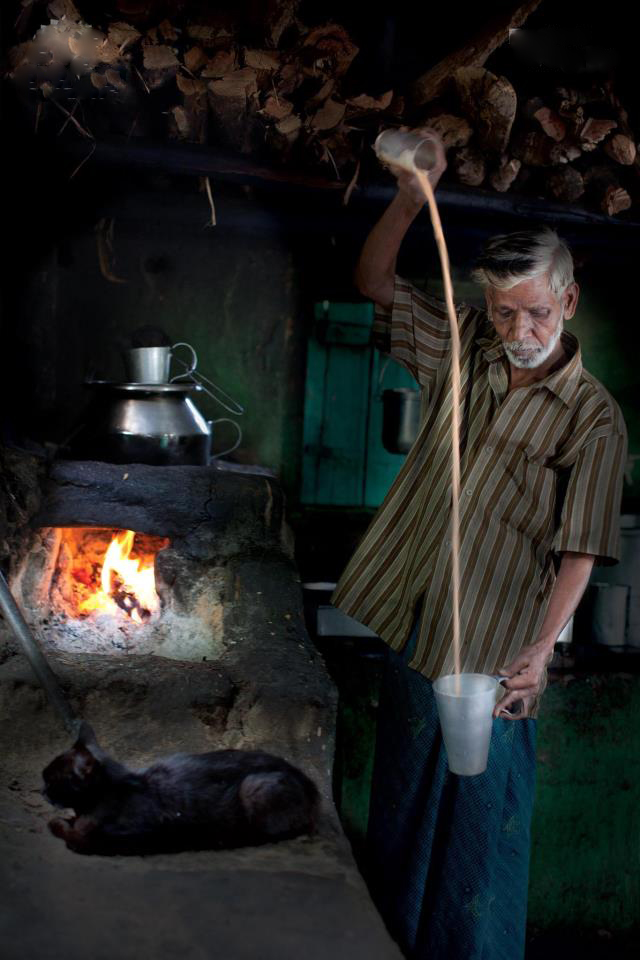
Tea stalls are an integral part of Kerala’s culture. These tiny restaurants offers a chance to enjoy traditional tea and Kerala snacks in authentic style. It has become something of a national pastime to enjoy conversation and a cup of chai masala or black tea at the end of the day. Parippu vada (lentil fritters), Ulli vada (onion fritters), and Pazham pori (banana fritters) are the most popular snacks enjoyed at tea stalls. Continue reading