Anthropocene Closer to Becoming Officially Declared

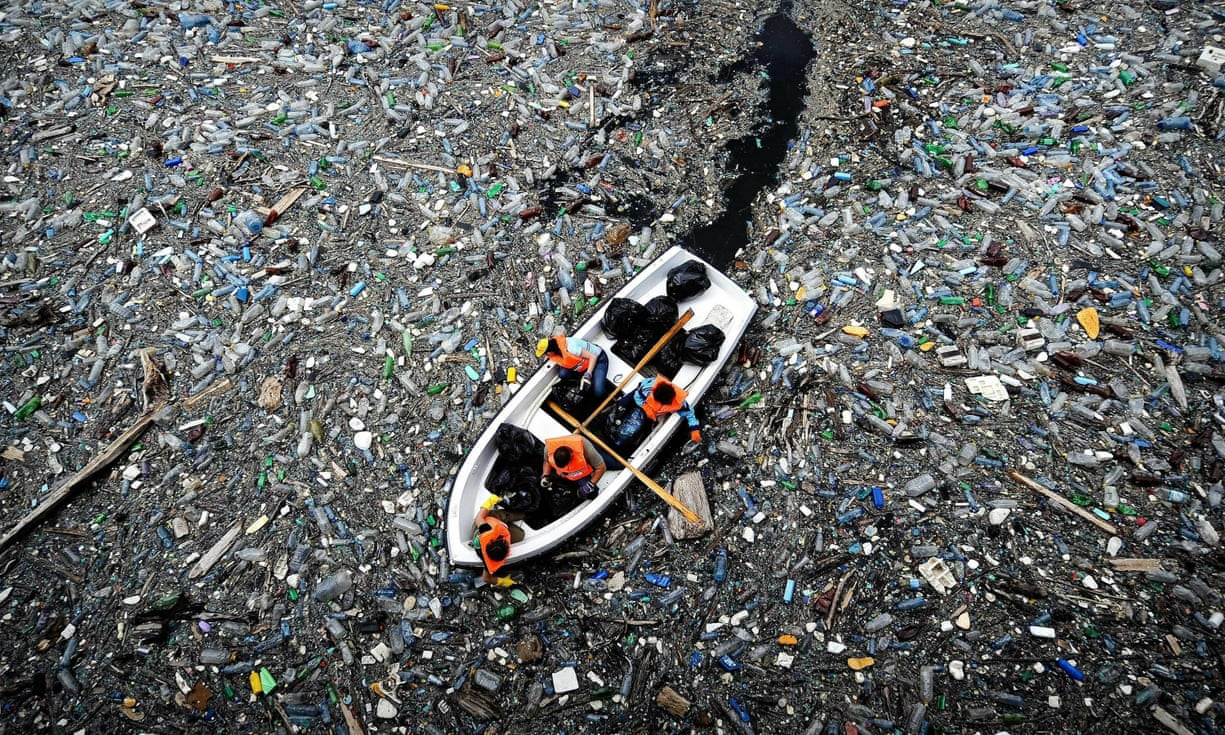
One candidate to be considered as evidence of the Anthropocene is plastic pollution. Photograph: Dimitar Dilkoff/AFP/Getty Images

We’ve covered the science and evidence behind the idea of our new geological epoch – one influenced by human activity – several times over the years, quoting various sources like The New Yorker, the New York Times, and The Economist.  Now, the Working Group on the Anthropocene has presented their official recommendation to the International Geological Congress that the Anthropocene be declared a new epoch starting around 1950, based on world-wide evidence such as radioactive elements from nuclear bomb explosions, plastic pollution, and even domesticated chicken bones. Damian Carrington reports:

The current epoch, the Holocene, is the 12,000 years of stable climate since the last ice age during which all human civilisation developed. But the striking acceleration since the mid-20th century of carbon dioxide emissions and sea level rise, the global mass extinction of species, and the transformation of land by deforestation and development mark the end of that slice of geological time, the experts argue. The Earth is so profoundly changed that the Holocene must give way to the Anthropocene.
Continue reading

The Arctic Struggles

p043qgl8

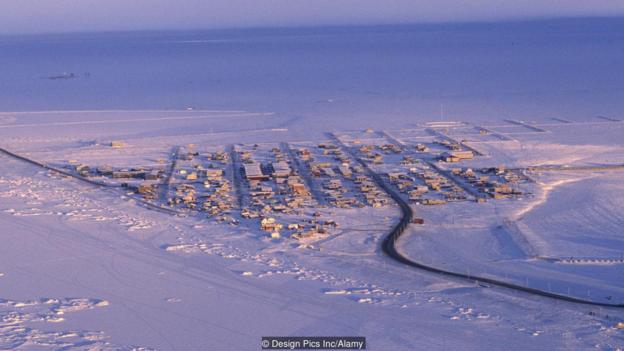
Barrow, Alaska. All photos from: BBC Earth

There is plenty of news on the alarming reduction of polar ice caps and the detrimental effect it has on polar bear populations. However, there is another, hidden problem that is hurting a different community just as much as these giant bears, and it is affecting the humans living in the northernmost town in the United States: Barrow, Alaska.

The big unspoken worry in the north is that large deposits of chemical pollutants are trapped within the ice.

For decades that was not a problem. But now rising temperatures are causing the ice to melt faster than ever. The area of summer sea ice has shrunk by 10% per decade since 1979, and in May 2016 the ice extent was the smallest in 38 years.

That means trapped chemicals like polychlorinated biphenyls (PCBs) are escaping and infecting animals like seals, the prey of choice for everything from polar bears to people.

Many of these chemicals have been banned for decades. They have been confined deep in the ice all this time and are perfectly preserved, like the sap-stuck mosquitos in Jurassic Park.

A study published in 2015 followed subsistence hunts from 1987 to 2007 and found significant amounts of PCBs in the internal organs and blubber of locally-harvested seals. The researchers concluded that, while levels of older banned contaminants are dropping, modern pollutants are rising.

That is problematic, because native Alaskans’ diets are largely comprised of seal.

Continue reading

What’s the Longest Living Animal?

Some sea sponges can live for centuries, and are indeed animals. PHOTOGRAPH BY JAD DAVENPORT, NATIONAL GEOGRAPHIC CREATIVE

That’s a question National Geographic reader Mohamed Larbi Bahou asked the columnists of “Weird Animal Question of the Week,” and a question we hadn’t asked ourselves. Liz Langley answers Mohamed’s question – thanks to both of them for these interesting facts:

Some days it feels like it might be me.

Kidding aside, humans these days live pretty long lives: The average global life expectancy of someone born in 2015 is 71.4 years.

That’s not bad compared with some adult female mayflies, which live for under five minutes—just long enough to mate and lay eggs. Talk about speed dating.

Continue reading

Ozone Hole over the Antarctic is Shrinking

Launching an ozonesonde. This balloon transported instrument measures a vertical profile of the ozone layer. Credit: NOAA via Flickr

Thankfully, there’s good news on the atmospheric front from the southern edge of the world, where chlorofluorocarbons released in the seventies and eighties had created a hole in the ozone layer. The seasonal gap in this ultraviolet-blocking layer is not as big this year as others in the past, thanks to prompt and concerted action to prevent release of dangerous chemicals. Alexandra Witze writes for Scientific American:

It’s the beginning of the end for the Antarctic ozone hole. A new analysis shows that, on average, the hole — which forms every Southern Hemisphere spring, letting in dangerous ultraviolet light — is smaller and appears later in the year than it did in 2000.

The 1987 global treaty called the Montreal Protocol sought to reduce the ozone hole by banning chlorofluorocarbons, chlorine-containing chemicals — used as refrigerants in products such as air conditioners — that accelerated ozone loss in the stratosphere. The study shows that it worked.

Continue reading

Migrations in the “Animal Internet”

© BBC

A couple weeks ago we shared a story about animals’ ability to travel without getting lost, and we’ve also featured pieces about migration in birds and butterflies. That eBird post from Seth is a direct example of what Alexander Pschera calls the “animal internet,” where data is accumulated in life that can be tracked, whether with devices or by people connected around the world. John Vidal reviews Pschera’s new book and covers the idea for The Guardian:

Aristotle thought the mysterious silver eel emerged from the earth fully formed. The young Sigmund Freud could not understand how it reproduced, and modern biologists puzzled for years over whether it ever returned to the Sargasso Sea, where it was known to breed.

Last year a team of Canadian scientists found conclusive proof of that extraordinary journey. They strapped tracking devices to 38 eels and followed as they migrated more than 900 miles at a depth of nearly a mile to the Sargasso, in the Atlantic near Bermuda. This year French researchers used geolocators to watch them descending European rivers and passing through the Strait of Gibraltar, heading for the same spot.

Continue reading

The Whole Picture

Did you take these for just some stunning water colors? Well, these are hard data on climate change. An artistic expression of an ugly, oft overlooked truth. Jill Pelto, the artist, who graduated in December from the University of Maine with a degree in earth science and studio art, created these paintings based on graphs of data on the environmental effects of climate change.

Continue reading

Notes from a Natural History Museum

Harvard Natural History Museum

I recently had the chance to visit the Harvard Natural History Museum. Despite having lived in Cambridge for nearly a year, and having often thought about visiting the museum when I passed by going to and from my apartment, I had not stopped in until now. What a treat! The collections are full, diverse, and well curated. On this occasion, I spent most of my time in the animal wing, but I plan to return soon to take in the flora and minerals, and spend much more time in choice display rooms (e.g. the absolutely gorgeous Mammals/Birds of the World permanent exhibit: see below for pictures).

A ground sloth skeleton. It is hard to get an idea of the size of this creature from this photo, but it probably weighed several tons while alive!

Continue reading

The Extreme Present

Post_extremePresent1

We play a modern game by a modern set of rules, and just found that there is a name for the game–the extreme present–by listening to a few men and women discuss it on a stage in London recently. It is not our main game, but the game we play to enable our main game to succeed. We upload, we post, we tweet, we text and we otherwise try to catch your attention in order to have the chance to convince you that our issues should be your issues, and that you should come to our places to support our issues in those places.

We call our main game entrepreneurial conservation and we use modern communications technology, and its social media tools, and the whole bundle of scary social implications that come with those, to play that game. The scary social implications are not only in the form of people constantly looking and pecking at their smart phones.

Listen to this discussion to get the big picture. It takes a bit of effort to find the podcast of those men and women on the London stage, because as of this moment it is only available on iTunes, but we believe it will be worth the two extra minutes, and then the hour of listening. In iTunes paste this link, and then find the title below as one of the most recent podcasts:

THE EXTREME PRESENT: AN EVENING OF SELF-HELP FOR PLANET EARTH

With Shumon Basar, Douglas Coupland and Hans Ulrich Obrist

In the space of just 20 years, the internet has transformed us completely. It has changed not just the structure of our brains, but the structure of the planet. Our attention spans have narrowed to the length of a Beatles song. Our lives used to feel like stories; now they’ve collapsed to a perpetually refreshing stream of tweets and posts. We outsource our memory to the ‘Cloud’, and remember nothing we don’t have to. All that exists is immediately in the now. The internet, like all technologies, is not being shaped to resemble humans. Humans are being shaped to resemble the internet. Welcome to the age of the Extreme Present.

Continue reading

Tetrad, A Wonder To Behold Tonight In Kerala

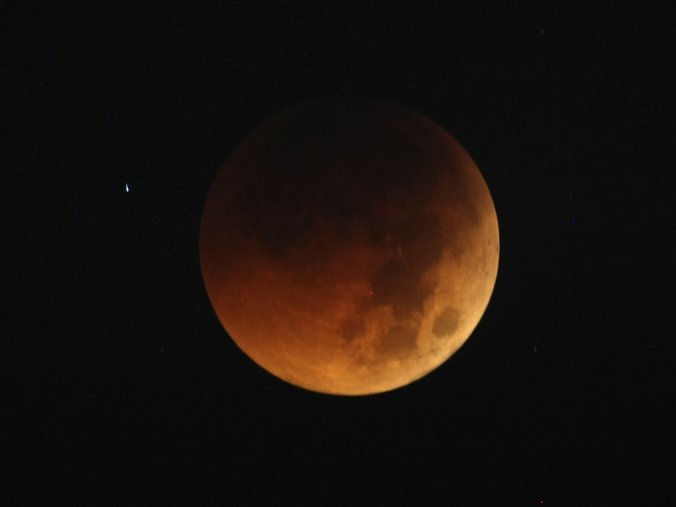
The moon exhibits a deep orange glow as the Earth casts its shadow in a total lunar eclipse as seen in Manila, Philippines, before dawn Thursday in a June 2011 eclipse. Bullit Marquez/AP

The moon exhibits a deep orange glow as the Earth casts its shadow in a total lunar eclipse as seen in Manila, Philippines, before dawn Thursday in a June 2011 eclipse. Bullit Marquez/AP

Thanks to National Public Radio (USA) for this notification of one of the occasional wonders of the universe, brought to a night sky near you, if you are in one of the lucky places. In Kerala we will be watching over the water from the deck of the restaurant, 51, at Spice Harbour :

Get Ready For The Third Installment In The Lunar Eclipse Tetrad

SCOTT NEUMAN

North Americans could get a glimpse of the Earth shadowing the moon (very) early Saturday — the third in a series of four lunar eclipses that began nearly a year ago. But only those on the West Coast, in the Pacific or Asia will have a chance at seeing the full show.

Continue reading

Anthropocene Perspective

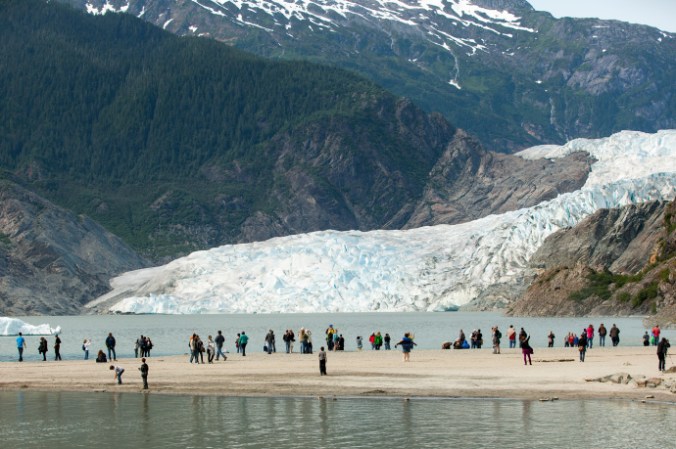
Tourists visit the the Mendenhall Glacier, in Alaska. Geologists are considering whether humans’ impact on the planet has been significant enough to merit the naming of a new epoch. CREDIT PHOTOGRAPH BY MATTHEW RYAN WILLIAMS/THE NEW YORK TIMES/REDUX

Tourists visit the the Mendenhall Glacier, in Alaska. Geologists are considering whether humans’ impact on the planet has been significant enough to merit the naming of a new epoch. CREDIT PHOTOGRAPH BY MATTHEW RYAN WILLIAMS/THE NEW YORK TIMES/REDUX

Thanks to, Michelle Nijhuis in general, for her science writing and environmental journalism–making these topics simultaneously fun and fascinating, if also sometimes depressing; and to the New Yorker for making space for this note in which she briefly explains the naming of the epoch we live in:

The duties of the Anthropocene Working Group—a thirty-nine-member branch of a subcommission of a commission of the International Union of Geological Sciences—are both tedious and heady. As the group’s chairman, Jan Zalasiewicz, whom Elizabeth Kolbert wrote about, in 2013, says wryly, “People do not understand the very slow geological time scale on which we work.” Yet the A.W.G.’s forthcoming recommendations may bring an end to the only epoch that any of us have ever known—the Holocene, which began after the last ice age, about twelve thousand years ago, and lasts to this day. The group’s members are pondering whether the human imprint on this planet is large and clear enough to warrant the christening of a new epoch, one named for us: the Anthropocene. If it is, they and their fellow-geologists must decide when the old epoch ends and the new begins.

In a paper published today in the journal Nature, Continue reading

Humanity’s Diet Makes A Difference, Historically As Well As Futuristically

On the timescale of evolutionary history, paleo enthusiasts note, agriculture is a fad. Credit Illustration by Mike Ellis.

On the timescale of evolutionary history, paleo enthusiasts note, agriculture is a fad. Credit Illustration by Mike Ellis.

Since the early days of this blog we have been hungry consumers of environmental long form journalism, of which Elizabeth Kolbert’s New Yorker chronicles are best-in-category. They are also, frankly, almost always depressing.

Nonetheless, they put humanity into its natural context. This not-at-all-depressing chronicle demonstrates the value of that contextualization well:

The first day I put my family on a Paleolithic diet, I made my kids fried eggs and sausage for breakfast. If they were still hungry, I told them, they could help themselves to more sausage, but they were not allowed to grab a slice of bread, or toast an English muffin, or pour themselves a bowl of cereal.

Continue reading

Notes from the Garden: Quantifying Farm-to-Table

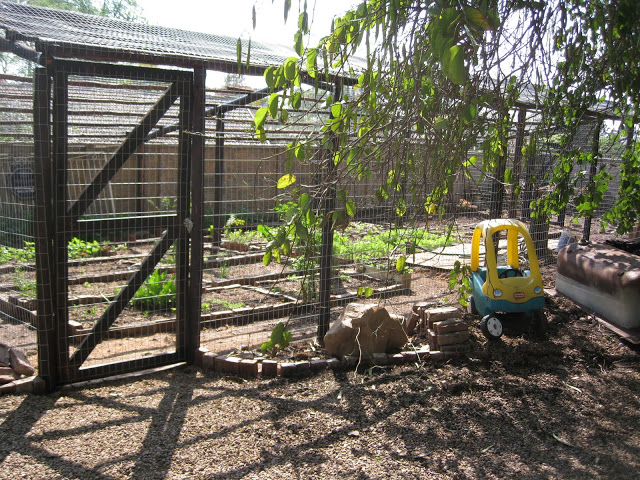
We are in process of building a monkey-proofed area of the garden. You can see my past post to get a feel for the evolution of this idea. The main issue with providing the Cardamom County restaurant with food from the on-site organic farm is monkeys. We were inspired by these subsistence farmers in Ixopo, South Africa, who blogged about building their monkey-proof vegetable cage. They, too, are neighbors with a nature reserve, so their situation is quite similar to Cardamom County! Now, we are on our way to having a truly farm-to-table menu!

Here is the cage we are modeling ours after. Check out their blog: http://foodieschannel.blogspot.com/2011/04/this-isnt-really-recipe-but-its-about.html

Here is the cage we are modeling ours after. Check out their blog: http://foodieschannel.blogspot.com/2011/04/this-isnt-really-recipe-but-its-about.html

You may be wondering, why is there all this buzz these days about farm-to-table? There is more to it than just fresh, delicious food.

Obviously, a lot of nature gets destroyed for agricultural purposes. In the United States, so much land gets wasted on sprawling, inefficient development. In the in-between spaces, you could feed a nation. But we eat up our open, natural spaces for agriculture. Our agriculture is rarely local so it leads to problems of unnecessary carbon emissions from transport and a lot of not-fresh food in grocery stores. When we can use the land we have already developed on to provide the people there with food, why spread ourselves out so thin into nature? Continue reading

The Footprints of Footballing Countries

© Global Footprint Network

Have the countries with the highest ecological footprints done the best in this year’s FIFA World Cup? Analysts at the Global Footprint Network asked themselves this question in this month’s newsletter addendum and the results of their calculations are interesting — and sometimes surprising!

The eight nations who made it to the quarter-finals represent vastly different lifestyles. If all people on Earth lived like residents of those countries, Continue reading

Go Ahead, Laugh About Climate Change

climate-change-comedy-290I am not 100% certain that laughter is an antidote to anything, but every now and then it seems like the only option. HOW TO LAUGH AT CLIMATE CHANGE, by Michelle Nijhuis, had its intended effect on me:

Continue reading

Collapsitarians Rising

Paul Kingsnorth. Photo by Kenneth O Halloran

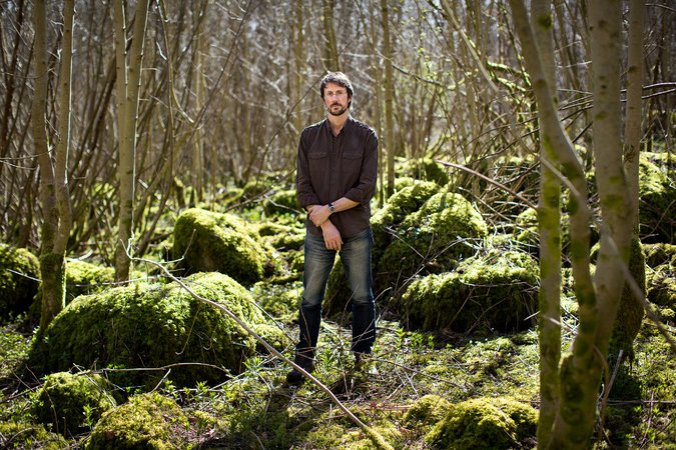
Paul Kingsnorth. Photo by Kenneth O Halloran

Collapsitarian sounds decidedly like the opposite of our approach on this platform, but in this profile I recognize observations and motivations, and even actions if not conclusions, out there among the practitioners. Read the story in this week’s New York Times Magazine:

By DANIEL SMITH

After decades of fervent environmental activism, Paul Kingsnorth decided it’s too late — collapse is inevitable. So now what?

If that seems intriguing, and especially if you want to smile and even laugh a bit, visit Paul Kingsnorth’s website:

OAQs

(Occasionally Asked Questions)

Could you puff yourself up in a few paragraphs of third person prose please?

Certainly. Paul was born in 1972. He studied modern history at Oxford University, where, as well as studying, he edited the student newspaper and was politically radicalised by his involvement in the road protest movements of the 1990s. Continue reading

Make The Pledge by Nikki Miles

tumblr_mwb61wXD4G1qz5g9bo1_1280

The day has come. Come! During the last month of food trials at 51, we were looking forward to the day–yesterday–when the doors officially opened and we could invite both vegetarian and non-vegetarian friends to dine, and in particular feast on a roasted vegetable dish rooted in Malabar Coast vegetables and Eastern European foodways. Thanks to another of the Young Creatives for this encouragement on getting non-vegetarians to pledge to add more vegetables to their diet–all it takes is better-tasting veggies, we think, and some creative promotion:

With this playful painting, illustrator Nikki Miles is urging us to make a pinky promise to go easy on the meat and its carbon consequences and enjoy some veg instead.

“I don’t eat a lot of meat but I’m not strictly a vegetarian either,” says Nikki. I have tried being a vegetarian in the past but I found it to hard to give up the odd bacon sandwich or roast dinner with beef gravy.  I only eat meat around once or twice a week because vegetables are yummy too! Eating more veg and less meat is a simple way to make a big difference to your health and the environment.” Continue reading

Do The Green Thing Countdown 25/29

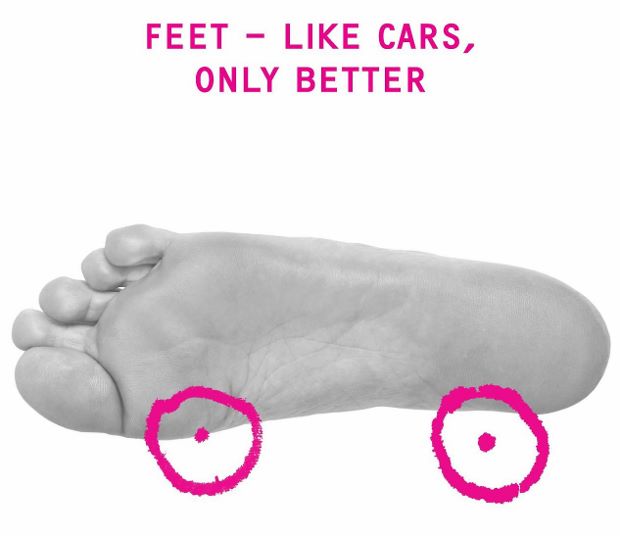
Continuing our promotion of Do The Green Thing’s campaign on behalf of WWF for Earth Hour, we point you to Switch Off Engine by Harry Pearce in which he:

…takes a warning sign from the depths of the car world and reuses it to create a messages that instructs us to step away from our vehicles and go by foot instead.

“The visual language of obedience demands our attention and compliance,” says Harry. “Maybe the car industry should follow its own rules.”

Why?

Continue reading

Pro-Environment Posters For WWF’s March 29 Earth Hour Initiative

Walk the Walk by Marina Willer for 29 Posters for the Planet

Walk the Walk by Marina Willer for 29 Posters for the Planet

We appreciate collaborative efforts to raise awareness about environmental issues, especially when they come from places where the focus is not normally on conservation. Design agencies are generally designed to sell more stuff. Publishers are generally designed to use ex-trees to communicate stuff. But some designers are on the other side of the consumer behavior-influencing fence. And some publishers use those ex-trees to publicize a more tree-centric future.  Ethics sometimes prevail over ambition. Education sometimes jumps the line.

Professional communities–whether design firms, publishers, hotel companies or take your pick–all have latent collective action lurking in their futures. We hope nature and culture are the beneficiaries. Thanks in particular at this moment to publisher Phaidon, which is in itself worthy of a post on its series of environmentally-friendly books and initiatives, for bringing this initiative of design firm Pentagram to our attention:

Pentagram’s carbon free foot print

Design agency works with Do The Green Thing charity on environmentally friendly posters

The gulf between our high-consumption lifestyles and the kind of sustainable world many of us hope to inhabit is vast. Yet the changes that could take us there aren’t unthinkable, as our recent book, The World We Made, makes clear. Continue reading

If You Happen To Be In Denmark

We have been paying a lot of attention to Iceland in the last year, and we do not expect that to change very soon. At least not until May of this year.  But we will always consider the two poles of the planet worthy of our time and investigation. There is an excellent exhibition website separate from the museum’s website pages about this exhibit whose last month has just begun:

ARCTIC

September 26 2013 –  February 2 2014

Louisiana’s major, multi-faceted autumn exhibition explores a wonderful, fragile, frightening and powerful world. ARCTIC is a story about dreams, destiny, adventure and beauty. It is a tale of fear, fascination, desire, downfall, and survival in spite of everything. A quest for a location, real and imagined, that through the centuries has stirred up strong drives and emotions, fascinating and attracting artists, scientists, writers and adventurers alike.  Continue reading

Drink the Wild Air

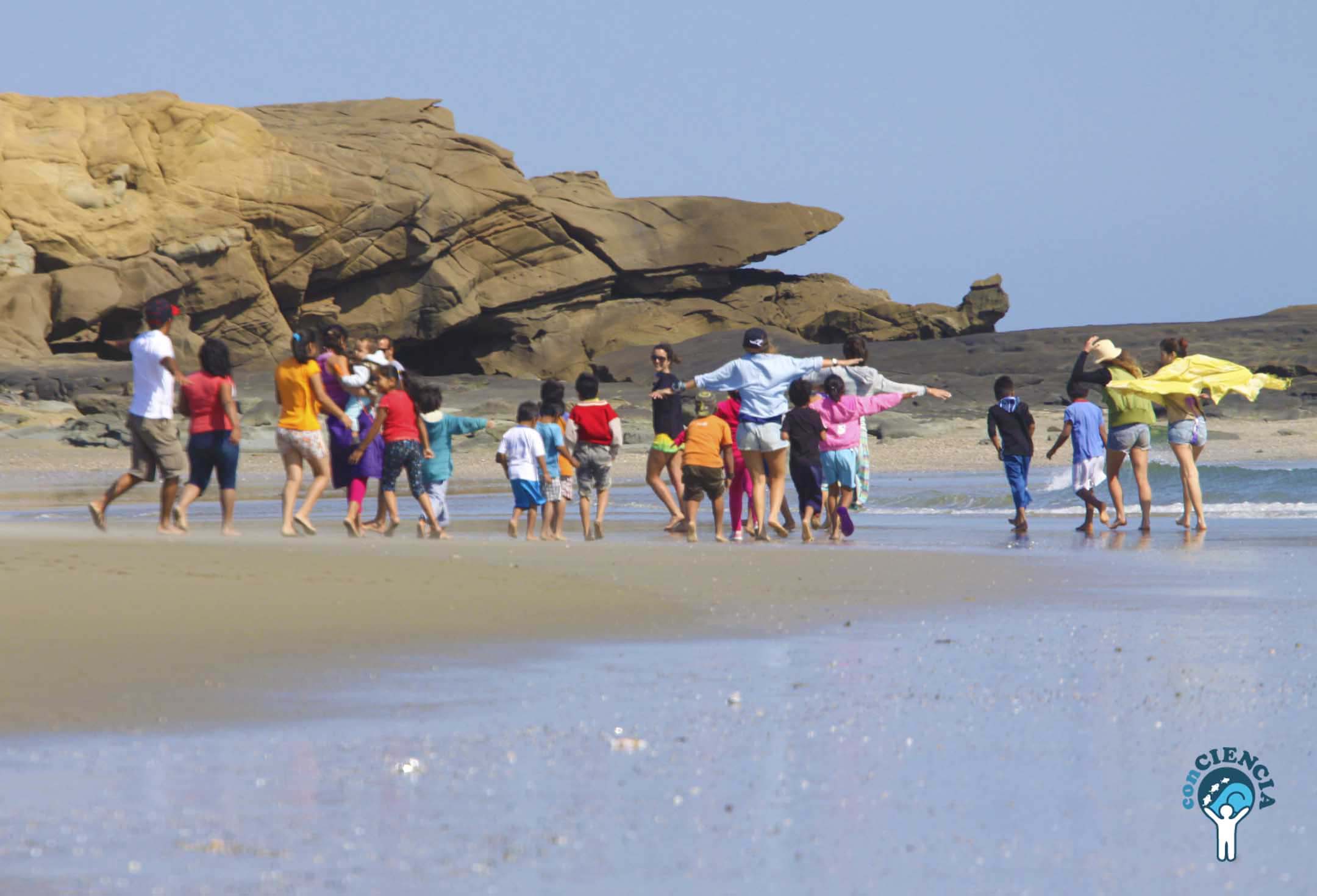
“Live in the sunshine, swim the sea, drink the wild air.” Alejandra Benavides/conCIENCIA

Working for the balance and health of nature as a conservation biologist brought me to understand the importance of nature in the balance and health of communities. The great gap between the two inspired me to establish conCIENCIA, a nature-based education design program. We build environmental identity in fishing villages across Peru through nature-based integrated learning guided by play, creativity, curiosity and the senses.
As First Mermaid in conCIENCIA, I work with an amazing group of artists and scientist, to connect coastal children to the natural wonderland, since 2010.

Lobitos has some of the most beautiful beaches on the Peruvian coast. Its world-class surfing draws hundreds of surfers from all over the planet and is known far and wide. A lesser-known fact is that it also has 153 children enrolled in its elementary school. Walking down the beach we wonder where these kids are. We walk from point to point with not one in sight. There’s no laughter or splashing on the shores. Surfers and fishermen dominate our view. No mothers and children sharing the democratic fun the beach offers: a place with more attractions than we could ever finish exploring.

In Latin American cities like Rio de Janeiro it is on the beach that rich and poor meet, crossing the giant social chasm that separates them, virtually identical in their bathing suits, covered in sand, sweat and salt. Surprisingly, this doesn’t seem to be the case in many of Peru’s coastal towns. Exactly why is hard to say. Our NGO conCIENCIA helps coastal communities develop an environmental identity and engagement through outdoor science-based learning. We hope to be able to answer the question ‘why’ through surveys, conversation and appreciation.

On the surface one could say it is cultural.  Fishermen don’t bathe in the sea or lounge on the beach. This is their place of work, as for a New Yorker her office would be–of course, with greater hardships and demands. The sea is treacherous and fish stock is dwindling. Continue reading