Solfatara

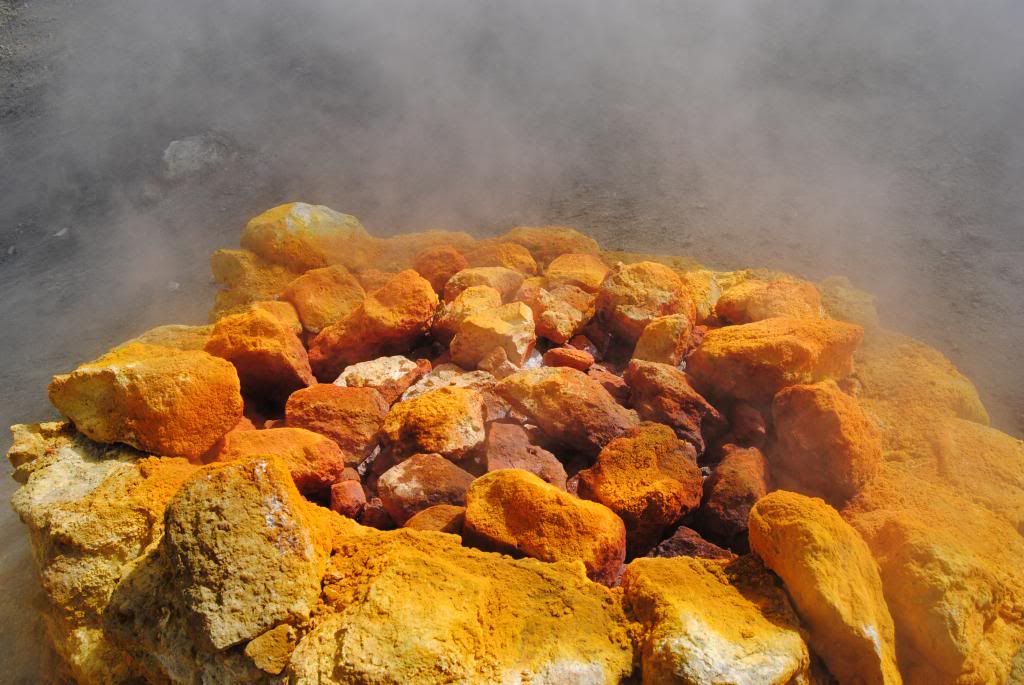
Sulphur Vent – Solfatara

Solfatara, a shallow volcanic crater in Pozzuoli, near Naples, is a hotbed (no pun intended) of geothermal activity. Upon walking into the depression, hemmed round by steep hills, the smell of rotten eggs greets your nose. The stench comes from the clouds of sulphurous steam pouring forth from vents in the rock. The Romans believed that this steam had healing properties Continue reading

Gandhi’s Deep Ecology

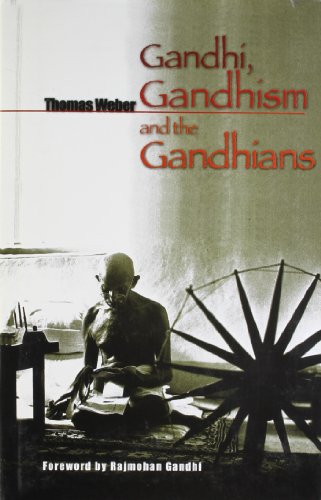
Among the many writings about Gandhi, Thomas Weber’s books seem to be held in esteem in India, with the book to the right being the most recent:

Mahatma Gandhi and his philosophy of truth and non-violence have intrigued the world for decades. Looking at the Western and Indian influences that had gone into making Gandhi the Mahatma, and the central importance of Gandhi to non-violent activism, these essays reclaim the power of truth and non-violence, which can still change the destinies of people and nations. In this collection, Weber discusses Gandhi, his ideology, and how India and the rest of the world is interpreting and reinterpreting the Mahatma. The doctrine of conflict resolution theory, new environmentalism, peace research, deep ecology, and Buddhist economics based on Gandhian principles renews the world`s belief in Mahatma and his teachings for our lives and our times.

One of the most visible and active Gandhi-focused websites posted an essay by Weber* about Gandhi’s influence on what eventually came to be known as deep ecology, and that seems a fitting reference on our site to commemorate this year’s birthday, which is also a national holiday in India.  A few snippets: Continue reading

Sagan’s Pale Blue Dot

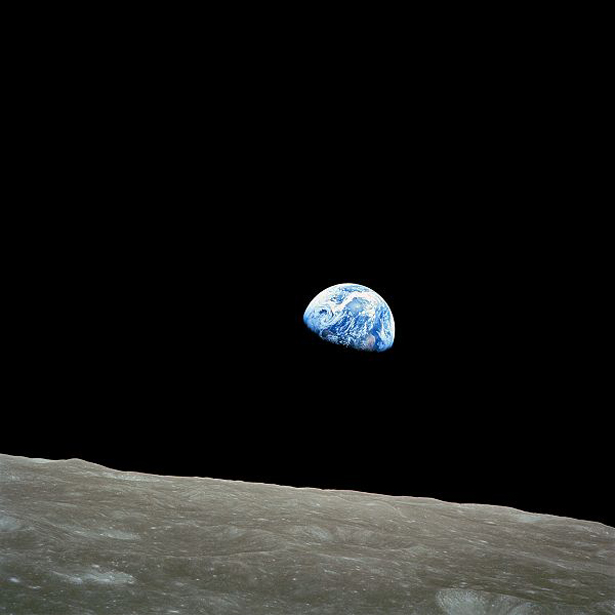
Scientists, among other communities we follow, make us smile when they speak in a language we can understand (those of us who are not scientists, which is most of us on this site). We have had occasion in the past to point to the famed scientist and former Cornell University professor Carl Sagan, and now Robert Krulwich shares this video on one of his Wonders posts (after clicking through, scroll down):

…Looking at this, Carl Sagan thought, first, how small we look, how small we are — which inspired him to write his eloquent Pale Blue Dot meditation, which, if you haven’t read it lately, take a minute and a half to look at this short version gorgeously animated by Joel Somerfield at Order, a British design studio. Carl Sagan himself is narrating. Continue reading

7 Ways To Understand Man’s Impact On The Earth In Recent Decades

The news headlines started carrying this story more than a week ago, but it was not until now that we had the chance to understand it.  Thanks to the Atlantic‘s coverage:

The project was built in conjunction with the U.S. Geological Survey, NASA, and TIME. The images come from the USGS-NASA’s satellite program LANDSAT, which were often stored on tapes like those in the thumbnail to the right. Google started sorting through a collection of 2,068,467 images back in 2009 — 909 terabytes of data, according to Google — finding the highest quality pixels (which is to say, shots not obscured by clouds), “for every years since 1984 and for every spot on Earth.” Continue reading

Tenant’s Manual For Earth

Click the image at left to go to the video of this presentation by the author of his book:

In “Earth: A Tenant’s Manual,” distinguished geologist Frank H. T. Rhodes, President Emeritus of Cornell University, provides a sweeping, accessible, and informed guide to the home we all share, showing us how we might best preserve the Earth’s livability for ourselves and future generations. Continue reading

Alternate Views Of The World We Live In

Click the map above to go to the explanation:

Tigers and pandas live in Asia, kangaroos and koalas in Australia and polar bears and snowy owls in the Arctic. The world can be divided into regions based upon the unique types of animals that live there. Or so the thinking went when Alfred Russel Wallace published the scientific world’s first global biodiversity map in 1876. Continue reading

Orion Nature Quarterly’s Online Evolution

From a magazine we appreciate for its 30+ years of awesome long form non-fiction writing on important issues related to nature, as much as its audio-visual contributions on the same, in the item featured here:

Photographer Douglas Gayeton explains the genesis of his giant-sized, mural-like photos designed to protect from corporate marketing the meaning behind the words we use to describe sustainability. The project began as a language experiment in Tuscany, Italy.

World Class Photographs Of Earth’s Beauty

This slideshow requires JavaScript.

Thanks to the citizens of the USA, and the people they employ at NASA’s Earth Observatory, there is a large collection of photographs available free for the browsing.  Each day they upload new, amazing images of the planet, its weather patterns, geological formations, etc.  Case in point: high resolution versions of the photos above, providing fine-grained details, can be found here, here and here.