Avoiding Misery Can Take Decades

19doerr-master768

Thanks to Anthony Doerr for this opinion, which we tend to agree with:

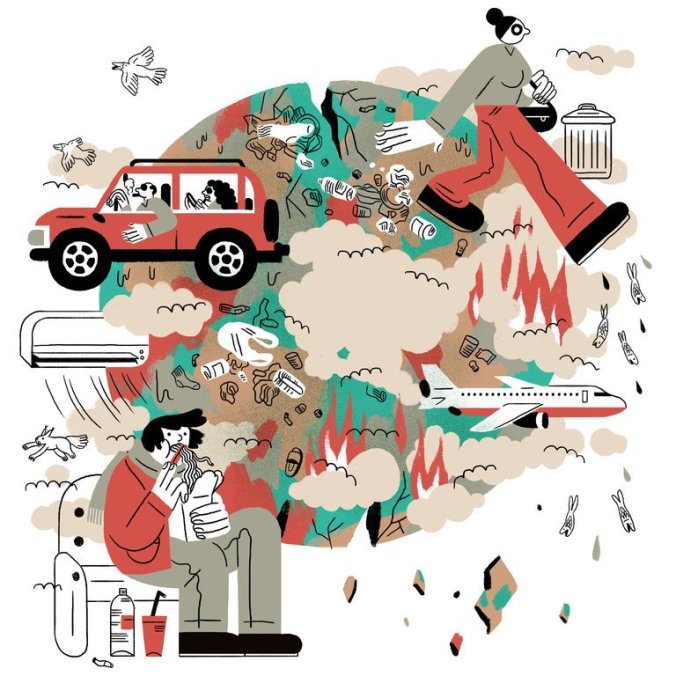
We Were Warned

Boise, Idaho — Twenty-five years ago this month, more than 1,500 prominent scientists, including over half of the living Nobel laureates, issued a manifesto titled “World Scientists’ Warning to Humanity” in which they admonished, “A great change in our stewardship of the earth and the life on it is required if vast human misery is to be avoided and our global home on this planet is not to be irretrievably mutilated.” Continue reading

The Business of Arctic Anti-Stewardship

SCE034-00038_hr.JPG

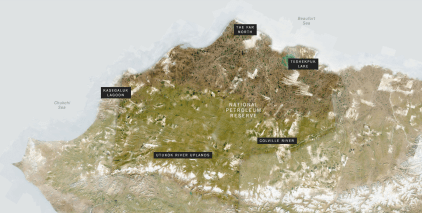
The upper Colville River and headwaters on Alaska’s North Slope | Joel Sartore

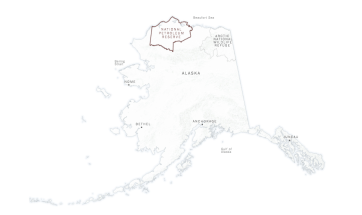
Screen Shot 2017-11-11 at 8.40.28 AMThanks to Christopher Solomon, contributing editor at Outside magazine, for this important story published in the New York Times. The interactive element highlighting each ecosystem, followed by migration visuals drive home the extremity and unprecedented nature of the policies that the federal government of the United States of America is now promoting.

America’s Wildest Place Is Open for Business

Screen Shot 2017-11-11 at 8.42.01 AMSeveral years ago a mapping expert pinpointed the most remote place in the Lower 48 states. The spot was in the southeast corner of Yellowstone National Park, 20 miles from the nearest road. Roman Dial read the news and wasn’t much impressed. To him, 20 miles — the distance a hungry man could walk in a long day — didn’t seem very remote at all.

Mr. Dial is a professor of biology and mathematics at Alaska Pacific University in Anchorage, and a National Geographic explorer. He decided to figure out the most remote place in the entire nation. His calculations led him to the northwest corner of Alaska, where the continent tilts toward the Arctic Ocean. The spot lay on the Ipnavik River on the North Slope, 119 miles west of the Haul Road (otherwise known as the Dalton Highway), which brings supplies and roughnecks to the oil fields at Prudhoe Bay. Continue reading

Keep National Parks Safe, Know Your Chocolate

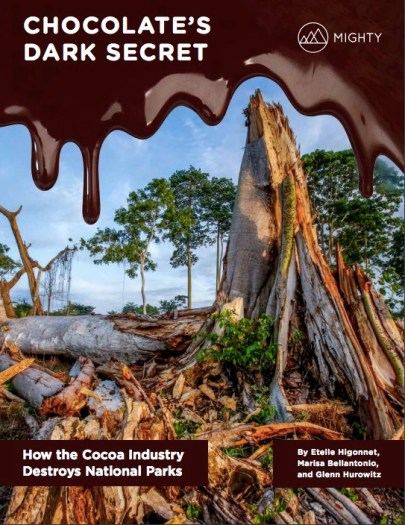
Choc.jpgI am now learning more about cacao, and its end use, the sweet we all adore. The rise in artisanal cacao farming, as we have noted on occasion, can have important implications for conservation. Whether you are a chocoholic or just a casual dabbler in the sweet bi-product of cacao, this report deserves your attention (click on the image to go to the source):

Chocolate is everywhere. It is the afternoon pick-me-up, the sensual indulgence, the accoutrement to seduction. Lovers gift truffles, skiers sip on rich hot chocolate, and connoisseurs savor the tiniest, richest bite of single origin dark chocolate. The ancient Aztecs believed that chocolate was an aphrodisiac, and the emperor Montezuma was reported to gorge himself on chocolate in advance of his trysts. Continue reading

Empathic Survival Strategy

Kolbert-On-the-Fate-of-Earth_05.jpg

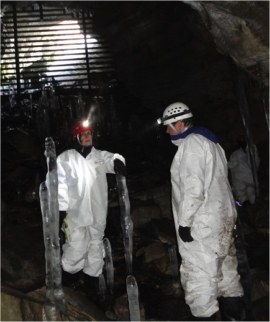
Photograph courtesy the author

Finally, the author we link out to with frequency (respectfully and affectionately noting her role in highlighting doom on the horizon), has offered a photo of herself in the setting of one of her stories. It is a cave with a story to tell, and while the story is not one we want to hear it is one we must ponder. That is why we keep linking out to her writing.

This is among her best short offerings, written originally to be a speech, with the creature below featured in compelling manner:

Kolbert-On-the-Fate-of-Earth_01

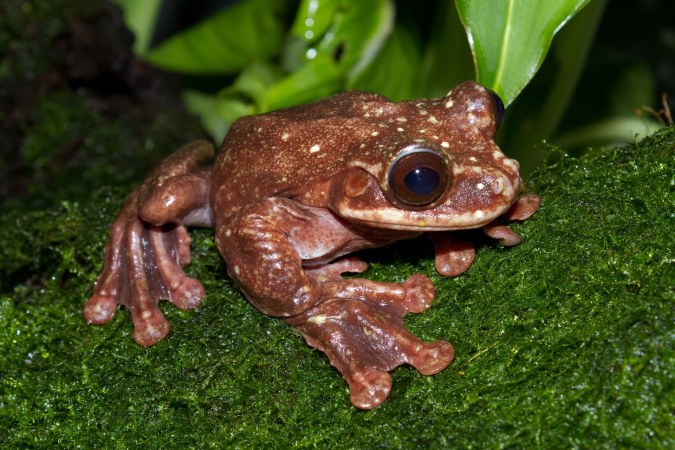
A Rabbs’ fringe-limbed tree frog. Photograph by Brian Gratwicke / Flickr

The Fate of Earth

Humanity’s survival on this planet seems more uncertain than ever. But what happens when we look at ourselves through other creatures’ eyes?

By 

Yesterday evening, at Manhattan’s New School, the New Yorker staff writer Elizabeth Kolbert delivered the second annual Jonathan Schell Memorial Lecture on the Fate of the Earth, an event established by the Nation Institute in honor of the late Jonathan Schell, a longtime New Yorker staff writer, and named for “The Fate of the Earth,” a series of articles that Schell wrote for the magazine in 1982 and later published as a book. Kolbert’s remarks have been edited for length. Continue reading

What’s Wrong With This Picture?

4500Nestle

Thanks to Jessica Glenza and the Guardian for this update on the story of water in Michigan, a topic that seemed to come and go as quickly the political landscape shifted in the last year. Nestle, the Moriarti of so many stories, makes this one too easy to believe:

While Flint battles a water crisis, just two hours away the beverage giant pumps almost 100,000 times what an average Michigan resident uses into plastic bottles

Gina Luster bathed her child in lukewarm bottled water, emptied bottle by bottle into the tub, for months. It became a game for her seven-year-old daughter. Pop the top off a bottle, and pour it into the tub. It takes about 30 minutes for a child to fill a tub this way. Pop the top, pour it in; pop the top, pour it in. Maybe less if you can get gallon jugs.

Luster lives in Flint, Michigan, and here, residents believe tap water is good for one thing: to flush the toilet.

“I don’t even water my plants with it,” she said. Continue reading

Fish Provenance Matters

Kim-Salmon-Spill_01

Lummi Nation fishermen work to capture Atlantic salmon that escaped an aquaculture pen near Cypress Island, in Washington State. Photograph by Brandon Sawaya / SOULCRAFT ALLSTARS

With big weather news recently holding our attention, it is easy to miss smaller scale natural disasters, so thanks to E. Tammy Kim for ensuring this story made it to our pages:

Washington State’s Great Salmon Spill and the Environmental Perils of Fish Farming

Just after the thrill of the total solar eclipse, a troubling nature story emerged from northwestern Washington State. On August 22nd, Cooke Aquaculture, a multibillion-dollar seafood company, reported that, three days earlier, extreme tides coinciding with the eclipse had torn apart its enormous salmon farm off Cypress Island, a teal idyll near the college town of Bellingham. Continue reading

Model Mad, National Monument Protection Coalition

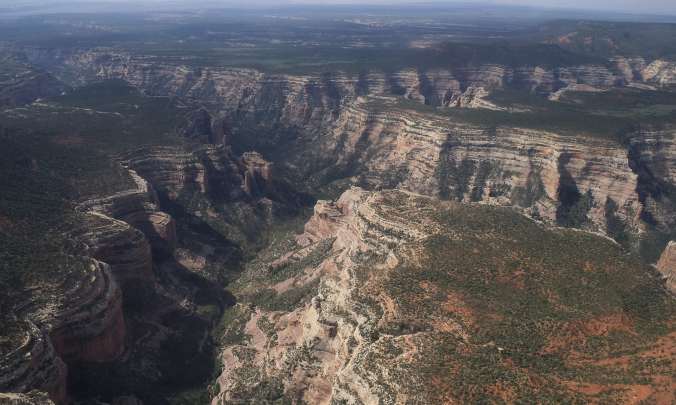
Arch Canyon, within Bears Ears national monument in Utah. Bears Ears is under threat from the Trump administration. Photograph: Francisco Kjolseth/AP

More examples of corporate social responsibility and activist collaboration taking the higher ground position over flawed public policy.

Native Americans and environmental advocates get help from outdoor retailers as they battle proposal to change monuments’ boundaries

Environmental activists, Native American groups and a coalition of outdoor retailers have vowed to redouble their efforts to protect public lands, after the US interior secretary, Ryan Zinke, recommended on Thursday that Donald Trump change the boundaries of a “handful” of national monuments.

“Secretary Zinke’s recommendation is an insult to tribes,” said Carleton Bowekaty, co-chairman of the Inter-Tribal Coalition, which asked Barack Obama to create the Bears Ears monument in Utah in 2015, citing increasing thefts and vandalism at more than 100,000 native cultural sites in the area.

Millions of petitioners have joined an urgently assembled advocacy effort to dissuade the Trump administration from moving against the monuments. On Friday, the outdoor retailer Patagonia, which spearheaded the industry initiative, said the group would continue its efforts. Continue reading

Paraguay’s Chaco Region

1-f_LUdJ744pFNFjVrM-NZXg

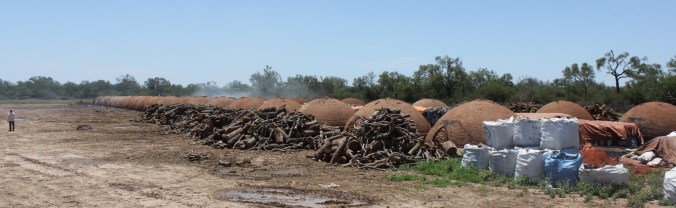
Bricapar charcoal facility at Teniente Ochoa ©Earthsight

The picture above, and the picture below, will suffice if you do not have the half hour required to read the details. Earthsight is a non-profit organization that uses in-depth investigations to expose environmental and social crime, injustice and the links to global consumption. One such investigation provides these images, and it is worth a read, especially if you are in Europe and you use charcoal for barbecue. Thanks to the folks in the Guardian’s Environment team for bringing the report and its consequences to our attention.

1-p3wv9-kVWxSHsitTi2BTEw

Figure 1: Jaguar photographed in the Gran Chaco forest ©Hugo Santa Cruz & Fundación Yaguareté

Choice Cuts

How European & US BBQs are fuelled by a hidden deforestation crisis in South America

Summary

On a vast, hot plateau in Paraguay, in the centre of South America, lies a little-known environmental crisis, and a dirty secret that can be traced to the supermarkets of Europe.

The dry tropical forests of the Chaco are being destroyed faster than any other forests on earth. The trees felled as a result of the advance of industrial agriculture into pristine wilderness are being turned into charcoal to feed demand in Europe.

Described by David Attenborough as “one of the last great wilderness areas in the world”,[1] the Chaco is home to a plethora of precious wildlife and one of the world’s last tribes living in voluntary isolation, the Ayoreo. Continue reading

Conservationists And Public Servants Collaborate In South Texas

14butterfly4-master675

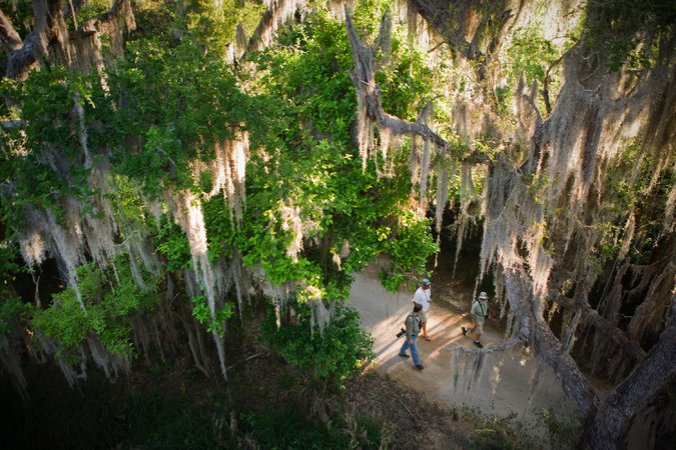
Birders walking under trees draped in Spanish moss in the Santa Ana National Wildlife Refuge near Alamo, Tex. The border wall would traverse the refuge. Credit Michael Stravato for The New York Times

Thanks to Michael Hardy and the New York Times for this coverage of an unwanted, disruptive intruder:

MISSION, Tex. — Last month, Marianna Wright, the executive director of the privately owned National Butterfly Center here, discovered survey stakes on the property marking out a 150-foot-wide swath of land.

Ms. Wright later encountered a work crew cutting down trees and brush along a road through the center. The workers said they had been hired by United States Customs and Border Protection to clear the land.

“You mean my land?” Ms. Wright asked, before kicking them out. Continue reading

Elephants, Orangutans, Rhinos & Tigers–What Are They Worth To Us?

4256n.jpg

Deforestation in the Leuser ecosystem, one of the last homes to Sumatran elephants, orangutans, rhinos and tigers. Photograph: Sutanta Aditya/Barcroft Images

Thanks to the Guardian:

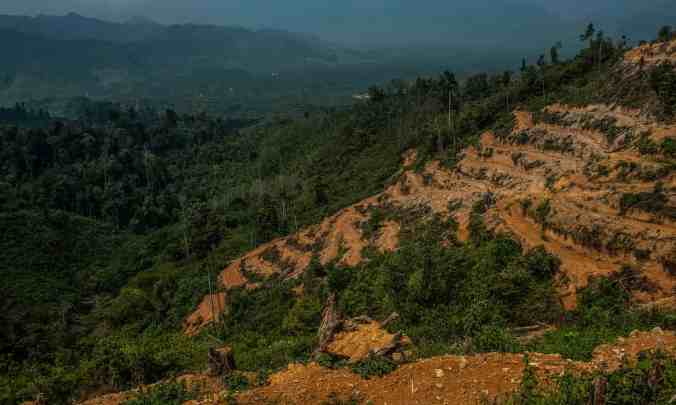
Pepsico, Unilever and Nestlé accused of complicity in illegal rainforest destruction

Palm oil plantations on illegally deforested land in Sumatra – home to elephants, orangutans and tigers – have allegedly been used to supply scores of household brands, says new report Continue reading

Beware, Brazil

4368

Thanks as always to the Guardian for coverage of environmental crises in the making:

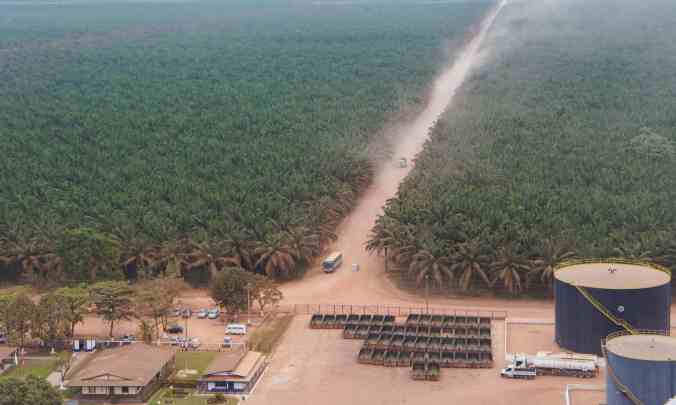
The Amazon’s new danger: Brazil sets sights on palm oil

Brazil’s ambition to become a palm oil giant could have devastating social and environmental impacts if the move is not carefully managed, say experts Continue reading

Nature Needs More Good Ideas

5000d.jpg

There is no known vaccine against temptation to harness nature. There is not enough nature left on the planet to allow this temptation to spread. But bad ideas are infectious:

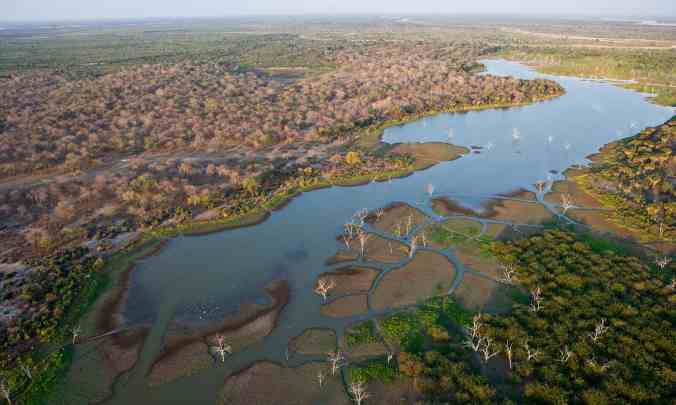
Tanzania presses on with hydroelectric dam on vast game reserve

Stiegler Gorge dam on the Selous park, a world heritage site listed as ‘in danger’, will cause irreversible damage, say conservationists Continue reading

Keep This Place Out Of Bounds

4256b.jpg

The letters come amid fears that the Trump administration will favor the powerful mining lobby, increasing the risk, particularly, of uranium contaminating water flowing into the Grand Canyon. Photograph: Stephen Yelverton Photography/Getty Images

Arizona officials, sensing an opportune moment, are using one of the most iconic places on earth to make a point. And the point is at one with the reason given for the USA pulling out of an environmental treaty, that every last buck to be raked out of the earth is more important than the earth as a whole, or a particular spot on the earth, or those living on the planet generations from now. The headline and story below fail to shock. This is how things are lately. Getting numbed to it is not an option. Arizona officials have made their point clear, but the point cannot be conceded. Boundaries still exist and must be protected. Thanks to the Guardian for its vigilance in its This is Your Land series:

Grand Canyon at risk as Arizona officials ask Trump to end uranium mining ban

Exclusive: Powerful regional officials to ask administration to end 20-year ban, saying it is unlawful and inhibits economic opportunity Continue reading

Farmers, Loggers & Biodiversity

5184 (1)

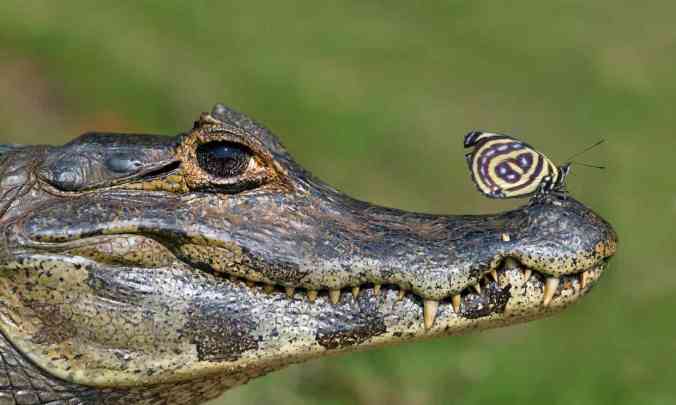
Serro Ricardo Franco is in one of the world’s biggest and most diverse ecological reserves. But reality on the ground is different, putting many animals at risk, such as Yacare caiman and giant river otters. Photograph: Angelo Gandolfi/Getty Images/Nature Picture Library

Sometimes, sitting in a glass house, reading the news makes me want to throw a stone. The glass house where I live includes a farm in an extremely biodiverse area. It is surrounded by nearly half a million acres where logging happens. But there is farming, as you can read about in the news below, and there are plenty of better ways of farming; there are loggers like those in the news below, and there are forests where extraction happens according to standards such as those set and enforced by the Forest Stewardship Council.

Instead of throwing a stone, I get up every day and make sure the glass around here is as transparent as possible, because we can demonstrate a better way of supplying food, of harvesting wood, and doing so with the protection of wildlife in constant view. Meanwhile, I do read the news from elsewhere and continue to share it here (thanks to the Guardian’s Jonathan Watts in Vila Bela da Santíssima Trindade for this one):

Wild Amazon faces destruction as Brazil’s farmers and loggers target national park

The Sierra Ricardo Franco park was meant to be a conservation area protecting rare wildlife

To understand why the Brazilian government is deliberately losing the battle against deforestation, you need only retrace the bootmarks of the Edwardian explorer Percy Fawcett along the Amazonian border with Bolivia.

During a failed attempt to cross a spectacular tabletop plateau here in 1906, the adventurer nearly died on the first of his many trips to South America. Back then, the area was so far from human habitation, the foliage so dense and the terrain so steep that Fawcett and his party came close to starvation.

He returned home with tales of a towering, inaccessible mesa teeming with wildlife and irrigated by secret waterfalls and crystalline rivers. By some accounts, this was one of the stories that inspired his friend Arthur Conan Doyle to write The Lost World about a fictional plateau jutting high above the jungle that served as a sanctuary for species long since extinct elsewhere. Continue reading

Thank You Nebraska!

Nebraska

We have refused to give up hope because there continue to be a trickle of stories like this, thanks to the Guardian. Bruce Springsteen dedicated a whole album to Nebraska, and this short news via video reminds us of that state’s great people:

After Trump’s revival of the Keystone XL pipeline project, some communities along its route are getting ready to fight back. Others see the US president keeping his promise to ‘make America great again’. The Guardian drove along the proposed route of the pipeline, through three red states – Montana, South Dakota and Nebraska – to hear what those who will be affected have to say about it

Cruise Ships Rarely Bring Good Tidings

Kujawinski-Cruise-Ships-Arctic-1200.jpg

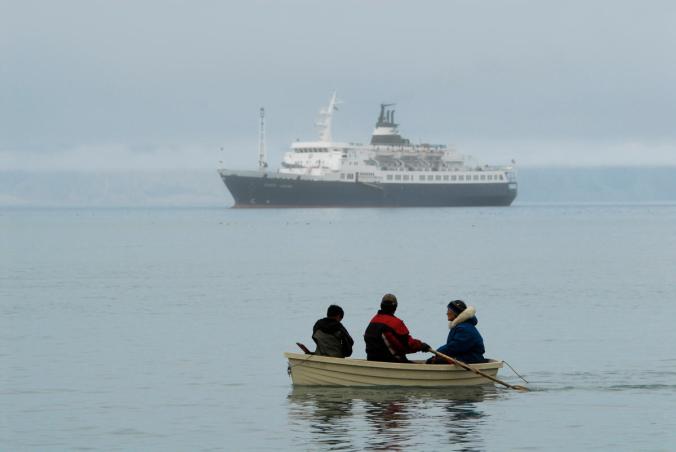
The presence of cruise ships in the Northwest Passage is among the dilemmas that climate change is creating for Canada’s Inuit people amid their struggle to balance environmental and economic concerns. PHOTOGRAPH BY KIKE CALVO / REDUX

It is our view, based on news reports like this that appear constantly in myriad variations from around the world, that with few exceptions cruise ships are problematic. Here is just one more datapoint:

THE COMPLICATED RELATIONSHIP BETWEEN CRUISE SHIPS AND THE ARCTIC INUIT

Last summer, the Crystal Serenity, a luxury cruise ship, embarked on a monthlong voyage through the Northwest Passage, the sea route that winds through Canada’s Arctic archipelago. The Serenity, which can accommodate more than a thousand passengers, headed through the same waters as had H.M.S. Resolute, which, in August of 1853, set out to rescue a group of British explorers and ended up trapped in the ice for the better part of a year. The Arctic Ocean is warmer than it was a hundred and sixty-three years ago, and the Crystal Serenity, accompanied by a British icebreaking vessel, made the voyage without dire incident. It is the largest cruise ship to sail through the Northwest Passage, and its voyage signalled the economic changes that are coming to the vast region as a result, in part, of climate change. Continue reading

Noting Progress When It Becomes Visible

2500.jpg

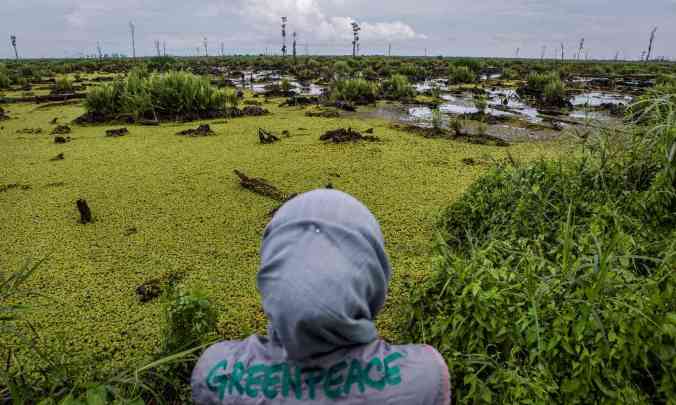
A Greenpeace investigator surveys an IOI palm oil concession in Ketapang, Indonesia. Photograph: Ulet Ifansasti/Greenpeace

Osage Nation’s Reign Of Terror

20253bbcb2dd6c45dd81207b5472e853c352bbd3Many of our links to the too many stories of injustice perpetrated against Native Americans in the last year had to do with pipelines.  Some stories focus on the positive, but there remains plenty of negative. The only time we have noted the Osage Nation in these pages, it was under the happier circumstances of someone doing the right thing by them.

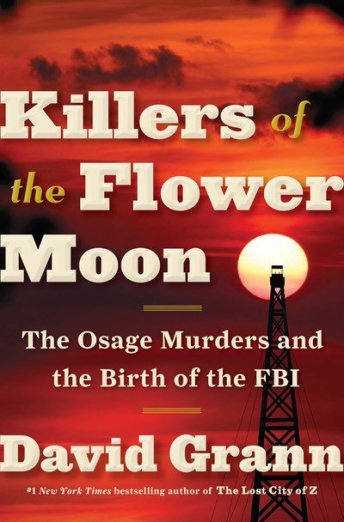
David Grann’s new book is being reviewed, and he is being interviewed, just as one of his earlier articles has become a powerhouse cinematic experience. He is our kind of sleuth, and so it is strange that we have not linked to his work before. Thanks to Theodore Ross in the New Republic for bringing this to our attention:

…In the early 1900s, the Osage were among the wealthiest people in the United States, after a large oil reservoir was discovered beneath the barren Oklahoma scrubland they had been driven to by white settlers and the federal government. Then tragedy: a string of murders, each following close on the heels of the next, as a bloody plot to separate the Osage from their money and land unfolded.

Grann tells the story of these murders, the conspirators, and the new breed of lawmen from the FBI who hunted them down. He also reveals a far worse scheme, one that encompasses America’s institutional racism and violence, and the exploitation of Native Americans… Continue reading

If You Eat Canned Tuna, Consider This

TunaRank.jpg

We check in with EcoWatch regularly, and from time to time Greenpeace has a surprising piece of content featured, like this 20 Canned Tuna Brands Ranked: How Sustainable Is Your Brand?

StarkistWarn.jpgWhat is surprising to me is this pop up call to action, which echoes back at least three decades for me to the first time I heard of Greenpeace, which was also the first time I heard of any issues related to canned tuna, which was also the first time I looked on a map to see where the Gulf of California, and Baja California Sur were situated. It is surprising because on the ranking above, this same tuna is not the absolute worst of the worst. Even more surprising, in its own way, is that Trader Joe’s is even worse in this ranking. Go figure. Anyway, thanks to David Pinsky, Greenpeace, and EcoWatch for this: Continue reading

The Honeymoon Is Over

4865

‘But when it comes to the defining issue of our day, climate change, he’s a brother to the fat old guy in DC.’ Photograph: Sean Kilpatrick/AP

Bill McKibben, tireless fighter for causes we believe in, editorializes with no affection for the man who not long ago seemed to be the embodiment of all that was better about the North American neighbor of the country that elected a man who effectively campaigned against environmental protection. We thought this one was different; we were wrong. We avoid political news, but we do not hide from, nor hide, a clear argument calling out horrific policy:

Stop swooning over Justin Trudeau. The man is a disaster for the planet

Donald Trump is a creep and unpleasant to look at, but at least he’s not a stunning hypocrite when it comes to climate change Continue reading