Citizen Science in Belize: Part 2/2 – If You Can’t Beat’em, Eat’em

Photo by Alexander Vasenin

Lionfish sushi – Photo © World Lionfish Hunters Association (click on photo to visit their website)

In Part 1 of this post I talked about the lionfish invasion that is threatening coral reef and other marine ecosystems throughout the Caribbean, Gulf of Mexico, and Southern Atlantic Seaboard of the United States.  Scientists, environmental groups and governments that are studying the problem have all come to the conclusion that it is probably impossible to eradicate lionfish in the Atlantic – they are here to stay. Continue reading
Citizen Science in Belize: Part 1/2

Photo © ReefCI

Photo © ReefCI

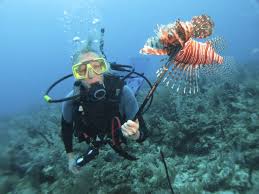
It might seem strange to accompany a posting about marine conservation with a photo of a fish on a spear, but in this case, it is entirely warranted.

I recently returned from the Sapodilla Cayes Marine Reserve in Southern Belize, where I spent two weeks working as a volunteer with ReefCI, a NGO dedicated to coral reef ecosystem conservation. Located 30 miles off the coast of Belize on the southern tip of the Mesoamerican Barrier Reef (the second largest in the world, after Australia’s Great Barrier Reef), the Sapodilla Cayes constitute a unique ecosystem.

Along with other volunteers, I assisted the ReefCI marine biologist with population surveys of conch, lobster, and commercial fish species, as well as coral reef health checks. At least one, and sometimes two surveys were carried out each day. The data collected is provided to the Belize Fisheries Department as well as to other cooperating NGOs.

Now about that fish on a spear. One of ReefCI’s projects is lionfish control. Spears Continue reading

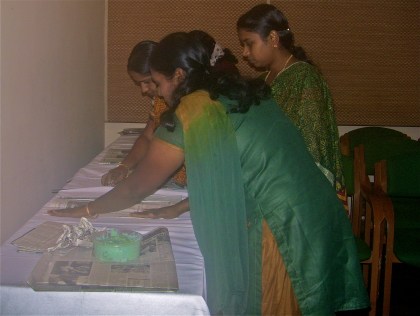
Training session at the newspaper bag unit

Our newspaper bag unit is a permanent, exciting work-in-progress. Using upcycled newspapers provides us with an alternative  to plastic bags in our two shops at Cardamom County– the Raxa Collective store and the via kerala shop. It is also a way to work with more people in our community. We have been working at making this unit a sustainable entreprise with many collaborators since the beginnings of Raxa Collective in 2011.

Newspaper bag training unit - Raxa Collective Continue reading

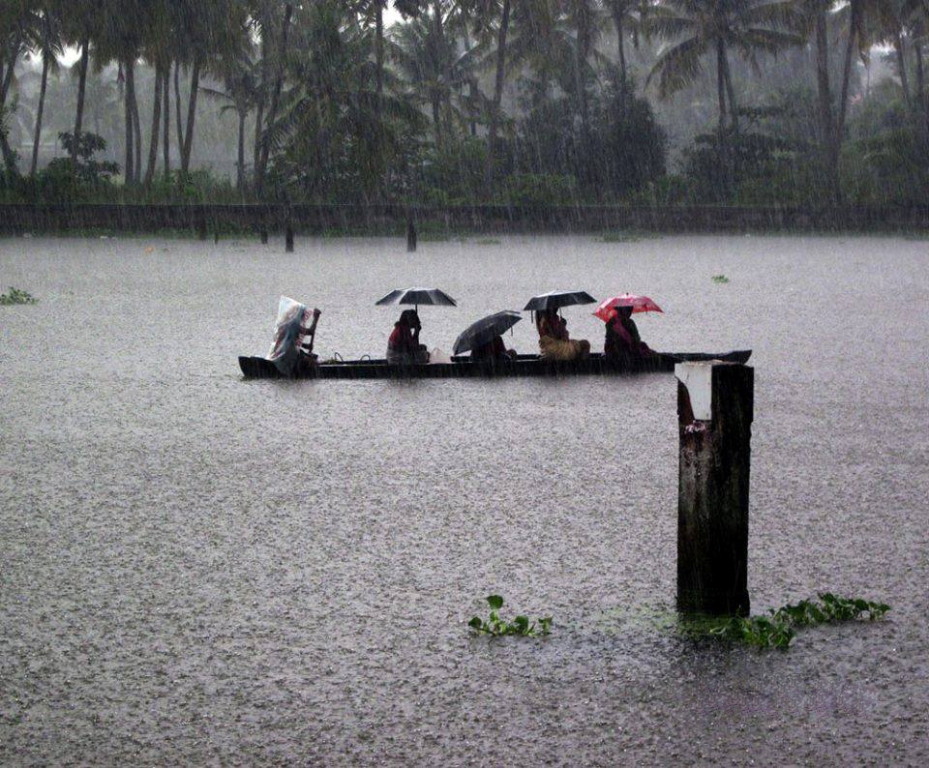
Monsoon – Kerala

Photo credits :Sreekuttan

Photo credits: Sreekuttan

Monsoon rains are very much linked to the economy and ecology of Kerala; almost 85 percent of the state’s annual rainfall is received during that period. The slopes of the Western Ghats are among the places in India that receives the highest amount of rain. According to Ayurvedic theory, monsoon is the best season for rejuvenation therapies. It is the period when the atmosphere remains dust-free and cool. The Monsoon also plays an important role in the healthy growth of spices and crops like Cardamom, Pepper and Coffee. Continue reading

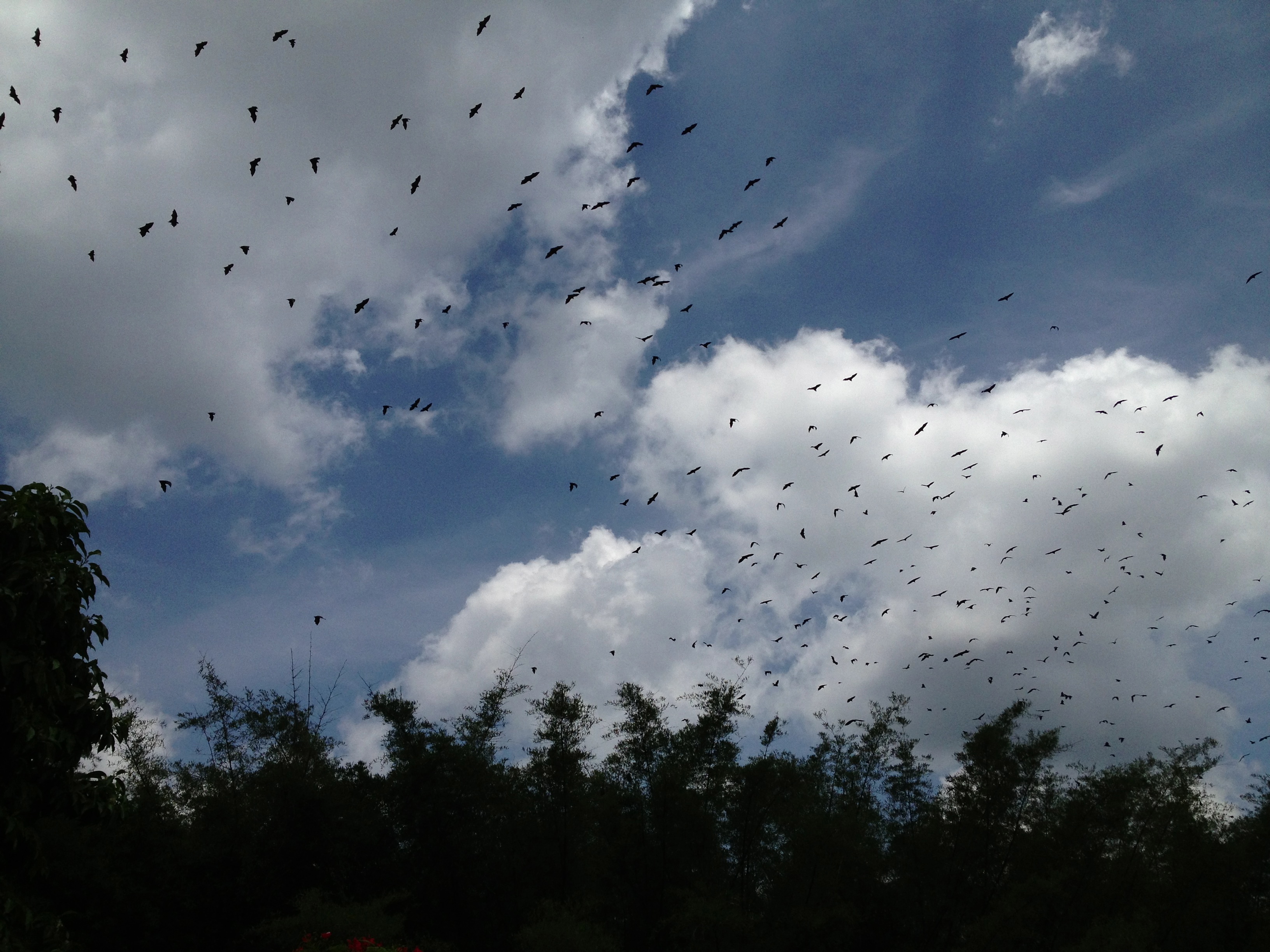
Diurnal bats

The forest canopy of the Periyar Tiger Reserve is rich in fruit all year round and bats feel very much at home.  Out of the 119 species of bats found in India, 28 occur in Kerala. As many as six species of bat have been recorded in the Periyar :  the  flying fox, the shortnosed fruit bat,  the Great-Eastern horse-shoe bat, the Tickell’s bat, the Common yellow bat, and the Painted bat.

Bats usually roost in camps in the bamboo across the road from Cardamom County, hanging upside down all day and feeding on the abundant fruit in the area after sunset. However when I sighted this wide cloud of bats around midday on the rooftop of the restaurant, it got me wondering : what disturbed them during the day ? Continue reading

Midway – a transmedia project by Chris Jordan

imagesThis morning’s post about the Smithsonian Ocean Portal featuring one of Chris Jordan‘s pictures from his exhibit Midway reminded me to check on his current work on the atoll. On one of the remotest islands on our planet, tens of thousands of albatrosses lie on the ground, their bodies filled with plastic from the Pacific Garbage Patch.

Returning to the island over several years, Chris Jordan and his team witness the cycles of life and death of these birds. He will release in late 2013, his first documentary feature Midway, message from the gyre.

See the  trailer after the jump. Continue reading

Documentaries : The Carbon Rush by Amy Miller

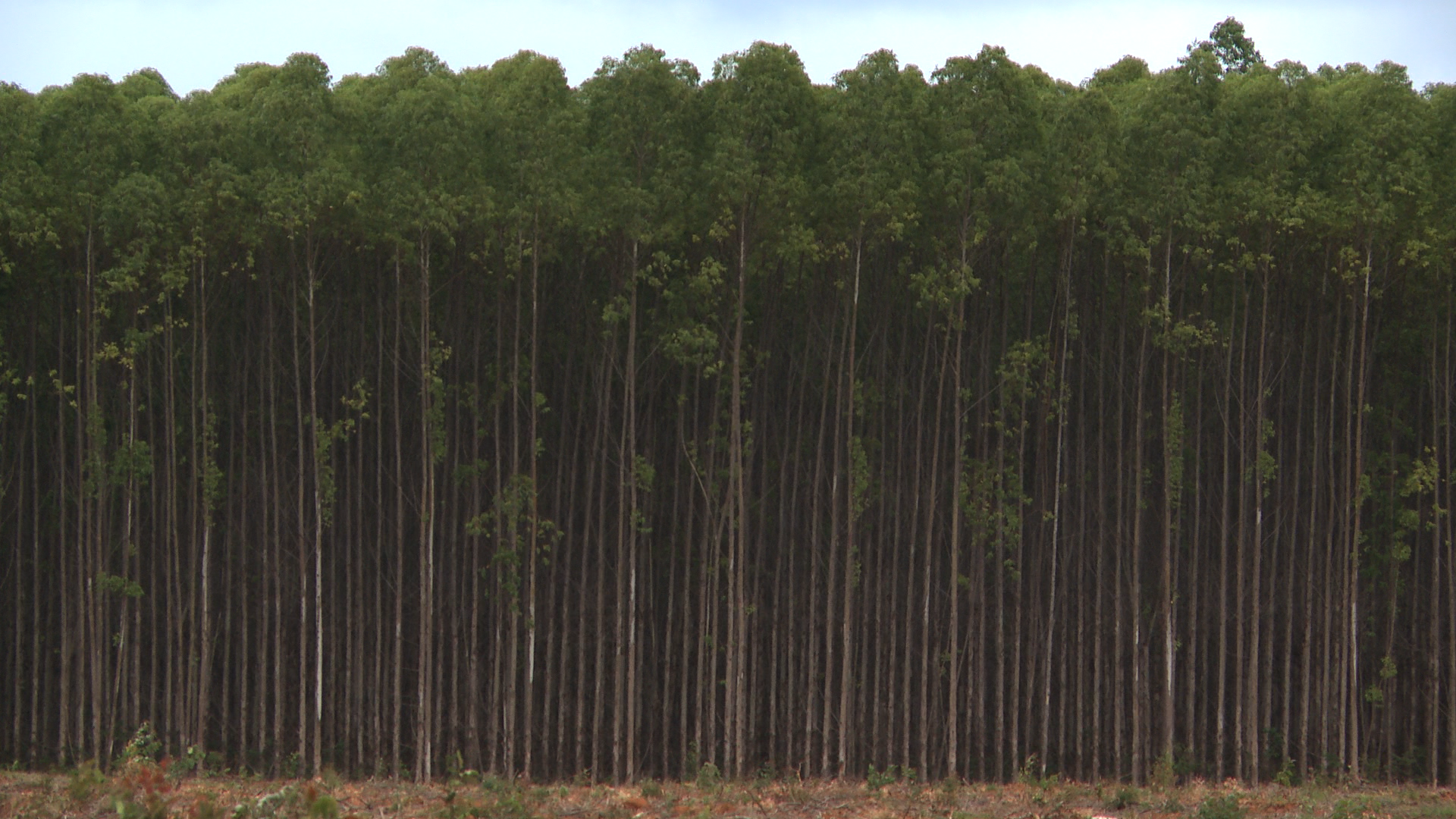
carbon rush credit Amy Miller

I am from Europe where since the Roman conquest forest and civilization were perceived as antagonistic. Silva, the forest, was wild and needed to be tamed, and ager, the man-made open space was culture. So when Western countries debate of reducing deforestation and planting trees to offset carbon emissions, you can bet they mean elsewhere.

We have shops where you can buy a wooden chair but in exchange you pay for a carbon offsetting voucher which will allow for trees to be planted somewhereThat’s the thinking behind the Clean Development Mechanism (CDM), which allows a country with an emission-reduction or emission-limitation commitment under the Kyoto Protocol to implement an emission-reduction project in developing countries. Director Amy Miller went around the world to meet the communities where some of those offsetting projects were implanted.  See the trailer after the jump.

Continue reading

For Bees, Europe Does The Right Thing

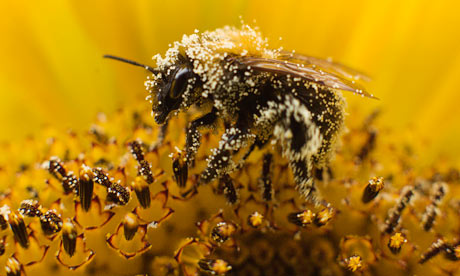
A bee collects pollen from a sunflower in Utrecht, the Netherlands. EU states have voted in favour of a proposal to restrict the use of pesticides linked to serious harm in bees. Photograph: Michael Kooren/Reuters

A bee collects pollen from a sunflower in Utrecht, the Netherlands. EU states have voted in favour of a proposal to restrict the use of pesticides linked to serious harm in bees. Photograph: Michael Kooren/Reuters

At a time when news out of Europe often points to political dysfunction, on at least one front we can point to some good news for these creatures who need help perhaps more than ever, and deserve it; they are finally getting it in at least one part of the world:

Europe will enforce the world’s first continent-wide ban on widely used insecticides alleged to cause serious harm to bees, after a European commission vote on Monday.

The suspension is a landmark victory for millions of environmental campaigners, backed by the European Food Safety Authority (EFSA), concerned about a dramatic decline in the bee population. The vote also represents a serious setback for the chemical producers who make billions each year from the products and also UK ministers, who voted against the ban. Both had argued the ban would harm food production. Continue reading

Novague’s Electricity Chair

This slideshow requires JavaScript.

This appears to be the only product of this design firm that has an ecologically sound intent–does it work? we wonder, so please let us know if you know–which you can read about by clicking in the rocking chair link in the “works” section:

Rocking Chair

It has triggered the media interest about me, my studio and our work. Continue reading

Ecology’s Social Enterprise

ESA


This organization (click the banner above to go to the site), new to us but working its way to a centennial birthday (click the banner below to go to that section on the website)–

ESA History


A meeting was held at Columbus, Ohio, on December 28th, 1915, at which it was decided to organize the Ecological Society of America….The interests and activities of this society will be of the broadest character, embracing every phase of the relation of organisms to their environmental condition…–The Geographical Review 1916–

About the Ecological Society of America

1914: The beginning…

–is as modern and practical as one could want, including this section on its website titled Explore Ecology As A Career with a wealth of links and related resources:

Ecology As A Career

What Do Ecologists Do? Continue reading

Tenant’s Manual For Earth

Click the image at left to go to the video of this presentation by the author of his book:

In “Earth: A Tenant’s Manual,” distinguished geologist Frank H. T. Rhodes, President Emeritus of Cornell University, provides a sweeping, accessible, and informed guide to the home we all share, showing us how we might best preserve the Earth’s livability for ourselves and future generations. Continue reading

Waterlife by the NFB

The National Film Board of Canada (NFB) has created an extraordinarily touching and informational website on the devastation humans have unleashed upon the Great Lakes of North America – the largest group of freshwater lakes in the world, though not by volume. The Great Lakes face many challenges brought about by neglect, misinformation, and the poor judgement of industrial bodies. The website, http://waterlife.nfb.ca/ provides a lake of information on the problems, causes, and solutions, from political changes to the environmental healing carried out by caring and responsible citizens of both the United States and Canada.