Shine A Light

chipata-blog480

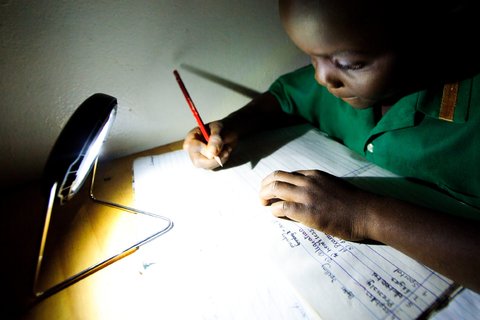
Green Blog shares this news about a significant innovation at the intersection of crowdfunding, renewables and community welfare in Africa and Asia:

By visiting Web sites like Kickstarter and Indiegogo, you can give money to any number of causes. These Web sites collect small amounts from many individuals in what is known as crowdfunding to finance everything from business start-ups to charitable causes to art projects.

While online crowdfunding is still relatively new, it has already demonstrated that many small contributions can add up. Deloitte, the accounting and consulting firm, estimates that the largest 30 crowdfunding sites raised more than $1.5 billion over the last five years, and expects that in 2013 alone the number could be $3 billion.

Continue reading

Industrialized Biofuels Part 2: Brazil’s Production

This post continues my discussion of biofuels from Part 1.

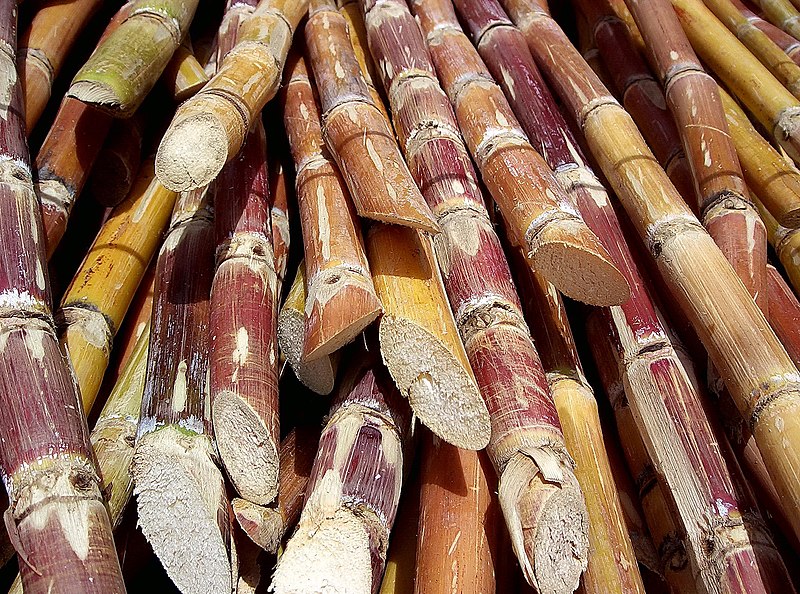
Brazil contains many of the world’s biodiversity hotspots, as well as one of the most important CO­2-sinks in the form of rainforests. As the second largest sugarcane grower in the world, Brazil’s biofuel production relies heavily on sugarcane ethanol, which has one of the highest savings in GHG emissions compared to fossil fuels. However, increasing sugarcane production is not sustainable in the long-term if one of Brazil’s goals is to curtail GHG emissions, since growing more sugarcane means cutting down more rainforest. Instead, second- and third-generation (advanced) biofuels should be considered viable options for replacing sugarcane, or at least strongly supplementing it.

Continue reading

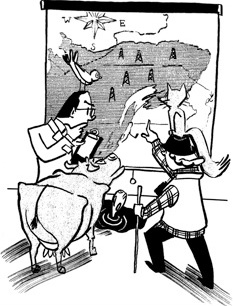
Opposition to Arctic Drilling

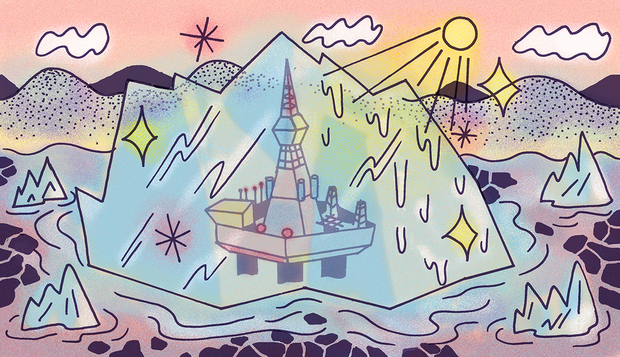
Illustration by Aisha Franz

Illustration by Aisha Franz

Click on the image above to read an open letter from two influential policy insiders:

Why We Now Oppose Drilling in the Arctic

By Carol Browner & John Podesta Jan 18, 2013
The Arctic Ocean is subject to some of the most volatile weather patterns on the planet. Geologists believe it also contains vast undersea oil and gas reserves. Continue reading

The Wind Power Debate Gets More Interesting

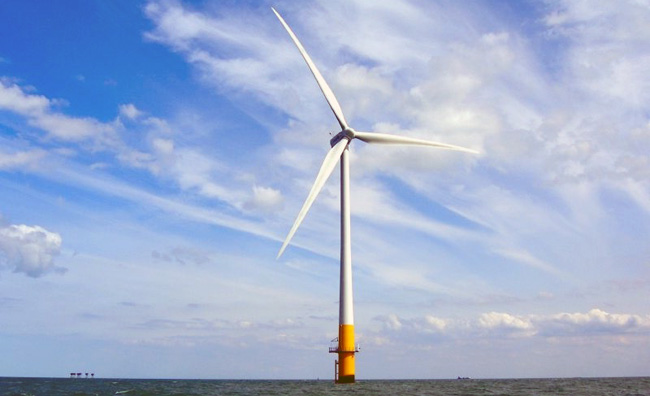
An offshore wind turbine, part of the London Array wind farm site, located in the outer Thames Estuary, about 70 miles east of London. Image: phault via flickr

An article in Inside Science (click the image above to go to the article) discusses new research demonstrating that wind power might be able to generate all the world’s electricity needs without large atmospheric effects:

There is enough energy for people to reap from the wind to meet all of the world’s power demands without radically altering the planet’s climate, according to two independent teams of scientists.

Wind power is often touted as environmentally friendly, generating no pollutants. It is an increasingly popular source of renewable energy, with the United States aiming to produce 20 percent of its electricity by wind power by 2030. Still, there have been questions as to how much energy wind power can supply the world, and how green it actually is, given how it pulls energy from the atmosphere. Continue reading

Engineering a Conversation

Guest Author: Siobhan Powers

My roomie Chi-Chi recently blogged about miscommunication between clients and architects so I thought it may be timely to bring to light some of my own recent difficulties in conversation and work development. I could not even begin to blog about engineer-non-engineer relations as that would take all day and there’s no point-we’re nerds to the core, I’ve realized and thus, misunderstood. Recently, however, I’ve found not just confusion between myself and non-engineers, but also with my fellow engineers-my people!

I have had few moments of serious language barriers during my time in India. Most people speak at least a little English, and if not there are pictures and hand gestures that can get points across. Shopping and dining is easy enough. Camping with strangers? You’ll find something to talk about (reference my other blog post– shout-out to Chief and Wise Eyes!). Engineering conversations, however, are not like this-there are no commonalities across language boundaries that can be pointed at and then nodded about, but instead there are abstract concepts like energy and science (gasp!).

Gijo and I talking over some data in the engineering office.

Continue reading

Carbon Emissions Series: Scope 2 for Hospitality

In our continuing discussion about the types of greenhouse gas (GHG) emissions, we have now come to scope 2 and how it relates to the hospitality industry. Much of the research at the Cornell Hotel School focuses on lowering electricity usage, which directly correlates with scope 2 emissions. Let’s start off with a definition.

Scope 2: Indirect GHG emissions from consumption of purchased electricity, heat or steam.

One of the biggest sources of scope 2 emissions is the coal-fired power plant, which emits CO2, NOx, SOx, and a number of heavy metals. Although it is extremely inefficient, coal remains a major source of electricity in the United States.

Continue reading

Carbon Emissions Series: Scope 1 for Hospitality

In my previous post, I identified carbon emissions as the significant metric to track for hospitality, and I explained why hospitality is one of the best industries to target for sustainability efforts. Now I’d like to delve deeper into the different types of greenhouse gas (GHG) emissions and how they relate to hospitality. My goal of this three-part explanation is to provide our readers with a broad understanding of the scopes of GHG emissions and with a general idea of the extent to which hospitality contributes to climate change. Let’s jump right in!

The Greenhouse Gas Protocol defines three scopes of emissions. Our discussion today will focus only on the first scope, as it relates to hotel properties: direct, on-site emissions.

Continue reading

Optimism and Opportunity

Many of my posts reflect my outlook to err on the upside of life’s circumstances.  I try to drown out my inner (and often powerful) pessimism by surrounding myself with positivity and optimism.  I find that this is a careful balance of being hopeful while remaining realistic.  Today, when I was taking a break from my coursework, or the slightly negative part of my day, I watched an encouraging Ted Talk that I think demonstrates hopeful realism.

Johan Rockstrom suggests that the earth is at a point where major transformation must occur.  He optimistically recommends that we use and continue to use crises as opportunities and local initiatives to transform and sustain life.  Also, he makes a realistic statement that climate change is not our biggest problem only a symptom of our land use.

I found this talk engaging and thought-provoking.  I agree that I transformation is soon to happen and I look forward to being a part of it.

Needing Mr. Miyagi

Anyone who has ever been to ski slopes may have experienced small, pint-sized, infant skiers buzzing down the hills.  As a veteran skier of 18-years, I proudly proclaim that I was once one of these daring children.  However, I learned this past weekend that through the years I have lost this fearlessness when I was challenged to try snowboarding.  I would love to boast that my first run was very similar to this video, but the aching of my entire body keeps me truthful as if to say, “Ha!  You wish, Meg!”

Several times I met the side of the mountain and regardless of the many parts of my body that hit, the solid surface was resilient to my attacks; in fact, the bruises that continue to surface would argue that it fought back with increasing firmness.  The absence of soft, powdery snow brought my awareness to this season’s lack of typical winter weather, and it drew my attention to the resort’s snow-making cannons.  Continue reading

Schneider Electric: Saving Energy across Multiple Cultures

Last week in my Facilities Management course at the Cornell Hotel School, Al Nels, Global Account Manager for Marriott from Schneider Electric, presented in class as a guest speaker. His presentation explored the energy-saving capabilities of various systems developed by Schneider Electric, as well as simple tips that hotels often overlook. Among the many insights Nels shared, one in particular stood out to me: the cultural divide between American and European hotel guests—and the steps that Schneider is taking in order to save energy in both areas of the world.

Continue reading

Europe’s Green Capital

So I’ve left behind the wild, lush landscape of the Costa Rican rainforest and arrived in Strasbourg, France, to find a completely different kind of green.

Costa Rica is one of those countries the climate change debate focuses on – it’s the epitome of natural diversity and everywhere you turn there is some species or habitat that could be gone in 20 years’ time. Or 10 years’ time. From the rainforests I hiked through to the sloth sanctuary my mum and I visited, everything there seems at once so wild and so fragile. The conservation efforts we see there are direct, tackling the specific problems the land faces: protected areas are being designated, turtle-watching programmes are being set up to monitor and protect the species, and the people at Aviarios sloth sanctuary provide education for locals as well as caring for the animals.

Places like the Manuel Antonio National Park have to concentrate on the effects of climate change.

Continue reading

Equitable Origin’s Partnership With Coordinating Organization Of Indigenous Communities Of The Amazon Basin (COICA)

Equitable Origin has renewed its cooperation agreement with the Coordinadora de Organizaciones Indígenas de la Cuenca Amazónica (COICA).  The EO100 Standard is an ongoing project that will improve environmental and social practices in the oil and gas industry and we are very appreciative of the continued active support of COICA. Continue reading

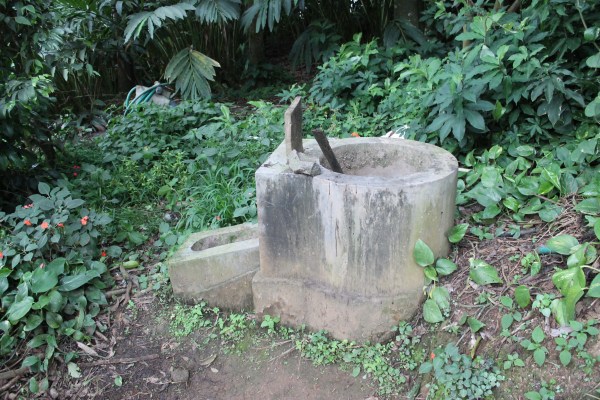
Digging Your Own Well

We often talk about ‘imagination’ as if it’s a fixture of the human mind. Human beings, as common sense would have it, are inherently able to imagine what is different; we bring what is distant near only by thinking it so. In the middle of a blistering New England winter, for instance, we might picture ourselves on a sandy beach in Florida; in the mess of rapid and haphazard “development,” we might imagine pristine, virgin land.

But imagination—like all of our most transcendent capacities—exists not invariably, of course, but in degrees, in flux, in varying quantities and qualities, and sometimes—that is, in some minds—hardly at all. I was reminded of this last week following the death of North Korean dictator, Kim Jong-Il, which caused me to reflect upon (and imagine) the lives and minds that comprise a nation with only one permitted text upon which to project its fantasies—the doctrine of North Korean socialism.

And yet this extreme example serves only as a limiting case, one which indicates a more universal difficulty. We’re all always limited in our imaginings. We block their course, sometimes deliberately, but also sometimes mechanically, and often blindly. This is what makes routine possible, and what makes even our most arbitrary and destructive habits seem perfectly natural. We cling to what is readily available, forgetting the partial nature of our given sphere. While imagination brings what’s distant near, habit forgets the possibility of distance (and difference) at all.

Cultivating one’s imagination is a privilege, one which we ought to covet and guard with jealousy. I was granted this privilege this past summer, when I was able to stay in Kumily, Kerala for two months—Kumily, a place so unlike any of the other places I call home in custom and in ambience, in ethic and in landscape. I wrote previously about how the hills and depths of the Periyar moved me, and about how Raxa Collective’s work with the Forest Department and the Development Committees humbled and inspired me. But in that post I neglected to mention one of the more memorable moments of my stay at Cardamom County, one which broadened the horizons of my imagination even more than the occasional monkey-encounter or motorcycle ride through Tamil Nadu. Continue reading

Carbon Emissions Series: Green Neighborhood Design

With the close of the semester, I’ve had some time to reflect on the classes I took—and which ones provided the most value. One of best courses I took this semester at Cornell was called Green Real Estate, and it was taught by Mark Vorreuter, a passionate LEED AP who was eager to see students of all majors interested in green buildings. The course covered many aspects of LEED (Leadership in Energy and Environmental Design), a certification offered by the Green Building Council for buildings, homes, and neighborhoods that meet a set of criteria. I remembered spending several nights cramming for a practice LEED exam in which I had to acquaint myself with many of its specific criteria, but not until recently was I able to see the real effects of green building and neighborhood design.

Suburbs in Pearland offer large houses, wide roads, and generous land spacing.

Continue reading

Alberta Tar Sands: 1984 – 2011

Try as we may to accentuate the positive, from time to time there seems to be a hot hand of unpleasantries reported in the news.  Rather than hide our head in the sand, we thank Scientific American yet again:

This slideshow requires JavaScript.

As they used to say in New England: Continue reading

Fringe Physics

We have a soft spot for unusual geniuses, whether formally defined, or recognized in other ways, so it is with pleasure that we discovered this book (click the image to the left), its author, and a TED talk (after the jump) to boot.

For the past fifteen years, acclaimed science writer Margaret Wertheim has been collecting the works of “outsider physicists,” many without formal training and all convinced that they have found true alternative theories of the universe. Jim Carter, the Einstein of outsiders, has developed his own complete theory of matter and energy and gravity that he demonstrates with experiments in his backyard‚-with garbage cans and a disco fog machine he makes smoke rings to test his ideas about atoms. Captivated by the imaginative power of his theories and his resolutely DIY attitude, Wertheim has been following Carter’s progress for the past decade.

Click the picture to the right for a podcast that gives a nifty overview of the book. Click here for a review of the book from a great blog connected to Columbia University’s math department. Click here for an excellent review in a once great and occasionally still good newspaper’s website. And click here for a review from an always great magazine’s website.

Continue reading

Tools Of The Trade

Click the image to the left for context.  As we learn more on this complex issue, the enlightened position must be literally that–enlightened by fact.  Sometimes sarcasm is an easier position, especially when the facts seem outrageous.  But thankfully there are more and more facts to tone down sarcasm to a chiseled tool.   Our ever-appreciated investigator shares some this week in her usual venue and as always her balanced-yet-urgent perspective probably is appreciated:

Every kind of energy extraction, of course, poses risks. Mountaintop-removal mining, as the name suggests, involves “removing” entire mountaintops, usually with explosives, to get at a layer of coal. Coal plants, meanwhile, produce almost twice the volume of greenhouse gases as natural-gas plants per unit of energy generated. In the end, the best case to be made for fracking is that much of what is already being done is probably even worse. Continue reading