Bumbling Back From The Brink

Cockerell's Bumblebee. (Credit: G. Ballmer, UC Riverside)

While news related to species loss seems almost always seem to be coming in at us like floodlights, occasionally there is a glimmer of hope shining outward in the headlines:

ScienceDaily (Dec. 5, 2011) — A team of scientists from the University of California, Riverside recently rediscovered the rarest species of bumblebee in the United States, last seen in 1956, living in the White Mountains of south-central New Mexico. Continue reading

Pygmy Dartlet

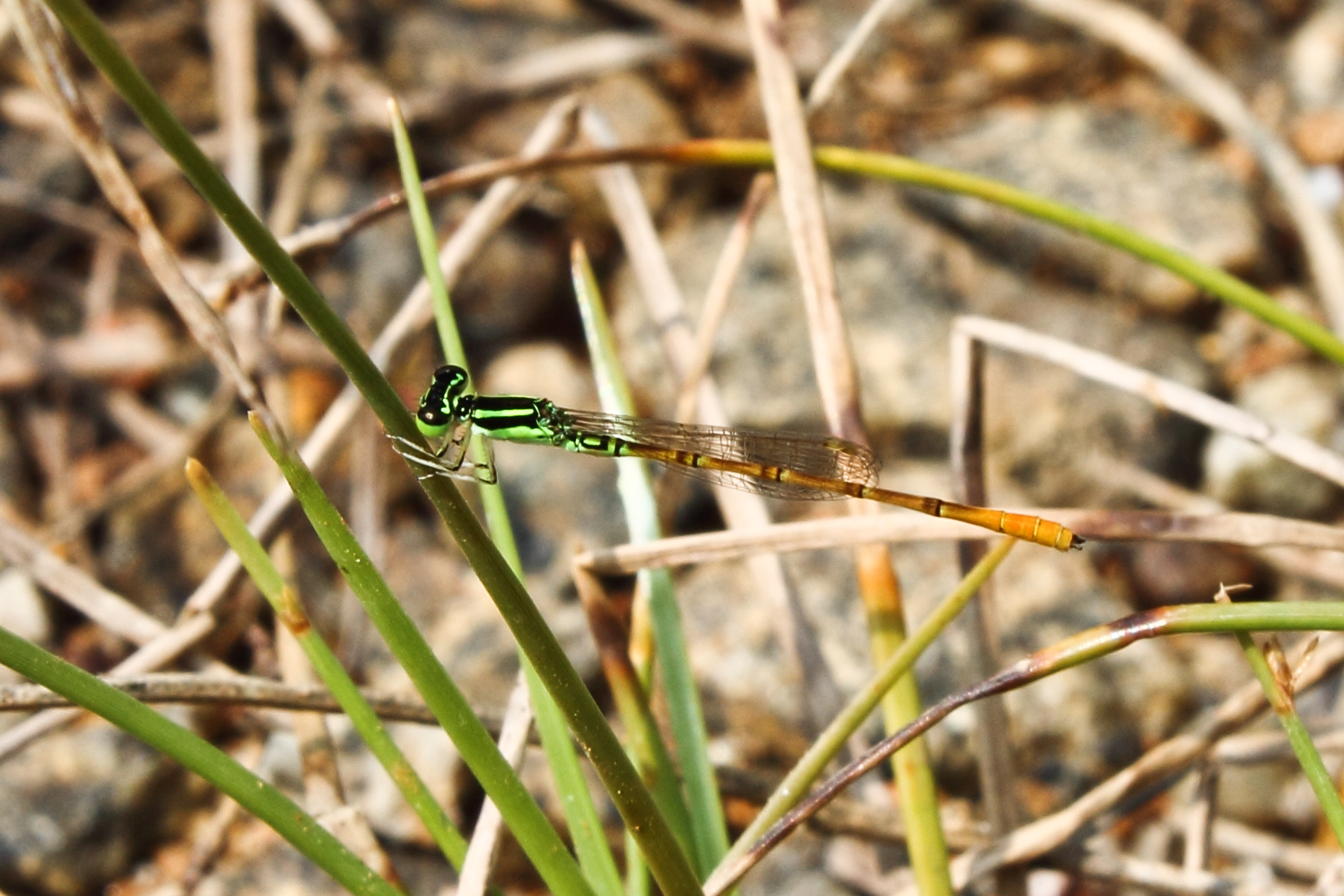
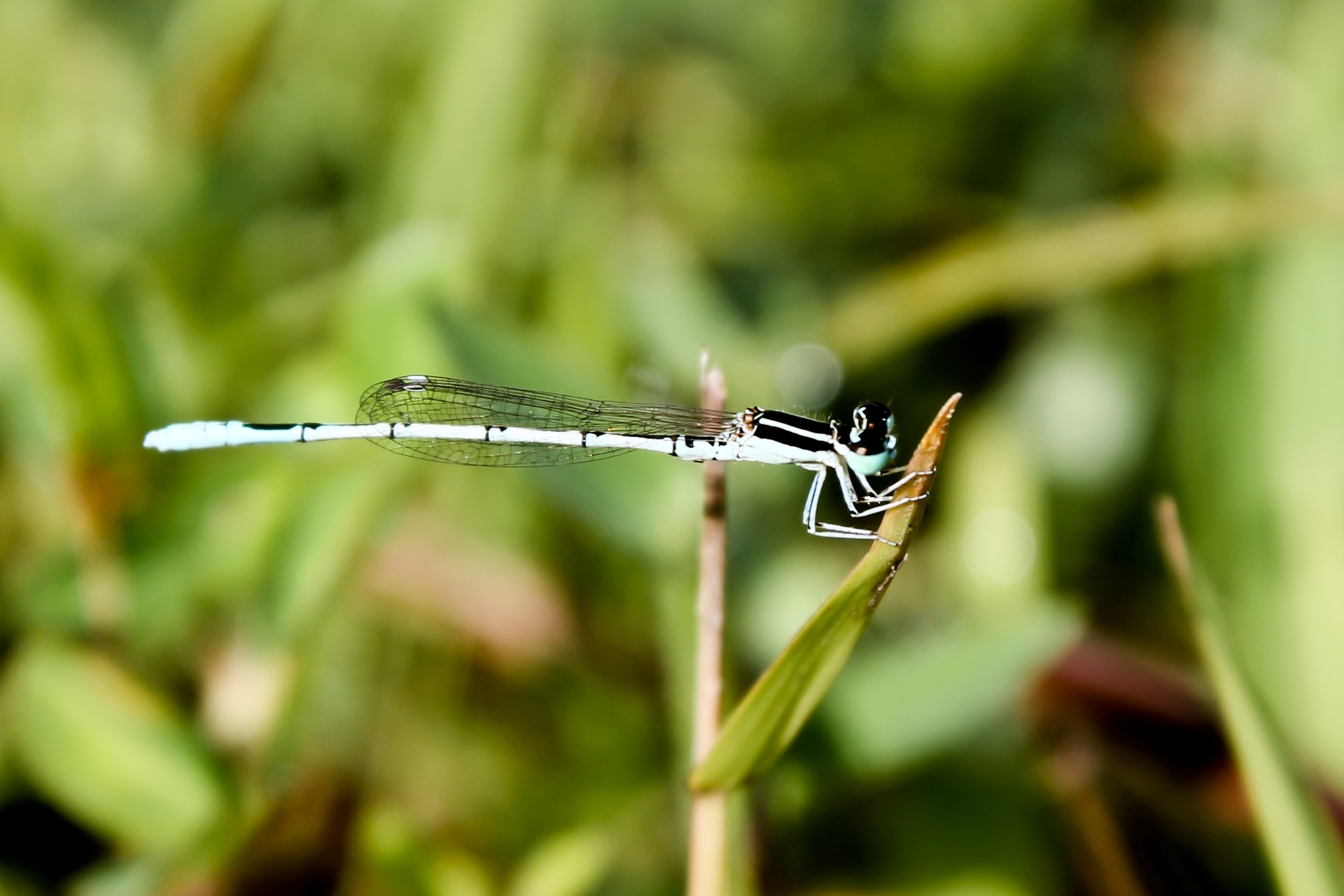
The Pygmy Dartlet is a very widespread species of damselfly, surprisingly enough. Measuring about 16 millimeters, Agriocnemis pygmaea is undoubtedly the smallest damselfly or dragonfly I’ve seen. The species is known to have many different appearances, with both male and female displaying up to three or four different color combinations. The male is pictured above, and the female below.  Continue reading

Kerala’s Caterpillars

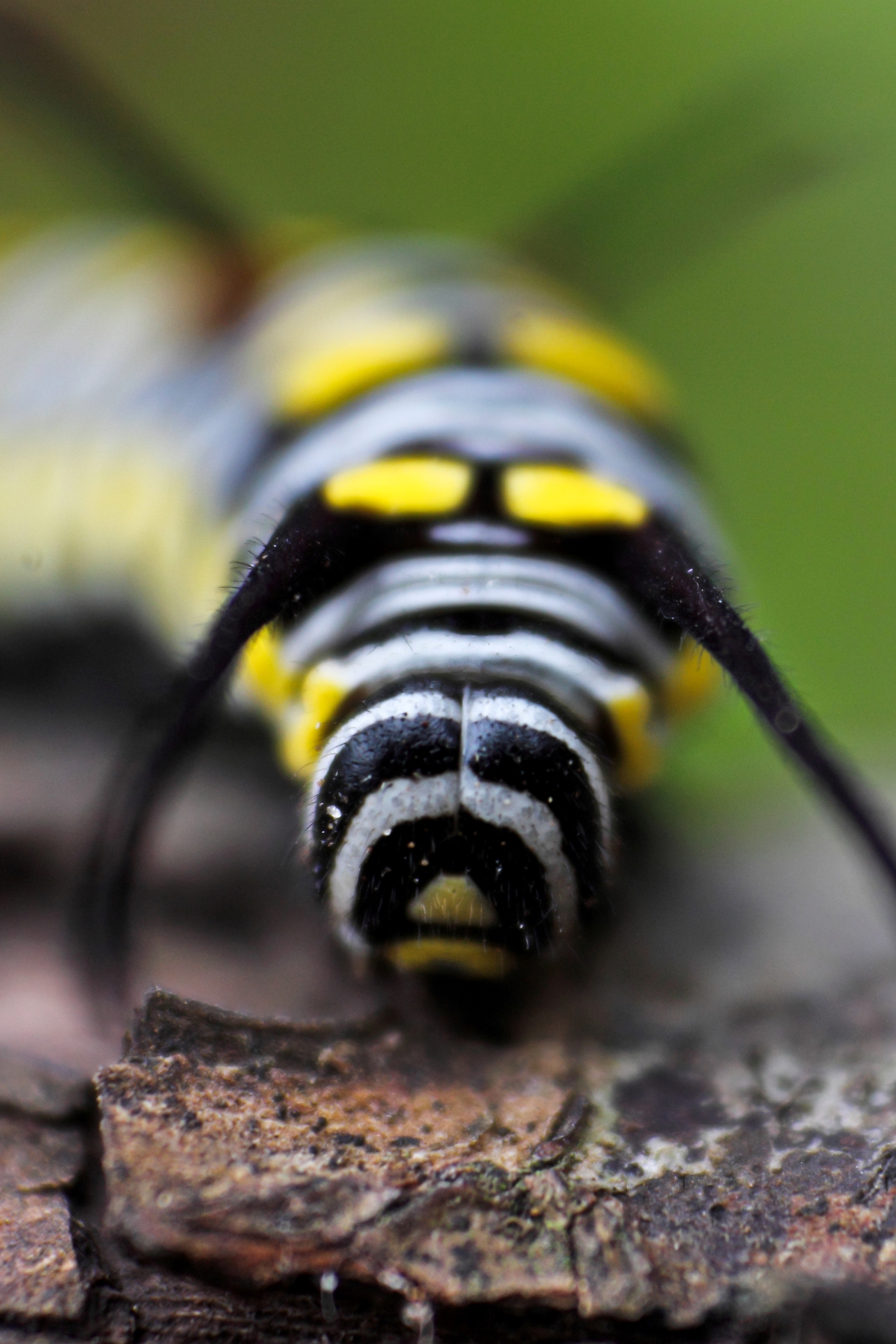
More than once I have failed to successfully (by my standards) photograph a butterfly’s larva due to insufficiently sophisticated equipment. However, those days are coming to an end, inching forward step by baby step, in odd undulating motions eerily akin to a caterpillar’s rolling gait.

Continue reading

Clear-Winged Forest Glory

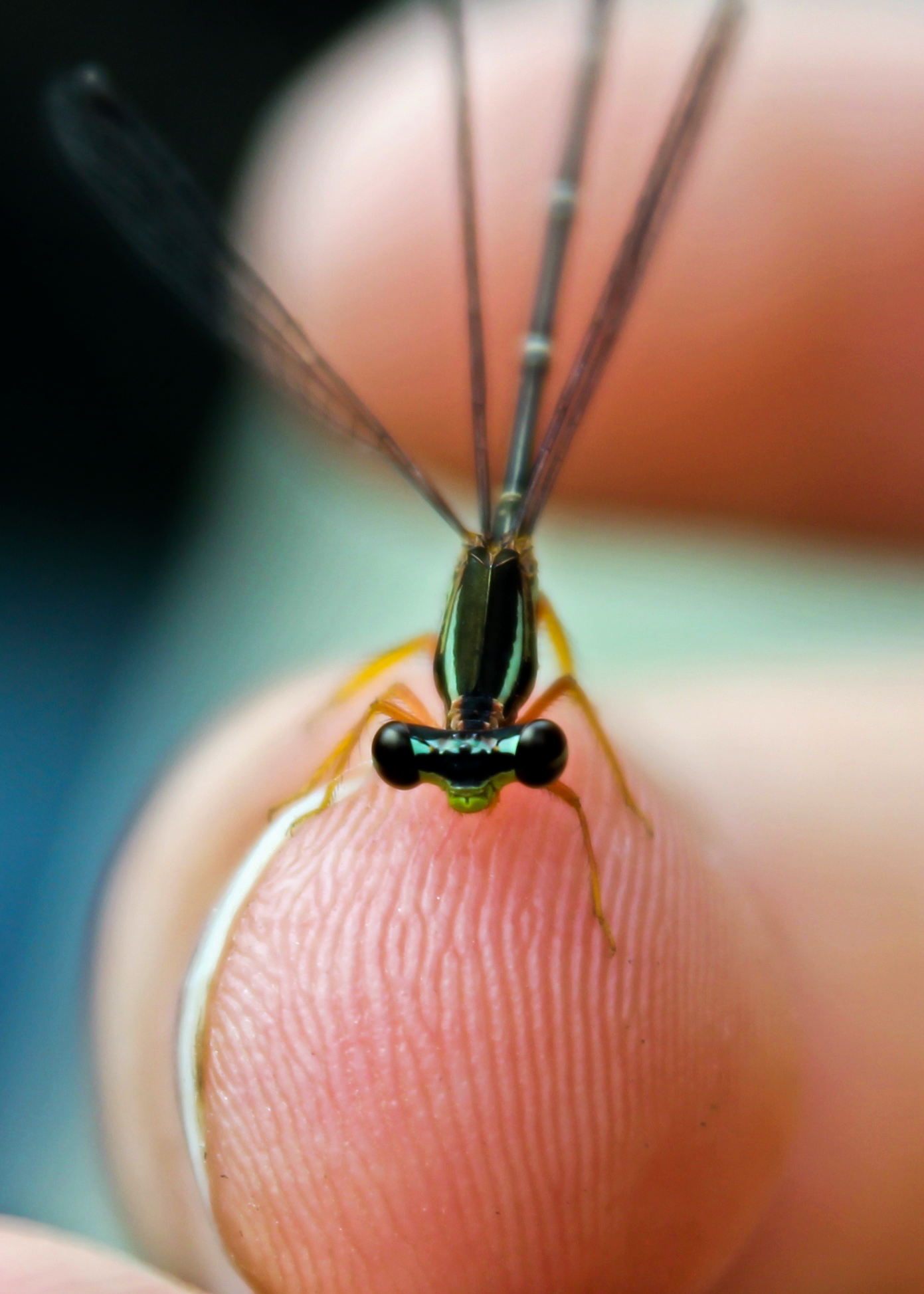
These are the first good shots I’ve gotten of any glories before. I have seen Stream Glories (Neurobasis chinensis) in Gavi, but they were far too shy to be able to photograph them. Walking through the forest the other day, however, a single Forest Glory (Vestalis gracilis) flew past me into the undergrowth. Careful not to lose sight, I followed it, only to discover a total of  five damselflies lounging about in the shade.  Continue reading

Coromandel Marsh Dart

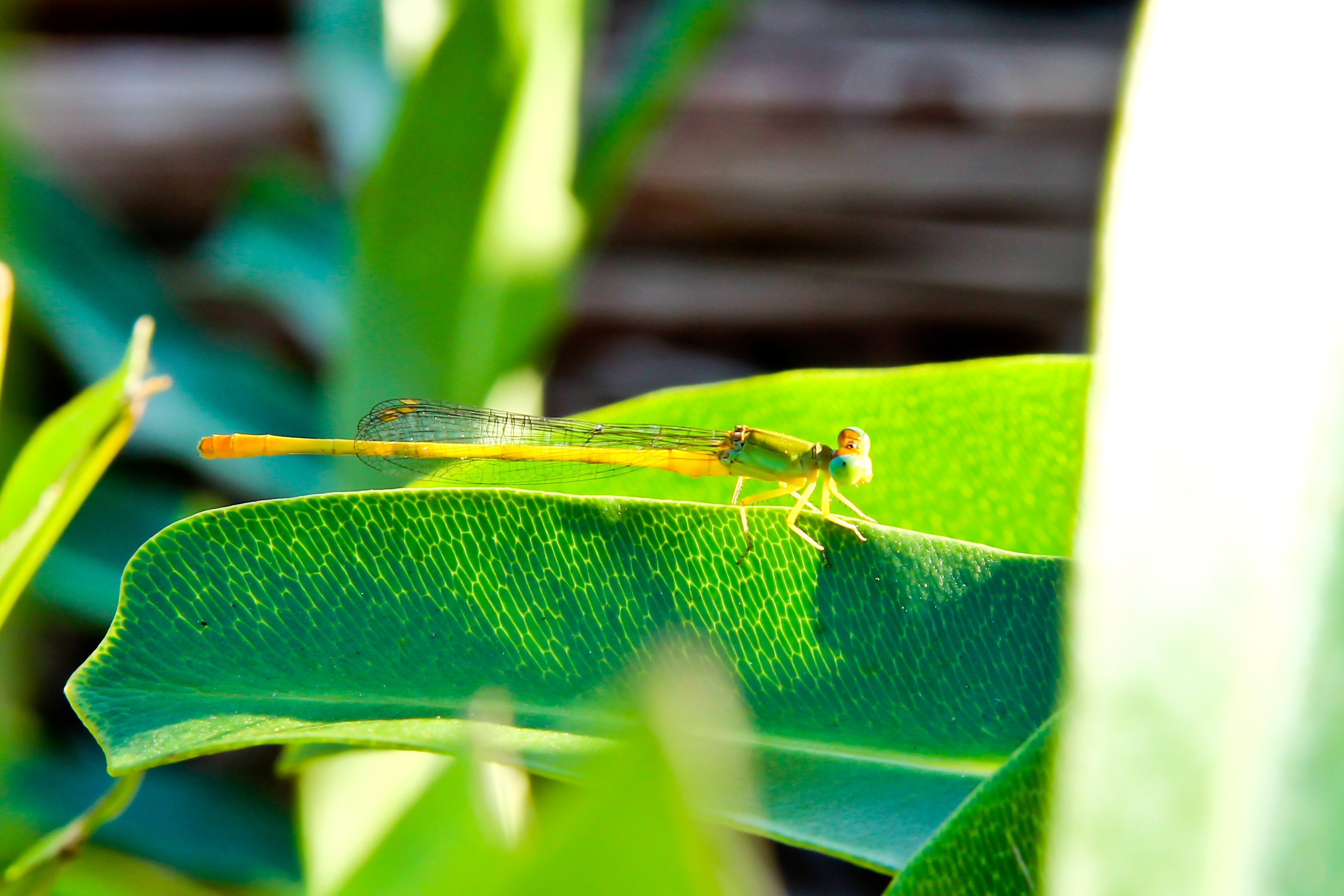
I love this picture because of the clearly visible veins on the leaf the damselfly is perched upon. This male marsh dart (Ceriagrion coromandelianum) was photographed in Panganad, Kerala, the same day as  Continue reading

Yellow Bush Dart

Yes, I used this picture in a previous post, but I feel it is worthy of a repost, especially when the female counterpart is included. If memory serves, this was one of, if not the first odonate picture I took with an SLR camera.  Continue reading

Lost Ladybugs

Earlier this week, James posted about a crowd of ladybugs he spotted on a recycling bin at Emory. His account reminded me of a guest lecture in my entomology class earlier this year, when John Losey came to talk to us, in part, about the Lost Ladybug Project.

The Lost Ladybug Project, which is a citizen science similar to the ornithological projects I’ve written about previously, aims to educate participants on the values of biodiversity conservation and the importance of ladybugs as predators in ecosystems. Continue reading

Granite Ghost

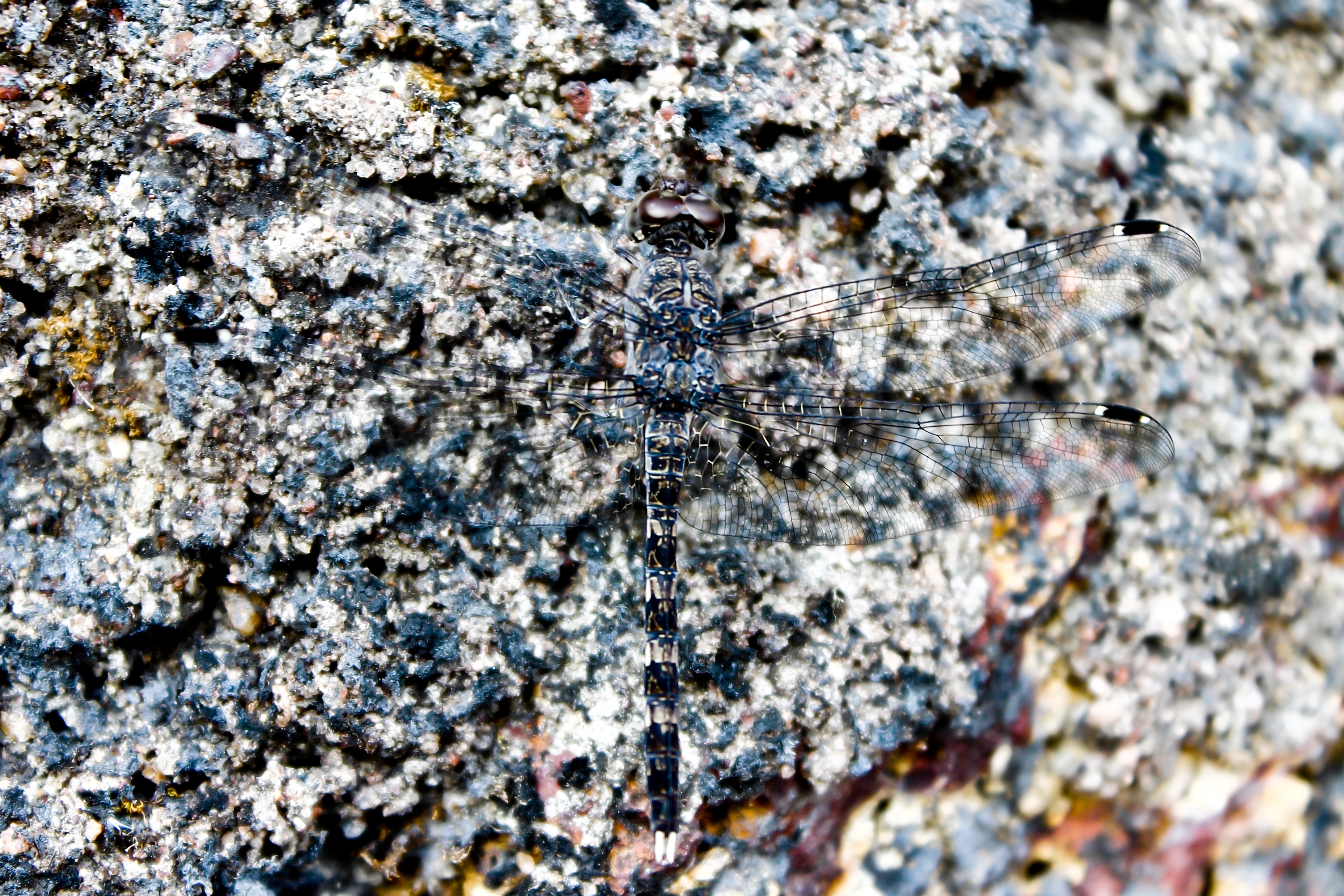
Bradinopyga geminata (male)

I’m still a student of Indian dragonflies (of the world, for that matter), but one species that has captivated me since I read about it is the Granite Ghost – Bradinopyga geminata. Typically an urban dweller, the species has adapted itself to city life – breeding in water tanks, feeder ponds, and all other pools of water that can be found in a metropolis. The species is so well suited to concrete jungles not only because of its extreme agility and keen hunting senses, but because of its remarkable ability to remain unseen. Continue reading

God’s Cow

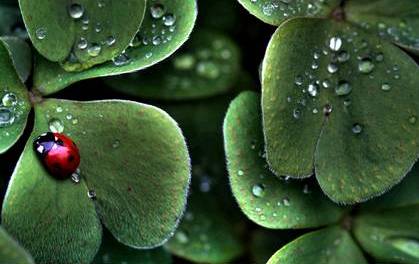
Today I saw something very odd: dozens of ladybugs crawling along the top of a recycling bin. Some were the dark red that we normally associate with ladybugs, while others were a pale orange verging on yellow. Strange looking half-formed ladybugs, seemingly crouched in tight balls, adhered themselves along the surface as well. In the midst of it all swarmed long, fat black bugs with orange spotting along their backs. What was going on here? And what was this panoply of ladybug life occurring on a recycling bin in the middle of a college campus?

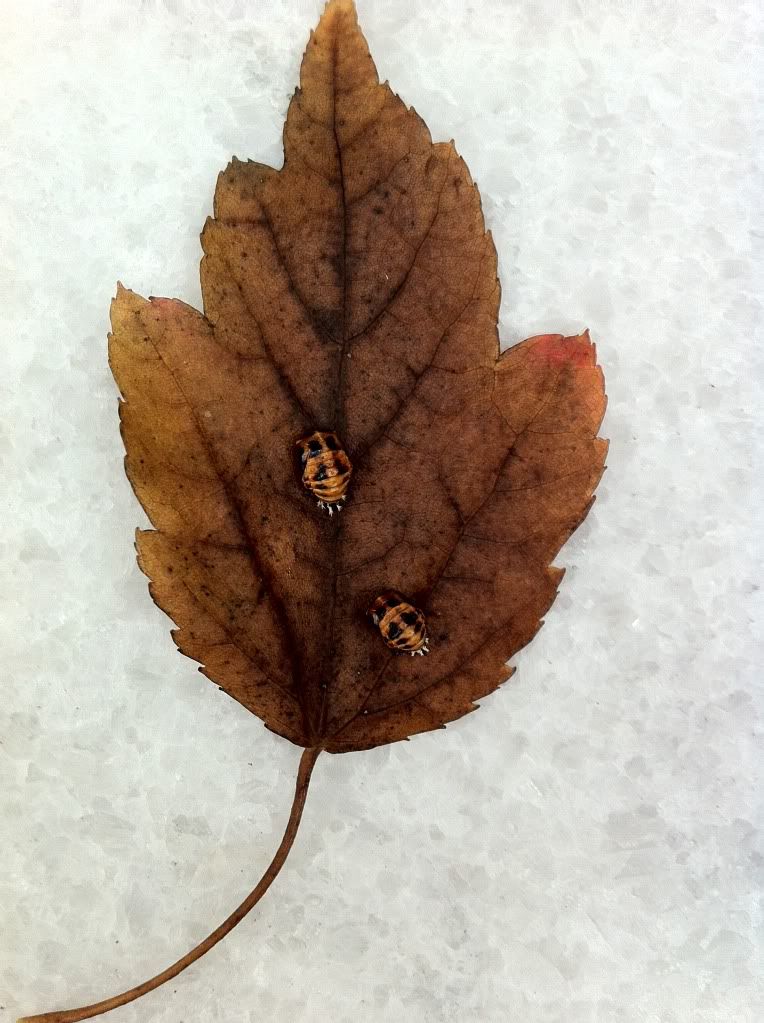
Two ladybug pupae

When I afterwards looked up ladybugs, I found that I had actually witnessed something pretty cool: the full life cycle of Coccinellidae, known as the ‘ladybug’ in America but the ‘ladybird’ elsewhere in the world. It’s also known as ‘God’s cow,’ the ‘ladyclock,’ or the ‘lady fly.’ There are over five thousand species worldwide, but the name ‘ladybug’ is perhaps most readily synonymous with the image of a small, round red bug with black spots.

The ladybug, as I had seen, has four distinct phases in its life cycle. The life of the ladybug begins in an egg; small clutches hatch after three or four days at which point the larval form of the bug emerges. It may molt three to four times over a period of about twelve days before pupation (i.e., the beetle creates a pupa). Continue reading

Rubytailed Hawklet

Another stark contrast between male and female specimens, Epithemis mariae is a small species of dragonfly found in and out of the Western Ghats. The female pictured above was sighted in the organic garden of Cardamom County, and the male pictured below  Continue reading

Pied Paddy Skimmer

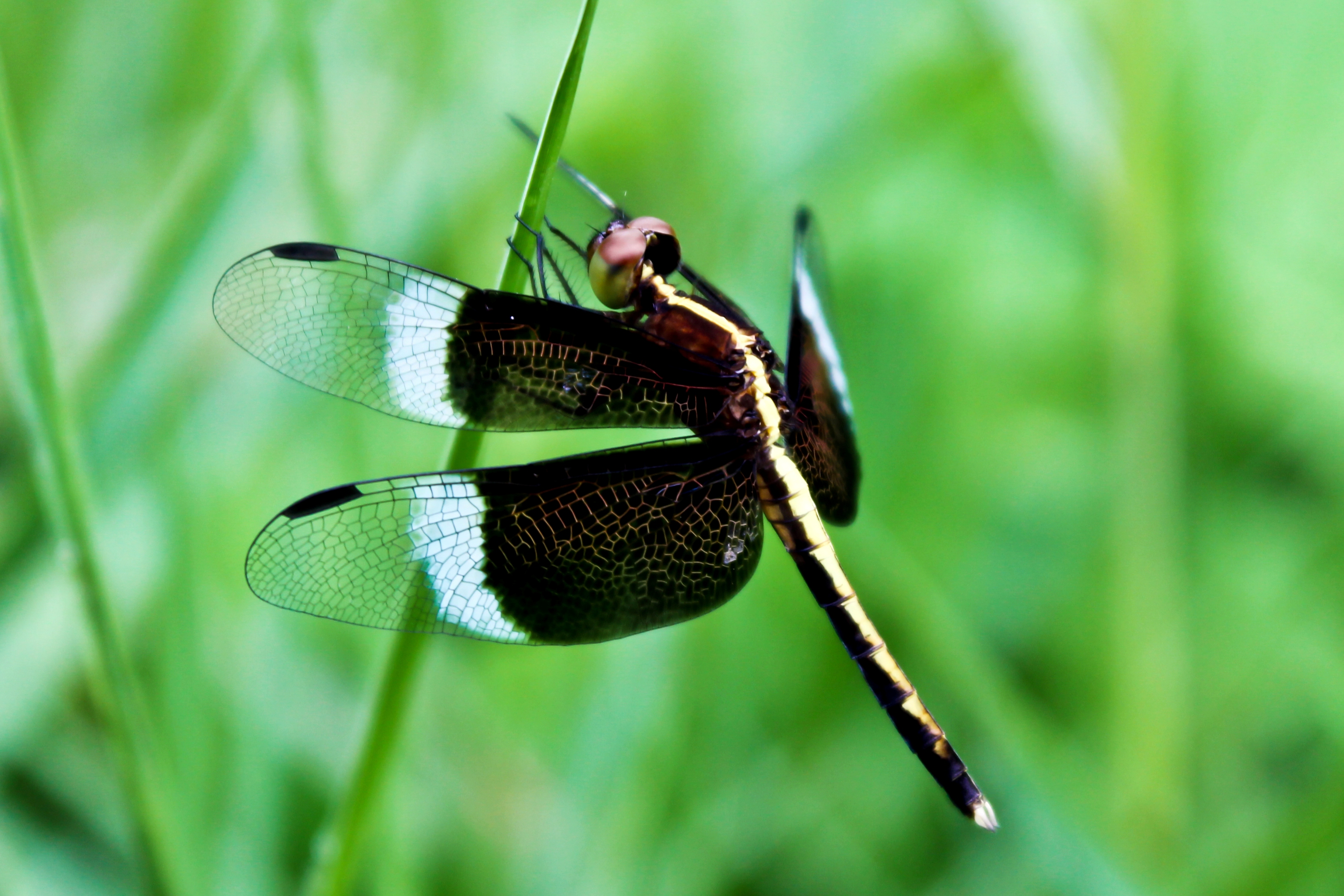
The Paddy Skimmer is one of the smaller species of dragonfly that can be seen in the Western Ghats. Measuring about an inch long, their flight range is very limited, although apparently their breeding capabilities are unhindered, as they are without a doubt one of the most numerous species to be seen in fields, both wild and cultivated. The teneral (young) male has a black and gold body, green and red eyes, and would be difficult to distinguish from the female if it weren’t for the differences in their wings – the male’s (both in youth and maturity) are about half black, with the other half equally divided between a white strip and a transparent tip. The female’s wings are more complicatedly patterned, although mainly transparent. Continue reading

Scarlet Skimmer

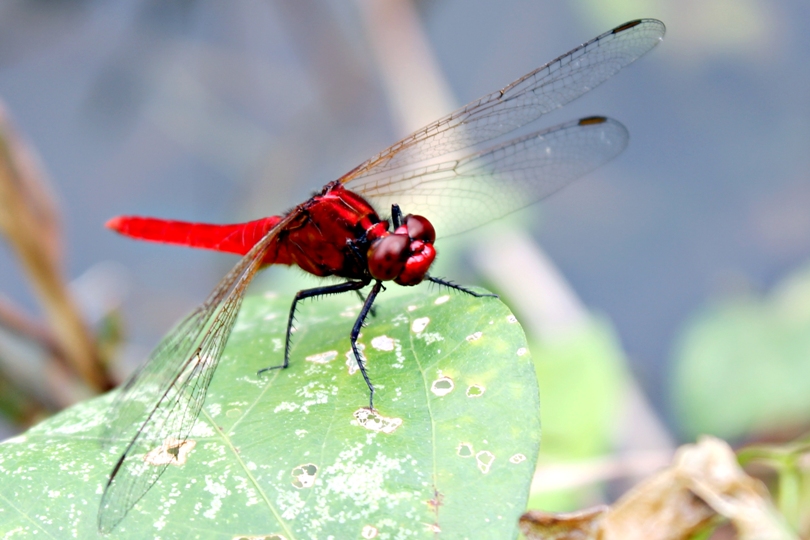
One of the fastest and most agile dragonflies I’ve seen, this red male was sighted on a riverbank in Alleppey, Kerala. Although not unusually large, this insect stands out due to its bright red body and head. Most of the red dragonflies I have seen (in the genus Orthetrum for the most part) have some combination of colors – azure eyes, black face, blue thorax and red abdomen (O. pruinosum); black eyes, red face, brown thorax and red abdomen (O. chrysis), etc.

Continue reading

Urbanature

Yes, spotting wild elephants on a mountainside is exciting. Agreed, a field full of flowers that blooms once every dozen years is a heart-warming sight. But not everyone who loves and appreciates nature has the time or money to travel to places where such phenomena can be experienced. Many people who live in cities – myself included – complain about not being able to connect with nature the way they would if they weren’t urbanites. However, I recently had an eye-opening (or re-eye-opening, rather) experience in Chennai, a city proportionally larger and less vegetated than Cochin, where I live, which showed me that nature is never far away.  Continue reading

Blue Marsh Hawk

A female Blue Marsh Hawk (Orthetrum glaucum) photographed in the Periyar Tiger Reserve. In some species of dragonfly, the male and female are remarkably similar. Blue Marsh Hawk males are similar to females, although their ‘face-plate’ is significantly darker and the abdomen is lacking the prominent yellow stripes present on the females. Continue reading

Green Marsh Hawk

Mating pair of Green Marsh Hawks (Orthetrum sabina) in the Periyar Tiger Reserve. The duo is surprisingly aerodynamic – despite the female’s unusual position (as I found out from having to chase the dynamic duo across a field). This was not only the first copula I have seen in person, but the first I photographed – I’m quite happy with the results.


Ditch Jewel

Male Ditch Jewel (Brachythemis contaminata) spotted on a riverbank in Alleppey, Kerala. The Allapuzha District is home to an extensive network of backwaters as well as rice paddies, an ideal breeding ground for dragonflies and damselflies, as well as one of Kerala’s main destinations (for human visitors, that is). The male and female are difficult to distinguish Continue reading

Trumpet Tail

Mature female Trumpet Tail (Acisoma panorpoides) photographed in the Periyar Tiger Reserve. Unfortunately well camouflaged (at least for their prey and photographers), this species is another exceptionally small one. The good news for me was that Trumpet Tails, due perhaps to their small stature (and presumably metabolism) cannot fly for long distances, and therefore are easy to chase and photograph.

I find the abdomen’s structure to be quite beautiful – certainly more so than the straight-and-narrow ones of say, gliders or marsh hawks.  Sadly, although I found the male to be more attractive Continue reading

Orange Marsh Dart

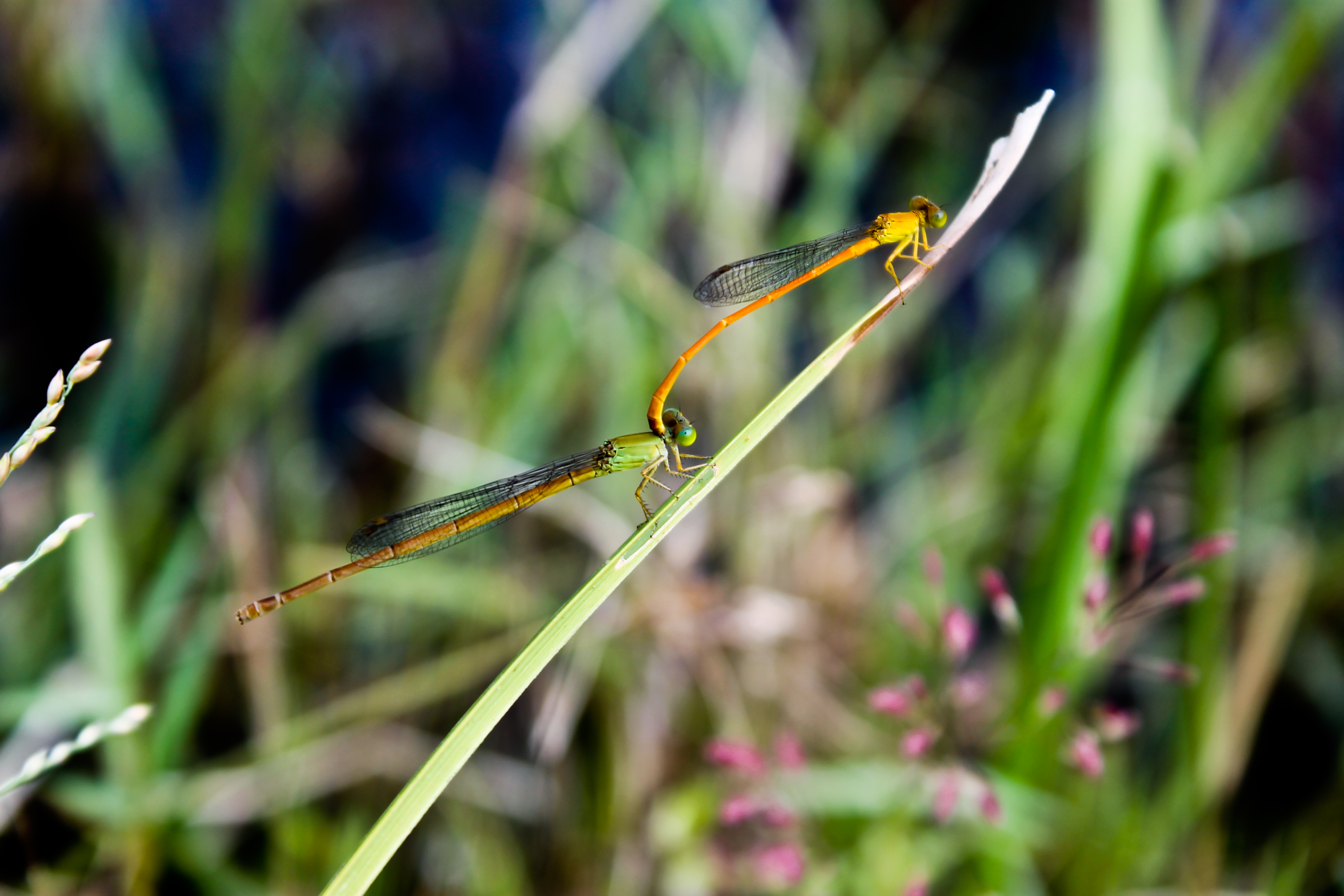
Orange Marsh Darts, Ceriagrion rubiae in copula, photographed in the Periyar Tiger Reserve. The male is mostly golden, while the female is more olivaceous. I’m unsure whether this is exclusive to this species or in all damselflies Continue reading

Blue-Tailed Yellow Skimmer

A mature male Blue-Tailed Yellow Skimmer,  also known as Asian Widow (Palpopleura sexmaculata) shot in the Periyar Tiger Reserve. This is undoubtedly the smallest species of dragonfly I’ve photographed, scaling it at close to under an inch long. The dragonfly’s abdomen is unique – not only in length, but in breadth and shape. The Trumpet-Tail is another uniquely-abdomened dragonfly I’ve spotted in Periyar – pictures of her next time.

For some reference to size, here’s a short anecdote Continue reading