Blue Ventures, Belize

Screen Shot 2016-08-04 at 6.41.54 PM.jpg

We have been introduced to Blue Ventures by Phil Karp, and want to share their website far and wide:

We rebuild tropical fisheries with coastal communities

Blue Ventures develops transformative approaches for catalysing and sustaining locally led marine conservation. We work in places where the ocean is vital to local cultures and economies, and are committed to protecting marine biodiversity in ways that benefit coastal people. Continue reading

USA National Park, Feisty Leadership Outlier

Lake Superior Presque Isle Royale National Park Michigan in USA Great Lakes no not people nobody isolated low angle horizon

Lake Superior Presque Isle Royale National Park Michigan, USA, Great Lakes

We like the idea of a leader of a national park with a “feisty nature,” since sometimes that is exactly what it takes for conservation to succeed, either in the public or the private sector; so this profile from the BBC, in its ongoing appreciation of the National Parks Service’s 100th anniversary, is the kind of story we are especially happy to share:

…Isolated and iconoclastic, Isle Royale National Park is something of an anomaly among US National Parks, with its territory spread over 200 islands and outcroppings emerging from the frigid waters of Lake Superior, part-way between the US state of Michigan and Canada.

Isle Royale’s former Superintendent, Bill Fink (no relation to me), is an iconoclast himself, almost as if the qualities of the archipelago rubbed off on him during his four years running operations there from 1990 to 1993. Continue reading

I’ll Just Take The Banjo

RStanley

We have not mentioned the banjo much around here. Shame on that! I am fond of the instrument for some of the same reasons I am fond of, say, an arboretum. The banjo is an instrument akin to other instruments of entrepreneurial conservation: the more it gets played well, the more it keeps alive a tradition, and even can improve on the tradition. An arboretum, well conceived, well kept, helps species survive in isolation that might otherwise have been lost from the planet entirely.

I see a reference here and there, for example mention of the Seeger family, who I have loved for many reasons my whole life. And Bela Fleck is Exhibit A in the case to be made for the banjo entrepreneurship; Steve Martin and Edie Brickell could be said to support that case as well. They all would acknowledge Dr. Ralph Stanley as essential to their craft’s survival and thriving, so it is with that in mind that I highly recommend you listen to or read this brief interview with him:

…GROSS: How did you get your first banjo?

STANLEY: My first banjo? My mother’s sister, my aunt, lived about a mile from where we did, and she raised some hogs. And she had – her – the hog – the mother – they called the mother a sow – of a hog. And she had some pigs. Well, the pigs were real pretty, and I was going to high school and I was taking agriculture in school. And I sort of got a notion that I’d like to do that, raise some hogs. And so my aunt had this old banjo, and my mother told me, said, which do you want, the pig or a banjo? And each one of them’s $5 each. I said, I’ll just take the banjo…

Continue reading

Queens, NY Entrepeneurial Conservation

Queens

Architecture intersecting with cultural conservation–that is a topic that will always get my attention. When I read this article it reminded me a bit of the early days of scouting out the location that would become Xandari Harbour’s restaurant, 51. Hard to resist reading, based on the title, and the article does not disappoint:

Never Has My Breath Been Taken Away Like It Was at Knockdown Center

By


Our Goal Here

We will continue sharing news stories and sharing anecdotes from our daily work lives that reflect Raxa Collective’s orientation to Community, Conservation & Collaboration. Those “3C’s” have been essential ingredients of La Paz Group’s work since the beginning, which is how they became the focal points of Raxa Collective. We have also had Sense & Sensibility as watchwords in our company for the last 16 years or so, and that will not change. Continue reading

Lionfish Jewelry Update – Caribbean Gulf and Fisheries Institute Conference

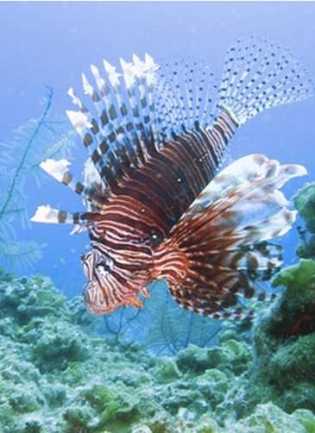
I’ve posted previously about the emergence of lionfish jewelry as one of several market-based approaches to controlling the invasion of this non-native species which poses an unprecedented threat to marine ecosystems in the Western Atlantic.

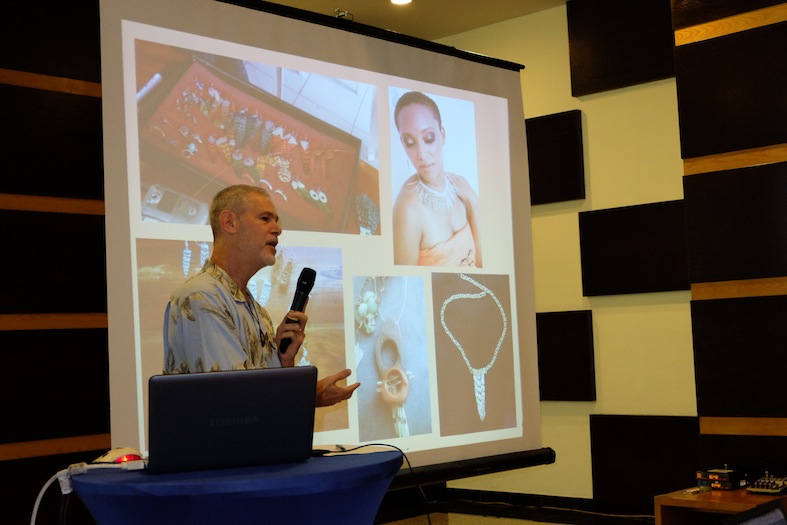
Last month I had the opportunity to make a presentation on lionfish jewelry at a special workshop on lionfish management that was held during the annual conference of the Gulf and Caribbean Fisheries Institute, in Panama. The conference program also included a full-day lionfish research symposium and a lionfish research poster session, both of which gave me an opportunity to learn more about the science aspects of the lionfish invasion and some of the latest findings on lionfish biology and behavior and to meet some of the leading researchers on these subjects.

The lionfish management workshop, which was organized by the United Nations Environment Program’s Caribbean Regional Activity Center on Specially Protected Areas and Wildlife (SPAW-RC) and the International Coral Reef Initiative (ICRI), brought together marine scientists, managers of marine protected areas, fishermen, and representatives of international organizations to share experiences and lessons learned with respect to strategies for controlling the invasion. Continue reading

A Clean Breath of Life

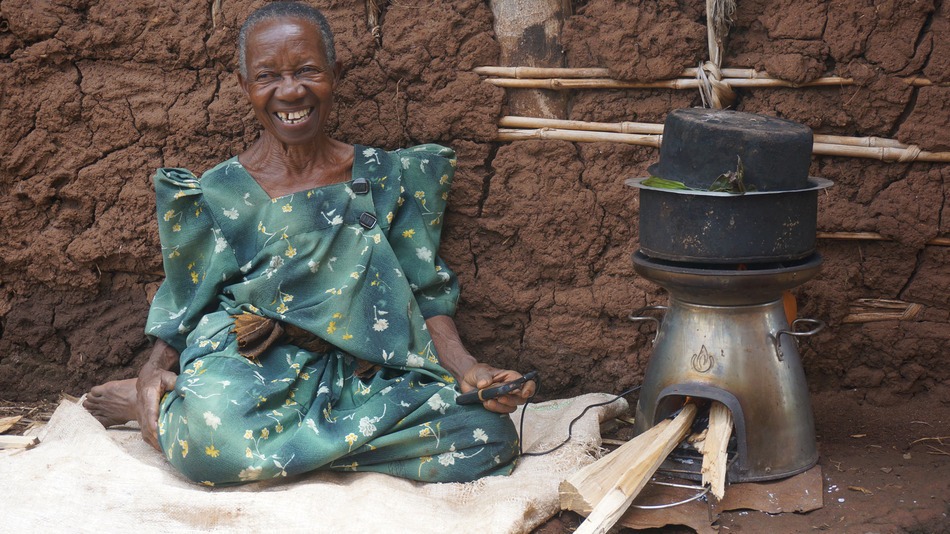
In addition to eliminating 94% of the smoke and 91% of the carbon dioxide emitted by open fires, the HomeStove can save households as much as $8 to $10 per week just on fuel, the company says. the HomeStove can save households as much as $8 to $10 per week just on fuel. PHOTO: Biolite

In addition to eliminating 94% of the smoke and 91% of the carbon dioxide emitted by open fires, the HomeStove can save households as much as $8 to $10 per week just on fuel. PHOTO: Biolite

According to the WHO, 4.3 million people die prematurely every year from illnesses attributable to household air emissions from cooking with solid fuels, which kill more people every year than malaria, HIV and tuberculosis combined. Women and children, who spend the most time near open flames in developing countries, are most at risk. And the gravity of the dangers of indoor air pollution pushed  product developers Alec Drummond and Jonathan Cedar to maximize the use of the off-the-grid stove they were initially designing for campers.

“We’d seen that by blowing air in a particular place in a wood fire, you can really improve combustion and turn a rudimentary fuel into a super hot, controllable, clean combustion process,” Cedar tells Mashable. “We were fascinated by this idea that you could take waste product and turn it into a useful energy source.”

“The question was: How do you do that without batteries, which still tie you back to the grid?” he says.

Continue reading

Solar Comes Home!

Kerala, India, has the world’s first solar-powered airport. PHOTO:  CIAL

Kerala, India, has the world’s first solar-powered airport. PHOTO: CIAL

For five years now, RAXA Collective has called the state of Kerala, India, its home. Over the years, the ‘three magic words’ – community, collaboration, conservation – have guided our work here. And every story in these three spaces has us glad for finding another believer. Now we’ve found a believer who puts his thoughts into action in the Cochin International Airport. Welcome to our land and the world’s first solar-powered, power-neutral airport.

Continue reading

Support Needed for Lionfish Jewelry Workshop

© Seavenger’s Trident Super Dive Store

For the past several years, I have been involved in helping to develop markets for lionfish jewelry as a way of addressing the threat posed by this invasive species, which is severely compromising the health of coral reefs throughout the Caribbean by eating reef-dwelling fish. Belize is home to the second largest barrier reef in the region, and its lobster and conch fisheries could really benefit from a break of overexploitation, so encouraging lionfish fishing in any way possible will promote reef recovery.

My last post, in fact, was about my trip to northern Belize last summer, when I collaborated with two local NGOs in Belize to train women from a coastal community on how to create lionfish jewelry. This August, I will again be joining one of these groups – Blue Ventures, for a lionfish jewelry workshop for women from other areas. As you can see from the pictures here and in my previous posts, lionfish fins, tails, and spines are beautiful; they’re also relatively low-cost to transform into jewelry. These parts of lionfish were previously discarded, but when kept and transormed into jewelry the value of landed lionfish catch increases by up to 40%, creating additional incentives for fishers to target and remove lionfish Continue reading

National Governments, Entrepreneurial Conservation, And Increased Awareness Of Nature’s Value

grandcanyon

A view from the north rim of Grand Canyon National Park via Flickr/NPS

This is our favorite kind of report:

NATIONAL PARK VISITORS INJECT BILLIONS INTO THE US ECONOMY

In 2014, more than the National Park Service hosted more than 292 million visitors. The system, which covers more than 84 million acres divided among 401 sites, includes some of the United States’ most iconic tourist destinations: the Grand Canyon, Mount Rushmore, Yellowstone, Yosemite, the Everglades. And when people visit those sites, they spend money. For the past 25 years, the National Park Service has been measuring and reporting the economic effects of park tourism. (The first data collection effort on visitor attendance itself was conducted in 1904, when six national parks reported 120,690 visitors.)

The latest report, covering the year 2014, has just been released by NPS and US Geological Survey researchers, along with a companion website that includes a variety of data visualizations. Continue reading

Action, Louder Than Words, Easier Said Than Done

Screen Shot 2015-04-23 at 5.15.09 AM

WWF today released a report at once alarming (the photo on the report cover to the right, put in context, is a visual gateway to reporting on par with writings of the gloom maven, which we cannot get enough of) and at the same time inspiring (the photo below of a young girl participating in mangrove restoration hints at the hope for the future), which is motivation enough to read it. The key word is action. Action we must take. And for our part we are committed to sharing as broadly and deeply and as often as possible on actions considered, actions taken, and the result of actions. Click the image to the right to download a low resolution pdf copy, or at least read the summary below from the WWF website:

The value of the ocean’s riches rivals the size of the world’s leading economies, but its resources are rapidly eroding, according to a report released by WWF today. The report, Reviving the Ocean Economy: The case for action – 2015, analyses the ocean’s role as an economic powerhouse and outlines the threats that are moving it toward collapse.

The value of key ocean assets is conservatively estimated in the report to be at least US$24 trillion. If compared to the world’s top 10 economies, the ocean would rank seventh with an annual value of goods and services of US$2.5 trillion.

Mangrove restoration. Mangroves store carbon and provide over 100 million people with a variety of goods and services, such as fisheries and forest products, clean water, and protection against erosion and extreme weather events. The rate of deforestation of the planet's mangroves is three to five times greater than even the average global forest loss.

© Jürgen Freund / WWF. Mangrove restoration. Mangroves store carbon and provide over 100 million people with a variety of goods and services, such as fisheries and forest products, clean water, and protection against erosion and extreme weather events. The rate of deforestation of the planet’s mangroves is three to five times greater than even the average global forest loss.

Continue reading

There Is No Effective Resistance To This Charm

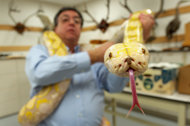
We cannot resist sharing the snake stories of our own team members, and we also seem to favor this related topic of domesticated wild creatures gone amok; a story whose variations, it is now clear to us, we will never tire of as long as Amie keeps finding gems like this, as long as Phil continues to post about entrepreneurial solutions, and as long as the New York Times does not tire of sending its best reporters on the occasional odd wild something chase:

retro-python-wildpets-thumbWideRETRO REPORT

The Snake That’s Eating Florida

Burmese pythons appear to be in the Florida Everglades to stay, just one of a number of unwanted animals that have invaded America.

Water, Blobs, And The Future Of Thirst-Quenching On The Go

Skipping Rocks Lab

Skipping Rocks Lab

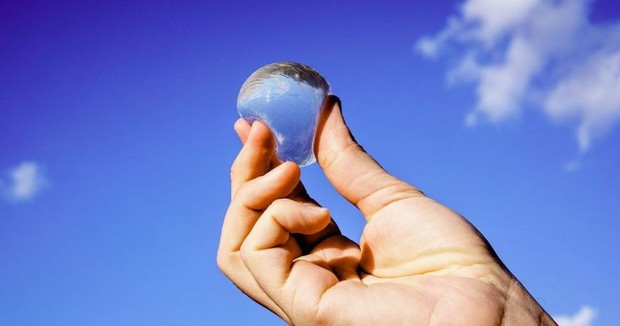
Thanks to one of the many sister websites of the Atlantic, this story about the future of packaged water:

In the future, rehydrating on the go might not mean chugging from a bottle, but inhaling a gelatinous, edible blob that looks like water floating on the space station. Continue reading

Language Spoken Is Knowledge Saved For A Rainy Day

150330_r26311-320

The consequences of losing a language may not be understood until it is too late.

At first glance, or quick skim, this will inject a darting depression into your soul, because of the seeming hopelessness. But then the grace of the writing, and the beauty of the story, will wash away the darkness and, very possibly, inspire you. Read it, and if you have thoughts, or actions, to share with us on the entrepreneurial (or other) conservation of intangible patrimony please share a comment below:

It is a singular fate to be the last of one’s kind. That is the fate of the men and women, nearly all of them elderly, who are—like Marie Wilcox, of California; Gyani Maiya Sen, of Nepal; Verdena Parker, of Oregon; and Charlie Mungulda, of Australia—the last known speakers of a language: Wukchumni, Kusunda, Hupa, and Amurdag, respectively. But a few years ago, in Chile, I met Joubert Yanten Gomez, who told me he was “the world’s only speaker of Selk’nam.” He was twenty-one.

Yanten Gomez, who uses the tribal name Keyuk, grew up modestly, in Santiago. Continue reading

A Museum You Likely Never Heard Of

Aby Warburg (second from left) was the spirit behind the iconographic studies that dominated much of twentieth-century art history. CREDIT COURTESY THE WARBURG INSTITUTE At f

Aby Warburg (second from left) was the spirit behind the iconographic studies that dominated much of twentieth-century art history. CREDIT COURTESY THE WARBURG INSTITUTE

We mention and link to museums, and museum exhibits from time to time. For reasons related to our love and belief in libraries as essential institutions worthy of our civic support; but also related to our interest in entrepreneurial conservation.

Weird museum? Count us interested:

At first, the library of the Warburg Institute, in London, seems and smells like any other university library: four floors of fluorescent lights and steel shelves, with the damp, weedy aroma of aging books everywhere, and sudden apparitions of graduate students wearing that look, at once brightly keen and infinitely discouraged, eternally shared by graduate students, whether the old kind, with suède elbow patches, or the new kind, with many piercings. Continue reading

Eat a Lionfish, Save a Reef – Markets and Menus to the Rescue

photo credit: Reef.org

photo credit: Reef.org

At the risk of back-patting and preaching to the converted, it’s heartening to connect with others in the world community calling attention to and making efforts toward education and action against invasive species.

We thank the contributors of Conserve Fewell for introducing themselves to us!

As many of you who follow this blog know, invasive species can have devastating impacts on local economies and wipe out endemic wildlife populations.  Scott Cameron a frequent blogger here at ConserveFewell has established a new coalition devoted to reducing the risks and economic costs from invasive species, RRISC.

The lionfish is one of those perfectkillers, introduced by aquarium enthusiasts into places it doesn’t belong and wreaking havoc on native fish populations and decimating reefs. Continue reading

Citizen Science, Decades In Development

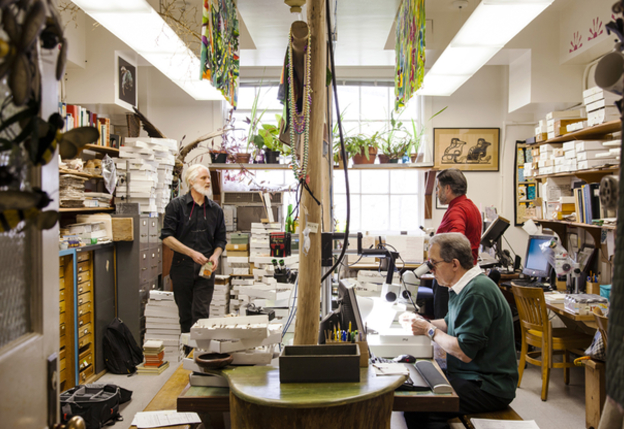
In Droege's lab at the Patuxent Wildlife Research Center, pizza boxes provide storage to thousands of pinned bee specimens. Volunteers Gene Scarpulla (in green) and Tim McMahon peer through microscopes to ID the insects.  Credit: Robert Wright

In Droege’s lab at the Patuxent Wildlife Research Center, pizza boxes provide storage to thousands of pinned bee specimens. Volunteers Gene Scarpulla (in green) and Tim McMahon peer through microscopes to ID the insects. Credit: Robert Wright

We started, before even knowing the terminology, paying attention to citizen science on this blog when we began to understand the parallels with entrepreneurial conservation. And now we link to stories whenever we can that help us better understand it:

Three Generations of Citizen Science: The Incubator

Once Sam Droege gets a research project up and running, he dreams up a new one–and builds it.

BY ANDY ISAACSON

It was a bright, breezy day in late April, the flowering azaleas having finally shrugged off the winter that overstayed its welcome, when Sam Droege sailed onto the grounds of the U.S. National Arboretum in Washington, D.C., behind the wheel of a pterodactyl. It was actually a ’98 forest-green Saturn, which Droege had painted with yellow wings and a red-and-yellow beak that tapered to a point down the center of the hood. A piece of wood, lined with a rusty crosscut saw, had been bolted to the roof: the crest. Little jingle bells, inspired by richly adorned buses in Pakistan, dangled from chains screwed into the rear bumper. Droege still had designs for neon undercarriage lights, and a mosaic of mirror shards to line the car’s ceiling–“but why stop there?” he wondered. It was a work in progress.

Continue reading

Seed to Cup Tea Experience

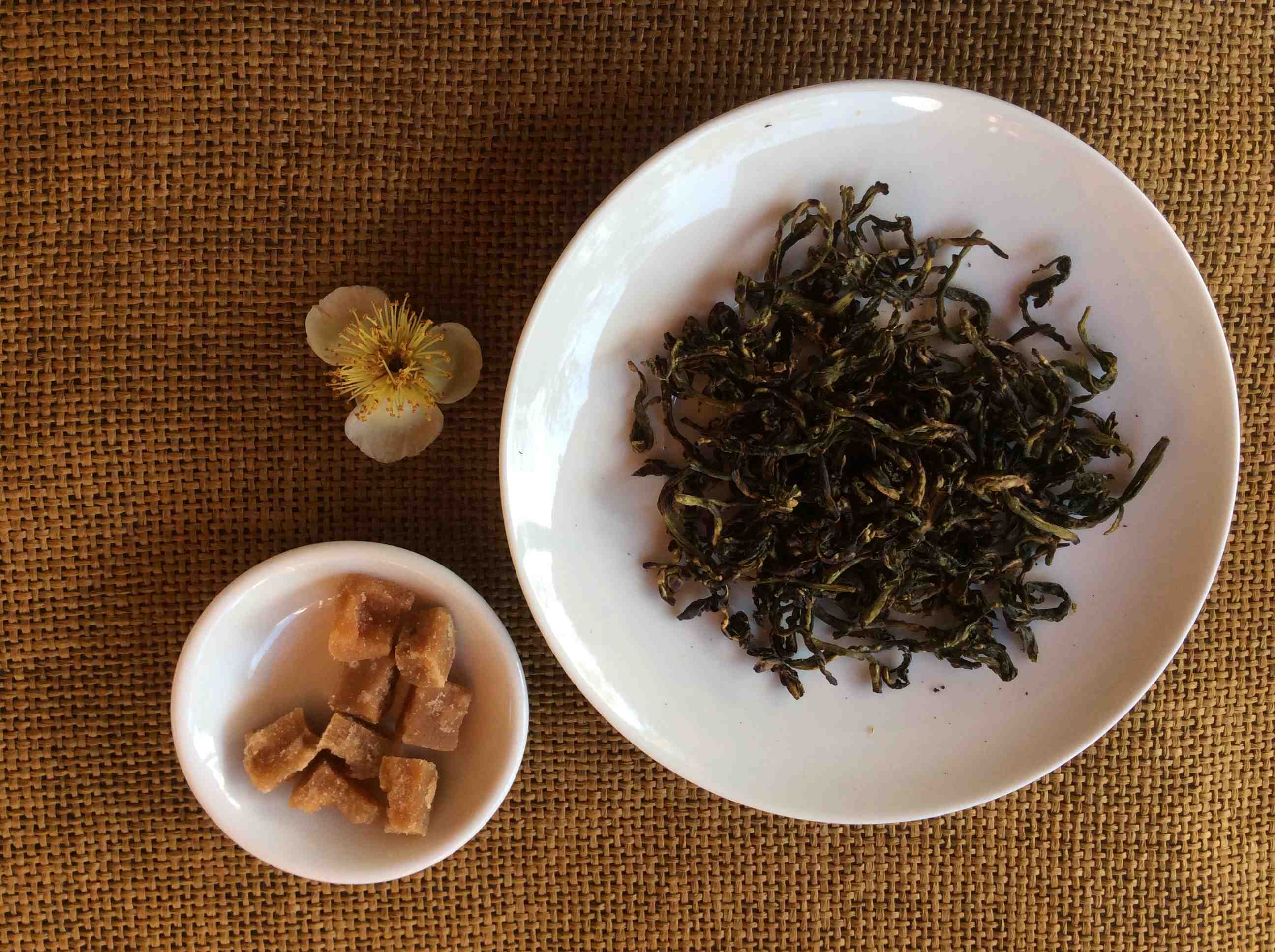
Roasted Assam Tea "nibble" with cane sugar

Roasted Assam Tea “nibble” with cane sugar

Our time in Thailand included a range of sensory experiences, one of which was tea. One might think that living in India, we have little more to learn about tea, but that is far from the truth. Our experience with tea in our adopted home has been more visual than experiential; drives through the beautiful, sculpted tea landscapes of Munnar, or the tea tours near Thekkady, for example.

In the northern Thailand we visited a 60-hectare tea plantation near the Lisu Hilltribe village in Chaing Mai Province. One of the oldest plantations in the country, the owners are working on expanding the quantity of tea produced while offering the full range of tea experience for visitors, from planting a seed that will be lovingly cared for over a 2-year period before being transplanted, to hand plucking the tender green “silver tips” of the tea, Continue reading

Preservation Of Language

We have posted on the topic of intangible patrimony and include it in our explanation of entrepreneurial conservation; the topic extends to our interest in reading and the liberal arts. Below is a link to an op-ed piece published today, penned by a savvy academic whose primary focus is language, that we consider worthy of the brief reading time, even if you are not a language fanatic:

07gray-thumbWideGRAY MATTER

Why Save a Language?

Culture Of Hack

9781781685839_Hacker__hoaxer-294b89cbd6b3950d9cdbfb0e39e66884We are the antithesis of radical, in the political science and political activism sense of that word. We have been more incremental, often experimental and necessarily patient in our approach to entrepreneurial conservation than political radicals are in their approach to social change. Working with children, as we often do in our community outreach, we use methods appropriate to the situations. We sometimes say, perhaps just in the spirit of cheekiness, that we “hack” solutions in remote locations. We even say sometimes that the outcome is “radical.”

But that is the slang use of the word, just as we once called skateboarding or ball-dribbling moves in football “wicked.” We aspire to neither radical nor wicked outcomes in our day to day work, in the proper definitions of those words. Still, as with Mr. Watson, whose methods are different from ours but his objectives are akin, this review of Hacker, Hoaxer, Whistleblower, Spy: The Many Faces of Anonymous in the current issue of Book Forum helps us see some recognizable objectives in this particular culture of hack (with plenty of notable exceptions, as the review makes plain to anyone who regularly reads our blog):

By Any Memes Necessary

An inside look at the hacking group Anonymous reveals a boisterous culture of dissent and debate

ASTRA TAYLOR

THE FIRST TIME I SAW Gabriella Coleman speak about the hacker group Anonymous I was befuddled. It must have been around 2009. Anonymous was already at least three years old, having materialized out of the bowels of the popular, and often excruciatingly obscene, online bulletin board 4chan as early as 2006, yet it was still known mostly for its antisocial pranks.  Continue reading