Preserving Biodiversity to Feed the World

BioDiv.jpg

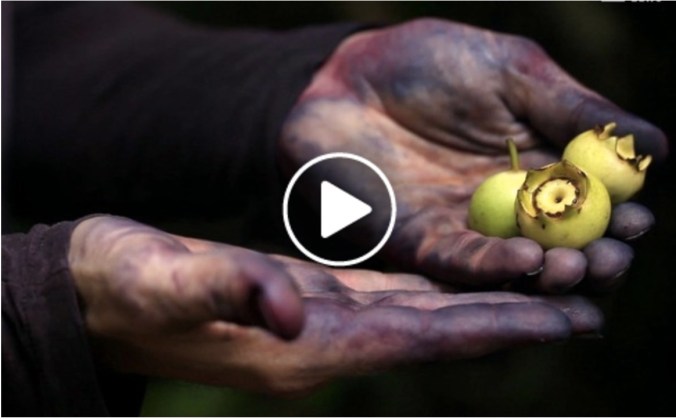
Thanks again to Atlantic for its occasional short film series, and in this case specifically to Erica Moriarty for bringing our attention to a video by Independent Lens available for sampling over at PBS (click the image above):

In the last century, 94% of the world’s seed varieties have disappeared. Family farmsteads have given way to mechanized agribusinesses to sow genetically identical crops on a massive scale. In an era of climate uncertainty and immense corporate power, farmers, scientists, lawyers, and indigenous seed keepers are on a mission to defend the future of food. Botanical explorer Joseph Simcox has been to over 100 countries, collecting thousands of seeds. In this documentary from Independent Lens, he travels to the Peruvian Amazon. Continue reading

America’s Best Idea Just Got Better

In our current political climate we continue to applaud those who stand up for science, nature and culture. It’s been particularly heartening to watch the steward’s of our national parks create a virtual protective shield around the vision they’re charged to protect.

My personal standing ovation goes to the partially anonymous park ranger who spends his spare time creating downloadable maps of all our country’s national parks, by state, from A to Z. (F, Q, U and X seem to be the only letters missing…) In addition to maps, site visitors find all sorts of experiential tips to prepare for safe exploration.

Glacier Maps

If you’re looking for a Glacier map, you’ve come to the right place; currently I’ve collected 28 free Glacier National Park maps to view and download. (PDF files and external links will open in a new window.) Here you’ll find a bunch of trail maps, along with other maps such as campgrounds and the shuttle bus. You can also browse the best-selling Glacier maps and guidebooks on Amazon. Continue reading
Heavenly Particles Made Visible

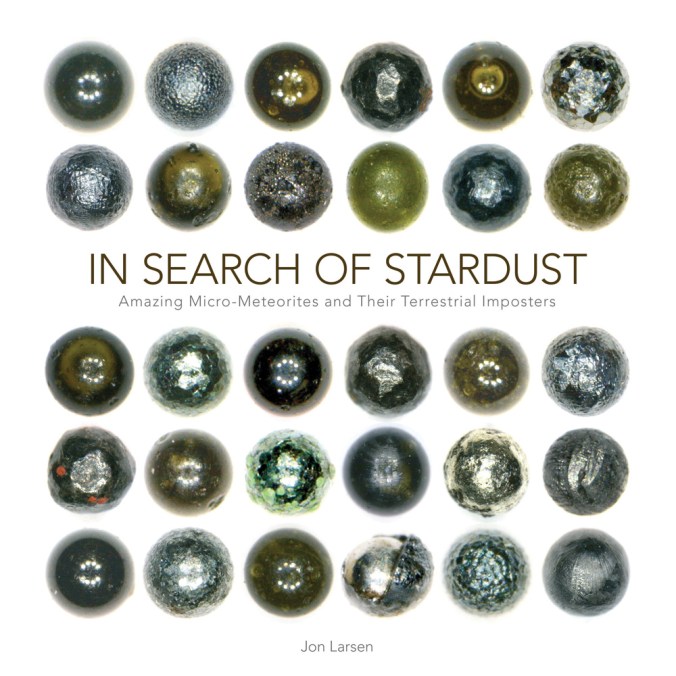
9780760352649This is among the more unusual book reviews in a while, thanks to the Science section of the New York Times, and William J. Broad. We appreciate a radically new perspective every now and then:

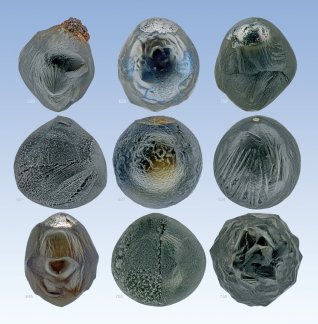
14SCI-STARDUST-COMP01-master1050.jpg

Varieties of space dust, barely the width of a human hair. These photomicrographs were made with a special camera setup that magnifies the dust grains nearly 3,000 times. CreditJan Braly Kihle/Jon Larsen

After decades of failures and misunderstandings, scientists have solved a cosmic riddle — what happens to the tons of dust particles that hit the Earth every day but seldom if ever get discovered in the places that humans know best, like buildings and parking lots, sidewalks and park benches.

The answer? Nothing. Look harder. The tiny flecks are everywhere.

An international team found that rooftops and other cityscapes readily collect the extraterrestrial dust in ways that can ease its identification, contrary to science authorities who long pooh-poohed the idea as little more than an urban myth Continue reading

A Sensory Experience of South India, through words and photographs

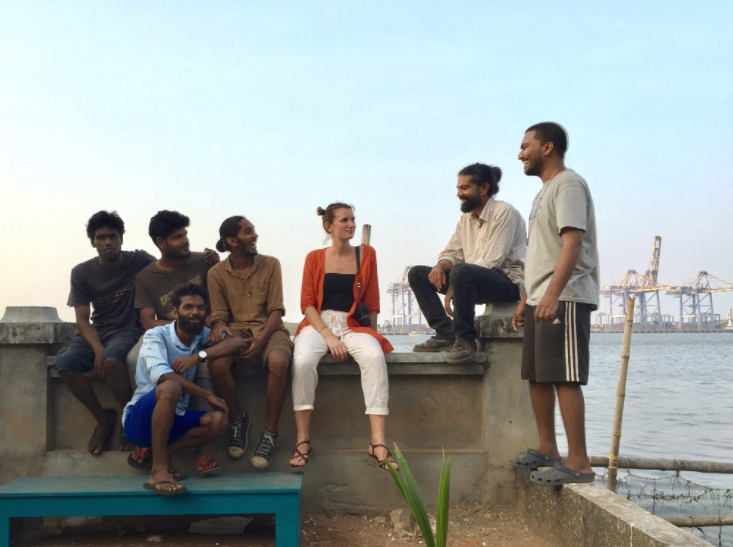
Myself and the Kochi-Muziris Biennale volunteers of The Pepper House.

Myself and the Kochi-Muziris Biennale volunteers of The Pepper House.

I often struggle to formulate the words to describe transformative experiences. But now, looking at the film I developed from my month in India, waves of nostalgia and inspiration flutter to me. This post is the India I felt, saw, and loved for 30 days.

I have been fascinated by India since I was four years old, when my preschool teacher brought Sri Lankan rice and curry to class. The sensation of spicy food and description of spice plantations soaked deeply into my curious brain. Throughout my childhood I researched India, and fell even deeper in love, imagining my own body amidst the color and chaos. It was not until I arrived in college (this year), that I would have sufficient time for my first trip to India.

Though I studied Indian culture before arriving, no amount of reading or advice could have prepare me for what I would experience. Continue reading

Spanish Speleological Speculation

CJ-3_1.jpg

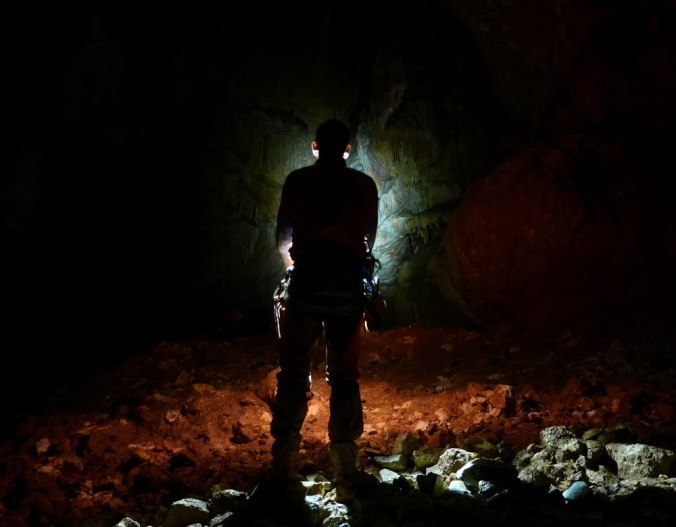
Raul Perez Lopez peers into the darkness of CJ-3, a cave that’s mysteriously losing its oxygen. (Credit: Antonio Marcos Nuez)

Discover Magazine’s blog has a post by Anna Bitong, who offers a few clues to help us understand what is happening in the deep recesses of a cave in Spain:

…A sign at the entrance warns visitors not to enter. Continue reading

Old World Trade In Spices, Lessons for 21st Century Leadership Thinking

01ghosh-2-superJumbo.jpg

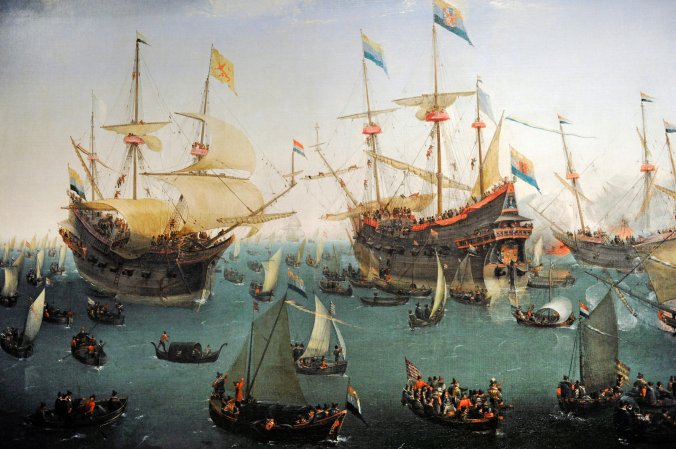
“The Return to Amsterdam of the Second Expedition to the East Indies,” painted by Hendrik Cornelisz Vroom, 1599. CreditPhas/UIG, via Getty Images

Amitav Ghosh, who we think of primarily as a writer of fiction, is also an important non-fiction thinker/author, and most recently published “The Great Derangement: Climate Change and the Unthinkable.” This op-ed in the New York Times puts future trade discussions into perspective in the most remarkable setting we can think of at the moment– the spice trade of centuries past. From our perch on the Malabar coast of India this is a welcome bit of history with which to welcome the new year and the challenges ahead:

GOA, India — For many years the word “globalization” was used as shorthand for a promised utopia of free trade powered by the world’s great centers of technological and financial innovation. But the celebratory note has worn thin. The word is now increasingly invoked to explain a widespread recoiling from a cosmopolitan earth. People in many countries are looking nostalgically backward, toward less connected, supposedly more secure times.

But did such an era ever exist? Was there ever an unglobalized world? Continue reading

Ancient Ships Found In Black Sea

00shipwrecks1-superjumbo

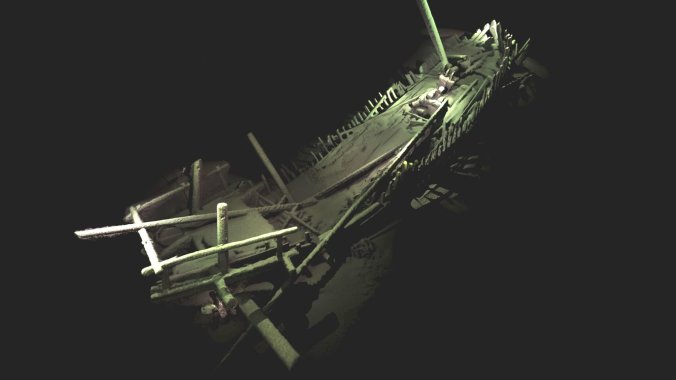
An image of the well-preserved medieval ship found at the bottom of the Black Sea, one of more than 40 wrecks discovered. Photogrammetry, a process using thousands of photographs and readings, produced a rendering that appears three-dimensional. Credit Expedition and Education Foundation/Black Sea MAP

For divers, as well as anyone fascinated by ancient maritime trade routes, this must be the best news in a long while:

‘We Couldn’t Believe Our Eyes’: A
Lost World of Shipwrecks Is Found

Archaeologists have found more than 40 vessels in the Black Sea, some more than a millennium old, shedding light on early empires and trade routes. Continue reading

Birding from VdF: Todos Santos

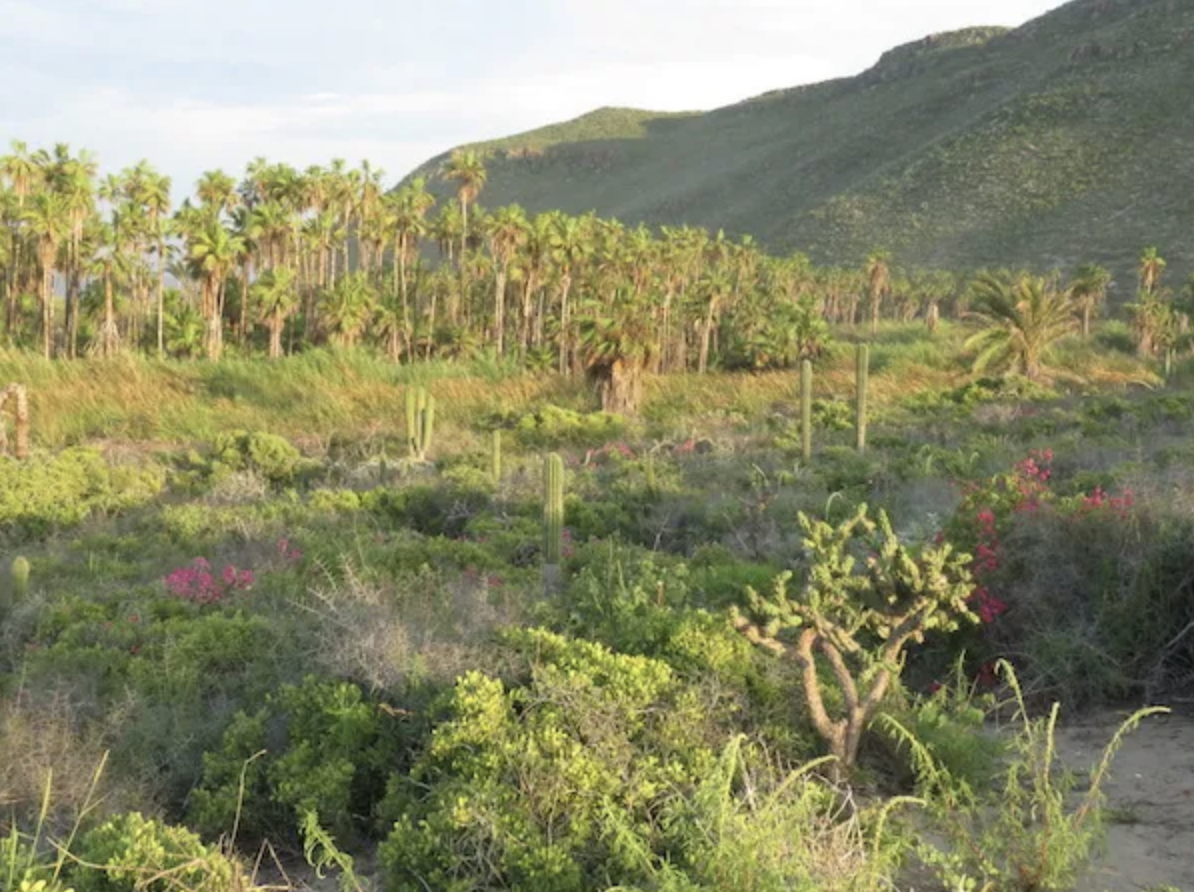
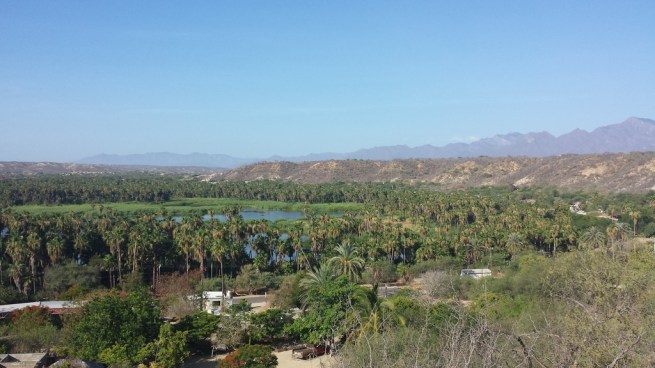
Oasis Playa Las Palmas de San Pedro, near Todos Santos

Check out my last post for an introduction to this series and to read about the Sierra de la Laguna.

At three hours away from Villa del Faro, the town of Todos Santos is a bit of a stretch for a day trip, but could be accomplished by a determined driver or could be an addition to a stay here on the East Cape. Todos Santos is a very pleasant town on the Pacific coast of the southern Baja Peninsula, and two spots in particular are relatively well-visited by birders in the region: a little wetland area right by the beach at the southern edge of town called La Poza de Todos Santos (poza meaning “pool” or “puddle”) and a hotel associated with the spot called Hotel Posada la Poza (posada meaning “inn” or “lodge”).

Continue reading

Queso and Identity

20161001_095519_zpsglnlylcy

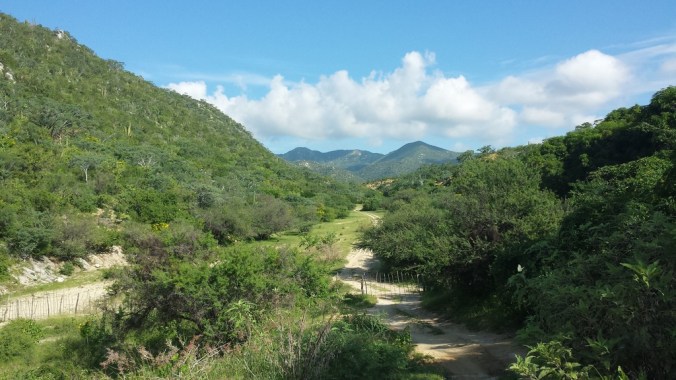
Scenic side road on the way to El Triunfo.

If queso was a food group it would certainly be my favorite. But that’s not what this post is about – even though cheese is a primary ingredient in many Mexican dishes and I had lots of it this past weekend. What this post is really about is the kinds of unexpected quirks one encounters when road tripping in Baja California Sur (B.C.S) and the unusual, but interesting conversations that come up with locals. Seth and I covered three towns: La Rivera, El Triunfo, and Todos Santos, for different lengths of time, but each with a distinctive story to tell.

Continue reading

An Unusual Travelogue

9780374710750.jpg

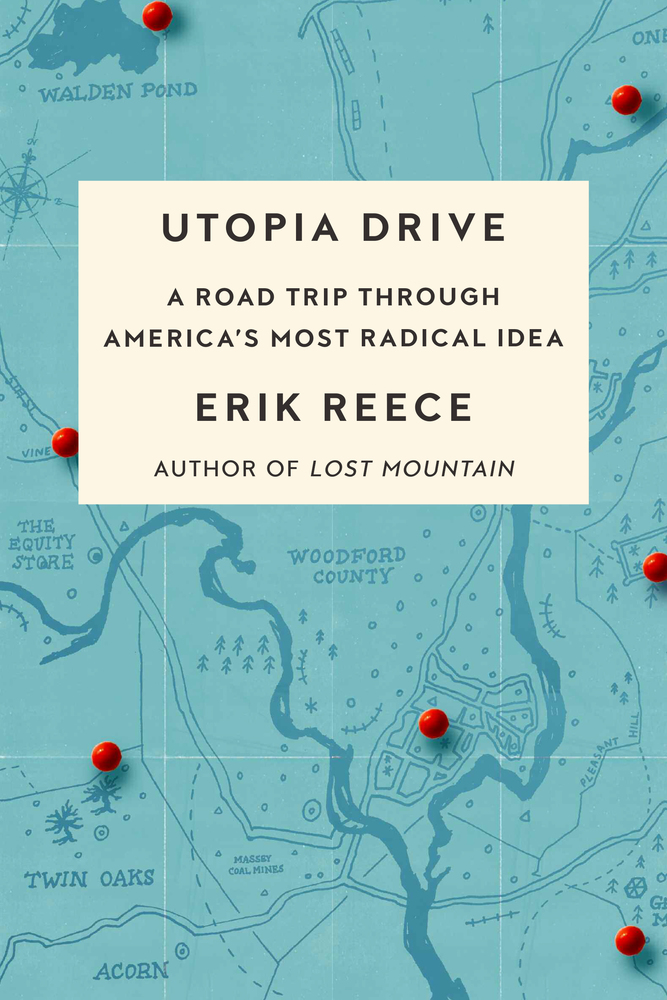
Publishers’ blurbs are sometimes much better than the sound of the word blurb would imply, and anyway I always trust them more than I could possibly trust Amazon’s tricky sales methods. Reviews in trusted publications are best, but they take much longer to read; this blurb has my attention, especially after pondering two decades of life online:

For Erik Reece, life, at last, was good: he was newly married, gainfully employed, living in a creekside cabin in his beloved Kentucky woods. It sounded, as he describes it, “like a country song with a happy ending.” And yet he was still haunted by a sense that the world–or, more specifically, his country–could be better. He couldn’t ignore his conviction that, in fact, the good ol’ USA was in the midst of great social, environmental, and political crises–that for the first time in our history, we were being swept into a future that had no future. Where did we–here, in the land of Jeffersonian optimism and better tomorrows–go wrong? Continue reading

Antikythera, Belize & Wondrous Discoveries

21tb-shipwreck-master768

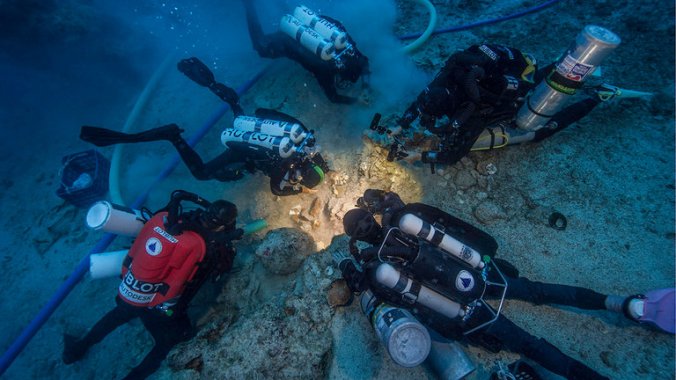
Divers and archaeologists excavating the 2,000 year old Antikythera shipwreck. Credit Brett Seymour/EUA-WHOI, via Argo

This story, about remains recently found under water in a region of the Greek islands where several of us at La Paz Group have very fond memories of, gives me pause. At the time the ship in this story wrecked, the Mayans in Belize were flourishing. The archeologists working at Chan Chich Lodge are still dating the structures there, but the sailor from the ship lost in Antikytheran waters would likely have found the Mayans quite advanced relative to his own culture.

Greece’s classical period was long over by the time this sailor lost his life, and Rome’s empire was still expanding, impressively. Lots of progress, civilization-wise, philosophy-wise, math-wise, geometry-wise in that Mediterranean zone; but also in what is now called Belize, and the wider Mesoamerican corridor. Reading this article, I appreciate the work of archeologists who advance our understanding of those who came before us:

Human Remains Found at Ancient Roman-Era Shipwreck

By

Underwater archaeologists have found a 2,000-year-old skeleton belonging to a victim of the famed Antikythera shipwreck from ancient Roman times. Continue reading

The New Ranchera (In Practice)

Ranchos, mountains, and coastline make up the bulk of Baja California Sur. The languid cattle or skittish chickens are what one most commonly sees when one is driving along the dirt roads, but if you take what might look like a short cut or a fun exploration route, you are most likely driving on someone’s driveway and will find a ranchero’s home at the end of it. I was keen to do some off-road exploring, particularly through the arroyos, but a car would not make it through and walking seemed too inefficient.  We were told by our neighbors (the only family that comes to vacation at their beach house exclusively in the summer time) two houses down from Villa del Faro that the family who delivers the water has a mule that they let people ride. As we talked more about the possibility of riding their mule up the arroyo, I learned that it was not a typical offer the family made to strangers, so that meant we were going to have to get introduced.

Continue reading

A Leap into the Sun


20160717_085340_zpsehmrqyi6

Among the foothills of the Sierra de la Laguna mountain range in Baja California Sur lies a geological marvel of isolated natural hot springs, fresh lakes, and rocky canyons, so we dedicated a whole day to discover a few of these natural wonders, protected within the Biosphere Reserve of Sierra de la Laguna. After almost two weeks of gazing upon a landscape of brown shrubs and dusty arroyos (not counting the great gardens here at Villa del Faro), the sight of a freshwater pond surrounded by palm trees and green undergrowth near the town of Santiago at the base of the sierra was like seeing a dear friend from childhood once again. I could not stop smiling and felt revitalized at the sight. Continue reading

Lights in the Dark

Galiteuthis. Credit: MBARI

In the past three days, two of the blogs we visit have shared a total of three posts concerning animals that live in the deep sea, where light is scarce. Ed Yong has written for NatGeo’s blog about a “squid that has glowing eyeshadow that acts as an invisibility cloak,” as well as the genetic branches and diversity of species exhibiting bioluminescence; Matt Miller wrote for The Nature Conservancy’s blog about a new book by photographer Danté Fenolio called Life in the Dark: Illuminating Biodiversity in the Shadowy Haunts of Planet Earth. Below, a quick excerpt from each, starting with the squid:

The oceans of the world are home to animals that render themselves invisible with glowing eyeshadow.

They’re called glass squid and, as their name suggests, they are largely transparent. They’d be impossible to see in the darkness of the open ocean were it not for their eyes—the only obviously opaque parts of their bodies.

Continue reading

Exploration in Yellowstone Lake

Yellowstone Lake at dawn by Wikimedia contributor Seglea

We like national parks, and are surprised to learn that the body of water pictured above hasn’t actually been explored much. The good news is that there are efforts underway to send an underwater drone down into the lake’s depths to better study this interesting site of thermal activity. Jeffrey Marlow reports for Discover Magazine’s blog:

2016 marks the 100th anniversary of the National Park Service, a milestone that has set off a year of celebration for what historian Wallace Stegner called “the best idea we ever had.” The first park, Yellowstone, predates the Service itself, and despite its 4.1 million yearly visitors that are putting real stress on a highly interconnected ecosystem, certain portions of the park remain a nearly unadulterated wilderness.

One of these sites is the floor of Yellowstone Lake, a 350 square-kilometer body of water that reaches depths of 120 meters. And while much of Yellowstone’s thermal activity manifests on the surface – think rainbow-colored hot springs, gooey mudpots that smell of sulfur, and spurting geysers – the same forces create heated water and unique oases of microbial life at the lake bottom.

Continue reading

A 3-minute Visit To Iceland

Iceland

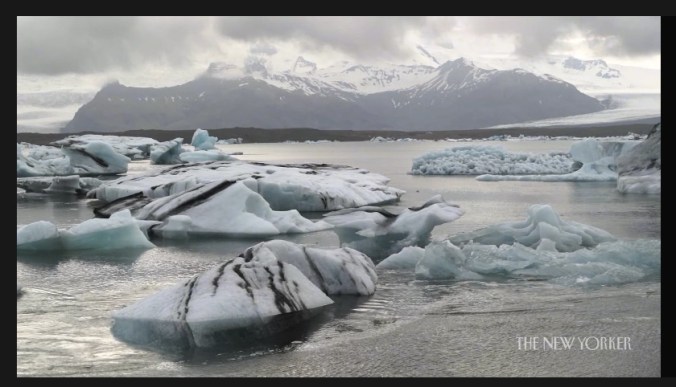
It is about two years since several of us took turns reading drafts of Seth’s honors thesis. We had been reading the summaries of his archival research since the summer of 2013, and by March 2014 he was describing Iceland in centuries past in a manner that made us hope such a place still existed. This small video makes us think it may still exist. It reminds us: we must go soon (as 19th century adventurers also said). It is too beautiful to describe in words, so instead may we recommend clicking on the image above and just going for a few minutes?

For The Pleasure Of It

fenn002_wide-60ad3787c2cdba4c577f1a4ed6f5d0622d31862d-s700-c85

We have plenty of readers on these pages who have the time, the energy and smarts to crack the code on this, so must pass this along to them:

Seeking Adventure And Gold? Crack This Poem And Head Outdoors

An eccentric millionaire from Santa Fe hid a chest full of gold and precious gems in the Rocky Mountains six years ago. Today, thousands of treasure hunters are obsessed with finding it.


If You Happen To Be In New York City

160314_r27801-690

PHOTOGRAPH BY DINA LITOVSKY FOR THE NEW YORKER

We took a respite from thinking about Ethiopian food for some months, following our brief exploration of Ethiopia but this item in the current issue of the New Yorker reminds us of why that all held our attention so firmly. It gets us thinking about a return trip to Ethiopia. It has us wondering where have the last 363 days gone? Whet the appetite here:

Abyssinia

For lovers of Ethiopian food, recent years were marked by two seismic events in Harlem. First, Tsion Café and Bakery opened on Sugar Hill, serving steaming piles of stew atop injera.

Continue reading

You Are Here

You Are Here.

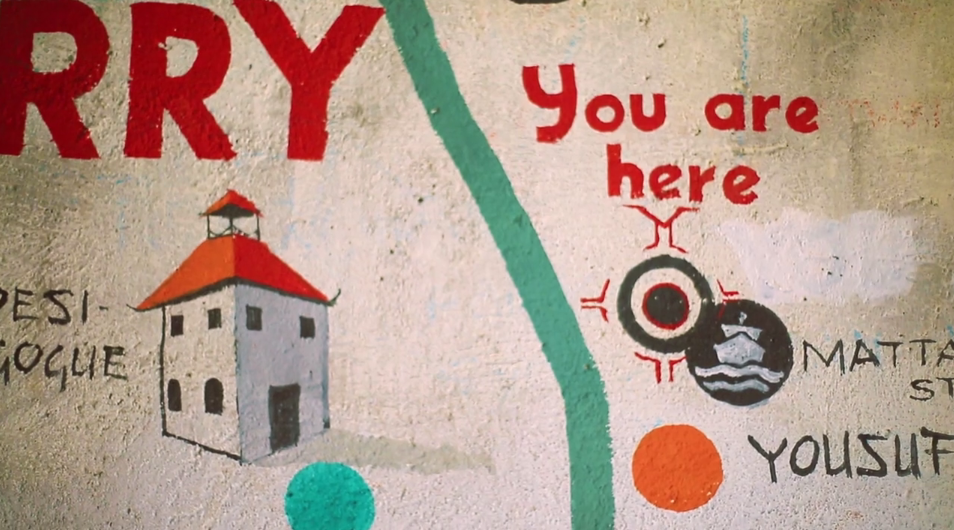
Three small words found on map boards from metros to malls around the world, usually accompanied by a red dot. Existential words to be sure. Words whose underlying message begs us to live with intention.

The RAXA Collective team crafted the Xandari Harbour walking map with the same deliberateness.

Come explore with us!

Step out from Xandari Harbour’s red door. Go right. Go left. You can’t go wrong!


click below to view the map!

Continue reading