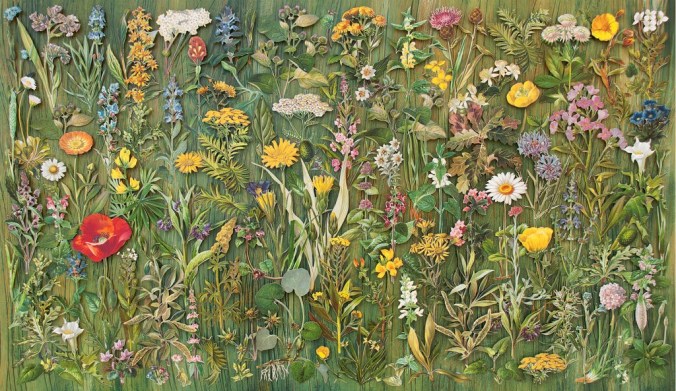
Butterflies Bear Bucolic Benefits

merlin_138359769_63074afa-6c7c-4550-acd6-302cfc29161d-jumbo

Milkweed was first mentioned in these pages  so long ago I had forgotten their importance to Monarch butterflies, a seemingly perennial topic for our contributors. So thanks to Margaret Renkl for keeping that tradition going in her Monday op-ed, and reminding us in the process that while it is not all good news out there, it is also not all bad news:

Monarchs in My Garden, at Last

NASHVILLE — I was pretty proud of myself the spring I planted my first organic garden. It was the mid-1980s, and I was a first-year graduate student in creative writing, a program entirely unrelated to horticultural mastery. But I had taken a college course in environmental biology, and I knew the basics: The more chemicals you use in a garden, the more chemicals you’ll need in the garden. It’s a self-perpetuating cycle, more reliable than the seasons.

At my house, companion planting — marigolds in between the broccoli, tomato vines encircling the spinach — would repel bugs the natural way. Any lingering pests would be dispatched by beneficial insects like ladybugs and praying mantises. One evening I watched happily as cabbage white butterflies flitted over silvery broccoli leaves. Those little white butterflies pausing in the gloaming on the water-beaded broccoli made for a tableau of bucolic harmony. Continue reading
Finn The Wonder Dog, And Other Introduced Species

KarenAndrew_Finn-1-1260x708

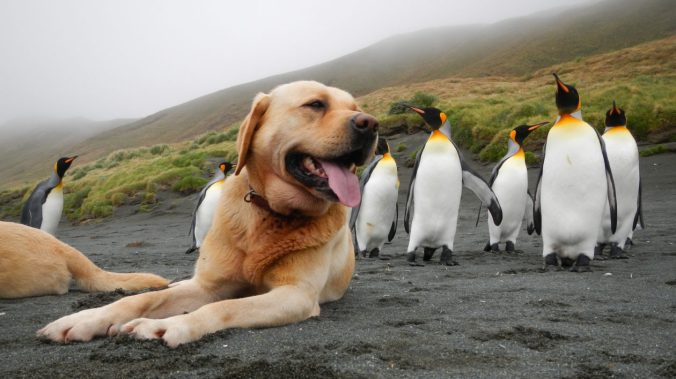
Finn the Wonder Dog on Macquarie Island with king penguins. Photo © Karen Andrew/New Zealand Department of Conservation

Thanks to Ted Williams at Cool Green Science for this article about the eviction of an invasive species in a remote location with charismatic species both native and introduced:

16051893298_01a0a7f12f_k-1260x708.jpg

Choros Field Work. Photo © Island Conservation

Early in the 20th century settlers on the islands of Chañaral and Choros off northern Chile had a brainstorm: They’d create a ready supply of fresh meat by unleashing European rabbits.

It worked out as well as rabbit introduction in Australia. Continue reading

Preparing For Reef Wipeout, Corals Bred In Captivity

1200 (1)

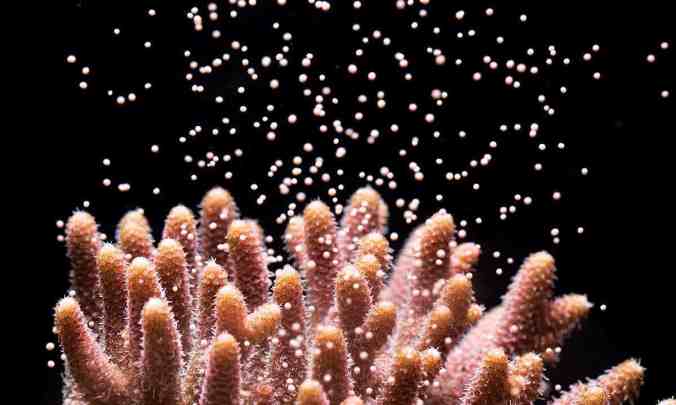
Coral spawning at the Horniman museum. Photograph: James Craggs/Horniman Museum

The Horniman Museum and Gardens in the UK is doing important work related to coral reef regeneration. Thanks to Damian Carrington and the Guardian for bringing this to our attention:

New lab-bred super corals could help avert global reef wipeout

Pioneering research on cross-species coral hybrids, inoculations with protective bacteria and even genetic engineering could provide a lifeline for the ‘rainforests of the oceans’

coral-reefs-a-globally-important-habitat-but-threaten-image-by-j-craggs-horniman-museum-and-gardens

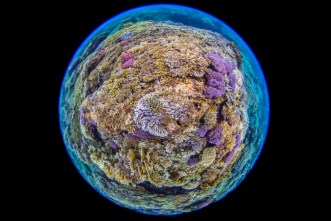
Coral reefs are globally important habitats

New super corals bred by scientists to resist global warming could be tested on the Great Barrier Reef within a year as part of a global research effort to accelerate evolution and save the “rainforests of the seas” from extinction.

Researchers are getting promising early results from cross-breeding different species of reef-building corals, rapidly developing new strains of the symbiotic algae that corals rely on and testing inoculations of protective bacteria. They are also mapping out the genomes of the algae to assess the potential for genetic engineering.

planulae-held-in-the-tentacles-of-tubastrea-coccinea-image-by-j-craggs-horniman-museum-and-gardens

Planulae held in the tentacles of Tubastrea coccinea prior to release

Innovation is also moving fast in the techniques need to create new corals and successfully deploy them on reefs. One breakthrough is the reproduction of the entire complex life cycle of spawning corals in a London aquarium, which is now being scaled up in Florida and could see corals planted off that coast by 2019. Continue reading

Penguins Once Had Awe On Their Side

Ancient Penguins Were Giant Waddling Predators

19SCI-ZIMMER-blog427

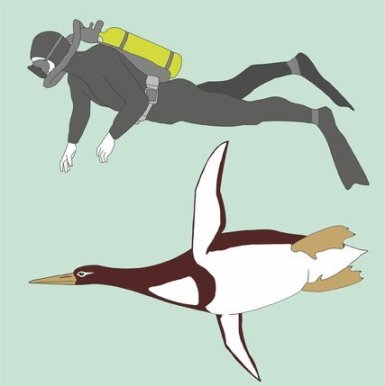
An artist’s rendering compares Kumimanu biceae, an extinct giant penguin, to a human diver. Kumimanu stood 5 feet 7 inches and weighed 220 pounds. It is among the earliest known penguin species. Credit G. Mayr/Senckenberg Research Institute

The 57 million-year-old fossil is both fearsome and comical: a long-beaked penguin that stood 5 feet 7 inches tall and weighed about 220 pounds.

“It was as tall as a medium-sized man,” said Gerald Mayr, a paleontologist at the Senckenberg Research Institute in Frankfurt, Germany, and lead author of a report in Nature Communications on Tuesday announcing the discovery.

By comparison, the tallest living species, the emperor penguin, reaches about four feet in height. Kumimanu biceae, as the fossil was named, would have towered above the emperor, and above just about all other known ancient penguins. Continue reading

Kelp Forest Versus Kelp Farm

Shutterstock_ChannelIslandsKelpCalifornia_web

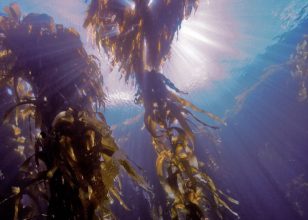
Kelp forest commentary is not new to our pages, but much more frequently the generic category seaweed has been highlighted for its farming potential. We have apparently not give sufficient attention to the specific value of natural kelp forests. Thanks to Yale 360 and science writer Alastair Bland for this story:

As Oceans Warm, the World’s Kelp Forests Begin to Disappear

Macrocystis_Scott_Ling_web

The progression of the destruction of a kelp forest in Tasmania by urchins, photo 1/3.

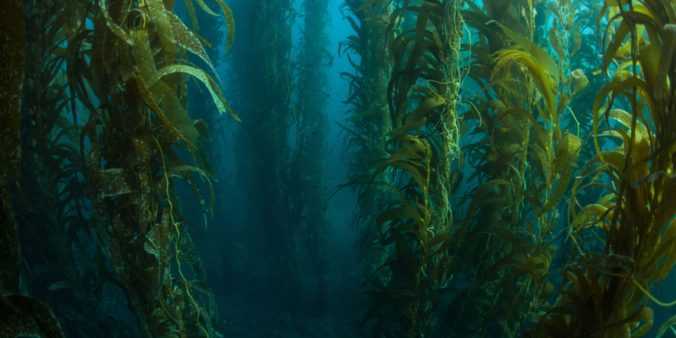
Kelp forests — luxuriant coastal ecosystems that are home to a wide variety of marine biodiversity — are being wiped out from Tasmania to California, replaced by sea urchin barrens that are nearly devoid of life.

A steady increase in ocean temperatures — nearly 3 degrees Fahrenheit in recent decades — was all it took to doom the once-luxuriant giant kelp forests of eastern Australia and Tasmania: Thick canopies that once covered much of the region’s coastal sea surface have wilted in intolerably warm and nutrient-poor water.

centro_overgrazing_phase_shift_Tasmania2_SDLing_web

The progression of the destruction of a kelp forest in Tasmania by urchins, photo 2/3.

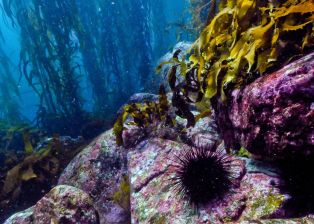
Then, a warm-water sea urchin species moved in. Voracious grazers, the invaders have mowed down much of the remaining vegetation and, over vast areas, have formed what scientists call urchin barrens, bleak marine environments largely devoid of life.

Today, more than 95 percent of eastern Tasmania’s kelp forests — luxuriant marine environments that provide food and shelter for species at all levels of the food web — are gone. With the water still warming rapidly and the long-spine urchin spreading southward in the favorable conditions, researchers see little hope of saving the vanishing ecosystem.

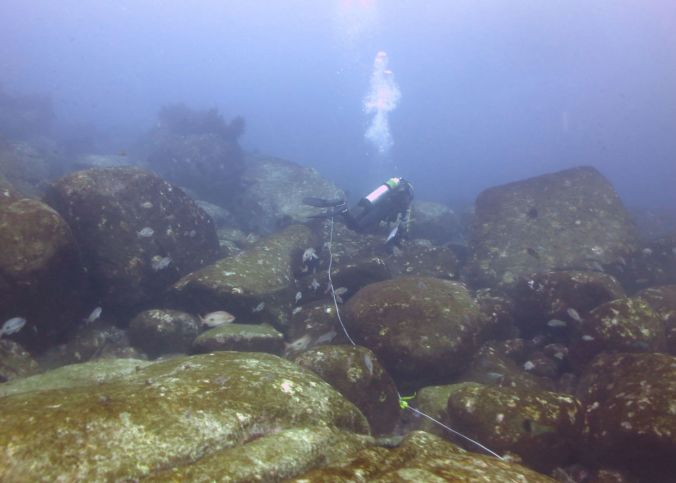
Diver_surveying_overgrazed_reef_web The progression of the destruction of a kelp forest in Tasmania by urchins, photo 3/3. The Australian island state has lost more than 95 percent its kelp forests in recent decades. COURTESY OF SCOTT LING Continue reading

With Gene-Altering Schemes, Be Careful What You Wish For

merlin_130180247_f155f48f-78b8-4667-8348-506d3ed9edeb-master768

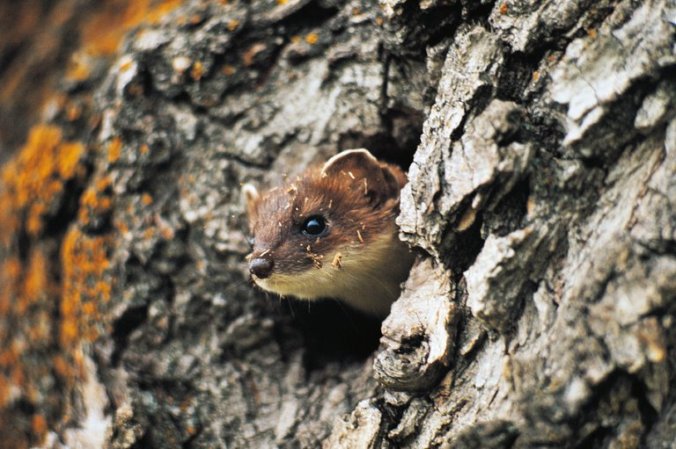
The short-tailed weasel, or stoat, decimated native bird populations after it was introduced to New Zealand. Altering the genes of invasive animals might save threatened species, scientists said, but could also have devastating consequences. Credit DeAgostini, via Getty Images

Two days ago we were intrigued by the notion; today, not so much. Is it a cat fight between two of the science writers most often linked to in these pages? Or perhaps it is an example of how scientific consensus is built:

‘Gene Drives’ Are Too Risky for Field Trials, Scientists Say

In 2013, scientists discovered a new way to precisely edit genes — technology called Crispr that raised all sorts of enticing possibilities. Scientists wondered if it might be used to fix hereditary diseases, for example, or to develop new crops.

One of the more intriguing ideas came from Kevin M. Esvelt and his colleagues at Harvard University: Crispr, they suggested, could be used to save endangered wildlife from extinction by implanting a fertility-reducing gene in invasive animals — a so-called gene drive. Continue reading

Empathic Survival Strategy

Kolbert-On-the-Fate-of-Earth_05.jpg

Photograph courtesy the author

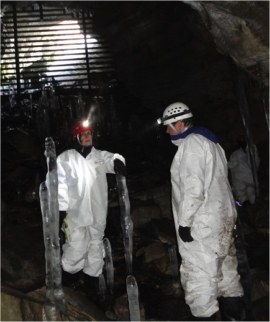
Finally, the author we link out to with frequency (respectfully and affectionately noting her role in highlighting doom on the horizon), has offered a photo of herself in the setting of one of her stories. It is a cave with a story to tell, and while the story is not one we want to hear it is one we must ponder. That is why we keep linking out to her writing.

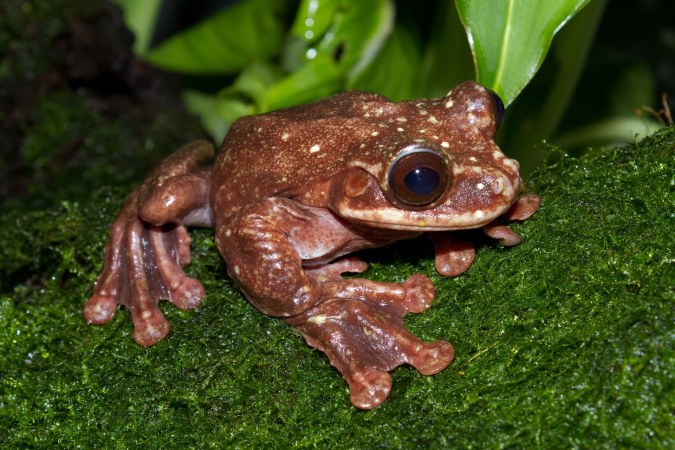
This is among her best short offerings, written originally to be a speech, with the creature below featured in compelling manner:

Kolbert-On-the-Fate-of-Earth_01

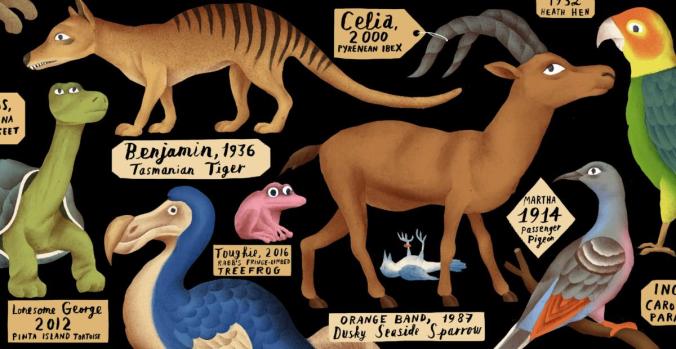
A Rabbs’ fringe-limbed tree frog. Photograph by Brian Gratwicke / Flickr

The Fate of Earth

Humanity’s survival on this planet seems more uncertain than ever. But what happens when we look at ourselves through other creatures’ eyes?

By 

Yesterday evening, at Manhattan’s New School, the New Yorker staff writer Elizabeth Kolbert delivered the second annual Jonathan Schell Memorial Lecture on the Fate of the Earth, an event established by the Nation Institute in honor of the late Jonathan Schell, a longtime New Yorker staff writer, and named for “The Fate of the Earth,” a series of articles that Schell wrote for the magazine in 1982 and later published as a book. Kolbert’s remarks have been edited for length. Continue reading

Unlikely Underdog Progress

05TB-TORTOISE1-master768

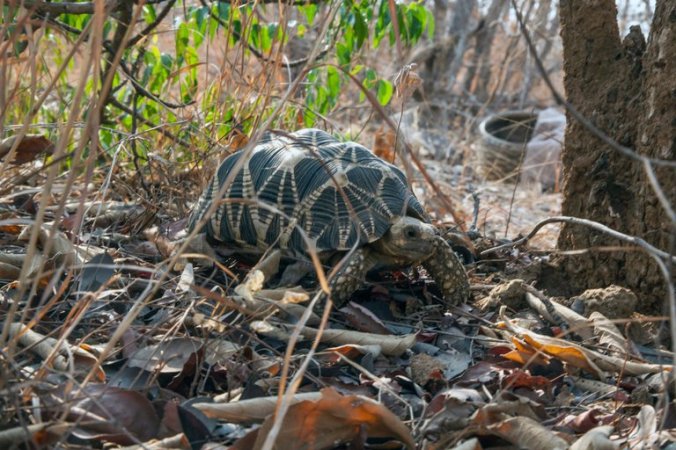
The Burmese star tortoise was declared functionally extinct in the early 2000s, but conservation efforts have helped the species make a comeback. Credit Eleanor Briggs

Thanks to Steph Yin for news out of Burma, of all places:

Slow and Steady, a Tortoise Is Winning Its Race With Extinction

The Burmese star tortoise was almost history.

By the early 2000s, the natives of central Myanmar’s deserts had dwindled to such low counts in the wild that ecologists declared them functionally extinct. Continue reading

Entomological Wonders Will Never Cease

Crane_Tiny-Parasite-Could-Save-Darwins-Finches

Galápagos finches, which helped inspire the theory of evolution, are under urgent threat. Will a controversial scientific technique be their deliverance? Photograph by Mint Images Limited / Alamy

Thanks to Brent Crane writing in the Elements section of the New Yorker’s website:

A Tiny Parasite Could Save Darwin’s Finches from Extinction

Five years ago, George Heimpel, an entomologist at the University of Minnesota, travelled to Trinidad in search of insect larvae. He was after several kinds in particular—Philornis downsi, a fly whose parasitic young feed on the hatchlings of tropical birds, and various minuscule wasp species whose own offspring feed on those of the fly. Continue reading
Elephants, Orangutans, Rhinos & Tigers–What Are They Worth To Us?

4256n.jpg

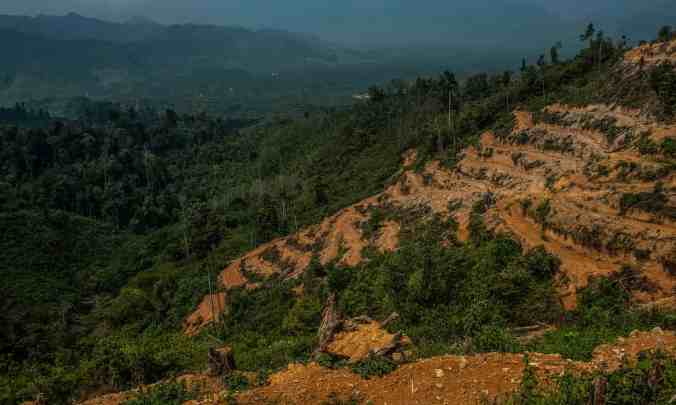
Deforestation in the Leuser ecosystem, one of the last homes to Sumatran elephants, orangutans, rhinos and tigers. Photograph: Sutanta Aditya/Barcroft Images

Thanks to the Guardian:

Pepsico, Unilever and Nestlé accused of complicity in illegal rainforest destruction

Palm oil plantations on illegally deforested land in Sumatra – home to elephants, orangutans and tigers – have allegedly been used to supply scores of household brands, says new report Continue reading

“Arks of the Apocalypse”

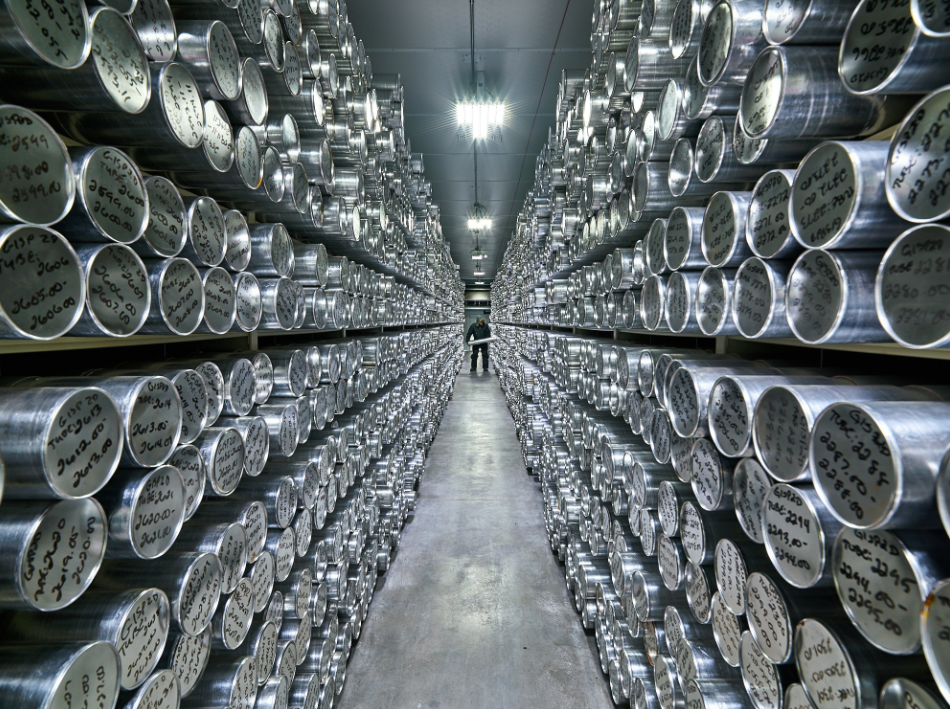
U.S. National Ice Core Laboratory, Lakewood, Colo. photo credit: Spencer Lowell for The New York Times

Thanks again to the New York Times for highlighting the global nature of this scientific “call to arms” to save not only data, but genetic and organic material as a back-up plan for future generations. From the Svalbard Global Seed bank in Norway, to sperm banks for coral, endangered wildlife, and even glacial ice – these archives are meant to provide both a life line to the future and answers about the past.

The fragility of each project is evident as Science itself has come under attack from current public policy, which doesn’t appear to see the irony of their denial in the face of facts about climate change.

It was a freakishly warm evening last October when a maintenance worker first discovered the water — torrents of it, rushing into the entrance tunnel of the Svalbard Global Seed Vault, a storage facility dug some 400 feet into the side of a mountain on a Norwegian island near the North Pole. A storm was dumping rain at a time of year when the temperature was usually well below freezing; because the water had short-circuited the electrical system, the electric pumps on site were useless. This subterranean safe house holds more than 5,000 species of essential food crops, including hundreds of thousands of varieties of wheat and rice. It was supposed to be an impenetrable, modern-day Noah’s ark for plants, a life raft against climate change and catastrophe.

A few Norwegian radio stations and newspapers reported the incident at the time, but it received little international attention until May, when it was becoming clear that President Trump was likely to pull the United States out of the Paris climate agreement. Suddenly the tidings from Svalbard were everywhere, in multiple languages, with headlines like “World’s ‘Doomsday’ Seed Vault Has Been Breached by Climate Change.” It didn’t matter that the flood happened seven months earlier, or that the seeds remained safe and dry. We had just lived through the third consecutive year of the highest global temperatures on record and the lowest levels of Arctic ice; vast swaths of permafrost were melting; scientists had recently announced that some 60 percent of primate species were threatened with extinction. All these facts felt like signposts to an increasingly hopeless future for the planet. And now, here was a minifable suggesting that our attempts to preserve even mere traces of the bounty around us might fall apart, too.

Continue reading

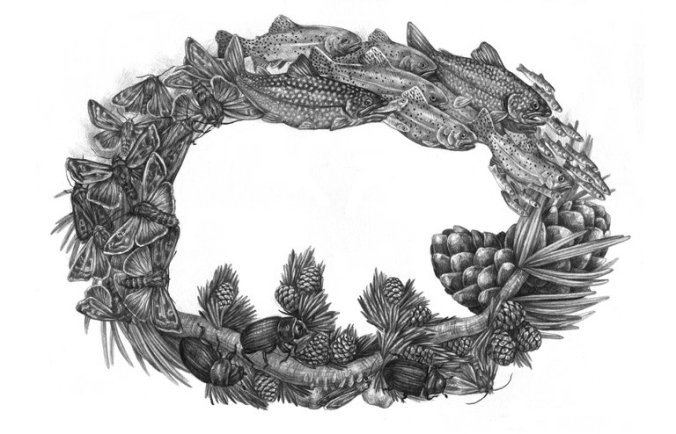
Pines, Beetles & Grizzlies

15mcnamee-master768

Zoe Keller

Thanks to Thomas McNamee for his opinion on these matters:

The Government Is Now the Yellowstone Grizzly’s Biggest Threat

In March 2016, the United States Fish and Wildlife Service proposed removing the Yellowstone grizzly bear population from the list of threatened species. The uproar was ferocious. Conservationists, scientists, 125 Indian tribes and some 650,000 citizens expressed concern about the move.

Now the government has gone and done it anyway. Continue reading

Keeping Species Populations Healthy


lead_960x.jpg

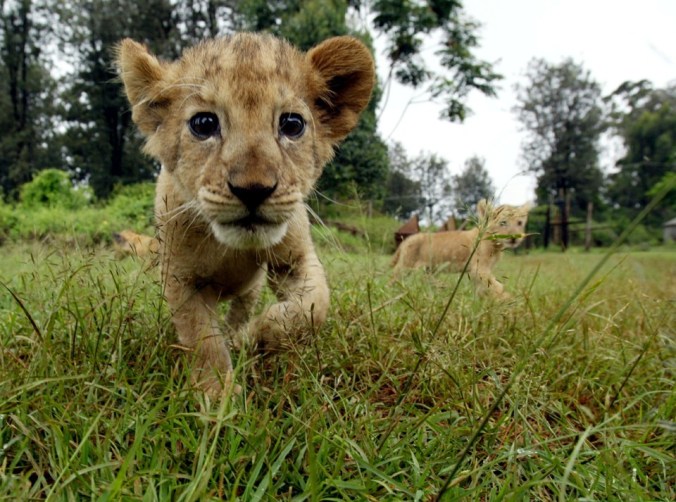
Lion cubs in Kenya. Radu Sigheti / Reuters

At Chan Chich Lodge we are aware that the half million acres of forest surrounding us are essential habitat not just for the specific jaguars, pumas, ocelots, margays and jaguarundis we have the good fortune to see with some frequency. Rather, that scale of acreage is essential for species survival. We are in a large forest corridor that is increasingly rare and unfortunately fragile in other locations throughout the Americas where they still exist. We do what we do with that in mind. Thanks to Ed Yong, at the Atlantic, for this context on extinction:

Imagine if every animal and plant on the planet collapsed into a single population each, says ecologist Gerardo Ceballos. If lions disappeared except from one small corner of Kenya, the prey they keep in check would run amok everywhere else. If sparrows were no more except in one Dutch forest, the seeds that sparrows disperse would stay in place everywhere else. If honeybees became isolated to one American meadow, the flowers that they pollinate would fail to reproduce everywhere else. None of those species would be extinct per se, “but we’d still be in very bad shape,” says Ceballos. Continue reading

Preserving Biodiversity to Feed the World

BioDiv.jpg

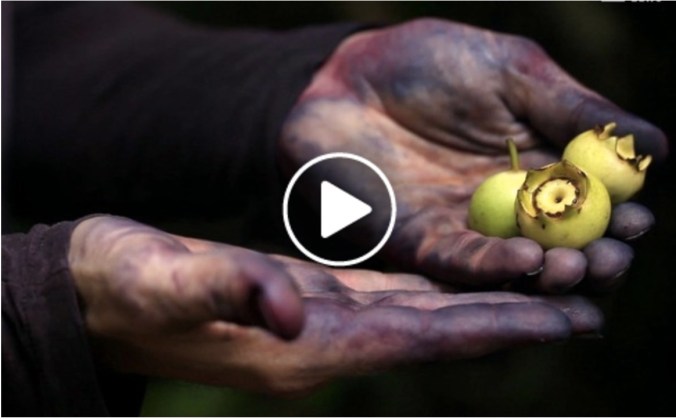
Thanks again to Atlantic for its occasional short film series, and in this case specifically to Erica Moriarty for bringing our attention to a video by Independent Lens available for sampling over at PBS (click the image above):

In the last century, 94% of the world’s seed varieties have disappeared. Family farmsteads have given way to mechanized agribusinesses to sow genetically identical crops on a massive scale. In an era of climate uncertainty and immense corporate power, farmers, scientists, lawyers, and indigenous seed keepers are on a mission to defend the future of food. Botanical explorer Joseph Simcox has been to over 100 countries, collecting thousands of seeds. In this documentary from Independent Lens, he travels to the Peruvian Amazon. Continue reading

Last Of A Kind

what-do-you-call-the-last-of-a-species-1200

The word “endling” has given artists, writers, and others a new way to reckon with the meaning of extinction. ILLUSTRATION BY BJØRN LIE

Douglas Adams provided my first adult consideration of extinction, after a childhood fascination with dinosaurs, which I loved in part because of the mythology that their extinction seemed to encourage; Last Chance to See was an eye-opener, sad, funny and more. So this post on the New Yorker website catches my attention. Same depressing topic, with a New Yorker twist of wit:

WHAT DO YOU CALL THE LAST OF A SPECIES?

By Michelle Nijhuis

When Robert Webster, a physician in Jasper, Georgia, died, in 2004, he was survived by his wife of more than half a century, two daughters, four grandchildren, and a single word, which he had coined himself: “endling,” defined as the last person, animal, or other individual in a lineage.

Continue reading

New Rules, Fishing & Conservation

seal-caught_custom-88cc31db868f28dc5d59726aed04e66499e21c83-s1400-c85.jpg

Divers release a seal from fishing gear. Getting entangled in active or abandoned fishing gear often leads to injury or death in marine mammals. NOAA Marine Debris Program/Flickr

Thanks to the salt folks at National Public Radio (USA) for this news on a rule change that could do for all marine mammals what has already been done for dolphins:

The vaquita is a small porpoise found only in the northern Gulf of California, in Mexico. Today, the species is critically endangered, with less than 60 animals left in the wild, thanks to fishing nets to catch fish and shrimp for sale in Mexico and America. The animal is an accidental victim of the fishing industry, as are many other marine mammals. Continue reading

Thank You, China, For Pandolin Protection

gettyimages-630598630_wide-7e4e677e0cd500d7c0e39f09b54a995411618f81-s1100-c85

An undated photo, released Wednesday, shows Shanghai customs officers checking pangolin scales at a port in Shanghai. Chinese customs seized over three tonnes of pangolin scales, state media said, in the country’s biggest-ever smuggling case involving the animal parts. STR/AFP/Getty Images

Thanks to National Public Radio (USA) for reporting the news related to this remarkable animal:

China Announces Its Largest-Ever Seizure Of Trafficked Pangolin Scales

Camila Domonoske

Chinese officials have seized 3.1 tonnes (more than 3.4 tons) of illegally trafficked pangolin scales from a port in Shanghai, according to state media. Continue reading

Fast Cats’ Feast

The cheetah is the fastest animal on land—a fact that is often repeated, but seldom truly appreciated. When documentary-makers film cheetas, they typically go for low-angle close-ups that capture the creature’s majesty, but that underplay its speed. The BBC’s The Hunt bucked the trend last year with aerial shots that reveal just how fast the cheetah is.

Ed Yong, writing on the Atlantic’s website, refers to the video clip above with his opening paragraph of Cheetahs Never Prosper. The cat lays the table for its feast, in full speed, and then Mr. Yong shares some plain truths: Continue reading

Bees In Need Get Boost

3000b

Honeybees alone are responsible for boosting the production of fruits, nuts and vegetables. But bee and other pollinator populations in the US have been in decline in recent years. Photograph: Klas Stolpe/AP

Thanks to the Guardian:

Bee’s knees: a new $4m effort aims to stop the death spiral of honeybees

General Mills is co-funding a project with the federal government to restore the habitat of pollinators such as bees and butterflies on North American farms Continue reading

The Great Iguana Comeback

11tb-iguana1-superjumbo

The Jamaican rock iguana, a critically endangered species, is making a comeback. Credit Robin Moore

We love comeback stories! Here is a great one from an island country that was featured in these pages much more last year, and we miss hearing about the place:

Jamaican Rock Iguanas Get a Shot at a New Home in the Wild

By

Meet the Jamaican rock iguana. Its scaly body stretches around two feet long, tail not included. Slate blue spikes stick up along its spine, and a saggy sac of loose skin wraps around its head like a hoodless cowl. When cornered, it strikes with its front claws — one reportedly ripped an eye from a dog. Continue reading