
Sambar Deer is one of the dominant deer species in the Periyar Tiger Reserve and an important food source for the three sympatric large carnivores – Tigris, Leopard and Dhole (wild dogs).
Sambar Deer is one of the dominant deer species in the Periyar Tiger Reserve and an important food source for the three sympatric large carnivores – Tigris, Leopard and Dhole (wild dogs).
Mr. Richard George from England stayed at Cardamom County and shared some of his wild life experiences from his visit to the Periyar Tiger Reserve.
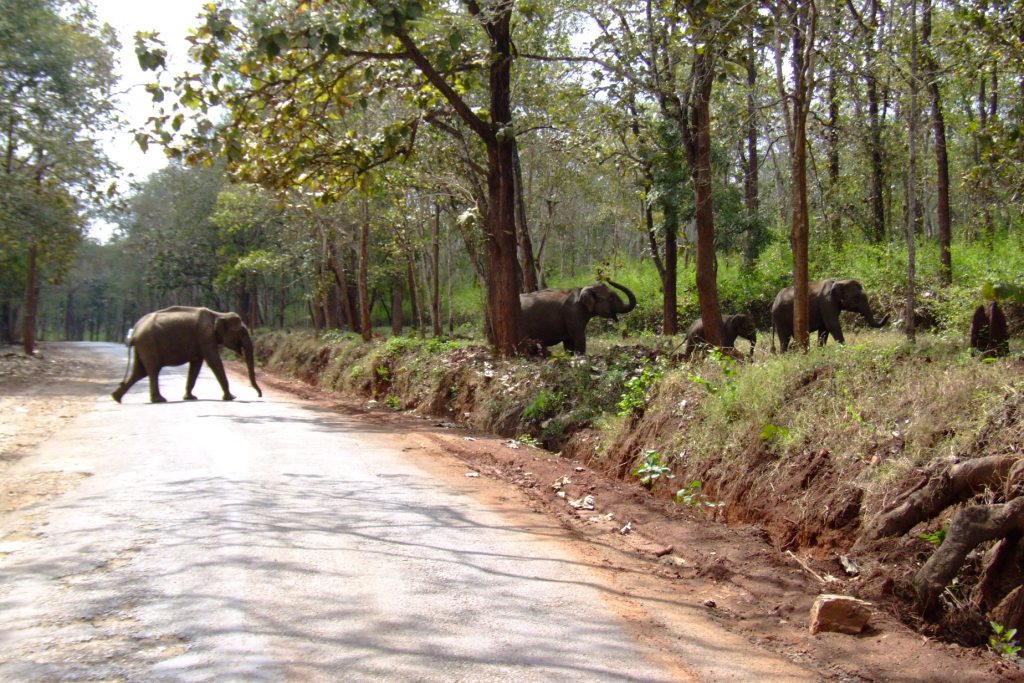
Photo credits: Ramesh Kidangoor
Part of the Nilgiri biosphere, Wayanad Wildlife Sanctuary is an area of 344.44 square kilometres formed by two discontinuous pockets, Muthunga in the south and Tholpetty in the North. Nearly one third of the area is covered by plantations of Teak, Rosewood, Silver oak and eucalyptus.The rest is covered with Bamboo groves, moist deciduous and semi- evergreen forests. The sanctuary boasts a rich fauna, with elephants and deer the most commonly sighted.

The common garden lizard is a medium- sized, arboreal lizard with an oval head and laterally compressed body. In the male, the cheeks are muscular and swollen. Females are considerably smaller. Continue reading

The Periyar Tiger Reserve is popular for its animal sightings, scenic splendour and biodiversity. The common Indian Monitor is the only known species of monitor lizard found in the reserve.

The Indian Moon Moth is an ethereal-looking, nocturnal insect found in the Periyar Tiger Reserve but is also widely distributed throughout India. The ochreous moon spots on the light green wings earned this moth its name.
Continue reading
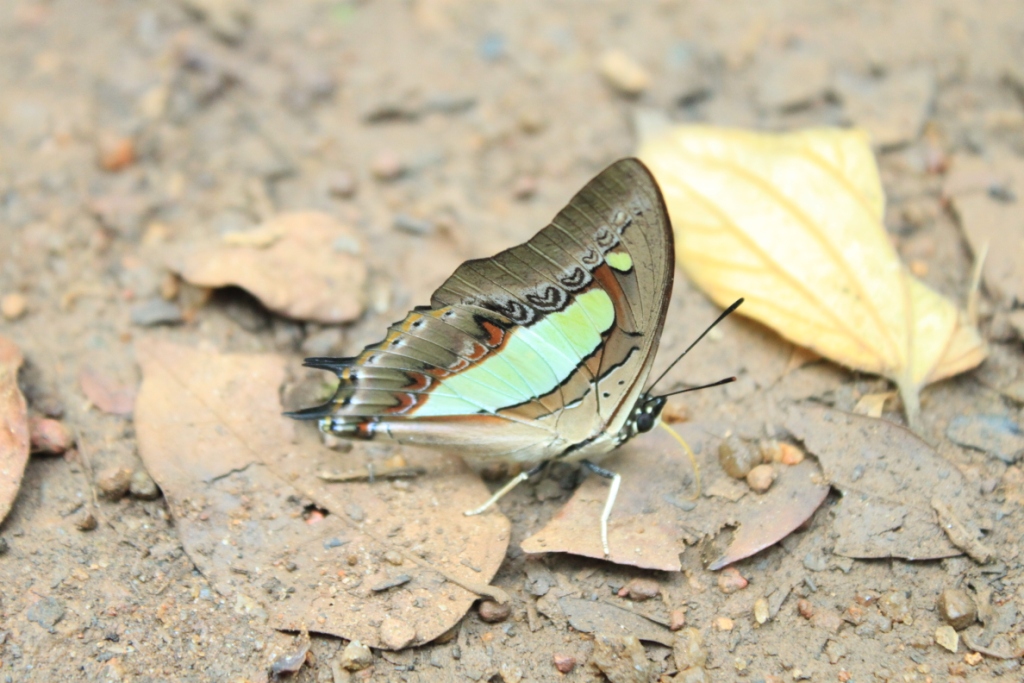
Nawab Butterflies are frequently found inside the forest, in damp patches as well as open areas such as pathways and fields. The butterflies have yellow and green patches on both side of the wings. Continue reading

Bi-Coloured Frogs are endemic to the Western Ghats, especially in Periyar Tiger Reserve. The tropical climate and abundant rain combine to create rich and varied niches that offer safe haven for these amphibians. The leaf litter–the most nutrient and species rich strata–is a favourite hunting ground for these frogs.
Cardamom County guests, Mr. & Mrs. Renjith, visited Periyar Tiger Reserve and shared some of their wildlife experiences with us.
The IUCN released the most recent list of 100 Most Threatened Species last week. Read it and weep. Or get activated. Look at what SOS is doing and see what you can do to make a difference.
Our guests Mr.& Mrs. Brayan shared some of their wild life experiences from their visit to Periyar National Park.
Eravikulam National Park is situated along the crest of the western Ghats in the High Ranges near to Munnar. The rolling grasslands and striking flora and fauna draw a large number of visitors to Rajamala Wildlife Sanctuary, a section of the national park. The majority of the National Park is made up of rolling plateau with a base elevation of about 2000 meters. The largest surviving population of Nilgiri Tahr (Hemitaragus hylocrius) endemic to this region. Continue reading
Chinnar Wildlife Sanctuary is located in the eastern part of the high ranges of Kerala’s Western Ghats. It is regarded as one of the unique protected areas in the whole of the mountainous region due to its ecological, floral, geomorphological and cultural significance. The habitat types range from high altitude shola-grassland to dry thorny scrub. Chinnar Wildlife Sanctuary is near to Munnar situated in the rain shadow region of the Western Ghats, getting rains mostly during the North-East monsoons of October-December. This important watershed area feeds two perennial rivers; the Pambar and the Chinnar, from which the sanctuary takes its name. Continue reading
 Organikos