Jacaranda Trees, Munnar

Photo credits:Ramesh Kidangoor

Photo credit:  Ramesh Kidangoor

The Jacaranda is a deciduous tree native to South America that can grow up to 20 meters high with magnificent snaking branches.  These trees are planted as an aesthetic addition within the tea plantations of Munnar for their beautiful and long-lasting blue flowers. Continue reading
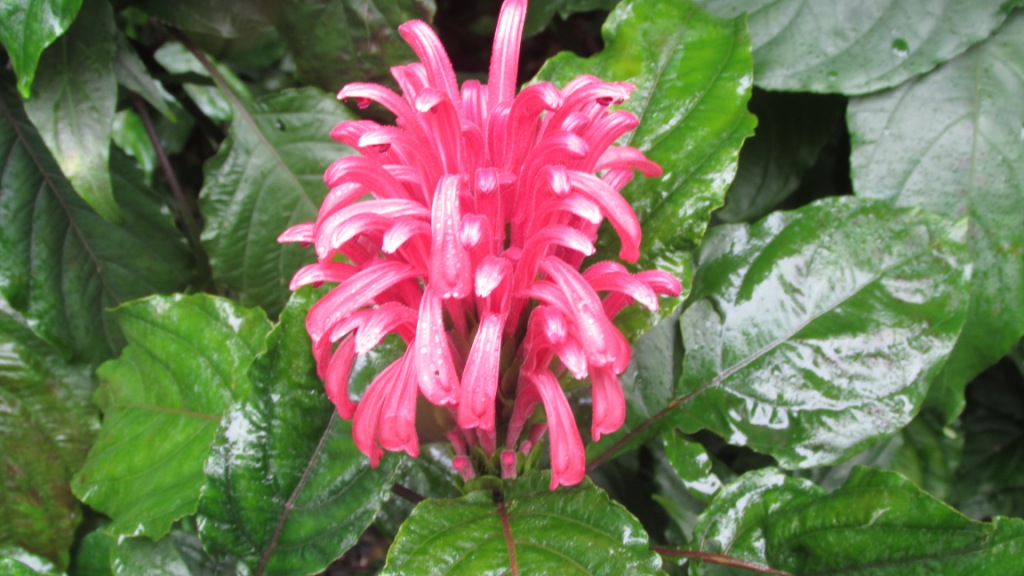
Plume Flower

justicia carnea

justicia carnea

Plume flowers, native to Brazil, are a tropical tender perennial shrub with unusual pods holding many tubular flowers that bloom throughout the summer.  They are naturalized in the Western Ghats of India; the colors can range from Pink, Purple, Orange and Yellow. Continue reading

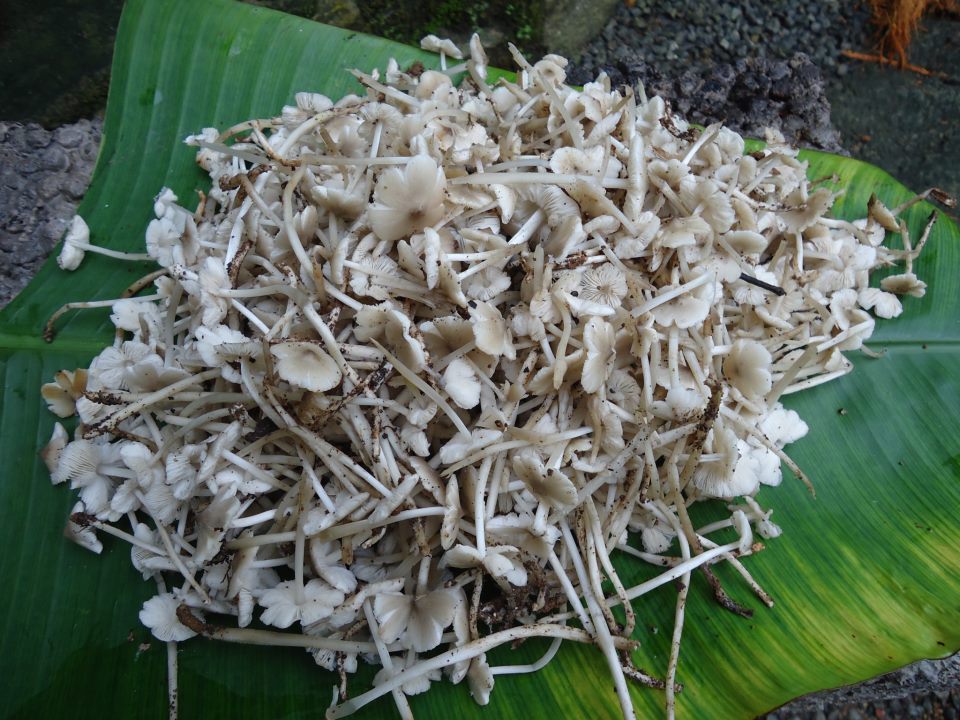
Wild Mushrooms

Wild Mushrooms

Wild Mushrooms

Mushrooms are found on almost every continent and due to the rich flora of Kerala they usually flourish unattended in the Western Ghats. Wild mushrooms are used for cooking various dishes from curries to dry starters and are relished by vegetarians and non-vegetarians alike. Continue reading

Idukki District

Idukki Dam Catchment area

Idukki Dam Catchment area; photo credit: Ramesh Kidangoor

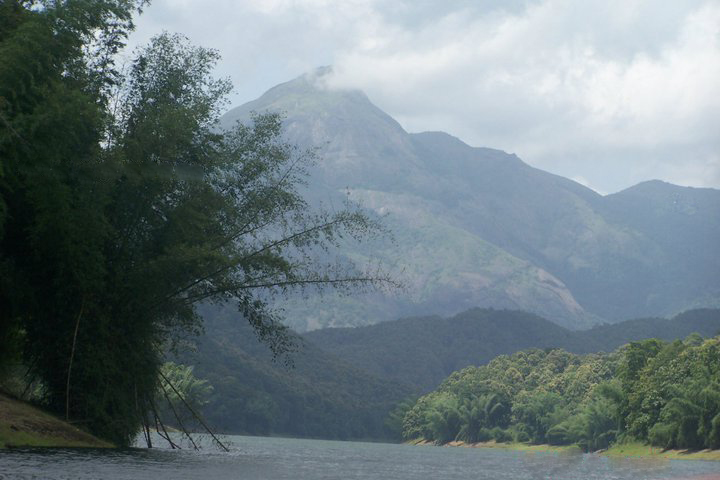
Idukki  is one of the largest district in Kerala, covering 13 percent of the state’s total area. With rugged mountains, dense forests and three big rivers, Idukki generates one third of the state electricity. But the district is more famous for its natural beauty; numerous trekking trails, stunning views and diverse wildlife make it an outdoor enthusiast’s dream destination. Continue reading

Mysore Thunbergia – Ladies’ Shoe

Thunbergia mysorensis

Thunbergia mysorensis

Mysore thunberia is a superlative climber found in the shola forest foothills of the Western Ghats. Blooming from October to February, this highly decorative plant creates quite an impact in any garden. Continue reading

Silky Elephant Glory

Argyreia nervosa

Argyreia nervosa

Native to India, Silky Elephant Glory is a large woody, perennial climber with heart shaped leaves with silky silver undersides–both he leaves and roots are used in traditional medicine.

Continue reading

Beauty of Munnar Tea Plantations

Photo credits:Ramesh Kidangoor

Photo credits: Ramesh Kidangoor

Located above 1700 meters Munnar was the summer residence of the British administration of South India.The British recognized the potential of tea and started planting on about 580 square kilometers of land. Now famous for its tea plantations, Munnar retains its colonial charm with sprawling estates, rolling hills , sparkling waterfalls undulating valleys and hamlets. Continue reading

Neela Kurinji Flower

Strobilanthes kunthiana

Strobilanthes kunthiana

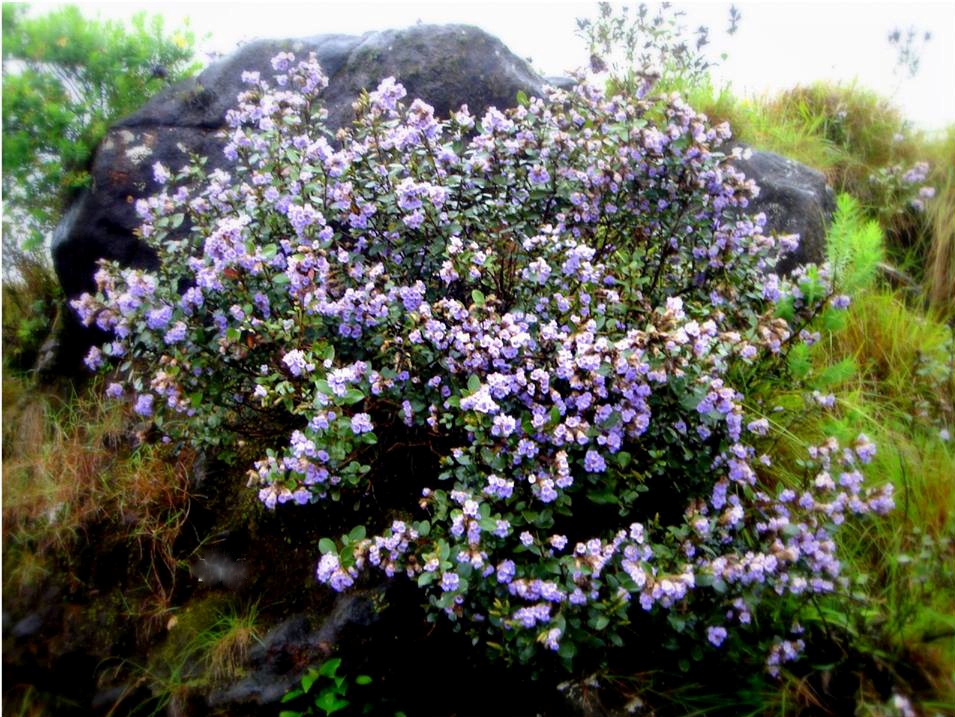
Neela Kurinji is a blue bell-shaped flower found on the hilly slopes of the Western Ghats at an altitude between 6000 and 7000 feet. The unique feature of this tall bushy shrub is that it blooms only once in 12 years. Eravikulam National Park is famous for the flower, which will next bloom in 2018. Continue reading

Parambikulam Wildlife Sanctuary

Photo credits; Renjith K Thomas

Photo credits: Renjith K Thomas

Parambikulam Wildlife Sanctuary lies in the Western Ghats nestled between the Anamalai Ranges of Tamil Nadu and the Nelliyampathi Ranges of Kerala. Spread across 277 sq km, the sanctuary is a heaven of tranquil greenery as well as the first scientifically managed teak plantation. Blessed with rich flora and fauna, Parambikkulam is a paradise for wildlife enthusiasts. Continue reading

Wild Flowers – Blue Dawn Glory

Ipomoea nil

Ipomoea nil

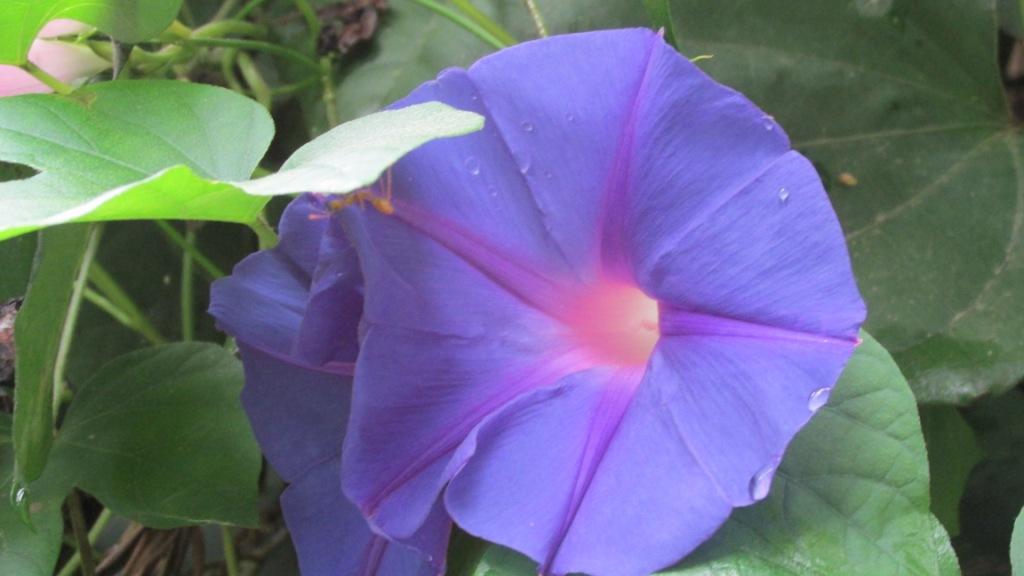
Native to India Blue Dawn Glory is a hairy stemmed, annual twiner seen commonly during the latter half of the monsoon along roads and hedges. The flowers open around sunrise and fade by noon. The seeds of the plant is used in traditional medicine.  Continue reading

Wild Flowers – Red Star Glory

Ipomoea hederifolia

Ipomoea hederifolia

Native to Mexico and naturalised  in India, Red Star Glory is an annual twiner with its bright scarlet flowers and appears towards the end of monsoon. These plants are  commonly seen between 500 meters and 1000 meters. Flowering season is from October to January, the most likely time to see them within Cardamom County and the surrounding hill station ecosystem. Continue reading

Thunbergia fragrans – Sweet Clock Vine

Thunbergia fragrans

Thunbergia fragrans

Native to India, Sri Lanka and Nepal, Thunbergia fragrans, or Sweet Clock Vine, is a slender perennial twiner found plentifully along the hill station roads. It flowers from August to December and cultivated as a garden plant.

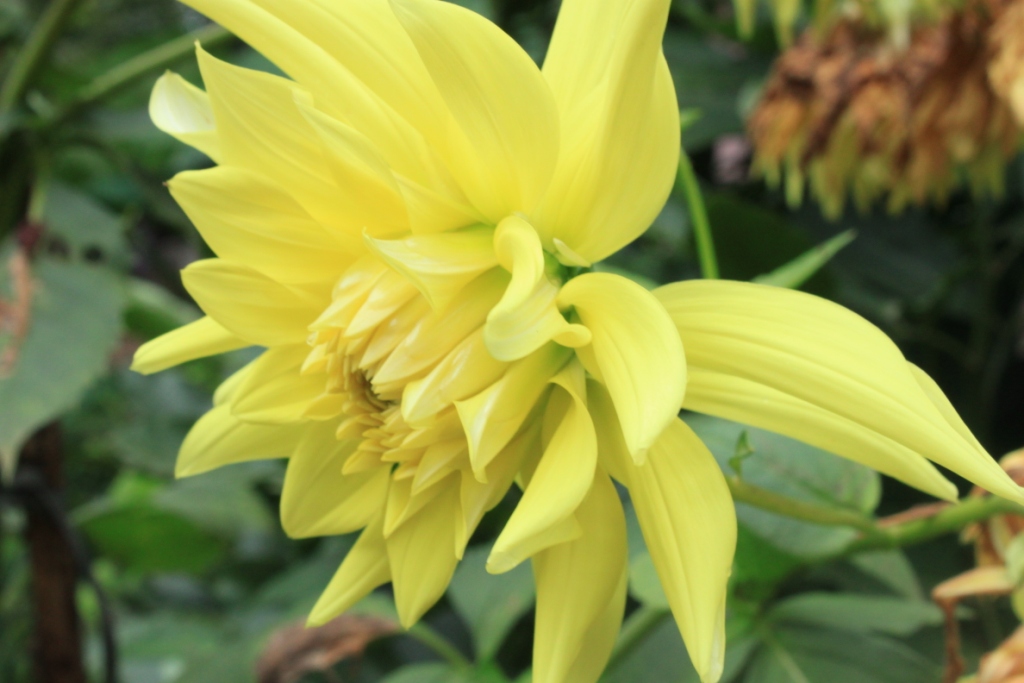
Yellow Dahlia

Yellow Dahlias are the most common member of the species found in Kerala’s hill range gardens. These wonderful, spectacular flowers love locations that are sunny but not too hot. They also thrive in open areas where they can develop undisturbed.

Continue reading

Periyar Trekking – Border Hike

semi evergreen forest

semi evergreen forest

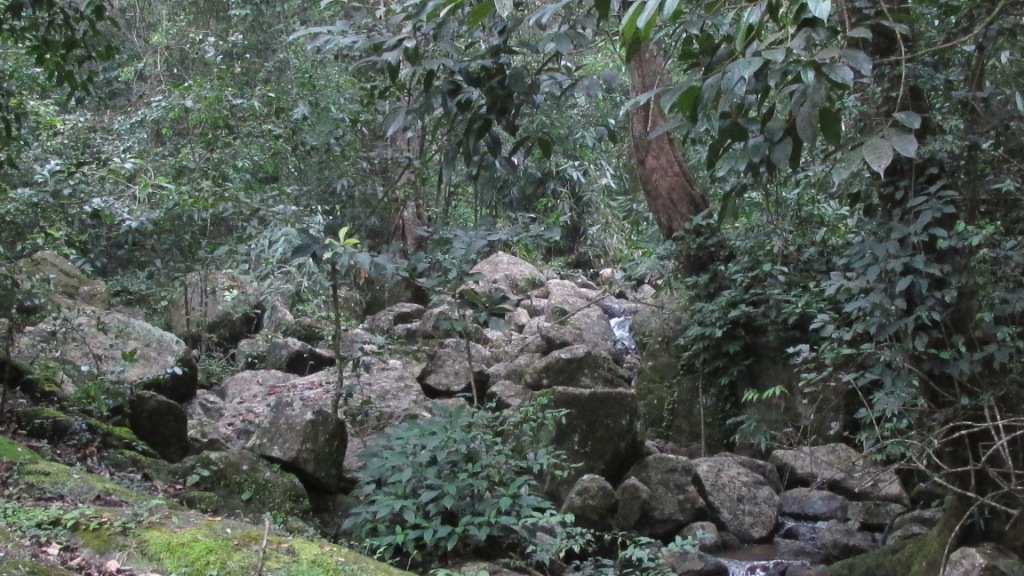
Recent guests from Austria staying at Cardamom County shared photos of their Border Hike experience with us.  The Periyar Tiger Reserve extends over 925 sq kilometers and this particular trek covers a minimum of 18km of the peripheral zone. It’s difficult not to get lost and even more difficult to spot animals in the rich flora of the reserve, hence the importance of the professionally trained forest guides. Continue reading

Periyar Tiger Reserve, Kerala

Photo credits: Kannan

Photo credits: Kannan

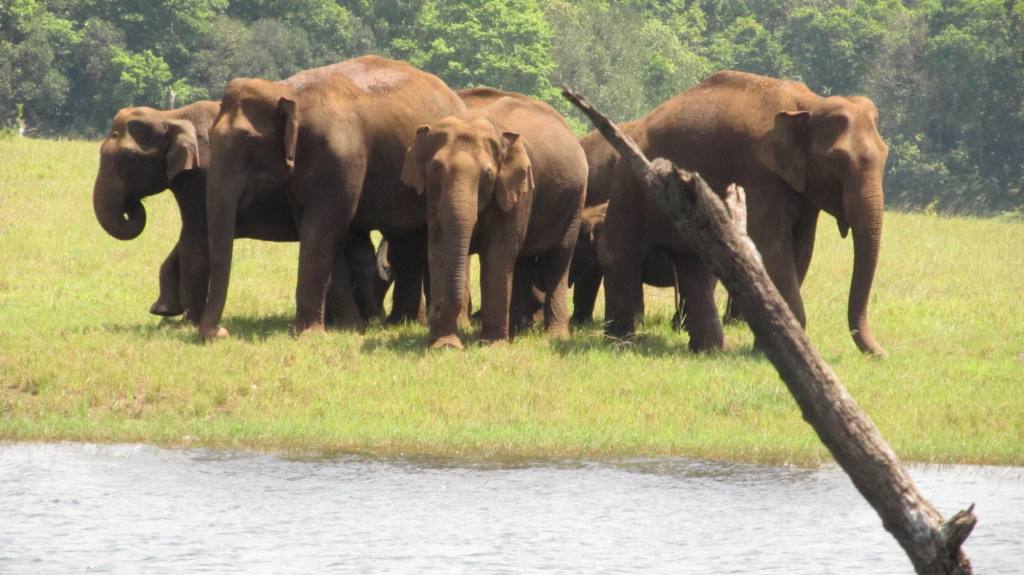
Periyar Tiger Reserve is one of the oldest and largest protected area of Kerala. Spread over 925 sq. km. The predominantly evergreen region is home to a large variety of flora and fauna.  Continue reading

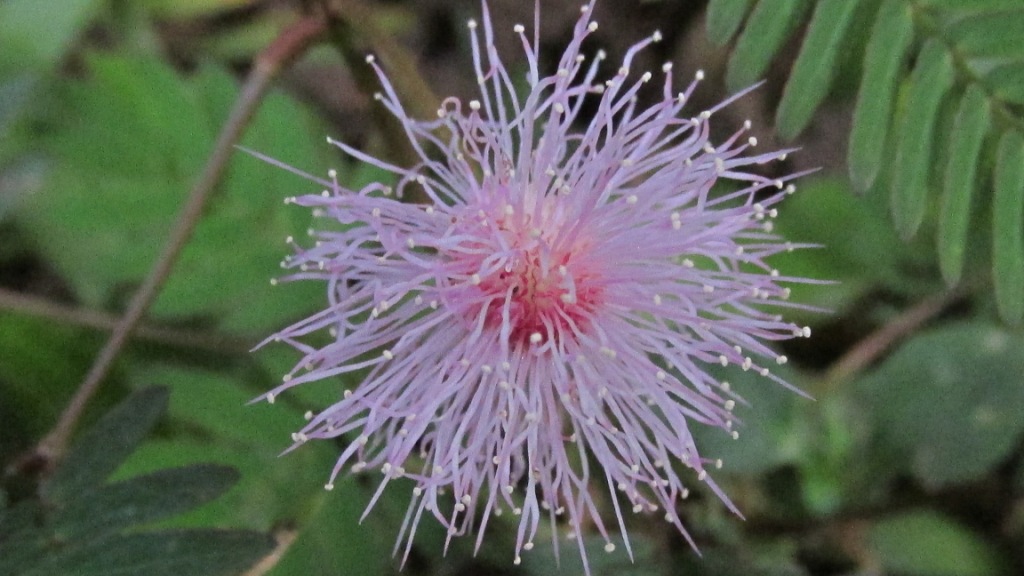
Wild Flowers: “Touch-Me -Not” (Mimosa pudica)

Mimosa pudica

Mimosa pudica

“Touch-me-not” is a low growing prickly shrub with very sensitive compound leaves that close together and droop down when touched. The genus name is derived from Greek mimos, which means mimic and pudica, which means shy, referring to the sensitive leaves. Continue reading

Periyar Sightings – Nature Walk

Photo credits Mr. Shyam

Mr. Shyam, naturalist and tour escort from Wild Kerala Tour Company, went for the Periyar Tiger Reserve Nature Walk last week and has shared some of his photos with Raxacollective. Continue reading

Wild Flowers: Feather-leaved Cassia

Cassia mimosoides

Native to India and Sri Lanka, Feather-leaved Cassias are seen on the forest floor of scrub and degraded forest, prefering hills up to 1600 metres. The plant flowering from October to February, attracting many species of butterfly. Continue reading