Brazilian Beef & Cornellians In Kerala

Click the image below to go to the story.  Brazil, host to the 1992 summit that put the concept of sustainable development into global consciousness, host to its follow up this year, and an erstwhile hotbed of environmentalism, is in recent years also the home of cattle-ranchers and soy farmers who slash and burn the Amazon rainforest in vast swathes to feed a growing global population.  What shall we do?

We have already noted our support of beefs with major corporations over irresponsible forestry practices; and we have a beef with US tax code that warps market forces, reduces the incentive for ecologically sound grazing practices and leads to poorer human health outcomes… but here our beef should be with beef itself, since Brazilian political leaders seem ill-equipped to contain the destruction of Amazon rainforest by enforcing that country’s already strong environmental law. May we suggest a simple change in diet?

Raxa Collective sees travelers increasingly mentioning their love of vegetarian options on the menu (e.g. here and here) so we are doubling our bet on vegetarian cuisine.  A group of seven amazing Cornellians will be working on this with us, among other green initiatives, for the next few months so the next post(s) will introduce them. Meanwhile, send your favorite veg recipes…
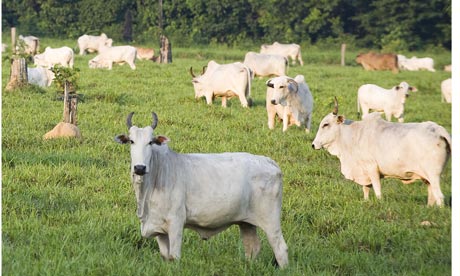
Cattle at an illegal settlement in northern Brazil: such ranches are the leading source of rainforest destruction in the Amazon. Photograph: Antonio Scorza/AFP/Getty Images

Greenpeace’s latest investigations follow a groundbreaking study in 2009 that for the first time established a clear chain of responsibility stretching from Amazonian ranches on land cleared illegally to western companies including luxury brands, supermarkets and a variety of “household name” firms using everything from leather, beef and other cattle byproducts to paper packaging. Continue reading

Food Puzzles

The New Yorker‘s Dana Goodyear is a foodie’s food writer.  She reports on topics you maybe did not know you did not know about; but after, you realize you wanted to know. Her most recent blog post (click the image to the left) describes research asking questions which, in the spirit of science, may leave the non-scientist scratching their head (but read the post to the end to see how the puzzle is put together): Continue reading

The Hill Mangoes of the High Range

These pictures were taken in the area of Periyar where one can find these hilly mangoes in plenty. Mangoes have grown for more than 4,000 years in India. Hilly mangoes are widely used in making pickles instead of being eaten as fruits. Mangoes require a tropical or subtropical, frost-free climate. Flowers Continue reading

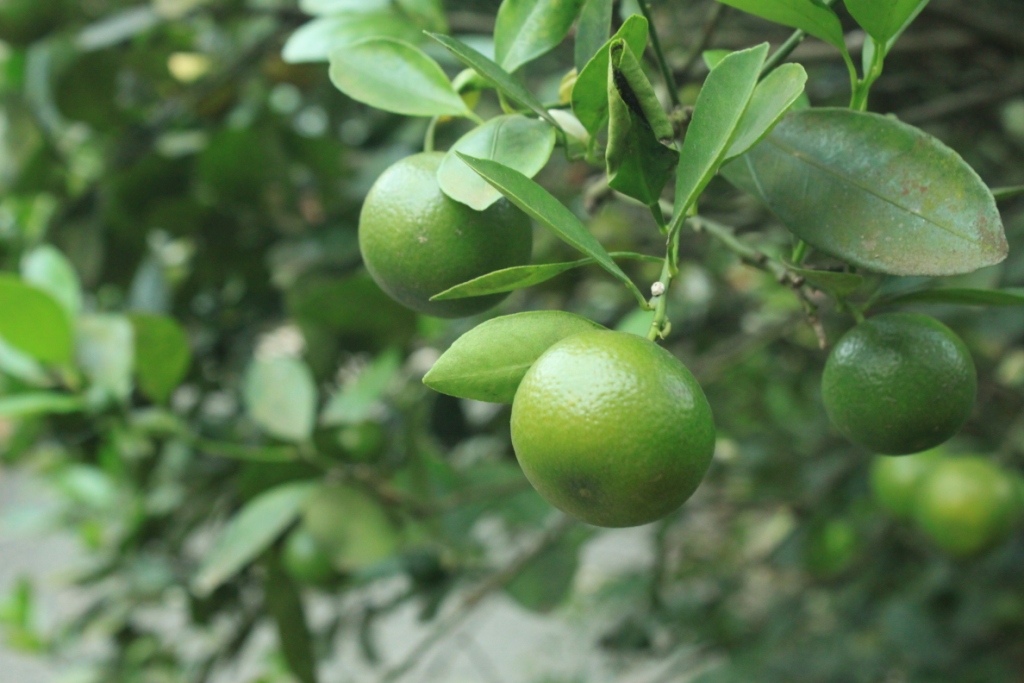
Orange fruit (Citrus sinensis)

Oranges are one of the most popular of the world’s fruit. It flourishes in warm climates across the globe and the many varieties of oranges vary from sweet to sour. The tree is a sub-tropical evergreen that can reach up to 30-40 ft tall with thorny shoots and waxy 2-4 inch long leaves .  Continue reading

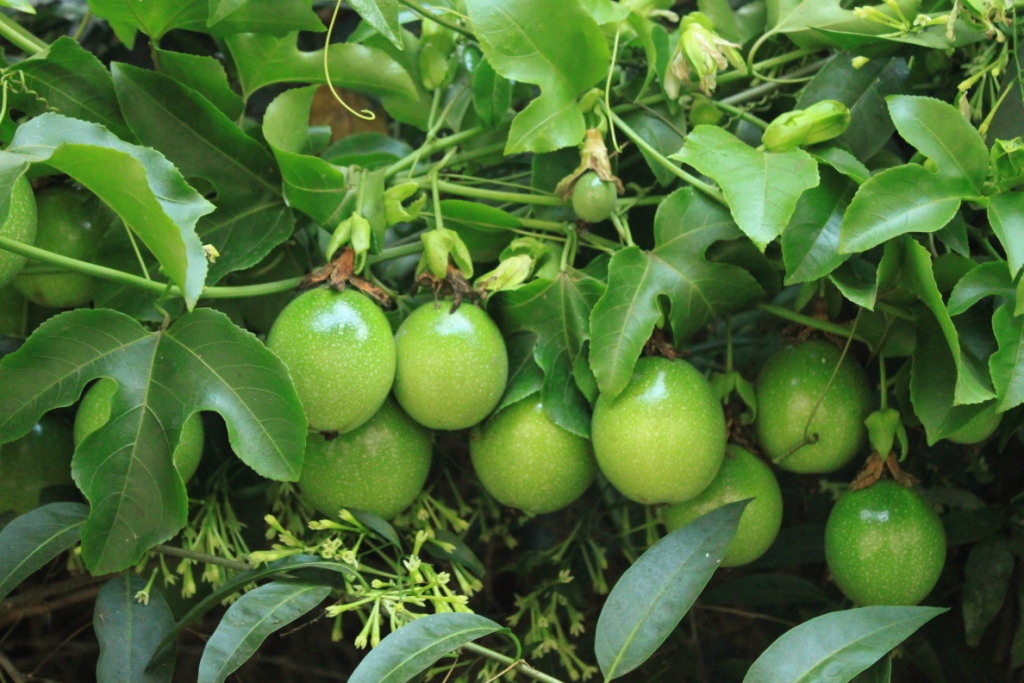
Passion Fruit (Passiflora edulis)

The Passion fruit is a sub-tropical, shallow rooted perennial climber that grows up to 15 to 20 ft tall. It flowers with a flamboyant fragrant blossom, 2 – 3 inches wide which is greenish white on the top and a rich purple color at the base.

Continue reading

Foodienomics

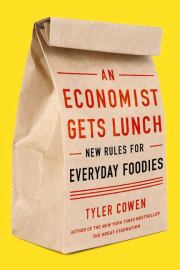
In a world that already has its fair share of freaky explanations for life’s quirks, and where celebrity is built in a day by some of the cleverer writers in that genre, do we really need this?  Hard to say with just a couple of reviews seen so far (click the image to the left to see the Kirkus review or click here to see the New York Times review of the book), but it sounds as though you are more likely to enjoy this if you are of the libertarian persuasion (as the author is touted to be) or a liberal (not the political variety but the curious, open-minded variety).

This snippet from the Kirkus review sums up why and for whom it may be worth the read:

Continue reading

Sweet Sounds

Click the image above for the fourth installment, and best yet, in a series of short posts on Smithsonian’s website, discussing the relationship between food and sound:

The sound of food matters. So does the sound of the packaging and the atmospheric sounds we hear when we’re eating. We’re all synesthesiates when we sit down to dinner.

Continue reading

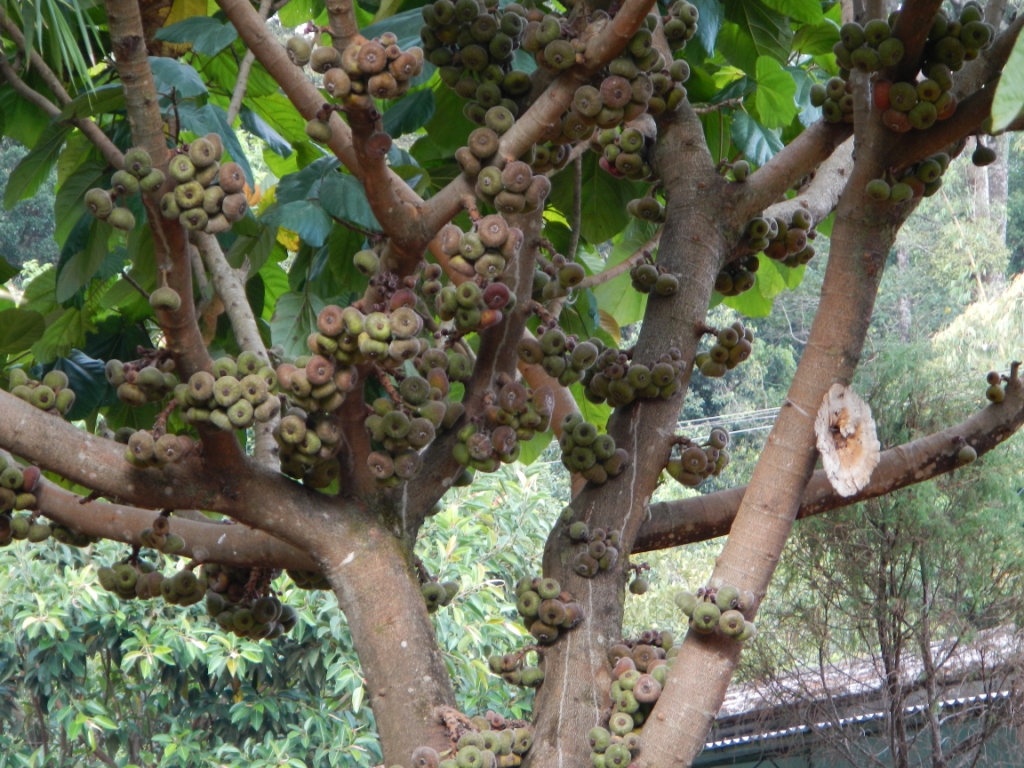
Elephant Ear Fig Tree – Ficus Auriculata

Ficus Auriculata Tree

The Elephant Ear Fig tree is a semi-deciduous tree with large leaves and reddish fruits on its branches. The tree grows up to 1500 meters. It is commonly planted in villages. The leaves of this tree are an important fodder source due to its good nutritional qualities. Farmers consider this as better than other fodders.

Continue reading

Cocoa – The Chocolate Tree

Cocoa (Theobroma cacao) grows on a small evergreen tree that reaches up to 13-26 feet and  is native to the forests of Central and South America.  Being a tropical crop, Cocoa is mainly grown in the western ghats region of Kerala.

Continue reading

The Emperor’s New Silk

“We see a huge market for food,” Hu “Tiger” Tao, a postdoc at Tufts University told Co.Exist. “People are always looking forward to some kind of sensor that’s easy to use and gives you information about spoilage.”

Continue reading

Linking Locavores

Click the image above for a journalistic description of a utilization of new technology to conserve valuable traditions and provide more efficient access to healthy, tasty food.  Or, after the jump, a short video of the same.

Continue reading

Really, Monsanto?

We try to be careful consumers of information, and link out to stories that match our interests and have relevant factual content.  Not everything that every government says passes the “truthiness” test, but we are reflexively interested in the views and findings of a group like this:

PEER is a national non-profit alliance of local, state and federal scientists, law enforcement officers, land managers and other professionals dedicated to upholding environmental laws and values.

Reflexive does not mean blindly accepting of everything they say, but we are inclined to pay attention to scientific findings related to the environment.  When they raise issues like this related to wildlife refuges then the inclination transforms into something stronger and more urgent: Continue reading

Plan B

My past posts reveal my desire to be directly involved with sustainable farming.  I plan and hope to achieve this, but as both the global population and the demand for land, space, and food rise, I recognize that being flexible with this dream may minimize any potential disappointment.  Comparatively, as much as I seem to “fly by the seat of my pants,” I like to plan.  I come close to peace when I at least have some general structure to my life.  So with this in mind, I began to brainstorm back-up plans to having my own farm.

In this search and planning excursion, I read an article and learned of vertical farming.  Dickson Despommier of Columbia University and his students researched this urban farming phenomenon and hypothesized that such projects could solve our global food insecurity problems.

I am unsure of its feasibility, but in my characteristic optimism, I believe it has potential.  Continue reading

Not Your Average Madeleine

One of the most effortless pastimes is visually-cued memory.  Out of nowhere you see something that reminds you of something and you are off to the races.  Or you hear something.  Whether the trigger is visual, auditory, tactile, gustatory, or olfactory–or any combination of those–if you have the fortune of a stock of pleasant memories then something may take you to the kind of place linked in the image above.

Continue reading

Facts & Figures

Michael Pollan, whose ideas we have mentioned surprisingly infrequently relative to the impact they have had on our collective lives, made the wise decision to team up with one of our favorite illustrators (have we really not featured her here yet?). Continue reading

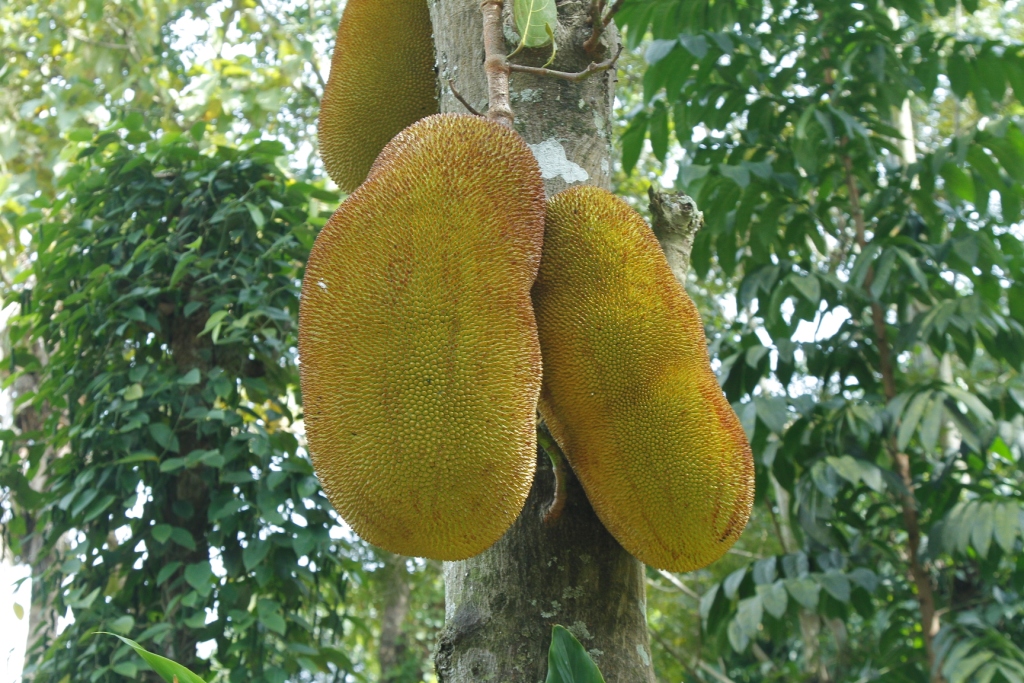
Jackfruit Tree – One of the Largest Edible Fruits

In Kerala, there are a wide variety of trees and plants. The Jackfruit tree is one of the most commonly seen. It is a large spreading evergreen tree that produces one of the largest edible fruit in the world. One jackfruit can weigh up to 10 – 35 kg. Continue reading

Family, Food & Happiness

Click the image to the left for a half-hour conversation with the author of this book, one of the most agile writers at The New Yorker.

Agility is a word that comes to mind considering the diversity of topics in his magazine writing (the Spanish Inquisition; dog ownership; drawing; the way the Internet has changed how we read, think, and interact; etc.) but it is also a function of his ability to write so fluidly and knowingly about topics so different from one another.

This book follows the lead of a previous book in his loving explanation of France’s lasting, meaningful contributions to the world.

We have made reference to his writing in the magazine here and here, but this book touches on a topic completely different from those two references.

Continue reading