Recommended Podcast: Food Packaging

Screen Shot 2016-06-30 at 9.51.21 AM

If you are not yet listening to Gastropod, this would be as good a place to start as any:

Outside the Box: The Story of Food Packaging

The invention of food packaging is one of humanity’s greatest achievements. It may seem hard to imagine today, but the first clay pots made the great civilizations of the ancient world possible, while paper’s first use, long before it became a surface for writing, was to wrap food. But packaging’s proliferation, combined with the invention of plastics, has become one of our biggest environmental headaches. In this episode, we explore the surprising history of how our food got dressed—and why and how we might want to help it get naked again.

Continue reading

Creative Solar Cookers from GoSun Stove

Cooking directly with solar power is not something we’ve posted about here before, although it is a pretty important subject when you consider the vast amount of wood, electricity, or natural gas used to cook food around the world. About seven years ago we enjoyed one of our favorite articles from the New Yorker about the effort to perfect solar ovens and reduce smoke-related deaths in developing countries, and it’s clear that the quest to build a better solar oven is still going:

Continue reading

Fermentation Is Here To Stay

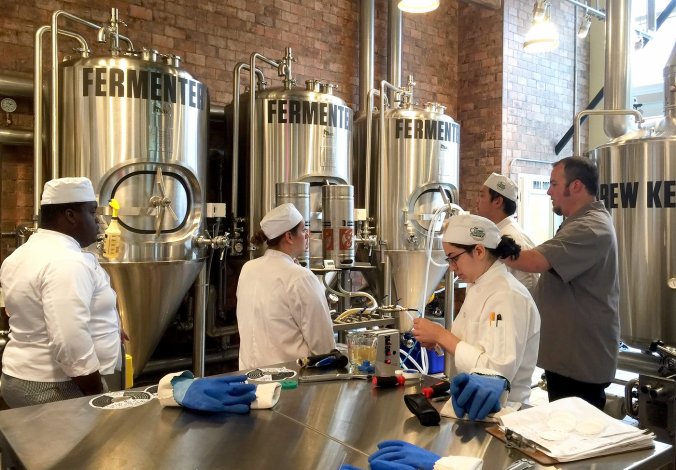
img_4710_edited_custom-418a86e926410db406b761744866d0e208210727-s1400-c85.jpg

The new brewery at Culinary Institute of America in Hyde Park, N.Y. The school now teaches the art and science of brewing, an elective course. Allison Aubrey/NPR

When the Culinary Institute Of America says so, we pay attention. We keep hearing about fermentation from our friends and colleagues in the know. So we watch for these stories. The Salt feature on National Public Radio must be, by now, one of our most go-to sources, and for good reason (considering what we care about):

Fermentation Fervor: Here’s How Chefs Boost Flavor And Health

ALLISON AUBREY

There’s an explosion of interest in friendly bacteria.

Beneficial microorganisms, as we’ve reported, can help us digest food, make vitamins, and protect us against harmful pathogens.

As this idea gains traction, so too does the popularity of fermented foods such as yogurt, sauerkraut and kimchi.

Though the science is tricky, researchers are learning more about how this ancient technique for preserving food may also help promote good health. Continue reading

Changing Our Eating Habits

impossible-foods-6_edited_custom-7dc5fbab4da8c072dcd7f800ee14c96766bb0f58-s1400-c85

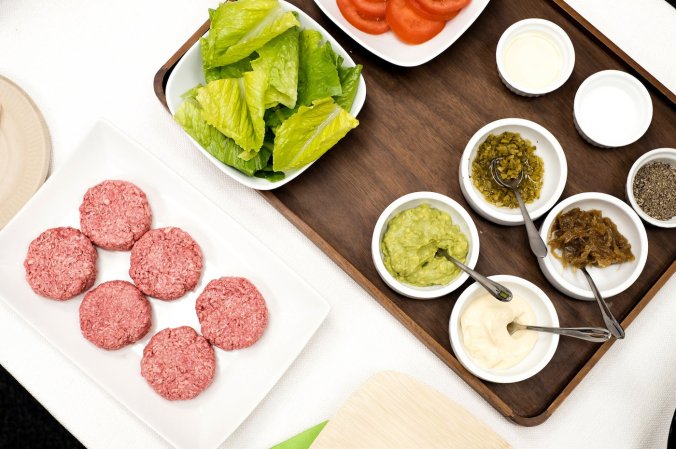
Silicon Valley-based Impossible Foods has taken a high-tech approach to creating a plant-based burger that smells and tastes like real meat. At the company’s headquarters in Redwood City, Calif., chef Traci Des Jardins served the Impossible Burger (pictured uncooked) with vegan mayo, Dijon mustard, mashed avocado, caramelized onions, chopped cornichon, tomato and lettuce on a pretzel bun. Maggie Carson Jurow

Full disclosure first: we operate restaurants that serve meat. It is always the best quality meat we can source, and best includes the most humane and most ecologically sensitive growing conditions. But still, it is meat, and meat is problematic. So, we tread lightly when we speak about our behaving responsibly, and try to minimize judgementalism.

When we get reminders of the importance of reducing meat consumption we know it is true, but we still ensure all our guests are able to get, within reason, the best of what they want food-wise.  I spent more time, and consumed more calories than I care to count, taste-testing for the new menus at three hotel restaurants in the last two years; that is my own sin to bear, and I am in penance mode now, trust me.

So, when I see a good feature story related to vegetarianism, or to vegetarian innovations, I am all in. Here is one from the Salt show on National Public Radio (USA) and I look forward to taste-testing it:

This summer, diners in New York, San Francisco and Los Angeles will get their hands on a hamburger that has been five years in the making.

The burger looks, tastes and smells like beef — except it’s made entirely from plants. It sizzles on the grill and even browns and oozes fat when it cooks. It’s the brainchild of former Stanford biochemist Patrick Brown and his research team at Northern California-based Impossible Foods. Continue reading

“Certified Transitional” Ingredients

An interior view of Clif Bar headquarters in Emeryville, California. Photo © GreenBiz Group

We put a lot of stock in organic farming, as well as eating and drinking. If companies do it right, sourcing organically can make a difference. So it’s uplifting to read that two companies we support by buying their delicious products, Clif Bar and Kashi, are making an effort to bolster the organic ingredient supply chain by leading a new category for crops produced by farmers who are in the three-year process of switching from conventional agriculture to an organic label; it’s called “Certified Transitional.” Lauren Hepler reports for GreenBiz:

Inside an airy, post-industrial space situated on the East side of the San Francisco Bay, several brightly colored mountain bikes and the sail of a kite surfing set hang from a lofted ceiling above some 350 employees sprawled across the 150,000-square-foot headquarters of Clif Bar.

Outside, a small organic gardening plot has been set up next to the free daycare center for the children of employees at the famously outdoorsy food company.

“We start ’em young,” jokes Dean Mayer, Clif Bar’s communications manager.

Continue reading

Food Footprints

sugarpic2_custom-cf06be909a47e87ffeab74b513462532b5f1261e-s1400-c85

Leonard Scinto, a researcher at Florida International University, standing beside a concrete post that measures the subsidence of soil in the Everglades Agricultural Area. In 1924, the top of the post was level with the ground surface. Dan Charles/NPR

Five minutes to listen to how your food greens, or does not green, our planet (thanks to National Public Radio, USA):

The Environmental Cost Of Growing Food

Let’s say you’re an environmentally motivated eater. You want your diet to do as little damage as possible to our planet’s forests and grasslands and wildlife.

But how do you decide which food is greener? Continue reading

Food Supply Change

5184

Accor plans to plant 1,000 vegetable gardens at its hotels by 2020. Photograph: Alamy

Only by scaling up the farm-to-table concept will we see a change to the industrial food production processes that lead to waste and related problems. We cheer our colleagues at Accor for this initiative:

Major hotel chain to grow vegetables at 1000 properties to cut food waste

Accorhotels, which includes Sofitel, Novotel, Mercure and Ibis, will reduce number of main courses on offer and record all food thrown away

One of the world’s biggest hotel chains has announced it will plant vegetable gardens at many of its hotels as part of a plan to cut food waste by a third. Continue reading

Food For Thought

PollanLecture_audienceByTonyRinaldosm

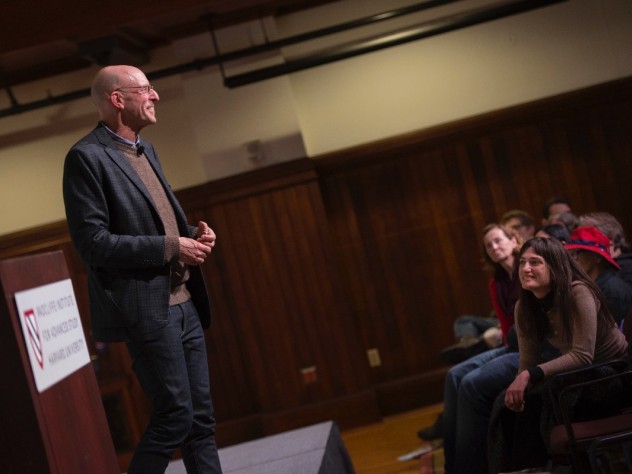
Author Michael Pollan speaks to a packed house at Radcliffe. Photograph by Tony Rinaldo

And to round out our links outward today on food-related themes, this one from Harvard Magazine seems a fitting complement to today’s two other news-feature items:

Michael Pollan’s Crooked Writing Path

WHETHER HE IS WRITING a book on big farming and the way Americans think about food, or interviewing terminal cancer patients who have had life-altering experiences through hallucinogenic drugs, author Michael Pollan’s career as a writer has been anything but traditional. Continue reading

Get Ready For New Foods

4167

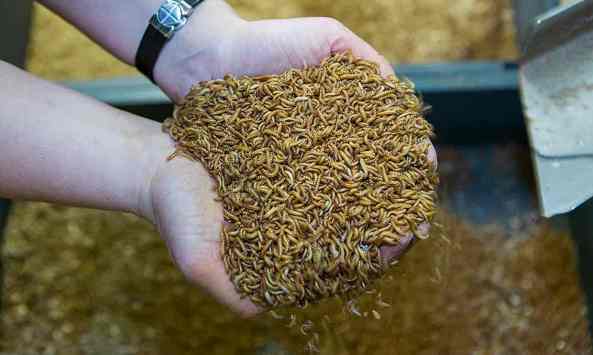
Edible insects are currently expensive, but bug farmers believe economies of scale will bring lower prices. Photograph: Proti-Farm

We cannot help but wonder which type of salt may be considered most appropriate for the new menu items coming soon to a table near you; but seriously, get ready:

The worm has turned: how British insect farms could spawn a food revolution

With meat prices expected to soar, agricultural entrepreneurs believe invertebrate livestock can provide the protein we need. But will the mainstream ever be ready to eat mealworms?

It could be the tumbledown, moss-covered drystone walls marking the boundaries of land that has been farmed since the arrival of the Norse settlers. Or the gentle meanderings of the river Eden through the shadows of the Cumbrian fells. Or the proximity of the Settle-Carlisle railway line. All in all, Thringill Farm seems an unlikely setting for a 21st-century food revolution. Continue reading

Fighting Food Fraud

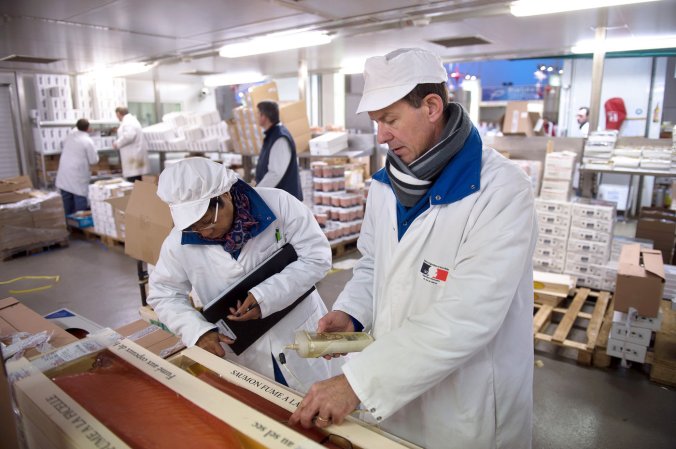
foodfraud_custom-b67f54921c2a663e3c5857d50ecc0a5e732a7c5c-s1400-c85.jpg

Food fraud is a common issue all over the world. Inspectors of veterinary services and fraud inspect seafood products at the Rungis international market, located near Paris. Martin Bureau/AFP/Getty Images

In just under four minutes, this story (National Public Radio, USA) gives a cogent briefing on one dimension of food transparency, a topic commonly addressed in these pages:

If you’ve been following any of the big news stories on food fraud lately — you’ll know that it’s tough to know what exactly is in our food — and where it’s been before it makes onto our dinner plates.

Earlier this year, Wal-Mart was sued for stocking tubs of Parmesan cheese that contained wood pulp filler. Olive oil is often mixed with sunflower oil and sold as “extra virgin.” And you might recall the great European horse meat scandal of 2014: Traces of horse meat were found in Ikea meatballs and Burger King beef patties, in cottage pies sold at schools in Lancashire, England, and in frozen lasagna sold all over Europe.

And that’s “just the tip of the iceberg,” says Chris Elliott, the founder of the Institute for Global Food Security, a laboratory in Northern Ireland that tests food from all over the world in order to uncover fraud. Continue reading

Worldwide Vegetarian Lifestyle Calculated to Reduce Global Food Emissions by 44%

Probably fewer than half the contributors and readers of this blog are vegetarian, with a tiny percentage perhaps being vegan. A new study from Oxford University published in the Proceedings of the National Academy of Sciences of the United States might set some of us thinking about changing that, however.

With food in general creating over 25% of all global greenhouse gas emissions (including the need for transportation and all the rest), to think that about 80% of those emissions are linked to livestock makes one realize (once again, if we didn’t already know) the massive impact of eating red meat. Sarah DeWeerdt reports for Conservation magazine’s online section:

If every person on Earth adopted a vegan diet – without milk, meat, honey, or any other animal-sourced foods – the greenhouse gas emissions associated with the food system in 2050 would fall by more than half compared to 2005/2007 levels. That’s one of several striking findings from an analysis of food and climate published yesterday in the Proceedings of the National Academy of Sciences.

Continue reading

Wonky Produce!

2385

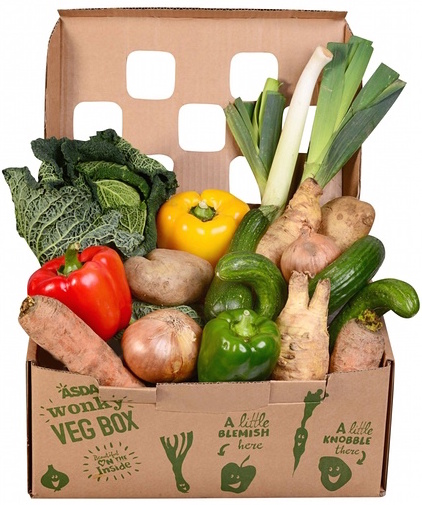
Asda’s wonky vegetable box contains items that are either oddly shaped, have growth cracks or are smaller or larger than average. Photo: Asda

In our vigilance on the waste reduction front, especially with regard to food, we are tracking efforts globally that we believe we, and our readers, will find interesting and useful.

We have long ago come to understand that the standard definition of beauty as it relates to fruits and vegetables–uniformity prized over flavor and nutrition–has done a huge disservice to the environment, not to mention to the consumers who suffer gastronomically as a result.

Thanks to the Guardian‘s Environment section for this news:

Asda puts UK’s first supermarket wonky veg box on sale

Box of imperfect in-season vegetables will feed a family of four for a week and costs £3.50 – 30% less than standard lines

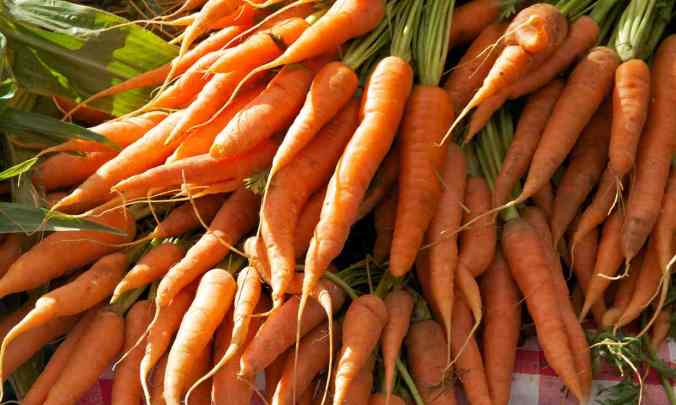
The UK’s first supermarket ‘wonky vegetable’ box goes on sale on Friday, containing enough ugly potatoes and knobbly carrots to feed a family of four for an entire week for just £3.50. Continue reading

How Much Does an Elephant Eat?

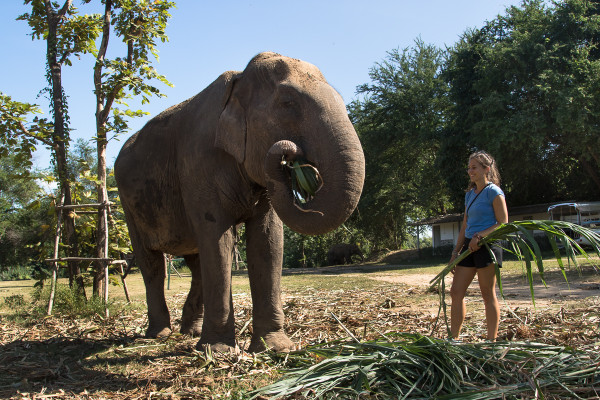
An elephant takes in a meal at Elephant’s World, Thailand. PHOTO: Jay Simpson

An elephant takes in a meal at Elephant’s World, Thailand. PHOTO: Jay Simpson

Our love for pachyderms has found multiple expressions on this blog. With us now journeying with Asian Oasis in Thailand and Kerala as home, this love links our efforts in both these lands, serving as common ground for all that we hope to do in tandem with nature. For all that we’ve penned on elephants, we’ve not stopped to think what or rather how much food keeps their giant souls (and stomachs) happy.

Both captive and wild elephants eat a lot, but what else would you expect from one of the largest land animals on the planet? Wild Asian elephants (Elephas maximus) can spend an average of 16-18 hours of every day eating. In the wild they forage for food, constantly searching for roots, small trees, bamboo, grasses, and any other edible plants.

Continue reading

The Alphabets of Assimilation

The Salt

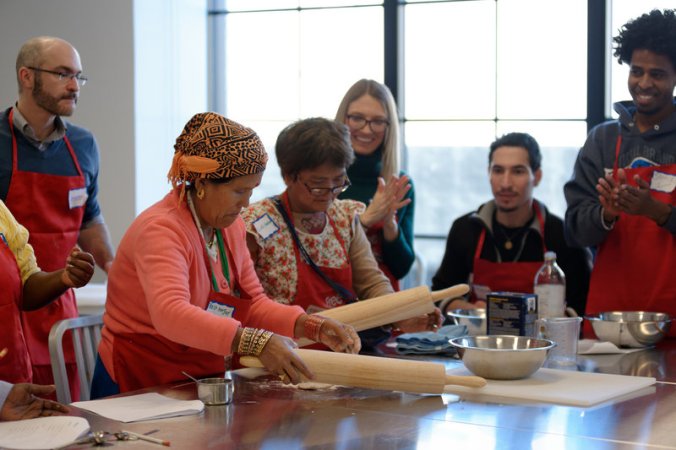
Teela Magar and Cing Neam prepare roti dough as part of Edible Alphabet, a program in Philadelphia that folds English lessons for immigrants to the U.S into a cooking class. PHOTO: Bastiaan Slabbers, The Salt

Roti is a staple in Indian homes. This unleavened flat bread made of stoneground wholemeal flour links tables in Asia and Africa. With its humble origins, simple spirit, and its versatility in being an economical yet nutritious accompaniment, the roti is a mainstay of an English-as-a-Second-Language class in Philapdelphia. So, how does breaking bread help immigrants pick up basics of English – a skill vital to their rehabilitation, assimilation, and survival in a foreign land? The Salt tells us:

“Food is warmth, it’s comfort, it breaks down those barriers.” Galeb Salman left his native Iraq 25 years ago and most recently lived in Thailand. He says he savors the choices and freedom he feels since arriving here in September with his wife and five kids. “When I think I want to learn, I want to study, I can. When I want to work, I can,” he says. “I feel we have good life now. …This is my new life.”

Continue reading

On Food Waste

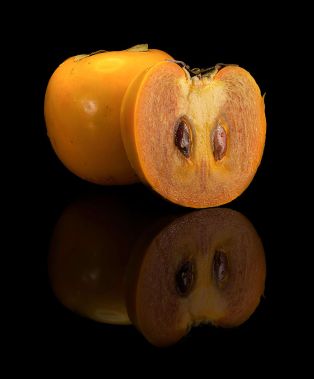
800px-caqui_chocolate_em_fundo_preto_03

Oriental Persimmon by Rodrigo Argenton. Licensed under CC BY-SA 4.0 via Wikimedia Commons.

We’ve featured food waste here many times before, since it’s such a global and upsetting problem–an issue that one could call a “wicked problem” for its difficulty in solving, its myriad causes, and its changing nature. Several of our shared stories in just the last year, however, have offered some hope: a food truck chef in Denmark showed that expired or just-expiring products can still be consumed;  another foodtrucker in the US helped develop a software to create a more sustainable kitchen by modeling what products are being over- or under-ordered; and two startups worked on different ways of drying food that would otherwise spoil, one because the fruit would go bad but could be dried and powdered, and the other because developing countries don’t always have appropriate storage or energy to refrigerate food, so they came up with a solar food-drier.

The common theme in these posts is the reiterated phrase: approximately one-third of all food produced around the world is wasted, representing about $1 trillion in losses every year. This week, two of our favorite magazines, Conservation (by University of Washington) and GreenBiz repeated these statistics and shared pieces of their own.

Continue reading

Sifting Through Food Memories

Dabbawala,the lifeline of Mumbai.

The Indian city of Mumbai is home to the ‘dabbawala’ service wherein boxes of hot lunch make their way from homes to customers’ offices.   PHOTO: Satyaki Ghosh

Food memories. Absolutely universal, absolutely distinctive. Across cultures, across borders. United by the emotions they evoke – nostalgia, love, warmth, hope. While travel memories are notched up by the miles, they are bound to feature a food memory or two. Of cultures, smells, people, faces, history.  Jacques Pepin, noted French chef, writes of his in The New York Times:

There is something evanescent, temporary and fragile about food. You make it, it goes, and what remains are memories. But these memories of food are very powerful. My earliest memories of food go back to the time of the Second World War. My mother took me to a farm for the summer school vacation when I was 6 years old with the knowledge that I would be lodged and fed there. I cried after she left and felt sad, but the fermière took me to the barn to milk the cow. That warm, foamy glass of milk is my first true memory of food and shaped the rest of my life.

Continue reading

Nutmeg – from Table to Design

You must have heard the phrase in a nutshell. Well, this post is not exactly that. It’s going to border on being a story in a nutmeg. Yet another tale to add to Kerala’s legacy of having a heart of spices. The nutmeg, though not as glorious as its cousins pepper or cinnamon, is integral for its medicinal, herbal properties and its place in the kitchen.

For me, it’s the embrace that links spending holidays with a grandmother whose heart had nutmeg all over it and a design sensibility at Xandari Harbour. The wispy haired grand lady is long gone, but the wind rustles up her memories among the nutmeg trees. So does a certain corridor at work.

Continue reading

The New Bread Basket

bread_basket

Image © Shutterstock via GreenBiz.com

We all enjoy eating bread, whether it is gluten- or wheat-free, whole grain, French baguette, Italian ciabatta, or any of the myriad other styles of baking. In a new book called The New Bread Basket, author Amy Halloran explores, as her subtitle explains, “How the New Crop of Grain Growers, Plant Breeders, Millers, Maltsters, Bakers, Brewers, and Local Food Activists Are Redefining Our Daily Loaf.” An excerpt, via GreenBiz.com, follows:

People will keep studying one another and drawing on their ingenuity to build sustainable farms and food systems. Alan Scott jump-started a new old-fashioned approach to bread with his oven plans, offering an alternative route to a food that had been industrialized. Other innovators are fiddling with ovens and mills, turning dairy tanks and silo bottoms into malt systems, scaling down equipment and deindustrializing processing. They are making tools to fit a future they are shaping.

Continue reading

Because Coffee is ‘Human’

For those who believe life begins after coffee, the story of its origin will definitely sound familiar. Coffee grown worldwide can trace its heritage to the ancient coffee forests on the Ethiopian plateau, where legend says the goat herder Kaldi first discovered the potential of these beloved beans. It is said that Kaldi discovered coffee after noticing that his goats, upon eating berries from a certain tree, became so energetic that they did not want to sleep at night. Kaldi reported his findings to the abbot of the local monastery who made a drink with the berries and discovered that it kept him alert for the long hours of evening prayer. The abbot shared his discovery with the other monks at the monastery, and slowly knowledge of the energizing berries began to spread.

Now photographer Sebastiao Salgado takes readers deep into that grind with his latest collection, The Scent of a Dream: Travels in the World of Coffee that looks at the landscapes and labors behind the $100-billion-a-year business in ten countries around the globe.

Continue reading

What Warm Temperatures in the Sub-Arctic Mean

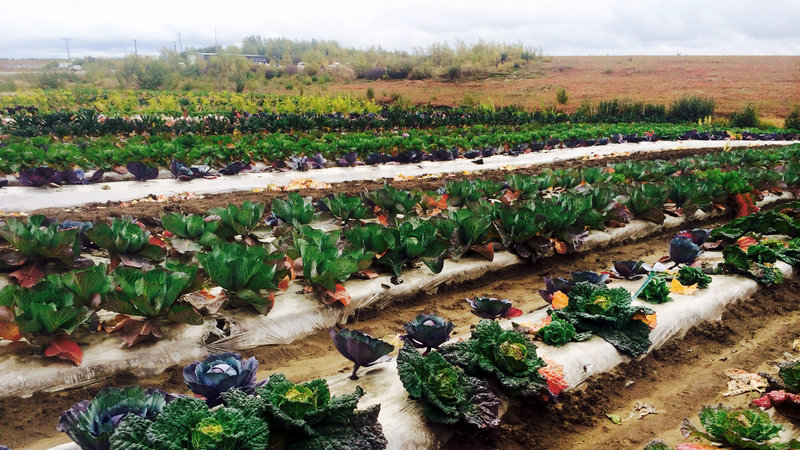
A field near harvest time at Meyers Farm in Bethel, Alaska, can now grow crops like cabbage outside in the ground, due to rising temperatures. PHOTO: Daysha Eaton/KYUK

A field near harvest time at Meyers Farm in Bethel, Alaska, can now grow crops like cabbage outside in the ground, due to rising temperatures. PHOTO: Daysha Eaton/KYUK

Farming in the Arctic? Well, it can be done. The reasons are many. For one, the climate is changing: Arctic temperatures over the past 100 years have increased at almost twice the global average.

On a misty fjord in Greenland, just miles from the planet’s second largest body of ice, Sten Pedersen is growing strawberries. Yellowknife, a Canadian city 320 miles below the Arctic Circle, hosted a farmers market this summer. And a greenhouse in Iqaluit, the capital of the vast Canadian Inuit territory of Nunavut, is producing spinach, kale, peppers and tomatoes. The frozen tundra of the Arctic is experiencing something of an agriculture boom. More

Continue reading