The tropical climate with evergreen, semi-evergreen and moist deciduous forest in Periyar creates a perfect environment for snakes. The Indian Python is seen in dense as well as in open forest. Pythons are slow moving snakes, appearing timid and rarely rousing seriously to escape even when attacked. Pythons also have a peculiar method of movement, the body moving in a straight line like a millipede.
Forests
Wayanad Wildlife Sanctuary
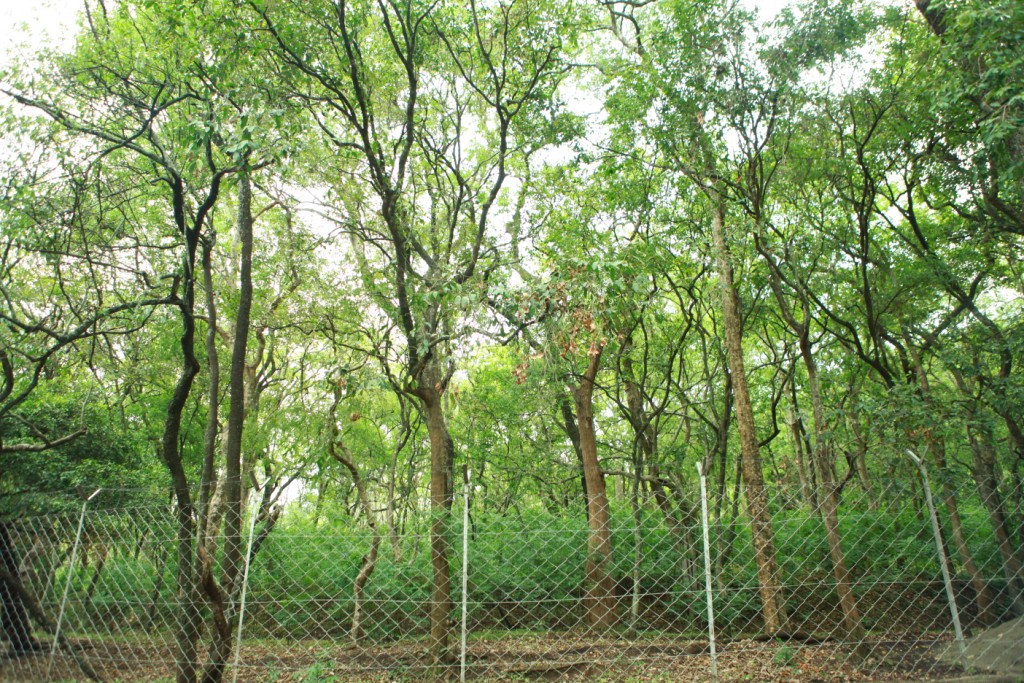
Part of the Nilgiri biosphere, Wayanad Wildlife Sanctuary is an area of 344.44 square kilometres formed by two discontinuous pockets, Muthunga in the south and Tholpetty in the North. Nearly one third of the area is covered by plantations of Teak, Rosewood, Silver oak and eucalyptus.The rest is covered with Bamboo groves, moist deciduous and semi- evergreen forests. The sanctuary boasts a rich fauna, with elephants and deer the most commonly sighted.
1897, Muir’s View Of American Forests, With A Comparison To India’s
In India systematic forest management was begun about forty years ago, under difficulties—presented by the character of the country, the prevalence of running fires, opposition from lumbermen, settlers, etc.—not unlike those which confront us now. Of the total area of government forests, perhaps 70,000,000 acres, 55,000,000 acres have been brought under the control of the forestry department,—a larger area than that of all our national parks and reservations. Continue reading
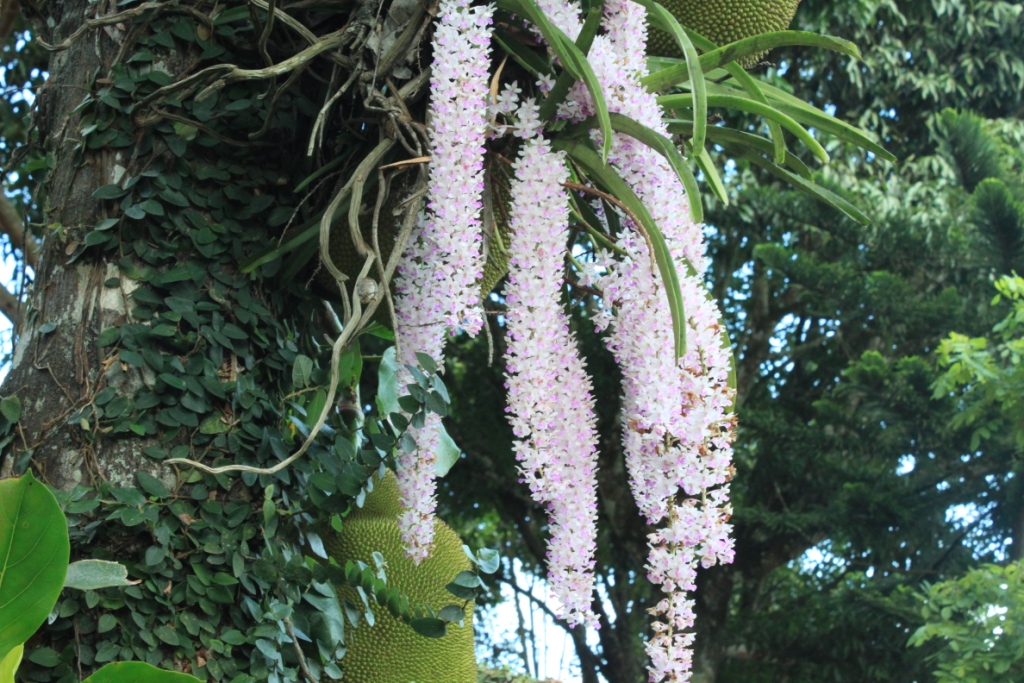
Foxtail Orchid (Rhynchostylis retusa)
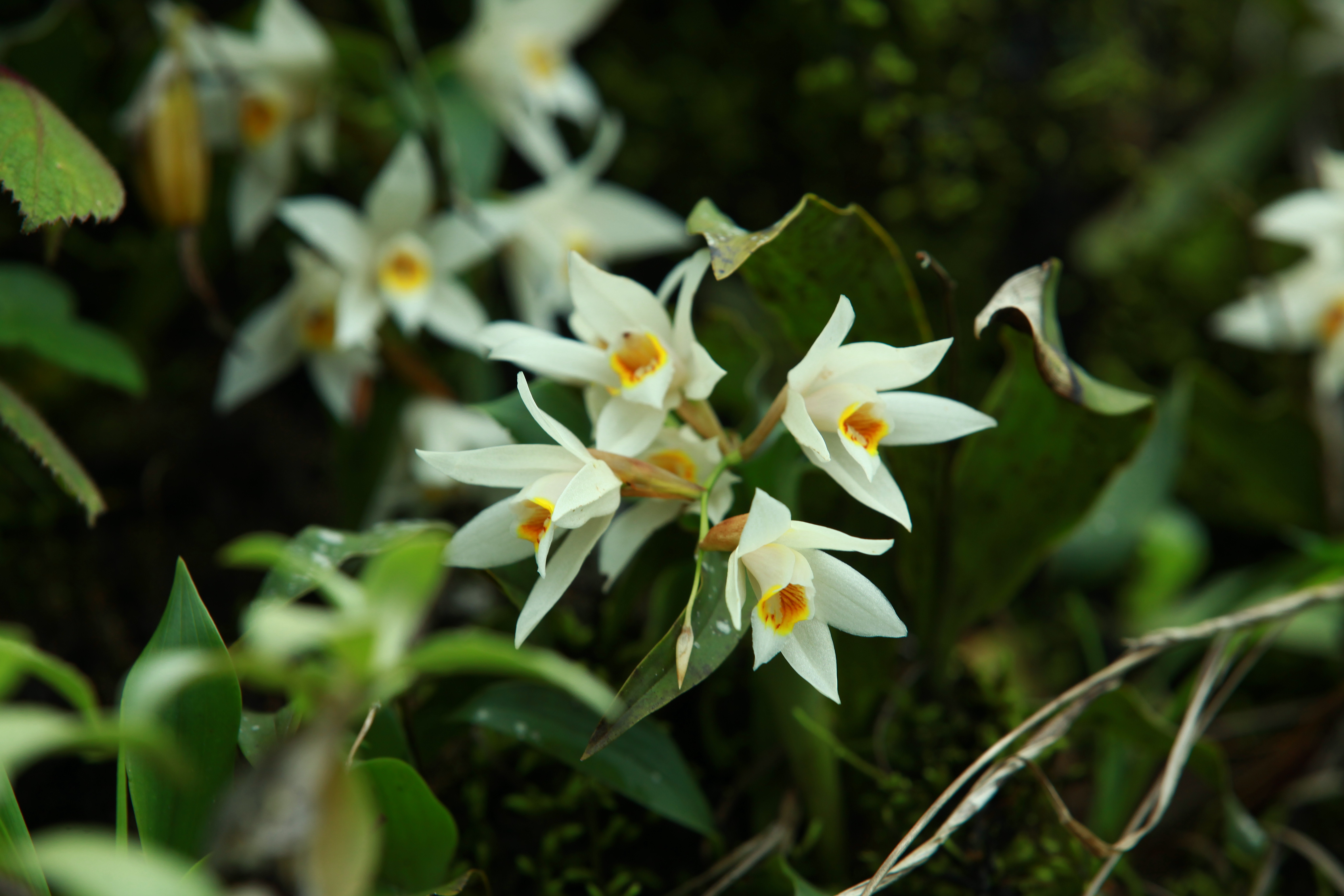
Periyar Tiger Reserve is one of the richest biodiversity hot spot in the Western Ghats. In fact, of the nearly 252 species of orchids found in Kerala, 145 are seen in this region. Foxtail Orchid belongs to the Vanda family, a species widely growing above 800 meters of semi-evergeen and moist deciduous forests. Foxtail Orchid is the state flower of both Arunachal Pradesh and Assam.
Travancore Tortoise
Periyar’s diverse ecosystems of evergreen, semi-evergreen, moist deciduous and dry forest makes it a reptile friendly habitat. Forty-five species of reptile make the reserve their home, including the charismatic Travancore Tortoise.
The Common Indian Monitor
Red Helen Butterfly (Papilio helenus)
The Red Helen is the third largest butterfly in India. The wings are dark in colour with a creamy white patch on its prominent “swallowtail” hind wings. These butterflies are mostly seen in the evergreen forests of the Western Ghats. Citrus tress, evodia and roxburghiana are the favorite food plants for these butterflies.
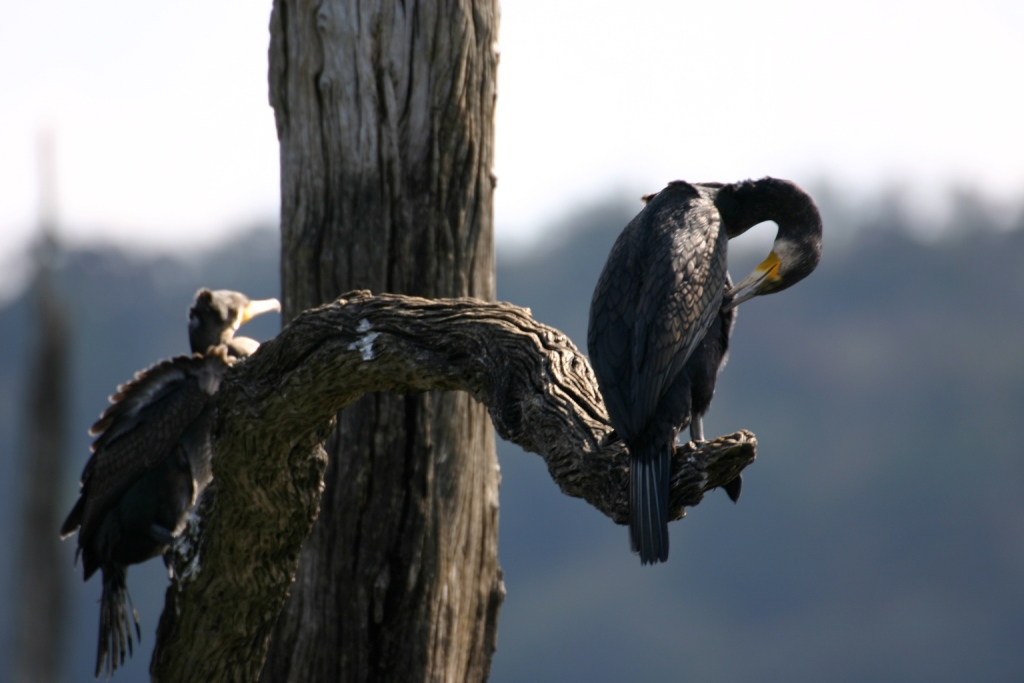
Large Cormorant (Phalacrocorax carbo)
The submerged tree trunks in the 26sq km Periyar Lake nestled inside the forest create a favorite habitat for a number of aquatic birds, especially Large cormorants.
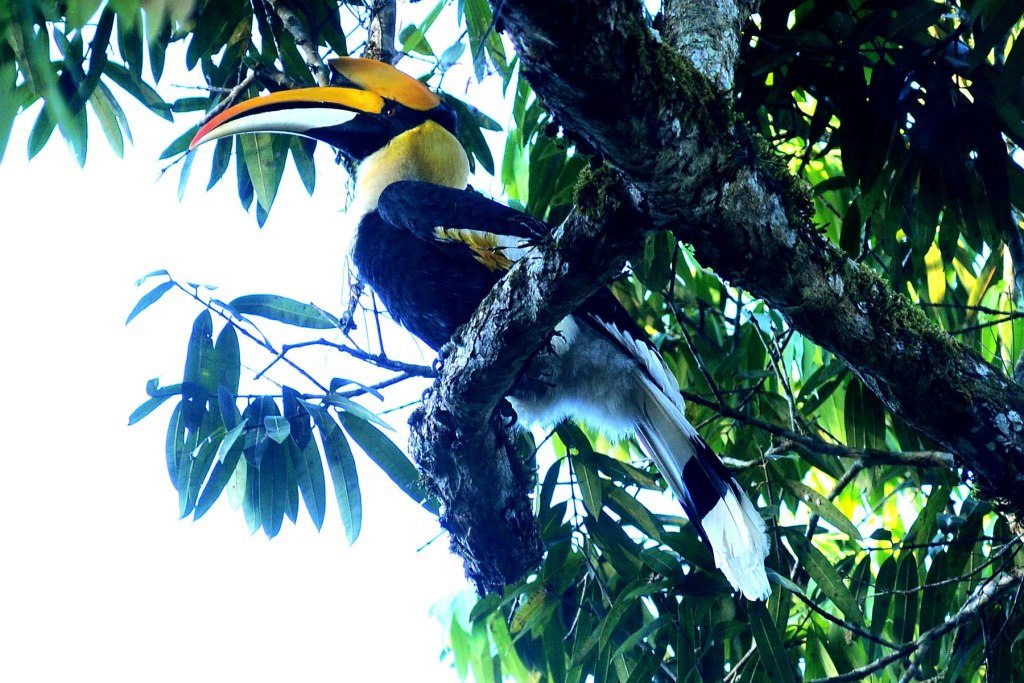
The Great Pied Hornbill (Buceros bicornis)
The heaviest of the 54 species in the family, the Great Pied Hornbill (Buceros bicornis) is one of the main attractions in Periyar, among the most fascinating birding destinations in the entire Western Ghats. Towering old-growth forests are a must for their breeding. Ficus fruits are the main diet for the growing chicks. Continue reading
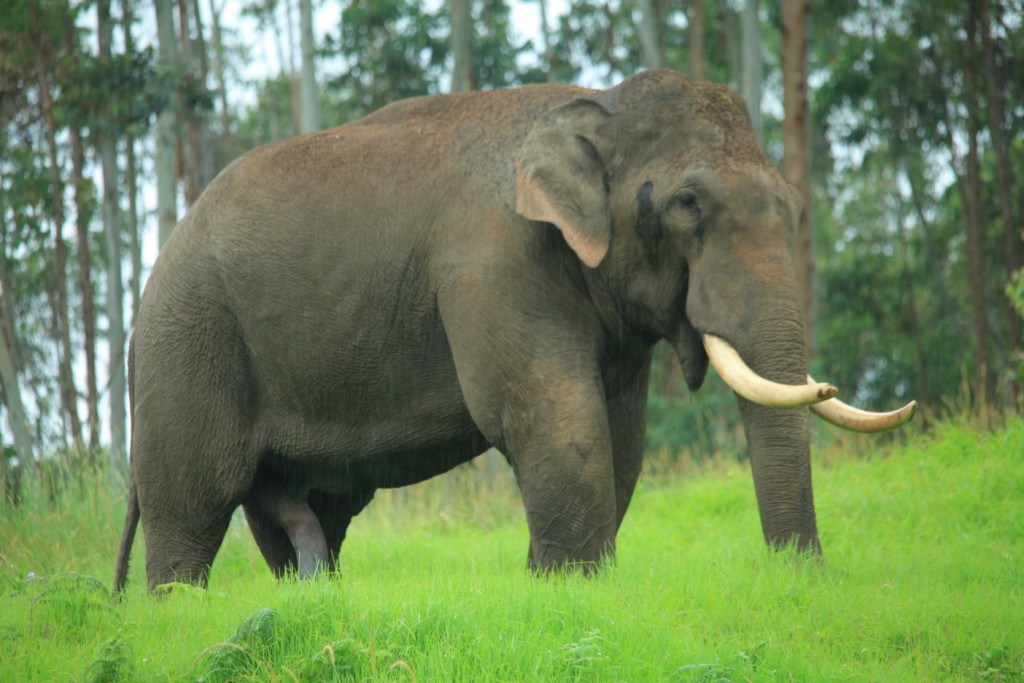
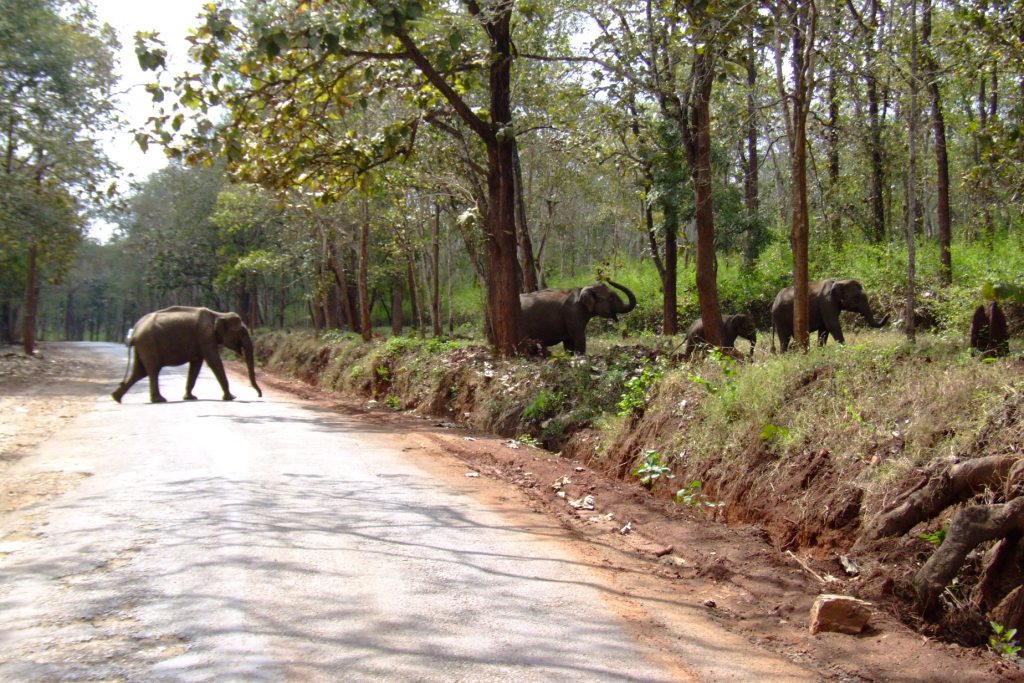
Wild Periyar – Elephants
The rich and productive banks of the Periyar reservoir attract Elephants (Elephas maximus) that gather in large numbers to graze on fresh fodder and drink and bath in the waters of the famous lake. In summer, when most other pastures are dry, the lake shore is a constant life source. Elephants are one of the main attractions in Periyar; according to the latest Forest Department census there are about 1300 elephants.
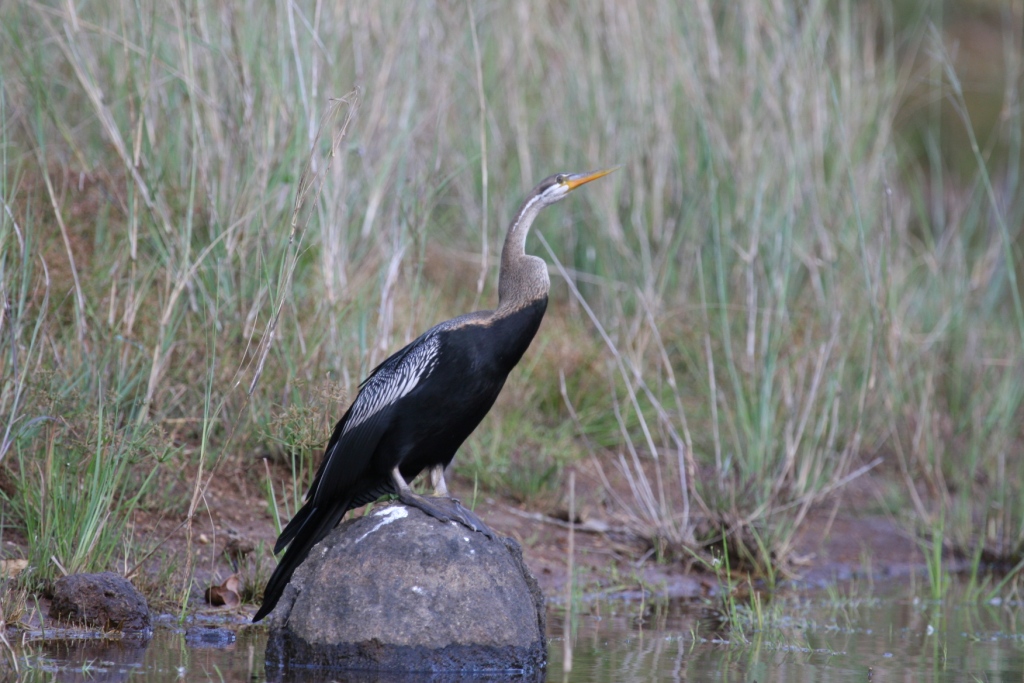
Wild Periyar- Darter (Snake Bird)
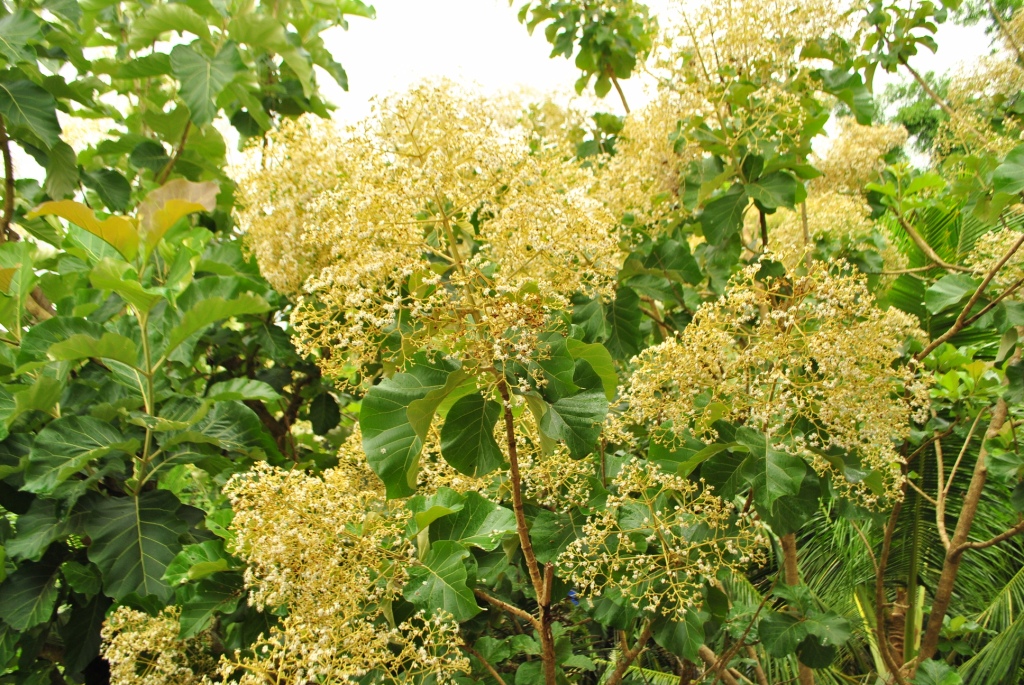
Teak (Tectona grandis)
Teak is a tall evergreen tree with very large leaves and small white flowers set on meter-long panicles. The timber is world famous and its uses are well known. The heart wood is golden yellow when freshly cut, later turning brown. The hard knots which develop on trunks are prized for making tobacco pipes.
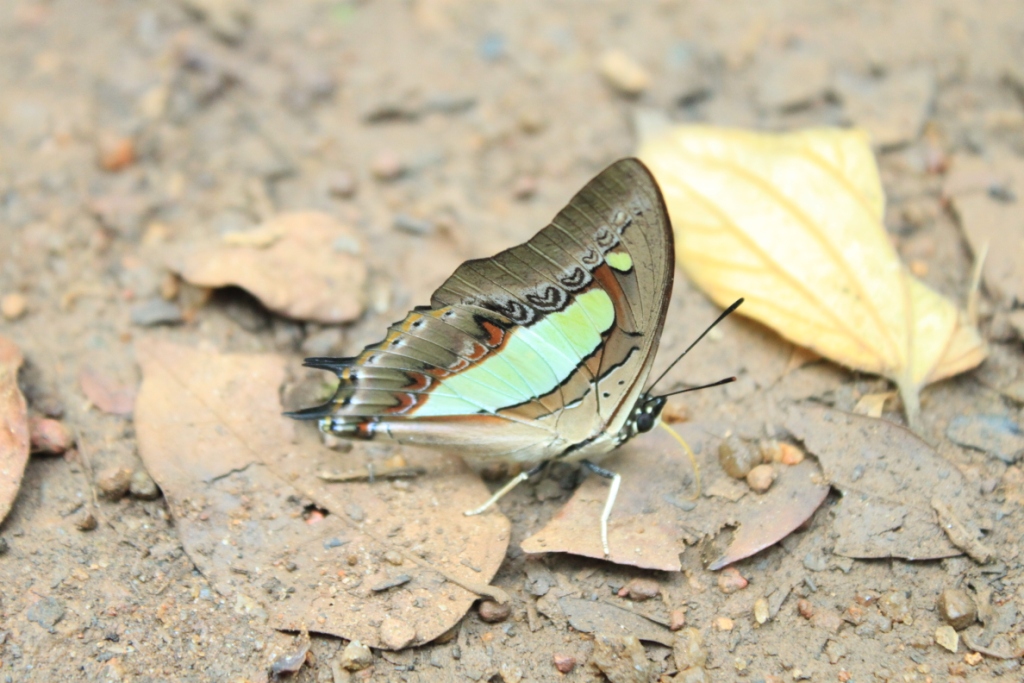
Common Nawab (Polyura athamas)
Nawab Butterflies are frequently found inside the forest, in damp patches as well as open areas such as pathways and fields. The butterflies have yellow and green patches on both side of the wings. Continue reading
Bi-Coloured Frog
Bi-Coloured Frogs are endemic to the Western Ghats, especially in Periyar Tiger Reserve. The tropical climate and abundant rain combine to create rich and varied niches that offer safe haven for these amphibians. The leaf litter–the most nutrient and species rich strata–is a favourite hunting ground for these frogs.
Sandalwood Forest
The only natural sandalwood forest in Kerala is near to Munnar at Marayoor. The sandalwood of Marayoor is said to be the best in the world. Continue reading
A Morning in Sapsucker Woods
Last weekend I ventured for the first time into Ithaca’s Sapsucker Woods – a forested area adjacent to Cornell’s Lab of Ornithology, which among many other projects, strongly influences ornithological citizen science far and wide. Sapsucker Woods, however, is not merely a place where birds nest and feed. It is a living, breathing organism – an ecosystem that is more than the sum of the parts of the intricate denizens, both biotic and abiotic, within it. The complexity of a forest is fractal – from the way sunlight is distributed to the canopy, to the well-known food chain, to the molecular structure of the enzymes saprophobic fungi use to break down the hydrocarbon bonds in the wood they devour. Through a magnifying glass, or a microscope, or out of an airplane’s window – a forest is beautiful. Continue reading
Thoovanam Waterfall
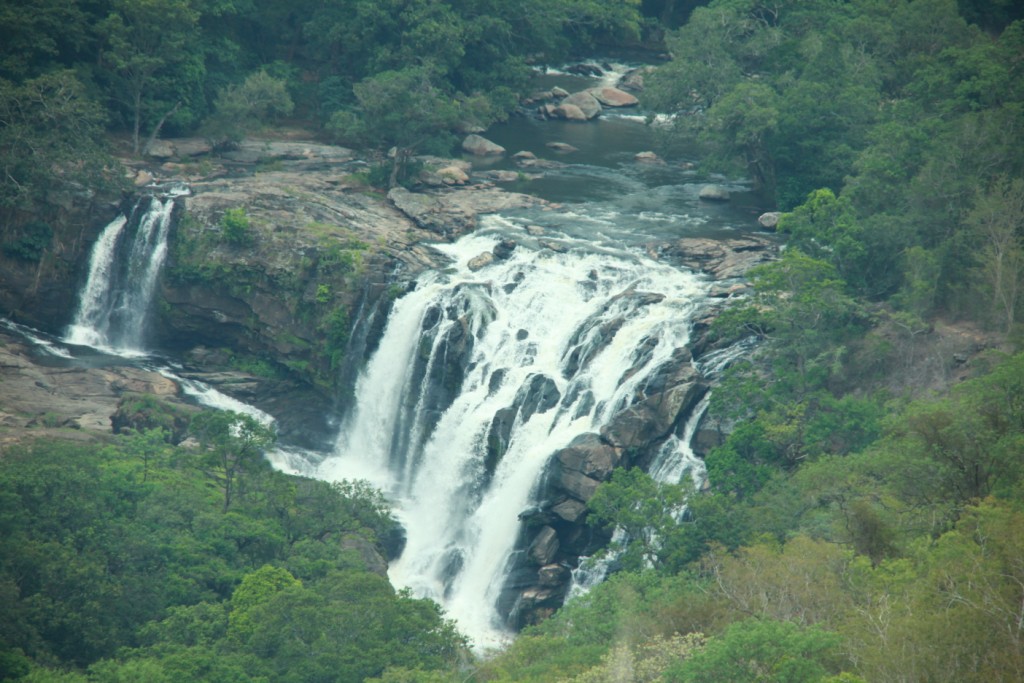
Thoovanam Waterfall is one of the largest and most beautiful falls in Munnar found enroute to the Chinnar Wildlife Sanctuary. The cascade is in the Pambar River, which flows East and joins the Amaravathi reservoir in Tamil Nadu. Continue reading
Wild Tulip (Tulipa turkestanica)
Wild Periyar: October 14, 2012
Our guests Mr.& Mrs. Brayan shared some of their wild life experiences from their visit to Periyar National Park.
Fever Nut
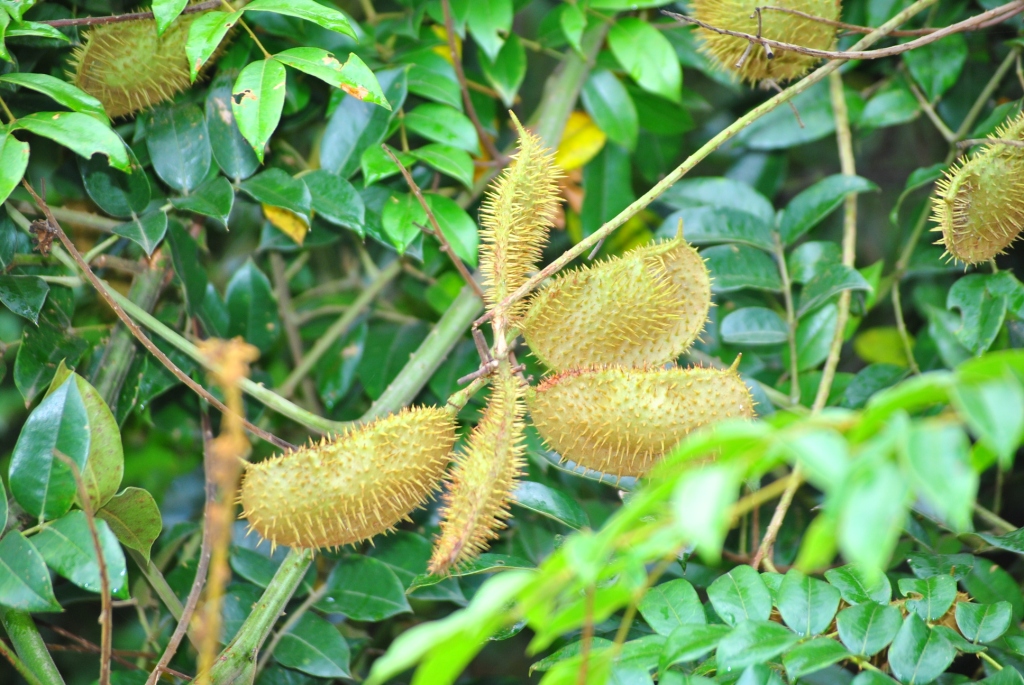
Fever Nut is a large thorny shrub bearing light yellow fruits covered with sharp thorns. Its commonly found in the tropical forests of the Western Ghats up to an altitude of 1000 meters. In Ayurveda the root of the plant is used for treating fever, cough, asthma, worms and colic. The leaves are anthelmintic and useful in treating elephantiasis.


In India systematic forest management was begun about forty years ago, under difficulties—presented by the character of the country, the prevalence of running fires, opposition from lumbermen, settlers, etc.—not unlike those which confront us now. Of the total area of government forests, perhaps 70,000,000 acres, 55,000,000 acres have been brought under the control of the forestry department,—a larger area than that of all our national parks and reservations.