Meet the Tree Elders

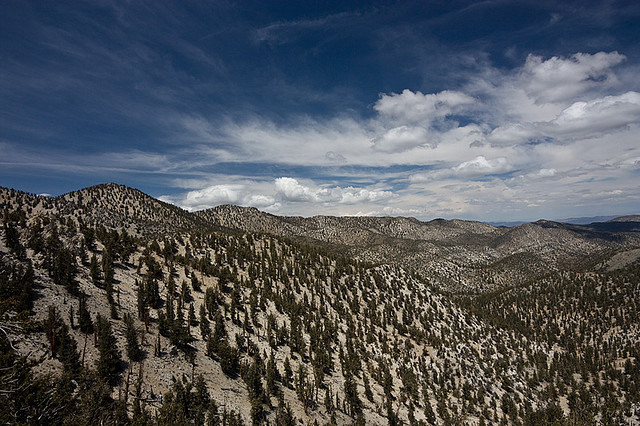
An ancient 4,800-year-old Great Basin Bristlecone Pine, the Methuselah Tree grows high in the White Mountains of eastern California. PHOTO: AGrinberg Creative Commons

An ancient 4,800-year-old Great Basin Bristlecone Pine, the Methuselah Tree grows high in the White Mountains of eastern California. PHOTO: AGrinberg Creative Commons

Did you know that the exact location of the world’s second oldest tree is a Forest Service secret? Or that a woman was charged with setting a fire that burnt down one of the oldest tree organisms? Well, “The Senator” must have sprung up roughly 3,500 years ago — a tiny cypress tree, no bigger than a fist, in the swamplands of Central Florida. In 2012, that very same cypress burned to the ground. The majestic 118-foot tall tree was one of the oldest organisms in the world. Over the course of its long life, it survived hurricanes, disease and logging sprees, serving as a tourist attraction and a spiritual epicenter for pilgrims hoping to bask, literally, in the shade of history.

Continue reading

In The Line of Fire

A firefighter monitors the flames in Cualedro. PHOTO: Pedro Armestre

A firefighter monitors the flames in Cualedro. PHOTO: Pedro Armestre

The Mediterranean climate, particularly the prolonged dry and hot summer season, is naturally favourable to wildfires. Their frequency and impact have increased over the last few decades in southern European countries, mainly due to land-use and socio-economic changes. Many traditional rural activities (e.g. firewood collection and livestock grazing systems) have been partly or totally abandoned in favour of alternatives (e.g. fossil fuels and factory farming). These changes have led to more homogeneous landscapes and the accumulation of dry matter in forests and rangelands, resulting in a greatly increased fire hazard.

Continue reading

China, What Will it Be?

China recently announced plans to build a 5,300 km railway linking the Atlantic with the Pacific, cutting through the heart of the Amazon jungle in Brazil and Peru. PHOTO: Andrew Snyder

Rail or road – what is the best mode of transport for free flow of goods from Brazil to China? PHOTO: Andrew Snyder

China recently announced plans to build a 5,300 km railway linking the Atlantic with the Pacific, cutting through the heart of the Amazon jungle in Brazil and Peru. Environmental groups are concerned that the railway will threaten sensitive ecosystems, wildlife and indigenous peoples. Indeed on the face of it, this would be a disaster for conservation in the most biologically rich place on Earth. But is a train line in fact the lesser of two evils?

Roads bring access to previously remote areas – and consequently bring down a cascade of problems on tropical forests. Logging, mining, and hunting result in the destruction of forests, all paving the way for their complete conversion to agriculture. Indeed, in the Amazon 95% of deforestation occurs within 5km of a road. Train lines on the other hand are usually state-controlled and more easily regulated. The proposed line will cost an estimated US$10 billion to build and will reduce the cost of shipping oil, iron ore, soya, beef and other commodities from Brazil and Peru to Asian markets.

Continue reading

10 Generations Of Citizen Science Yields Important Findings On Forest Life Cycles

shutterstock_256111780-680x450

Thanks to Conservation generally, and in this specific case to Jason G. Goldman, for their continued provision of these summaries of important scientific research findings:

Robert Marsham was an English naturalist who lived on an estate in Norfolk, UK until 1797. For sixty-one years, the researcher carefully noted the timing of both plant and animal species in the gardens surrounding his home, Stratton Strawless Hall. That included the first leafing dates of thirteen trees, flowering dates for a variety of other plants, as well as the records of animal occurrences on his property. It was for his painstaking attention to detail that he eventually became known as the “father of phenology,” the scientific study of the ways in which the passing of the seasons affects plants and animals.

Continue reading

When New Roads Signal Nothing But Danger Ahead

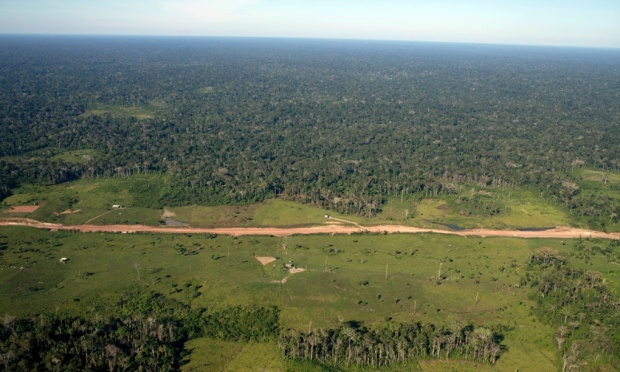
 A newly constructed road goes through the Amazon rainforest outside Rio Branco, the capital of Acre province, Brazil. For every 40 meters or road created, around 600 sq km of forest is lost. Photograph: Per-Anders Pettersson/Corbis

A newly constructed road goes through the Amazon rainforest outside Rio Branco, the capital of Acre province, Brazil. For every 40 meters or road created, around 600 sq km of forest is lost. Photograph: Per-Anders Pettersson/Corbis

Thanks to the Guardian for keeping us up to date with news, no matter how dismal, which in this case raises red flags about the future of our earth’s lungs:

Roads are encroaching deeper into the Amazon rainforest, study says

Oil and gas access roads in western Amazon could open up ‘Pandora’s box’ of environmental impacts

Oil and gas roads are encroaching deeper into the western Amazon, one of the world’s last wildernesses and biodiversity hotspots, according to a new study.

Roads across Bolivia, Colombia, Ecuador, Peru and western Brazil could open up a ‘Pandora’s box’ of negative environmental impacts and trigger new deforestation fronts, the study published in Environmental Research Letters finds.

“The hydrocarbon frontier keeps pushing deeper into the Amazon and there needs to be a strategic plan for how future development takes place in regards to roads,” said the report’s lead author, Matt Finer, of the Amazon Conservation Association.

Continue reading

Recycling Nature’s Leftovers, A Puzzle

DOES SALVAGE LOGGING MAKE THINGS BETTER OR WORSE?

Thanks, as always, to Conservation for the summary of important scientific findings:

DOES SALVAGE LOGGING MAKE THINGS BETTER OR WORSE?

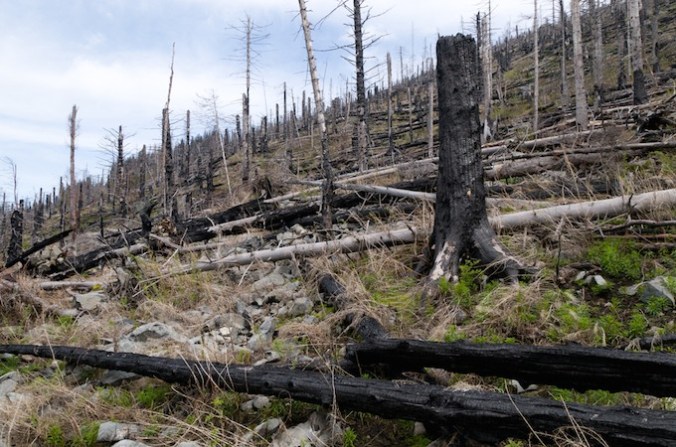
When a serious wildfire rips through a forest, it has a tendency to kill nearly all the trees in its path. Then come the logging companies. On one hand, to log a burned forest makes a good deal of sense. Some of the timber is still useful, and it’s a way to derive some economic benefit from a landscape that’s otherwise devastated. The process, called “salvage” logging, typically operates in two phases. In the first phase, machines called “feller-bunchers” come through, cut down the dead trees, and pile them into bunches. In the second phase, machines called “skidders” are brought in. Their function is to take those piles of felled trees and cart them back down the mountain. Continue reading

Forests Are Life

23FOREST-slide-O45T-mediumFlexible177We are happy, for the sake of the next generation(s), to read this news:

Restored Forests Aid Climate Change Efforts

Driven by a growing environmental movement, corporate and government leaders are making a fresh push to slow the cutting of rain forests — and eventually to halt it.

World Wildlife Week: Tigers & Territories!

habitat


As a part of celebrating World Wildlife Week I was sharing information about the importance of saving our Natural Heritage, trying to create awareness among the growing population of nature lovers and wildlife photographers.

In the previous posts I discussed the relationships between healthy ecosystems, the well-being of wildlife and humans.

Here I’ll address another essential element for a healthy tiger population – territories!

Next to food, the most important requirement for a tiger is territory. A male tiger with a territory encompassing those of several females has more mating opportunities. A female in control of a ‘home range’ with abundant prey has the best chance of raising more cubs.

With so much at stake, tigers are fiercely possessive of their turf, and scent-mark and defend their territories from rivals.

There is increased pressure on the Tiger territories from the development front. Environmental and forest clearances have been delinked to allow work on linear projects, such as highways, on non-forest land without waiting for approvals for the stretches that require forest land.

India has ONLY 4.9% of total geographic area established as protected area (PAs). If we are not able to increase this, we need to see how we can at least protect that. But look at this news published in hindustantimes:

In a boost to the real estate sector, the environment ministry may soon allow state governments to take a call on setting up new townships, information technology and developmental parks near tiger reserves, national parks, eco-sensitive zones and critically polluted areas.

The ministry has already issued draft rules proposing delegation of its power to decide on construction projects within 10 kms of wildlife areas and critically polluted areas to the state governments.

Till now, the Centre used to examine such projects to consider their impact on wildlife before giving a go-ahead. But now, the ministry has proposed the “general condition” for construction projects including information technology parks, hotels and offices will “not” apply. Continue reading

World Wildlife Week: Spotted and Sambar Deer

tiger hunt

As a part of celebrating World Wildlife Week I will be sharing information about the importance of saving our Natural Heritage, hopefully trying to create awareness among the growing population of nature lovers and wildlife photographers. My first post makes the correlation between a healthy tiger habitat with our own well-being.

Now let me talk about the importance of deer in our forests.

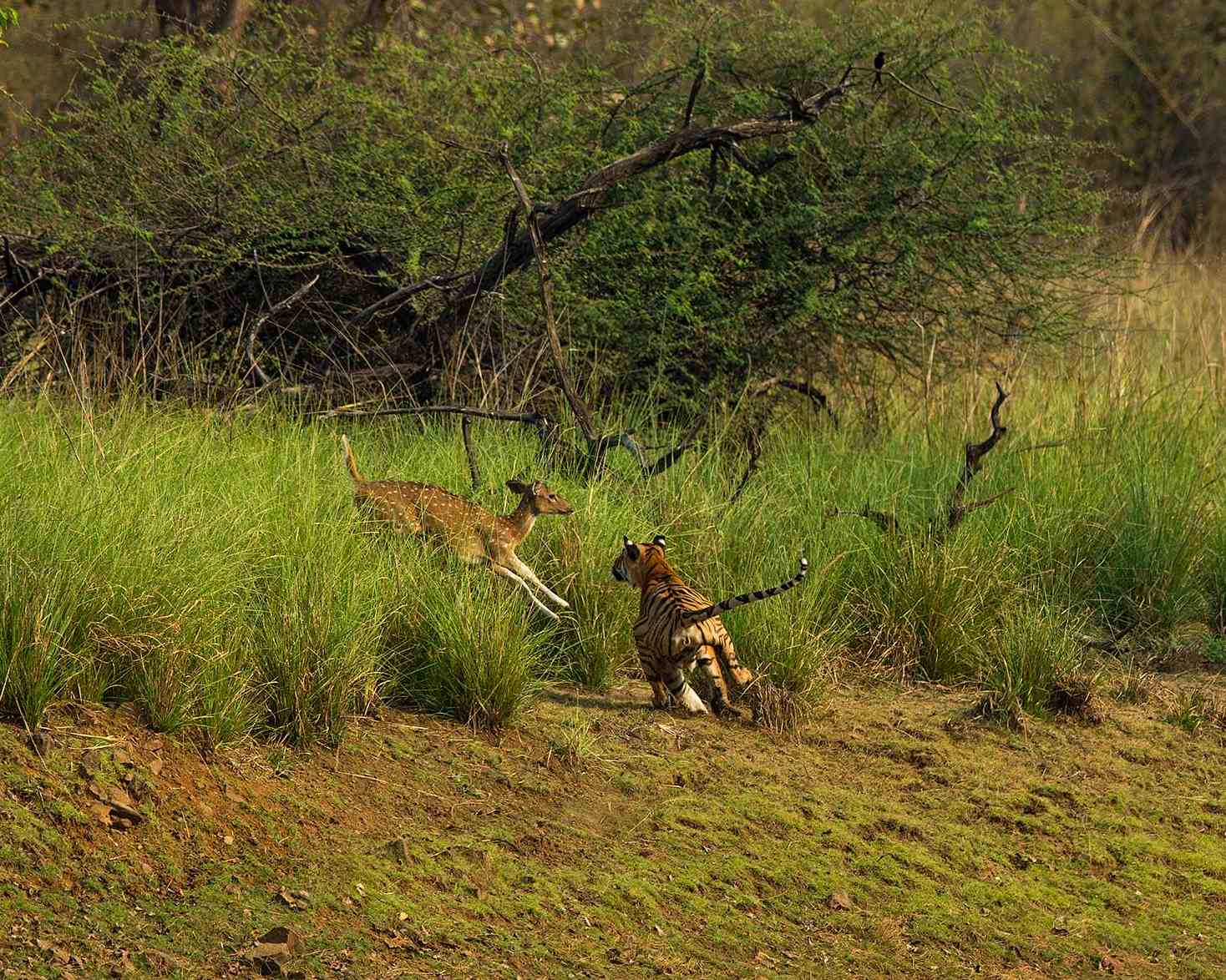
One of the primary reasons why large areas of forest in India no longer have tigers is because local people have hunted and eaten away most of the prey animals. While the direct poaching of tigers is contributing to their rapid decline now, it is the steady erosion of the tiger’s prey base that has resulted in low numbers of tigers to start with.

An adult tiger needs about 3000 kg of food a year. This translates roughly into one deer-sized animal every week.

Continue reading

Some Animal Behavior Footage from Costa Rica

A dragonfly on a path at Xandari

Whenever I have the opportunity to visit a national park in Costa Rica, I obviously take my camera with me so I can try to get some good photos or videos of all the wildlife I hope to see. Looking back on my files of images from the past couple months, I realized that I happened to have some half-decent videos that represented what I’d consider the four most important classes of Kingdom Animalia/Metazoa from the point of view of a terrestrial biophile: Aves, Reptilia, Mammalia, and Insecta. In other words, when I’m walking through the rainforest, the animals I keep an eye out for will likely fall into the category of bird, reptile, mammal, or insect. If I’m out at night, then maybe Amphibia will get thrown in there too!

In the video above, you can  Continue reading

The Nilgiri Marten


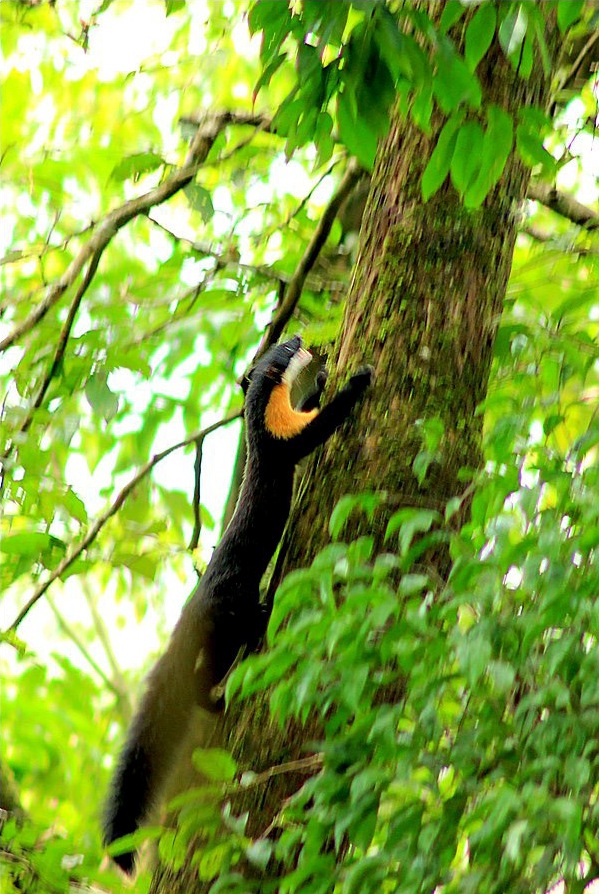
Photo credit : Aparna P

Photo credit : Aparna P

The Nilgiri marten (Sc. name: Martes gwatkinsii) is the only marten found in southern India, in the Nilgiris and western Ghats. Martens are fairly widespread members of the family Mustelidae, which also includes the familiar otter, badger, weasel, ferret, and other small carnivorous mammals. The Nilgiri marten, like other martens, makes its home in the forest, inhabiting the moist and semi-evergreen forests of the Western Ghats. They are quite rare and not very well researched; although mostly arboreal, their wide-ranging travels motivated by their carnivorous diet will occasionally bring them down from the trees where lucky photographers may be able to snap a few photos before the marten hightails it. Continue reading

Common Emigrant Butterfly

Photo credits : Faisal

Photo credits: Faisal

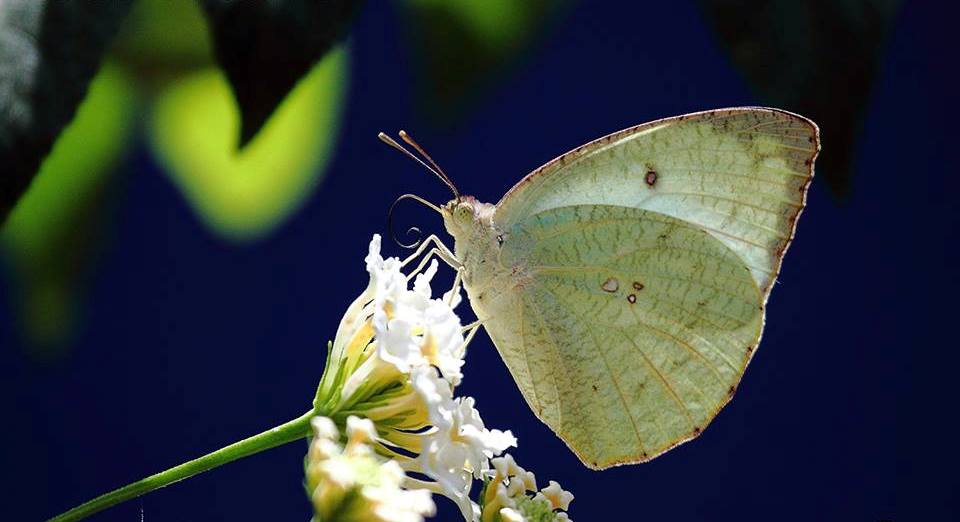
Butterflies are ecologically important due to the role they play in the food chain of a forest ecosystem. They also greatly affect biodiversity, since most butterflies are pollinators of flowering plants. India’s Western Ghats play home to many species of butterfly.

The Common Emigrant Butterfly is Continue reading

Thekkady – Periyar Tiger Reserve

Photo credits : Johny Tom

Photo credits: Johny Tom

The Periyar Tiger Reserve is one of the major wildlife sanctuaries in Kerala. With 925 square kilometers of forest, it is the largest protected national park in Kerala, and perfect habitat for the Asian elephant. The forest is a great place for animal lovers, bird watchers, and trekkers. Continue reading

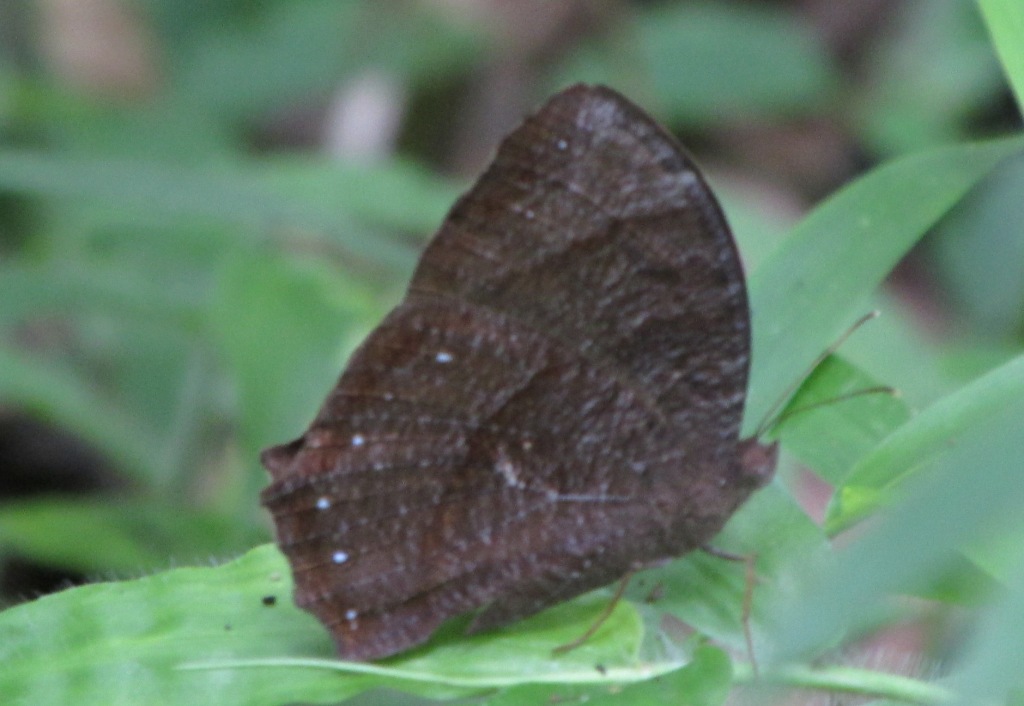
Dark Evening Brown Butterfly

The dark evening brown butterly is found in the forested tracts of the Western Ghats and the Himalayas to Arunachal Pradesh up to 2100 maters. These butterflies prefer shady glades in moist forest habitat, and are attracted to refuse and bird droppings. They have prominent gray wing borders, and apical eye spots.

Small Grass Yellow Butterfly

Small Grass Yellow Butterflies are more common in the foothills, prefering open, lightly forested areas where it flies around bushes. Their yellow wings have distinctive black outer margins, which are broader in the female. Both sexes have two black spots at the end cell of the underside of the forewing. Continue reading

Wild Periyar

Photo credits : E I Sali

Photo credits: E I Salim

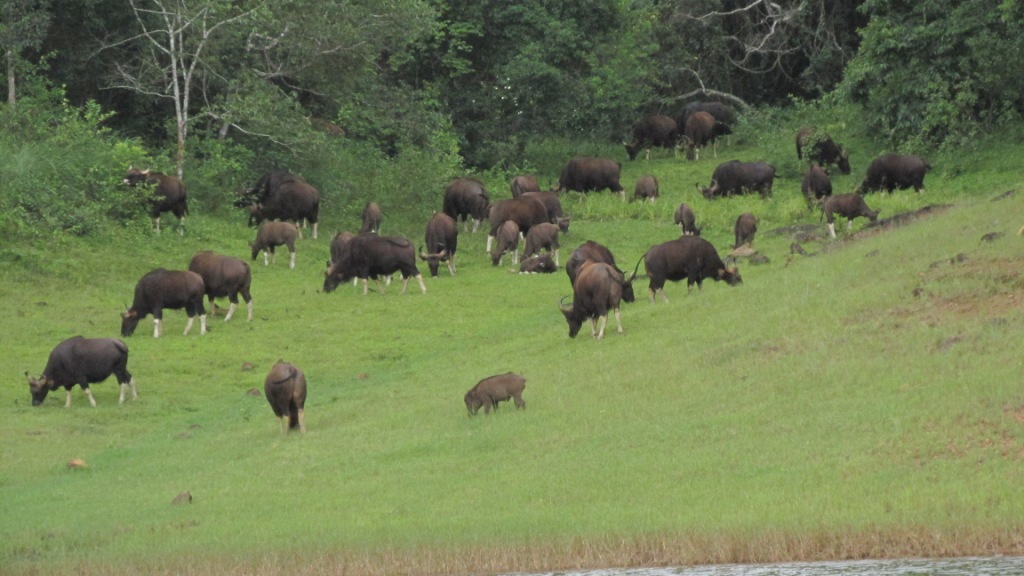
The Periyar Tiger Reserve is a rich biodiversity reservoir of 925 sqr km in the southern portion of the western Ghats of India. Considered one of the thirty-four biodiversity hotspots of the world, it is the land of elephants, gaur (pictured above), deer, and even tigers and other felines.

A 25 sqr km reservoir, Continue reading

Plant-a-Tree at Xandari

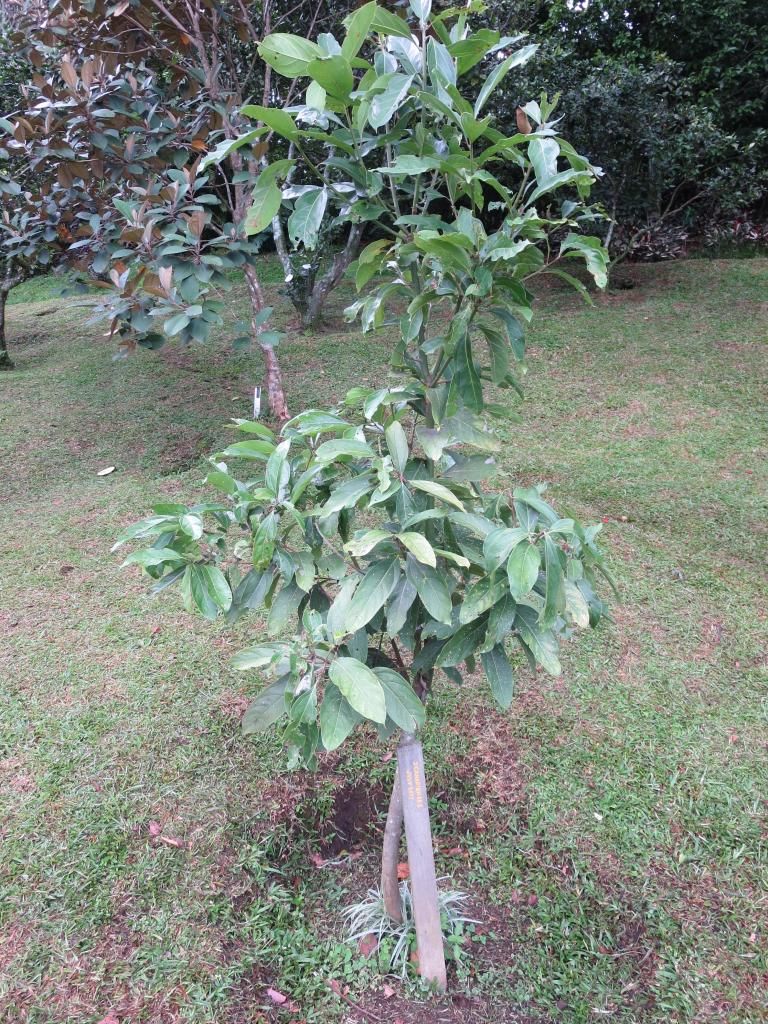
The stake in front that holds the planter’s name says (quite humorously, to my mind): 3 CANADIENSES!

Plant-a-tree programs are real winners: educational, fun, and productive. Next time you visit Xandari (or another sustainable or eco-friendly hotel), be sure to ask about the opportunity about the opportunity to plant a sapling. At Xandari, plantings are usually done in the orchard or in one of the old coffee plots. Everybody who plants a tree has a small wooden stake erected near the spot, commemorating the event and recognizing the effort to make the world a little bit greener. Continue reading

Peacock Pansy Butterfly

Photo credits : Jose K

Photo credits : Jose K

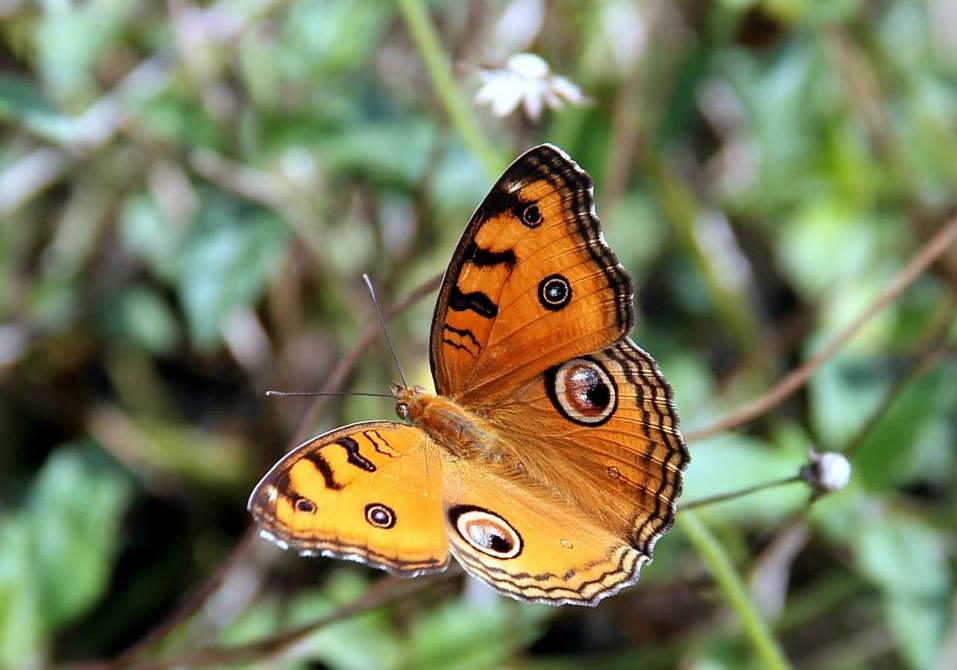
Peacock Pansy Butterflies are found across India up to 2000 meters throughout the year, prefering forest edges, waterside vegetation and gardens. These orangish butterfly with prominent peacock eye spots, to smaller eye spots on the upper forewing and larger on the hindwing are very common in the Periyar Tiger Reserve. Continue reading

The Greenery of Wayanad, Kerala

Photo credits : Jimmy

Photo credits: Jimmy

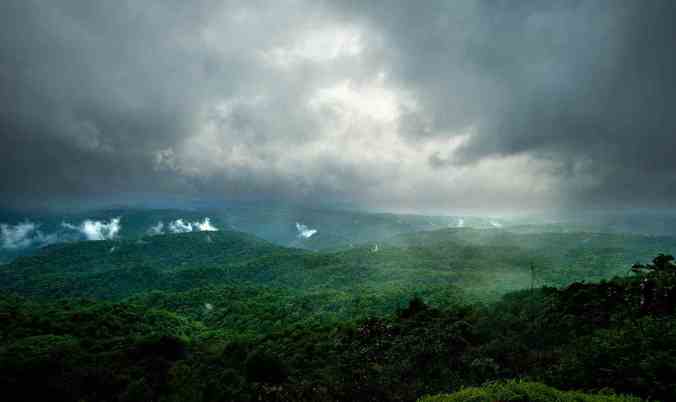
Wayanad is a place of true beauty: thickly wooded hills, lush evergreen forests, rolling rice paddies in the valleys and verdant spice plantations in the hills. The area is packed with bamboo groves, moist deciduous forest, and  semi-evergreen forests. Roads winding through the rugged hills carry domestic and international tourists alike on a scenic route through the district. Continue reading

Munnar, Revealed

Photo credits : Bobby Mathew

Photo credits: Bobby Mathew

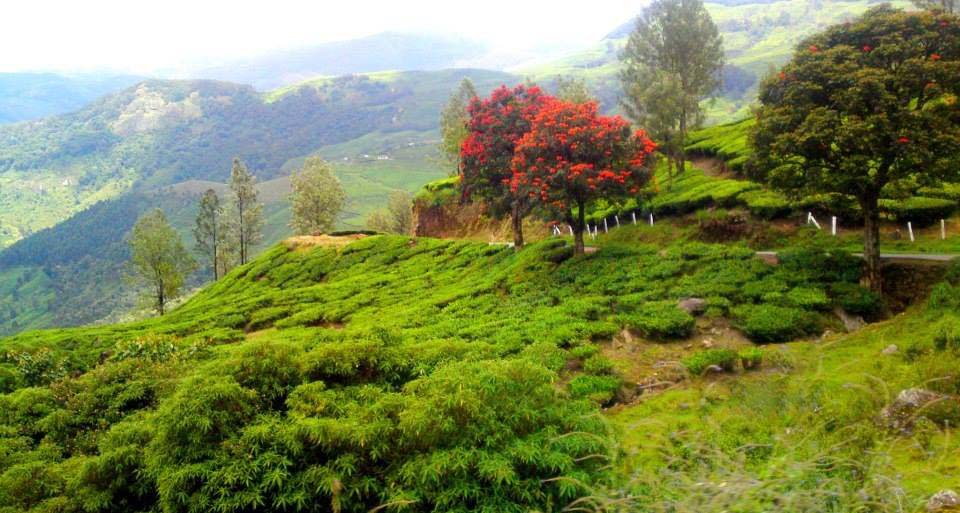
Munnar is one of the most popular hill stations in Kerala, nestled in the Western Ghats at an altitude of above 6000 ft. Its stunning expanses of tea plantations, mountains and valleys, and natural waterfalls play host to many exotic species of flora and fauna. Truly worth the visit! Continue reading