Bog

Photo credit: BU Dining Services

Earlier this week I wrote about an entirely different sort of swamp. This brief post is about a topic much more in tune with the holiday season: cranberries. Grown in bogs with layers of peat, sand, gravel, and clay, cranberries are native to North American wetlands (our readers across the pond will probably know the European variety of the fruit as lingonberries). In the United States they are primarily grown in Massachusetts, New Jersey, Oregon, Washington, and Wisconsin (ordered alphabetically, not by output). Something not many people may know is that these cranberry bogs are cyclically flooded with vast amounts of water every season; some might worry over the constant waste of this precious liquid in areas of major cranberry production, or the contamination of water tables with pesticides and fertilizers common to agricultural use.

But I am about to tell you about some of the advantages cranberry-growers have over other industrial agriculturalists in terms of their water utilization. Why will I share this with you? Well, cranberry sauce features prevalently in the traditions of recent holidays, namely Thanksgiving and Christmas (and was thus probably consumed in an overwhelming majority of American households at least once in the past 60 days), plus my grandparents swear by cranberry juice, but I also recently found out that cranberries–and the water they are flooded with for harvesting–make for excellent art, or sport. What I never would have guessed is that Red Bull would be the one to show me this; just watch the video below:

Continue reading

Mysore Fruit Market

Photo credit: Ramesh Kidangoor

One of the most colorful and oldest fruit markets in India, Mysore Fruit Market is famous for the freshness and purity of the produce available here. Just off the city’s main thoroughfare, this market is used by the locals daily. Continue reading

Malay Rose Apple

Malay Rose Apple tree is a tropical evergreen tree which grows up to 40-50 ft height. Native to Malaysia, these trees are cultivated and naturalized in the Western Ghats of India.The rose apple blooms throughout the year and the ripe fruit can be eaten raw. The fruits are also used for making wine, jams, jellies and stews. In medicine the tonic of the fruit is used for ailments of the brain and liver . Continue reading

Sour Cherry

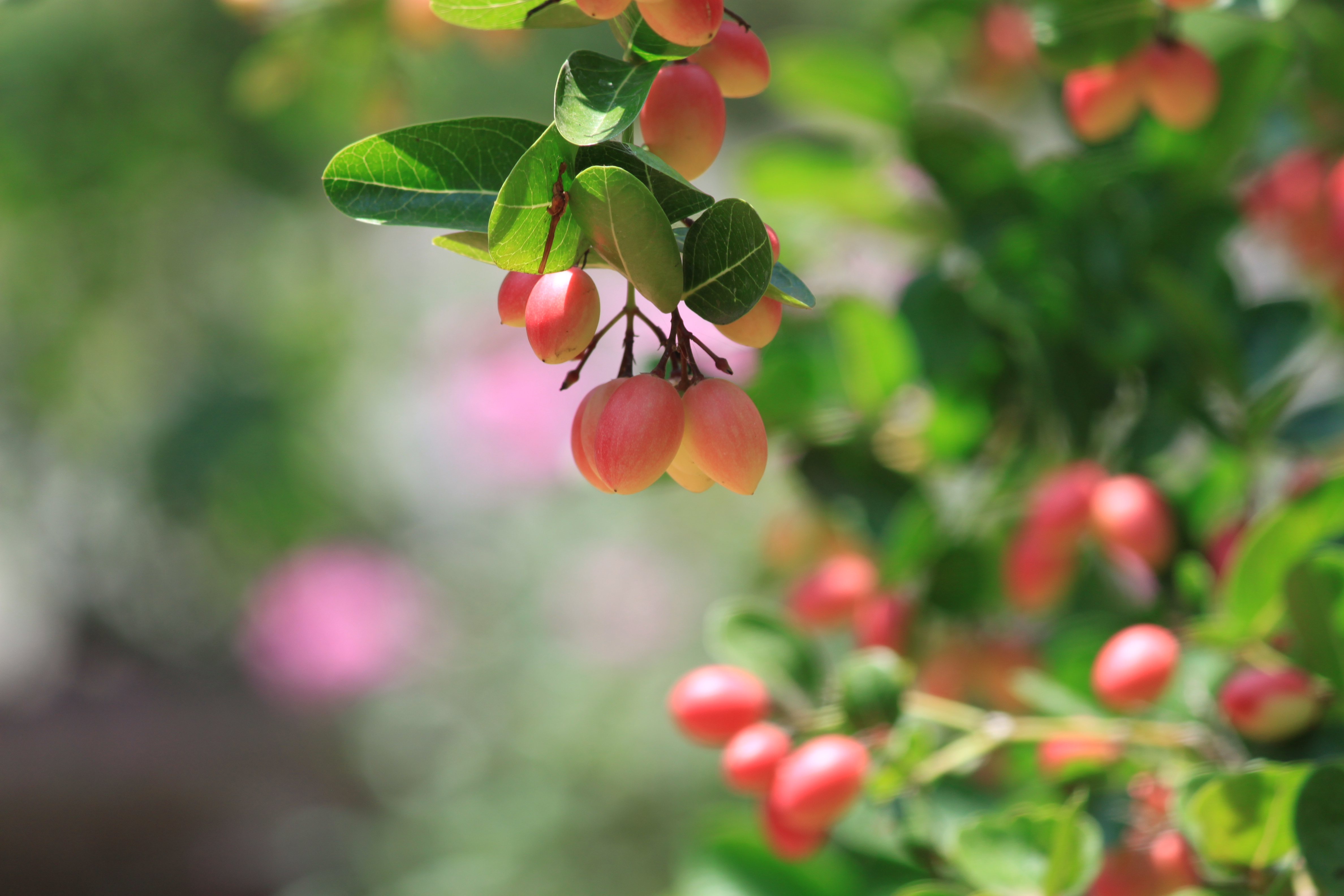
The Sour Cherry is a tree in the Rosacease family found in the high ranges of Kerala, a state famous for its fruits. The fruit is small and fleshy, ranging from rose to a deeper red colour. They are popular for making jams, desserts and other culinary purposes. The fruits are also used for medicinal purposes as they are low in cholesterol and rich in fiber and vitamin C. Continue reading

Indian Gooseberry (Embeklic myrobalan)

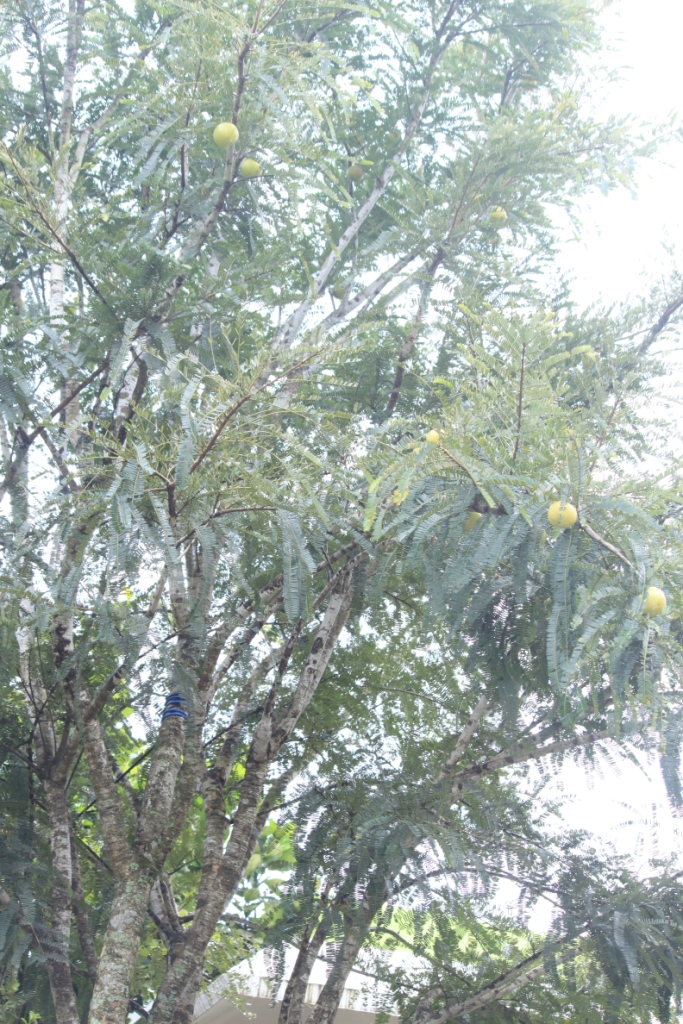
Indian Gooseberry, also known as Amla, grows throughout the country in deciduous forest and hill slopes up to an altitude of 900 meters and is also cultivated in plains  for commercial purpose. This medium sized tree can grow up to 10- 15  meters in height and produces round and juice fruits. The leaves are used to treat conjunctivitis, inflammation and diarrhoea. The fruits are used in wide range of disorders including colic, ulcers, diarrhoea, and cardiac disorders.

Continue reading

Pineapple (Ananas Comosus)

Pineapple is one of the most popular fruits worldwide and it’s widely cultivated throughout Kerala. The flesh and juice of this fruit are used in various of the state’s cuisines. During season it’s not uncommon to see them by the truckload on road sides.

Continue reading

Moottil Pazham (Baccourea courtallensis)

Moottil pazham trees are found only inside the semi-evergreen forest. This unusual tree bears fruits only on the lower part of the trunk, clustered around its base in bunches. The edible portion of the fruits are hard and turn from reddish brown to pink as they ripen. They fruits are a favourite food for forest dwelling tortoise. Continue reading

Mango Culture

More subscription-worthy coverage from the New York Times:

Mangoes are objects of envy, love and rivalry as well as a new status symbol for India’s new rich. Mangoes have even been tools of diplomacy. The allure is foremost about the taste but also about anticipation and uncertainty: Mango season in the region lasts only about 100 days, traditionally from late March through June; is vulnerable to weather; and usually brings some sort of mango crisis, real or imagined.

Carpe Fructus!

Recently, after finishing my shopping at the central market we were on the return drive when I glanced to my left and saw a pushcart full of Rambutan and Mangosteen.  I quickly asked Shibu to pull over so I could make sure it wasn’t my imagination.  I have to acknowledge that this was one of the many market-going moments when I wished I’d remembered to tuck the camera into my bag!

The cart had a pile of each fruit…the rambutan (looking like a Martian lychee covered with rubbery “hairs”) ranging from dark red to brownish maroon, and the mangosteen, a beautiful purple brown bordering on eggplant with little stems attached to a woody cap like a circle of flower petals.


There were more mangosteens strung up like Christmas garlands by their stems.  Continue reading

Fruit Hunters

There’s a particular fruit stall that I frequent on Thevera Road. Its wares almost literally spill out onto the street, with filled bins overflowing the boundaries of the shop interior, fruit stacked high on shelves going up the ceiling on both walls of the narrow space. The back of the shop has a few tables where people can purchase fruit drinks, but I think the majority of their sales are of the fruit themselves.

There always seems to be something new, depending on the season (or week within the season). One day I entered to find a table overflowing with small, reddish purple plums. I’d never seen what I would call “stone fruit” in India before, so I excitedly pulled out one of my cloth bags and started picking through the pile for the ripest looking specimens. When I see plums it reminds me of living in Europe—where I used the multiple varieties in my version of the classic Tarte Tatin. Before living in Paris I actually had no idea there were so many types of plums, but as summer progressed new varieties would arrive at the Marché, each with more melodic names than the last: Reine Claude, Mirabelle, Belle de Louvain… and with each addition I would remake the tarte, and the family would pronounce that each one was the “perfect” plum for the recipe, eaten of course with a spoon of crème fraîche and the guilty expression of one caught licking the plate upon completion.

Here in India I brought the bag of plums home Continue reading