Consumables Containing Consumables

31PACKAGE1-master768.jpg

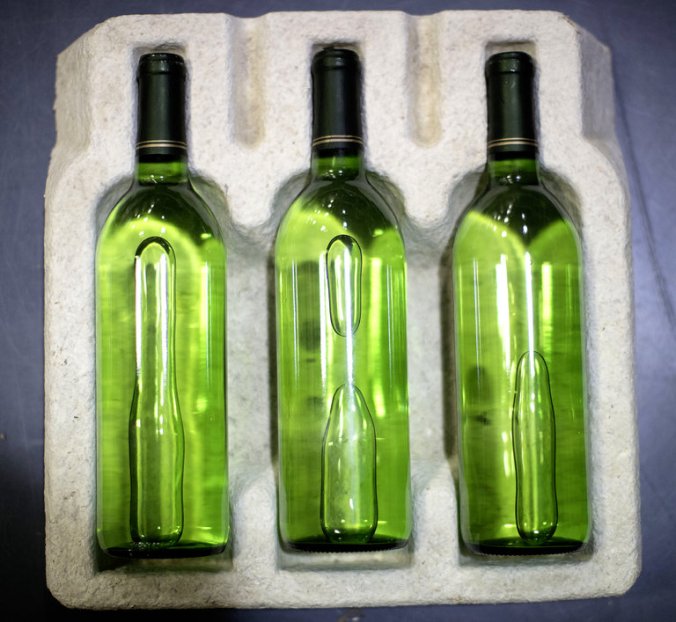
The design company Ecovative makes a variety of packaging materials using mycelium fungus. Credit Nathaniel Brooks for The New York Times

Thanks again to Stephanie Strom for a story about ecology that surprises:

Packaging Food With Food to Reduce Waste

For the environmentally conscious eater, they are among the most inconvenient truths: Too much food goes to waste. Too much packaging comes with the food. And too much of the packaging is made to last for ages.

Now there may be a single answer to all three problems: using excess food to make the packaging. Continue reading

From Ew To Wow, To OMG

kudzu-mycosis-2_custom-2ee2a5c50549200b13075d6d13d1fb17f69936fd-s1400-c85.jpg

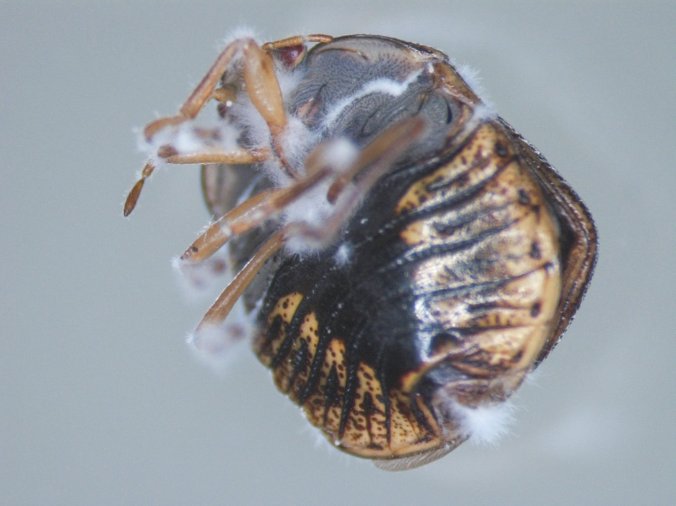
When it comes to biopesticides, one of the most widely used fungi is Beauveria bassiana. Above, a kudzu bug killed by Beauveria bassiana, seen growing out of the cadaver. Courtesy of Brian Lovett/University of Maryland Entomology

Thanks to the salt, at National Public Radio (USA) for their sharing the creepy- crawliest news from the realm of mycologists working on clean solutions to some massive, dirty challenges, and changing the rules of pest management along the way:

Fungal Pesticides Offer A Growing Alternative To Traditional Chemicals

When it comes to biopesticides, one of the most widely used fungi is Beauveria bassiana. Above, a kudzu bug killed by Beauveria bassiana, seen growing out of the cadaver. Continue reading

Wood Wide Web

7650980706_652e5ab178_k.jpg

Forests and fungi–words that make me think of Milo circa 2010-2012 in the south of India, especially in the Periyar Tiger Reserve (but also later, writing about fungi in relation to food waste). When I first heard this a week ago, it seemed typical of Radiolab’s attention to quirky outlier science stories:

From Tree to Shining Tree

Saturday, July 30, 2016

A forest can feel like a place of great stillness and quiet. But if you dig a little deeper, there’s a hidden world beneath your feet as busy and complicated as a city at rush hour.

In this story, a dog introduces us to a strange creature that burrows beneath forests, building an underground network where deals are made and lives are saved (and lost) in a complex web of friendships, rivalries, and business relations. It’s a network that scientists are only just beginning to untangle and map, and it’s not only turning our understanding of forests upside down, it’s leading some researchers to rethink what it means to be intelligent.

And it was typical, in that sense. But Milo’s attention to the underworld of fungi, which at the time seemed to me as quirky as this Radiolab story does today, got me to start paying attention to anything in our news network with certain keywords (mushroom, fungi, etc.) and just now I came across a short journalistic account that taps into the same science as the Radiolab piece above, and I am realizing it may not be merely quirky: Continue reading