Free The Seed

Seeds.jpg 

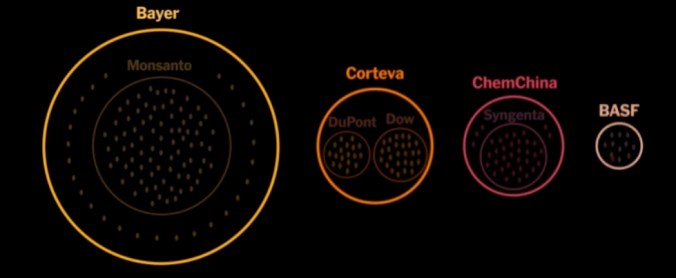
Today, just four giant companies control more than 60 percent of all the world’s seed sales.


Thanks to the New York Times for this opinion:

Save Our Food. Free the Seed.

By Dan Barber

Additional reporting and graphics by Ash Ngu. Photographs by Ruth Fremson

Kale.jpg

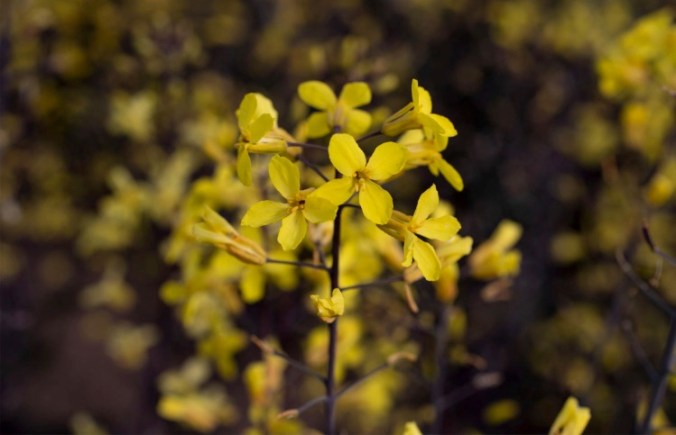
Flowering curly kale, a variety called Baltisk Rod Purpurkal, being grown for seed at Fresh Roots Farm in Montana. The farm is collaborating with the Organic Seed Alliance on a toolkit for farmers who want to produce seed.

Not long ago I was sitting in a combine tractor on a 24,000-acre farm in Dazey, N.D. The expanse of the landscape — endless rows of corn and soybeans as precise as a Soviet military parade — was difficult to ignore. So were the skyscraper-tall storage silos and the phalanx of 18-wheeled trucks ready to transport the grain. And yet what held my attention were the couple of dozen seeds in my palm — the same seeds cultivated all around me.

We are told that everything begins with seed. Everything ends with it, too. As a chef I can tell you that your meal will be incalculably more delicious if I’m cooking with good ingredients. But until that afternoon I’d rarely considered how seed influences — determines, really — not only the beginning and the end of the food chain, but also every link in between.

The tens of thousands of rows surrounding me owed their brigade-like uniformity to the operating instructions embedded in the seed. That uniformity allows for large-scale monoculture, which in turn determines the size and model of the combine tractor needed to efficiently harvest such a load. (“Six hundred horsepower — needs a half-mile just to turn her around,” joked the farmer sitting next to me.) Satellite information, beamed into the tractor’s computer, makes it possible to farm such an expanse with scientific precision.

The type of seed also dictates the fertilizer, pesticide and fungicide regimen, sold by the same company as part of the package, requiring a particular planter and sprayer (40 feet and 140 feet wide, respectively) and producing a per-acre yield that is startling, and startlingly easy to predict.

It is as if the seed is a toy that comes with a mile-long list of component parts you’re required to purchase to make it function properly. Continue reading
Problem Solving the Entrepreneurial Way


The phrase “necessity is the mother of invention” comes to mind when related to overcoming the obstacles of handling emergencies in remote or dangerous locations. But after listening  to Zipline founder Keller Rinaudo’s TED talk, “entrepreneurship is the new philanthropy” seems more apropos. Our direct experience is more within the entrepreneurial conservation model in developing economies, but the energy with which many countries have leap frogged established technologies with 21st century models and solutions belies their assumed status of development. Continue reading

Melissa Clark’s Kelp Call

merlin_153017235_49fd1266-e0bc-4084-b2a0-463f574844dd-jumbo.jpg

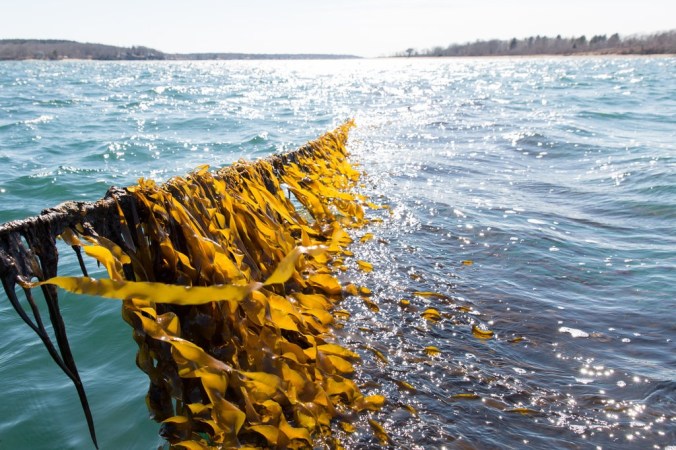
Kelp, a variety of edible seaweed farmed near Portland, Me., is harvested in spring. It’s delectable and nutritious, it’s easy to cook with, and it actively benefits the ocean’s health. Matt Cosby for The New York Times

Melissa Clark has appeared in our pages plenty of times, starting in 2014 when we were launching a restaurant whose menu featured tasty, nutritious and environmentally friendly dishes–i.e. the types of foods she promotes. Today’s pitch is right in line with those we have featured before:

The Climate-Friendly Vegetable You Ought to Eat

Kelp is delicious and versatile, and farming it is actively good for the ocean. Melissa Clark wants you to just try a bite.

merlin_153017220_60147ae8-0be8-4022-9809-771478c35d7a-jumbo.jpg

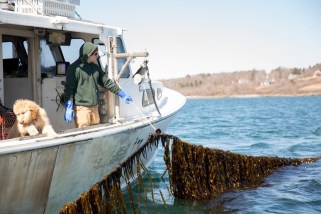
Justin Papkee, kept company by his dog, Seguin, pulling up a line of kelp. Harvesting wild kelp is ancient, but farming it is a relatively new practice in the United States. Matt Cosby for The New York Times

PORTLAND, Me. — It was a sharp, windy March day, but the gray water of Casco Bay glimmered green in the sun. On his lobster boat, the Pull N’ Pray, Justin Papkee scanned the surface of the ocean, searching for his buoys. But he wasn’t looking for lobster traps.

Mr. Papkee was farming, not fishing: His crop, clinging to ropes beneath the cold waves, was seaweed, thousands of pounds of brownish kelp undulating under the surface. Growing at a rate of 4 to 6 inches per day for the past six months, it was nearly ready to be harvested and sent to restaurants like Blue Hill at Stone Barns, Estela, Houseman, Saint Julivert Fisherie and Luke’s Lobster in New York, and Honey Paw, Chaval and the Purple House here in Maine.

merlin_153563010_afbf47f7-c23c-4309-8485-d213349da62d-jumbo.jpg

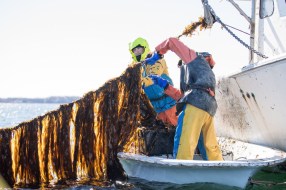
Justin’s father, Chris Papkee, at left, and Jimmy Ranaghan removing the kelp from the long ropes on which it grows. Matt Cosby for The New York Times

He pulled a blade of kelp from his line and handed me a long, translucent strip. I took a bite, and then another, seawater running down my chin.

I’d eaten plenty of seaweed salads at Japanese and vegan restaurants, but this was not that. A variety called skinny kelp, it was lightly salty and profoundly savory, with a flavor like ice-cold oyster liquor, and a crisp, snappy texture somewhere between stewed collard greens and al dente fettuccine. The chef Brooks Headley, who adds it in slippery slivers to the barbecued carrots he serves at Superiority Burger in New York, described it in an email as “insanely delicious and texturally incredible.” Continue reading

Bob’s Red Mill Keeps On Amazing

redmill1_wide-9f7e4dfcb6b1bbe41f3ed0fb85f60daeb2ea71ae-s1300-c85.jpg

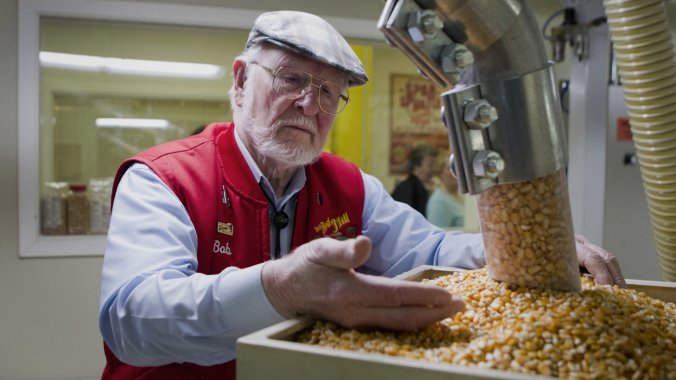
Bob Moore, founder of Bob’s Red Mill and Natural Foods, inspects grains at the company’s facility in Milwaukie, Ore. The pioneering manufacturer of gluten-free products invests in whole grains as well as beans, seeds, nuts, dried fruits, spices and herbs.
Natalie Behring/Bloomberg via Getty Images

One of our favorites, featured in a story that is important to several people we know:

How Bob’s Red Mill Company Became A Gluten-Free Giant Ahead Of Its Time

redmill2_wide-963a77b360e361e6d37206cd2d89da3014710621-s1300-c85.jpg

Gluten-free products are for sale at the Bob’s Red Mill and Natural Foods store in Milwaukie, Ore.
Natalie Behring/Bloomberg via Getty Images

Bob Moore, the 90-year-old founder of Bob’s Red Mill, was just a few years into the business of milling whole grains at a converted animal feed mill in a Portland, Ore., suburb when he got a visit from some gluten-free Seattlites who’d come down with a business proposition: Use his business contacts to help them buy bulk xantham gum, an ingredient used in gluten-free baking to help replicate gluten’s elasticity. Continue reading
Bananas, Taught New Tricks, Can Perform Wonders

3024.jpg

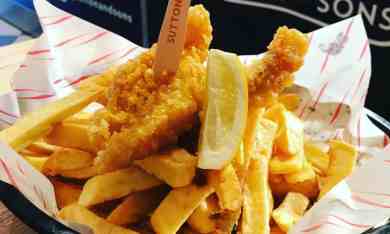
Vegan fish and chips from Sutton and Sons. Photograph: Sutton and Sons

The last time I posted on banana blossoms it was because a bunch of bananas outside our kitchen window coincided with an article about vegan fish and chips. Today, a bit more of the same coincidental mixing of kitchen and reading. I just tasted a sample of the fifth batch of banana ceviche made by the kitchen assistant for Organikos, who spent seven years assisting in the kitchen of a Peruvian family. Each time she has made banana ceviche I have wondered whether it was a lucky batch. It is that good. And today’s was as good as each previous batch. Now as I turn to my review of options for what to post about on this platform, I have encountered a story with the photo above, and the photo below, with a headline guaranteed to pull me in:

Banana blossom: the next vegan food star with the texture of fish

Sainsbury’s is to include the flower, which hails from south-east Asia, in its ready meals

Thanks to Anna Berrill and the Guardian for that, and for the several ideas that will guide me at the farmer’s market this morning:

5472 (1).jpg

Banana blossom can also be eaten raw and has a chunky, flaky texture. Photograph: Suwatwongkham/Getty Images/iStockphoto

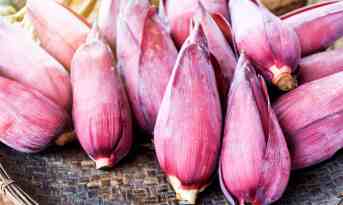
Following on from beetroot burgers and jackfruit curries, the next star of the vegan “meat” world hails from the gardens of south-east Asia and looks somewhat like an artichoke.

Banana blossom, also known as a “banana heart”, is a fleshy, purple-skinned flower, shaped like a tear, which grows at the end of a banana fruit cluster. Traditionally used in south-east Asian and Indian cooking, it can also be eaten raw and its chunky, flaky texture makes it an ideal substitute for fish.

Sainsbury’s, which will be rolling out a series of plant-based meals later this year, is to include banana blossom in its ready meals in the hope the flower will catch on among a burgeoning population of shoppers looking for meat-free alternatives. Continue reading

Meat Where They Are

vegan-burger-1_custom-69b8aeff56bf284ed1349c739dc345cf0336364d-s1200-c85.jpg

Focusing less on the meat-free or health aspects of plant-based dishes, like this jackfruit burger — and more on their flavor, mouthfeel and provenance — could go a long way toward getting meat lovers to choose these options more often. That’s according to research by the World Resources Institute’s Better Buying Lab in conjunction with food chains, marketers and behavioral economists. Westend61/Getty Images

As much as I would like to dedicate another post to a shout out for Carolyn Kormann, since her latest posting is on a topic I am following closely, something else seems even more of the moment.

BWW-Pete_Buttigieg.jpg

Against the image of the millennial left, Pete Buttigieg appears to be a relatively prosaic Presidential candidate, but, in his own understated way, he is suggesting a sharp break with the past. Illustration by Tyler Comrie; Source Photograph by Alex Wong / Getty

Just after reading this brief profile of a remarkable person, I read something as seemingly different as could be in this story about changing food preferences by Maria Godoy. In the profile, this quote two thirds of the way through stood out:

…“So much of politics is about people’s relationships with themselves,” Buttigieg said. “You do better if you make people feel secure in who they are.”…

In the food story, just reading the caption in the image above you get the same message: meet people where they are. As sensible in politics as in changing food preferences. For all our attention to the important ecological reasons to reduce or even better to eliminate animal protein consumption, better to appeal to what most people most quickly respond to, namely their existing preferences. Meat where they are seems like the best option, so show how another option is tastier, healthier, or whatever is the most salient point for a particular type of consumer according to Godoy’s reporting:

…”The language for meat, and beef in particular, just sounds so much more delicious,” says Daniel Vennard. And labels like “meat-free,” “vegan,” and “vegetarian” tend to be turn offs for consumers. “People don’t create positive associations with how it’s going to taste and don’t feel it’s very indulgent.”

And that’s a real problem for Vennard: As head of the World Resources Institute’s Better Buying Lab, it’s his job to work with food companies, behavioral economists and marketing experts to find ways to get people to eat more sustainably. Or, as he puts it, to make “this party sound even better than the other party.”…

When Pictures Are Worth a Thousand Words

_105461276_mediaitem105461275

With none of the usual traffic clogging the capital, Sunday football devotees took to the streets.

I remember car free days in Paris with pleasure, sunny autumn weather topped by cyclists, pedestrians and skaters enjoying wide boulevards and narrow city lanes alike. New York City has a smaller scale version, with a 2 mile stretch of lower Broadway, plus a mile up in Washington Heights.

_105461998_mediaitem105461997

The event also allowed skateboarders to show off their skills.

No traffic days taking place in developing countries somehow feels all the more impactful, especially considering it’s a monthly event, rather than an annual one! Thanks to the BBC for bringing this to our attention with the story No traffic in Addis Ababa as Ethiopia marks Car Free Day:

Thousands of people have marked Car Free Day in cities across Ethiopia by walking and exercising.

_105462371_052075291-1

The measure was implemented by the government of Prime Minister Abiy Ahmed, who was came to office last April after his predecessor resigned.

Major roads were shut as Health Minister Amir Aman led the walk in the capital, Addis Ababa.

This was the first Car Free Day held in Ethiopia to promote healthy living, and to reduce pollution on roads usually clogged with traffic.

Tents were also set to offer free health checks to those who were walking and exercising.

_105461278_mediaitem105461277

All photos by Eduardo Soteras, AFP

Mr Amir is trying to change that and Car Free Day will be held on the last Sunday of each month, he adds. Continue reading

Rutabaga’s Moment In The Light

Rosner-Rutabaga-Secondary.jpg

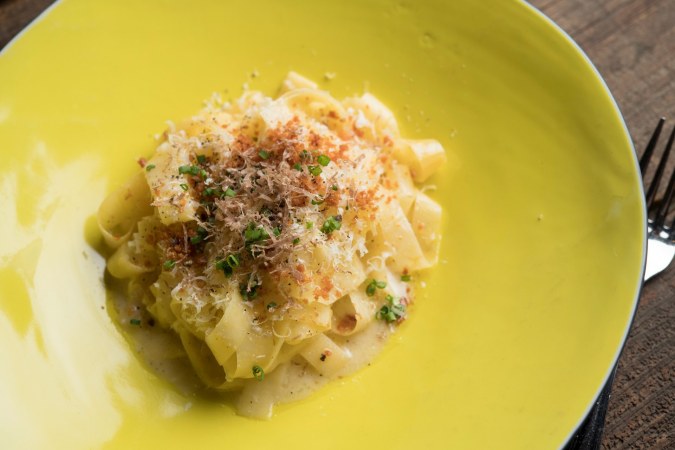
Rutabaga tagliatelle, from Olmstead, in Brooklyn.Photograph by Evan Sung

In the interest of cutting back meat consumption, my eye is easily caught these days by pretty shiny things, like the image above, but even more so by rich description, especially when the history of a food is illuminated. This brief history of one root vegetable, accompanied by a couple of beautiful photos, led me to the book below right. Click the book image to go to the source. RutaB.jpg

The original is in a collection akin to the one where Seth did his History honors thesis, and akin to the one where some of my doctoral dissertation‘s historic data was sourced (if you are a Cornell geek or library geek scroll upward from the cover page to see the details). Thanks to Helen Rosner once again brilliantly for getting me exploring:

The Swiss botanist Gaspard Bauhin was born in Basel in 1560, and he dedicated his life to obsessively cataloguing the vegetable world. To present-day historians, he’s notable primarily for his botanical thesaurus “Pinax Theatri Botanici” (“An Illustrated Exposition of Plants”), published in 1623. But, among cooks, he’s sometimes recalled for his lesser work, published in 1620: “Prodromos Theatri Botanici” (“Prologue to the Exposition of Plants”), a compendium of flora in which he describes a plant with vivid yellow flowers, a spray of leaves, and massive, hairy roots “more or less similar to those of turnip or carrots.” It was a specimen that had never before appeared in any scientific list of plants: the rutabaga.

Rosner-Rutabaga-4.jpg

The rutabaga is a culinary underdog. It struggles to shine among its fellow root vegetables.Photograph by Matthias Haupt / Picture Press / Redux

The annals of botany abound with claims that Bauhin was not only rutabaga’s biographer but also its inventor: that he found it growing wild and domesticated it; that he was a civic-minded scientist seeking a cold-resistant turnip to feed his chilly countrymen and not (more likely) a monomaniacal scholar who spent his life ensconced in an herbarium, scrivening endless latinate lists of plant names. “The turnip is older than history,” the caption on a color plate in a 1949 issue of National Geographic declares. “The rutabaga almost modern.” In fact, the vegetable has been around at least since ancient-Roman times, when the naturalist Pliny the Elder, writing in the first century, described an edible root “between a radish and a rape”—meaning the plant from which rapeseed oil derives, which is a cultivar of the same species. Bauhin writes that in his time the vegetable was widely grown in “the cold Noric fields of Bohemia,” where it was eaten pickled or mashed and was called simply “root” by its cultivators. Continue reading

Nutrition & Conservation

gettyimages-900239716-1-_custom-91eba6942a1b903ffe500292ec1a25080078f636-s1200-c85.jpg

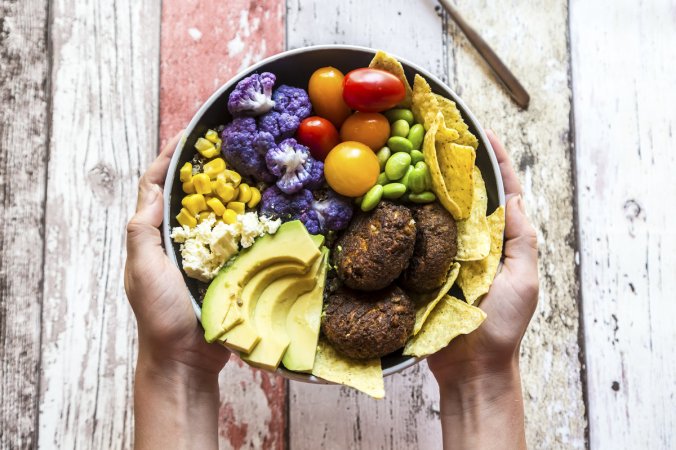
To help protect the planet and promote good health, people should eat less than 1 ounce of red meat a day and limit poultry and milk, too. That’s according to a new report from some of the top names in nutrition science. People should instead consume more nuts, fruits and vegetables, legumes, and whole grains, the report says. The strict recommended limits on meat are getting pushback. Westend61/Getty Images/Westend61

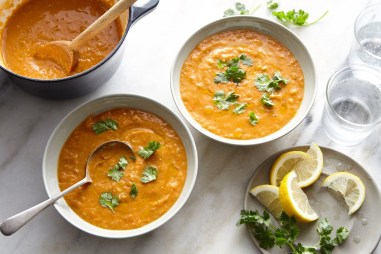
Preparing ahead for a meal to be cooked today, I was reading this recipe, whose image (below) was competing for my attention with the image above. The picture above is eye-catching, at least to me, a visual cue leading me to the type of meal I should be thinking about more often. It is a big picture picture. I have red lentils in the cupboard, and I intend to prepare them today, so the recipe won the race for my attention.

merlin_146234352_d7bc8486-b067-4cff-a4c0-7741f166fb60-jumbo.jpg

Melissa Clark’s red lentil soup.CreditJoseph De Leo for The New York Times. Food Stylist: Monica Pierini.

The story by National Public Radio (USA) waited. It is about diet, with the kind of explanatory information that motivates me to find lentils more appealing, and to understand why meals like this should dominate the weekly menu:

What we eat – and how our food is produced – is becoming increasingly politicized.

Why? More people are connecting the dots between diet and health – not just personal health, but also the health of the planet. And the central thesis that has emerged is this: If we eat less meat, it’s better for both.

So, how much less? A new, headline-grabbing report — compiled by some of the top names in nutrition science — has come up with a recommended target: Eat less than half an ounce of red meat per day. That works out to about 3.5 ounces — or a single serving of red meat — per week. And it’s far less red meat than Americans currently consume on average: between an estimated 2 and 3 ounces per day. Continue reading
Green Food, Tech Model Solutions

Derek Thomson and his Crazy Genius crew over at the Atlantic’s podcast division have hit on a winning formula, at least for me. They take a big issue question we hear about and think about frequently, like the question of what to do about meat consumption–as in what to do about the extremely obvious problem of meat consumption levels–and they apply some creative pod knowhow. One of the best motivators for going meatless, or at least eating less meat, that I have come upon in ages.

CG.jpg

Will We Ever Stop Eating Animal Meat?

Americans eat more meat now than ever. That’s a problem for the planet’s future. Animal farming takes up 30 percent of the earth’s landmass (the equivalent of Asia), and livestock causes one-sixth of global greenhouse gas emissions. We need more than moral arguments against meat. We need a technological revolution in better, cleaner food.

If you do not have half an our for the podcast, take five minutes to read the summary here:

There are two big truths about eating meat from animals.

First, animal flesh imposes a high moral and ecological price for a tender medallion of food. Factory farming incurs the torturous treatment of millions of chickens, cows, and pigs each year. This constitutes a rolling moral catastrophe. What’s more, one-sixth of the world’s greenhouse gas emissions are directly attributable to raising livestock, and the figure is rising as more countries enter the global middle class. For most Americans, cutting meat out of their diets would reduce global warming more than giving up driving. Continue reading
Plant-Based Diets Boost UK Chia Farming

5760 (1).jpg

Thanks to Rebecca Smithers, consumer affairs correspondent for the Guardian, for this:

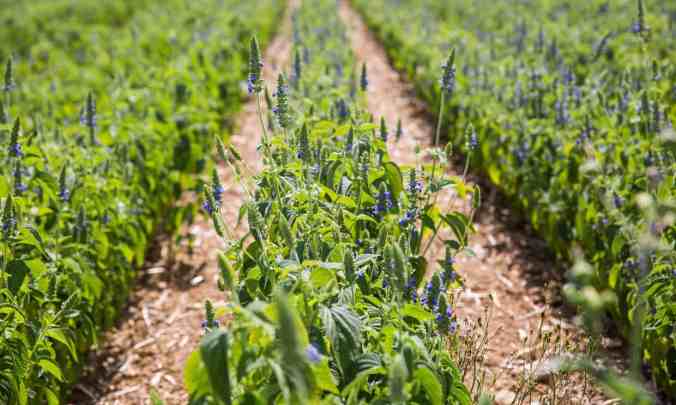
First UK-grown chia seeds to go on sale this week

The popularity of plant-based diets has created huge demand for the oil-rich seeds, prompting a farm in Essex to plant a crop

1653

Essex grown Chia seeds by Peter Fairs for Hodmedod’s Photograph: Rebecca Noakes/Courtesy of Hodmedod’s

The first UK-grown chia seeds go on sale this week, as demand for the plant native to the Americas is fuelled by the explosion in the popularity of plant-based diets.

The company Hodmedod, pioneers of British-grown pulses, grains and seeds, has been working with farmers Peter and Andrew Fairs, of Great Tey in Essex, to bring the new British crop to market.  Continue reading
Don’t Take The Bait

10661.jpg

Is the evidence for fish-eating better than simply taking a fish oil pill? Composite: Getty

Paul Greenberg, author of The Omega Principle: Seafood and the Quest for a Long Life and a Healthier Planet (Penguin Press), is making the rounds with an important argument; get the short version here in the Guardian:

Fool’s gold: what fish oil is doing to our health and the planet

Omega-3 is one of our favourite supplements – but a huge new study has found it has little or no benefit for heart health or strokes. How did it become a $30bn business?

9781594206344.jpgThe omega-3 industry is in a twist. Again. Last week, Cochrane, an organisation that compiles and evaluates medical research for the general public, released a meta-analysis – a study of studies – to determine whether or not omega-3 pills, one of the world’s most popular dietary supplements, reduced the risk of coronary heart disease. After comparing 79 trials involving 112,059 people, the researchers could find “little or no difference to risk of cardiovascular events, coronary heart deaths, coronary heart disease events, stroke or heart irregularities”.

I can’t say that I was particularly surprised. Over the past 15 years, more than 20 studies have shown a similar lack of effect. But what does surprise me is how we continue to look at the world of fish and seafood through the amber lens of a fish oil capsule. Omega-3s do something in our bodies – and probably something important. But without the larger context of the marine organisms that contain them, omega-3s get lost in the noise of human metabolism and modern marketing.

Continue reading
Dairy & Health, Revisited

lead_720_405Diary.jpg

CIRO DE LUCA / REUTERS

We have plenty of reasons to celebrate the vegans among us. But we committed to think about this dairy’s future and in doing so I have avoided the cow-versus-other-milk health implications. Now I have reason to reconsider:

The Vindication of Cheese, Butter, and Full-Fat Milk

A new study exonerates dairy fats as a cause of early death, even as low-fat products continue to be misperceived as healthier.

As a young child I missed a question on a psychological test: “What comes in a bottle?”

The answer was supposed to be milk. Continue reading
Latinovegan

gettyimages-932406182-db3ad2e5b465008ac099992638ce546d7e2c4c6a-s1400-c85.jpg

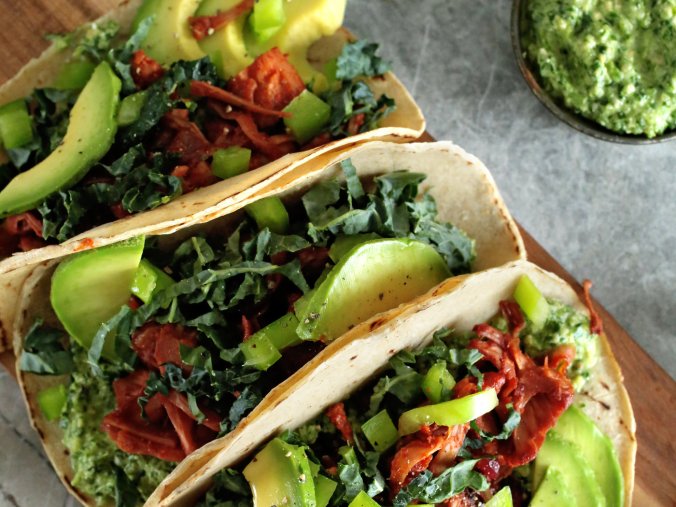
Pesto and pulled jackfruit tacos. In Southern California, working-class Mexican-American chefs are giving traditionally meaty dishes a vegan spin. Evi Oravecz/Green Evi/Picture Press/Getty Images

We are happy to see another story posted by Gustavo Arellano in the salt files at National Public Radio (USA):

Carne Asada, Hold The Meat: Why Latinos Are Embracing Vegan-Mexican Cuisine

vegana_mexicana_family-7ecccab3787805dac706d2b4e23d2b64e8c97b73-s1400-c85.jpg

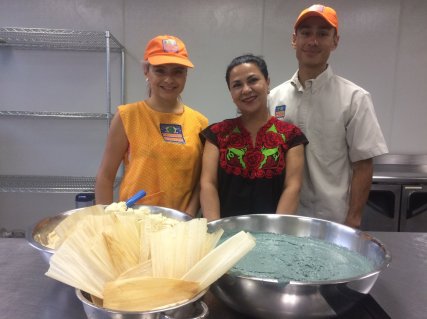
Loreta Ruiz (center) runs La Vegana Mexicana, a food pop-up based in Southern California, with her children, Loreta Sierra (left) and Luis Sierra. Gustavo Arellano/for NPR

Tall, dreadlocked Josh Scheper knew he was out of place as he surveyed the scene at a Santa Ana, Calif., parking lot on a Sunday morning this past April. And the 46-year-old loved it.

Hundreds of people waited in line at stalls for vegan food, but few people looked like the Los Angeles resident. Nearly everyone in the crowd was young and Latino, as were the chefs. The food on sale was Mexican — but not hippie-dippy cafe standbys like cauliflower tacos, or tempeh-stuffed burritos. Instead, chefs reimagined meaty classics that were honest-to-goodness bueno. Continue reading
Alternative Foodstuffs For Healthier, More Sustainable Meals

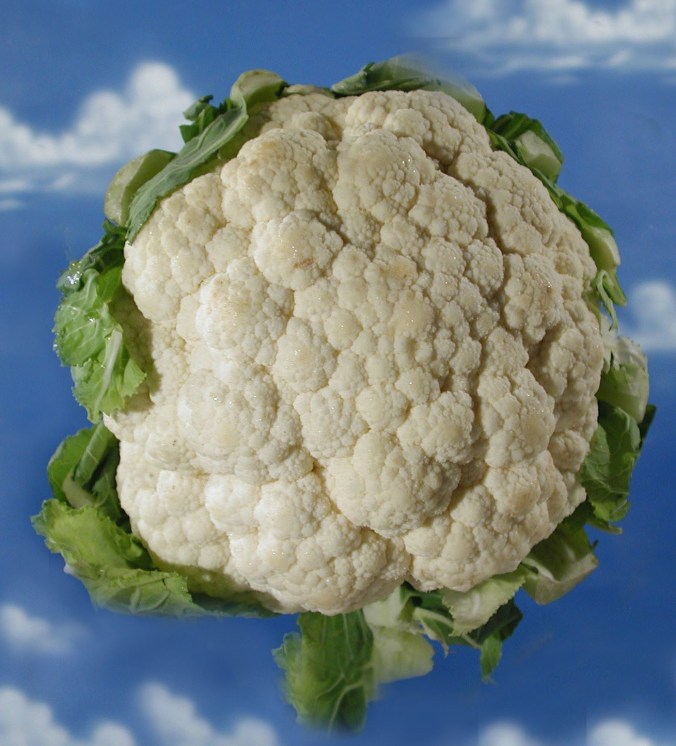
cauliflower-superJumbo.jpg

Tony Cenicola/The New York Times

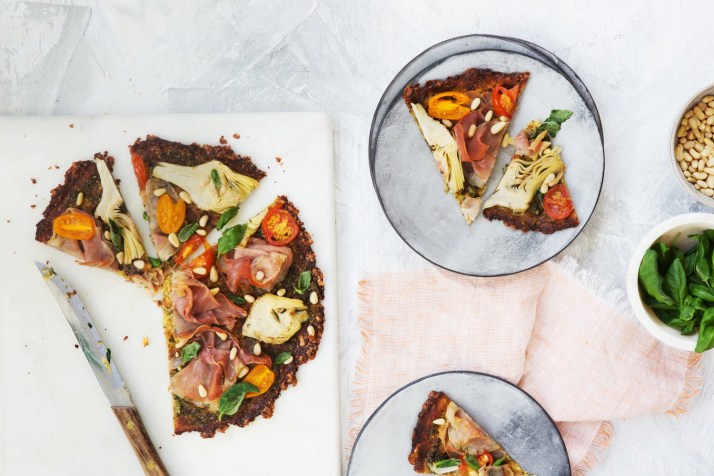
Several of us who contribute here recently tested homemade pizza using the product pictured below, we pass the story along to our foodie friends, vegetarian and otherwise. Our thanks to Anahad O’Connor for this:

The Ascension of Cauliflower

Food companies are capitalizing on the low-carb, gluten-free trend by using vegetables like cauliflower to replace flour, rice and other simple carbs.

12sci_pizza-superJumbo.jpg

Pizza made with a cauliflower crust.

For Gail Becker, a former marketing executive who has two sons with celiac disease, finding gluten-free pizza that her kids could enjoy has long been a challenge.

So a few years ago, Ms. Becker started making her own, using a crust that contains cauliflower instead of white flour. Her sons loved her cauliflower creation so much that in 2016 Ms. Becker quit her job and launched her own company, Caulipower, which sells frozen cauliflower pizzas and cauliflower baking mix.

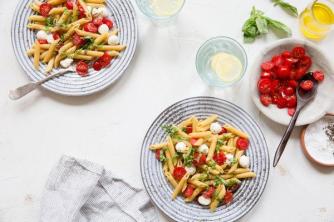
12sci_pasta-articleLarge.jpg

Cauliflower pasta looks like pasta made from wheat.

What Ms. Becker did not anticipate is how quickly it would catch on. Caulipower is now a multimillion-dollar brand, with cauliflower pizzas sold in 9,000 stores nationwide, including Whole Foods, Walmart, Safeway and Kroger.

“One thing that we were very insistent on when we started our brand is that we reference cauliflower in the name,” said Ms. Becker, who lives in Los Angeles. “We want to celebrate the vegetable. We’re not trying to hide it or sneak it in.” Continue reading

Make Your Opinion Known About New Labeling For GMOs


dept-ag_custom-27b49bc849696ef8487e34355a2fc1a9ae7bf17d-s1400-c85

The USDA has released several options for what the labels might look like.
Department of Agriculture

If the questions and concerns surrounding GMOs are of interest to you, then in the next six weeks you have a unique window of opportunity. Until July 3 you are invited to share your opinion with the folks responsible for these label design options to the right. Thanks to our friends at the salt (National Public Radio, USA) for bringing this to our attention:

USDA Unveils Prototypes For GMO Food Labels, And They’re … Confusing

Foods that contains genetically modified ingredients will soon have a special label.

We recently got the first glimpse of what that label might look like, when the U.S. Department of Agriculture released its proposed guidelines.

This is the product of a decades-long fight between anti-GMO campaigners and Big Agriculture companies, which left neither side completely satisfied, as NPR has reported.

After Congress passed a bill in 2016 requiring labels on foods containing GMO ingredients, the USDA launched a long process to figure out the specifics. When it asked for feedback, it received 112,000 responses from consumers, farmers and manufacturers, among others.

The result? Continue reading

Victorious Bananas

physed-banana-master768.jpg

iStock

We are already big fans of this fruit, for all kinds of reasons, so this is like icing on the cake:

Bananas vs. Sports Drinks? Bananas Win in Study

A banana might reasonably replace sports drinks for those of us who rely on carbohydrates to fuel exercise and speed recovery, according to a new study comparing the cellular effects of carbohydrates consumed during sports.

It found that a banana, with its all-natural package, provides comparable or greater anti-inflammatory and other benefits for athletes than sports drinks. But there may be a downside, and it involves bloating.

For decades, athletes and their advisers have believed, and studies have confirmed, that eating or drinking carbohydrates during prolonged exertion can enable someone to continue for longer or at higher intensities and recover more quickly afterward than if he or she does not eat during the workout. Continue reading

Big Chicken

BookCoverMaryn McKenna escaped our notice until now, as did her recent book Big Chicken:

In this provocative narrative, acclaimed journalist Maryn McKenna reveals the fascinating history of chicken—and how the common backyard bird became an industrial commodity impacting human health around the world. Crucial to its meteoric rise: the routine use of antibiotics, a practice that would transform agriculture, change the world’s eating habits, and contribute to the deadly rise of drug-resistant infections around the globe.

Bringing us on an extraordinary journey from the vast poultry farms of the United States to laboratories, kitchens and sidewalk markets around the world, McKenna reveals how economic, political and cultural forces converged to make America’s favorite meat a hidden danger—and how companies, activists, farmers and chefs are carving a path back to better, safer food.

Named a Best Science Book of 2017 by Amazon, Smithsonian, and Science News; an Essential Science Read by Wired; a Best Health Book by the Toronto Globe and Mail; and a Best Food Book of 2017 by Civil Eats and the Atlanta Journal-Constitution

Antibiotics changed the world.

Then we gave them to the animals we eat.

This is the story of what happened next. Continue reading
Salt & Pepper, Understood

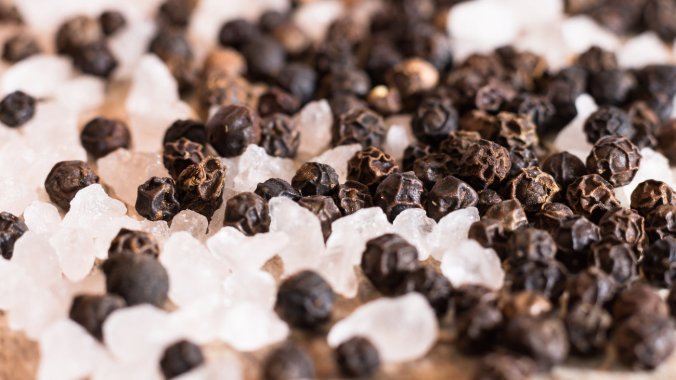
saltandpepper1_wide-69509a468974fec99cd0fc28454d47916ac39998-s1300-c85

In European cooking, salt reigned supreme, and pepper was one of many spices used in heavily seasoned dishes. When they met, they were destined to be. Or, rather, it was destined that they would meet. Theo Crazzolara/Flickr

For this story, thanks to Natalie Jacewicz, a science writer based in New York City, and to National Public Radio (USA) whose attention to foodways is always welcome:

Salt and pepper shakers are so omnipresent on tabletops that adding a dash of the white or black stuff (or both!) is almost a dining rite. The seasonings pair well with just about everything and they go together like — well, salt and pepper. Continue reading
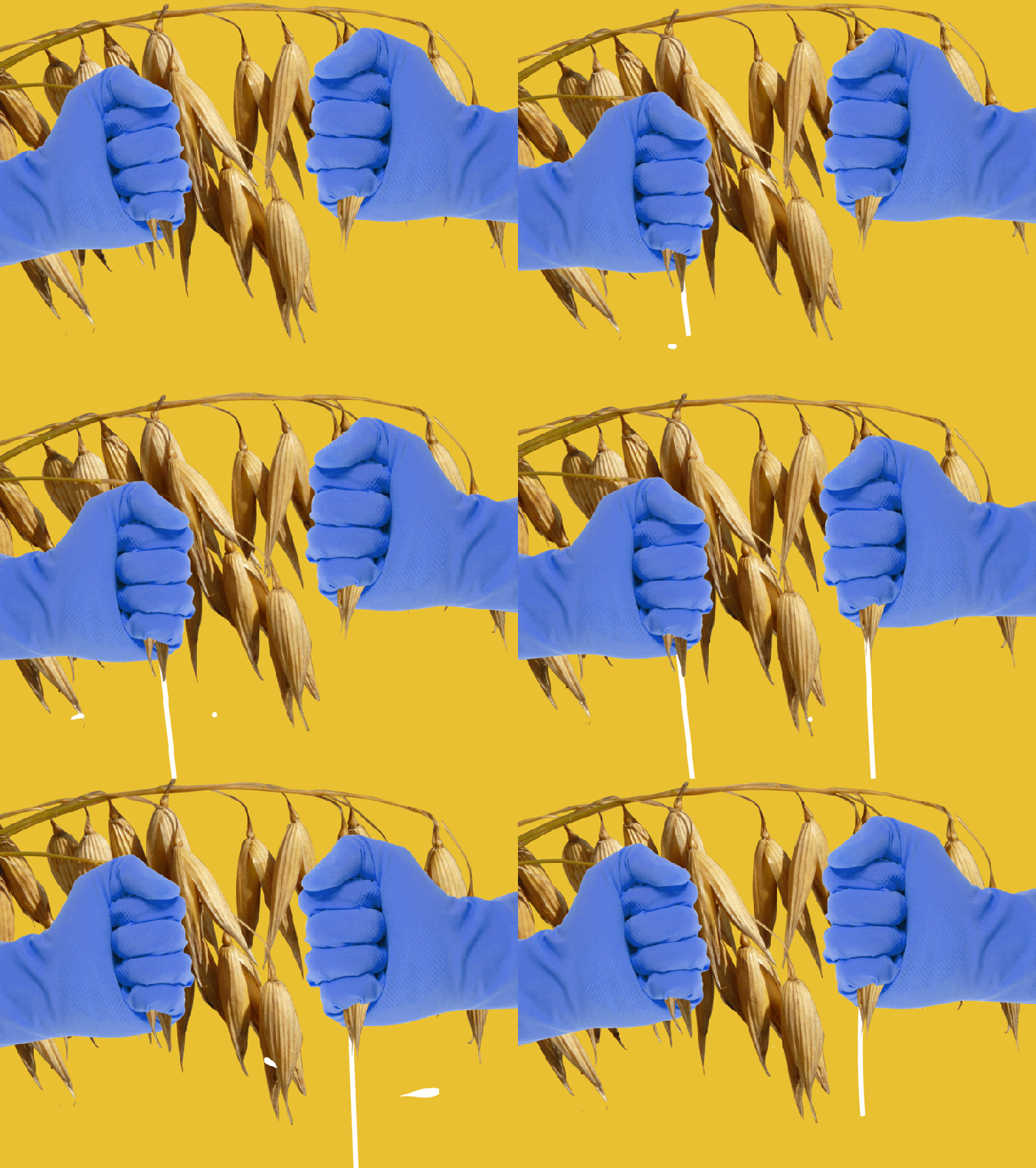
Alternatives To Dairy

19OATLY-1-master768.gif

Photo illustration by Tracy Ma/The New York Times; Alamy (hands)

ripple-cereal_vert-25580ec96d4795beae7106681f5f2dc412d7886d-s400-c85

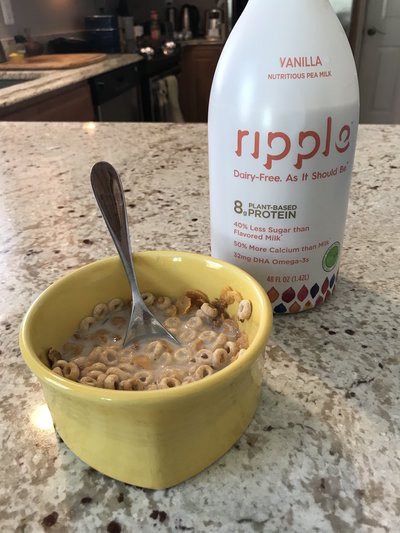
Ripple’s pea-based milk contains 8 grams of protein per cup, the same amount as in a cup of cow’s milk.
Whitney Pipkin/NPR

This article on the subject of a new pea-based dairy alternative–not just milk for coffee or cereal but also thicker items like Greek-style yoghurt–reported by National Public Radio (USA), reminded us of the great gif showing the milking of oats. Which reminded us to read that article too. Both worth a read:

When did finding something to put in your coffee get so complicated?
For the lactose-intolerant or merely dairy-averse, there are more alternatives to good ol’ American cow’s milk than ever. First there were powdered “creamers,” with their troublesome corn syrup solids. Then came soy, which may come closest to the real thing in nutrients and consistency. Grocery stores now stock an army of nut milks — almond, cashew, hazelnut, macadamia, you name it — which can be too grainy, too thin or frankly too flavorful. Pea milk? Sounds like a kindergarten taunt. Coconut and rice milk are basically water. Hemp milk? For the birds … and the hippies. Continue reading