Flour Tortillas Praised & Decolonized Diet Delineated

Arellano-In-Praise-of-Flour-Tortillas

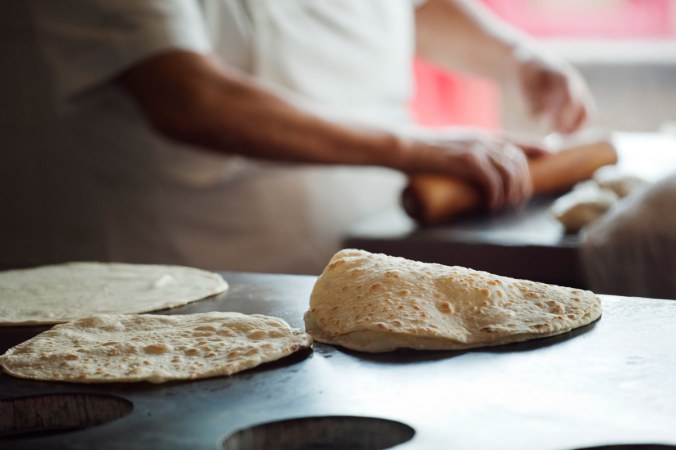
Recent Mexican immigrants deride them as a gringo quirk. Foodie purists dismiss them as not “real” Mexican food. But good flour tortillas can be revelatory. Photograph by YinYang / Getty

DYDBookCover2

If culinary etymology is your cup of chai, you may appreciate Gustavo Arellano’s post in praise of flour tortillas. Among the reasons to thank him is this book (click the image to the right to go to the source) that we had not been aware of:

More than just a cookbook, Decolonize Your Diet redefines what is meant by “traditional” Mexican food by reaching back through hundreds of years of history to reclaim heritage crops as a source of protection from modern diseases of development. Continue reading
More Information, Thank You

gettyimages-629786322-56167ac88fd815c0482912a5baea16972304ffc3-s1300-c85

Contradictory consumer demands for food labels are making some food companies re-think their alliance with the industry’s traditional lobbying group. miakievy/Getty Images

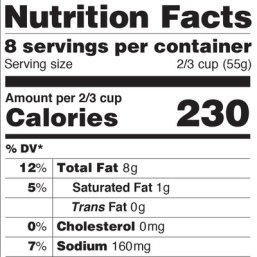
Food producers may not all, or always, appreciate how much information consumers want or need, but erring on the side of more in this case makes sense to us. Thanks to National Public Radio (USA) for this story:

For at least the past decade, the Grocery Manufacturers Association (GMA) has been the unrivaled voice of a vast industry, from neighborhood grocery stores to food manufacturing giants with supply chains that span the globe. Most recently, it’s been a powerful force in fighting proposals to require information about added sugar or GMOs on food labels.

untitled-1_sq-b58cbda94a29b6944b67706c24dcb43ed57e06fb-s400-c85Today, that colossus is teetering and facing questions about its future. Over the past six months, eight of GMA’s largest members have decided to drop their membership. Each defection was quickly revealed on the news site Politico. One industry insider says that he’s seen a list of another three companies that are considering leaving the association. Continue reading

The Custom Proteins In Your Future

26PROTEIN-jumbo.jpg

John Hersey

Beans, Beef & Key Questions Related To Our Planet

James Hamblin is the perfect messenger for complicated messages, like the ones he usually delivers on scientific and especially medical topics. It is difficult to say why, but taking him too seriously is difficult. So even with challenging questions like the one in the three minute video above, and the one in the article he published on the same topic a couple months ago, his approach is the opposite of intimidation:

If Everyone Ate Beans Instead of Beef

With one dietary change, the U.S. could almost meet greenhouse-gas emission goals.

lead_960 (10)

Soybeans in a silo at a cattle feed in the Amazon rainforest in Brazil

Ecoanxiety is an emerging condition. Named in 2011, the American Psychological Association recently described it as the dread and helplessness that come with “watching the slow and seemingly irrevocable impacts of climate change unfold, and worrying about the future for oneself, children, and later generations.”

It’s not a formal diagnosis. Anxiety is traditionally defined by an outsized stress response to a given stimulus. In this case, the stimulus is real, as are the deleterious effects of stress on the body. Continue reading

Maps, Walking & Health

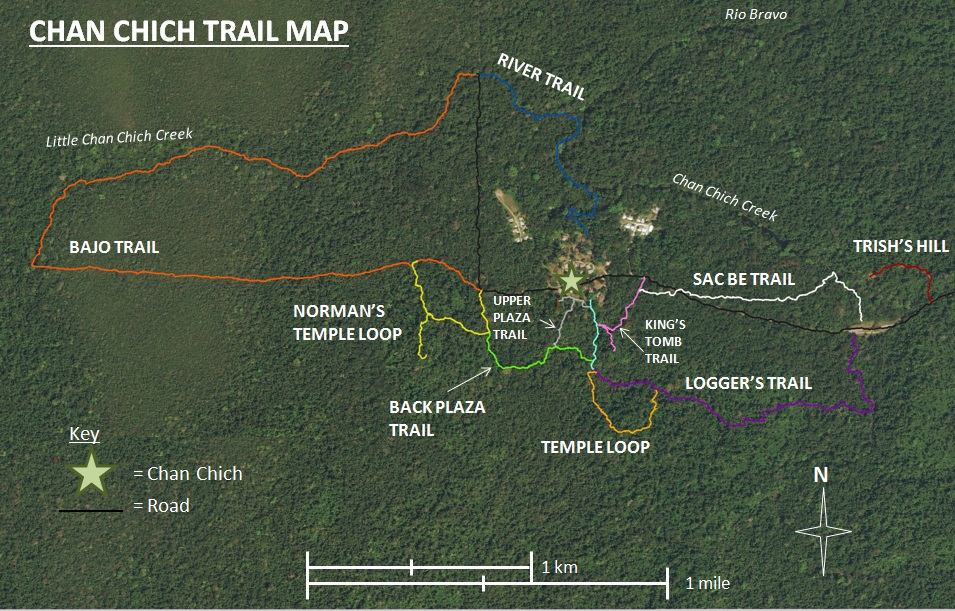
Emily has been reworking the maps for nine miles of walking trails surrounding Chan Chich Lodge. On a typical day I walk 45 minutes at dawn, and 45 minutes at dusk and I have tended to stay on the same trail for the last year. Now I am looking forward to the various loops I had not yet wandered onto, and checking the maps. I tend to believe in the link between nature and health, and especially when walking is involved the benefits are a broader form of wellbeing. Gretchen Reynolds, writing the Phys Ed column for the New York Times has this to say:

For Exercise, Nothing Like the Great Outdoors

Long walks can improve moods and reduce anxiety, but the benefits may be greatest if the walks take place outdoors rather than in a gym, according to a new study by researchers in Austria. And while the Alps may be a particularly fine place to hike, a vigorous walk in the woods or paths near home may provide the mental boost we need to keep us moving.

We all know, by now, that for optimal health, we need to move. Continue reading

Crop Type & Pesticides

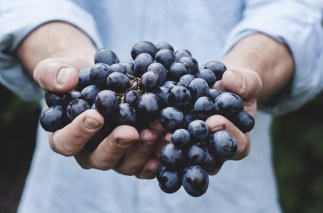
bunch-of-grapes (1)

Image: Pixabay

Thanks to Emma Bryce for A more nuanced approach to reducing insecticides on our food, shared via Anthropocene:

Biophilia Bathing

“In every walk with Nature one receives far more than he seeks.”
― John Muir

Muir has long been a muse for many on this site, as we ponder the concept of Biophilia and the power of nature in our lives. We are motivated to work on conservation initiatives for plenty of reasons, including our belief in the link between wellbeing and a fix of nature. From bonsai, bamboo fountains and the meditative sand raking in Zen gardens, the Japanese have a long cultivated the restorative forces of natural elements, so their embrace of forest bathing is no surprise…

The Japanese practice of ‘forest bathing’ is scientifically proven to be good for you

The tonic of the wilderness was Henry David Thoreau’s classic prescription for civilization and its discontents, offered in the 1854 essay Walden: Or, Life in the Woods. Now there’s scientific evidence supporting eco-therapy. The Japanese practice of forest bathing is proven to lower heart rate and blood pressure, reduce stress hormone production, boost the immune system, and improve overall feelings of wellbeing. Continue reading

Green Farming Productivity

Thanks to Anthropocene, for this article, which adds to today’s green food theme:

On many farms, reducing pesticides probably won’t hurt profit or yields

Eat More Fruit

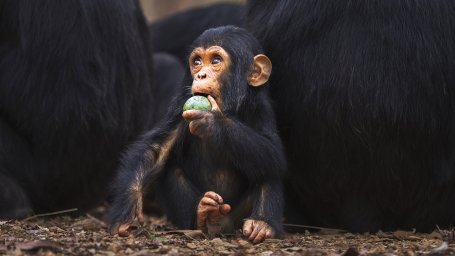
chimp_wide-e9ca161342ebb893d6a491900854de4b7f2b84fc-s1400-c85.jpg

Compared to leaf-eaters, primates who ate fruit had around 25 percent more brain tissue. Anup Shah/Getty Images

Notwithstanding what I said here, eating fruit was already a good idea that now has one more bit of evidence. You should also eat it for the benefit of future generations, according to this story provided by the folks at the salt at National Pubic Radio (USA):

Primate brains may have grown larger and more complex thanks to a fruit-filled diet, a new study suggests.

The researchers analyzed the brain sizes and diets of over 140 primate species spanning apes, monkeys, lemurs and lorises and found that those who munched on fruit instead of leaves had 25 percent more brain tissue, even when controlling for body size and species relatedness. Take spider monkeys and howler monkeys, for example. Continue reading

Eat More Sweets

Sax-TheSrirachaArgumentforImmigration-600

When fighting for the rights of immigrants, food just might be an unexpected weapon. PHOTOGRAPH BY ANNA QUAGLIA / ALAMY

Here is an idea I can believe in, not strictly because I like the type of sweets in the photo to the right (akin to those in my home growing up, made by my immigrant mom) but including that; mainly I like the idea of consuming certain items as a proxy for something more important. In a post titled THE SRIRACHA ARGUMENT FOR IMMIGRATION, by David Sax, this proxy is made clear in a concise 5-minute read:

Get Your Copy Of The 2017 World Happiness Report

Not to overgeneralize or stereotype, but what is it with Scandinavians? We have barely noted, certainly not enough in these pages, how remarkably adept they are at navigating in the right direction. They seem to know something about how to live life, with very happy outcomes, that the rest of us might well learn from. And with all the unhappy news, from time to time we must ponder happiness itself. HR17_3_cover_small-232x300.pngClick the image of the report to the right to get a copy of the report, summarized on the website of the Sustainable Development Solutions Network (SDSN) as follows:

The first World Happiness Report was published in April, 2012, in support of the UN High Level Meeting on happiness and well-being. Since then the world has come a long way. Increasingly, happiness is considered to be the proper measure of social progress and the goal of public policy. In June 2016 the OECD committed itself “to redefine the growth narrative to put people’s well-being at the center of governments’ efforts”. Continue reading

Super Food, If Not Superfood

17-congee-3.nocrop.w710.h2147483647.2x.jpg

The Good Sort. Photo: Bobby Doherty/New York Magazine

Our preferred blank canvas, at least in the morning, has been oats when we have developed new restaurants recently. And we have tended to look at superfoods when we do our scouting and conceptualization for new menu ideas, and that is about food that (we try to ensure) provides health for both humans and the planet.  We have not put congee on any menus, nor has it even been on our radar, but perhaps it should be:

Congee Is the Original Grain Bowl

By Robin Raisfeld and Rob Patronite

Congee, also known as jook, or rice gruel, has long been the breakfast of billions in China — filling, cheap, energizing, and easily digestible, fit for infants and nonagenarians alike. Some swear by it as a post-exercise pick-me-up; others as a superb hangover cure. Its soothing properties are considered so powerful that congee is even served at funerals. Continue reading

Accentuate The Positive

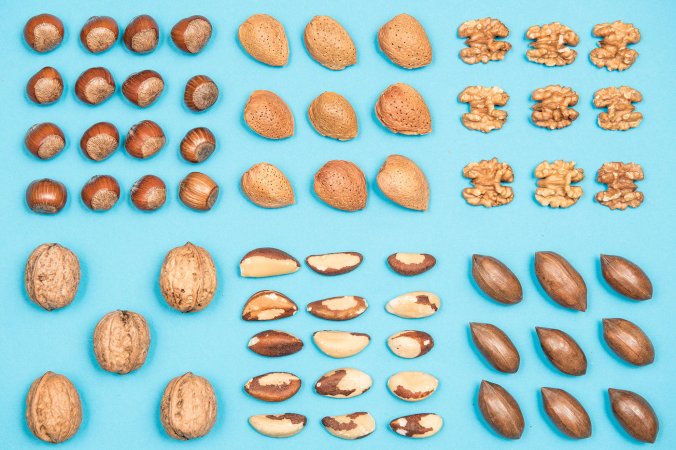
nuts1_custom-2c2df4db5264f538b9909ed81edad561d0248011-s1400-c85.jpg

On the flip side, the study found that diets containing low amounts of nuts and seeds were linked to about 9 percent of deaths from heart disease and Type 2 diabetes. John Lawson/Belhaven/Getty Images

All things in moderation. If you follow that general rule, this article may not be of interest to you. But for most of us, the salt’s (thank you National Public Radio, USA) item for us today is worth a glance. After you collect some stardust, sprinkle it on a handful of nuts:

…We know, it may be tough to cut back on foods you love. Bacon is so alluring to many that it has even been called the ‘gateway’ to meat for vegetarians!

But, here’s the flip side: The researchers also found there’s a significant risk in eating too little of certain healthy foods. So, think of it this way: You can start consuming more of the foods that are protective… Continue reading

Back To The Land, And A Future

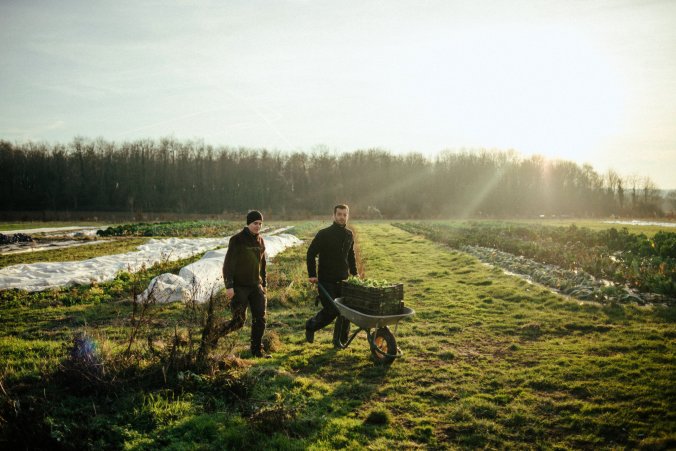
18Farmers5-superJumbo-v2.jpg

Vincent Martin, right, made a living selling health club memberships in Paris until he left his job about five years ago. “Land is key,” he said. Credit Dmitry Kostyukov for The New York Times

We are going back to the land this year, in Belize, and can relate to the description and explanation these ex-urbanites give for their retreat to the rural, agricultural life of their forebears:

Life on the Farm Draws Some French Tired of Urban Rat Race

By

SAULX-LES-CHARTREUX, France — Two years ago, Elisabeth Lavarde decided to quit her office job in Paris and start a new life in Saulx-les-Chartreux, a small town with two butchers and one baker just south of the capital.

Ms. Lavarde, 39, is now an apprentice farmer at a 24-acre farm that grows organic vegetables, sold directly to local consumers. New farmers like Ms. Lavarde usually make what they see as a decent salary of about 1,500 euros, or about $1,600, a month, slightly above the French minimum wage.

“I wanted a job with more meaning,” she said. “I felt like I was tilting at windmills.” Continue reading

Ancient Grain, Great Again

11rye-slide-it3z-master768

It is not quite as ancient as geological time, but rye grain goes way back. And deserves as comeback, we think, almost regardless of all the nifty innovations that will determine the future of grain-growing. While we are busy with greatness-making, our thought is at this moment, let’s not forget the grains that got us here:

Rye, a Grain With Ancient Roots, Is Rising Again

By Julia Moskin

Any adventurous eater who has wandered into the woods of modern Nordic cuisine has probably tripped over a loaf of rye bread. There is wonderfully chewy rugbrod at Great Northern Food Hall in Grand Central Terminal, spice-scented Swedish limpa at Plaj in San Francisco, and darkly rugged toast at Bachelor Farmer in Minneapolis. Continue reading

Boosting Crop Yields Without GMO

27294597002_ae07a7229e_k

Yann Coeuru/Flickr.com

Thanks to Anthropocene for this summary on agricultural technology possibly breaking through the GMO debate in the near future:

A non-GMO approach to producing bigger, better wheat

by Catherine Elton

Researchers have developed a new technology that not only increases the yield of wheat plants, but also makes them more resilient to drought. What makes this technology so interesting is that—if  successful in field trials—it might provide an alternative to genetic modification approaches to boosting wheat yields. Continue reading

Shellfish, Climate Change & Future Shock

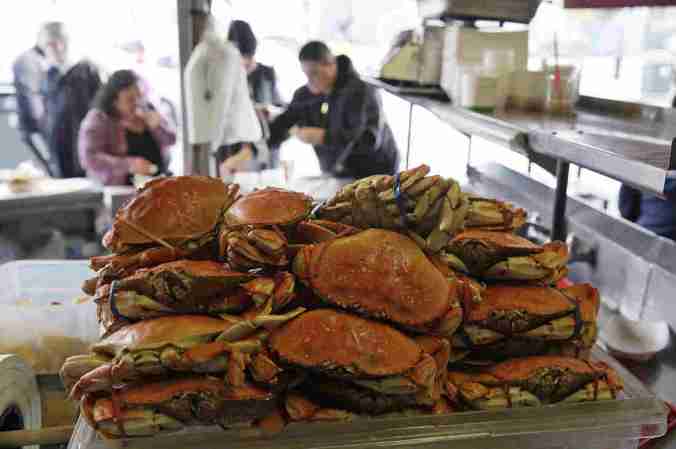
ap_286343091944_custom-bffe1e8195b88f3f61deab4f6911189881930511-s1100-c15

Dungeness crabs for sale at Fisherman’s Wharf in San Francisco. California’s Dungeness crab season was shut down in 2015, when record high ocean temperatures and lingering toxic algae blooms raised the domoic acid in shellfish to unsafe levels. A new study links dangerously high levels of the neurotoxin to warmer ocean temperatures, suggesting such closures could become more common in the future. Eric Risberg/AP

Thanks to the salt folks over at National Public Radio (USA) for one more bit of bad news related to our food preferences and the future as affected by climate change:

Warming Oceans Could Boost Dangerous Toxin In Your Shellfish Dinner

CLARE LESCHIN-HOAR

West Coast crab fishermen just ended an 11-day strike over a price dispute. But a more ominous and long-term threat to their livelihood may be on the horizon. A new study in the Proceedings of the National Academy of Sciences has found a link between warming ocean conditions and a dangerous neurotoxin that builds up in sea life: domoic acid. Continue reading

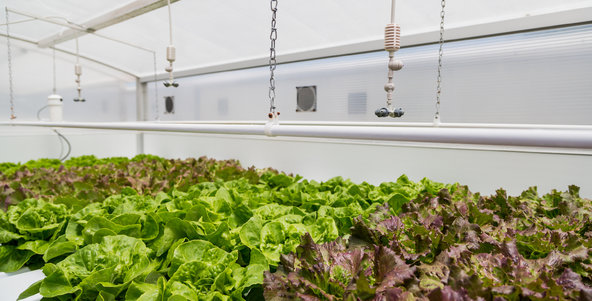
Health & Hydroponics

ask-hydroponic-tmagarticle

Jason Henry for The New York Times

We have been paying more attention to hydroponics since mid-2011 when first introduced to the topic by Milo, who was our in-house agriculturalist for a stretch; we also appreciated at that moment getting to know more about the open source concept. Last year we were happy to see agriculture and open source covered by a thought leader we have been following since his visit to Kerala a few years earlier.  Today the question and the answer provided here by Sophie Egan is worth a moment of your time:

Are vegetables grown hydroponically as nutritious as those grown in soil?

The bottom line is it depends on the nutrient solution the vegetables are grown in, but hydroponically grown vegetables can be just as nutritious as those grown in soil.

“Much as I think that soil is just great for growing plants, hydroponics has come a long way,” said Marion Nestle, a professor of nutrition, food studies and public health at New York University. “I’ve seen hydroponic producers who have tested their leafy greens for key nutrients, and the amounts fall well within normal limits for their crop and are sometimes even higher.” Continue reading

Better Food, Faster

little-quinoaisthenewbigmac-1200It’s time to change fast food for the better, forever.

Fresh and nutritious food doesn’t have to cost a fortune or take forever to prepare. At eatsa, we’ve upped the taste factor alongside affordability and speed, with bold flavors, seasonal ingredients, and hearty portions. Our commitment to you is simple: faster, nutritious, more affordable and tastier food. Continue reading

Consequences Of The Bright Side

optimistic_custom-7ad05cac1d4ff23df88228576ac5654f040b0309-s1100-c85

Luciano Lozano/Getty Images

We find the title A Brighter Outlook Could Translate To A Longer Life, by Katherine Hobson at National Public Radio (USA), typical of what we hope to find in the various media we scan to share in these pages–namely that for all the misfortune out there, we may be able to nudge outcomes in a better direction:

…Optimism could conceivably lead to improved health outcomes through several mechanisms, says Eric Kim, an author of the study and research fellow at the Harvard T.H. Chan School of Public Health. First, people who are more optimistic also tend to have healthier behaviors when it comes to diet, exercise and tobacco use. But the study shows that the relationship persists even when those behaviors are controlled for, suggesting something else is also going on. Continue reading