Wild Things, Health & Care

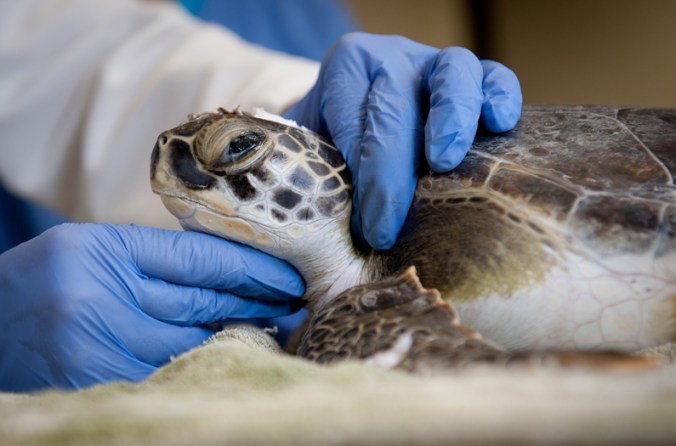
Thanks to Anthropocene’s Brandon Keim for this story about a health care revolution for wildlife:

…Researchers led by University of Florida biologist David Duffy raise that possibility in a new Global Change Biology article about “precision wildlife medicine,” an approach that would draw upon innovations in human disease treatment. Continue reading

Learning How To Eat

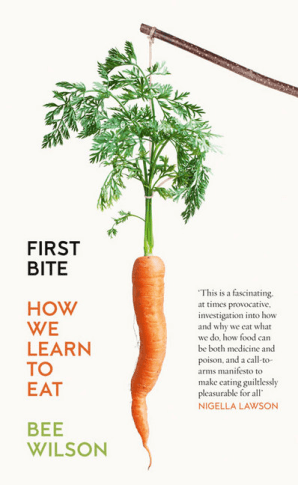
9780007549702When an author of Bee Wilson’s stature publishes it is not surprising to see reviews in the news outlets that we tend to source from in these pages. For the book to the right the first we saw was How Do We Get To Love At ‘First Bite’? on National Public Radio (USA), followed by reviews in the New York Times and the Guardian among others. We had even read the publisher’s blurb:

The way we learn to eat holds the key to why food has gone so disastrously wrong for so many people. But Bee Wilson also shows that both adults and children have immense potential for learning new, healthy eating habits. An exploration of the extraordinary and surprising origins of our taste and eating habits, First Bite explains how we can change our palates to lead healthier, happier lives.

But we had not gotten around to linking out to any of these reviews. Better late than never:

TEACHING GROWNUPS HOW TO EAT

By Nicola Twilley

Until the twentieth century, Japanese food was often neither delicious nor nourishing. Junichi Saga, a Japanese doctor who chronicled the memories of elderly villagers from just outside Tokyo, in the nineteen-seventies, found that, in the early years of the century, most families scraped by on a mixture of rice and barley, accompanied by small quantities of radish leaves, pickles, or miso. Animal protein was almost entirely absent in the Buddhist country, and even fish, as one of Saga’s informants recalled, was limited to “one salted salmon,” bought for the New Year’s celebrations, “though only after an awful fuss.” Continue reading

Trees Cooling Urban Jungles

Brooklyn Bridge Park.

Thanks to Cool Green Science:

Using Cloud Computing to Untangle How Trees Can Cool Cities

BY TIMOTHY BOUCHER

We’ve all used Google Earth — to explore remote destinations around the world or to check out our house from above. But Google Earth Engine is a valuable tool for conservationists and geographers like myself that allows us to tackle some tricky remote-sensing analysis.

After having completed a few smaller spatial science projects in the cloud (mostly on the Google Earth Engine, or GEE, platform), I decided to give it a real workout — by analyzing more than 300 gigabytes of data across 28 United States and seven Chinese cities. Continue reading

Vegetables Whenever Possible

healthy-eating_wide-3087c2799e5db403ff54714c00841a942c204be8-s1100-c85

Eating healthy will do more for your immune system than megadoses of supplements. Gillian Blease/Ikon Images/Getty Images

It is the season in the northern hemisphere when this matters most:

Want To Prevent The Flu? Skip The Supplements, Eat Your Veggies

KATHERINE HOBSON

Flu season is upon us, which means it’s time for the wave of advertisements promoting $8 juices or even more expensive supplements to “boost your immunity” or “support immune function.”

But those are marketing terms, not scientific ones. And there’s no proof that those products are going to keep you from getting sick. Continue reading

Fish, Nutrition & Progress

gettyimages-511530458-80_custom-e1514ae78fade488fe3c4e443cd01db56c5f43da-s1100-c85.jpg

Americans are often chastised for what we eat. Now we’re getting a pat on the back. A new report finds seafood consumption is up by nearly a pound from the previous year, the biggest leap in 20 years. fcafotodigital/Getty Images

Thank to the salt, at National Public Radio (USA) for this news:

Hey, Looks Like Americans Are Finally Eating More Fish

CLARE LESCHIN-HOAR

…According to the annual Fisheries of the United States Report released by NOAA last week, Americans increased their seafood consumption to 15.5 pounds of fish and shellfish per person in 2015, up nearly a pound from the previous year, making it the biggest leap in seafood consumption in 20 years.

“It’s terrific news,” says Tom Brenna, professor of human nutrition at Cornell University and a member of the 2015 Dietary Guideline Committee. “We’re moving in the right direction.”

It’s a rare nutritional pat-on-the-back for Americans, who routinely get chastised over their diets, but the good news comes with some caveats. Continue reading

Health Via Happiness

hires_pdf_page_06_image_0003

Illustration by Jeanine Murch

Thanks to Harvard Magazine for this one:

RIGHT NOW | BENEFITS OF BLISS

Can Happiness Make You Healthier?

THE QUEST to study human happiness, including its causes and effects, even agreeing on a definition is a formidable undertaking. Joy, euphoria, contentment, satisfaction—each of these, at times, has been used as a proxy or emphasized in research studies. Continue reading

Being Human, Sharing Relevant Information, Building Community

16-distraction-lede-w512-h600-2x

In the first few years of our building this wordpress platform to communicate about things that concern us and especially about things that inspire us, we occasionally found something that Andrew Sullivan had posted that was relevant here (only rarely since his site was mainly dedicated to politics and other topics that do not belong on our platform).

So we know a bit about him and always admired his relentless pursuit of what he believed in. We also know he is an excellent writer, so almost always worth a read. The same relentlessness we admire is also one we vigilantly guard against in these pages, where we have tried to limit our daily contribution to just a few essentials. We want only to have some shared space with a community of readers who care about some of the issues that interest us the most. This article Mr. Sullivan just published is definitely worth a read:

I Used to Be a Human Being

An endless bombardment of news and gossip and images has rendered us manic information addicts. It broke me. It might break you, too.

By

I was sitting in a large meditation hall in a converted novitiate in central Massachusetts when I reached into my pocket for my iPhone. A woman in the front of the room gamely held a basket in front of her, beaming beneficently, like a priest with a collection plate. I duly surrendered my little device, only to feel a sudden pang of panic on my way back to my seat. If it hadn’t been for everyone staring at me, I might have turned around immediately and asked for it back. But I didn’t. I knew why I’d come here. Continue reading

FDA Bans 19 Chemicals in So-called Antibacterial Soap

Image via The Telegraph

In my family we practically never used antibacterial hand-wash, because it wasn’t proven that they perform any better than normal soap – it was convenient sometimes to have a quick gel to clean up on the go without water, but antibacterial consumer products in the household were pretty much nonexistent. As it turns out, chemicals like triclosan, while still not proven with certainty to act negatively on human health, can persist in the natural environment for decades, including in water and soil. And that never seems like a good thing, especially when such compounds might be strengthening bacteria’s resistance to antibiotics. Monique Brouillette reports on the new US Food and Drug Administration’s ruling:

The U.S. Food and Drug Administration released its decision Friday on banning 19 active ingredients in antibacterial soaps. The ruling, 40 years in the making, caps a decades-long debate over whether these germ-busting chemicals are safe and offer any advantage over ordinary soap. The ban includes the most widely used antiseptic in hand soaps, triclosan—after a large number of studies have fallen short of manufacturers’ claims about its health benefits.

Continue reading

Breadfruit, Tropical Wonderfood

breadfruit_wide-4cafd8f5b004aa375b43dfd527929b0cc8e60e29-s1400-c85.jpg

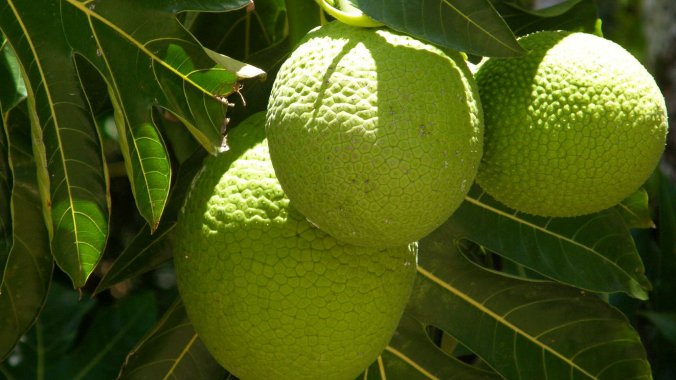
Breadfruit is a protein and nutrient-rich staple in Hawaii and other islands in the Pacific Ocean. Malcolm Manners/Flickr

We have had these trees growing all around us in more than one tropical zone where we operate, but had not realized just how high their nutritional value is, nor their potential for doing more to alleviate hunger (thanks to the folks at the salt, National Public Radio USA):

Productive, Protein-Rich Breadfruit Could Help The World’s Hungry Tropics

Packed with nutrients, easy to grow and adaptable to local cuisines, this tropical superfood could bring more food and cash to poor farmers around the world.

On a muggy morning on Kauai’s south coast, ethnobotanist Diane Ragone inspects a dimpled bright green orb, the size of a cantaloupe. She deems the fruit mature, at its starchy peak. Perfect for frying or stewing. Continue reading

Pigeons Helping with Health Research

newyorkpigeon

Source conservationmagazine.org

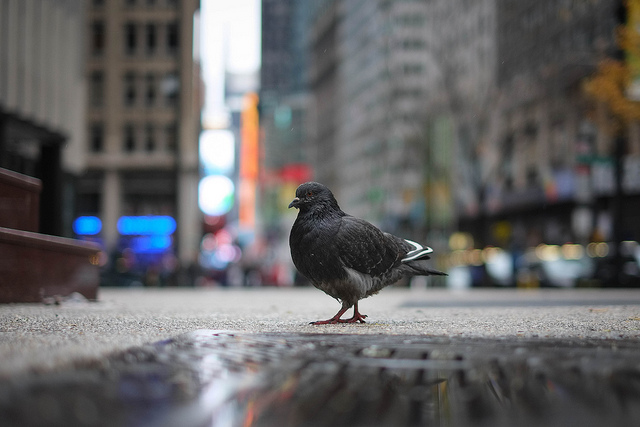
For most city dwellers, pigeons are just another speck in the hustle and bustle of urban life and are only truly noticed when they don’t move out of the way fast enough as you stride down the sidewalk. However, for environmental health scientist Rebecca Calisi from the University of California, Davis, pigeons are her primary focus and the basis of her research for potentially finding areas in cites with high level of contaminants dangerous to humans.

Continue reading

Almond Versus Cow Versus?

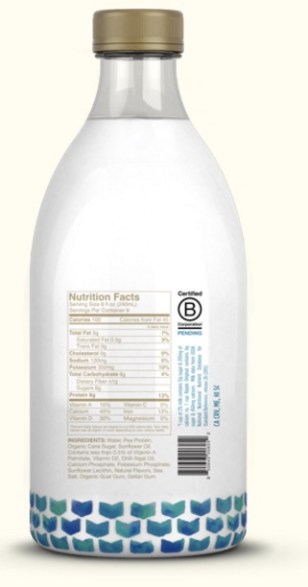
RippleAt first, the name does not help me think anything useful. I do not only mean the name of the contents of the bottle; I mean the brand name on the bottle. So I am showing only the information side of the label. Looks like milk inside. Good start.
If you compare it to almond milk, this one has 8 times the protein. If you compare it to 2% cow milk, this one has half the sugar and 50% more calcium; plus 32mg DHA Omega 3’s Vitamin D & Iron. If this were an advertisement I would face the bottle forward, but it is more an appreciation of how products like this come to be. I like startup stories and particularly the stories of co-founders of startups (which is why I have been listening to this podcast). According this company’s website:

Neil and Adam are committed to making a difference. Adam created Method to bring the world sustainable, beautiful cleaning products. Before trading in his lab coat to start Continue reading

Tapping Other Types Of Rewards

060616_Duhaime_046_605.jpg

Jon Chase/Harvard Staff Photographer. Radcliffe fellow and HMS professor Ann-Christine Duhaime, whose new project explores how inherent brain drive and reward systems may influence behaviors affecting the environment and global warming.

One possible breakthrough approach to countering the causes of climate change is to frame the issue as an epic scale equivalent to what we do to improve our diets, or to address conspicuous consumption of other varieties. If a neurosurgeon has an idea that I can relate to, that gives some hope after an otherwise kind of gloomy week of news. Thanks to the Harvard Gazette for this one:

Turning the brain green

Neurosurgeon wants to unleash our anti-hoarding tendencies

By Colleen Walsh, Harvard Staff Writer

Could a better understanding of the brain’s reward system — a network fine-tuned over millions of years and laser-focused on survival — help mankind skirt environmental disaster? Continue reading

Moringa: Superfood?

A moringa tree (tallest plant in the back left of the photo)

There’s a Moringa tree in the coffee plot at Xandari’s west farm area, and the head gardener José Luis always points it out to guests as a plant with dozens of healthy properties, in addition to its value as a shade-provider to the coffee shrubs. The genus of trees is beginning to be touted as a “miracle tree” and superfood in the United States, but has yet to really catch on among the denizens of developing nations in the dryland tropics, where Moringa grows best. Amanda Little writes for the New Yorker:

On the western margin of Agua Caliente [Mexico], Mark Olson, a professor of evolutionary biology at the National Autonomous University of Mexico, has a farm. “It may look like a shitty little field with runty little trees in a random little town, but it’s an amazing scientific resource,” Olson said, as he led me through the hilly, hardscrabble acre that constitutes the International Moringa Germplasm Collection. This is the world’s largest and most diverse aggregate of trees from the genus Moringa, which Olson believes are “uniquely suited to feeding poor and undernourished populations of the dryland tropics, especially in the era of climate change.”

Continue reading

Fermentation Is Here To Stay

img_4710_edited_custom-418a86e926410db406b761744866d0e208210727-s1400-c85.jpg

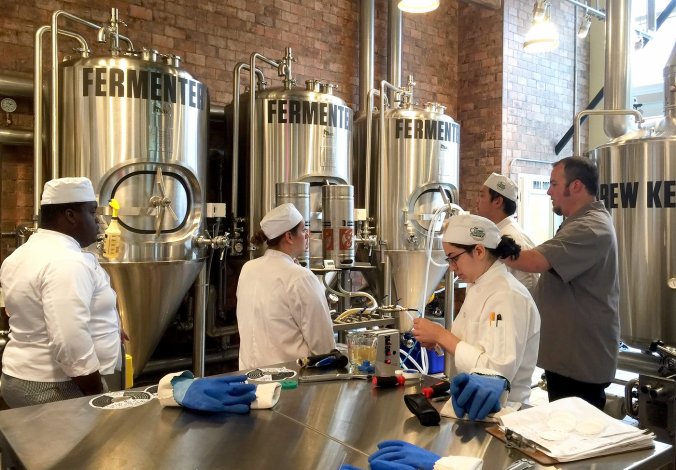
The new brewery at Culinary Institute of America in Hyde Park, N.Y. The school now teaches the art and science of brewing, an elective course. Allison Aubrey/NPR

When the Culinary Institute Of America says so, we pay attention. We keep hearing about fermentation from our friends and colleagues in the know. So we watch for these stories. The Salt feature on National Public Radio must be, by now, one of our most go-to sources, and for good reason (considering what we care about):

Fermentation Fervor: Here’s How Chefs Boost Flavor And Health

ALLISON AUBREY

There’s an explosion of interest in friendly bacteria.

Beneficial microorganisms, as we’ve reported, can help us digest food, make vitamins, and protect us against harmful pathogens.

As this idea gains traction, so too does the popularity of fermented foods such as yogurt, sauerkraut and kimchi.

Though the science is tricky, researchers are learning more about how this ancient technique for preserving food may also help promote good health. Continue reading

Changing Our Eating Habits

impossible-foods-6_edited_custom-7dc5fbab4da8c072dcd7f800ee14c96766bb0f58-s1400-c85

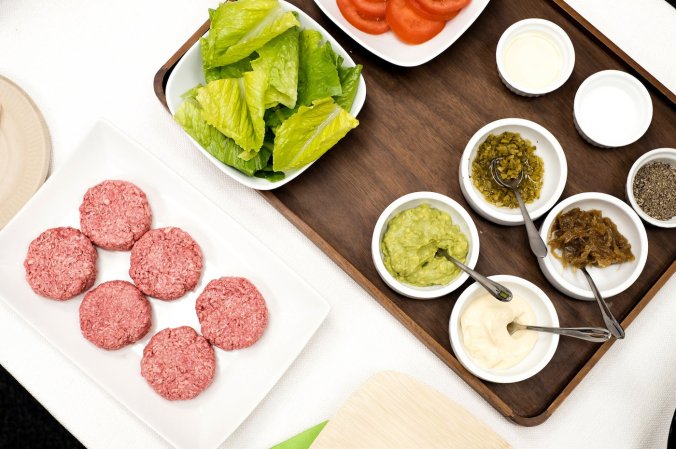
Silicon Valley-based Impossible Foods has taken a high-tech approach to creating a plant-based burger that smells and tastes like real meat. At the company’s headquarters in Redwood City, Calif., chef Traci Des Jardins served the Impossible Burger (pictured uncooked) with vegan mayo, Dijon mustard, mashed avocado, caramelized onions, chopped cornichon, tomato and lettuce on a pretzel bun. Maggie Carson Jurow

Full disclosure first: we operate restaurants that serve meat. It is always the best quality meat we can source, and best includes the most humane and most ecologically sensitive growing conditions. But still, it is meat, and meat is problematic. So, we tread lightly when we speak about our behaving responsibly, and try to minimize judgementalism.

When we get reminders of the importance of reducing meat consumption we know it is true, but we still ensure all our guests are able to get, within reason, the best of what they want food-wise.  I spent more time, and consumed more calories than I care to count, taste-testing for the new menus at three hotel restaurants in the last two years; that is my own sin to bear, and I am in penance mode now, trust me.

So, when I see a good feature story related to vegetarianism, or to vegetarian innovations, I am all in. Here is one from the Salt show on National Public Radio (USA) and I look forward to taste-testing it:

This summer, diners in New York, San Francisco and Los Angeles will get their hands on a hamburger that has been five years in the making.

The burger looks, tastes and smells like beef — except it’s made entirely from plants. It sizzles on the grill and even browns and oozes fat when it cooks. It’s the brainchild of former Stanford biochemist Patrick Brown and his research team at Northern California-based Impossible Foods. Continue reading

Engineering Solutions to Disease

We haven’t feature lyme disease much here, although it’s a highly problematic pathogen that will become more common with a warming climate. The exact same goes for Zika, a much newer danger in the United States. This week in the New York Times, an article by Amy Harmon covers the idea of changing the gene pool in white-footed mice in Nantucket to fight Lyme disease, and a video explains how infecting the Aedes aegypti mosquito may help stop the spread of Zika. Below, the article:

Can genetically engineered mice save Nantucket from the scourge of Lyme disease?

If the 10,000 residents of the Massachusetts island did not have such a soft spot for deer, they might not be entertaining the prospect, which could provide the groundwork for an even more exotic approach to controlling tick-borne diseases on the mainland.

Continue reading

Five Minutes Related To Taste

Screen Shot 2016-04-27 at 7.54.16 PM

By NATALIA V. OSIPOVA. Image by Joshua Thomas for The New York Times.

Thanks to the New York Times for continuing to reach for our attention (click above to go to the video):

Eduardo Rivera, a Mexican-born farmer living in Minnesota, is striving to make organic vegetables accessible to the Latino community.


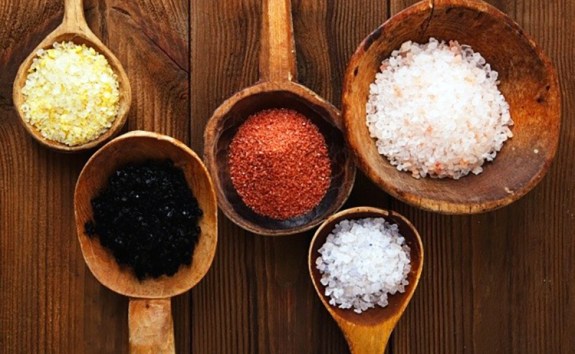
Know Your Salt

salts_750

What once was a simple decision between iodized table salt or sea salt has become a sensory overload. Walk into Whole Foods to restock on salt and you’ll be confronted with a dazzling array of colors, textures and price points.

Thanks to EcoWatch for this primer on the various salt choices we face:

Salts have exploded with popularity. What once was a simple decision between iodized table salt or sea salt has become a sensory overload. Walk into Whole Foods to restock on salt and you’ll be confronted with a dazzling array of colors, textures and price points. But, what really differentiates specialty salts? Are expensive salts actually worth the money?

Here is a guide to nine different culinary salts that will help you decide what salt is best for your needs.

1. Table

Table salt is created by superheating natural salt to 1,200 degrees Fahrenheit, which destroys most beneficial compounds. Fortified with essential iodine, table salt is also bleached and devoid of trace elements, so it’s certainly not the healthiest salt you can shake. This type of salt can often contains additives to slow moisture absorption so it is easy to sprinkle in your salt shaker. Continue reading

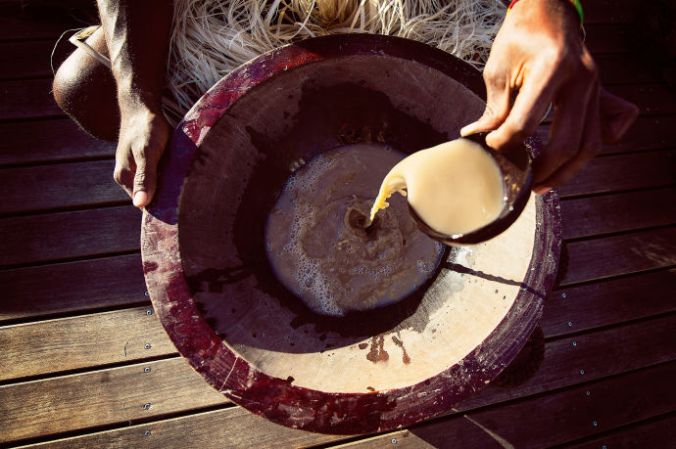
Kava, For Whatever Reason

Battan-KavaandtheRiseofHealthyNewYork-690

In an increasingly health-conscious New York, some would-be boozehounds are turning to kava, made from a South Pacific-originated plant, as a substitute for alcohol. PHOTOGRAPH BY KIRSTIN SCHOLTZ / WSL VIA GETTY

Never heard of it before, but now it is on our agenda:

“ALCOHOL IS SO 2014. TRY KAVA,” suggests a sandwich board on Tenth Street between First Avenue and Avenue A, in the East Village. Whether by design or not, this block has become a retro-futurist downtown cornucopia of health, wellness, and New Agey philosophy. It is home to, among other establishments, a lush and gaudy store that peddles healing crystals; the beloved Russian and Turkish baths; a store called the Molecule Project, which sells artisanal tap water squeezed of any impurity; and a place named Body Evolution, which boasts the “largest and most fully equipped GYROTONIC® studio in Manhattan.” And then there is Kavasutra, the block’s newest addition, specializing in drinks made from the root of a South Pacific-originated plant called kava. Designed like a real bar but booze-free, Kavasutra is a New York City experiment that asks its patrons to imagine the possibility of a cosmopolitan social life without alcohol. Continue reading