Designing the World

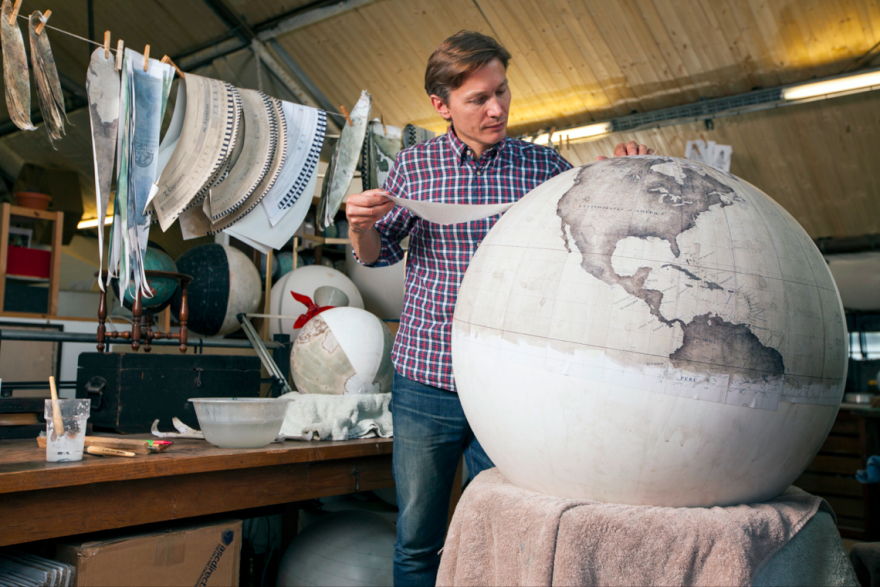
It took a long time to make one that was perfectly balanced and approx. 2 years before Bellerby produced a globe that I could sell. (Photo by Stuart Freedman)

It took a long time to make one that was perfectly balanced and approx. 2 years before Bellerby produced a globe that I could sell. (Photo by Stuart Freedman)

When is the last time you looked at a map? No, we’re not talking GPS-powered imagery and guidelines but a physical entity. Like a globe. Like the collectibles Peter Bellerby and his company painstakingly churn out. In fact, they are one of the only two workshops in the world still in the business of handcrafting globes.  And in the business of preserving a dying craft.

Continue reading

The Japanese Women Who Married the ‘Enemy’

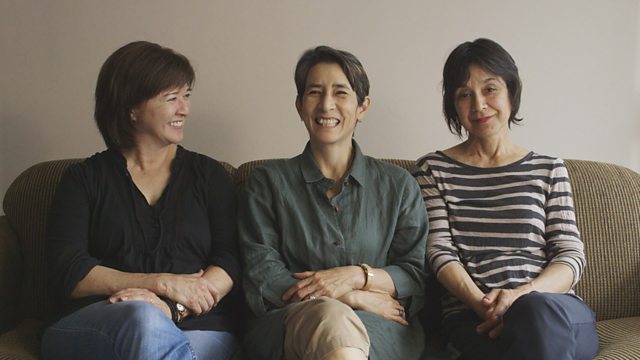
Atsuko, Emiko and Hiroko were among tens of thousands of Japanese women who married their former enemies after World War II. They landed in 1950s America knowing no one, speaking little English and often moving in with stunned in-laws.  PHOTO: BBC

Atsuko, Emiko and Hiroko were among tens of thousands of Japanese women who married their former enemies after World War II. They landed in 1950s America knowing no one, speaking little English and often moving in with stunned in-laws. PHOTO: BBC

What does it mean to leave your country, where you were somebody, and move miles to a continent you’d only heard of? A country where you’d be a ‘nobody’. Not knowing whether the decision to say ‘yes’ to a former enemy was right. Struggling for words that help start a conversation. Being told not to wear the one piece of cloth your identity hinges upon? And years of trying to fit in, juggling two distinct identities? Listen to the Japanese War brides as they tell their story on BBC this week. 

For 21-year-old Hiroko Tolbert, meeting her husband’s parents for the first time after she had travelled to America in 1951 was a chance to make a good impression. She picked her favourite kimono for the train journey to upstate New York, where she had heard everyone had beautiful clothes and beautiful homes.

But rather than being impressed, the family was horrified. “My in-laws wanted me to change. They wanted me in Western clothes. So did my husband. So I went upstairs and put on something else, and the kimono was put away for many years,” she says.

Continue reading

America’s Own ‘Tea’ Plant

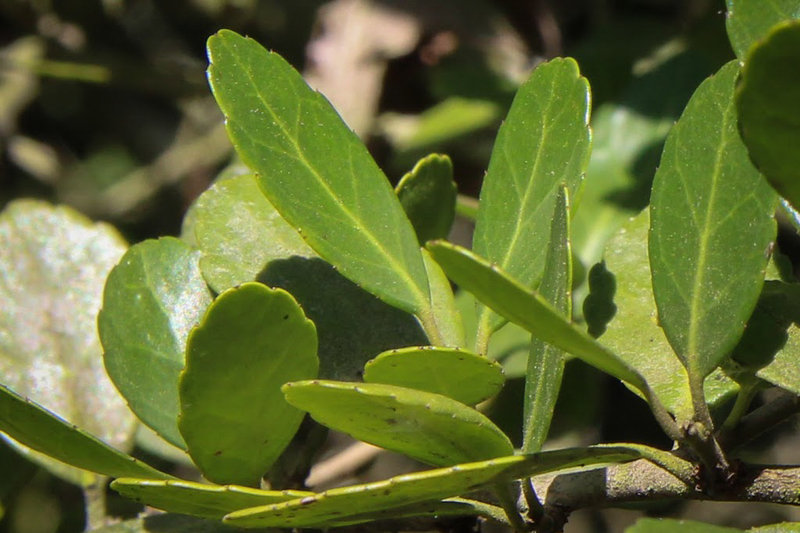
Yaupon growing in the wild in east Texas. This evergreen holly was once valuable to Native American tribes in the Southeastern U.S., which made a brew from its caffeinated leaves. PHOTO: Murray Carpenter for NPR

Yaupon growing in the wild in east Texas. This evergreen holly was once valuable to Native American tribes in the Southeastern U.S., which made a brew from its caffeinated leaves. PHOTO: Murray Carpenter for NPR

Thanks to RAXA Collective’s India operations, specifically in Kerala, there has been no dearth of stories on tea here. Tea’s takeover of the table finds space here. While our travels allow us to bring you tea experiences from across the world. Follow a seed to cup journey in Thailand here. Also be sure of how the iced variety is slowly taking over the world. Now NPR creates some buzz with a piece on North America’s forgotten ‘tea’ plant, probably the only plant from the continent known to contain caffeine.

Continue reading

Let My Country Awake

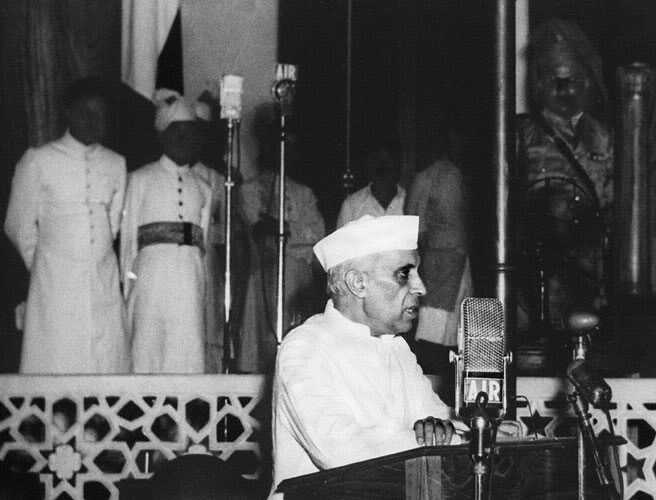
A photo dated 15 August 1947 shows Jawaharlal Nehru, India's first Prime Minister, delivering his Famous

A photo dated 15 August 1947 shows Jawaharlal Nehru, India’s first Prime Minister, delivering his Famous “Tryst With Destiny” speech at the Parliament House in New Delhi

Long years ago we made a tryst with destiny, and now the time comes when we shall redeem our pledge, not wholly or in full measure, but very substantially. At the stroke of the midnight hour, when the world sleeps, India will awake to life and freedom. A moment comes, which comes but rarely in history, when we step out from the old to the new, when an age ends, and when the soul of a nation, long suppressed, finds utterance… And so we have to labour and to work, and work hard, to give reality to our dreams. Those dreams are for India, but they are also for the world, for all the nations and peoples are too closely knit together today for anyone of them to imagine that it can live apart…

I write this at the eleventh hour, before the hands of the clock officially rest on India’s 68th Independence Day. Oh wait, isn’t it a national holiday? I must admit the latter has me more thrilled. Also admit to not having read the country’s first Independence Day speech (excerpt above) in its entirety until now. I shall wallow in shame for a bit, until I cross over to gratitude. Grateful for this chance to dwell on what freedom meant then, means now, and will come to be.

Continue reading

The Village Capital of Light

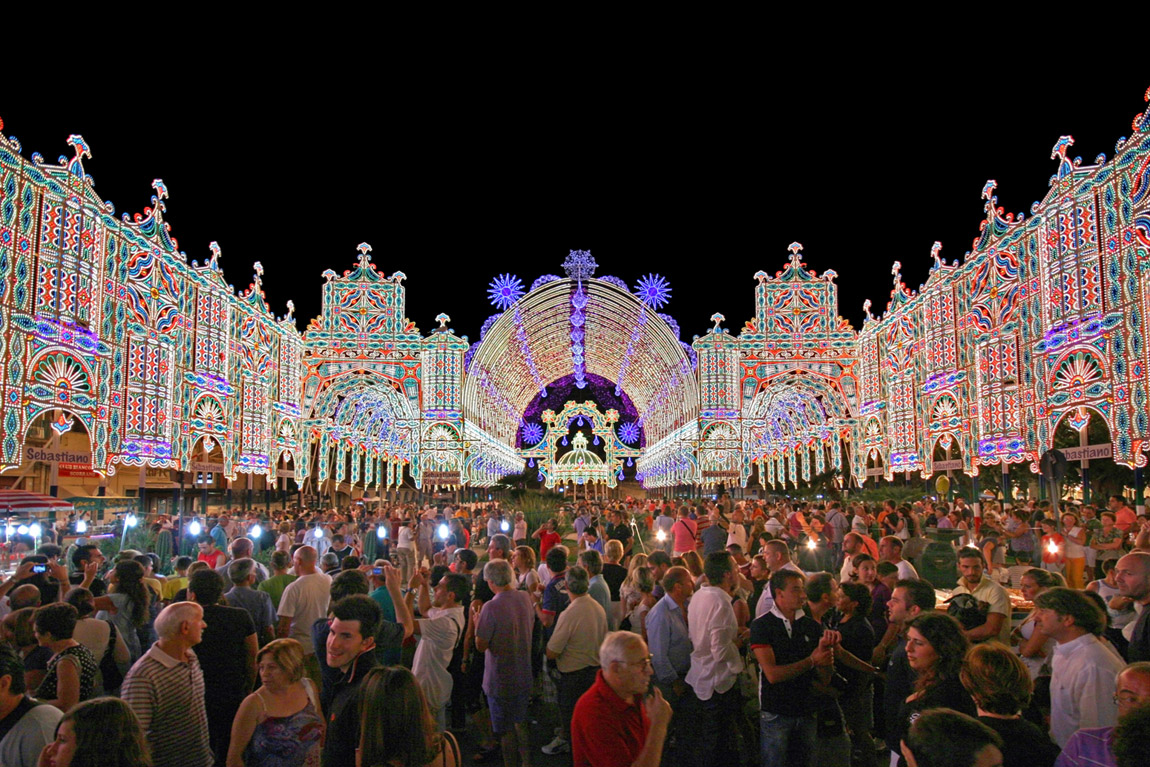
Scorrano, a little village turns into the Capital of the Luminarie for a few days a year. PHOTO: Gorgonia.it

Scorrano, a little village turns into the Capital of the Luminarie for a few days a year. PHOTO: Gorgonia.it

Tradition, religion, heritage, and passion: from one generation to the other, a small town in the Apulia region, Scorrano, has been able to keep all these things untouchable and unique and give them expression during a festival called “Festa delle Luminarie”. The history of this festival goes back to the 20th century and it is related to the existence of small family-run businesses that have been developing and installing the so-called “luminarie” to celebrate local patrons and religious feasts. This was especially true for this small town where only 7,000 people live: there, a few local firms used to wait for the village’s feast in order to install the most beautiful and spectacular illuminations they had been working on in the months before.
Continue reading

Hunger Games and Peru’s Wachiperi

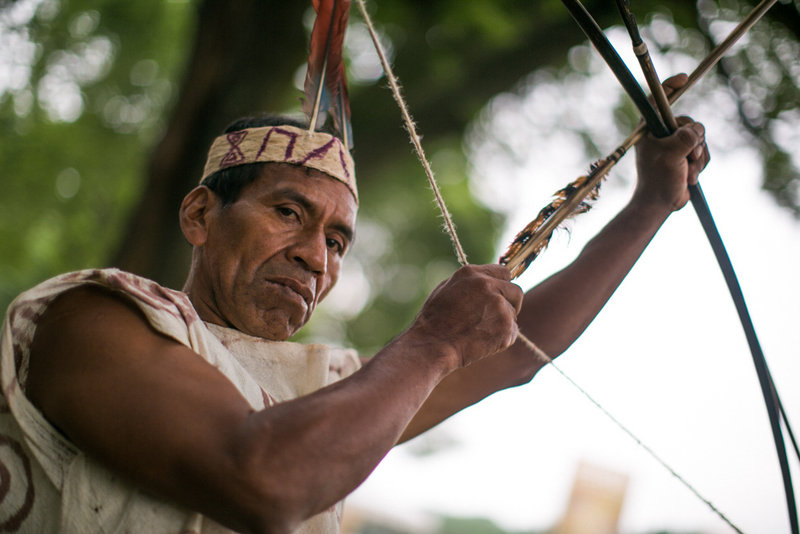
Victorio Dariquebe Gerewa displays his bow and arrow at the Smithsonian Folklife Festival in Washington, D.C. PHOTO:  Ben de la Cruz/NPR

Victorio Dariquebe Gerewa displays his bow and arrow at the Smithsonian Folklife Festival in Washington, D.C. PHOTO:
Ben de la Cruz/NPR

Girls and women in the Peruvian Andes are also asking to learn — but for a different reason. They want to be able to hunt for meat and fish so they don’t have to rely on the men to bring home food.

“The world is modernizing, and women are starting to want to use the bow,” says Sergio Pacheco, a skilled archer who’s part of the tiny Wachiperi community — population estimates range from 90 to 140 — in a remote region of Southeast Peru. “They say, ‘We are just women in the family, so what happens when our father dies? We need to learn this to be able to take care of our families.'”

Continue reading

The Incas and their Hand-built Roads

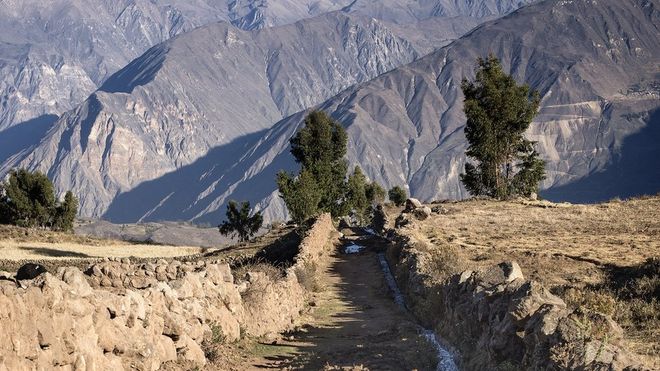
An exhibition at the National Museum of the American Indian concludes that the ancient Incas were great environmentalists. PHOTO: BBC

An exhibition at the National Museum of the American Indian concludes that the ancient Incas were great environmentalists. PHOTO: BBC

The Inca Road is one of the most extraordinary feats of engineering in the world. By the 16th Century it had helped transform a tiny kingdom into the largest empire in the Western hemisphere. And to the envy of modern engineers, substantial parts of the 24,000-mile (39,000-km) network survive today, linking hundreds of communities throughout Argentina, Bolivia, Chile, Colombia, Ecuador and Peru. Incredibly, it was constructed entirely by hand, without iron or wheeled transportation. A new exhibit at the Smithsonian Institution in Washington DC shows why the Incan kingdom built a lasting infrastructure.

Continue reading

Of Magical Tattoos and Civil Wars

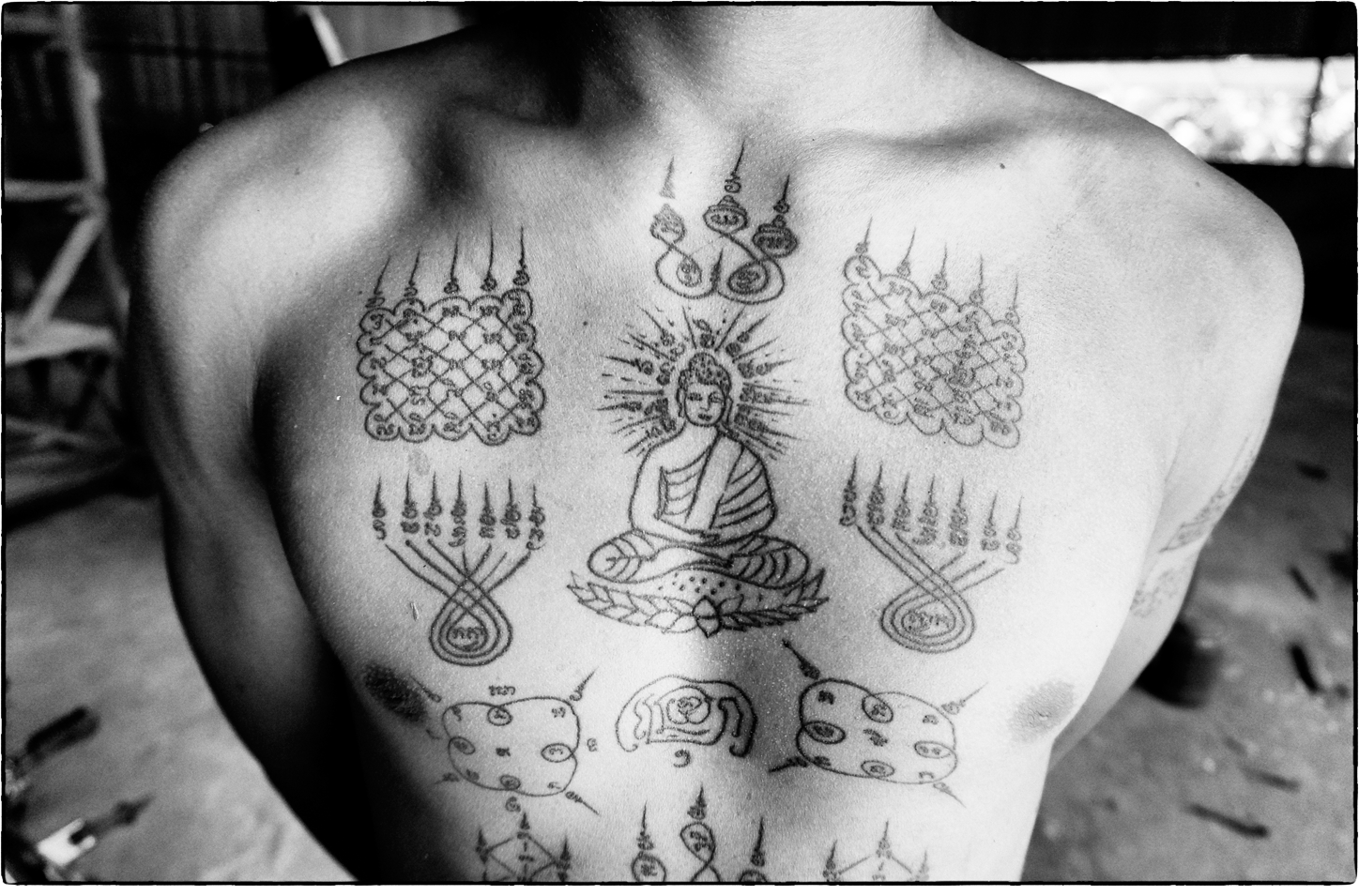
Believed to ward off bad luck, sacred tattoos or sak yant have centuries of history in Southeast Asia. PHOTO: Nathan Thompson

Believed to ward off bad luck, sacred tattoos or sak yant have centuries of history in Southeast Asia. PHOTO: Nathan Thompson

Magical tattoos, known as sak yant in Khmer – the language of Cambodia – are believed to render their wearers impervious to bullets, protect them from misfortune and endow them with sexual magnetism. While the tradition prevails throughout Southeast Asia, little is known about the art in Cambodia, partly because of a 1920 royal ordinance that forbade monks from tattooing and partly because the remaining practitioners were killed during the Khmer Rouge genocide and civil war. Today, traditional Cambodian sak yant is especially difficult to find because those who are still practicing the art form are reluctant to publicize their activities.

Continue reading

A Culture in Need of Safeguards

Each year since 2009, UNESCO puts out two lists that closely look at indigenous practices across the world. The List of Intangible Cultural Heritage in Need of Urgent Safeguarding is composed of heritage elements that require urgent measures to keep them alive. During the period from 2009 to 2014, 38 elements have been included on this List. These include Mongolian calligraphy, the Paach (corn-veneration ritual) of Guatemala, the male child cleansing ceremony of northern Uganda, practices of the Kayas of the sacred forests of Mijikenda in Kenya and more. The second list –  Representative List of the Intangible Cultural Heritage of Humanity – comprises practices that help demonstrate the diversity of heritage and raise awareness about their importance.

Continue reading

Monemvasia

Monemvasia

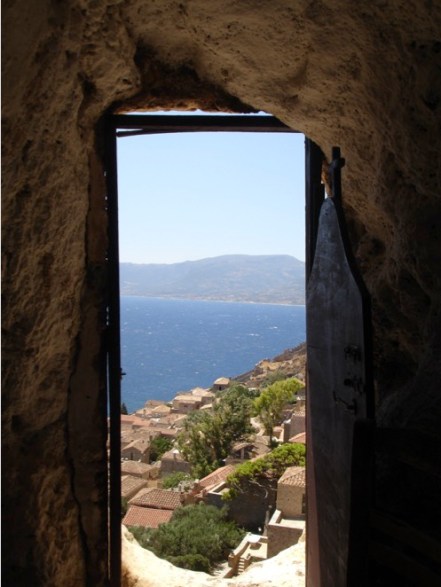
In 2008 Amie, Seth and Milo made a pilgrimage with me, accompanying my mother to her village in the mountains north of Sparta, in the region of southern Greece’s mainland known as the Peloponnesos. My mother’s village is in a region known for producing some of the finest olives on earth. More on that later. While there for some days we had outings, including to the walled fortress town of Monemvasia, built nearly 1,500 years ago.  In the picture to the right you can see a photo I took from inside a hermitage, a cave where various monks lived throughout centuries, above the walled city.

When I opened the New Yorker this week, I was struck by a photo accompanying one of the stories. It reminded me of the photo I took, but the story below could not be more different than the story I would tell about this hilltop town in southern Greece:
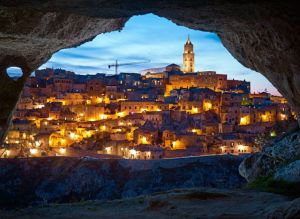
Inhabited since prehistoric times, the caves of Matera, in the Basilicata region, housed mostly the very poor until recent renovations. CREDIT PHOTOGRAPH BY SIMON NORFOLK / INSTITUTE

Inhabited since prehistoric times, the caves of Matera, in the Basilicata region, housed mostly the very poor until recent renovations. CREDIT PHOTOGRAPH BY SIMON NORFOLK / INSTITUTE

Take any road in Italy, look up, and you’ll see a lovely hilltop town: a campanile, a castello, a few newer buildings spilling down the slope, as if expelled for the crime of ugliness. But even amid this bounty there is something exceptional about Matera. It clings to a denuded peak in the extreme south of the country, in the Basilicata region—the instep of Italy’s boot. Travellers are often shocked by the starkness of Matera. Continue reading

Working To Survive, Alternate Edition

7_wide-3e7cde0913bd4deea8f50800b59f674482c45b98-s1300-c85

The St. James vineyard at the Abbey of New Clairvaux. The 20 brothers of the abbey belong to an order with a tradition of winemaking that dates back nearly 900 years. Lisa Morehouse for NPR

Thanks to the folks over at the salt, at NPR (USA):

Continue reading

From The Department Of Save It For Later

Screen Shot 2015-04-09 at 4.58.56 AM

Anyone, anywhere, who believes that something is worth saving (preserving, conserving, protecting, etc.) enough to dedicate time and effort, among other resources, we are likely to support it however we can. Our Bird of the Day feature is an example that goes back to one man’s collection of photographs he took personally containing all the birds, endemic and otherwise, that inhabit and/or migrate through south India. This collection is part of his passionate commitment to wilderness conservation in Kerala and other neighboring states.

We asked, in 2011, if Vijaykumar would allow us to publish his photographs in the interest of promoting conservation. He said yes. By now we have probably published all of the collection as it was in 2011, but he is still photographing and contributing. And four years later we have talented birders, many of whom are also exceptional wildlife photographers, contributing their photographs from all over the world. Seth became an employee of the Cornell Lab of Ornithology that same year, and that has led to a whole bunch of other interesting bird-related posts that we host.

Meanwhile New York City has rarely been a subject we cover from a conservation perspective, though its Public Library is of special interest to us. We have not linked to Jeremiah’s blog previously, but it is the type we favor, as you might have noticed, so here goes. Maybe there is more NYC in store for us.

Continue reading

Language Spoken Is Knowledge Saved For A Rainy Day

150330_r26311-320

The consequences of losing a language may not be understood until it is too late.

At first glance, or quick skim, this will inject a darting depression into your soul, because of the seeming hopelessness. But then the grace of the writing, and the beauty of the story, will wash away the darkness and, very possibly, inspire you. Read it, and if you have thoughts, or actions, to share with us on the entrepreneurial (or other) conservation of intangible patrimony please share a comment below:

It is a singular fate to be the last of one’s kind. That is the fate of the men and women, nearly all of them elderly, who are—like Marie Wilcox, of California; Gyani Maiya Sen, of Nepal; Verdena Parker, of Oregon; and Charlie Mungulda, of Australia—the last known speakers of a language: Wukchumni, Kusunda, Hupa, and Amurdag, respectively. But a few years ago, in Chile, I met Joubert Yanten Gomez, who told me he was “the world’s only speaker of Selk’nam.” He was twenty-one.

Yanten Gomez, who uses the tribal name Keyuk, grew up modestly, in Santiago. Continue reading

Ghana, One Of Our “It” Places For 2015 Discovery

01GHANA-copy-sfSpan-v7

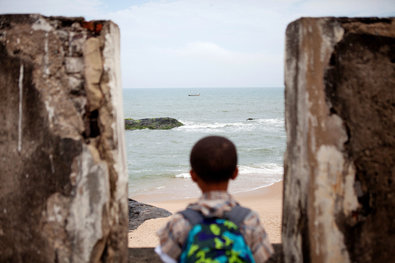
Jane Hahn for The New York Times. Jasir Robert Ryan-Lee, a descendant of Venture Smith, on the roof of the fort in Anomabo, Ghana, where his ancestor was held as a slave.

As Amie promised we will have much more to say as the countdown to the opening of Zaina Lodge continues apace since our first mention on this blog a couple years back. In fact, we are behind on stories from Ghana. Doug, where are you?

As we post this article from the current Travel section of the New York Times, a Raxa Collective team is preparing for an extended camping expedition in the Mole National Park, in the interest of discovering guest experiences that will be on offer when the Lodge opens. So, if Mr. Ryan-Lee and his mom choos to return to Ghana mid-2015 or later, and makes a visit to the wild interiors of the country, he will have another kind of life experience in store; meanwhile we appreciate his story and hope it will encourage others to follow in his footsteps to discover this hidden gem of a country:

On Slavery’s Doorstep in Ghana

Descendants of Venture Smith, a famous slave who won freedom and success in America, return to the roots of his captivity.

Seed to Cup Tea Experience

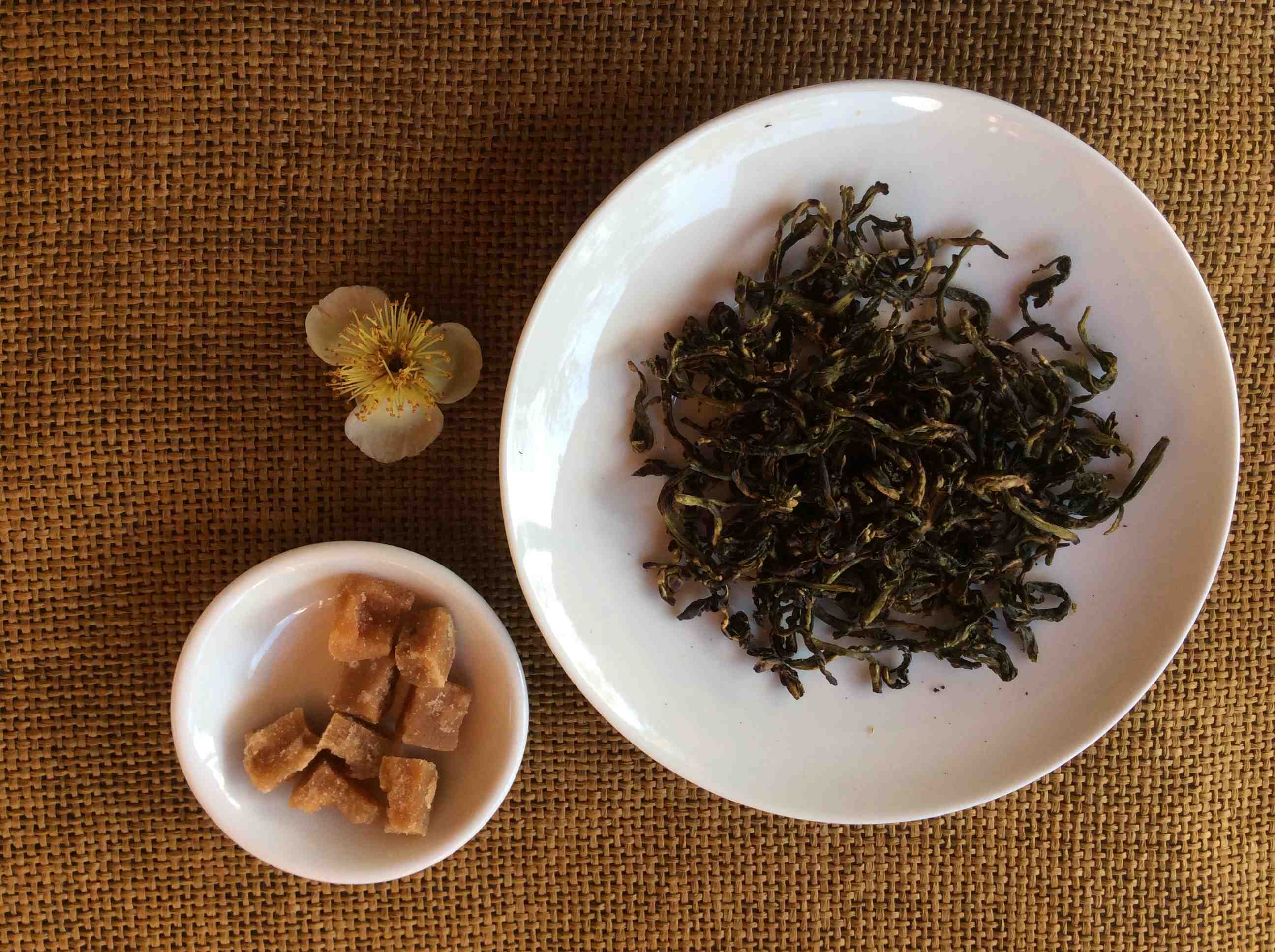
Roasted Assam Tea "nibble" with cane sugar

Roasted Assam Tea “nibble” with cane sugar

Our time in Thailand included a range of sensory experiences, one of which was tea. One might think that living in India, we have little more to learn about tea, but that is far from the truth. Our experience with tea in our adopted home has been more visual than experiential; drives through the beautiful, sculpted tea landscapes of Munnar, or the tea tours near Thekkady, for example.

In the northern Thailand we visited a 60-hectare tea plantation near the Lisu Hilltribe village in Chaing Mai Province. One of the oldest plantations in the country, the owners are working on expanding the quantity of tea produced while offering the full range of tea experience for visitors, from planting a seed that will be lovingly cared for over a 2-year period before being transplanted, to hand plucking the tender green “silver tips” of the tea, Continue reading

Luxury, Heritage, Authenticity And Progress

A plan to turn the old Samaritaine department store into a five-star hotel is at the center of a debate about what Paris is becoming. CREDIT PHOTOGRAPH BY DENIS ALLARD / REA / REDUX

A plan to turn the old Samaritaine department store into a five-star hotel is at the center of a debate about what Paris is becoming. CREDIT PHOTOGRAPH BY DENIS ALLARD / REA / REDUX

One of the great essayists of our time on a topic we find hitting very close to home as an organization that recycles usage of places in a manner that generates profit, to support conservation, looking forward while trying to retain the core of authenticity:

The Pont des Arts, in Paris, is a steel-and-wood footbridge that connects Left Bank to Right—or, more important to its history and its name, connects the École des Beaux-Arts, where generations of French artists were told how to draw, to the Louvre, where generations went to find out how to look. It was, until relatively recently, a soulful and solitary passerelle, where one could stand for hours in winter, mostly alone, staring out at the view west toward the older, stone parapet of the Pont Royal and the Eiffel Tower, or east toward Notre-Dame and the sharp-jawed Île de la Cité. The view north, toward the Right Bank, remained, until the end of the twentieth century, interestingly mixed, with the newly cleaned Cour Carrée of the Louvre straight ahead and, just to the right, the shiplike prow of the Samaritaine department store, proudly flying a couple of pennants from its top.

In the past nine years, all that has changed. Continue reading

Onam Redux

This slideshow requires JavaScript.

The most spectacular event of all Kerala festivals, Onam epitomises a new found vigour and enthusiasm about everything. The festival celebrates the return of King Mahabali, who is said to visit his subjects each year. To convince their beloved King that Kerala continues to be prosperous land of milk and honey people decorate their homes and celebrate to the fullest sometimes even faking prosperity to present a happy and flourishing facade to their King. Continue reading

Our Daily Bread, Please

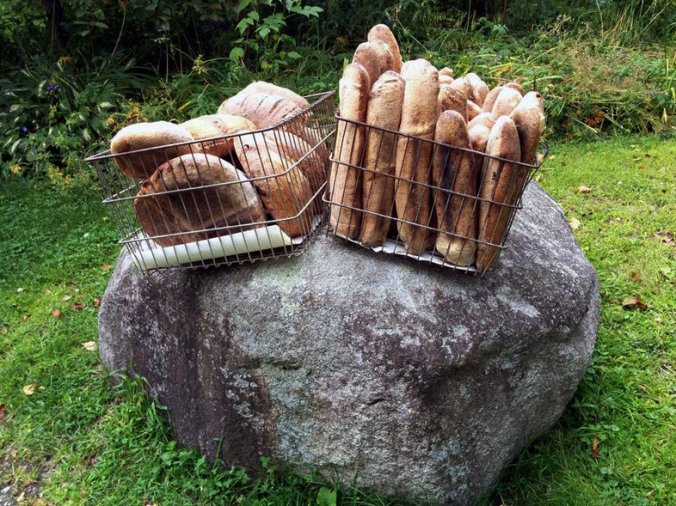
Rabin bread on a rock at the farmers market in Plainfield prior to setting up the table. Jon Kalish for NPR

Rabin bread on a rock at the farmers market in Plainfield prior to setting up the table. Jon Kalish for NPR

Where can we find the stones, here in Kerala, to build the oven to bake the bread to allow the reincarnation of this labor of love when the oven man and his wife of great heart from Vermont stop baking? We will find out. We will surely let you know. Meanwhile listen to and/or read this story, thanks to National Public Radio (USA):

When Jules Rabin lost his job teaching anthropology in 1977, he and his wife, Helen, turned to baking to keep their family afloat. For 37 years they’ve baked sourdough bread that people in central Vermont can’t seem to live without.

The year before Jules left Goddard College, he and Helen built a replica of a 19th century peasant oven, hauling 70 tons of fieldstone from nearby fields. The stones covered an igloo-shaped brick baking chamber 5 1/2 feet in diameter. Continue reading

Indian Independence Day at Spice Harbour

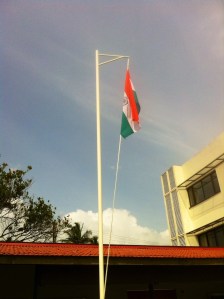
10355655_10201665725084704_4823049703076743324_oYesterday at Spice Harbour I got to participate for the first time in an Independence Day flag raising ceremony.

It’s a good time to tip our hats to history. On August 15, 1947, after centuries of British imperialism, India gained independence. I am no expert on the Indian Independence movement so I won’t speak to it too much, but I know there were many political organizations and philosophies behind it that were united by their desire to end British rule. Mohandas Gandhi’s nonviolent philosophy and civil disobedience is what led the final parts of the struggle for independence that prompted the eventual withdrawal of the British. Since we’re talking about colonial India, we can put Kerala and Spice Harbour into historical context. Continue reading

Brihadeeswarar Temple, Thanjavur – Tamil Nadu

Photo credits : Binu Kumar

Photo credits: Binu Kumar

Brihadeeswarar Temple was an imperial monument to Chola power and the greatest artistic accomplishments of the late Chola period. This Temple was the greatest single undertaking of the South Indian temple builders, taking almost 15 years to complete. Continue reading