The Napier Museum is also known as the Trivandrum Art Museum of Art. It was completed in 1880, making it the oldest museum in Kerala and one of the oldest in India.The museum houses an extensive collection of bronze and stone sculptures and wooden carvings dating from the 11th to the 18th centuries. There are some very interesting musical instruments and a 400-year old clock. The traditional ornaments used by Kerala women, elaborate lamps and life -lized Kathakali figures complete with resplendent costumes add to the museum’s eclectic collection. Continue reading
Heritage
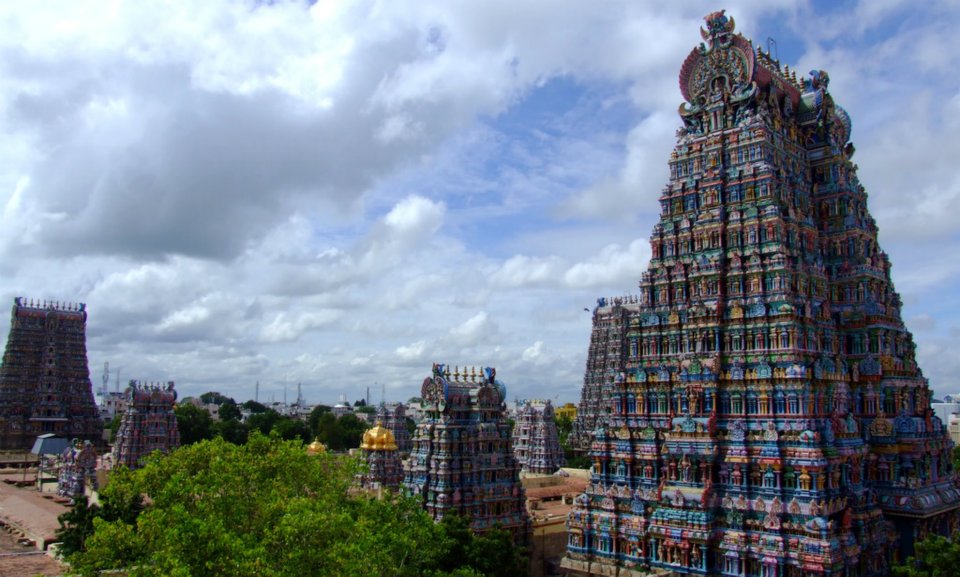
Madurai Meenakshi Temple
Located on the banks of the Vaigai River, Madurai is the oldest city in Tamil Nadu with an historical legacy over 2500 years old. The famous Meenakshi Temple dominates the city, which evolved around it. The architecture is purely Dravidian but there is an amalgam of many styles dictated by many dynasties as the temple changed hands many times. Continue reading
Aihole Temples – Karnataka
Aihole was the capital of the Chalukyan Kings, who between the 4th and 6th century A.D began experimenting with the idea of constructing temples with stone blocks. Aihole has over 125 temples, all intricately carved and rich in detail. Durga temple has a semicircular apse and a sanctum, encircled by a richly carved colonnaded passageway. Durga temple is roofed in the usual flat Early Western Chalukyan manner. The niches in the circumambulatory passage around the sanctum are filled with statues; notable among them are splendid images of Durga and Shiva. Continue reading
Kailasanatha Temple – Kanchipuram,Tamil Nadu
Kailasanatha temple is the largest and most important of the temples built by Rajasimha, the last king of the first Pandyan empire. Dating from the 7th century, this is one of the oldest temples in Kanchipuram and is a rare example of the Dravidian style. A wall of fifty-eight small shrines further encloses the main shrine. Continue reading
Bekal Fort
Located in the northern part of Kerala in the Kasaragod District, the 17th century Bekal Fort is one of the largest and best preserved forts in the state. This imposing circular laterite structure rises 130 ft above sea level and stands on a 35-acre headland that juts into the Arabian Sea. The fort consists of a centrally located 30 foot high observation tower, which affords a grand view of the blue sea and the green palm forest. There are underground tunnels leading to the Sea. Continue reading
The Hoysaleswara Temple – Halebidu, Karnataka
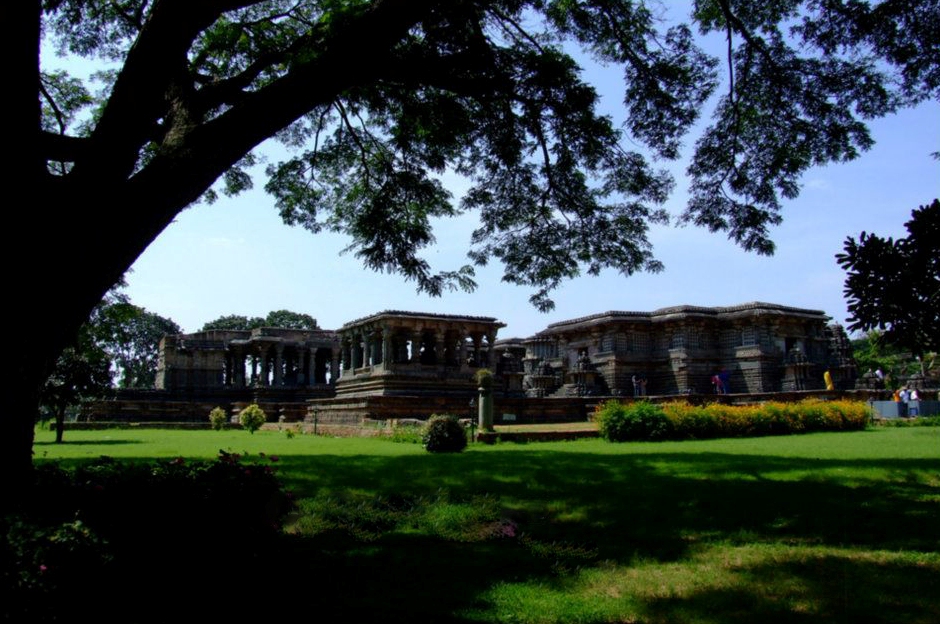
The Hoysaleswara Temple was built by “Kettumalla” one of the ministers of King Vishnuvardhana during 1121 A.D. It is believed that it took nearly a century to complete the temple, there are still some unfinished portions.The ground plan is the characteristic star shape common to all Hoysala Temples. Continue reading
Thanjavur Memorial Shrines And Nandi Mandapa
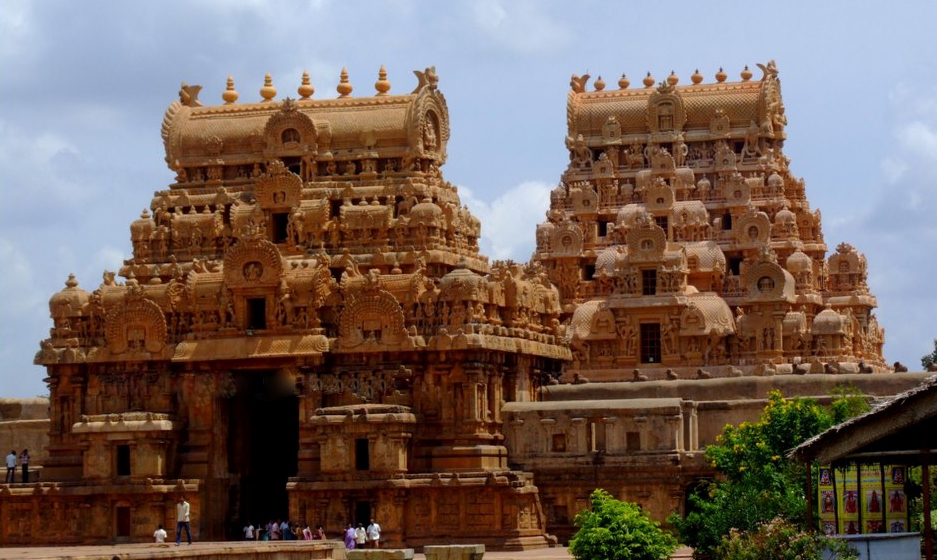
The temples and shrines at Thanjavur are amoung the finest examples of South Indian architecture of the late Chola period. Dedicated to Lord Shiva, the Breehadishwara Temple is considered the greatest single undertaking of its time, taking almost 15 years to complete the full structure. Continue reading
Cape Camorin, Known Locally As Kaniyakumari
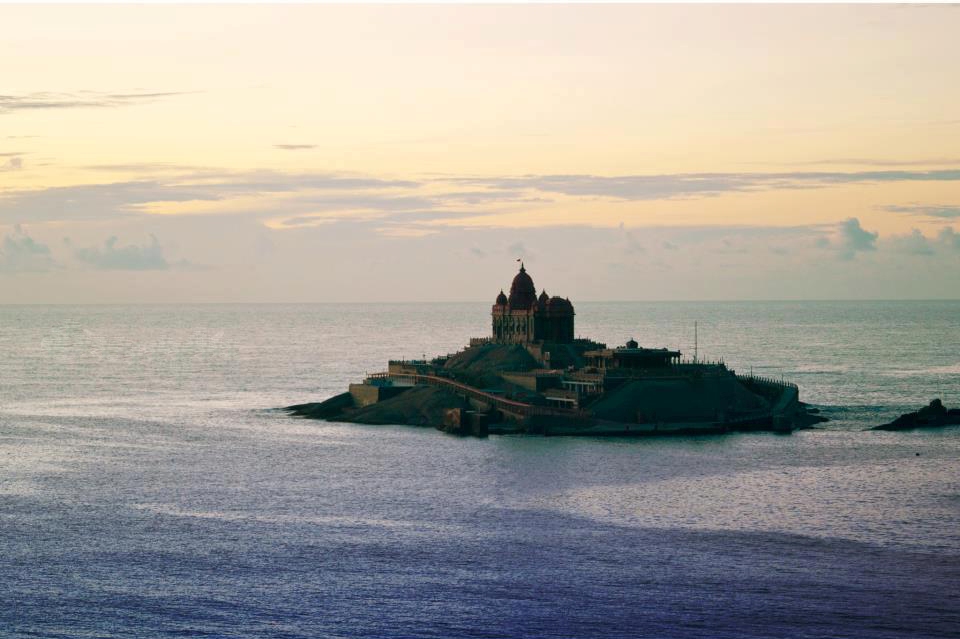
Kaniyakumari, also known as Cape Camorin, lies 90 km south of Trivandrum and is the southernmost tip of the mainland Indian sub-continent. The waters of the Indian Ocean, the Bay of Bengal, and the Arabian Sea converge here. The Vivekananda Memorial and recently erected statue of the great Tamil poet Thiruvallur are the main attraction of this place. A dip at the bathing ghat constructed at the confluence of the Seas is believed to cleanse and rejuvenate the pious.
Kalpathy Ratholsavm – Chariot Festival
Kalpathy is an ancient Brahmin agraharam (village) situated in the heart of Kerala’s Palakkad district close to the Tamil Nadu border. Kalpathy Ratholsavm, The Chariot Festival, is based on vedic Tamil Brahmin culture. The main center of the festival is Kalpathi Sree Viswanatha Swami Temple. During the festival week the deity from Viswanatha Swami Temple is taken out and installed in the chariot and thousands of devotees drag the huge, intricately carved temple chariots bedecked with flowers, fruits and flags through the streets. Continue reading
Mutthukkuda – Festival Umbrellas
Mutthukkudas are one of the main attraction in Kerala’s religious and political ceremonies, especially at the Thrissur Pooram, the state’s primary festival. During the pooram festival time there is one attraction called kudamattom (exchanging umbrellas) which is the most important aspect of the Trissur Pooram, were hundreds of beautiful long stemmed glittering umbrellas are exchanged rhythmically along with a traditional music orchestra and chenda melam played in the back ground. Continue reading
Temple Gopurams
The word Gopuram refers to the monumental tower built at the entrance of South Indian Dravidian temples. These Gopurams are multistoried structures decorated with painted sculpture and carvings depicting Hindu mythology.
Continue reading
The Tate Modern Happens To Be In Kochi
Only 24 Days left for the Kochi-Muziris Biennale 2012.
Nada Raza, writer and curator currently working at the Tate Modern in London, speaks about the site-specificity of the works and how history and culture plays a huge part in the works exhibited at the Kochi-Muziris Biennale.
Take her advice and be there!
Badami Cave Temple, Karnataka
The Badami Cave Temple in Karnataka was the capital of the early Chalukyas, who ruled much of that area of India during the 6th and 7th centuries. Badami is a treasure trove of Indian rock-cut architecture and sculpture. It is set in a picturesque countryside at the mouth of a sandstone ravine . The caves overlook a large lake known as Agasythya Teertha.
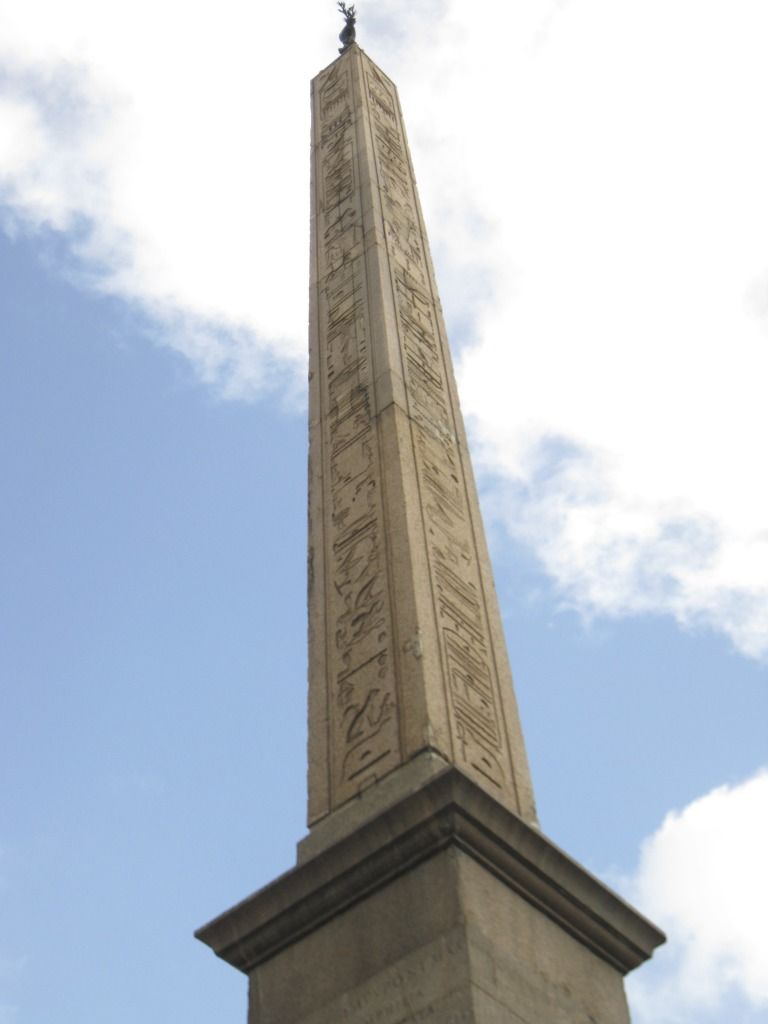
Obelisks in Rome
Rome is renowned for (among many other, er, more important things) its vast “collection” of obelisks. These obelisks, most featuring hieroglyphics running their length, typically came to Rome through conquests in Egypt. Victorious generals and emperors Continue reading
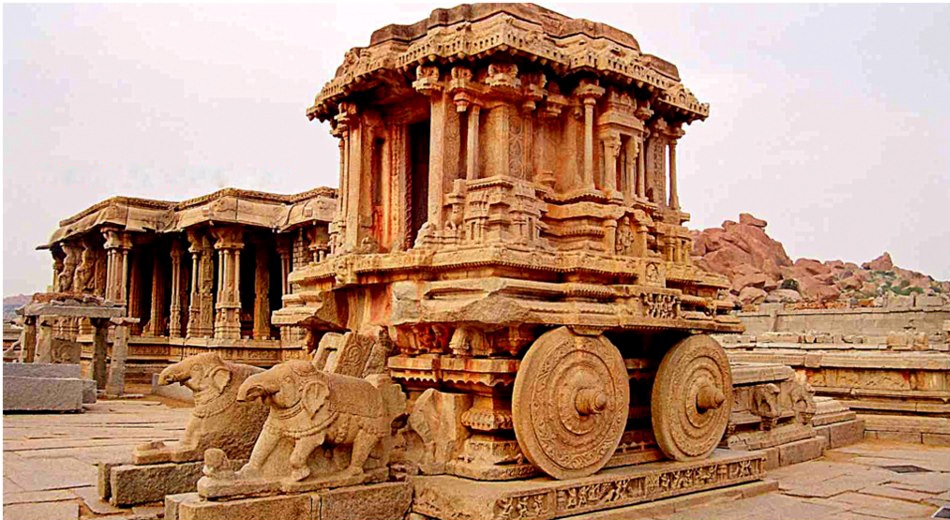
Hampi Vitthala Temple – Stone Chariot
Standing on the southern bank of the Tungabhadra River, the Vitthala Temple is the most magnificent of the religious edifices at Hampi. Vitthala portrays the aesthetic perfection of the Vijayanagar style during the time of Devaraya-II (A .D. 1422-1446). Continue reading
Murals – Kerala’s Temple Art
Kerala’s Temple Art is rich, vibrant and tells vivid stories. Most of Kerala’s temples built during the 15th and 16th centuries have murals depicting gods and goddesses, sages and episodes from Hindu mythology. These are mostly painted on the outer walls of the sanctum sanctorum. Continue reading
Largest Gathering On Earth
The Atlantic‘s photographic coverage of Kumbh Mela is accompanied by this explanation:
Tens of millions of Hindu pilgrims are now descending on Allahabad, India, joining an estimated 8 million already there for the Maha Kumbh Mela. Continue reading
Traditional Welcome at Cardamom County
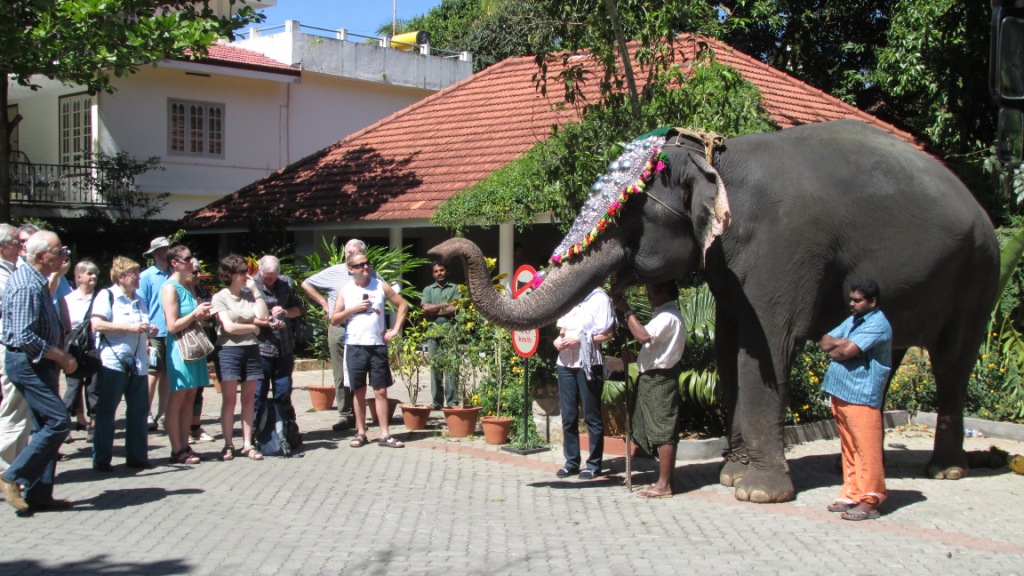
A group of 20 guests at Cardamom County enjoyed a traditional Kerala welcome today with a caparisoned elephant, traditional Chenda melam band, flower garland and sandalwood paste Tikka.
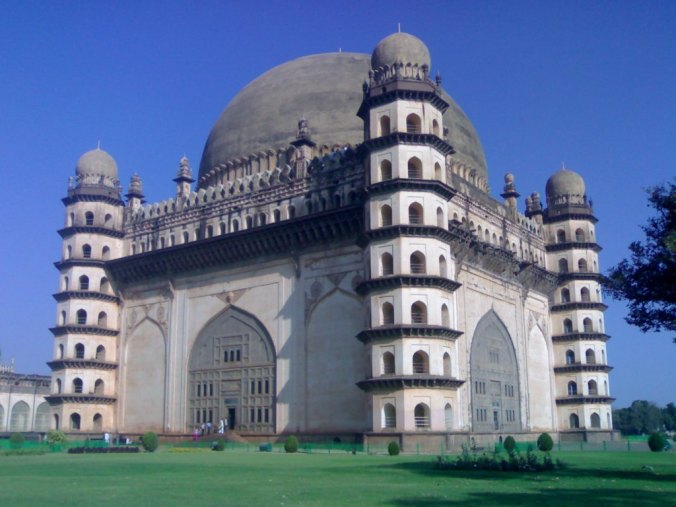
Gol Gumbaz – Bijapur, Karnataka
Photo credit: Ramesh Kidangoor
Gol Gumbaz is the tomb of Mohammed Adil Shah, located at Bijapur in Karnataka state. Built in the 17th century, this renowned example of Deccan architecture took close t0 30 years to complete. The significant feature of the structure is its central dome which stands without the support of pillars. The Gol Gumbaz is the second largest dome in the world of this type. It is particularly known for its central chamber, or “Whispering Gallery”, where every sound is echoed multiple times.
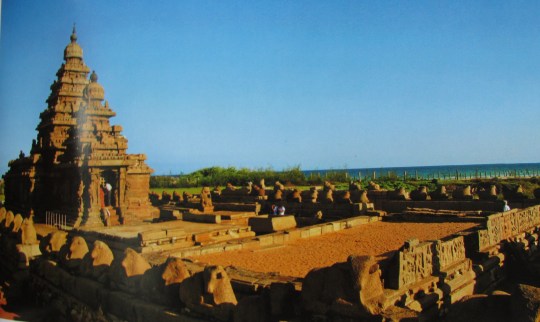
The Shore Temple – Mamallapuram (Tamil Nadu)
The Shore Temple is one of the oldest temples in South India. Built during the 8th Century A.D., it is a good example of the Dravidian style of temple construction. Continue reading