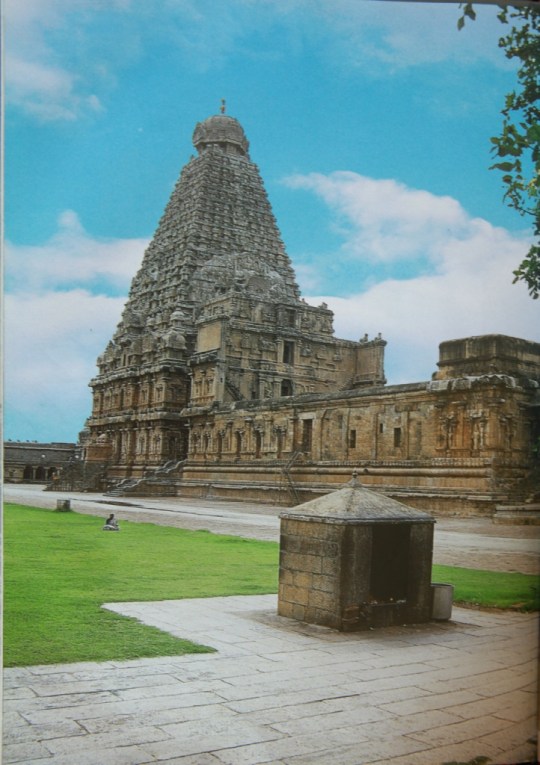
Brihadeeswarar Temple in Tamil Nadu is one of the greatest artistic accomplishments of the Late Chola period. At 216 feet in height, the shrine of this UNESCO World Heritage Site is the largest and tallest in India. This was an imperial monument to Chola power, built without using bricks, lime mortar or clay. The stones are placed one above the other and are held in place due to sheer weight. Continue reading
Heritage
Language, Heritage & Meaning

Today’s aspirational Indians want their children to go to a school where lessons are taught in English. But often the pupils leave speaking a language that would not be recognised in London or New York. Could this Hinglish be the language of India’s future?
Thanks to the BBC for this note on languages in our adopted home country:
Why, half a century after Indian independence, does English remain the language of higher education, national media, the upper judiciary and bureaucracy and corporate business? Continue reading
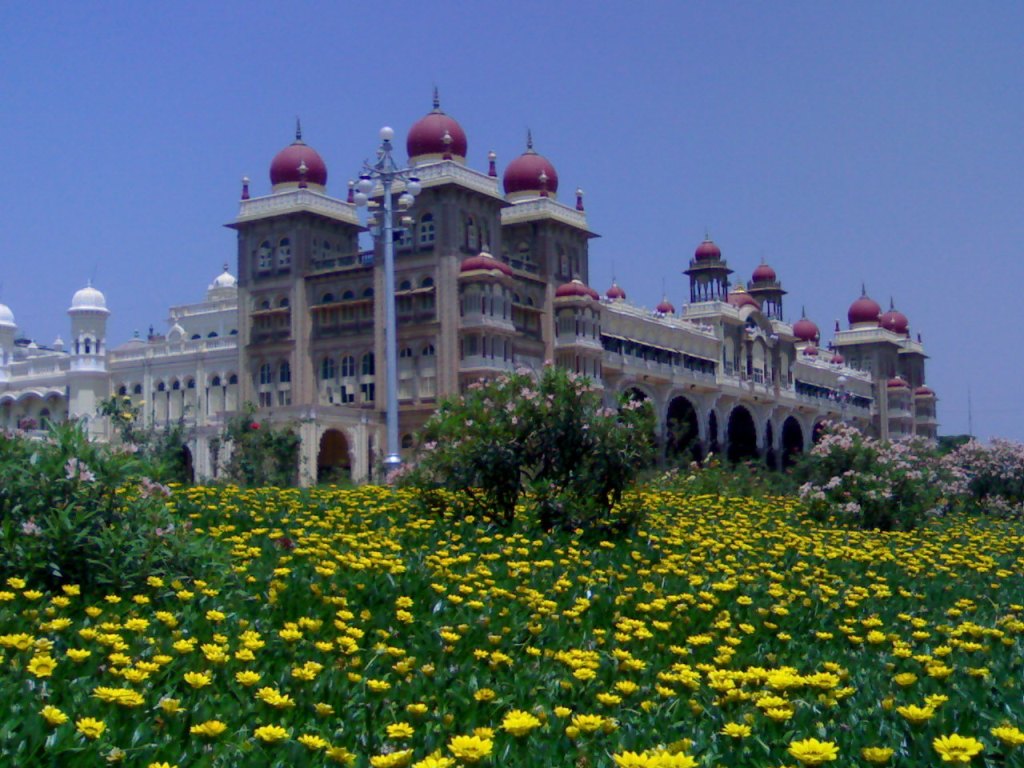
Mysore Palace
Located in the heart of Mysore City, Mysore Palace is one of the biggest and most spectacular palaces in the country. The original palace was built by the Wodeyar Kings during 14th century. The wooden structure was demolished and reconstructed many times over the centuries. The current palace, commissioned in 1897, is built in the Indo-Saracenic style, blended with Hindu, Muslim, Rajput and Gothic styles of architecture with stained glass, chandeliers and elaborate grill work imported from all around Europe.
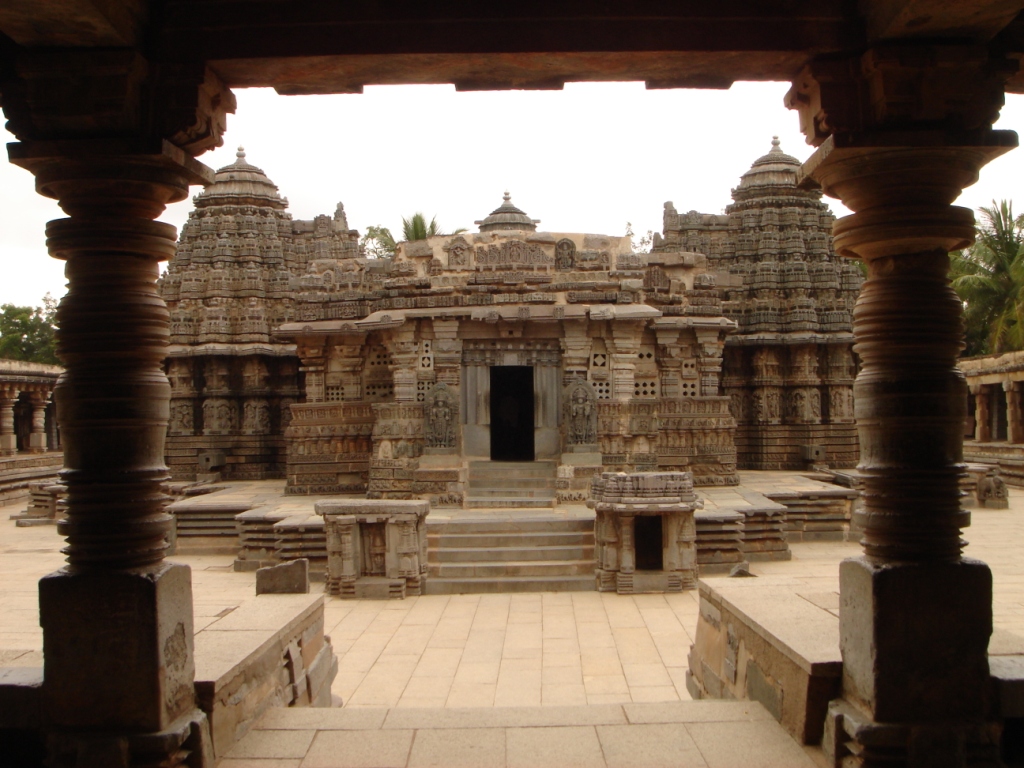
Chennakeshava Temble – Somnathpur
Built in 1268 A.D., Chennakeshava Temple is located in the Mysore District of Karnataka. This temple is famous for its elaborate artisanship. The temple stands on a raised, star-shaped plinth in the middle of a spacious enclosure containing sixty-four cells.
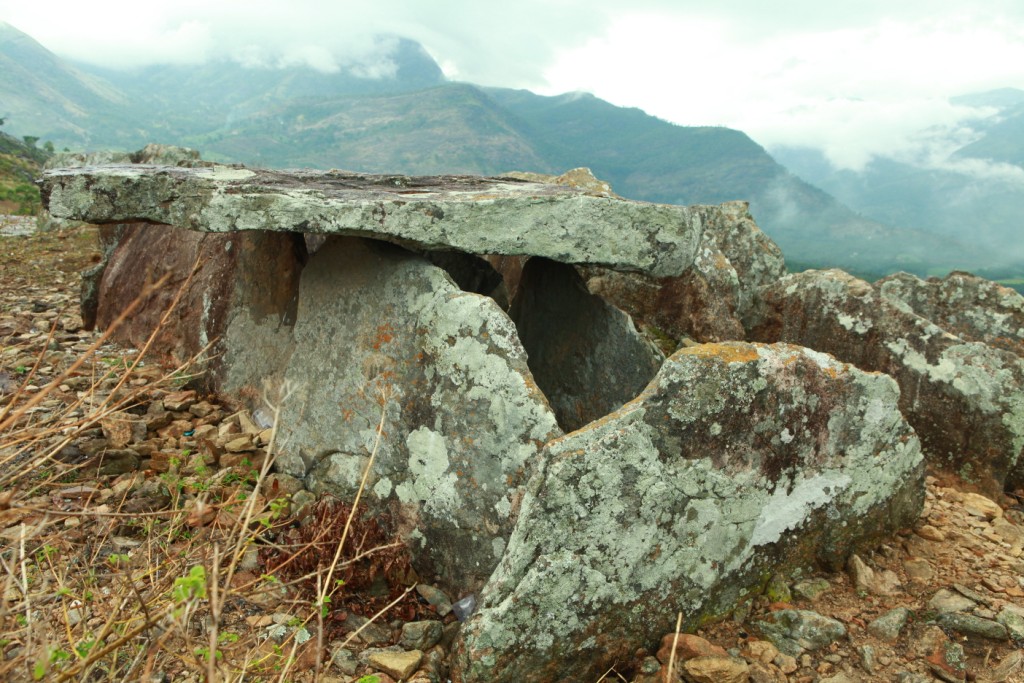
Muniyaras Dolmens
Muniyaras Dolmens are burial chambers belonging to the Megalithic age made of huge rocky slabs. It is believed that this was the ideal place for the ancient sages for meditation and Yoga. There are many dolmens in and around Munnar especially Marayoor, Kovilkadavu and near the cliffs overlooking the Pambar River.
From Old Tools, New Knowledge

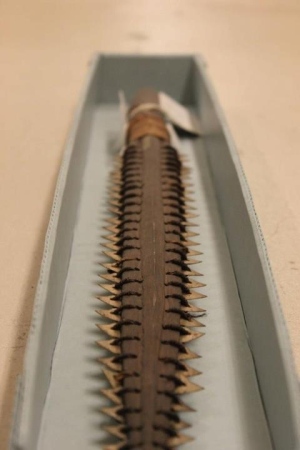
Weapons from the Gilbert Islands contain the teeth of shark species no longer found in the area. Photo by J. DREW/COLUMBIA UNIV.
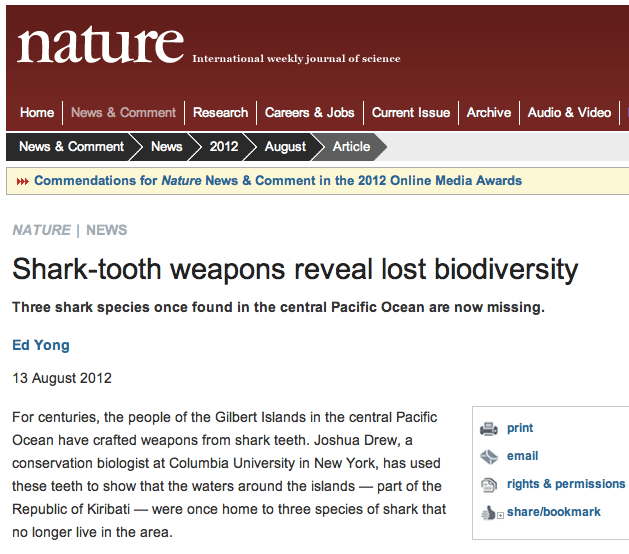
Click the headline image above, or the photo to the left to go to the story:
“This is shadow biodiversity,” said Drew, presenting his results at the 2012 Ecological Society of America Annual Meeting in Portland, Oregon, last week. “Three sharks disappeared from these reefs before we even knew that they existed there.”
Drew analysed 124 shark-tooth weapons housed in the collection of the Field Museum of Natural History in Chicago, Illinois. The artefacts included swords, tridents and a 4-metre-long lance, dating back over 120 years.
All are built in the same way: the islanders drill hole in the teeth and lash them to buttresses of wood with cords made from coconut leaves.
Post-Poned
Funny: I was just about to follow up on yesterday’s news about UNESCO’s declaration, with some further explanation for those less familiar with the various definitions/forms of patrimony and heritage considered worthy of protecting. Then Tim’s post popped up when I refreshed this page. Then my other tab opened, eerily on its own, to The New Yorker‘s website. Although it is a site of frequent visitation for my browser, the eery thing was that it chose to open on its own, at that particular moment, and in the most visible spot on the page was this particular blog post:
Rounding out the weekend reading was a piece in Le Monde about the California ban on foie gras—another death notice of sorts. As Dana Goodyear has written, the Californians see the ban as a life-extending measure for ducks and, potentially, for humans who relish their fatty livers, whereas the French fear the demise of their patrimony before its time. “The French producers are furious,” Le Monde wrote, quoting a diplomatic source who reasoned, somewhat shakily, “It’s a subject that can seem anecdotal, but it’s necessary to take it seriously … Foie gras is an important part of our gastronomic heritage, recognized by Unesco.”
I no longer need to write the post I had intended, so I will just link to a post that partially explains my love of heritage, culinary patrimony in particular. Truth be told, Tim’s compelling post notwithstanding, the above in extra-particular is among my culinary favorites.
Language & Conservation
Click the image above to go to National Geographic‘s valuable contribution to address one of the least discussed conservation crises facing the world today:
Every 14 days a language dies. By 2100, more than half of the more than 7,000 languages spoken on Earth—many of them not yet recorded—may disappear, taking with them a wealth of knowledge about history, culture, the natural environment, and the human brain.
National Geographic’s Enduring Voices Project (conducted in collaboration with the Living Tongues Institute for Endangered Languages) strives to preserve endangered languages by identifying language hotspots—the places on our planet with the most unique, poorly understood, or threatened indigenous languages—and documenting the languages and cultures within them.