Coffee, Journeys & Yemen

24bookeggers4-superJumbo-v2

CreditPatricia Wall/The New York Times

This review, thanks to Ghaith Abdul-Ahad, has my attention on The Coffee-Flavored American Dream of a young man with about as improbable a mission as I can imagine.  Returning to the coffee fields of Costa Rica’s Tarrazu region in a few days, I also plan to cross the Central Valley to see the latest mission accomplished of another coffee dreamer, the choice of Dave Eggers for his latest book topic is much appreciated.

A few years ago I traveled with a group of friends from the southern Yemeni port city of Aden to the capital of Sanaa in the north, taking the long coastal road that twists and curves around the bulge of Yemen’s southernmost tip. After passing the Bab el Mandeb strait, the road stretches along the seashore. Under a clear bright sky, the waters of the Red Sea shimmered and the sand glowed a warm ocher, the monotony interrupted only by an occasional fisherman’s shack, a small nomadic settlement or a bleached one-room mosque. Flat-topped trees looming in the distance suggested an African landscape.

merlin_135539598_25a28bf1-c1ea-4f91-864b-e5d08b63264d-master768

CreditLorenzo Gritti

Ahead of us lay the port of Mokha, or Al-Mukha in Arabic, where from the 15th century onward ships set sail with precious Yemeni coffee bound for Istanbul, London, Amsterdam and eventually New York — so much coffee that the word “mocha” became synonymous with it. Continue reading

Matta-Clark, Urban Decay & Renaissance

Cowan-Revisiting-Gordon-Matta-Clark_02

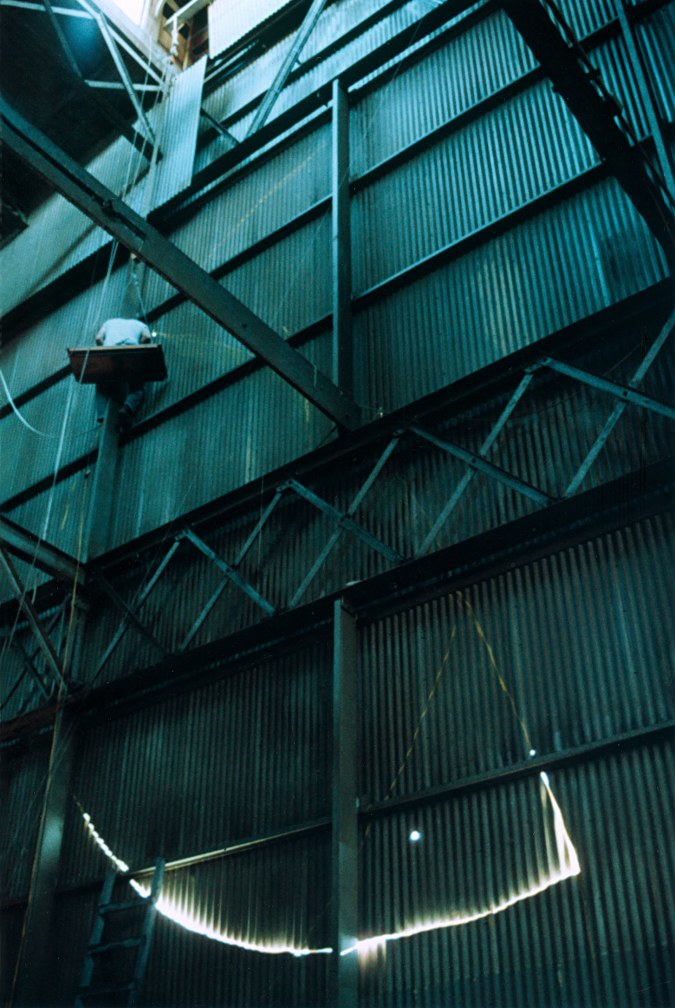
Gordon Matta-Clark’s “Day’s End” (Pier 52), 1975. Photograph Courtesy the Estate of Gordon Matta-Clark / ARS / David Zwirner

Renaissance is a word that sounds like it means something good. But not necessarily so. Sarah Cowan has this review of a show in the Bronx that sounds worthy of a visit:

The Future Did Not Have to Be Luxury Condos: Revisiting Gordon Matta-Clark

Cowan-Revisiting-Gordon-Matta-Clark_01

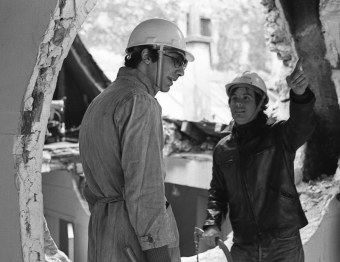
Gordon Matta-Clark (pictured left, in 1975) folded urban decay into his art. Move ahead forty years and the city’s debris is from new development. Photograph by Harry Gruyaert. Courtesy the Estate of Gordon Matta-Clark / ARS / David Zwirner

In the film “Day’s End,” the artist Gordon Matta-Clark rides a whale-size piece of corrugated metal as it is hoisted away from the wall from which he just cut it. He’s a young man, age thirty-two. The feat was filmed in the summer of 1975, in Chelsea’s abandoned Pier 52 building, where Matta-Clark attempted to make an “indoor park.” His silhouette, against the sunlight streaming in from his new view of the Hudson River, is heroic. Continue reading

Progress In Mongolia Looks Like This

ger-1-0e1df16a975c6ffe1af6e84d8e3715f248383a0c-s1600-c85.jpg

Odgerel Gamsukh has a started a company to create a green community in the unplanned and polluted sprawl outside of Ulaanbaatar. Katya Cengel for NPR

My one visit to Ulaanbaatar was in 1984, so I have outdated perspective, but I do recall the haze. I did not know it was from coal, associating it more with the Soviet gloom that I grew up believing was a permanent shadow on those lands. The military guards patrolling the train station were ominous at first sight. And one of them walked up to my buddy, grabbed his camera and ripped the film out of it. Yikes. No photo ops for us. But when our train, the Trans-Siberian, left the station I saw that Mongolia is one of the most blessedly beautiful landscapes I had seen, or have seen since. Multiple rainbows alway on the horizon. Thanks to Katya Cengel and NPR for this reminder that the sun is always shining somewhere in Mongolia:

To Fight Pollution, He’s Reinventing The Mongolian Tent

It takes the taxi driver three tries to find the neighborhood and at least another three wrong turns on narrow unpaved roads before he locates the company’s front gate. Each time he gets turned around the driver reaches for a cell phone. On the other end of the line Odgerel Gamsukh directs the driver to Gamsukh’s garage door business. Neither man seems bothered by the multiple interruptions and resulting delay. Mongolians are used to it taking a little extra time to get around, especially in the ger areas of Ulaanbaatar.

ger-4_custom-4d916c8e94c81b0b2fa6d78bf27f78ac78ab344c-s1600-c85.jpg

Gamsukh’s designs are displayed on his desk.
Katya Cengel for NPR

If street addresses mean little in the city center, where residents commonly give directions based on landmarks instead of street names, they mean even less in the surrounding ger areas, named for the circular felt tents in which many residents live. In these neighborhoods, the route that takes you from one place to another is sometimes a grass-covered hill. That is because the government has yet to catch up with the city’s rapid growth. Sixty years ago only 14 percent of Mongolia’s population lived in the capital of Ulaanbaatar, the country’s largest city. Today it is approximately 45 percent, more than one million people. The majority of them, 60 percent, live in ger areas that often lack basic services such as sewer systems, running water and trash collection. The coal that area residents burn to warm their homes is the main cause of winter air pollution that now rivals Beijing’s. Continue reading

Progress Through Yeast

yeast_wide-eb654133785982b6ac43f4ee0d2913b4aab254fa-s1600-c85.jpg

Fresh and dried yeast. It might not look like much, but it has shaped the way we eat and live, according to a new book. Maximilian Stock Ltd./Getty Images

Thanks to Menaka Wilhelm:

The Rise Of Yeast: How Civilization Was Shaped By Sugar Fungi

An imagined conversation between two yeast cells appears in Kurt Vonnegut’s 1973 novel Breakfast of Champions. “They were discussing the possible purposes of life,” Vonnegut writes. If that’s not absurd enough, their existential discussion takes place against a weird, dismal backdrop, “as they ate sugar and suffocated in their own excrement.” Little did they know, their little yeasty lives had an important, human-centric purpose. “Because of their limited intelligence, they never came close to guessing that they were making champagne.” Continue reading

What Do We Want In A City Of The Future?

lead_960 (13)

lillisphotography / Getty / Emily Jan / The Atlantic

We do not normally link to the writing of science fiction authors, nor is the topic of the essay below typical of the themes in our 2011-2018. But it is not unheard of; nor is it too late to add more to this short thread of links to sci-fi authors. If Bruce Sterling catches your attention with these first few paragraphs pasted below, you may want to go to The Atlantic to read the rest:

Stop Saying ‘Smart Cities’

Digital stardust won’t magically make future cities more affordable or resilient.

The term “smart city” is interesting yet not important, because nobody defines it. “Smart” is a snazzy political label used by a modern alliance of leftist urbanites and tech industrialists. To deem yourself “smart” is to make the nimbyites and market-force people look stupid.

Smart-city devotees all over this world will agree that London is particularly smart. Why? London is a huge, ungainly beast whose cartwheeling urban life is in cranky, irrational disarray. London is a god-awful urban mess, but London does have some of the best international smart-city conferences.

London also has a large urban-management bureaucracy who emit the proper smart-city buzzwords and have even invented some themselves.  The language of Smart City is always Global Business English, no matter what town you’re in.

So if grand old London is smart, with its empty skyscrapers, creepy CCTV videocams, and sewers plugged with animal fat, then we probably needn’t fret about the Elon Musk sequins and stardust of digital urbanism. Better to reimagine the forthcoming urban future as a mirror of Rome, that “Eternal City,” where nothing much ever gets tech-fixed, but everything changes constantly so that everything can remain the same. Continue reading

Rice Rediscovered

merlin_133382781_2e684dde-7527-4a19-8880-d577f8e40ec9-jumbo

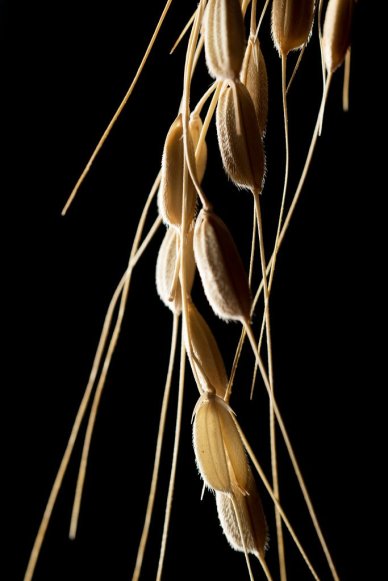
Upland red bearded rice, which grows in the Moruga district in Trinidad, turned out to be a missing culinary link between enslaved people in coastal Georgia and a group of slaves who were able to buy their freedom by fighting for the British in the War of 1812. Credit Karsten Moran for The New York Times

A More Virtuous Tea

tea-dsc_4084_custom-81c744af0031bf81425ef659cb52385d07717424-s1300-c85

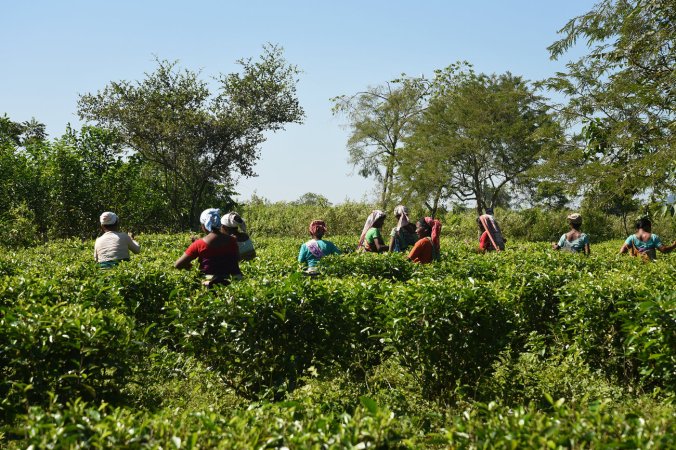
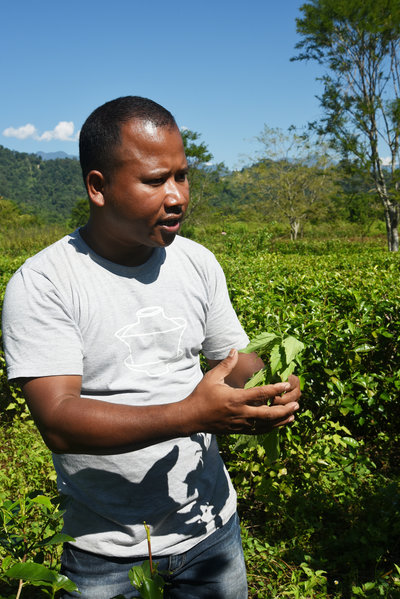
Tea pickers stand in the scorching sun, hand-plucking the tea leaves for about eight hours a day. Furkan Latif Khan/NPR

Thanks to Julie McCarthy and her colleagues at National Public Radio (USA) for this story posted from our old neighborhood:

Tea Farmer In India Leads Charge For Organic, Evades The Charge Of Elephants

tea-dsc_4165_custom-f26dac282301c68a7ef79adff58e4fdc2663934e-s400-c85

Tenzing Bodosa is a tea grower and a staunch practitioner of organic farming. He stands in his small tea estate beside the nature preserve he has cultivated.
Furkan Latif Khan/NPR

As you clutch a cuppa for a bit of winter warmth, spare a moment to consider the elaborate process that goes into producing that seemingly simple sip of tea.

In the biggest tea-growing region in India, the hazards alone range from red spider mites to herds of wild elephants.

Grower Tenzing Bodosa, a native of Assam, fights the former and unusually invites the latter.

From the large Bodo tribe and widely known by his first name, Tenzing stands beside the vermilion flames of a brick oven that provides the heat for a drying contraption erected in his backyard. Continue reading

Understanding Oregon Rancher Culture’s Concerns

21mag-oregon2-jumbo-v2

If, like those of us who contribute to this platform, you had been following the standoff mentioned in this article, and following the Bundys as a sidenote, this article is worth a read. The author Jennifer Percy gives full voice, as far as we can tell, to the concerns of the people from that region and specifically their opposition to all aspects of the federal government other than the military. The last three paragraphs of the article are particularly chilling but getting there is a worthy journey:

21mag-21oregon-t_CA1-superJumbo

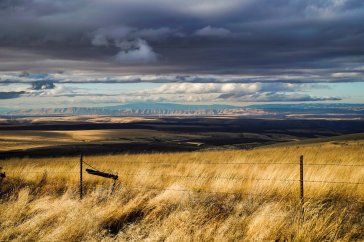
The landscape of eastern Oregon has little in common with the state’s Pacific Coast. Credit Peter van Agtmael/Magnum, for The New York Times

I took the eastern route from Idaho, on a day of freezing rain, over the Strawberry Mountains, into the broad John Day River Basin, in Oregon. I was used to empty places. Most of my childhood was spent in this region of eastern Oregon, in remote areas of the sagebrush desert or in the volcanic mountains with their jagged peaks and old-growth forests. My family moved away just before I entered high school, and I never returned; I’ve felt in romantic exile ever since. This part of America that had once belonged to my childhood became the spotlight of national news in the winter of 2016, when the Malheur National Wildlife Refuge — an old childhood haunt — became the scene of a cowboy takeover. The takeover began as a protest in the town of Burns after two ranchers were sentenced to prison for arsons on federal land. The ranchers, Dwight and Steven Hammond, caught the attention of the Nevada rancher Ammon Bundy, who thought the punishment unfair. Bundy and a crowd of nearly 300 marchers paraded through Burns, and a splinter group eventually took over the Malheur headquarters. For 41 days, they refused to leave, protesting federal ownership of public lands, which they considered unlawful and abusive. I didn’t understand what had happened since I left, why so many people seemed so disillusioned and angry.

21mag-21oregon-t_CA0-superJumbo.jpg

Joe Cronin on his ranch in the Malheur National Forest, in October. Credit Peter van Agtmael/Magnum, for The New York Times

The ground was snow-covered when I visited John Day last winter and the temperature below freezing. I was there to attend a meeting organized by Jeanette Finicum, the widow of LaVoy Finicum, an Arizona rancher who was shot and killed by government agents a year earlier. LaVoy was a leader of the Malheur occupation. He left the refuge for a speaking engagement in John Day with plans to return, but he was shot three times at an F.B.I. roadblock. For that reason, his widow was calling this event “The Meeting That NEVER Happened.” Continue reading

Flour Tortillas Praised & Decolonized Diet Delineated

Arellano-In-Praise-of-Flour-Tortillas

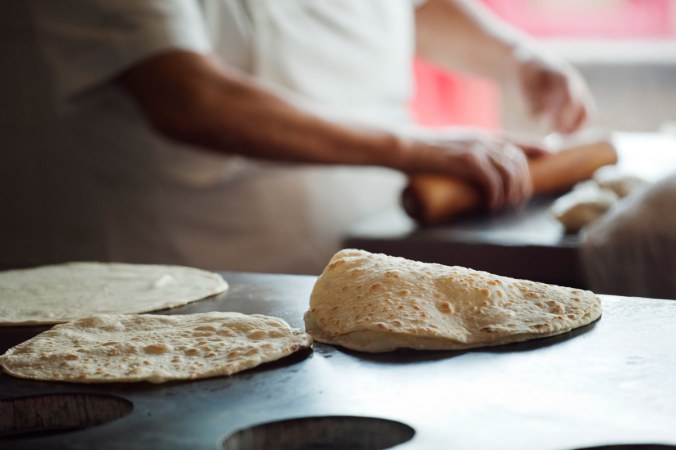
Recent Mexican immigrants deride them as a gringo quirk. Foodie purists dismiss them as not “real” Mexican food. But good flour tortillas can be revelatory. Photograph by YinYang / Getty

DYDBookCover2

If culinary etymology is your cup of chai, you may appreciate Gustavo Arellano’s post in praise of flour tortillas. Among the reasons to thank him is this book (click the image to the right to go to the source) that we had not been aware of:

More than just a cookbook, Decolonize Your Diet redefines what is meant by “traditional” Mexican food by reaching back through hundreds of years of history to reclaim heritage crops as a source of protection from modern diseases of development. Continue reading

Taste The Place, Yemen & Coffee In Michigan

img-8850_wide-96d9a5de4dcfc1e98058e4be37f9940b92363736-s1300-c85.jpg

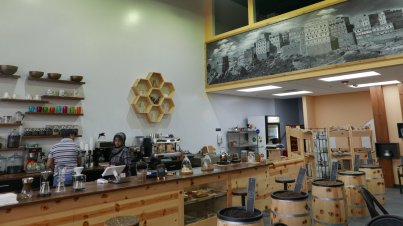
A traditional pot of Yemeni coffee, mixed with cardamom and ginger, is served with a Yemeni sweet honey bread at a new Yemeni coffee shop in Dearborn, Mich. Owner Ibrahim Alhasbani sees himself as part entrepreneur, part cultural ambassador for his home country. Zahir Janmohamed

The salt, at National Public Radio (USA) has a story today about coffee, entrepreneurship and cultural illumination that is about tasting the place, a once and future key theme of our pages:

The 35-year-old owner of a new Yemeni coffee shop in Dearborn, Mich., never imagined he would enter the coffee business. Ibrahim Alhasbani was born in Yemen and grew up on a coffee farm outside the country’s capital city of Sana.

p1040537_wide-61e96f7114c07339e46dbc8eb78417f3c6facfd4-s1300-c85

A view inside Qahwah House, a Yemeni coffee house in Dearborn, Mich. The city has a high concentration of Arabs and Arab Americans (qahwah means coffee in Arabic). Zahir Janmohamed

“I had enough coffee in my life,” Alhasbani says. “But when I moved to America and the problems started back home, I told myself I have a chance to show that Yemeni coffee is really good and that Yemen is more than just violence and war.”

A couple of months ago, he opened Qahwah House in Dearborn, a city with a high concentration of Arabs and Arab Americans (qahwah means coffee in Arabic). Continue reading

Crowdfunding Conservation

gettyimages-869721444-79374ee2e7dfa3ba9188f3ae88ffe0c0cb438412-s1300-c85

The ruined castle of La Mothe-Chandeniers in central western France. The crowdfunding site Dartagnans organized an effort to buy the chateau for 500,000 euros. Guillaume Souvant/AFP/Getty Images

Thanks to National Public Radio (USA) for this signal that trust, the cement of civilization, is alive and well in some quarters:

7,500 Strangers Just Bought A Crumbling French Chateau Together

It’s late 2017. By now, crowdfunding has been used to finance filmsboard gamesclassical musicscientific research and infertility treatments.

Dart.jpgAdd this to the list of things bought with collective purchasing power: A chateau in the French countryside, complete with moat.

Mais oui!

The platform used to raise the funds announced on Friday that the castle had been purchased by milliers d’internautes – that is, thousands of Internet users, who each paid at least 50 euros (about $60) to “adopt” the chateau and help restore it. In just 40 days, the site raised the 500,000 euros it needed to buy it. Continue reading

Cacao, Spices & Imagination

chocolate_dyptch_wide-b516bb95a47d1e00652f58b3dc29f210dc8f324d-s1300-c85

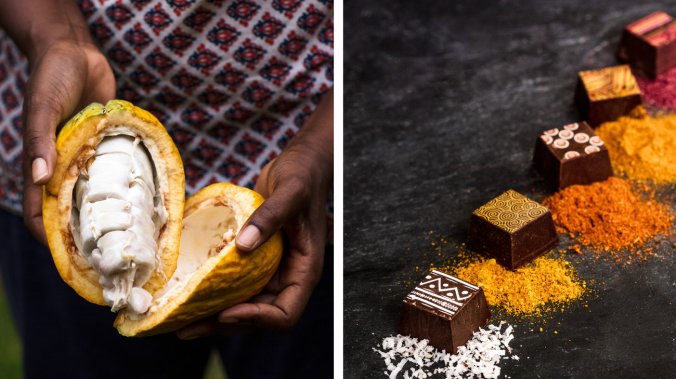
Left, a ripe cacao pod. Right, truffles from Midunu chocolates contain spices and flavors from all over Africa. Midunu Chocolates

Thanks to Amy E. Robertson and National Public Radio (USA) for telling the story of Midunu, a brief excerpt of which is sampled below:

One Woman’s Quest To Tell ‘The African Story Through Chocolate’

…While working in Senegal, Atadika joined forces with two more food-loving friends, and created a pop-up restaurant that was wildly popular. After dipping her toes in the culinary world for a couple of years, she finally took the plunge. In 2014, Atadika resigned from the UN, moved back to her native Ghana and began cooking full time.

Atadika started with catering and pop-up dinners. “It wasn’t my plan to do chocolates,” she says. “But whatever I do in food I look at in terms of adding value, and chocolate just kind of popped in, because we have this cocoa but we weren’t really processing it at the level we should be.” Midunu Chocolates was born. Continue reading

What Is A Hut?


colorhut_2-final_custom-09aeb5ea9bba873e9bc96c627d2154710c4b6e11-s1300-c85

Malaka Gharib/NPR

Thanks to National Public Radio (USA) for bringing this to our attention:

Is It Insulting To Call This A ‘Hut’?

The complaints came in shortly after we ran a story on a government aid program that gave cash to the poor in Zambia. The piece included a profile of a young woman who, along with her husband, had used the money to start a business that had lifted their family to a level self-sufficiency they’d never enjoyed before.

Several readers — okay, just two, but still, it made us take note! — wrote to take issue with my use of the word “hut” to describe the family’s dwelling. Continue reading

Bread Is Gold

Bread1cThe publisher’s blurb starts with an annoying claim, as if there is one chef better than all others in the world, that illustrates why foodie-ism is less and less linked to on this platform. Nonetheless, the book sounds worthy of attention:

Massimo Bottura, the world’s best chef, prepares extraordinary meals from ordinary and sometimes ‘wasted’ ingredients inspiring home chefs to eat well while living well.

‘These dishes could change the way we feed the world, because they can be cooked by anyone, anywhere, on any budget. To feed the planet, first you have to fight the waste’, Massimo Bottura

Bread is Gold is the first book to take a holistic look at the subject of food waste, presenting recipes for three-course meals from 45 of the world’s top chefs, including Daniel Humm, Mario Batali, René Redzepi, Alain Ducasse, Joan Roca, Enrique Olvera, Ferran & Albert Adrià and Virgilio Martínez. These recipes, which number more than 150, turn everyday ingredients into inspiring dishes that are delicious, economical, and easy to make.

We remember the genesis of this from a story by Adam Robb a couple of years ago:

26bottura-robb-1-master1050

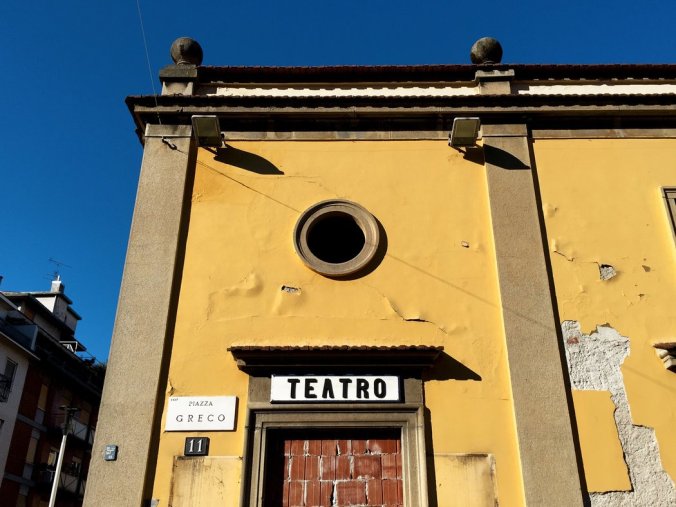
The renovated Refettorio Ambrosiano in Milan’s Greco neighborhood will house a charity event organized by chef Massimo Bottura during Expo Milano 2015. Credit Adam Robb

Massimo Bottura’s Pope Francis-Approved Refectory, and Recipe to Turn Stale Bread Into Gold

Italy’s most progressive exhibition of sustainable cooking commences this Thursday, when the Michelin-starred chef Massimo Bottura throws open the doors of Refettorio Ambrosiano, the once-derelict theater repurposed to educate and feed the refugees and working poor who reside far across town from the multinational pavilions welcoming culinary tourists to this summer’s Expo Milano 2015. Continue reading
Immigrant Mobile Food Vendor Heritage

roasted-pumpkin-taco_wide-989cb44a90437f6cf9228861c0178518fde7dde2-s1300-c85.jpg

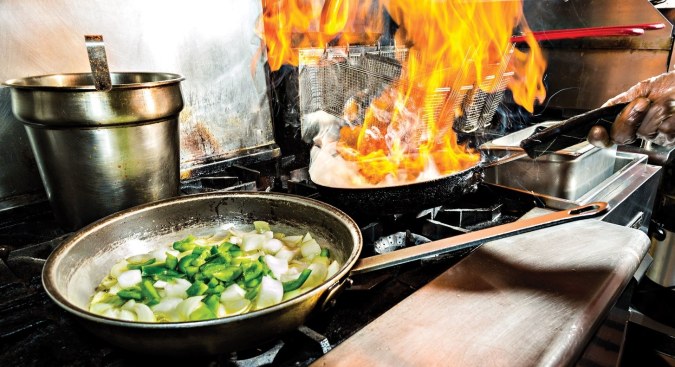
Roasted pumpkin tacos from chef Wes Avila’s cookbook, Guerrilla TacosDylan James Ho and Jeni Afuso/Courtesy of Ten Speed Press

Thanks to Mandalit del Barco and the National Public Radio (USA) folks at the salt for this book review that has special resonance to those of us with immigrant street vendor heritage:

‘Guerrilla Tacos’: Street Food With A High-End Pedigree

How many taco trucks do you know that not only have a cookbook but a theme song? Wes Avila’s Guerrilla Tacos truck does – and has once again made food critic Jonathan Gold’s influential list of favorite Los Angeles eateries.

9780399578632_custom-1290954c4c68f10d38993aede65645a3c56a1961-s400-c85.jpgFive years ago, Avila was working as a sous chef at a pop up restaurant called Le Comptoir. It was only open four days a week, and Avila says he wasn’t making enough money to cover his rent. So he bought a simple food cart. He used his last $167 on ingredients. Then he and a friend began selling tacos in the arts district in downtown Los Angeles without the required health department permits.

“We were kind of bending the law, not necessarily breaking the law. We had to move around so we wouldn’t get caught — you know, like guerrilla warfare,” Avila says. “That’s why we had that name, because we’d be in random alleys, random streets, being kind of renegade like that.” Continue reading

Amaranth’s Allies: Art, Academia & Activism

00seeds18-superJumbo.jpg

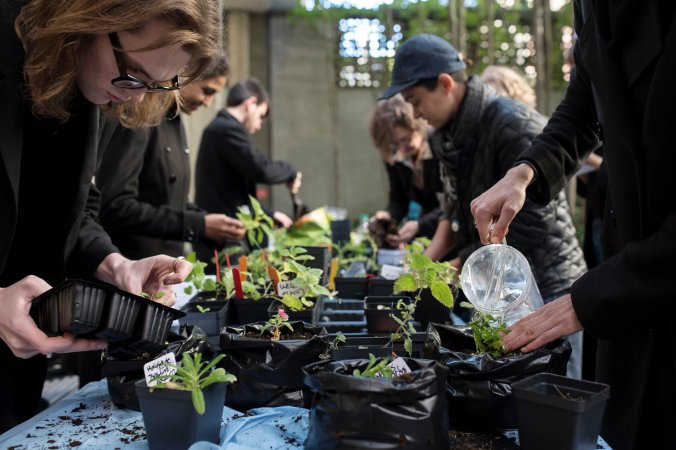
New School students and faculty repotting seedlings on campus in preparation for the exhibition.

Search on the three words “seeds of change” on this platform and you will find dozens of stories dealing with topics like botanical hazard initiatives or innovative approaches to flora conservation and/or climate change and some of the radical plans made to prepare for it that we have linked to over the years. Type the same three words into your favorite search engine and the topics are much more diverse. The three words are also the name of an evolving exhibition, and the subject of an article that mixes art, academia and activism:

A Seed Artist Germinates History

An exhibition using plants brought to New York in ships’ ballast illuminates the city’s hidden past using stinging nettle, milk thistle and amaranth. Continue reading

Salt Pond Farming

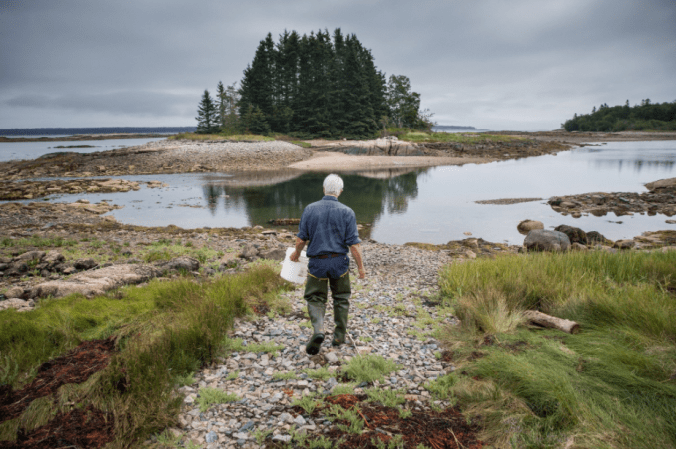
Families in small town, coastal Maine have been fisherfolk for generations, but waters warm and fish patterns change, many are looking at alternative livelihoods. Joe Young, pictured above, is diversifying into oyster and kelp farming in addition to his dockside cafe that where he sells lobster rolls, lobster dinners and, now, his homegrown oysters.

A FISHERMAN TRIES FARMING

COREA, Me. — The boats start up around 3:30 in the morning, stirring the village with the babble of engines before they motor out to sea. They will return hours later, loaded with lobster.

Joe Young’s boat has not gone out lately. Instead, he puts on waders and sloshes into the salt pond behind his house, an inlet where water rushes in and out with the tides. After a lifetime with most of his income tied to what he finds in the sea, this lobsterman — and sixth-generation fisherman — is trying his hand at something new. He is farming oysters. Continue reading

Cultural Conservation In A North American Indigenous Community

09culturecamp6-master675

Yurok dance feather regalia in cedar boxes, at Dave Severns’s camp on the Yurok Indian reservation. Credit Talia Herman for The New York Times

As important as cultural conservation is to us it gets half as much attention in these pages as nature conservation (a matter of life and death), so we are more than happy to share stories like this one (thanks to Patricia Leigh Brown) when they land on our desk:

09culturecamp5-blog427

Dance feather regalia dry in the sand, made by Dave Severns, whose culture camp teaches young men a nearly forgotten art form. Credit Talia Herman for The New York Times

KLAMATH, Calif. — The gathering known simply as “Uncle Dave’s camp” begins at daybreak on the pebbled banks of the Klamath River, the age-old spruce and redwoods on the bluffs shrouded in mist.

Here on the Yurok Indian Reservation near the Oregon border, so remote that certain areas have yet to receive electricity, young male campers sit on cedar logs while keeping tabs on a river rock heated in a fire. The rock, hand-hollowed and chiseled with basketry patterns, contains a molten glue made from the dried air bladders of sturgeons. The syrupy concoction is a crucial ingredient for making feathered headdresses, hide quivers, obsidian-blade sticks and other forms of ceremonial dance ornaments, or regalia, that are at once works of art and living conduits to the spirit world. Continue reading

The Origin Of Feasting

170918_r30523

A life of hunting and gathering had advantages over one of farming and settlement. Illustration by Golden Cosmos

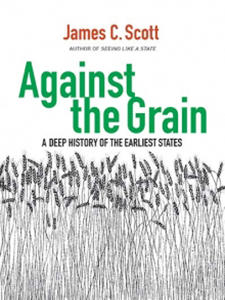
John Lanchester’s article, pondering technology versus science, gives fire its due in the course of reviewing a new book about how hunting and gathering gave way to progress. At the same time, Lanchester raises reasonable doubts about the gains:

book-scott-grain…We don’t give the technology of fire enough credit, Scott suggests, because we don’t give our ancestors much credit for their ingenuity over the long period—ninety-five per cent of human history—during which most of our species were hunter-gatherers. “Why human fire as landscape architecture doesn’t register as it ought to in our historical accounts is perhaps that its effects were spread over hundreds of millennia and were accomplished by ‘precivilized’ peoples also known as ‘savages,’ ” Scott writes. Continue reading

A Puddle Of Bizbaz

170904_r30446

Photograph by Simone Lueck for The New Yorker

Although our most consistent feature suggests obsession (yesterday completing the 72nd month and 2,217 dailies in a row of bird photos, we know how it looks), we are anything but obsessed. That word implies trouble. We are looking for anti-trouble. We mostly post stories and images that imply reduction of trouble–through more information, and better quality of information, and useful case studies in trouble management.

This has led us to post 8,500 times (including this one) covering dozens of themes over the years. Usually several per day. Recently, in addition to our daily bird photo we are trying to post just once per day on something that highlights a remarkable example or explanation of any of those themes. Taste of place is on our minds now, more than anything else. So it is time for another restaurant review. Thanks to the reliably concise Nicolas Niarchos for this opening line:

In the nineteen-nineties, the late, great writer Denis Johnson once followed a group of Somalis across the border from Ethiopia and into the heart of their turbulent country. One of the images that endures from the piece he wrote afterward is of Somali food—“chunks of goat and spaghetti”—and of his narrator being taught “how to eat pasta the Somali way, without utensils, taking a shock of it in his right hand, turning it this way and that and gathering the long strands up into his palm, and then shoving it into his face.” Continue reading