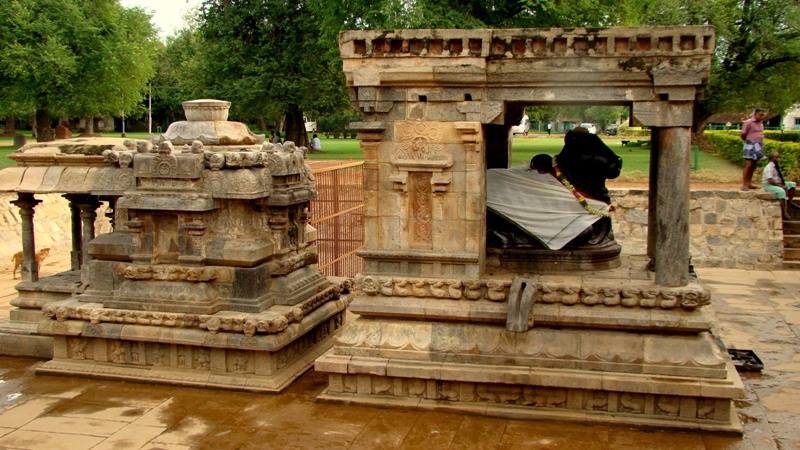
Photo credits: Binu Kumar
Airavatesvara Temple is locateded at Darasuram near Kumbakonam in Tamil Nadu. It was built by Raja Raja II during 1150 AD. The temple stands out for its intricate, beautiful sculptures. Continue reading
Photo credits: Binu Kumar
Airavatesvara Temple is locateded at Darasuram near Kumbakonam in Tamil Nadu. It was built by Raja Raja II during 1150 AD. The temple stands out for its intricate, beautiful sculptures. Continue reading
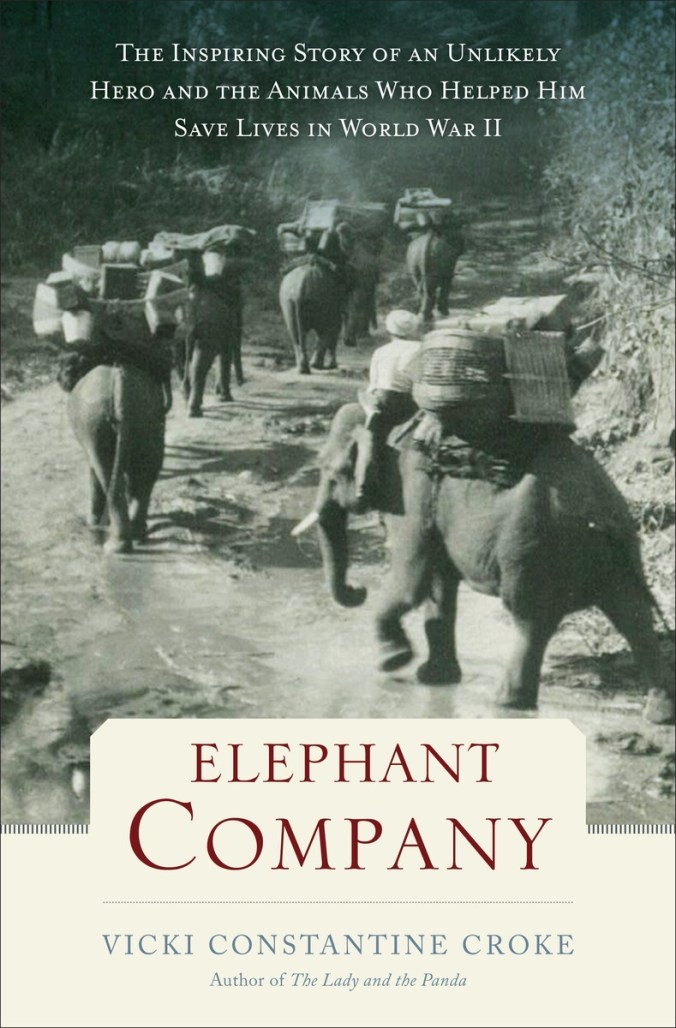
In the New York Times this book is currently reviewed by Sara Gruen, reminding us of the elephants all around us in Kerala, where there is a long history of domestication. At the Periyar Tiger Reserve, where Cardamom County is situated, there is a hint of the domesticated variety on the outskirts of the Reserve, but a large healthy population of the wild form persists inside the Reserve.
They are also in Ghana, surrounding Zaina Lodge’s perch. We have greater interest in elephants in their natural habitat. Wild. Still roaming freely, with all the messy and dangerous realities that sometimes involves. At the risk of trivializing a tough subject with trite, cliche phrasing, elephants have been friends to humans during times of need (friends in the sense that they saved lives, that is in terms of their impact, not necessarily a reflection of their own volition). It seems only fair that we should return the favor, when we look at the challenges facing elephants in today’s world. The Boston Globe has this to say by way of book review:
…Blending biography, history, and wildlife biology, Croke builds her story around Williams’s exotic adventures. As the book opens, Williams, an English World War I veteran, is just arriving in Burma in the 1920s to work in the Bombay Burmah Trading Corp.’s teak-harvesting operations. It was a lucrative business that contributed to the Empire’s riches, one that took its toll on European recruits, who had to contend with malaria and other tropical maladies. Williams, however, took to the isolated, nomadic existence of the forest manager, traveling hundreds of miles on his rounds. Continue reading

Photo credits: Binu Kumar
The Travancore Royal Palace is one of the most beautiful and largest palaces of the Travancore Royal family. It is the official residence of the royal family, and was built in 1915 by Sree Moolam Thirunal. This palace has great historical importance in India and is one of the finest examples of Kerala architecture. Continue reading

Photo credits: Jithin vijay
“Tribals,” the term used to refer to native peoples in Kerala/India, have been an integral part of Wayanad for ages. As dense forests and wooded hillsides made way for commercial farming and plantations, Wayanad lost a great part of its quintessential character. Today, around 200,000 tribals belonging to different tribes subsist in isolated pockets, making a living from small land holdings to big plantations. Continue reading

Photo credits: Shymon
Mannarasala is a famous shrine devoted to the worship of the snake gods, or Nagaraja. Thousands of the granite snake idols you see in the photo above line the path through the forest to the Mannarasala Temple in Alappuzha, Kerala, and more are put there by people seeking favour from the Nagaraja every year. Continue reading
Raxa Collective is fortunate to have classicist contributor, James, currently in the field with Seth in Costa Rica. Slacklining, occasional ichnologizing, and restoring a coffee plantation are (we think) the perfect prelude to a Ph.D. program in Classics. James will be in Cambridge, Massachusetts for the next few years, utilizing the Latin, Classical Greek and other languages he has already mastered, preparing to teach the next generation in the liberal arts. We never know, nor really need to know, where the liberal arts may take us. They are important for the sake of thinking and communicating effectively, in any walk of life, and we hope they remain alive and well in perpetuity for undergraduate university students.
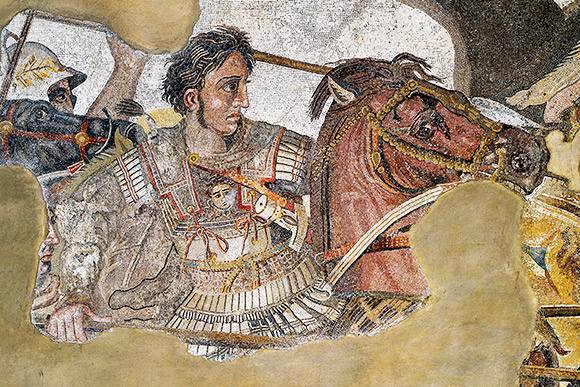
We also hope that while he is in Costa Rica James has the chance to visit the home Seth grew up in, across the Central Valley from Xandari, where some of Raxa Collective’s contributors have had the opportunity to see the uniform of Seth’s great-great grandfather on display. More than a century old, and lovingly restored by a friend of Seth’s family who does museum restoration work, the uniform looks something like what Alexander the Great may have worn. After seeing it James may have more to say on this post by Joshua Rothman on the New Yorker website’s “New ideas from the arts and sciences” section:
Intellectual life thrives on mystery. When it comes to ancient Greece, one of those mysteries is the linothorax—the flimsy-looking, hip-length armor that you see warriors wearing on Greek vases. (Linothorax means, literally, “linen chest.”) Why go to war, archaeologists have wondered, in what looks to be a linen minidress? While a linothoraxlets you show off your muscular legs to great effect, it hardly seems like practical protection against the enemy’s swords and arrows. And yet, judging by how frequently linothoraxes are represented in Greek art, they were extraordinarily popular among soldiers in ancient Greece and around the Mediterranean between 600 and 200 B.C. Because no linothoraxes have survived—linen doesn’t last—no one knows why. Continue reading
 The roads and the things that inhabit them in India are evolving before our eyes. In good ways, we assure you. So, thanks to the New York Times for their commitment to India Ink and its excellent coverage of India and its changing circumstances:
“When the Ambassador car was born in 1957 to a newly independent India, it was the height of style and status,” Nida Najar wrote in The New York Times. ”It was standard issue to senior civil servants and government officials; its possession implied status, and its ubiquity was a sign of an earlier, seemingly simpler India.” Continue reading

Photo credits: Shymon
Seeds from the rudraksha tree have been traditionally used as Hindu prayer beads. The rudaksha tree’s name means the “eyes of Lord Shiva,” rudra being another name for Lord Shiva. Mythology has it that the rudraksha plant was born out of Lord Shiva’s tear drops. Monks and yogis have found that merely wearing beads from the rudraksha tree imparts an astonishing tranquility to the wearer. Continue reading
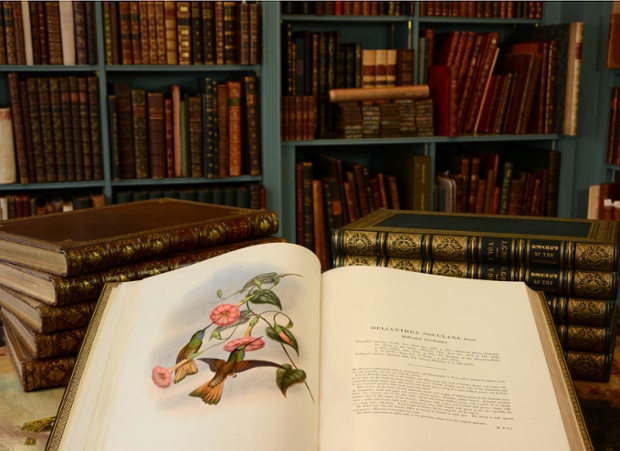
One of the 44 volumes containing over 3000 hand-coloured lithographs included in the sale
The Guardian notes the auction many of our ornithologically-oriented readers and contributors might find worth attending, even if not as bidders (given the expected final sale price) in order to see some of these prints up close (see samples after the jump):
Rare set of John Gould’s bird books for sale – in pictures
John Gould was one of the most brilliant ornithologists of the 19th century, and a talented artist to boot. He worked with Charles Darwin, travelled the world to research the beautiful folio works he produced, and set up a publishing company to sell them.

Tate Britain: Exhibition
10 June – 31 August 2014
During the next few months the exhibition will be at the Tate, and then moving to at least one other venue:
Discover the extraordinary and surprising works of some of Britain’s unsung artists in the first major exhibition of British folk art.
Steeped in tradition and often created by self-taught artists and artisans, the often humble but always remarkable objects in this exhibition include everything from ships’ figureheads to quirky shop signs, Toby jugs to elaborately crafted quilts. Continue reading
Many universities in the western and northern regions of the world are concluding their academic years about now as summer break begins, which means it is time for Raxa Collective to begin welcoming interns. Some who join have already completed their undergraduate degrees, and prior to beginning their “real” careers they come to spend time in one of our communities, collaborating with our staff, local communities, etc..
One such case is a contributor who has just completed an undergraduate degree; before heading to New England to pursue Ph.D. studies he will carry out projects at Xandari that will allow him to perfect his Spanish language skills. Since he is going to be in the same community as these people below, starting in August, we post this “suggestions on summer reading” article from Harvard Gazette as a prompt for James to make his own summer reading recommendations in a new post. If he takes us up on this prompt we will see who follows his lead and shares their own reading recommendations…
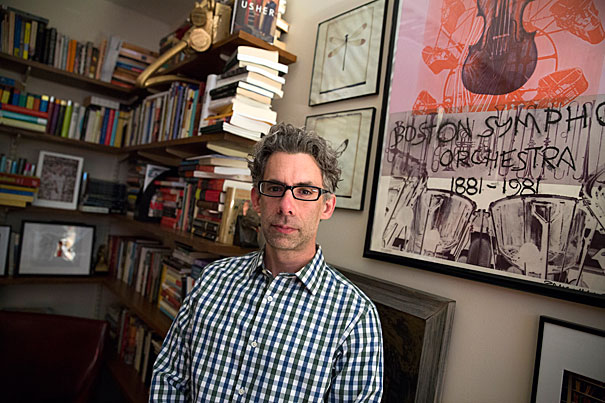
Stephanie Mitchell/Harvard Staff Photographer. Yeats and Bishop made Bret Anthony Johnston’s summer reading list but, he said, “I’m eager to happen upon unexpected used bookstores, tag sales, and library fundraisers, where I often buy books outside of my typical reading inclinations.”
Bret Anthony Johnston
Paul and Catherine Buttenwieser Director of Creative WritingThis summer I’m going to read W.B. Yeats and Elizabeth Bishop, and “Wynne’s War,” a new novel by Aaron Gwyn about special forces on horseback in Afghanistan.
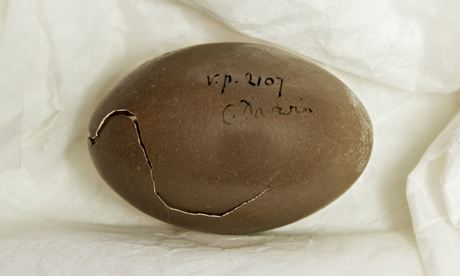
An egg mistakenly cracked by Charles Darwin is among the items in The Wonder of Birds exhibit. Photograph: Norwich Castle Museum & Art Gallery
Thanks to the Guardian for pointing us to an exhibition that will be of interest to ornithologically-inclined readers of this blog:
It is an unassuming object, a smallish, strangely glossy brown egg, and it is broken because of the carelessness of the last person you would expect – Charles Darwin.
“He squashed it into too small a box and it cracked, unfortunately,” said curator Francesca Vanke, explaining the state of the spotted tinamou egg going on display at Norwich Castle Museum and Art Gallery.
The object is the only known surviving egg from Darwin’s HMS Beagle voyage during the 1830s. Probably drawn to its glossy sheen, Darwin signed it C. Darwin and brought it back to Britain after collecting it in Uruguay. Continue reading
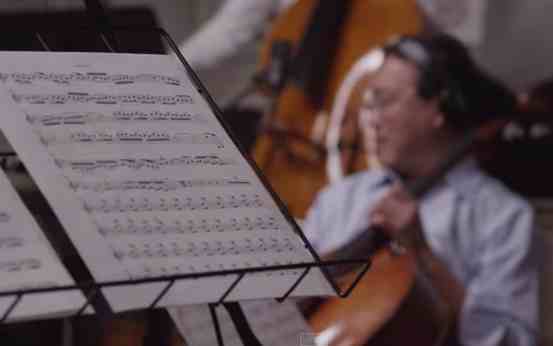
Music forms a type of universal memory the crosses cultures and continents, and Yo-Yo Ma’s Silk Road Ensemble that brings together musicians and composers from more than 20 countries is a lyrical example of what we hold dear at RAXA Collective. The 2,000 year old history of the Silk Road also coincides with the Spice Road, which is also a subject we take very personally.
The extent of exchange of art, ideas and innovations between cultural groups trading on the routes is illustrated by the eighth-century Shôsôin collection of artifacts. Culled by a Japanese emperor, it contains luxury goods from the Mediterranean, Persia, India, Central Asia, China, Korea and Japan…
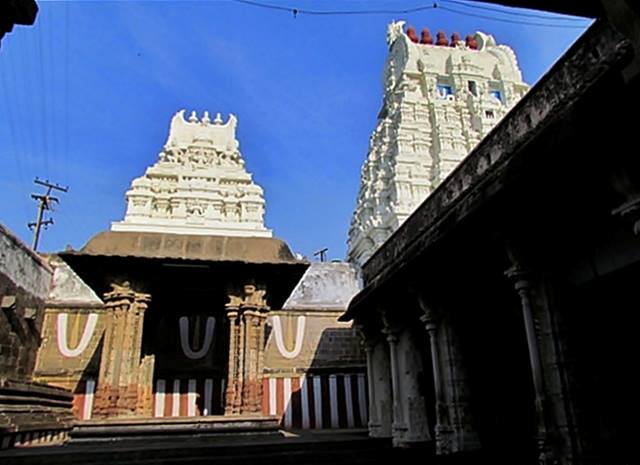
Photo credits: Renuka Menon
Varadharaja Perumal temple is situated in Kanchipuram, Tamil Nadu. This temple was originally built by the Cholas, one of India’s great dynasties, in 1053. The main deity of the temple is Lord Vishnu. One of the most famous architectural pieces in the temple is the huge stone chain sculpted from a single stone. Continue reading

Photo credits: Ramesh Kidangoo
Sapthaha Yagnam is among eighteen ancient puranas (stories) that are still told today, and one of the most important in the Srimat Bhagavatha Purana (Holy Book of Hindu), which deals with Sri Krishna. Sri Krishna temples host a ritualistic event of intense tradition in which this text is read. Continue reading
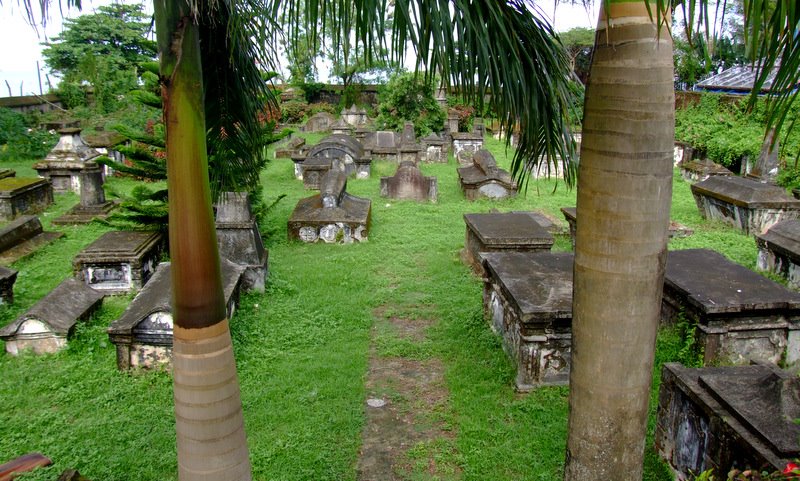
Photo credit: Ramesh Kidangoor
The Dutch cemetery in Fort Kochi, which is about 290 years old, is an authentic record of hundreds of Europeans — despite its name both Dutch and English — who arrived in India to expand their colonial empire. It is considered the oldest European cemetery in India. Constructed in 1724, the cemetery has over a hundred tombs.

Old-fashioned Film Projector
Not many youngsters will recognize this machine but in the olden days it was the only source of entertainment for people other than the dramatic theatrical dances of Kerala. This huge, elaborate machine is the predecessor of the portable devices we now can plug into a laptop to entertain ourselves at our convenience. Years ago this beast of a machine was installed in movie theaters also called a cinema. Continue reading

Photo credit: P Salim
Humayun’s Tomb was built over a 7 year period starting in 1565 AD by Haji Begum, the widow of Humayun, the 2nd Mugal Emperor. Located in the Indian state of Delhi, the Tomb was declared a UNESCO World Heritage Site in 1993 and was beautifully restored by Aga Kahn Trust for Culture in collaboration with the Archeological Survey of India. Continue reading
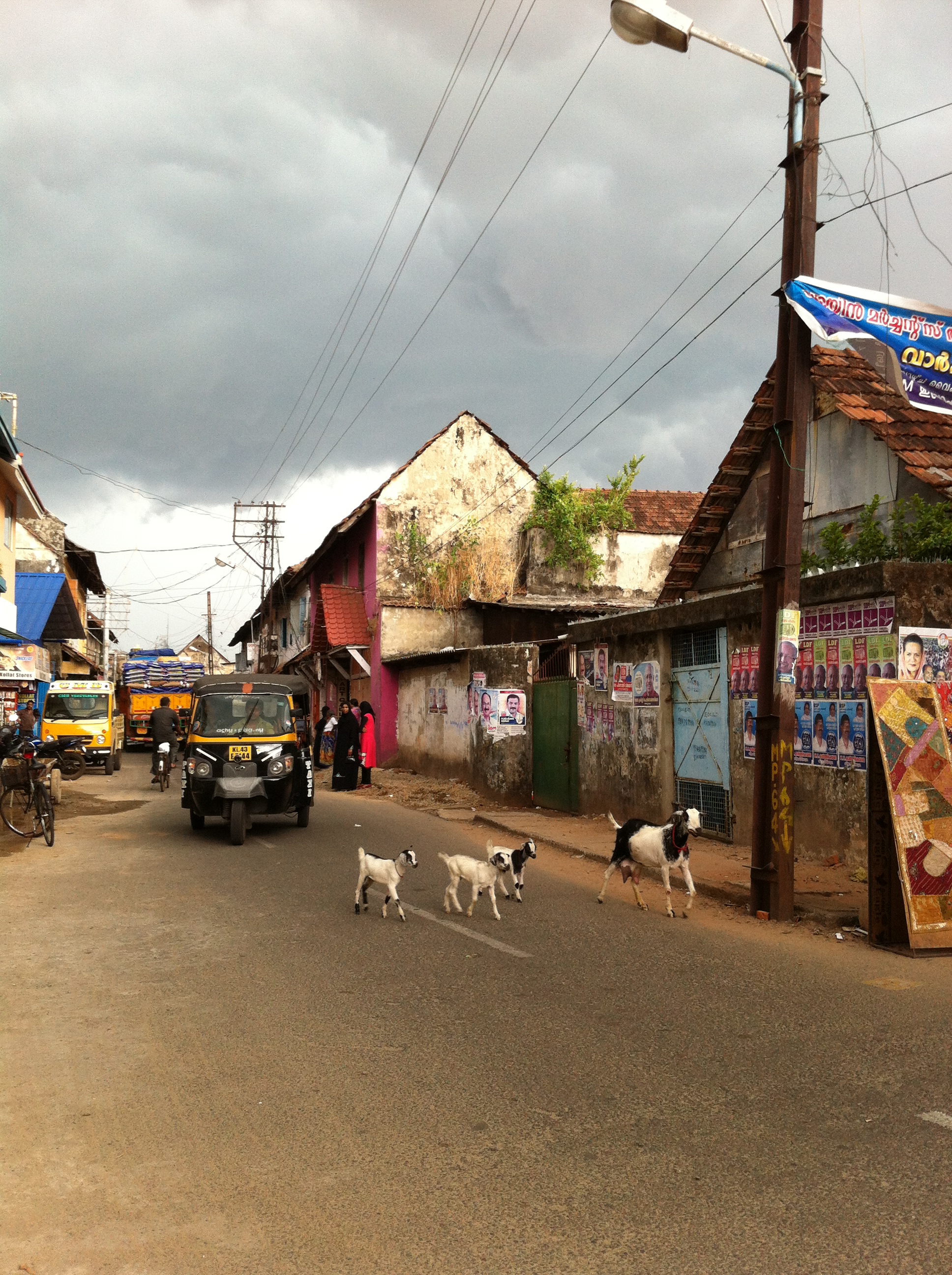
Bazar Road, Mattanchery
The Spice market in Mattanchery has retained its status as an important center of spice trade in India. The exotic fragrance of the finest ginger, cloves, cardamom, turmeric and pepper, also known as black gold, emanate from the spice warehouses lining both sides of the street that our new property, Spice Harbour, calls home. Continue reading
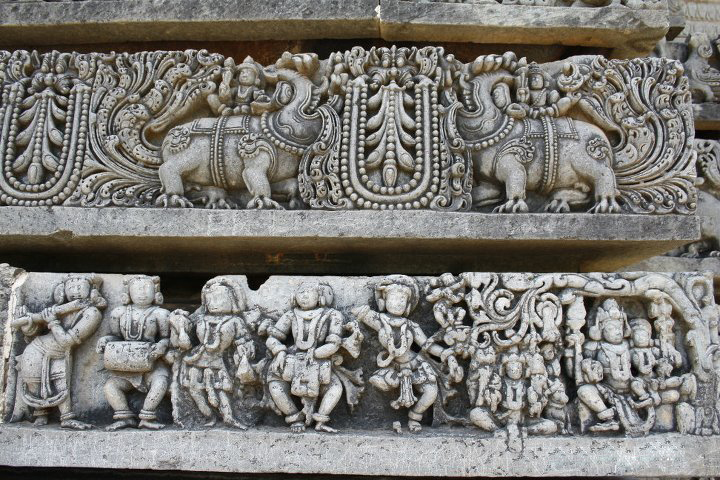
Photo credits: Dileep Kumar
Located in the Hassan district of Karnataka, Halebidu (which literally means “old city”) is an important Hoysala architectural site being proposed for UNESCO World Heritage status. Once the capital of the Hoysala Empire, the Halebidu temples are excellent examples of South Indian architecture. Continue reading
 Organikos