Aliyar Dam – Tamil Nadu

Photo credits : Dileep

Photo credits: Dileep

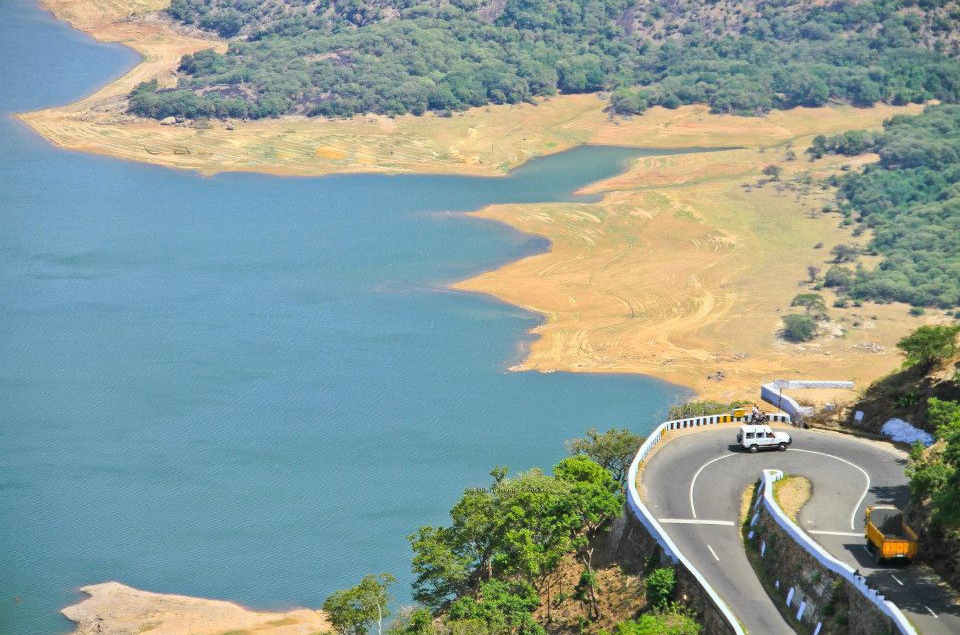
Aliyar dam is situated in the Coimbatore district of Tamil Nadu. Constructed over a ten year period between 1959-1969, Aliyar dam is the source for canal irrigation for large tracts of agricultural lands in the bordering regions of both Kerala and Tamil Nadu. Continue reading

Costa Rica And India, Friends In And Friends Of Democracy

14-oscar-arias-indiaink-tmagArticle

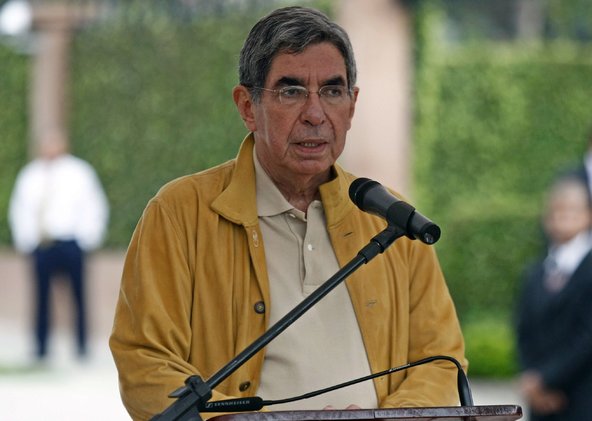
Jeffrey Arguedas/European Pressphoto Agency

I was rushing through an airport recently, in transit between one workplace and another, when the man in the picture above walked past me and our eyes connected; we both stopped.  We were not in his country or mine. There was no reason for him to remember who I was, but I had good reason to greet him with “Mr President, you are looking well.” The man has not seemed to age a day since I first met him nearly 20 years ago.

To my astonishment, he recognized me and reminded me that our last meeting was in his office in Costa Rica with a group of conservation-oriented investors interested in that little country’s commitments to its national park system. Oscar Arias played an important role, as President nearly three decades ago, and then again as President in the last decade, innovating a more sustainable future for the national park system, and these investors were interested to hear his views.

Lest anyone misinterpret this as an exercise in name-dropping, my point in mentioning this is very much the opposite. Costa Rica, to use a great metaphor from an otherwise not great sport, “punches above its weight class” in conservation, in health indicators, in education, and even in happiness.

This explains its success in attracting foreign direct investment, and makes all the more remarkable that a Nobel laureate who has twice been president of Costa Rica is approachable and friendly, generous with his time. It is the Costa Rican way, without regard to status. He has time to say hello to a random gringo in an airport. He has time to come to India to say hello to the 15o million new voters (added to the hundreds of millions of experienced voters) engaged in the current exercise of the world’s largest democracy: Continue reading

Lalbagh Flower Show 2014 – Bangalore, Karnataka

Photo credits : Dileep Kumar

Photo credits: Dileep Kumar

The flower shows at Bangalore’s famous Lalbagh Botanical Gardens are annual events that add another reason to attract visitors to the beautiful gardens. More than 175 varieties of flowers and vegetables are on display. The showcase also features huge floral structures in the shape of mangoes, mushrooms, coconuts and more. Continue reading

Taj Mahal

Photo credit : Sanjayan

Photo credit: Sanjayan

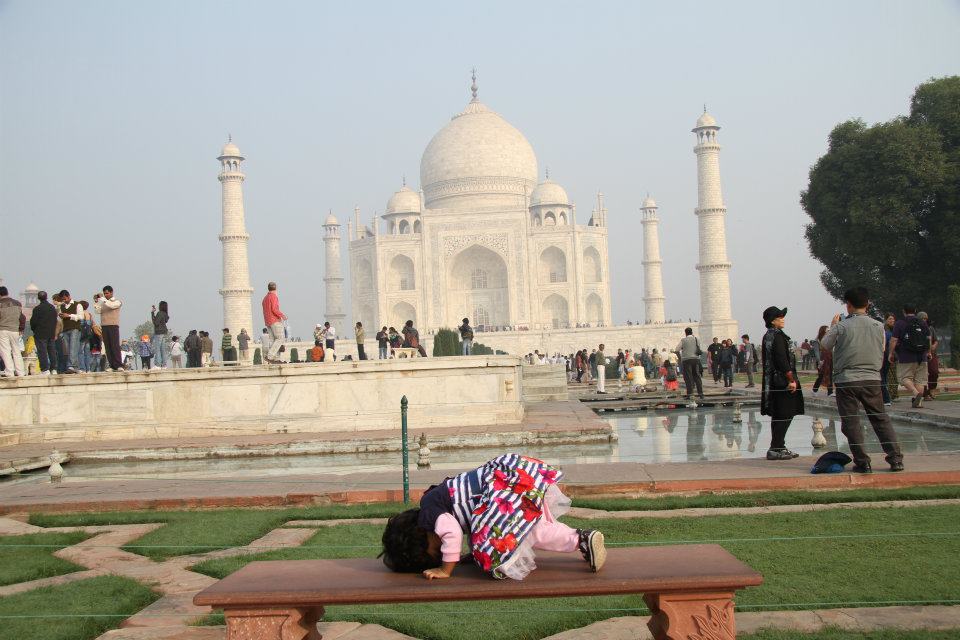
A Unesco World Heritage Site and considered one of the eight wonders of the world, the Taj Mahal is in Agra in the Indian state of Utterpradesh. Twenty-two thousand laborers and craftsmen worked on the mausoleum complex between A.D. 1631 and 1653, to the cost of what is believed to be thirty-two crore (320 million) rupees. Continue reading

Tasting Tour In Northern India

Kuni Takahashi for The New York Times

Kuni Takahashi for The New York Times

Food in India, and regional specialties in particular, are on our mind currently during kitchen tests for 51, so this article from the Travel section of the New York Times this week (click on the image to the left to go to the story) catches our eye:

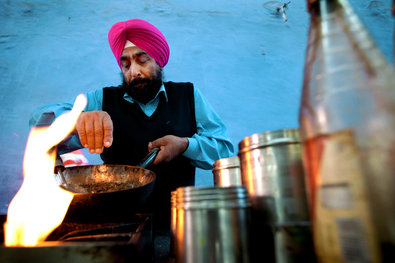
Cooking at Surjit Food Plaza in Amritsar, India.

The author heads to northern India for a tasting tour of dhabas, casual restaurants famous for their inexpensive and remarkably tasty cuisine. Continue reading

Happy Holi at Cardamom County

Despite being “God’s Own Country,” Holi isn’t commonly celebrated in Kerala or much of South India. But that doesn’t mean we don’t think it’s a fun activity. This year at Cardamom County we helped our foreign guests embrace the festival spirit of India with colorful vegetable dye powders.

Continue reading

Sharavathi Railway Bridge – Karnataka

Photo Credits : Renjith

Photo Credits: Renjith

Sharavathi Railway Bridge is the longest railway bridge in the state of Karnataka. The Konkan railway crosses the Sharavathi river over this picturesque route. Continue reading

Holi, 2014 Edition

This slideshow requires JavaScript.

Each year, we in the south of India wish to be in the north of India for this celebration that marks the end of winter. We have linked to some great photo spreads in other publications, and this year choose the Reuters photojournalists’ snapshots to mark this year’s Holi.

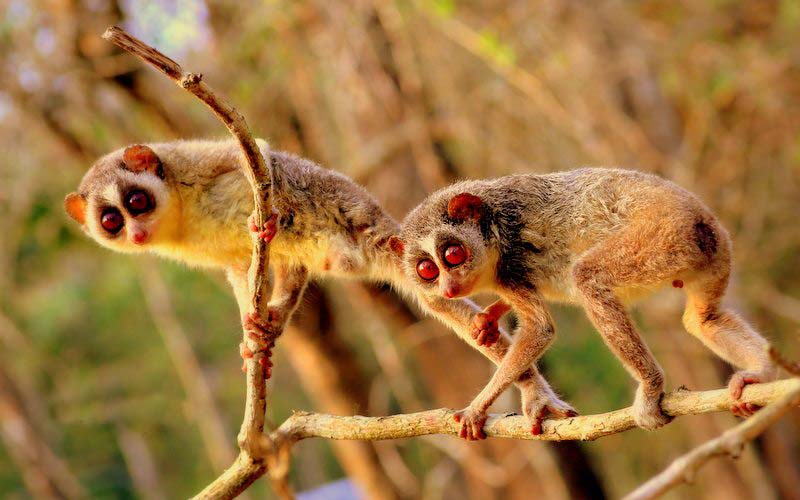
Slender Loris – Loris tardigradus

Photo credits : Sanjayan

Photo credits: Sanjayan

The Slender loris is commonly found in the tropical rainforests of Southern India and Sri Lanka. This small animal with a vestigial tail and extremely thin arms and legs is primarily known by the huge round eyes that dominate their face, which give it excellent night vision. Continue reading

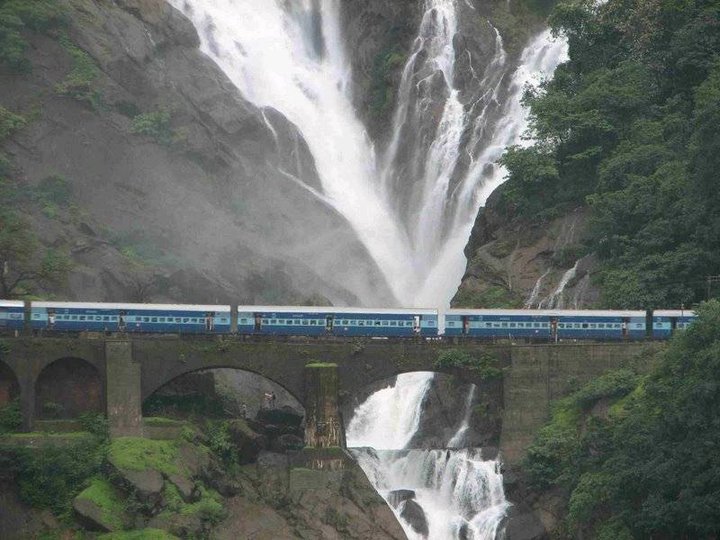
Dudhsagar Waterfall

Photo credits : Ramesh

Photo credits: Ramesh

Dudhsagar Waterfall is located in the South Goa region of the Western Ghats in the Bhagavan Mahavir Wildlife Sanctuary. The train bridge that passes over over the Dudhsagar falls is one of the highlights of crossing this area of the boarder between Goa and Karnataka states . Continue reading

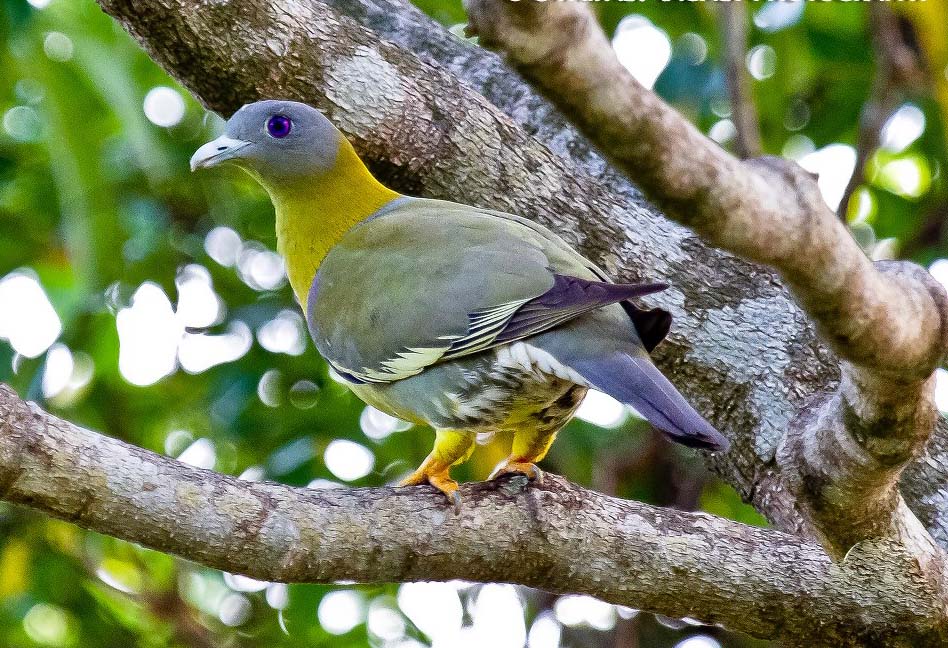
Yellow-footed Green Pigeon

Photo credit : Faisal Magnet

Photo credit: Faisal Magnet

The Yellow-footed Green Pigeon is the Maharashtra state bird, called Hariyal in Marathi, the language of the state. It is a resident of most of India and neighboring countries. Continue reading

A Classic Sustainable Tourism Development Story

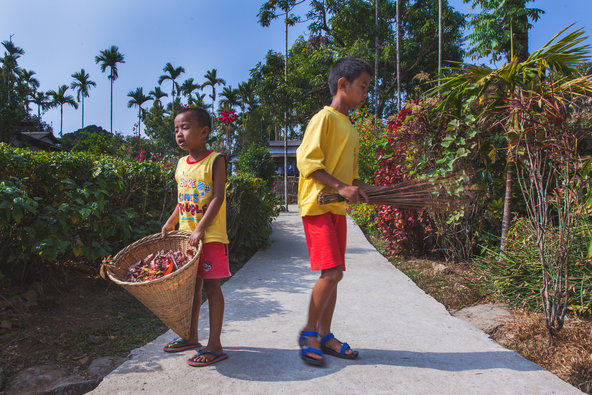
Himanshu Khagta. Children in Mawlynnong working to clean the village, where a reputation for tidiness has been both a blessing and a curse.

There is no such thing as “typical” when it comes to sustainable tourism development. By definition, each story is about that particular place.  But this one, courtesy of India Ink, provides a textbook case study example of sustainable tourism development being about community self-determination.  As for the notion that this comes with a built-in curse, we tend to believe that such curses are a function of and prevented by the same strategic planning, decision-making and action that blessings come from:

MAWLYNNONG, India — Anshuman Sen was barely a year out of college when, in 2005, he traveled to Meghalaya, a hilly northeastern state distant both in miles and cultural resemblance from what the locals call “mainland India.”

Mr. Sen was shooting pictures of the state’s bountiful natural wonders for Discover India, a travel magazine, when an acquaintance suggested visiting Mawlynnong, a remote village in the jungle along the border with Bangladesh that had acquired minor local renown for its fastidious cleanliness and a nearby bridge made entirely of living tree roots.

“I was only there for four or five hours,” said Mr. Sen, “but I couldn’t believe how beautiful it was, and neither could anyone at the magazine.” He had to write about it, even if he hadn’t spent a full day there. Continue reading

Understanding India, Day By Day, Book By Book

A-Strange-Kind-of-Paradise-195x300The majority of Raxa Collective’s contributors are Indian, but increasingly many of us are non-Indian (North American, European, Latin American, African, etc.) and some of us have been living in, observing and trying to understand India for years now. We find this book’s title (click to go to the source), and especially the blurb that goes with it on the author’s website, compelling:

A Strange Kind of Paradise is an exploration of India’s past and present, from the perspective of a foreigner who has lived in India for many years. Sam Miller investigates how the ancient Greeks, the Romans, the Chinese, Arabs, Africans, Europeans and Americans – everyone really, except for Indians themselves – came to imagine India. Continue reading

Kerala Butterflies – Blue Admiral

Photo credits : Aparna P

Photo credits: Aparna P

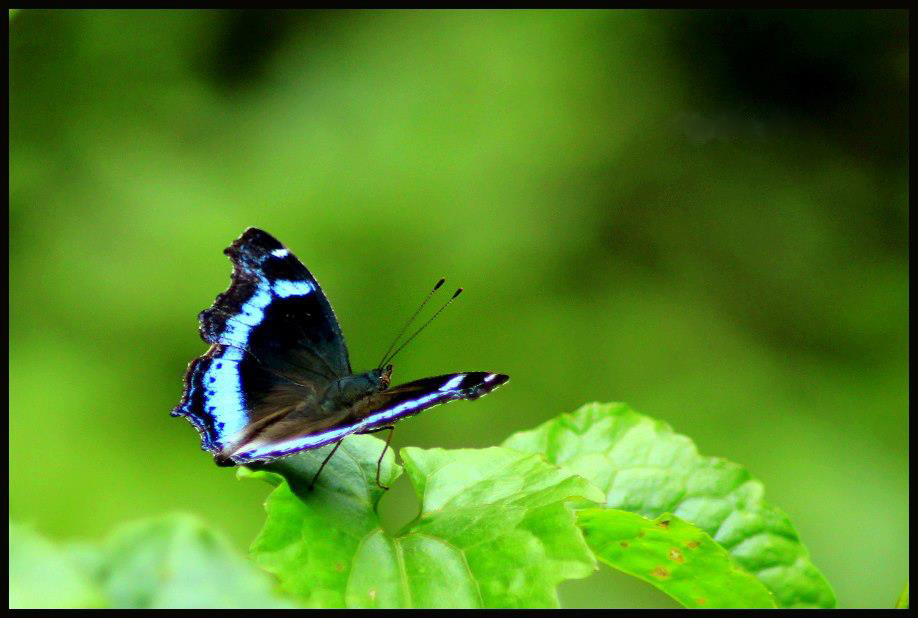
The Blue Admiral butterfly, Kaniska canace, is a colourful butterfly commonly found in the hills of  Southern India up to 2500m above sea level. Usually solitary, this butterfly is blackish blue with shining silvery blue bands across the outer edge of the wings. These butterflies fly close to ground, preferring to be near water, forest openings and paths.

Yoga In Perspective

San Antonio Museum of Art

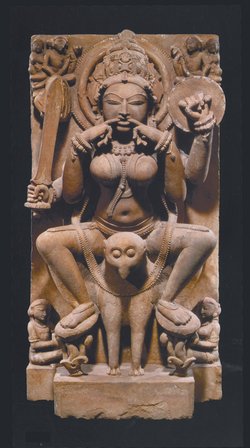
San Antonio Museum of Art. ‘Yogini’; sandstone statue, Kannauj, Uttar Pradesh, first half of the eleventh century. William Dalrymple writes that ‘in ancient India yoginis were understood to be the terrifying female embodiments of yogic powers who could travel through the sky and be summoned up by devotees who dared to attempt harnessing their powers.’

William Dalrymple, in the New York Review of Books, provides a summary of four books that should be considered essential reading to understand yoga in its proper historical context. The last few paragraphs are among the best:

…Yogis seem to have gone particularly out of control during the eighteenth-century anarchy between the fall of the Mughals and the rise of the British. This is a subject explored by William Pinch in his brilliant 2006 study of the militant yogis of the period, Warrior Ascetics and Indian Empires.

European travelers of the period frequently describe yogis who are “skilled cut-throats” and professional killers. “Some of them carry a stick with a ring of iron at the base,” wrote Ludovico di Varthema of Bologna in 1508. “Others carry certain iron diskes which cut all round like razors, and they throw these with a sling when they wish to injure any person.” A century later the French jewel merchant Jean Baptiste Tavernier was describing large bodies of holy men on the march, “well armed, the majority with bows and arrows, some with muskets, and the remainder with short pikes.” By the Maratha wars of the early nineteenth century, the Anglo-Indian mercenary James Skinner was fighting alongside “10 thousand Gossains called Naggas with Rockets, and about 150 pieces of cannon.” Continue reading

Delias Eucharis

Common Jezebel

Common Jezebel; Photo Credits: Aparna

Delias eucharis, also known as Common Jezebel, is a colorful butterfly with yellow background color on its under-hindwings intersected by black veins and red spots fanning outwards at wings’ edge. Continue reading

India’s Visa On Arrival Program, Expanding Dramatically

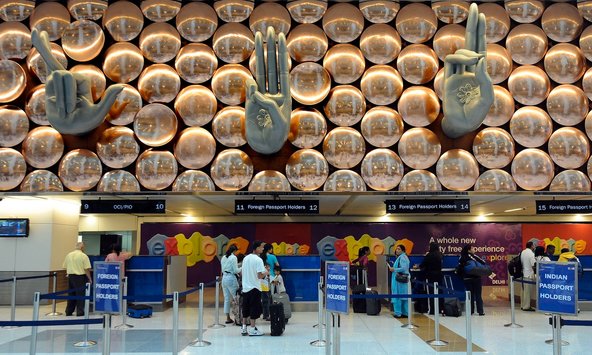
Prakash Singh/Agence France-Presse — Getty Images. Travelers waiting at immigration counters at the Indira Gandhi International Airport in New Delhi on July 14, 2010.

Prakash Singh/Agence France-Presse — Getty Images. Travelers waiting at immigration counters at the Indira Gandhi International Airport in New Delhi on July 14, 2010.

The program started recently, to ease the red tape for visiting India, has been deemed successful enough to be worthy of expansion; and then some. Thanks to India Ink for pointing out this news, which will be welcome news to Raxa Collective’s many visitors from outside India:

India said it would seek to expand its visa-on-arrival program to tourists from 180 countries, including the United States and China, to encourage more people to visit the country. Continue reading

India’s Exuberant Art Market

Courtesy of Jhaveri Contemporary gallery An installation by Rana Begum that was sold by Jhaveri Contemporary gallery in Mumbai, Maharashtra.

Courtesy of Jhaveri Contemporary gallery. An installation by Rana Begum that was sold by Jhaveri Contemporary gallery in Mumbai, Maharashtra.

Thanks to India Ink for this update on the expanding market for contemporary art in India (click the image above to go to the source):

NEW DELHI — On the heels of Christie’s successful auction in India, the sixth edition of the India Art Fair demonstrated that demand in the country’s art market remains strong.

Spread across three tents and 200,000 square feet, this year’s fair, which ran from Thursday to Sunday, featured 91 booths and modern and contemporary works by over 1,000 artists from India and overseas…

A Non-Holi Technicolor Moment In Delhi

Max Bearak. Amitabh Kumar painting a wall in Shahpur Jat, one of South Delhi’s urban villages

Max Bearak. Amitabh Kumar painting a wall in Shahpur Jat, one of South Delhi’s urban villages

Normally we have thought of vivid color in conjunction with India’s amazing holy days, especially those called Holi. Thanks to India Ink for this story about the street art going up, up north in India’s capital city:

Street Art Festival Brings Color to the Walls of Delhi’s Urban Villages

By Max Bearak

NEW DELHI — While looking out from a balcony in one of Delhi’s many urban villages – former villages that were swallowed up by the ever-expanding capital — more often than not, one is confronted by a boring, gray wall – the bare side of another building. Continue reading