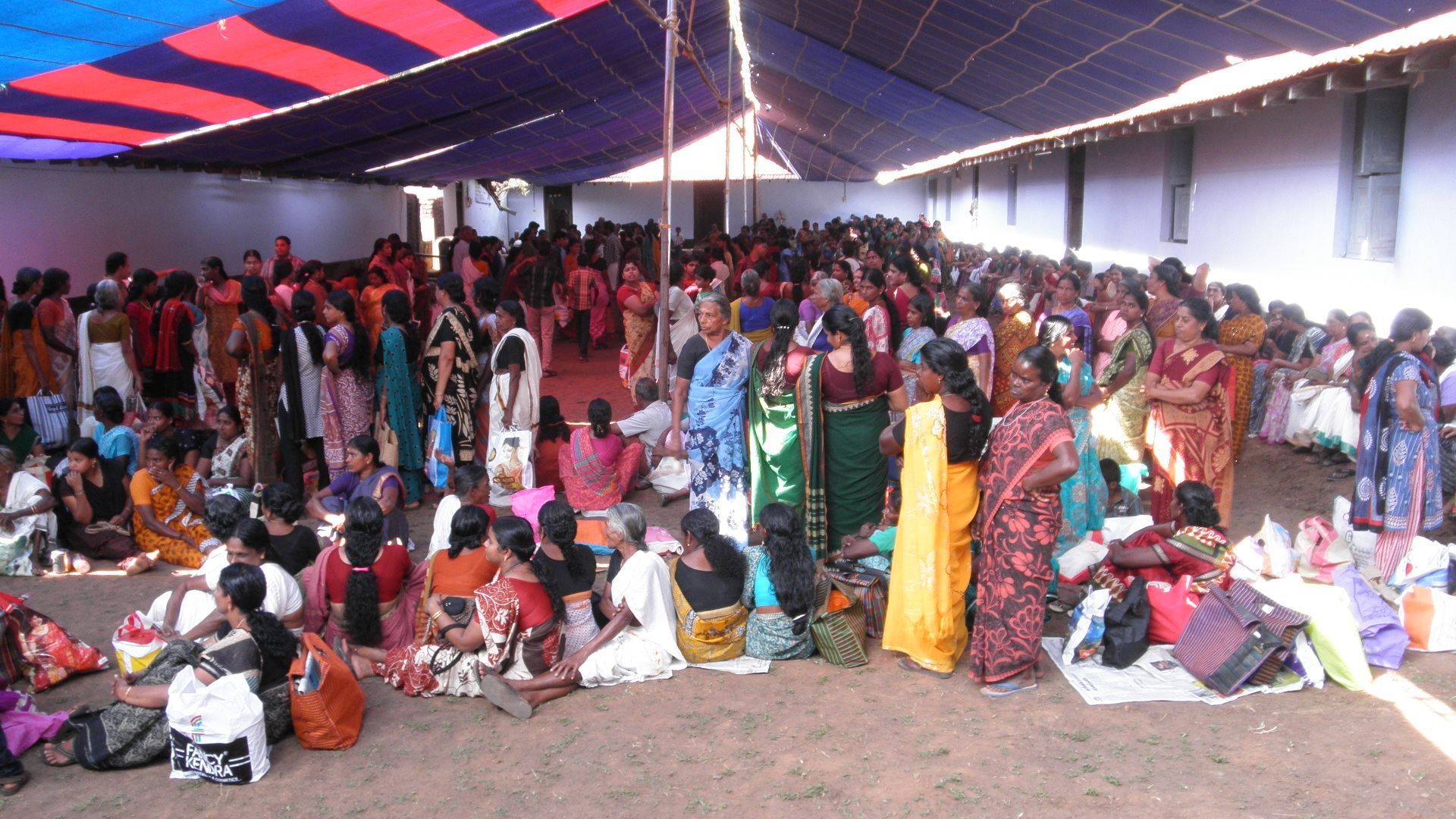
Gujarat Street Photographer, Pranlal Patel

Thanks to India Ink for bringing his work to our attention:

A Pioneer of Street Photography Leaves Behind Strong Images of Indian Women

By Zahir Janmohamed

AHMEDABAD, Gujarat — A little over five weeks before his first exhibition in the United States,  Continue reading

Prehistoric Kerala Rock Art

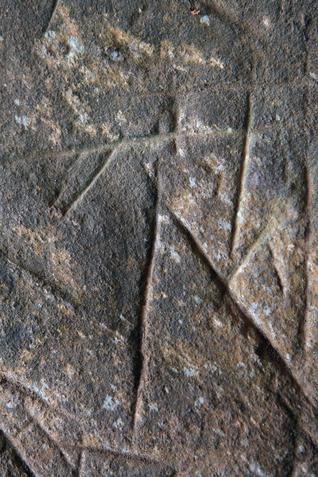
Deep meanings: A newly discovered anthropomorphic motif on a rock in the Thovari hills near the Edakkal caves in Wayanad.

Deep meanings: A newly discovered anthropomorphic motif on a rock in the Thovari hills near the Edakkal caves in Wayanad.

The Hindu reports today on a discovery in Wayanad, where Raxa Collective hopes to offer travelers cultural heritage conservation experiences in the near future:

This is the first time an anthropomorphic figure, a recurring motif of pre-historic rock arts sites in the world, has been reported from the site.

An anthropomorphic figure has been discovered among the prehistoric petroglyphs (rock engravings) on the Thovari hills near Edakkal caves in the Wayanad district of Kerala.

Continue reading

2014 Jaipur Literature Festival

Sang Tan/Associated Press Author Jhumpa Lahiri with her book ‘The Lowland’ at the Queen Elizabeth Hall in London on Oct. 13, 2013.

Sang Tan/Associated Press
Author Jhumpa Lahiri with her book ‘The Lowland’ at the Queen Elizabeth Hall in London.

Thanks to India Ink for an overview:

The 2014 Jaipur Literature Festival, now in its ninth edition, kicks off in the state capital of Rajasthan on Friday. Over the course of five days, celebrated writers from India and abroad will talk about not just their books but also about the two World Wars, Afghanistan after the withdrawal of American troops, Himalayan languages and the making of modern China.

This year’s highlights include:

The festival starts with an inaugural keynote address on Friday at 10 a.m. by the Nobel Prize-winning economist Amartya Sen, who will also talk about the workings of democracy and human freedoms with John Makinson, chairman of Penguin Random House, in another session later that day at 2:15 p.m.

Read the whole article here.

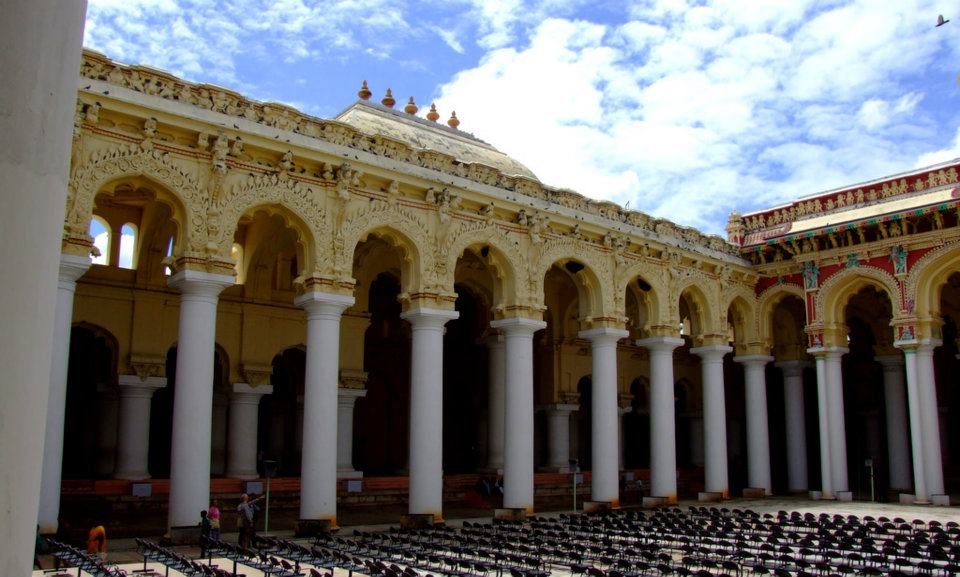
Thirumali Nayak Palace – Madurai, Tamil Nadu

Photo credits :Ramesh Kidangoor

Photo credits: Ramesh Kidangoor

Thirumalai Nayak Palace was built in the year 1636 by king Thirumalai Nayak, designed by an Italian architect. The courtyard in this palace is 3900 sq meters and is surrounded by massive pillars. The courtyard was mainly used for daily dance and music programmes. Continue reading

Nothing Like Antiquities To Calm A Diplomatic Brouhaha

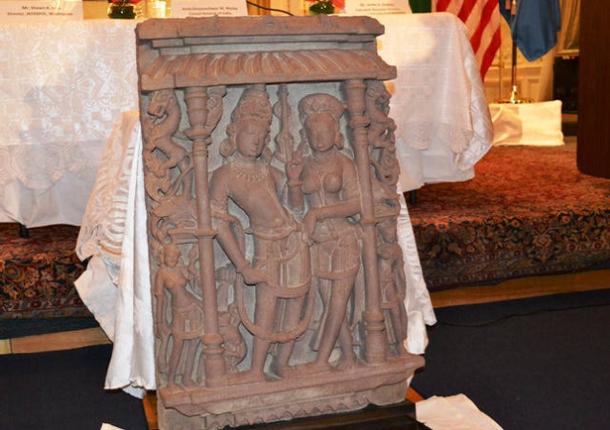
A Vishnu-Lakshmi sandstone sculpture, one of three stolen from India, is seen during a repatriation ceremony of the artefacts at the Indian consulate in New York on Tuesday. Photo: Narayan Lakshman

A Vishnu-Lakshmi sandstone sculpture, one of three stolen from India, is seen during a repatriation ceremony of the artefacts at the Indian consulate in New York on Tuesday. Photo: Narayan Lakshman

For those contributors to Raxa Collective based in India, but of USA citizenship, it is no stretch to say that Indians in India have treated Americans in India with the same friendliness as ever, and then some, in spite of a recent diplomatic spat between the two countries (if you were not aware of it, don’t bother, as the storm appears to be passing).  Ladies and gentlemen of India, we salute you. Now, news of gentlemanly behavior on the part of authorities in the USA, with uncanny timing as it comes on the heels of that diplomatic problem.  The return of these antiquities is a seriously good thing on its own, but we would be happy to think that cultural heritage plays a role in improving relations between two countries:

The U.S. handover to India this week, of idols worth more than $1.5m stolen from temples in Rajasthan, and Bihar or West Bengal, marked what seemed to be a gradual thaw in bilateral frost following a month-long diplomatic crisis.

In a repatriation ceremony at the New York Consulate of India, where the diplomat at the centre of the crisis, Devyani Khobragade, used to work, the U.S. Customs and Immigration Enforcement (ICE)’s Homeland Security Investigations (HIS) on Tuesday returned two sandstone sculptures of “Vishnu and Lakshmi,” respectively weighing 159 and 272 kg. Continue reading

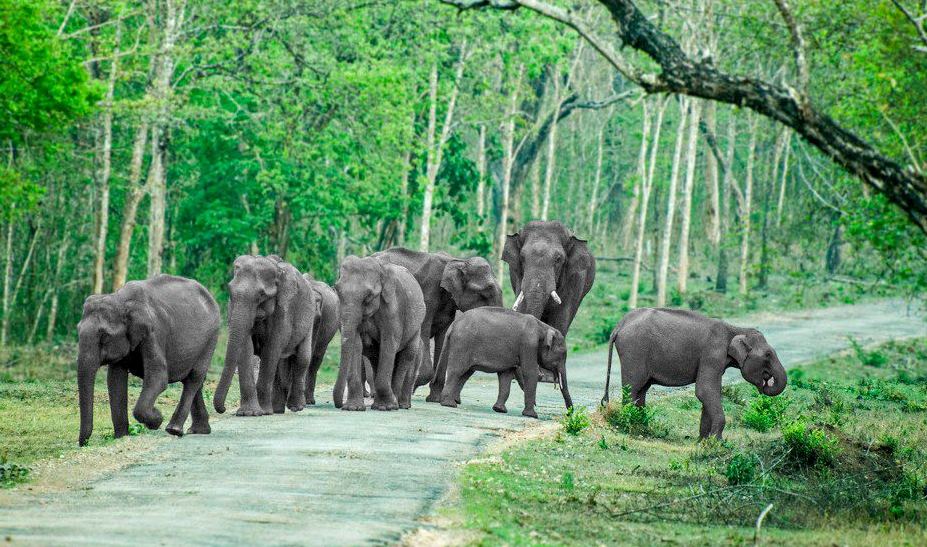
Bandipur National Park – Karnataka, India

Photo credits: Ramesh Kidangoor

Bandipur National Park is one of the most famous wildlife national parks in South India, and is part of the Nilgiri Biosphere Reserve. Covering an area of 880 sq km, it was once one of the private wildlife reserves of the Mysore Maharaja. Today, Bandipur National Park is a protected zone for over 100 species of mammals, Continue reading

Mumbai Makeover

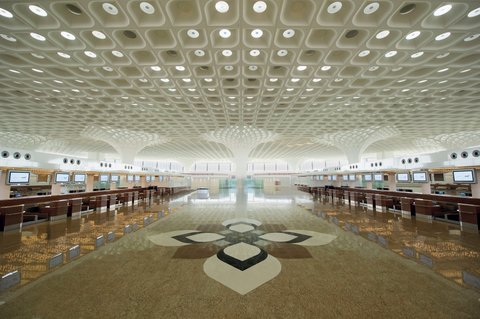
Courtesy of GVK. The check-in hall at the integrated Terminal T2 of the Chhatrapati Shivaji International Airport in Mumbai, Maharashtra.

Courtesy of GVK. The check-in hall at the integrated Terminal T2 of the Chhatrapati Shivaji International Airport in Mumbai, Maharashtra.

At least one non-Indian contributor to Raxa Collective remembers the Mumbai airport circa 1993, and many of our guests recall that old airport with something less than affection, so this news via India Ink is most welcome:

For anyone who has traveled through the shiny airport hubs of Asia like Hong Kong and Singapore, flying into Chhatrapati Shivaji International Airport in Mumbai can deliver quite a shock. Continue reading

The Lotus

Photo credits : Ramesh Kidangoor

Photo credits : Ramesh Kidangoor

The lotus, a symbol of the goddess of wealth and prosperity Lakshmi, is also the national flower of India. It has long been said that the lotus’ growth from deep mud has symbolic significance, as beauty can bloom from any condition. In India, lotus roots are also consumed as side dishes to rice or various types of bread, and they are also used to make pickle. Continue reading

Of Festivals and Traditions, the Royal Way….

sarvani

Sarvani Sadya (Food served by the Royal Family)

Kerala is known for its culture, traditions and festivals. After a gap of 2 years, I had the chance to attend our family festival at Nilambur Kovilakam. Normally people from outside the family are not allowed to enter the temple, since it is my family’s, but this festival, called ‘Nilambur Pattu’, gives a chance for all to attend and seek the blessings of our family God ‘Vettekkorumakan’. Continue reading

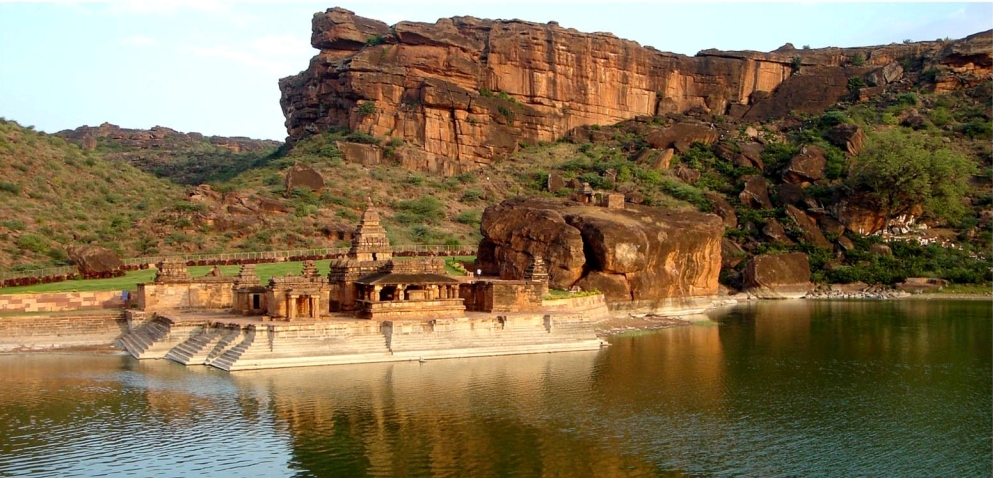
Badami Temple, Karnataka

Photo credits: Ramesh Kidngoor

Photo credits: Ramesh Kidngoor

Badami, situated in modern Karnataka, was once the majestic capital of the royal Chalukyas between the 4th and 8th century — now it is a rural town famous for the monuments and remnants that remain. Continue reading

Bird Sightings and Ecology in the PTR

A White- or Woolly-necked Stork carrying nest material to a large tree. Photo © author.

A White-necked Stork carrying nest material to a large tree.

A few days ago we went for a two or three hour hike in the Periyar Tiger Reserve and saw a multitude of avian species that make Kerala a great place for both the amateur and ardent birder. I was also able to see very tangible examples of two related concepts that I’d learnt in my ecology and ornithology classes at Cornell: mixed-species foraging flocks and the ecological niche.

The American ecologist Robert MacArthur, in his seminal dissertation on five insectivorous species of warbler, noticed that  Continue reading

A Life Leading To India’s Independence

Penguin Books India recently published this book about the Mahatma’s earlier years, which is reviewed here and publisher’s blurb provided below:

Gandhi Before India

by Ramachandra Guha

In 1893, when Mohandas Gandhi set sail for South Africa, he was a 23-year-old briefless lawyer who had failed to establish himself in India. The two decades that he spent in South Africa were to be the making of the Mahatma.  Continue reading

Changing Tastes In India

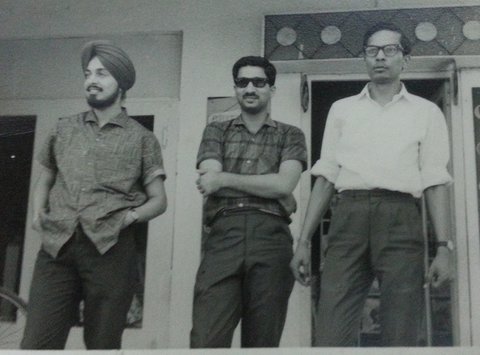
Courtesy of K.D. Singh K.D. Singh, left, and Kuldeep Shankar, right, owners of “The Steakhouse,” with their mutual friend Anil Arora at the store in New Delhi in the 1960s.

Courtesy of K.D. Singh. K.D. Singh, left, and Kuldeep Shankar, right, owners of “The Steakhouse,” with their mutual friend Anil Arora at the store in New Delhi in the 1960s.

Thanks to India Ink for this article on the evolution and sometimes radical change in food shopping and consumption patterns in India. For those of us from foreign countries working, interning, volunteering with, or visiting as guests of Raxa Collective in India, this news can be put in perspective only relative to the time since 2010, when excellent ice cream became available in Kerala on a regular basis; then, excellent gelato; and more recently otherworldly staples such as good olive oil have found their way onto the shelves of certain grocers.

That may matter to some of us non-Indians more than to our Indian colleagues and friends. Suppliers to our lodging properties continue to supply the high quality domestic inputs we need to produce top quality south Indian cuisine–no change sought on that front until now, as we prepare to open 51, our new restaurant in Mattanchery which will highlight some of the eastern Mediterranean influences on Malabar cuisine, more on which another time. For now, just a shout out of this story:

These days, it’s easy to find once-exotic foods like spaghetti and Parmesan cheese at grocery stores in India. Continue reading

Entrepreneurship In India

Atul Loke for The New York Times. Rahoul Mehra and his wife, Glennis Matthews Mehra, started Saf Labs, a biotechnology trading company in Mumbai.

Atul Loke for The New York Times. Rahoul Mehra and his wife, Glennis Matthews Mehra, started Saf Labs, a biotechnology trading company in Mumbai.

India Ink closes out 2013 with a story near and dear to the hearts of all entrepreneurs in India at this moment, and Raxa Collective appreciates the coverage (even if we are not exactly an American-style start-up, we can relate):

American-Style Start-Ups Take Root in India

In a nation with a reputation as a tough place to do business, American tech entrepreneurs are importing the Silicon Valley mind-set. Continue reading

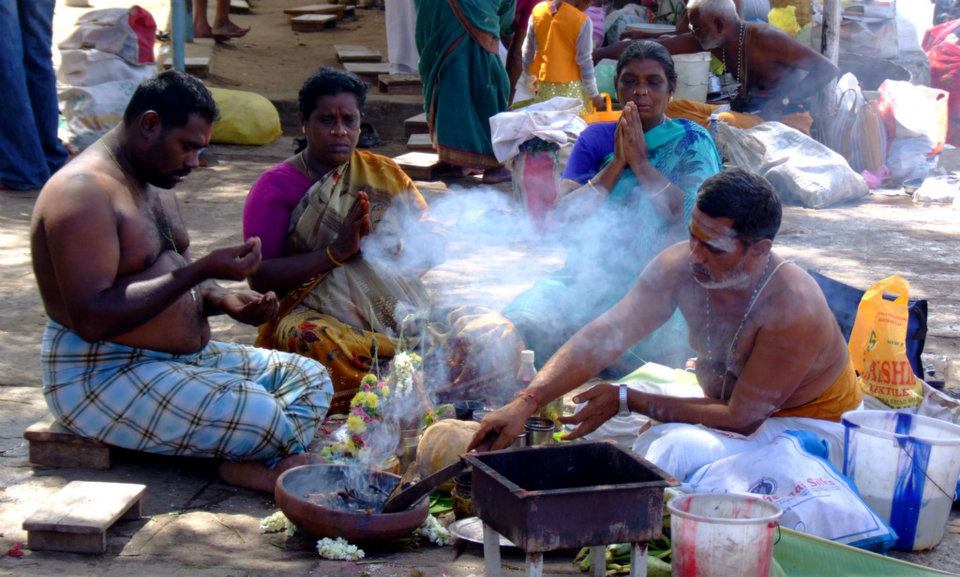
Prayers

Pooja

Photo credits: Ramesh Kindangoor

Worship is an integral part of every Indian’s life, especially Hindu’s. It starts from one’s early age with rituals performed during birth all the way to rituals performed upon one’s death. Worship rituals in Hindi are called ‘pooja‘ and are mostly performed by people who have dedicated their life to god. These individuals are called ‘pandits‘, and almost all pooja consists of a fire which is believed to be the path of offering, into which many things are burned as offerings. Continue reading

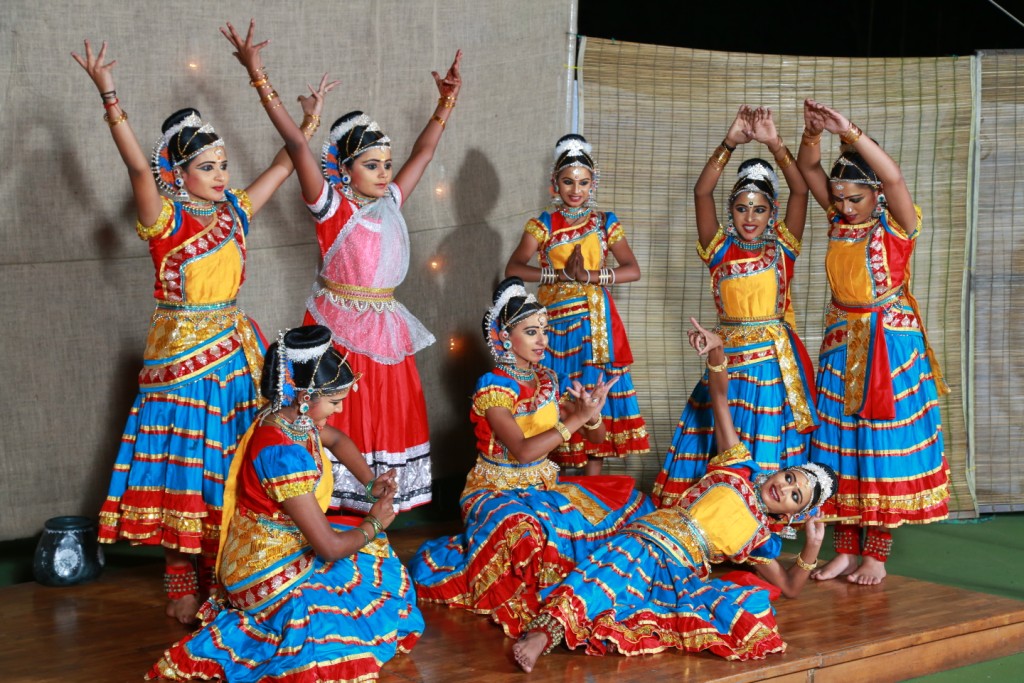
Dance and History

Photo credits: MN Shaji

In India there are numerous classical dances and quite a few of them have originated from the state of Kerala. These dances are not only entertainment but rich in history into which mythological stories of centuries ago have been depicted. The artists pay tribute to the brave and the bold, and the battles that shaped our present way of life, culture and heritage. Continue reading

India and Flowers

Photo credits: Ramesh Kidangoor

Photo credits : Ramesh Kidangoor

Flowers are an integral part of Indian festivals; people use them on a daily basis for offerings to their gods and goddesses at home.  In India, people come door-to-door, similar to the way milk men make deliveries, and provide fresh flowers to every household — the large demand for floral offerings is catered to by the flower markets prominent in almost every major city in India. Continue reading

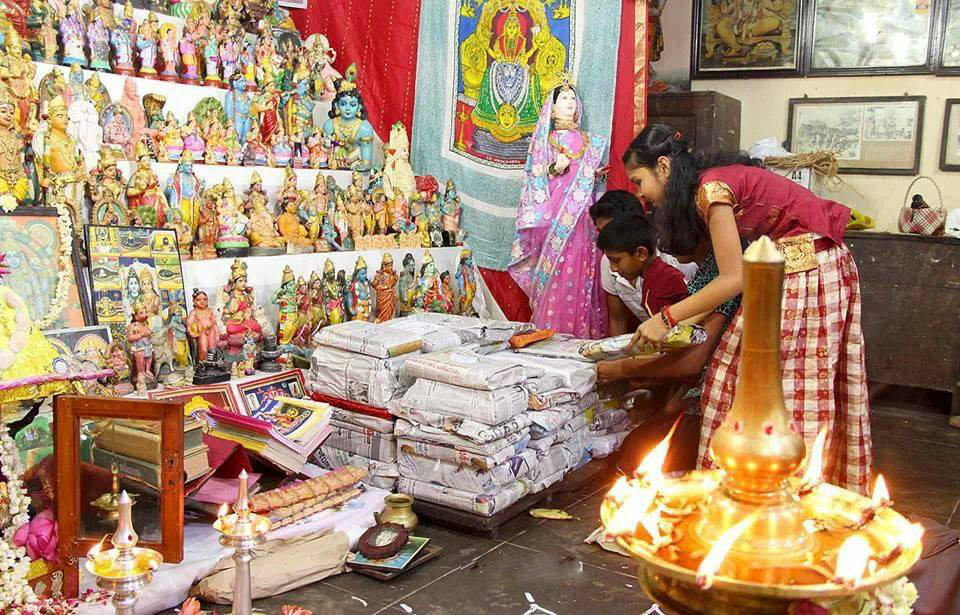
Ways of Worship

Hindu God's

Hindu God Idols

Hinduism employs many different gods, many of which represent aspects of the world or ideologies such as the Sun god, the god of prosperity, the wind god, etc.  These various deities are depicted in the ancient scripts and are believed to be reborn in human form when the world is being exploited by evil in order to restore peace and harmony. Continue reading

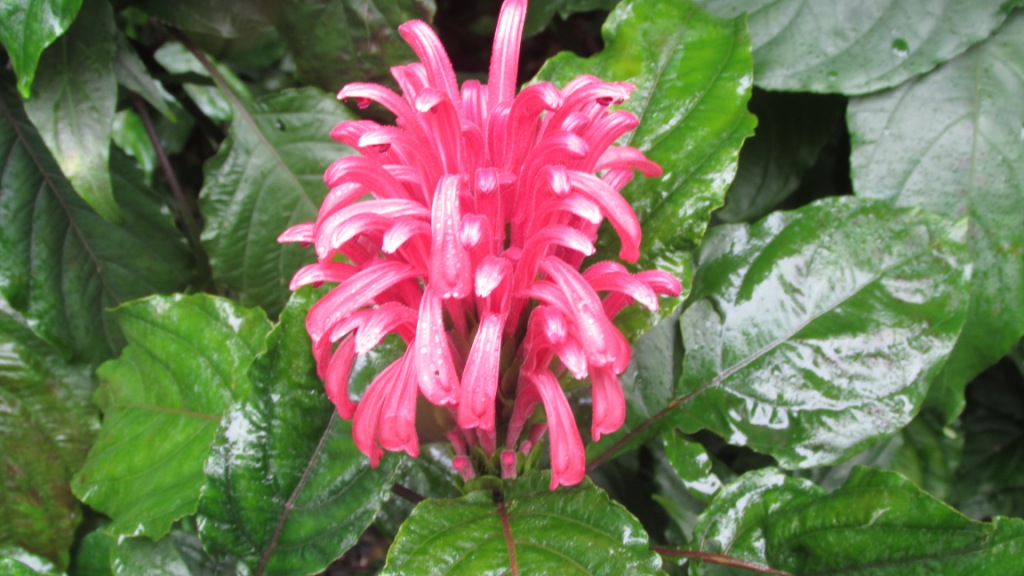
Plume Flower

justicia carnea

justicia carnea

Plume flowers, native to Brazil, are a tropical tender perennial shrub with unusual pods holding many tubular flowers that bloom throughout the summer.  They are naturalized in the Western Ghats of India; the colors can range from Pink, Purple, Orange and Yellow. Continue reading

Wine In India

Kuni Takahashi for The New York Times. Sampling the product at York Winery.

Kuni Takahashi for The New York Times. Sampling the product at York Winery.

Thanks to India Ink for bringing our attention to a story about our neighborhood, broadly defined:

Cultivating a Wine Region in India | “In India, where whiskey is the alcoholic drink of choice and teetotalers exist by the legions, a wine culture has been almost nonexistent,” Shivani Vora wrote in The New York Times. Continue reading