The Hindu
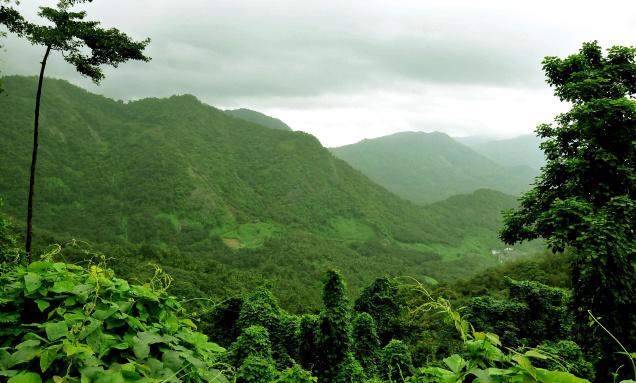
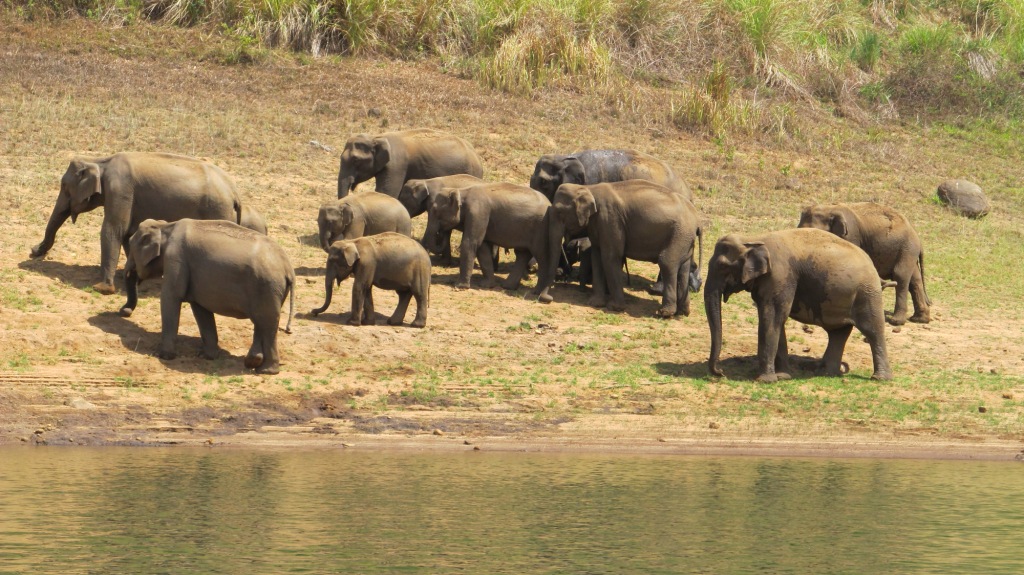
Local farmers in the Western Ghats, like their counterparts everywhere, generally want to be unencumbered to do what farmers do. Any given morning we wake up feeling complete solidarity with farmers. Full stop. We wake up every day looking for opportunities to support conservation where we live and work. Full stop. Currently, one such region where we work, known as the Western Ghats in southern India, is wrestling with the challenge of letting farmers be farmers while also allowing the ecosystem–one of those rare places worthy of being called a biodiversity hotspot–to continue to be the ecosystem. Sometimes, farmers and ecosystems do not get along well. We thank the Hindu for its coverage of this issue, which is much more complicated than one article can convey:
…The sites, spread over 34 countries, “harbour the majority of the populations of more than 600 birds, amphibians, and mammals, half of which are globally threatened. Many of these irreplaceable areas are already designated as places of ‘Outstanding Universal Value’ under the UNESCO World Heritage Convention,” the report said. Continue reading









 Organikos