Single-use tableware create increasing, massive amounts of waste. We eat out more than our parents ever did and our lunches are more and more wasteful. The best way to minimize lunch waste is to pack a lunch and pack only what you can eat, and to keep the restaurant option for that special occasion. The bento-box for lunch is a huge trend right now in Europe, mine is a shiny round box. When I happened to eat at my company’s canteen I noticed the invasion of the shelves by disposable packaging. And when my colleagues and I ate out at any of the pricey parisian eateries, it was more and more difficult to find non-disposable tableware. Here in rural South India, I never once had to say “I’d rather have a real cup please”. When I go to the staff cafeteria, I pick up my large steel tray and my steel cup from the drainer wash it, fill them up and afterwards I wash ’em put ’em back, so someone else can do the same. Easy peasy. Nothing worth adding to the landfill about. Continue reading
India
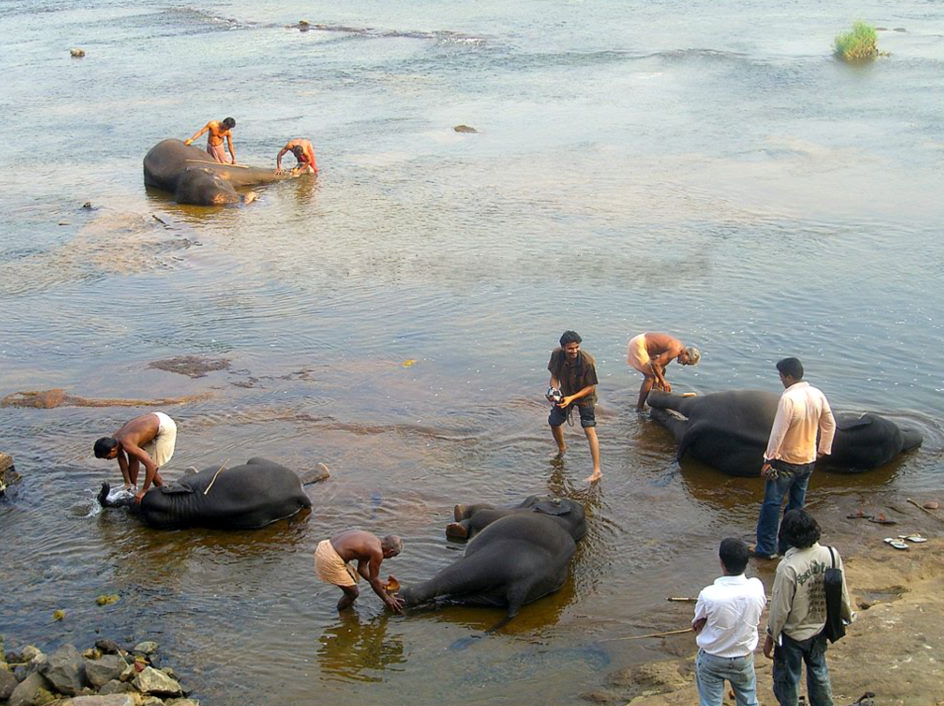
Elephants in Kerala

Elephants being bathed by their Mahouts near the Kodanad Elephant Training Center; Photo Credits: Ramesh Kidangoor
A symbol of strength and prestige since ancient times, elephants were used by royalty and feudal lords to display their power. Nowadays elephants are still part of the life and cultural ethos of Kerala. People here consider this animal a harbinger of good fortune, a remover of obstacles. It is an integral and inseparable part of the religious and economic life. Continue reading
Robusta, Liberian, Arabica: a visit to a coffee plantation in the Western Ghats
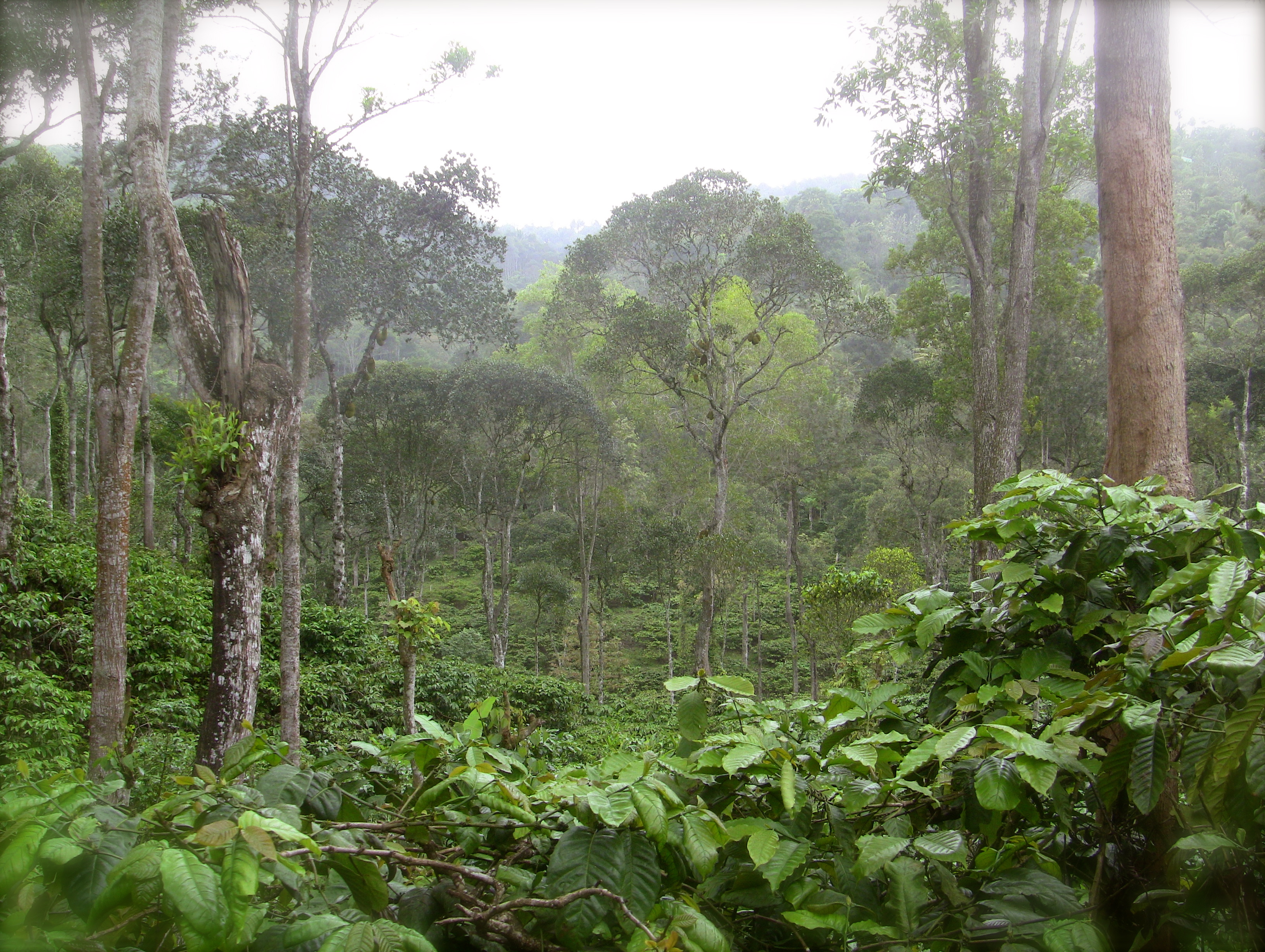
Evan’s research on agroforestry in Ecuador inspired me to learn more about coffee in India. No coffee seed sprouted outside Africa or Arabia before the 17th century. Legend has it this all changed when a pilgrim named Baba Budan smuggled fertile coffee beans out of Mecca strapped to his stomach. Returning to his native India, he successfully cultivated the beans near Mysore.Commercial cultivation began in 1840 when the British rule established Arabica coffee plantations throughout the mountains of Southern India. Till today much of the production comes from the Western Ghats. Initially Arabica was widespread, but Continue reading
The Wild5Five collection : drawing from Nature
via kerala‘s Wild 5 Five collection was designed to raise awareness about the fauna of the Periyar forest by setting forth 5 wildlife ambassadors. To decide which 5, the team of designers at Thought Factory carried out thorough research on the fauna of the Periyar Tiger Reserve in online journals and books, blogs and libraries. Continue reading
“3 idiots”: a Bollywood must-see
One of the most memorable weeks of my childhood was during a summer holiday in Mauritius spent with my brother and cousins with no adult available to take us to the beach. We kept going back and forth to the video store because all there was on television were Bollywood movies with no subtitles. Since then I’ve been pretty biased against Bollywood movies, there’s only so much Shannen Doherty direct-to-video one can take, you know? So when I met friends from Bombay, I asked them for an outstanding Bollywood movie. They said: “You’ve got to see 3 idiots“. That same night a friend from Tanzania wrote on his Facebook wall: “Make your passion your profession.! #The 3 Idiots.” So it was written in the stars, I had to see this movie.
Cactus plant
Cactus are unique plants found naturally growing in tropical regions, dry areas and deserts. Belonging to the family of cactaceac, instead of leaves from which water can easily evaporate, members of this family have spiney succulent body parts that help to control the water levels. Continue reading
Vineyards – Cumbum, Tamil Nadu
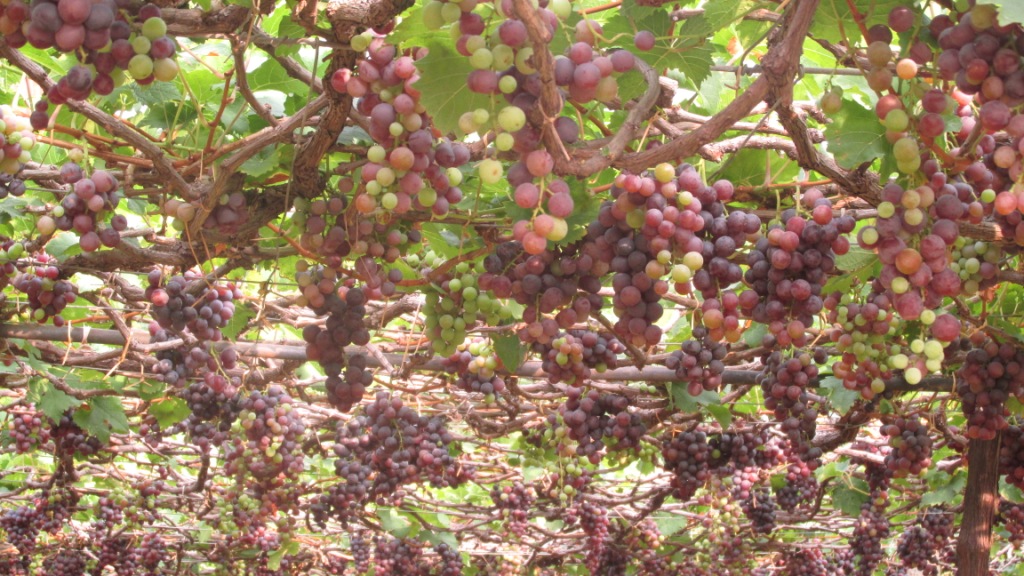
Cumbum Valley is situated about 15 km from Thekkady across the border into Tamil Nadu. Now famous for growing grapes, there are a 1000 acres of vineyards covering the lowland plains. The grapes are mainly used for making wine, juice and jam as well as eaten raw. Continue reading
Healthcare in the Tibetan Exile Community
Guest Author: Hannah Miller
Last January I arrived in Dharamsala, a small city in India’s northwest state of Himachal Pradesh. Along with fifteen other American students I was there to study Tibetan culture, history, language and Buddhism. We spent the semester studying these subjects at two Tibetan colleges in Dharamsala, while living with Tibetan roommates and host families. At the end of the semester, we were given three weeks to conduct an independent research project of our choice. At my college in the United States I am majoring in Global Health, so I wanted to pursue a project related to public health in the Tibetan exile community in India.
Prior to 2012, there was almost no use of health insurance in the Tibetan exile community. The Tibetan government in exile provided reimbursement for healthcare costs on a case-by-case basis to Tibetans living in India, but could not afford to provide coverage for all who needed it.
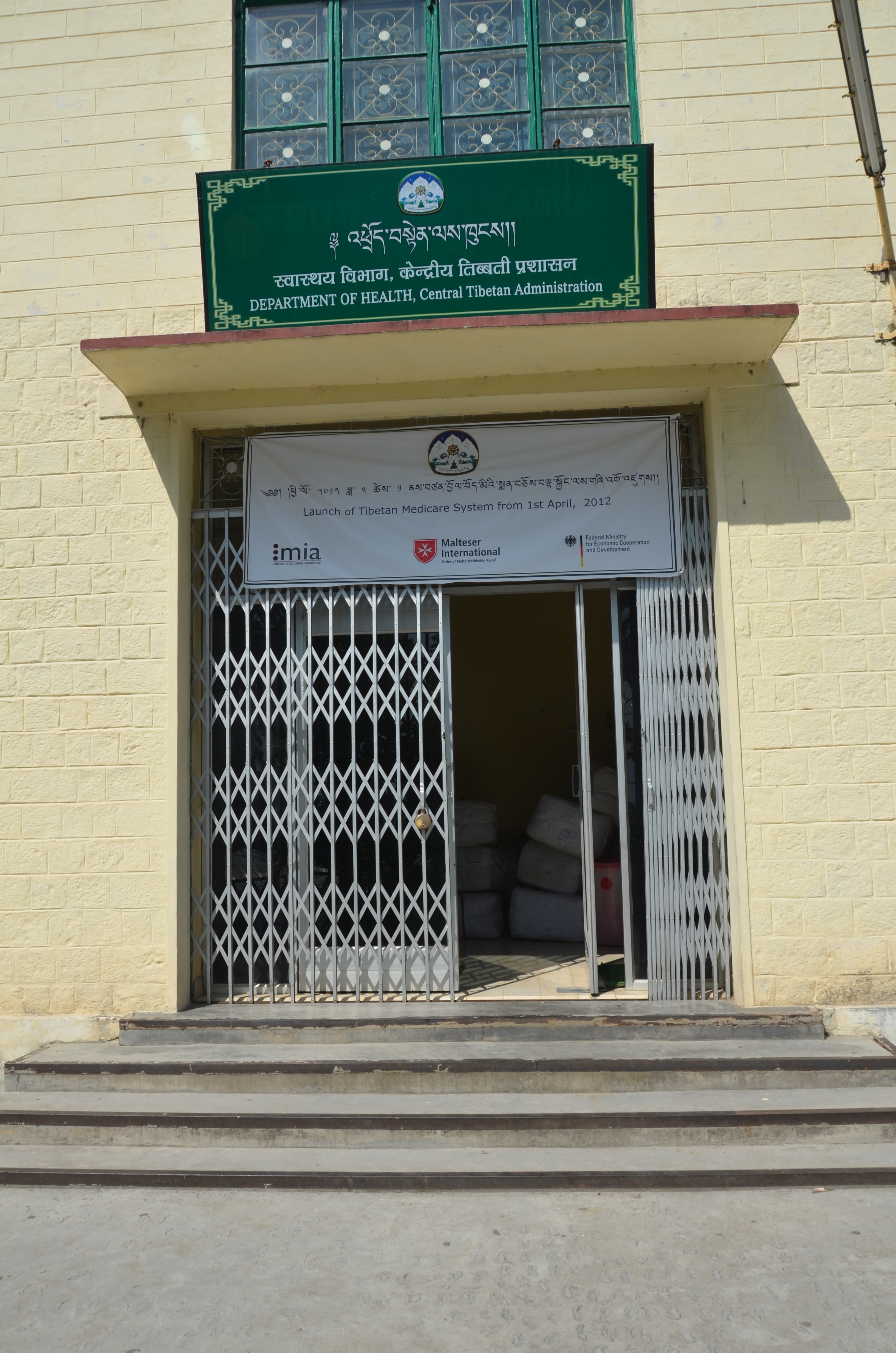
In 2012, the Tibetan exile government introduced the Tibetan Medicare System (TMS), which began providing coverage for inpatient expenses to Tibetan families and individuals. The system was developed through a partnership between the Central Tibetan Administration’s Department of Health and the Micro Insurance Academy (MIA), an NGO based in New Delhi, India. The program is open to any Tibetan individuals and families living in India. For an individual, it costs 950 INR per year to enroll, and 3565 INR per year for a family of two to five people. The insurance can be used at an extensive list of hospitals to cover inpatient expenses up to 50,000 INR or 100,000 INR per year for individuals and families, respectively. Continue reading
Chitradurga Fort – Karnataka
Chitradurga Fort is located near Bangalore in the Chitradurga district of the south indian state of Karnataka. Begun in the 10th century, the fort was built and expanded by different rulers such as Chalukyas, Hoysalas and Rashratrakutas, but its golden era was between the 14th and 18th centuries. During this period the fort was controlled by the Nayaks. Continue reading
Gopalaswamy Betta Temple
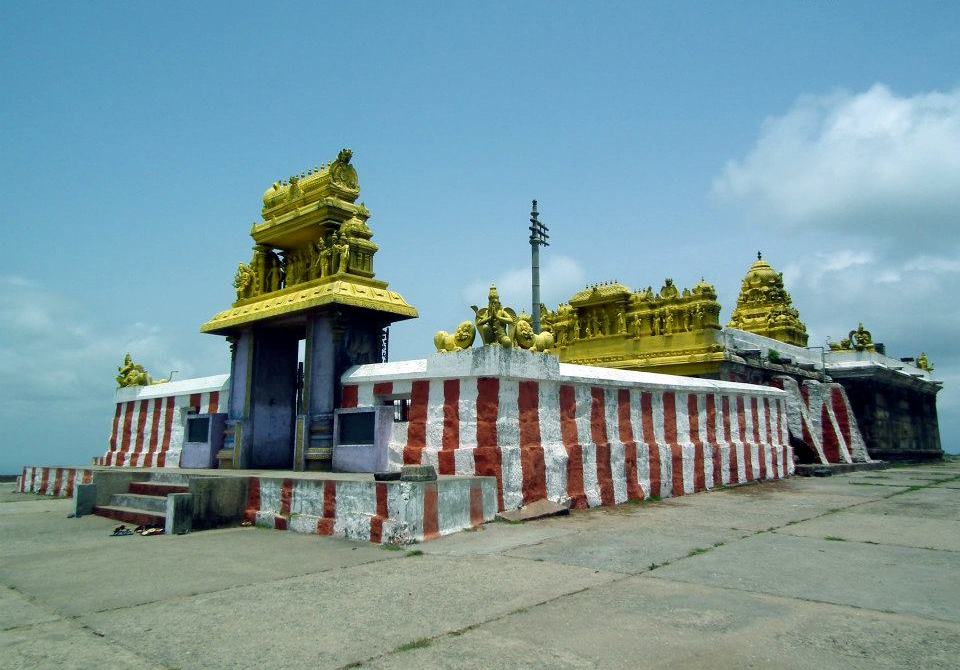
Gopalaswamy Betta Temple is located in the Chamarajanagar district of Karnataka. This temple is adjacent to Bandipur and Nagarhole National parks. Gopalaswamy is the other name of Lord Krishna. The temple was built by the King Cola Bellala during AD 1315. Continue reading
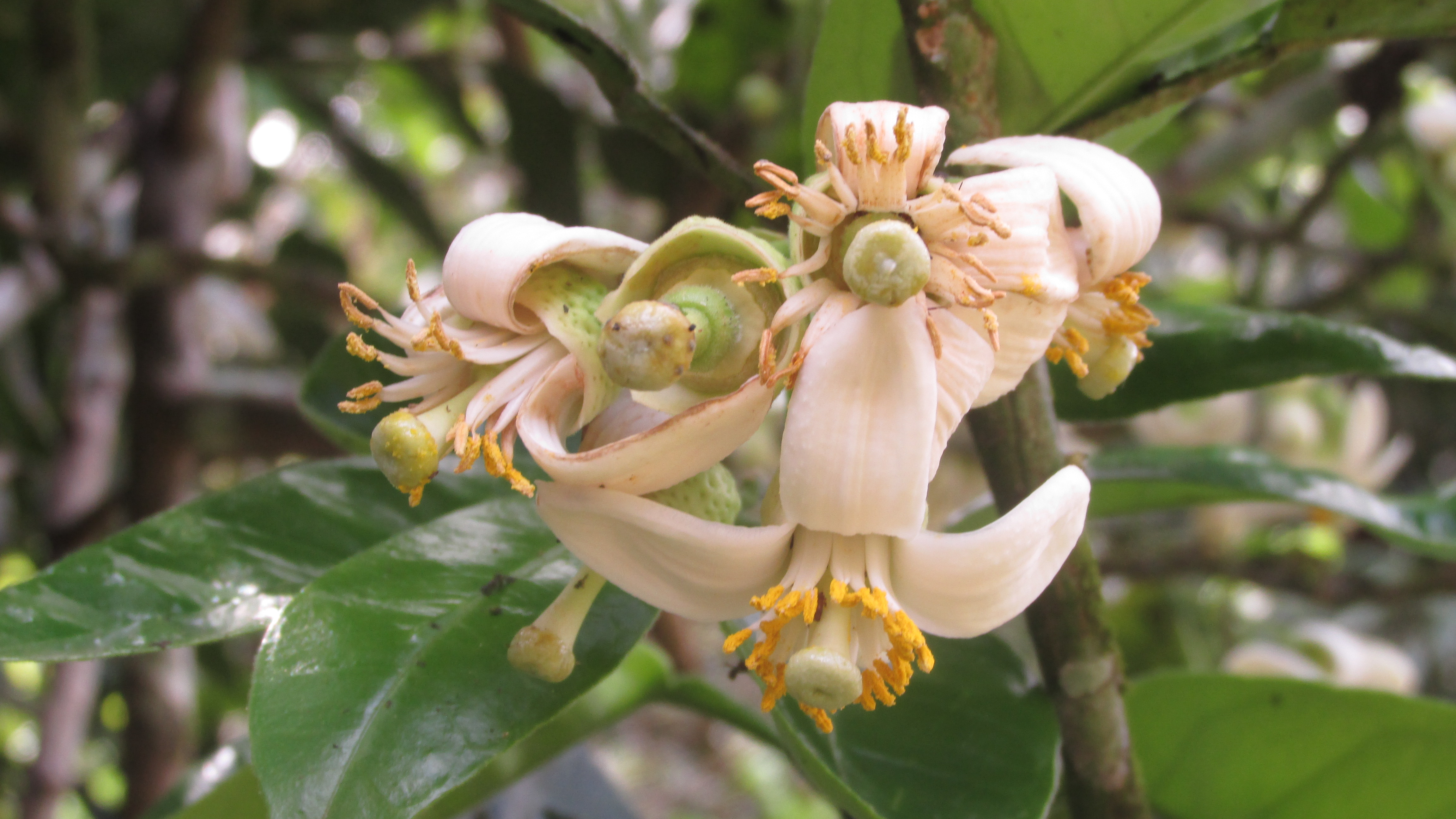
Lemon Flower
Lemons are common in the South Indian hill ranges. Several varieties grow in the Western Ghats, most of which are primarily used for making pickles. Continue reading
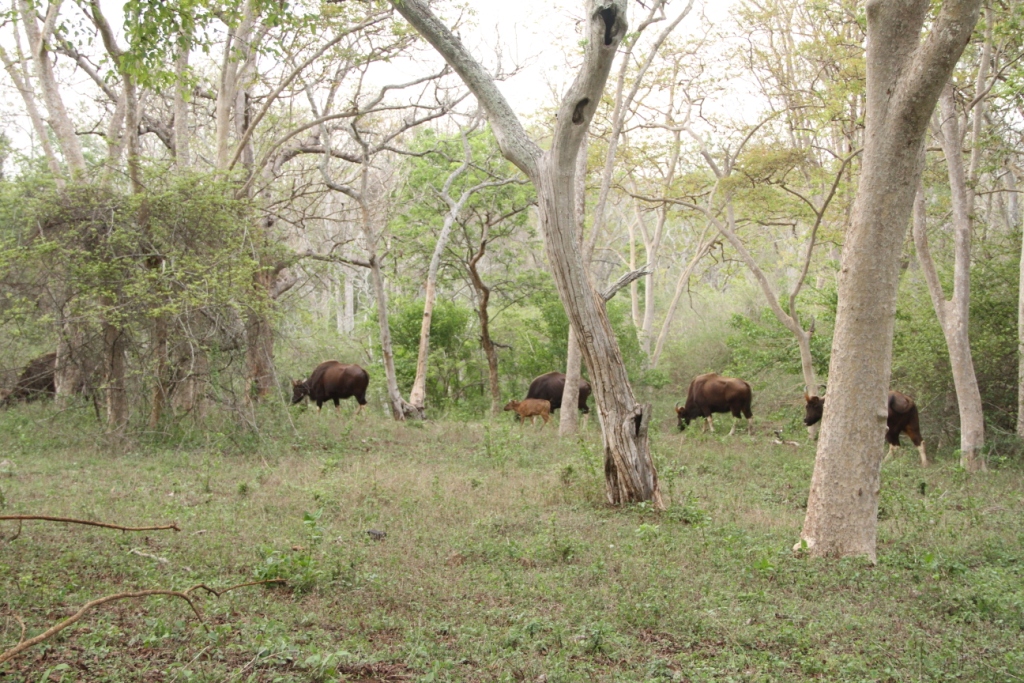
Mudumalai Wildlife Sanctuary
Mudumalai Wildlife Sanctuary is one of south India’s famous national parks, nestled amidst the Nilgiri Hills Biosphere in Tamil Nadu. This sanctuary is situated at the tri-junction of Tamil Nadu, Karnataka and Kerala near the Mysore plains. With an area of 321 sq km of natural forest, Mudumalai is famous for Elephant, Wild Gaur, Tiger, Leopard and Deer, as well as being home to over 200 species of bird. Continue reading
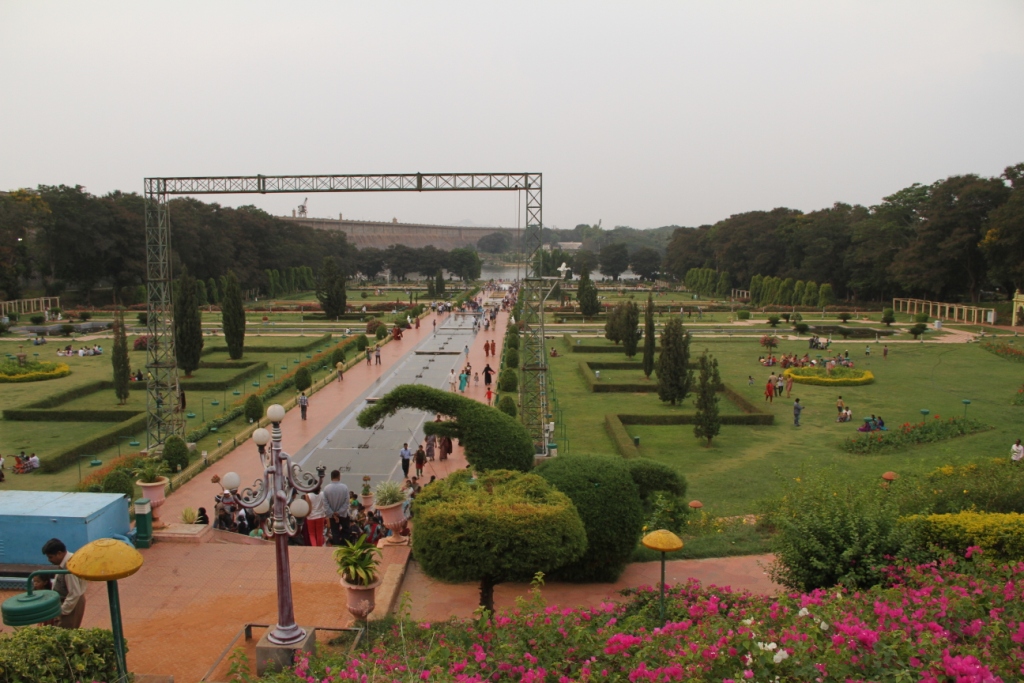
Brindavan Garden, Mysore
Brindavan Garden is one of the most celebrated gardens in India and is a tribute to early 20th century engineering. Its construction started in 1927 and was completed in 1932. The design is laid out in three terraces which contain water fountains, ficus trees and ornamental plants. Continue reading
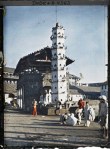
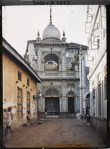
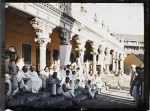
“Shipwrecked pictures” from the Albert Khan museum : can our community help identify these photographs ?
Back in 1912, french millionaire Albert Kahn hired Stéphane Passet to be a photographer for the monumental project Archives of the planet, an iconographic memory of societies, environments and lifestyles around the world. From 1909 to 1931, Albert Kahn commissioned photographers and film cameramen to record life in over 50 countries. The Archives of the planet were a collection of 180,000 metres of b/w film and more than 72,000 autochrome plates, most of which are held at Museum Albert Kahn in Boulogne, close to Paris.
Autochrome was the first industrial process for true colour photography. When the Lumière brothers launched it commercially in June 1907, it was a photograhic revolution – black and white came to life in colour. Autochromes consist of fine layers of microscopic grains of potato starch – dyed either red-orange, green or violet blue – combined with black carbon particles, spread over a glass plate where it is combined with a black and white photographic emulsion. All colours can be reproduced from three primary colours. Some of the autochrome pictures available today are however unidentified, some happen to be of Bombay. Who among you in the Raxa Collective community can help locate these sites?
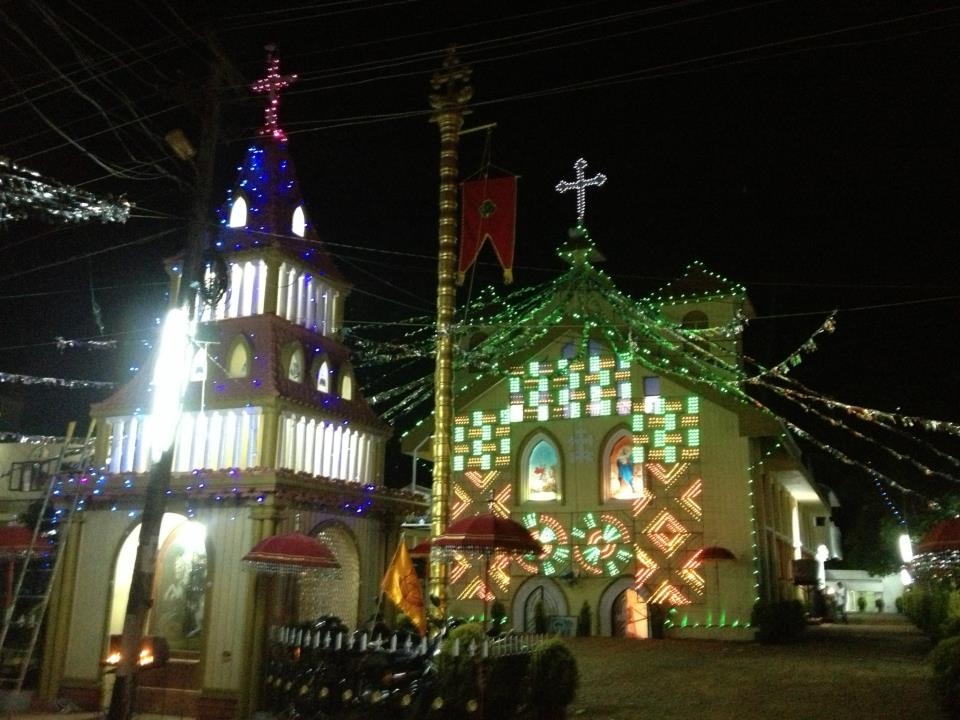
April 23 : a night of celebrations in Thekkady
When I arrived at Cardamom County a month ago, I was welcomed by bright lights and loud music : April 23rd is Saint-Georges’s day…Saint-George is one of the most venerated figure in the Christian faith, and Saint-George Orthodox church happens to be a stone’s throw away.
Dispatch From Everest
India Ink has a story about a group of young Indians collaborating in the upper reaches of the region’s mountains, at a time when many are celebrating the six decades-old historic accomplishment in the same region:
KHUMBU GLACIER —It was nearly 60 years ago this month that Tenzing Norgay, the Sherpa guide, and Sir Edmund Hillary from New Zealand scaled the highest peak in the world, Mount Everest. Continue reading
The logistics dilemma: double passenger scooter or double-decker lorry ?
My friends and I had been looking for one around town for an aftenoon, and finally I found it a week later driving away towards another town: a coir mat, the ideal support to make my salutations to the sun on. The small motorbike was actually part of a ‘caravan’ carrying people and mats from the neighboring state of Tamil Nadu. So loaded it was uncanny, this one had either the most efficient engine or the best pilot because it made it to the top of the hill first and stopped there to wait for the others. Continue reading
Best of Salim E.I.: Indian Cobra (Spectacled cobra)
India Cobras are common in both forests and cultivated areas in holes near streams and watersheds. They are strong swimmers and juveniles are more dangerous than adults.
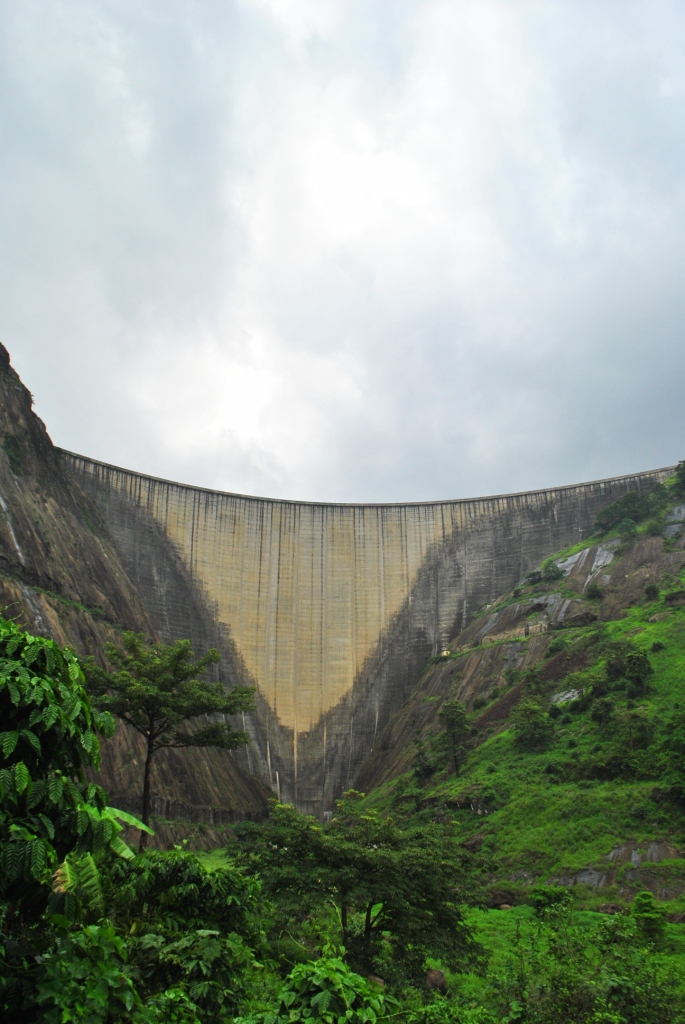
Idukki Dam – Asia’s First Arch Dam
Everything is good in a banana
My colleague Vinod is an expert on sustainable tourism in India, he has studied the alternatives to plastics. He explained to me that after Brazil, India is the largest producer of bananas in the world… Continue reading