Nagarahole National Park – Karnataka

Photo credits: Ramesh Kidangoor

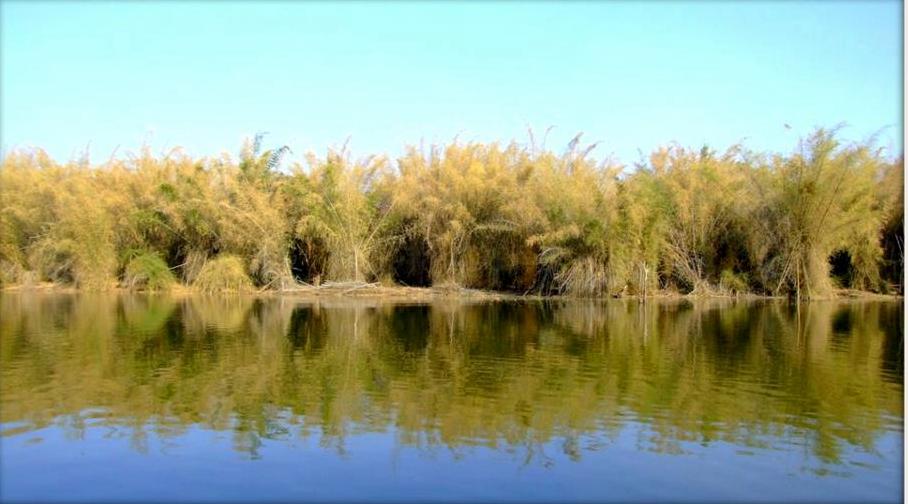
Nagarahole National Park is located near Mysore in Karnataka, covering an area of 643.39 sq km. This national park is one of the best-maintained wildlife reserves in the country. The name of the park is derived from naga, which means cobra in Kannada (the local language of Karnataka) and hole, referring to streams, or river. The park, also known as Rajiv Gandhi National Park, has an  abundance of fauna including spotted deer, wild boar, gaur, elephants, leopard and tigers. Continue reading
South Indian Open Markets

Photo credits: Ramesh Kidangoor

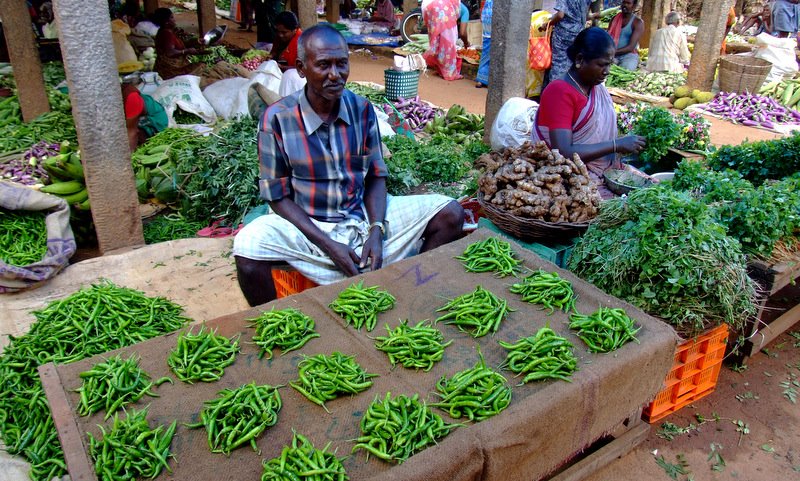
Vegetables and fruits typically constitute an essential part of the daily diet in India and they are in great demand year-round by most sections of the population. Open markets are very common in both small towns and cities of South India, where people buy and sell their fresh vegetables and fruits. Continue reading

Pattu Pavadai – Traditional Long Silk Skirt

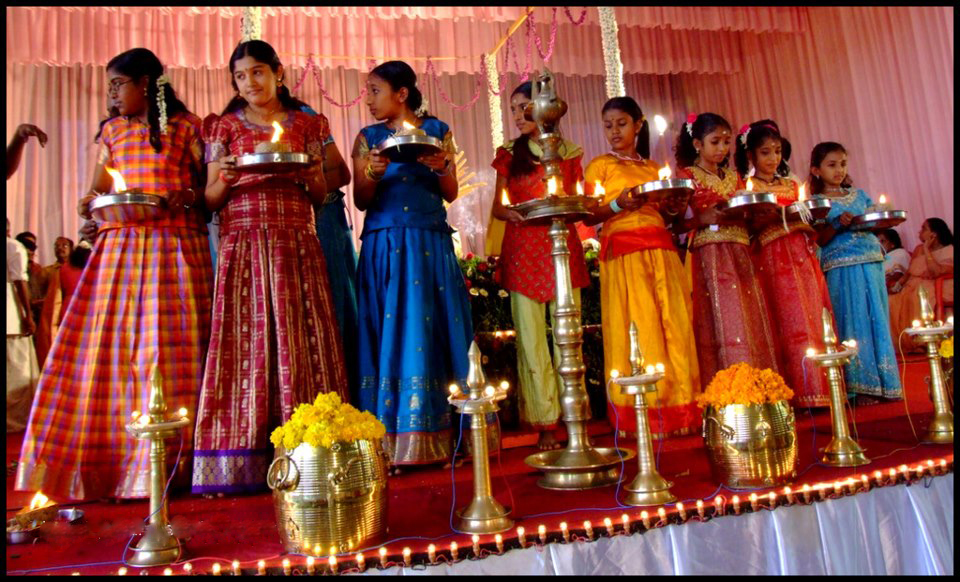
Pattu Pavadai is a traditional South Indian dress, especially in Kerala and Tamil Nadu. They are frequently made from the famous Kanchipuram silk fabrics. Young girls wear Pattu Pavadai during ritual functions and special occasions.

Temple Gopurams

Photo credits: Ramesh Kidangoor

The word Gopuram refers to the monumental tower built at the entrance of South Indian Dravidian temples. These Gopurams are multistoried structures decorated with painted sculpture and carvings depicting Hindu mythology. Continue reading

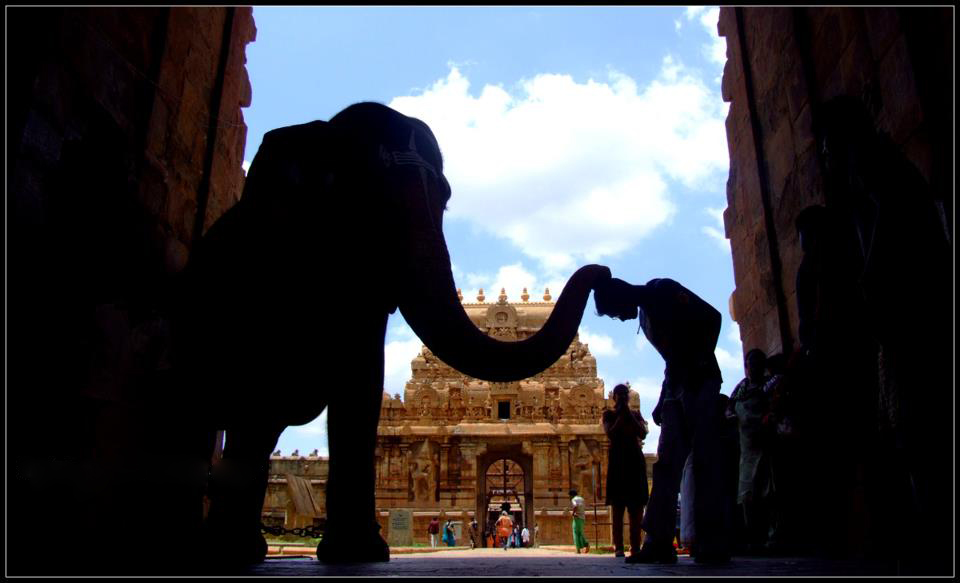
Elephant Blessing – Thanjavur Brihadeeswarar Temple

Photo credits: Ramesh Kidangoor

Elephants are important part of many temple ceremonies and festivals in India especially in the southern states. Frequently the temple elephant carries the idol of the Lord Ganasha and walks in procession around the temple grounds to receive offerings and give blessings in return by placing the trunk gently on the devotee’s bowed head. Continue reading

Mumbai In Gotham Perspective

This slideshow requires JavaScript.

Sometime in recent months we discovered a blog on the New York Times website called India Ink.  It is meant to keep the readers of that newspaper apprised of important information from the world’s largest democracy (and the world’s largest English-speaking country).  Most days, for those of us living and working in India, we have already seen that news in the newspapers here.  Also, most days most of the posts on that blog tend to the dark side of India’s news–always important news but not enough of the positive, vibrant stuff we see each day here. We tend to pass on 90% of the posts, but the other 10% are always worth a look.  Today’s keeper is here:

Continue reading

Temple Art – Sculpted Panels

Photo credits: Ramesh Kidangoor

The history of  worship in Indian is difficult to chronicle with certainty because the recorded history depends on oral traditions handed down through generations. Hindu religion is beautifully preserved in southern India. The art of temple building made its transitions from temporary structures in wood to more enduring stone edifices that have stood through the ravages of time. Continue reading

Eight-legged Transportation

Photo Credits: Ramesh Kidangoor

Bullock carts play an important role in both rural and urban transportation in India. Even in the 21st century they are frequently used for the transfer of materials and people in villages and cities alike. Continue reading

Fresh Flower Garlands

Photo credits: Ramesh Kidangoor

Flower Garlands play an important role in the culture and traditions of India, crossing all religious and economic lines. Garlands are used for all ceremonies and welcome rituals: weddings, birthdays, offerings to Temples and blessings, now not exclusively for Hindus. Continue reading

Badami Cave Temple, Karnataka

Photo credits: Ramesh Kidangoor

The Badami Cave Temple in Karnataka was the capital of the early Chalukyas, who ruled much of that area of India during the 6th and 7th centuries. Badami is a treasure trove of Indian rock-cut architecture and sculpture. It is set in a picturesque countryside at the mouth of a sandstone ravine . The caves overlook a large lake known as Agasythya Teertha.

Continue reading

Pansy Flowers

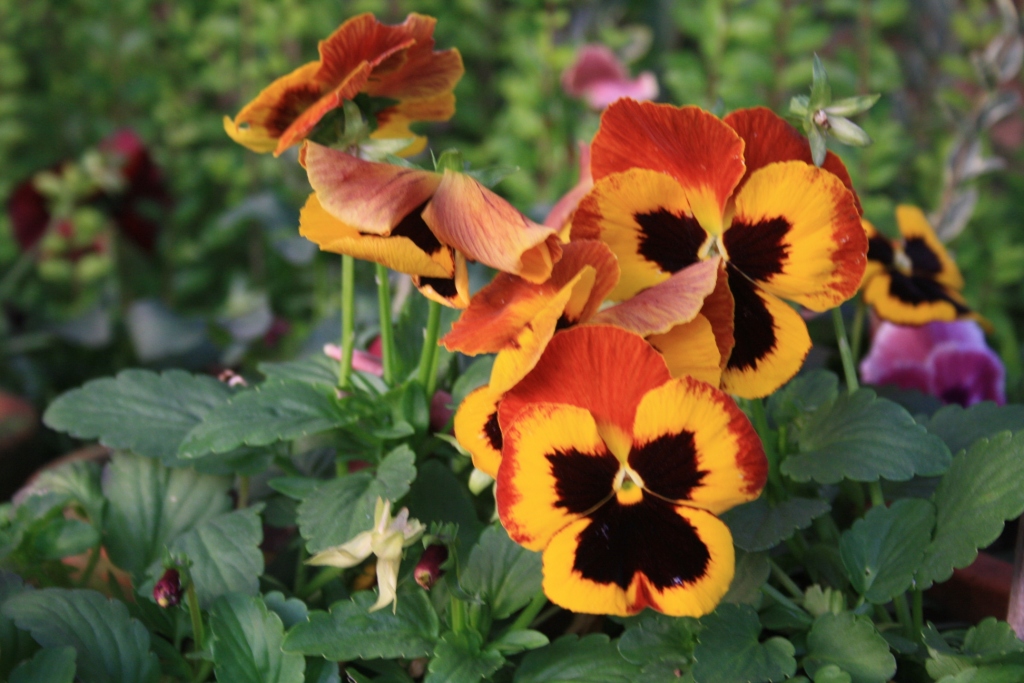
Pansy flowers belong to the Viola species, a group of hybrid flowers found in gardens worldwide. With their enchanting wildflower charm and numerous color combinations these flowers are probably the most popularly grown and most recognizable cool season plant growing above 1500 meters in the Western Ghats of India. Continue reading

Tiffin Oeuvre

Subodh Gupta, Sara Hildén Art Museum, Tampere, Finland, 2011Photo: Jussi Koivunen

Subodh Gupta, Sara Hildén Art Museum, Tampere, Finland, 2011
Photo: Jussi Koivunen

One thing that the Nelson-Atkins Museum of Art and the Kochi-Muzuris Biennale 2012 have in common is the artist Subodh Gupta.

The Bihar born sculptor/painter/installation artist has been at work for twenty years but is currently at the vanguard of modern Indian art. He has taken the ubiquitous metal articles of India and followed the tenets of the 19th century conceptualist artists who elevated the ready-made and everyday into objets d’art. 

As Gupta describes his work

“All these things were part of the way I grew up. They are used in the rituals and ceremonies that were part of my childhood. Indians either remember them from their youth, or they want to remember them… Continue reading

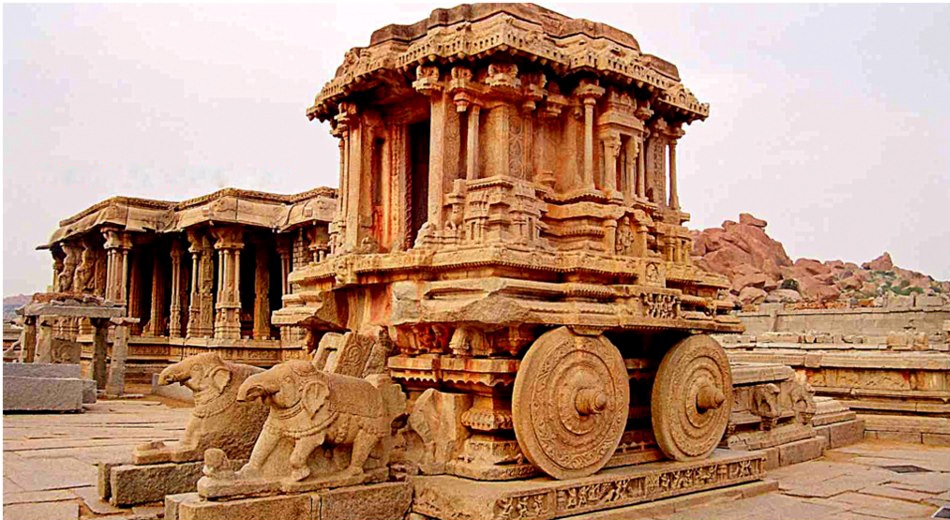
Hampi Vitthala Temple – Stone Chariot

Photo credits: Ramesh Kidangoor

Standing on the southern bank of the Tungabhadra River, the Vitthala Temple is the most magnificent of the religious edifices at Hampi. Vitthala portrays the aesthetic perfection of the Vijayanagar style during the time of Devaraya-II (A .D. 1422-1446). Continue reading

Bracted Strawflower – Helichrysum bracteatum

Bracted Strawflowers are a native Australia perennial that has naturalized in the hill stations of India’s Western Ghats above 1500 meters. The parchment-like flowers bloom in a wide range of colors, including yellow, white, red and pink. Continue reading

Beauty Of Kerala – Araca Nut Plantations

Photo credits: Ramesh Kidangoor

India is the largest producer of Araca nut and at the same time the largest consumer. The nut, popularly known as supari, is extensively used during religious practices. Kerala produces about 30 percent of  India’s total production. Continue reading

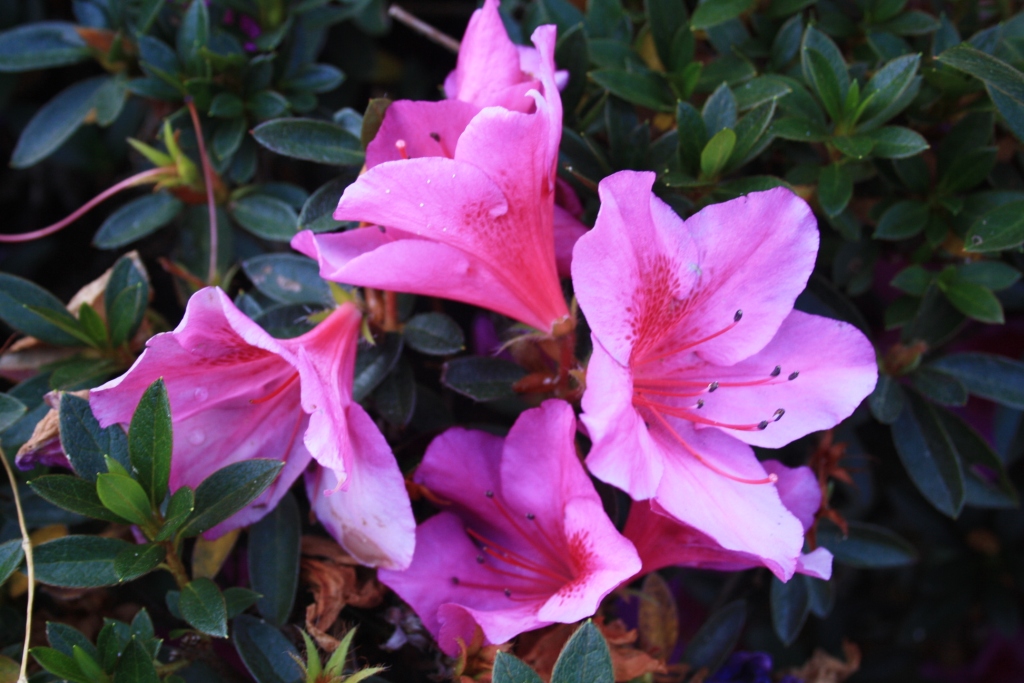
Azalea – Rhododendron

Azalea plants are flowering shrubs with colorful, trumpet shaped flowers in the genus Rhododendron. Native to Asia, North America and Europe, they are widely planted as ornamentals in the Western Ghats of India above 1500 meters. Continue reading
Alstroemeria – Peruvian Lily

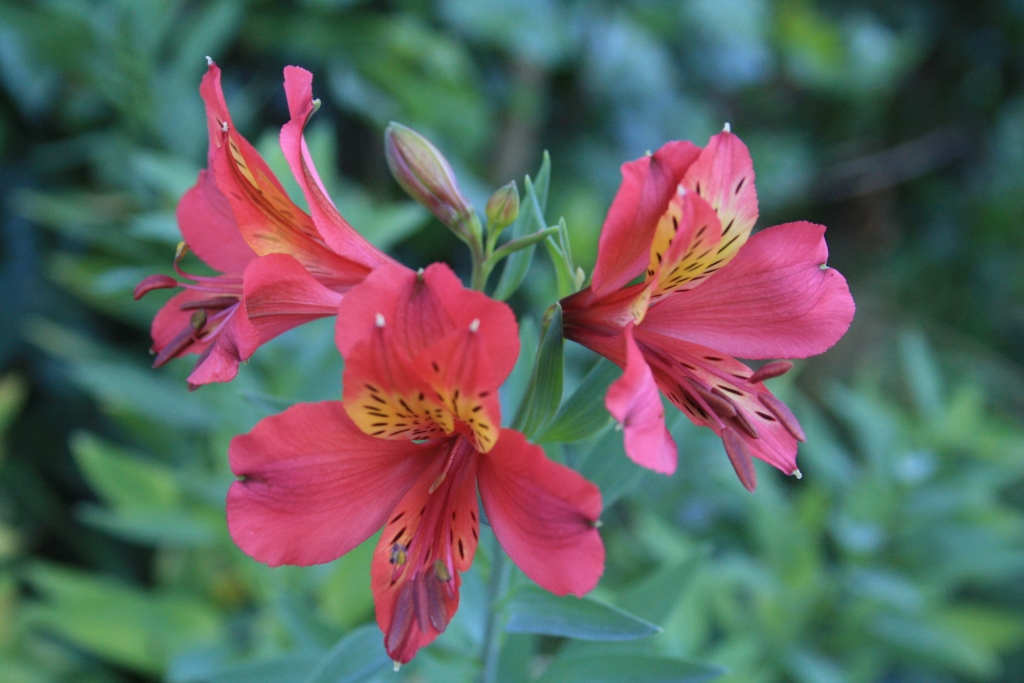
Although native to South America, the Peruvian Lily now grows widely in India’s Western Ghats above 1500 meters. This member of the lily family blooms in a wide range of colors including yellow, orange, pink, red, lavender, purple, cream and white. Continue reading

Airavatesvara Temple – Kumbakonam,Tamil Nadu

Photo credits: Ramesh Kidangoor

Kumbakonam (translated roughly from “Jug’s Corner”) is one of the oldest towns in the state of Tamil Nadu. It has unique position in Hindu myth as containing the only temple for Lord Brahma due to the legend that he filled a clay pot with the seed of all living beings on earth. Continue reading

Monument To The Great Visionary

IMG_4219 - Copy

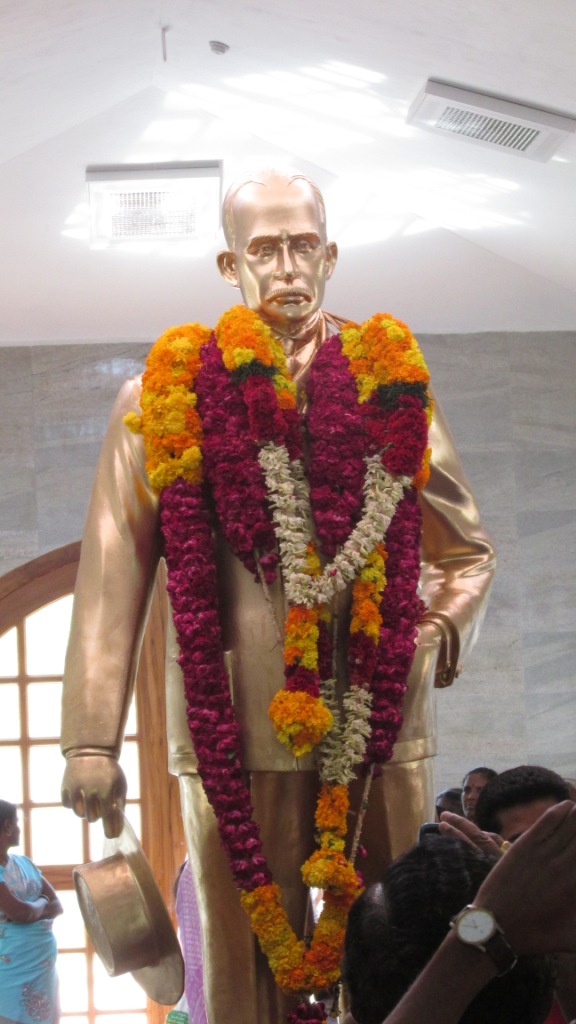
The government of Tamil Nadu recently honored Colonel J. Pennycuick, the architect of the Mullaperiyar Dam which had been built in 1895. The chief minister of the state commissioned a small memorial building which includes a statue of Pennycuick and a rare collection of  photos taken during the dam construction. Continue reading