The Atlantic‘s photographic coverage of Kumbh Mela is accompanied by this explanation:
Tens of millions of Hindu pilgrims are now descending on Allahabad, India, joining an estimated 8 million already there for the Maha Kumbh Mela. Continue reading
The Atlantic‘s photographic coverage of Kumbh Mela is accompanied by this explanation:
Tens of millions of Hindu pilgrims are now descending on Allahabad, India, joining an estimated 8 million already there for the Maha Kumbh Mela. Continue reading

Betel is the leaf of a climbing vine that belongs to the Piperaceae family. A member of the same family as black pepper, they both require a support tree to grow. The plant has many traditional medicinal uses; in Kerala people use the betel leaf to treat headaches, arthritis and joint pain, in China and Thailand the root of the plant is used for toothache. Continue reading
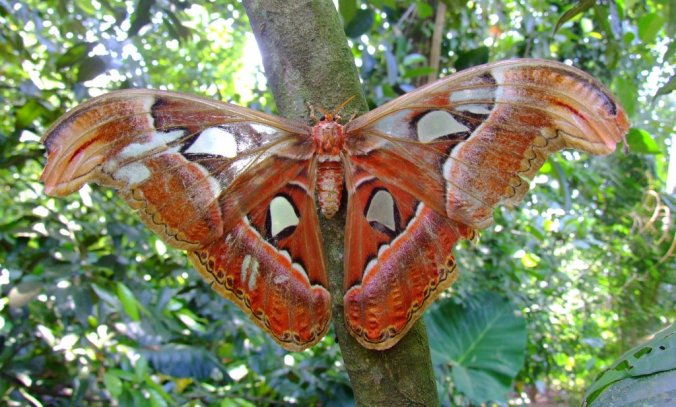 Photo Credit : Ramesh Kidangoor
The Western Ghats is one of the richest treasure troves of biodiversity on this planet, haven for moths, butterflies and other insects. Among the diverse species is the Atlas Moth, with the largest wing surface area in the world having a span reaching over 25 cm (10 in). Continue reading

In South India mango trees start to bloom from December onward. A native of South Asia and the national fruit of India, mangos grow widely in the tropical and sub-tropical regions of the country. Continue reading

Cassia is a moderate sized evergreen tree widely growing in the evergreen and semi-evergreen forests of Western Ghats. One of the popular spices commonly used in the Indian diet, Cassia is generally considered inferior to Cinnamon, but is often used as its substitute. Continue reading
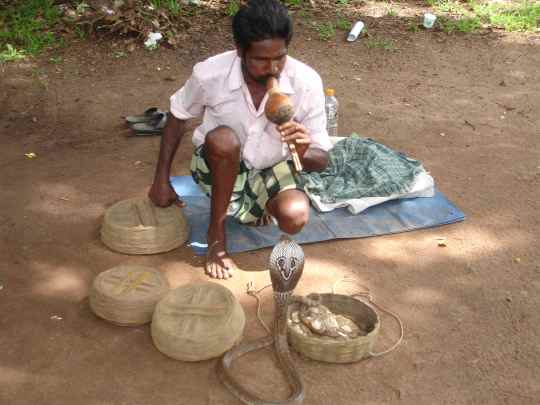
Parade Grounds, Fort Cochin
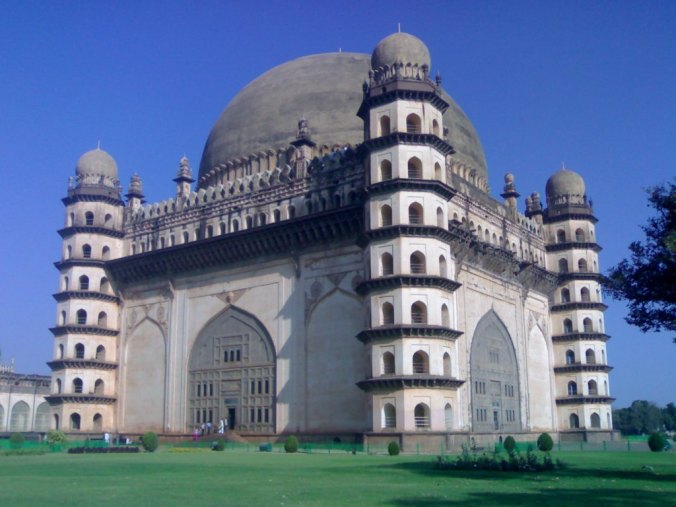 Photo credit: Ramesh Kidangoor
Gol Gumbaz is the tomb of Mohammed Adil Shah, located at Bijapur in Karnataka state. Built in the 17th century, this renowned example of Deccan architecture took close t0 30 years to complete. The significant feature of the structure is its central dome which stands without the support of pillars. The Gol Gumbaz is the second largest dome in the world of this type. It is particularly known for its central chamber, or “Whispering Gallery”, where every sound is echoed multiple times.
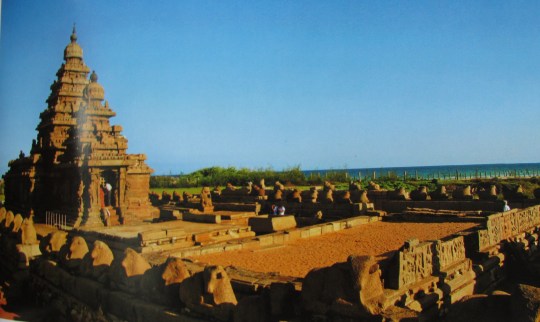
Photo Credits: Salim Pushpanath
The Shore Temple is one of the oldest temples in South India. Built during the 8th Century A.D., it is a good example of the Dravidian style of temple construction. Continue reading
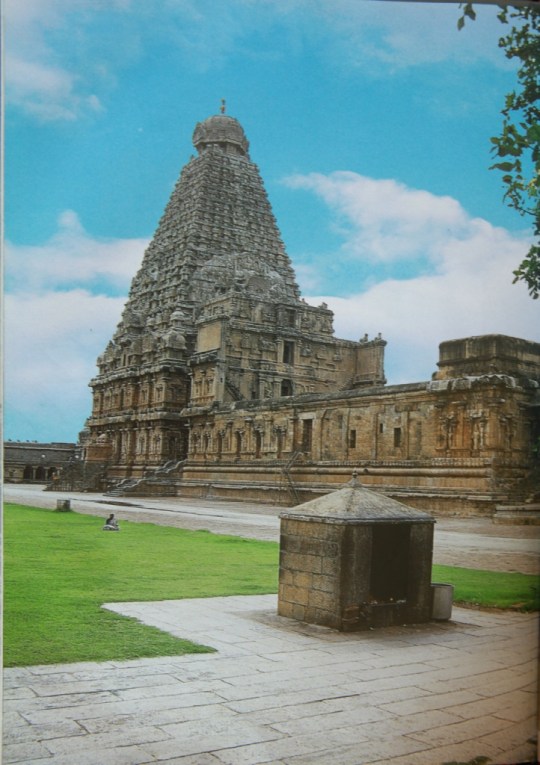
Brihadeeswarar Temple in Tamil Nadu is one of the greatest artistic accomplishments of the Late Chola period. At 216 feet in height, the shrine of this UNESCO World Heritage Site is the largest and tallest in India. This was an imperial monument to Chola power, built without using bricks, lime mortar or clay. The stones are placed one above the other and are held in place due to sheer weight. Continue reading

In South India Temple worship has been a glorious tradition; over the years there have been many schools of Temple building: the Ddravadin, Chalukya, Pallava, Hoysala and Pandya. The Temples were constructed with strict observance of the rules put down in the Agama Silpa Shastras (the book of Architectural techniques). Continue reading
Art and culture are about to explode onto Kochi at a season that is already filled with color and light. Biennales have been taking place for well over a hundred years, starting in Venice and spreading throughout the world.
Just as the lost port of Muziris had been a regional gateway for the world the Kochi Muziris Biennale, the first of its type in India, has the goal of reviving the vibrancy of Kochi as a meeting point of culture and trade. Spanning the calendar period of 12/12/12 and 13/03/13, the three month long exhibition is expected to draw high international visitation in what has been designed as a cultural strategy of self-renewal. Continue reading
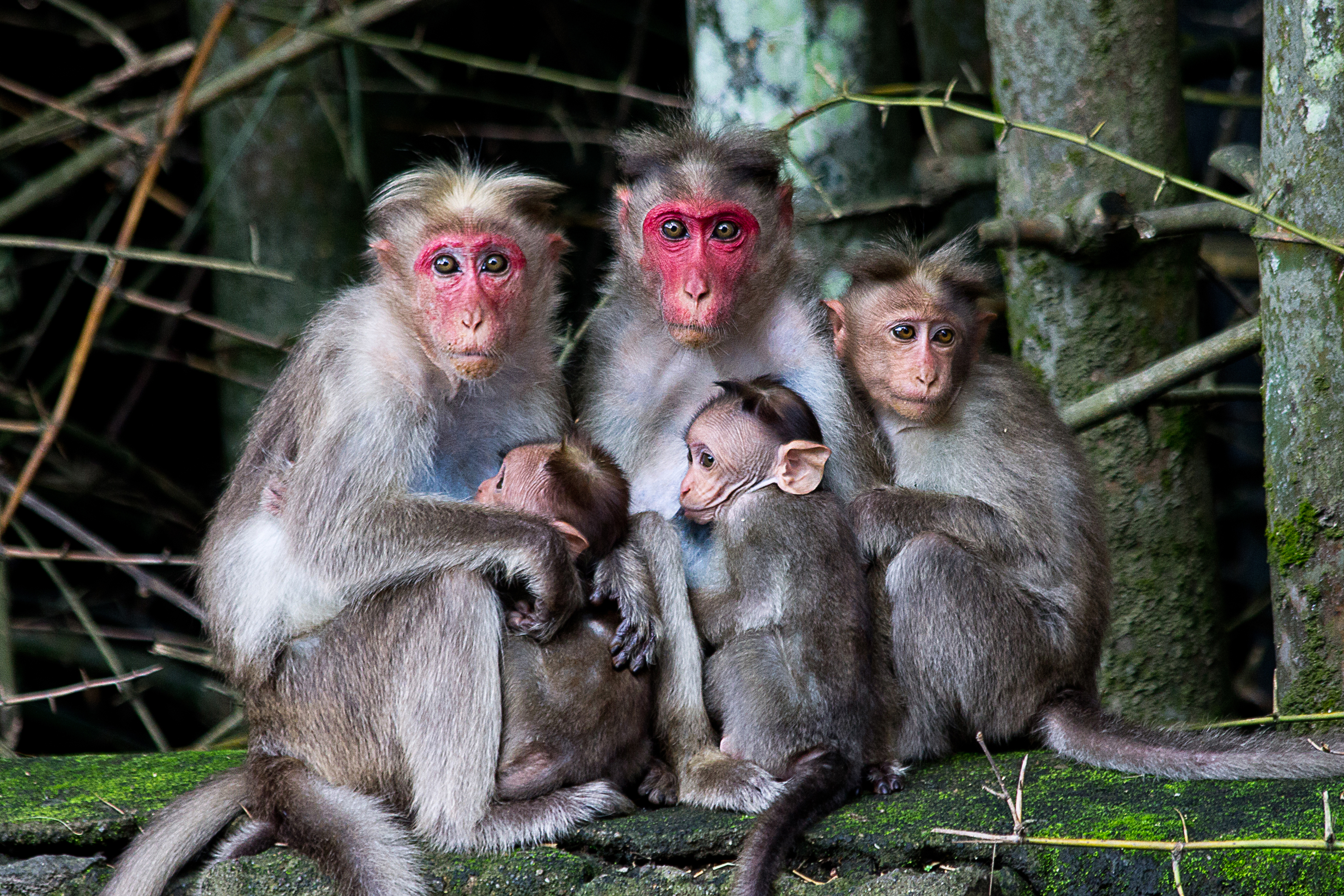
Anyone who has been to Thekkady is familiar with their extroverted nature. They screech and cackle, chase and fight each other in the most public spaces possible, and love to make themselves a nuisance. Bonnet Macaques are ubiquitous, quite probably because of how outgoing and shameless they are – and they seem to like their families big.

Cumbum is located about 25km away from Thekkady and is famous for its weekly fresh vegetable market. People from Kerala and Tamil Nadu buy their produce here both in wholesale and for domestic use. Garlic, Onion, Tomato, Okra, Beans, Carrot and Green chilies are the popular vegetables from this market.
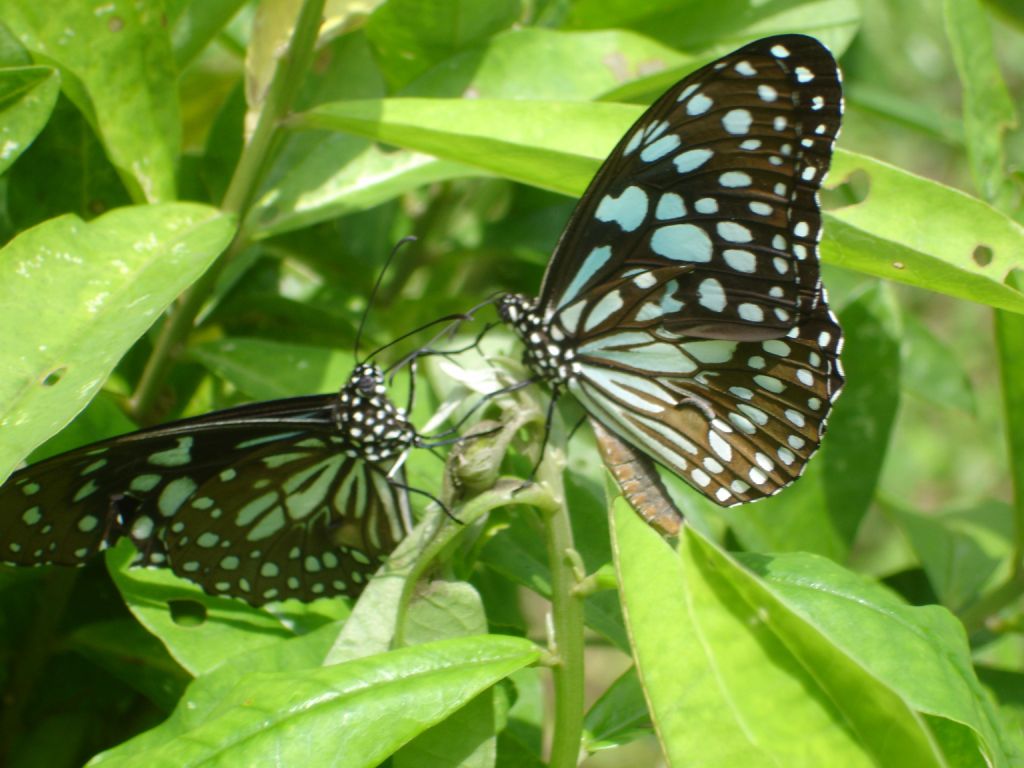
Photo credits: Amie Inman
The Blue Tiger is one of the butterflies found commonly throughout most of India, both in the hills and in the plains. These butterflies are frequent visitors to gardens and the Pink Cockscomb (Ageratum conyzoides) is its favorite flower. Continue reading
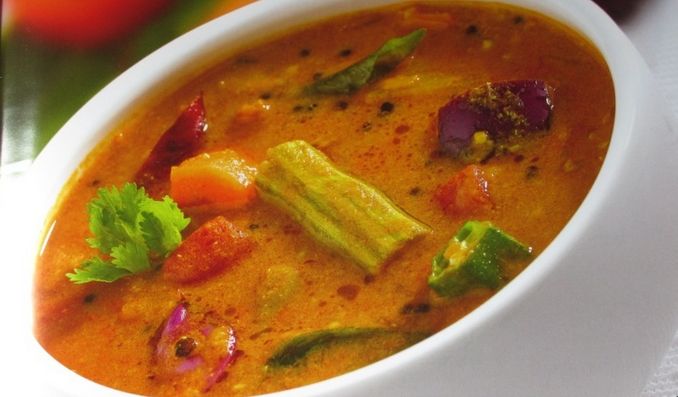
Sambar is an example of a traditional South Indian spiced vegetable stew. It is a classic dish made with lentil and tamarind based broth, usually served with plain rice, Idli or Dosa, or an element in thali (banana leaf) meals. Each state of South India prepares it with a typical variation adapted to its culture and taste. Continue reading
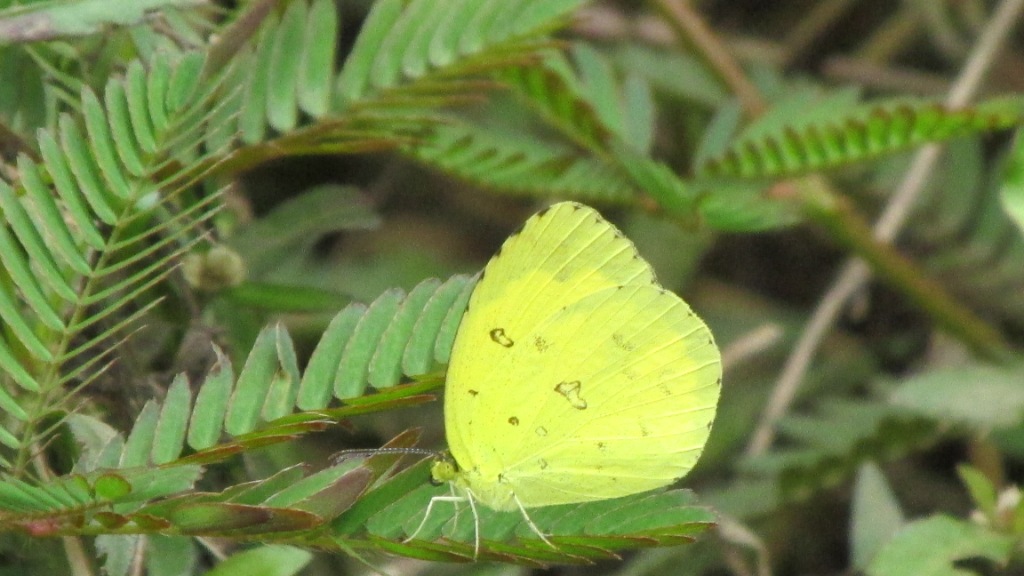
The Common Grass Yellow butterfly is one of the most common and abundant butterflies in India recognizable by its bright lemon yellow wings with black bordering on the upper side and brown markings on the lower side. The females are larger than males. These butterflies are found flying close to the ground along grassy patches.Cassia fistula, Cassia lora, Albizzia, Cassia alata, Cassia sothera and Cassia mimosoides are the favorite food plants for this species.

These trees are very common in the moist deciduous forest of the Periyar Tiger Reserve, widely growing up to 850 meters in South Indian forests. These trees bloom from August to December with flowers that are white in colour and turn to red as they fruit.
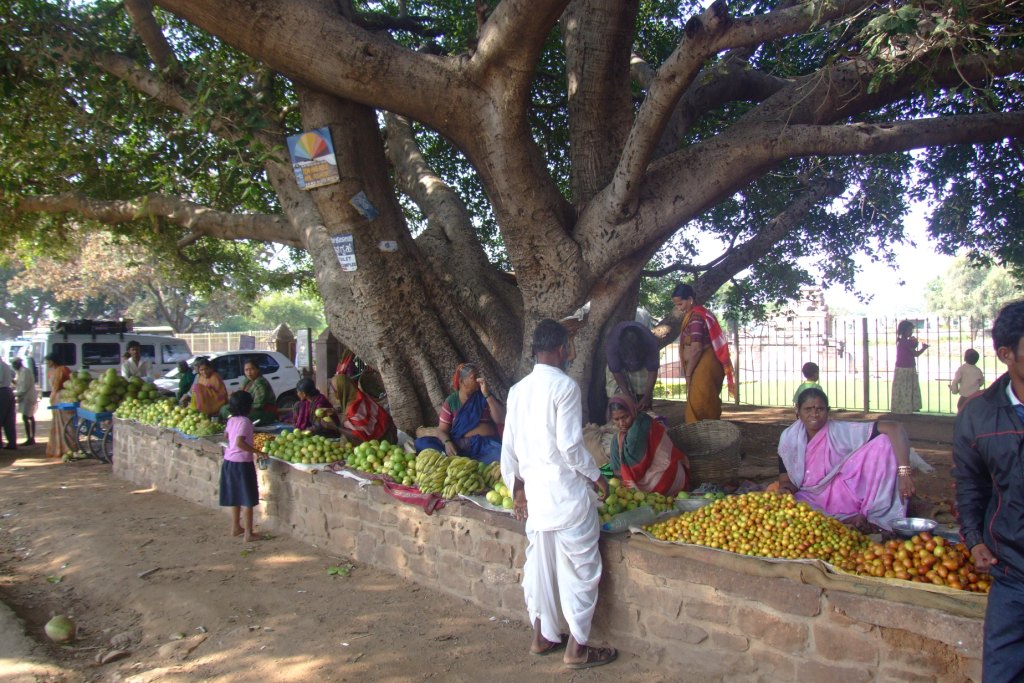
Urban Markets play an important role in the Indian economy. A large number of people depend upon these ideal places to get fresh local vegetables and fruits. Continue reading
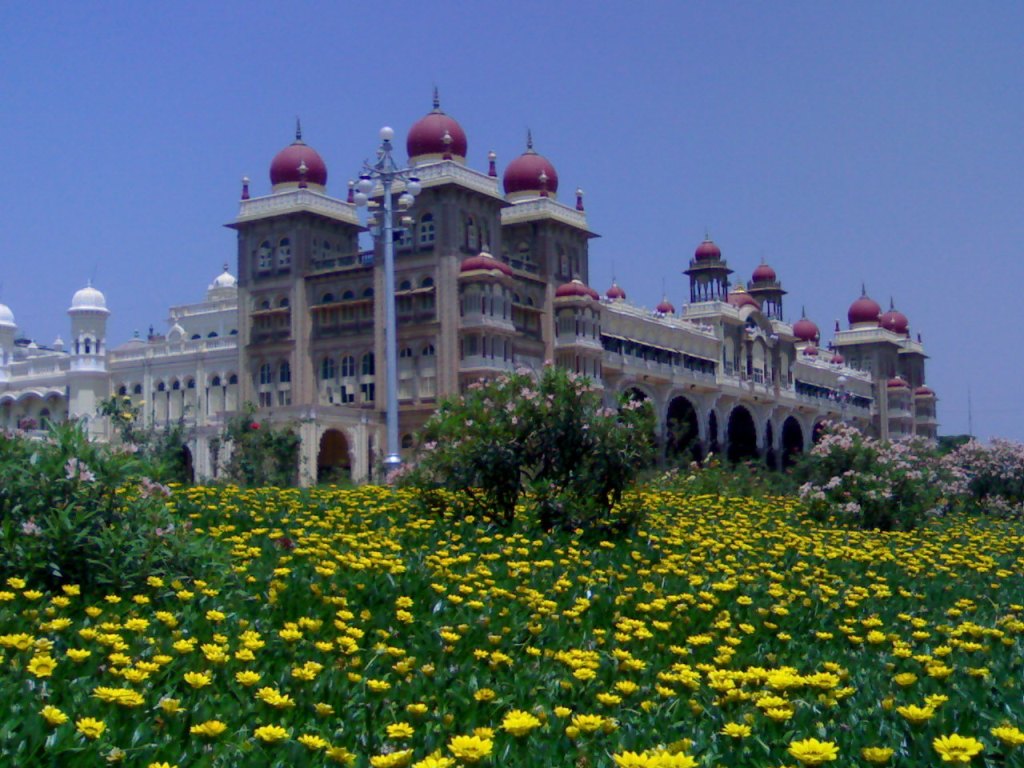
Photo credits: Ramesh Kidangoor

Located in the heart of Mysore City, Mysore Palace is one of the biggest and most spectacular palaces in the country. The original palace was built by the Wodeyar Kings during 14th century. The wooden structure was demolished and reconstructed many times over the centuries. The current palace, commissioned in 1897, is built in the Indo-Saracenic style, blended with Hindu, Muslim, Rajput and Gothic styles of architecture with stained glass, chandeliers and elaborate grill work imported from all around Europe.
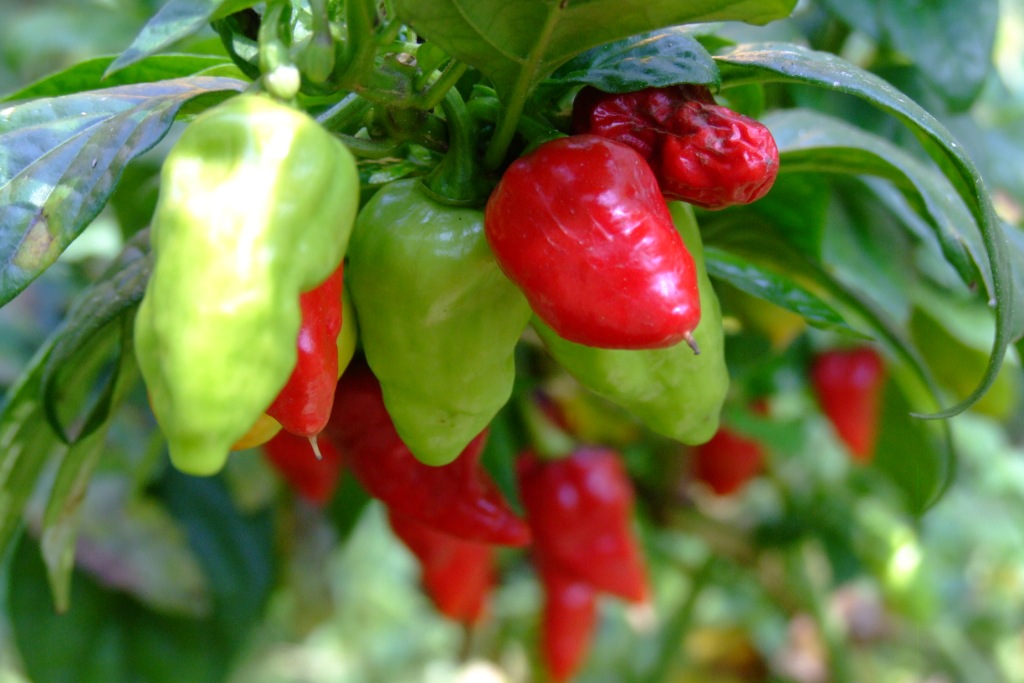
Chilies are an important food ingredient for all Indian recipes, especially in South Indian curries. They are commonly cultivating throughout India, although the fruit itself originated in the Americas and only spread eastward in the Columbian Exchange. They are now an important part of cuisines across the globe.
 Organikos