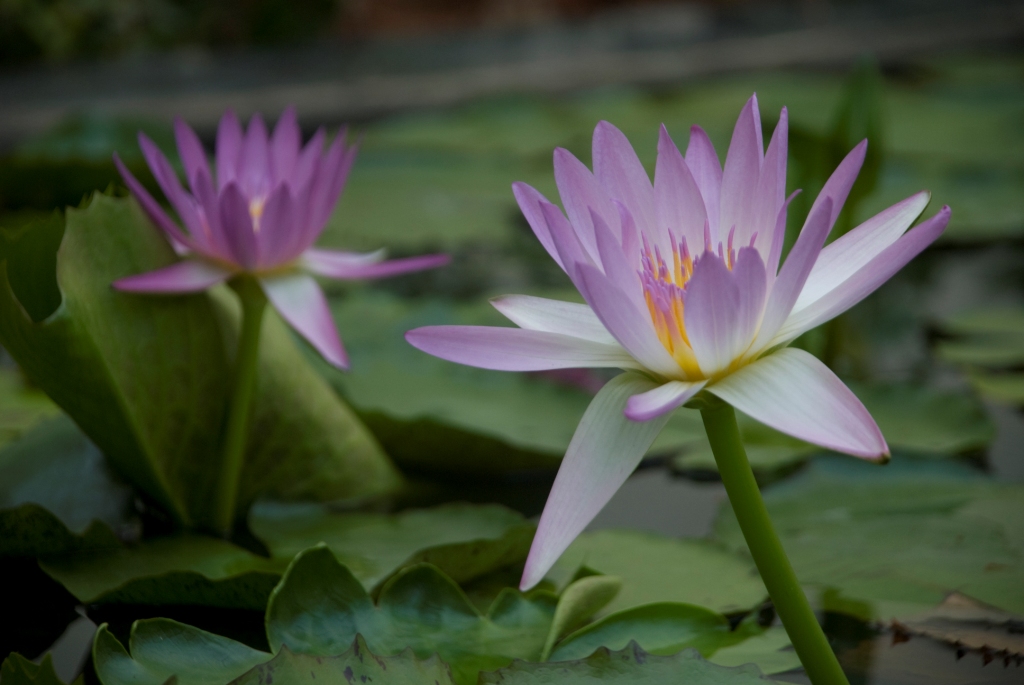
Blue Water Lily (Nymphaea nouchali)

The Blue water lily is an iconic fresh water plant which is also known as Blue Lotus of India. It is widely seen in Kerala mostly growing in the fresh water ponds and brackish backwaters. The leaves of the water lily are oval shaped with a notch in the leaf stem. The solitary flower blooms in the dawn and withers in the dusk.

Continue reading

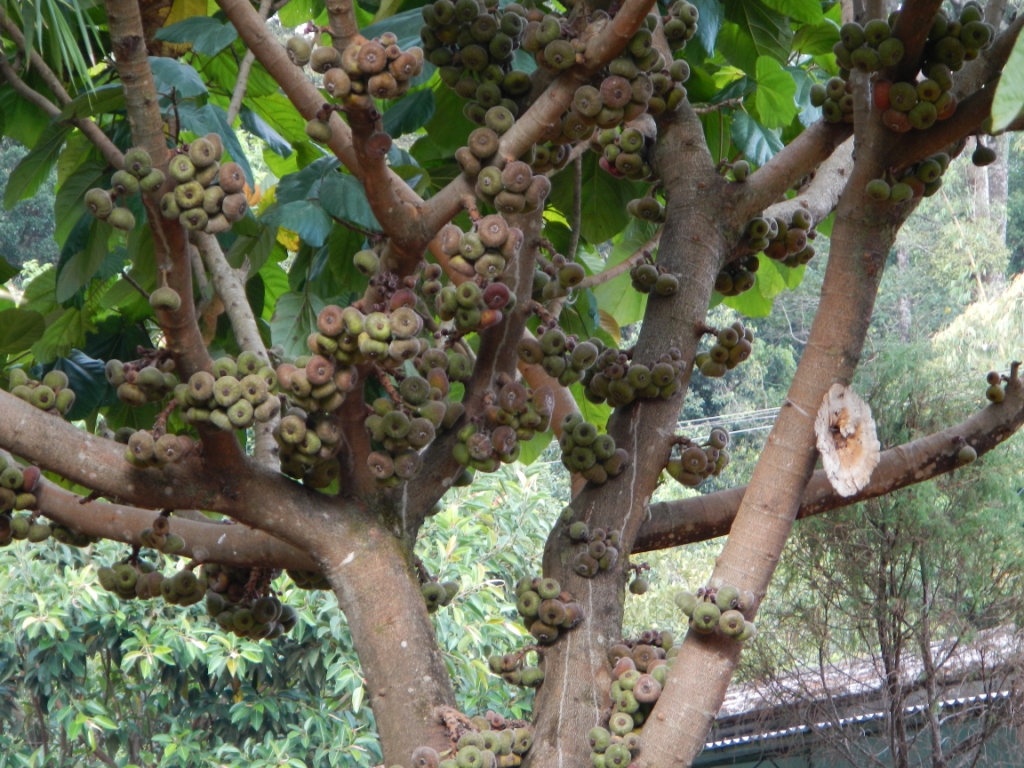
Elephant Ear Fig Tree – Ficus Auriculata

Ficus Auriculata Tree

The Elephant Ear Fig tree is a semi-deciduous tree with large leaves and reddish fruits on its branches. The tree grows up to 1500 meters. It is commonly planted in villages. The leaves of this tree are an important fodder source due to its good nutritional qualities. Farmers consider this as better than other fodders.

Continue reading

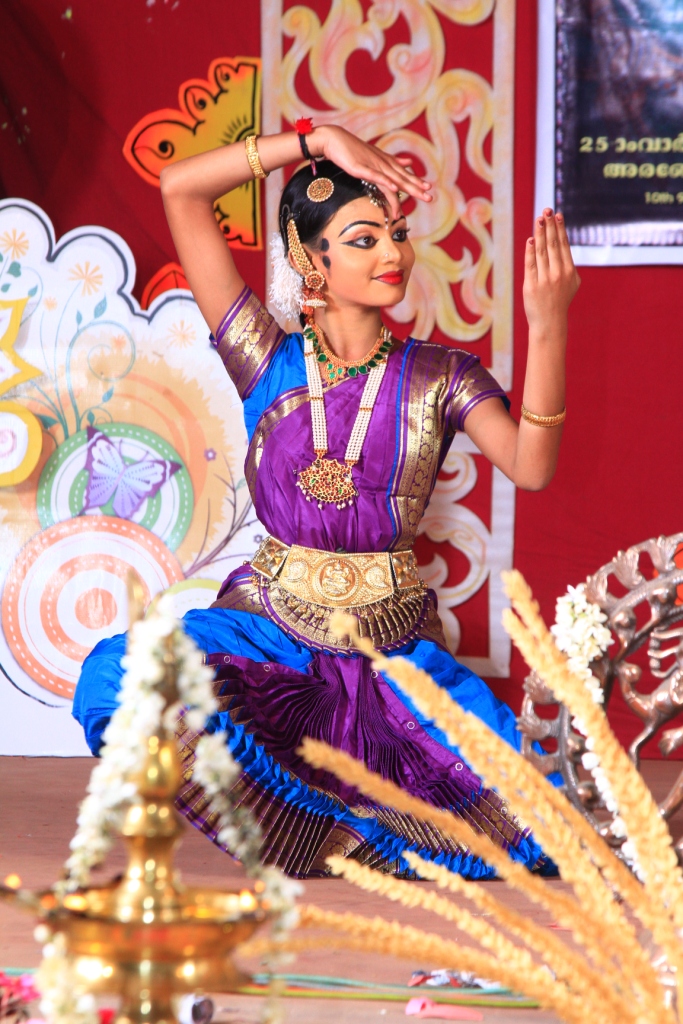
Bharatanatyam

Bharatanatyam originated around 2000 years ago, making it one of the most ancient of all Indian Classical Dances. It is performed along with south Indian vocal songs and with instruments like violin, flute, Mridangam (drums) etc. In the ancient times it was only performed in the temples and courts of South India.

Continue reading

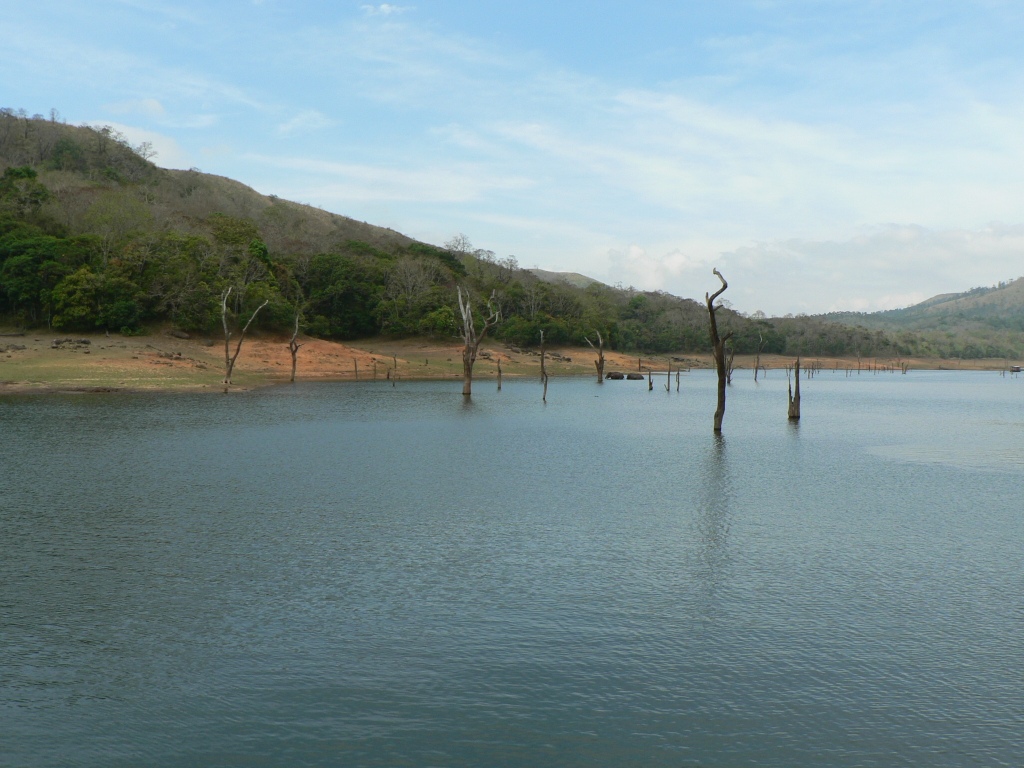
Thekkady, Through an Old Camera’s Lens

“We have fallen heirs to the most glorious heritage a people ever received, and each one must do his part if we wish to show that the nation is worthy of its good fortune.” –Theodore Roosevelt

We have commented elsewhere on the counterintuitive observation that hunters and fishermen are sometimes, perhaps even often, the best conservationists. (See Seth Inman’s posts from last autumn.) At least in the “North American Wildlife Conservation Model” established in the early 20th century it can be understood that way. Some environmentalists would call the slope between the two concepts a “slippery” one.

Theodore Roosevelt, the 26th President of the United States was a very public example of this. Approximately 230,000,000 acres of wilderness, including deserts, mountains, wetlands and forests were placed into the public trust under his presidency. I wrote about his importance to the early conservation movement in the U.S. in a post called The Natural. At the time I wrote that post I purposefully avoided using the archival photographs that portrayed Roosevelt’s long history of hunting, assuming it wouldn’t fit with our Conservation point of view. Continue reading

Yoga & Evolution

A few months ago there was an article in The New York Times that apparently caused a ruckus (click the image to the left to read The Guardian‘s coverage of that aftermath) in the Western yoga community.  Maybe it is because I am not a member of the Western yoga community that, when I read the article originally I thought:   Brilliant.  Eastern tradition meets Western science.  Evolution.  Improvement.

Today I had a reminder about that article, and my response to it, while listening to this podcast.  The journalist (a Pulitzer-toting science writer who also has practiced yoga for more than 40 years and recently published The Science Of Yoga) writing that article says something about half way through that rings true: Continue reading

Thekkady Remembered

This slideshow requires JavaScript.

Our contributor Vijaykumar Thondamon received an extraordinary gift last week: His Highness Marthand Varma of Travancore, who celebrated his 90th birthday March 16th, presented him with his collection of rare photos of Thekkady.  We are honored that Mr. Thondamon is sharing them with us. Continue reading

Marketable Faces: Part Three (Melting Pot)

The fringes of society are not the only point of convergence for odd characters. Least of all in India. Confronted by a foreigner with a camera, a man of modest means, excited by said foreigner’s appearance and interest in him, might act rather queerly. Although this response isn’t strictly natural in the general sense, it is by no means posed or artificial, as the subject is acting entirely of their own accord. So when they proffer bananas in shock, or hide their face behind a cup of chai or a cigarette, that’s the reaction I capture. The most frequent response is nervously calling out to friends nearby to “get a load of this”.

Continue reading

Amritsar, India: The Golden Temple

Guest Author: Carl Zainaldin
A few weekends ago I visited the Golden Temple at Amritsar, a city located in the state of Punjab, located about 30 km from the India-Pakistan border.

The Golden Temple was first conceived in the 16th century by Guru Raam Das., and was completed in 1604. In 1830, the Temple was renovated and plated with gold, and in 1993 a prominent Sikh sponsored its renovation and subsequent revival.

Continue reading

Periyar Sightings: March 14, 2012

Today we happened to meet Mr. & Mrs. Daya who stayed at Cardamom County from the US. They were happy to share their experience of safari at Periyar Tiger Reserve.

We were very pleased & happy to see the animals at Periyar Tiger Reserve. We had very good sighting of the gentle giant (Elephant), but were a little disappointed due to the distance. We could not spot them very nearly. We’ll go back again and hopefully we’ll see more before we leave tomorrow. We really enjoyed our experience in the Periyar Tiger Reserve.- Mr. Daya

Continue reading

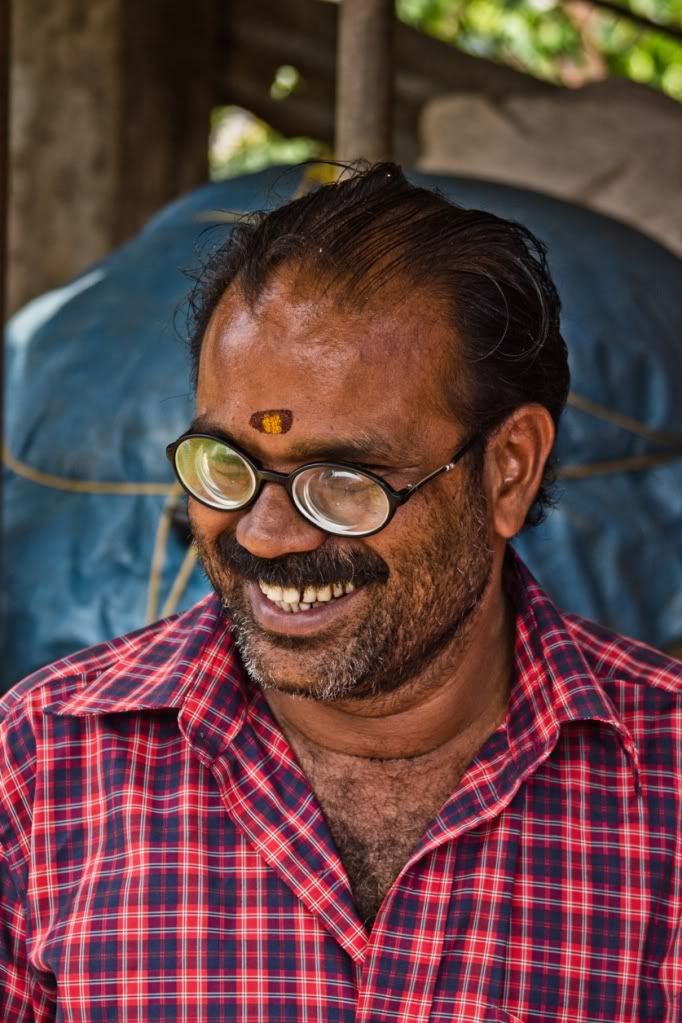
Marketable Faces: Part Two (Men of a Certain Age)

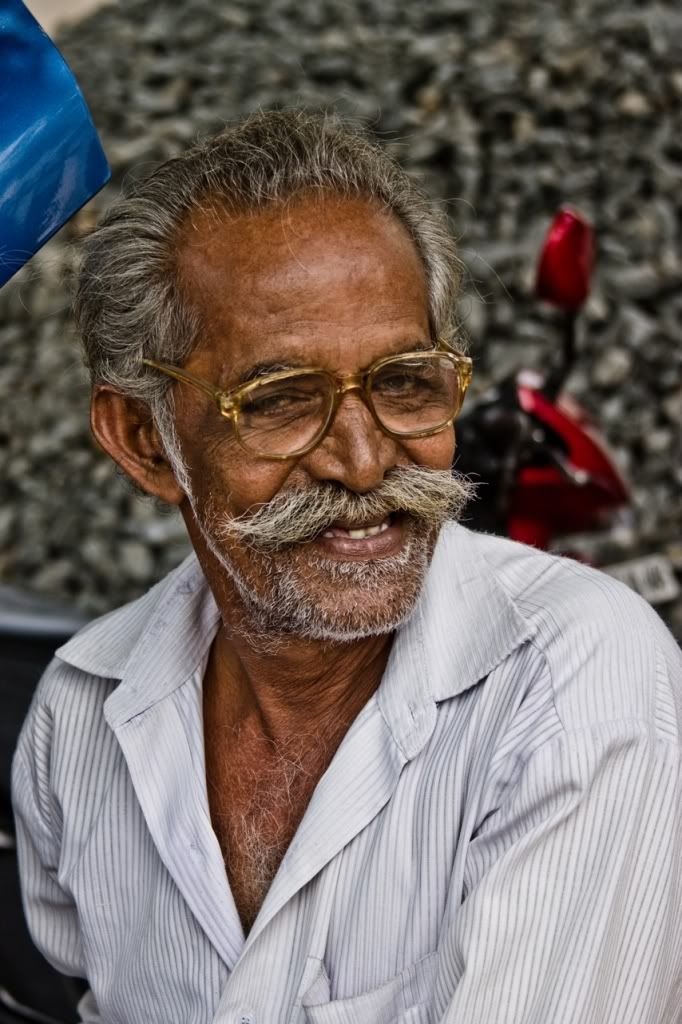
There’s something about Indian men above the age of fifty. Their features seem to lend themselves to being photographed. When they have beards, they are twice as photogenic, and when they crack a smile, it’s twice as radiant as that of a man half their age. One of my favorite aspects of the British colonial residue (or perhaps the Indian custom rubbed off on the Brits!)  is the extravagant facial hair exhibited by many Indian men of a certain age – Keralites with enormous mustaches are not as common as in Tamil Nadu, but when they do it, they do it with class.

Continue reading

Gavi Sightings: March 13, 2012

Mr. & Mrs. Kash, our guests at Cardamom County, have shared photos from their jeep safari excursion to Gavi- a widlife sanctuary at the Periyar Tiger Reserve.

We stayed at Cardamom County, Thekkady in Kerala planning to spend our day inside the forest. The staff suggested we go to Gavi. The three hours of open jeep safari along the path situated between the mountains was so exciting. During the  jeep safari we had some good mountain views & the driver showed & explained the depth and height of the mountains. Then we trekked inside the forest along with a forest guide. We didn’t have much luck spotting animals but saw some black monkeys (Niligiri Langur), Malabar giant squirrel & some birds. It was a wonderful & unique experience to be in Gavi, one of the beautiful settings of the Western Ghats. – Mr. Kash

Continue reading

Periyar Sightings: March 12, 2012

Mr. Remack & his family (from France but originally from the US) were guests at Cardamom County and shared their moments in the Periyar Tiger Reserve with us.

During our stay at Cardamom County my family and I visited the Periyar Tiger Reserve. Because the sun seemed quite hot we didn’t expect that we would spot many animals. But we were very lucky to spot the wild dogs ready to hunt sambar deer, an elephant and some of the wild boars. We spotted some birds too. We were really pleased to have such wonderful sighting. – Mr. Remack

Continue reading

Sightings at Periyar Tiger Reserve

Ms. Rita & her colleagues (our current guests at Cardamom County) from Malaysia have shared some of their photos taken during the Nature Walk at Periyar Tiger Reserve.

I have visited Kerala every year for the past few years with my colleagues. This time we stayed at Cardamom County, where we scheduled a Nature Walk in the Periyar Tiger Reserve. We had some good sightings of  birds and animals. It was an excellent journey being in the forest with just the four of us and our forest guide. The guide seemed to be very experienced, giving information all along the path which we followed in Periyar Tiger Reserve. We also spotted little tadpoles. The guide informed us that it is the current breeding season for them. We enjoyed it a lot and hope for the same in future. – Ms. Rita

Continue reading

Cottage Industry

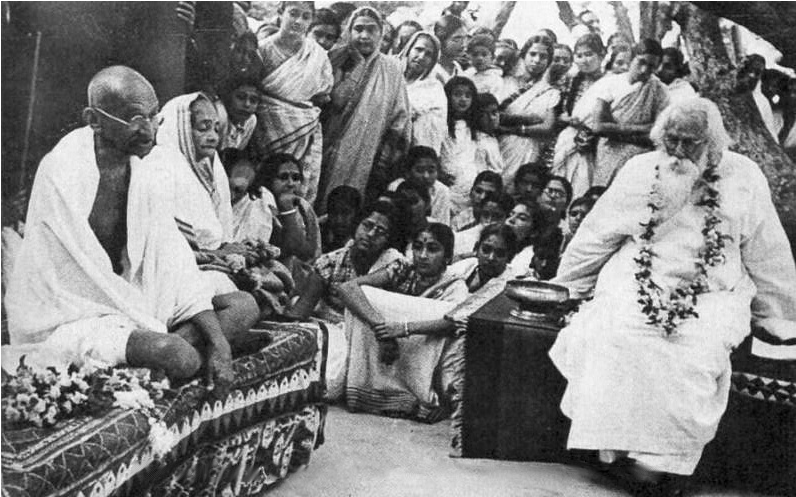
Nobel Laureate Rabindranath Tagore founded Shanti Niketan (meaning an Abode of Peace) laying the foundation for what is today known as Vishva-Bharati University, home of one of the best art colleges in the world. In 1922 Mohandas Karamchand Gandhi visited Santiniketan and met Sushen Mukherjee, a young man inspired by the movement for Indian Independence. The meeting influenced Mukherjee to set up Amar Kutir “my cottage” in 1927, establishing a rudimentary cottage industry for sari printing, handloom, and leather craft production 15 miles away from Santineketan on the banks of the Kopai River near West Bengal. Continue reading

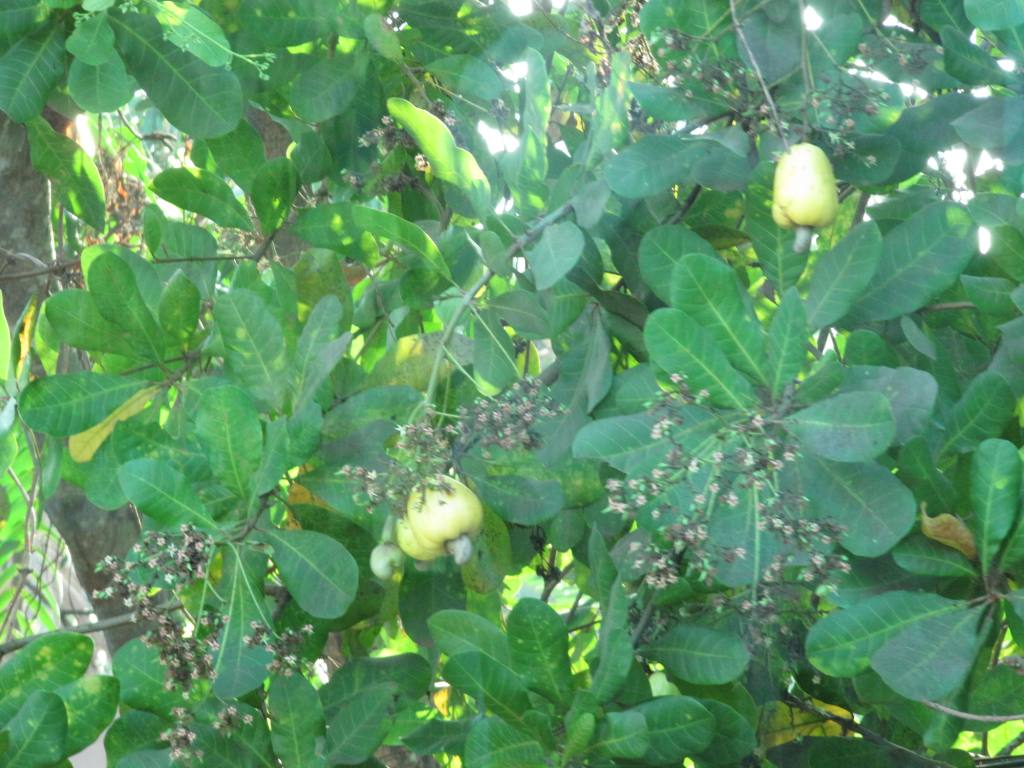
Cashew-nut tree (Anacardium occidentale)

The Cashew-nut tree (Anacardium occidentale) is a fast growing tropical evergreen tree which grows up to the 12 meters in height. The nut is attached to the lower portion of the cashew apple which is conically shaped. The cashew nut (seed) hangs at the bottom of the apple, covered by a shell that hardens as it ripens.  Continue reading

Periyar Sightings: March 8, 2012

Mr. Roshan & family from the U.S.A were staying with us and shared their experiences of the Periyar Tiger Reserve.

Coming from the Rocky Mountains our family loved the 3 hour Nature walk in the Periyar Tiger Reserve. We were so impressed by the large Indian Wildlife such as the Sambar deer & Indian gaur (Bison). We also saw the world’s smallest deer (the mouse deer) and many birds and monkeys. The forest felt very safe with our knowledgeable forest guide. – Mr. Roshan Continue reading

The Largest Team Sport – Snake Boat Race

Snake Boat races are the largest team sport in the world. These races integrate team spirit, adventure and a great sense of rhythm. A number of small boats also participate in these events. Usually, a snake boat is manned by four helmsmen, 25 singers, and 100-125 oarsmen, who row in unison according to the fast rhythm of the racing songs. The songs sung by the helmsman is known as ‘Vanchipaatu’. Boat races take place seasonally. The Champakulam Moolam Boat Race in Jun-Jul at Alappuzha, the Aranmula Boat Race in Aug-Sep at Aranmula, the Payippad Jalotsvam during the Onam festival in Aug-Sep at Alappuzha, and the Nehru Trophy Boat Race in the second Saturday of August at Punnamada Lake-Alappuzha. The following photographs were taken at the Payippad Jalotsvam Boat Race  by Mr. Joshi Manjummel during the last Onam festival in August-2011.

Photo by Mr. Joshi Manjummel at Payippad, Alapuzza

Continue reading

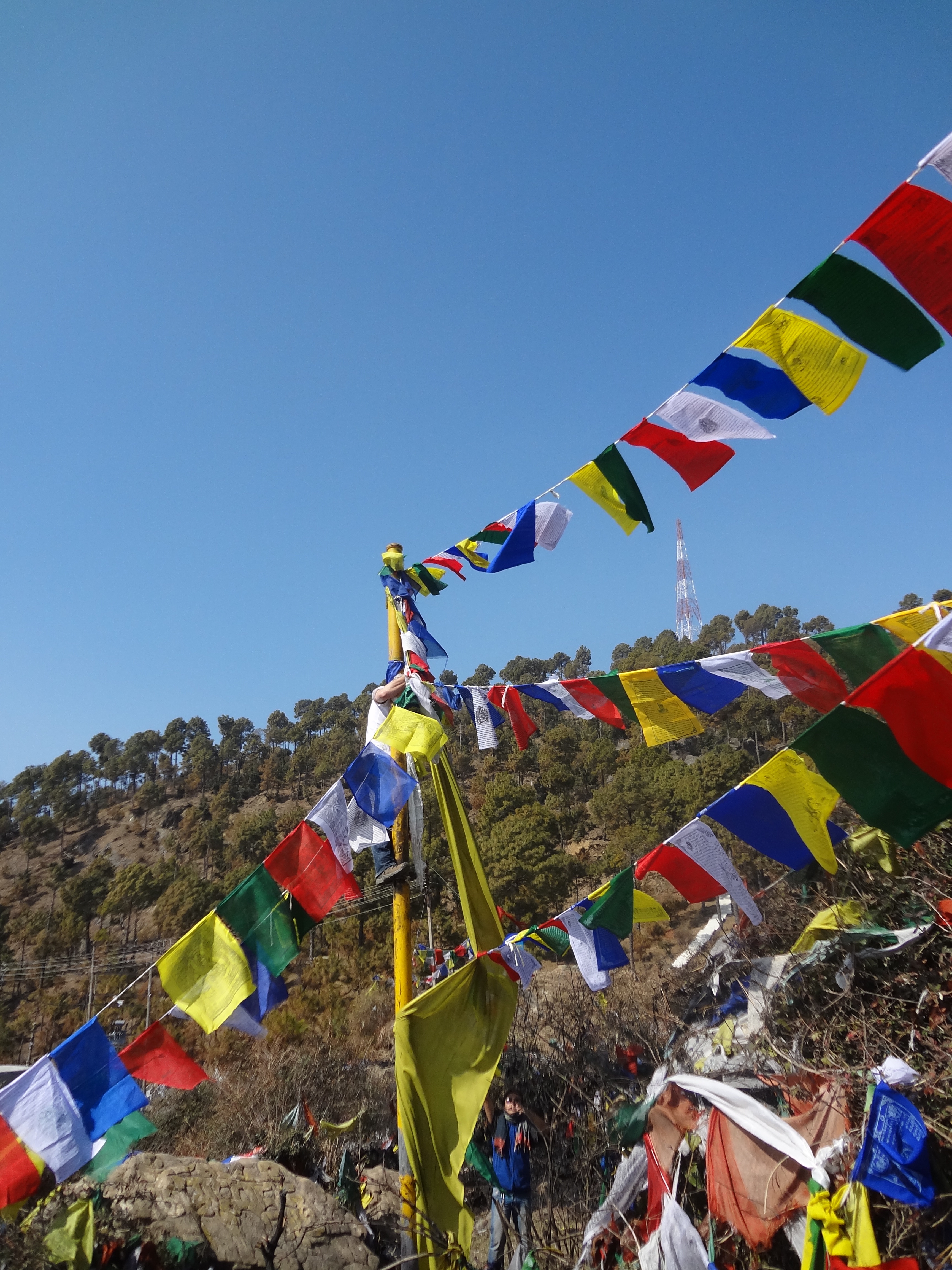
Losar, the Tibetan New Year

Guest Author: Carl Zainaldin

Losar, the Tibetan New Year which usually falls sometime in February, is celebrated by Tibetans all around the world. Lo means year, and sar means new. The Tibetans use a lunar calendar, and Losar falls on the first day of the new month, marked by the first new moon of the year.

Losar lasts for fifteen days, with the celebrations occurring on the first three days. To bring in the New Year, Tibetans dance, sing, drink chaang (a Tibetan beer that is served warm), and bake special goods such as khapsays (dough fried into butter and made into special shapes and various flavors).

Losar is a time for people make pilgrimages to sacred Buddhist temples and monasteries. Monasteries perform Losar pujas (rituals) which are popular events for Tibetans to attend. These pujas include ritual dancing, reciting Buddhist scripture, and performing offerings to certain deities, all of which are supposed to be auspicious activities to bring in the New Year. Continue reading