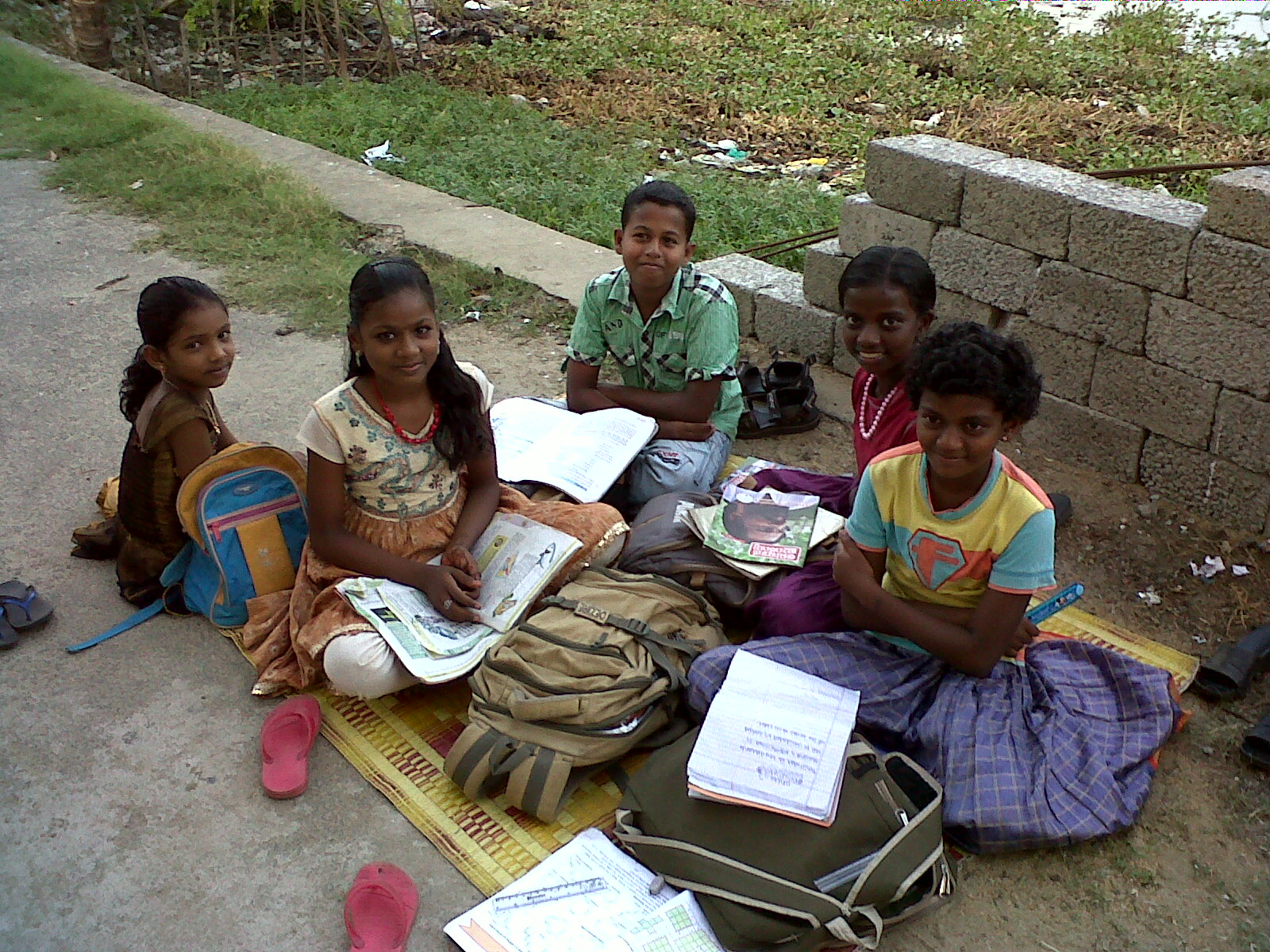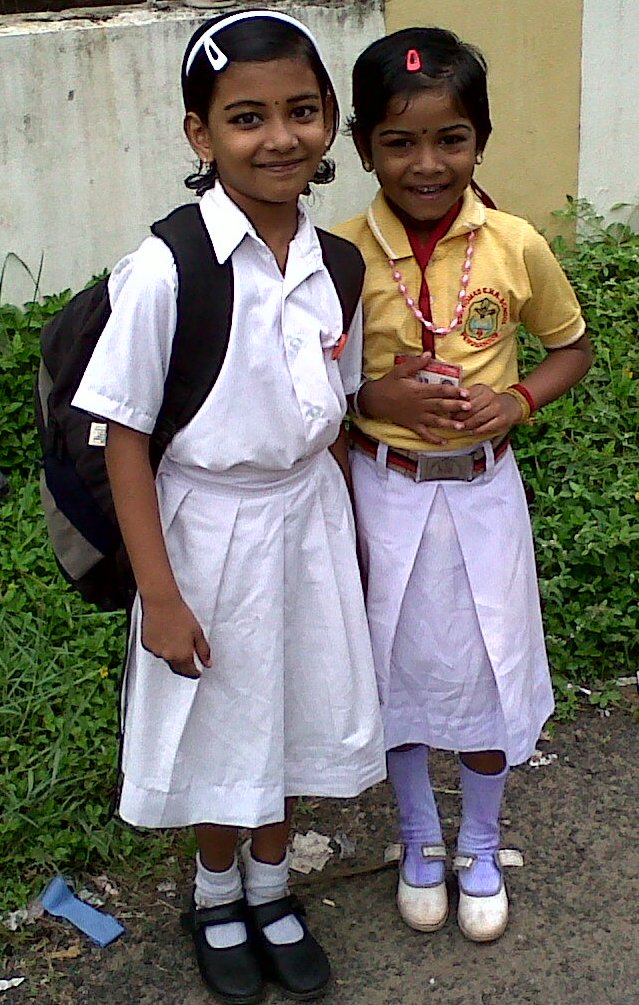
Those not roaming or sifting, waiting for school or playing cricket, are often sitting right here in the late afternoon. Their instructor is nearby, always happy to have a passerby speak English to her tutorial group. And they are always eager to showcase their favorite phrases. Continue reading
India
Our Gang, Thevara (#4)
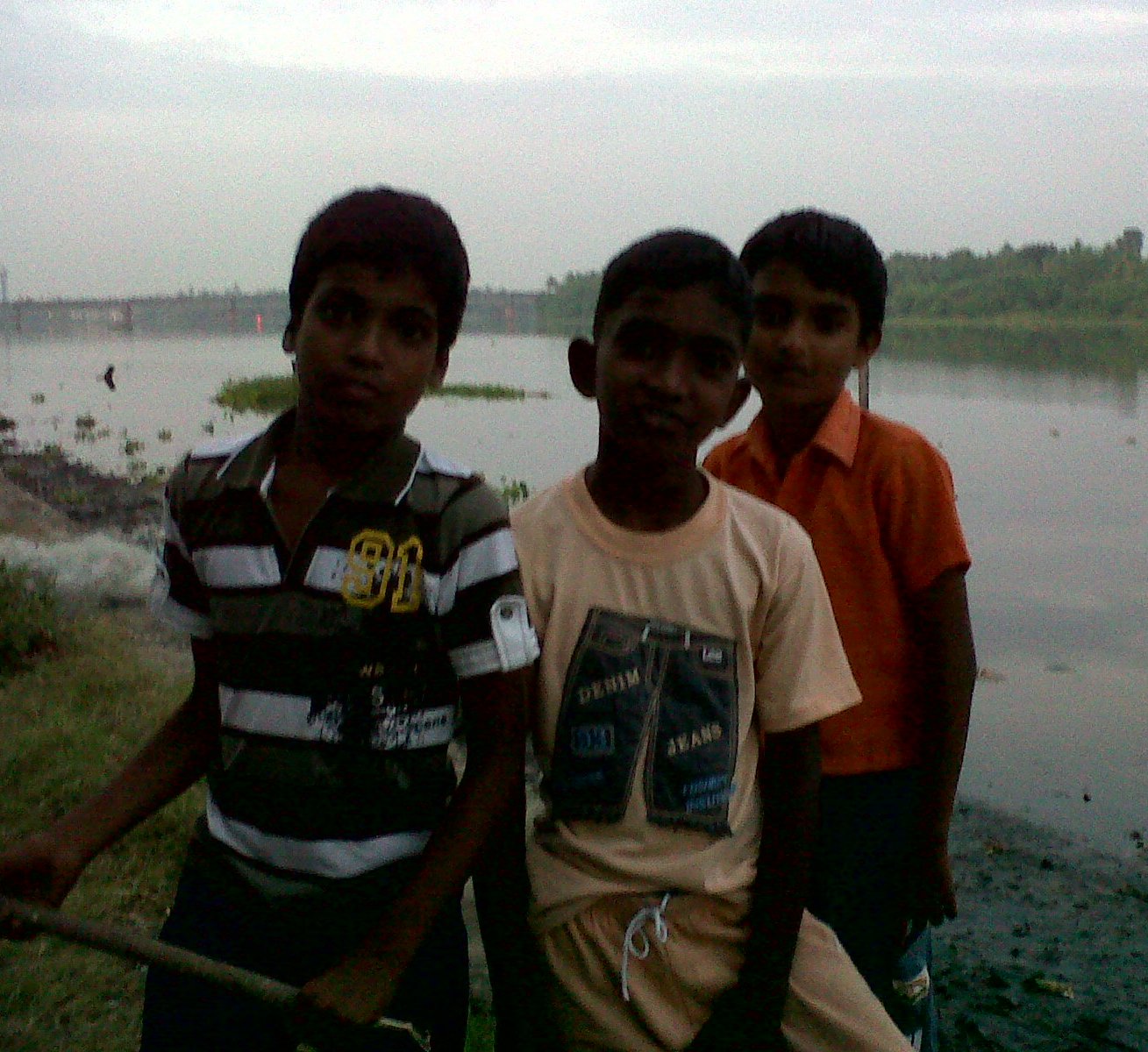
Sometimes they are roaming on bikes, other times sifting through the nets of the neighborhood fishermen at dusk, the boys in our ‘hood are always looking for a portrait. Continue reading
We Are Not The Only Ones
Normally we are watching for them in Thekkady or at the orphanage. But they are elsewhere also. In Munnar, where there are both tea estates and plenty of forest, elephants are always lingering.
Urban Deterioration
You see them everywhere you go in India: buildings crumbling, their bricks and mortar moldering and turning to dust over the decades. Paint peels, debris accumulates, industrious plants creep surreptitiously along the gritty terrain until before you know it, a small forest occupies the ruins where Uncle Kumar’s tea shop once stood. But that’s urban decay. I like to call the process itself urban deterioration – the point at which the elements’ progress is visible, and still reversible, but steadily inching towards, for all intents and purposes, the end of a small bit of civilization.
Our Gang, Thevara (#3)

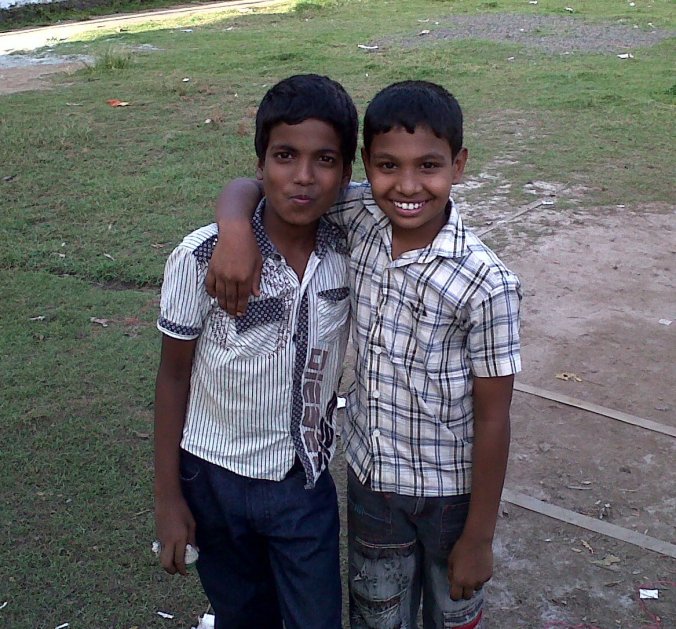
In more than one earlier post, we might have given the impression that every young person in our neighborhood seems to smile all the time. Not necessarily so, though most do. But for certain when they see someone they do not recognize, they will definitely say hello.
Water Resources
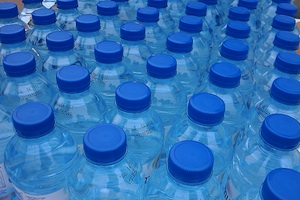
We are in constant search mode for methods to reduce the use of plastics in India. Plastic water bottles are the big frontier to conquer for resorts–no matter how “green” they may otherwise be–in particular. Travelers are educated from so many sources–guidebooks, travel agents, government advisories, etc.–to demand sealed plastic water bottles (or else not drink from any other source). Continue reading
Water, Success, India
Those are three words that have a certain ring together. But as per their tradition of seeking out news with a purpose, we appreciate this story in the Monitor, not least because it has to do with our neighbors to the north. Click the image below to read the story at its source.

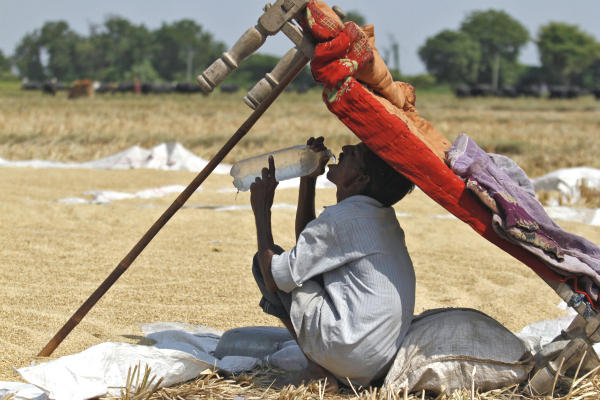
A laborer drinks water while taking a break from spreading paddy crop in a field on the outskirts of the western Indian city of Ahmedabad. In the tiny village of Wankute, water-management practices have eliminated the need to haul water to the village by truck, raised the water table, and widened the variety of crops that can be grown. Amit Dave/Reuters/File
Wankute, a tiny village located high in the Sahyadri mountain range of the Maharashtra state of India, was dry and near-barren in the 1990s. Agriculture was limited to crops that could withstand hot temperatures and little water, such as millet and certain legumes.
What Is India?
For any new resident of India, let alone its own citizens, the question is always interesting.
The following is the text of a speech delivered by Justice Markandey Katju, chairman of the Press Council of India, at Jawaharlal Nehru University on November 14, 2011.
Friends,
I am deeply honoured to be invited to speak before all of you. My time is limited, as I was told I should speak for 30 minutes and after that there will be a question answer session. As my main speech will be restricted to 30 minutes, I may come to the topic of discussion immediately, that is, What is India? …
…The difference between North America and India is that North America is a country of new immigrants, where people came mainly from Europe over the last four to five hundred years, India is a country of old immigrants where people have been coming in for 10 thousand years or so.
Thekkady’s Streets
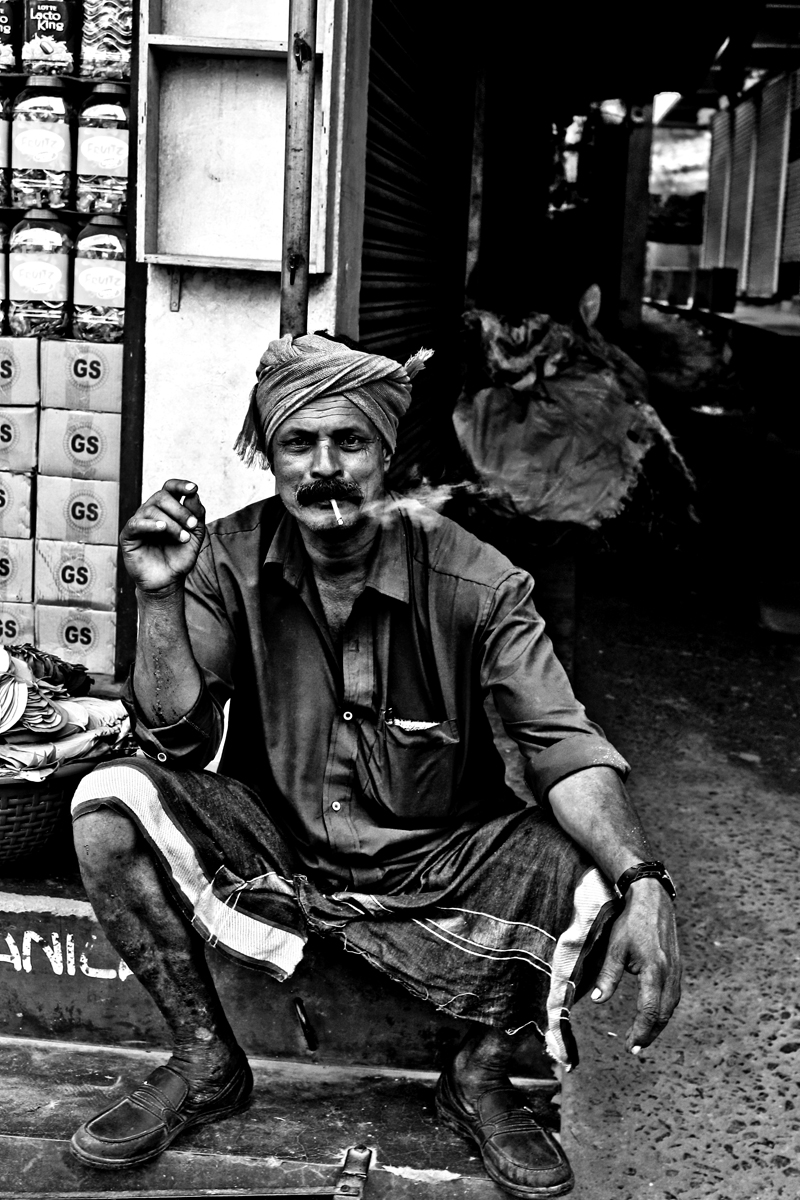
Although I thoroughly enjoy viewing street photography for its spontaneity, diversity, and ability to display the flow of life of any culture, I generally refrain from partaking due to a generally awkward disposition and inhibitions around strangers. Being unusually tall (to Indians) and quite white, I also get a lot of stares as it is, and waving a camera around at people certainly does not make me go unnoticed. However, in areas more frequented by ‘foreigners’ such as Thekkady, a tall Caucasian isn’t all that exciting, and many locals are in fact enthusiastic to have their pictures taken.
Mahatma Gandhi In Paris
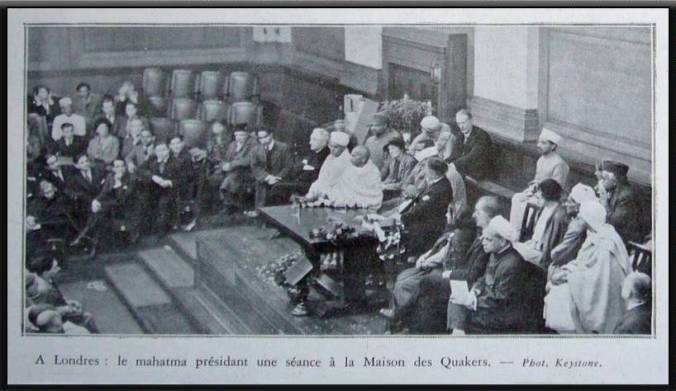
With a mission like this how could we not pay attention? The image above links to the story about two of our favorite subjects, brought together by The Caravan. The image is from a French magazine, which covered the Mahatma’s visit to Paris (and elsewhere) with reverence.
Tal’s Photos, Michael & The Tiger Trail Crew
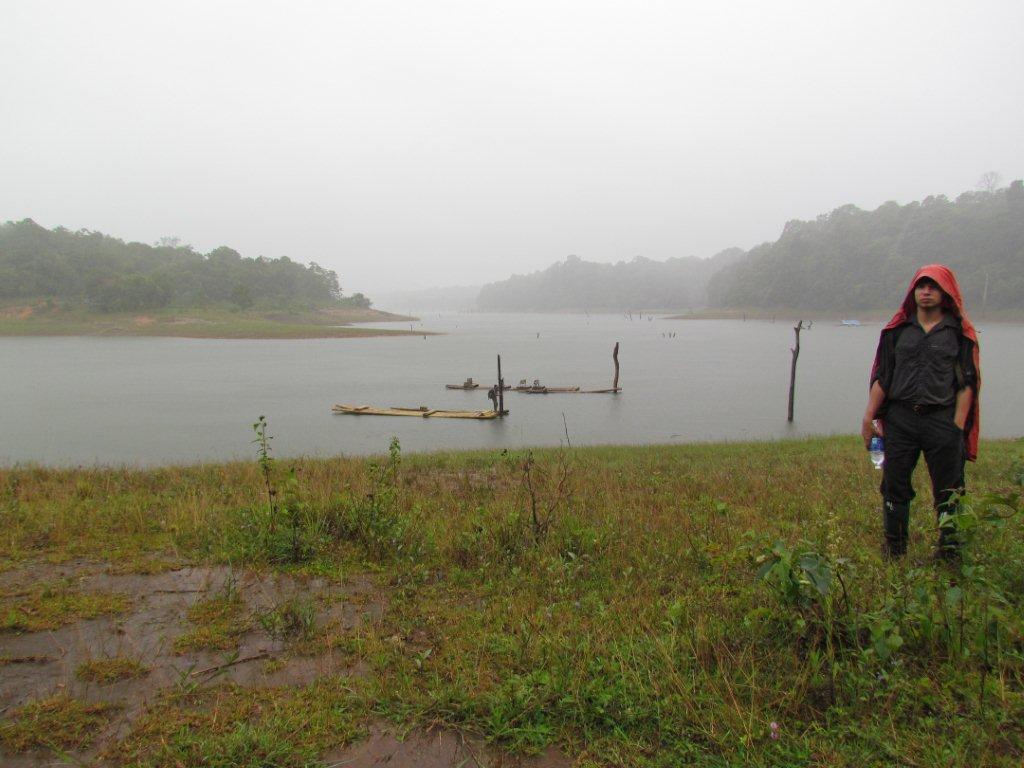
It was an experience worth revisiting. Here’s one more the photo that Tal shared, Michael on that misty morning.
Our Gang, Thevara (#2)
In more than one earlier post, we might have given the impression that only fellows are out and about for snapshots in the neighborhoods we visit. Not so.
Wordsmithing: Authentic
We have been using this word for years as a shorthand for one of the core objectives of our entrepreneurial conservation work: collaborating with communities to assist in the retention of heritage that has meaning, and that those communities feel should remain essentially as it was. It is therefore interesting to consult OED (finally) on exactly what this means.
Top of the list of entries:
a. Of authority, authoritative (properly as possessing original or inherent authority, but also as duly authorized); entitled to obedience or respect.
Life Mein Ek Baar, Featuring River Escapes
Every minute of this is fun. The 35th minute is particularly fun for those of us based in Kerala because members of our organization join the stage with the stars of this show.
About five months ago we were approached by a film production company about a show they were filming for National Geographic Channel. They told us that River Escapes was recommended to them as having the best houseboats in the Kerala backwaters (a bit of music to our ears). Then they proposed that their Kerala episode should be based on our houseboats (we danced to that music).
Indians In North America
Click the photo to the left to read the interview of mother by daughter, artist by artist. The interviewer shares this perspective on the interviewee’s art:
Her work has, over the years, centred on forgotten, vanishing worlds, art and language that exist on the margins. The epigraphs to her novels (TS Eliot, Emily Dickinson, Borges …) often make reference to the persistence of memory. She writes: “The ancient Chinese believed time is not a ladder one ascends into the future but a ladder one descends into the past.” Her new book, The Artist of Disappearance, is made of three delicate stories about the frailty as well as the transforming power of art.
What The World Needs Now
Click the image above to go to the story. Better yet, don’t. This might already well be called the era of weaponized foodstuff (witness all that pepper spray), so a story about the goal of breeding the hottest chili pepper in the world (all in good fun, of course) does not bode well.
Kerala’s Caterpillars
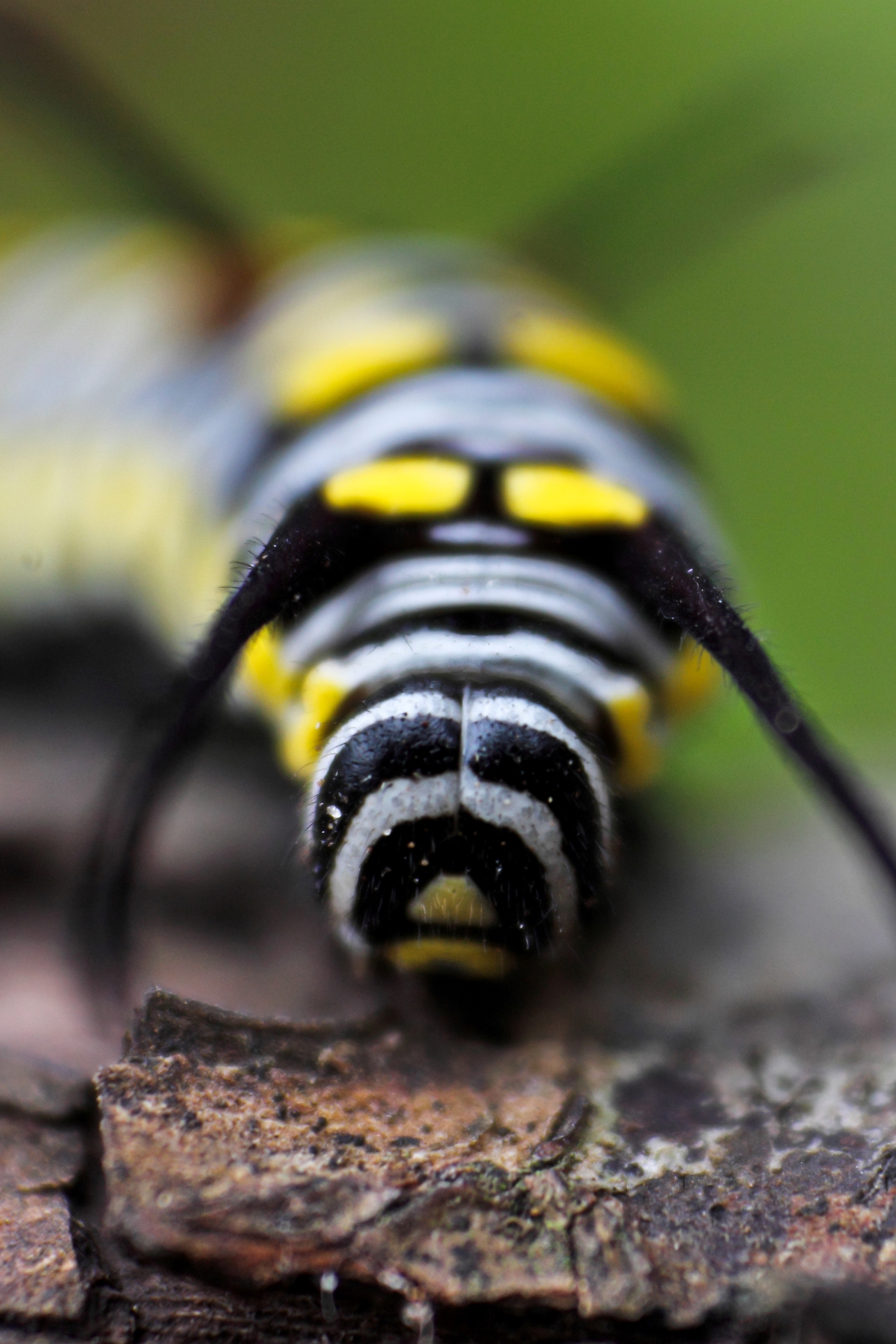
More than once I have failed to successfully (by my standards) photograph a butterfly’s larva due to insufficiently sophisticated equipment. However, those days are coming to an end, inching forward step by baby step, in odd undulating motions eerily akin to a caterpillar’s rolling gait.
Clear-Winged Forest Glory
These are the first good shots I’ve gotten of any glories before. I have seen Stream Glories (Neurobasis chinensis) in Gavi, but they were far too shy to be able to photograph them. Walking through the forest the other day, however, a single Forest Glory (Vestalis gracilis) flew past me into the undergrowth. Careful not to lose sight, I followed it, only to discover a total of five damselflies lounging about in the shade. Continue reading
Almost Missed It
It is just the way things are. My reading list/pile is always longer/taller than I have time for. And living between the rice fields and spice-laden Western Ghats I do not have access to the kind of bookstores we took for granted while living elsewhere. Amazon does not deliver in India, nor would I put a penny in their coffers until I have the sense that they are not trying to monopolize the book trade, not to mention everything else.
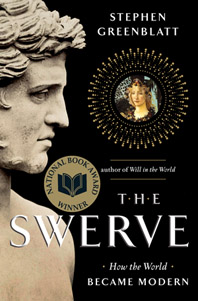
Even if I had access to a great book store I might not have picked this one up off the shelf, though I admire the author’s writing. I have not been in the mood for anything too canonical or Great lately; rather merely useful, interesting, lesser reading. Short- and long-form journalism tend to be my standard fare. There was something in the pile with Greenblatt’s name on it, a magazine article, that I kept burying for months and which persistently kept resurfacing. Continue reading
Keyhole To The Jungle
Another vertical panorama, the Keyhole is a more artistic than depictive, unlike most of my photographs. I was struggling to get the shots I wanted to use in the picture (there were about 10) because of the lighting differences between the rocks on the bottom, the undergrowth in the lower third, the canopy, and the skyline. Getting an even light level in all the shots was complicated, requiring checking each shot and retaking them multiple times to ensure accuracy. After over 20 minutes I finally felt satisfied, and laboring twice that long in the digital darkroom resulted in the following image Continue reading