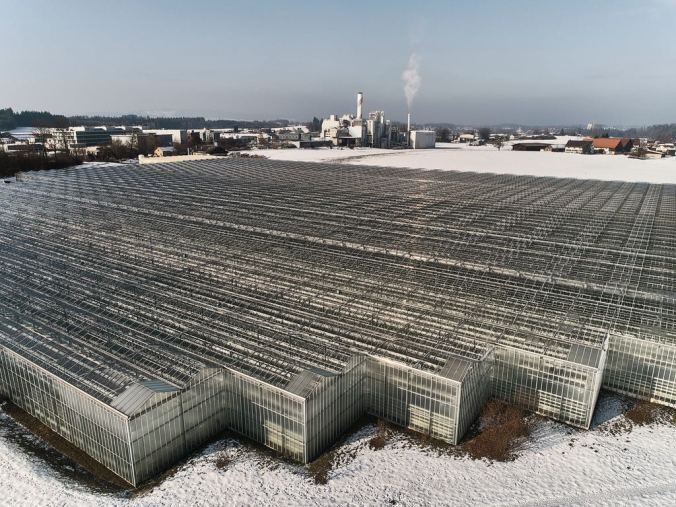
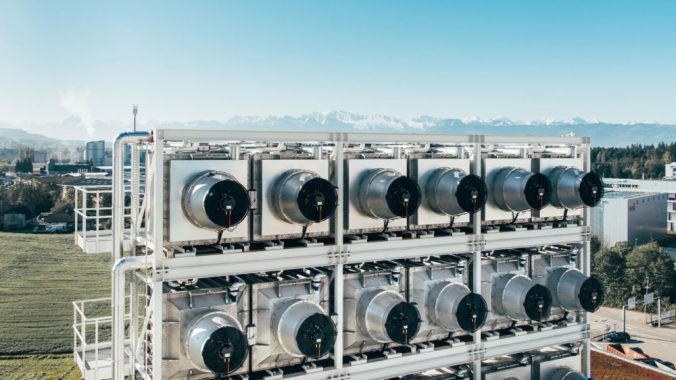
The greenhouse in Hinwil where Climeworks uses carbon dioxide pulled from the air to grow fruits and vegetables. Luca Locatelli for The New York Times
When this platform started in 2011 it was two young men, one a senior at Amherst College and the other a sophomore at Cornell University, who thought it would be useful to share their experiences with other students. It continued beyond their summer internships. At some point, hard to pinpoint the date, it started serving as a daily exercise for me. It became an exercise in finding something in the world that is worthy of attention, as much as possible something that inspires hope rather than reinforces dread (though that has been unavoidable from time to time).
The title I give to today’s post is impossible to justify with any metrics, but read on and you may see my point. Jon Gertner, for this first time featured in our pages, and for what is likely the longest of any longform treatments of any topic in the New York Times, thank you for making it about this:
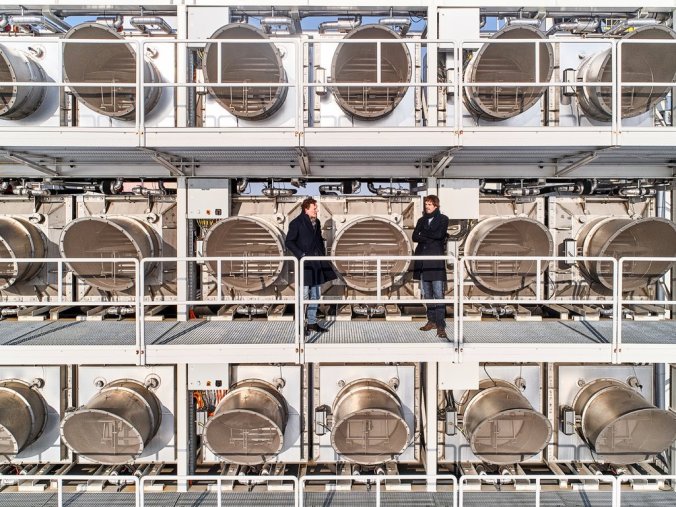
Christoph Gebald, left, and Jan Wurzbacher, the founders of Climeworks, at their plant in Hinwil, Switzerland. Luca Locatelli for The New York Times
The Tiny Swiss Company That Thinks It Can Help Stop Climate Change
Two European entrepreneurs think they can remove carbon from the air at prices cheap enough to matter.
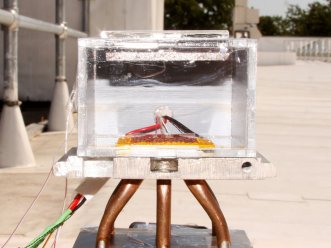
A pilot project at a Swiss university that uses Climeworks equipment to make methane out of airborne CO₂. Luca Locatelli for The New York Times
Just over a century ago in Ludwigshafen, Germany, a scientist named Carl Bosch assembled a team of engineers to exploit a new technique in chemistry. A year earlier, another German chemist, Fritz Haber, hit upon a process to pull nitrogen (N) from the air and combine it with hydrogen (H) to produce tiny amounts of ammonia (NH₃). But Haber’s process was delicate, requiring the maintenance of high temperatures and high pressure. Bosch wanted to figure out how to adapt Haber’s discovery for commercial purposes — as we would say today, to “scale it up.” Anyone looking at the state of manufacturing in Europe around 1910, Bosch observed, could see that the task was daunting: The technology simply didn’t exist.
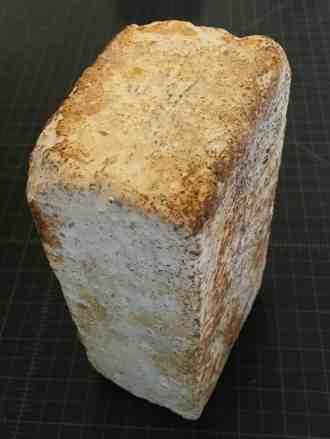
Over the next decade, however, Bosch and his team overcame a multitude of technological and metallurgical challenges. He chronicled them in his 1932 acceptance speech for the Nobel Prize for Chemistry — an honor he won because the Haber-Bosch process, as it came to be known, changed the world. His breakthrough made possible the production of ammonia on an industrial scale, providing the world with cheap and abundant fertilizer. The scientist and historian Vaclav Smil called Haber-Bosch “the most important technical invention of the 20th century.” Bosch had effectively removed the historical bounds on crop yields, so much so that he was widely credited with making “bread from air.” By some estimates, Bosch’s work made possible the lives of more than two billion human beings over the last 100 years. Continue reading







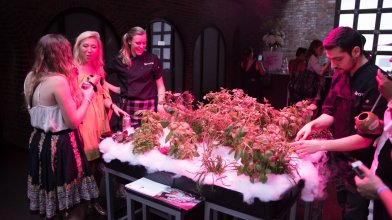 Farm.One is New York City’s grower of rare herbs, edible flowers and microgreens for some of the best restaurants in the city. Our Edible Bar and Tasting Plates make these fresh, exciting ingredients available for the first time in an event setting. Guests can discover botanical ingredients for the first time, with the expert guidance of our farm team. Taste ingredients on their own, or paired with cocktails and other beverages, for a colorful, flavorful and aromatic experience like no other.
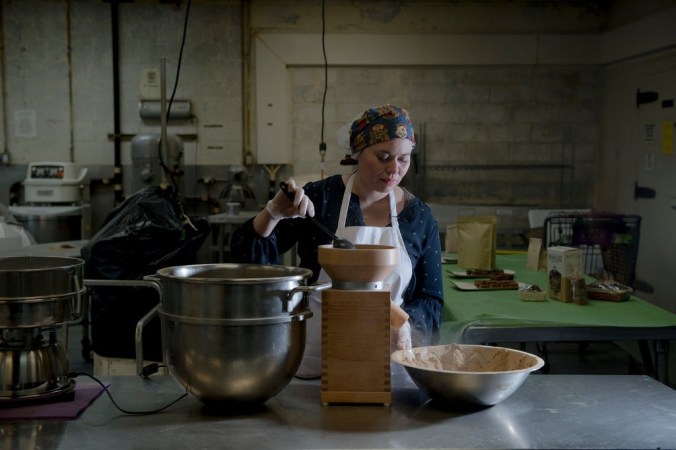
 This short piece by Anna Russell below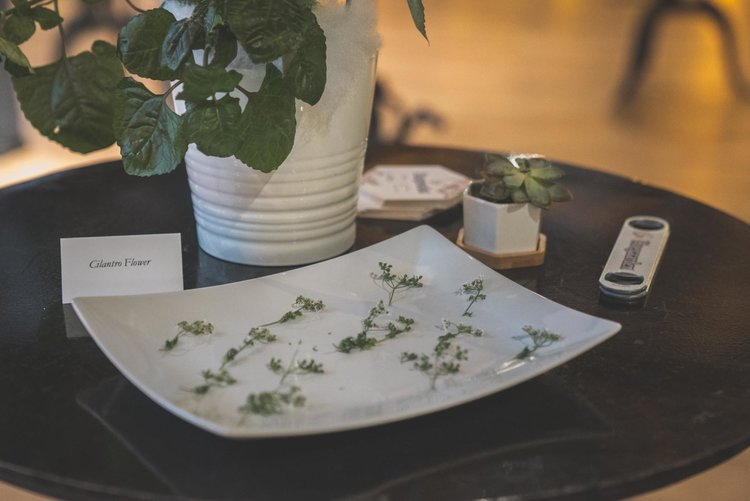








 Organikos