7th Annual Thekkady Flower Show

Thekkady Flower Show

Thekkady Flower Show

The 7th Annual Thekkady Flower Show took place from 9th to 15th of April 2013. Although the numerous flowers on display were the main attractions tourists could also enjoy and learn about local cuisines, traditional art forms, classical dances and  tribal medicines. Continue reading

Nilavilakku -Traditional Lamps

Photo Credits: Dileep Narayanan

Photo Credits: Dileep Narayanan

The Nilavilakku is an integral part of the rituals and ceremonies in most Kerala homes. Lighting the Nilavilakku on certain occasions is considered auspicious, especially within the Hindu community and at places of worship. As dusk sets in, young girls in Hindu families bring the lighted lamps to the verandah of the house. In the flickering light of the nilavilakku children and family elders gather to chant hymns and evening prayers. Continue reading

Malik Ibn Dinar Mosque – Kasaragod, Kerala

Photo Credit: Ramesh Kidangoor

Photo Credit: Ramesh Kidangoor

Malik Ibn Dinar Mosque is one of the oldest Mosques in Kerala. It was built by Malik Ibn Dinar, a missionary from Arabia who is credited with bringing Islam to the Malabar shores. The original mosque Dinar built in 648 AD was a small structure but with marble paving stones brought from Mecca. Continue reading

Festival Of Kerala- Vishu

Photo Credit: Abhay

Photo Credit: Abhay

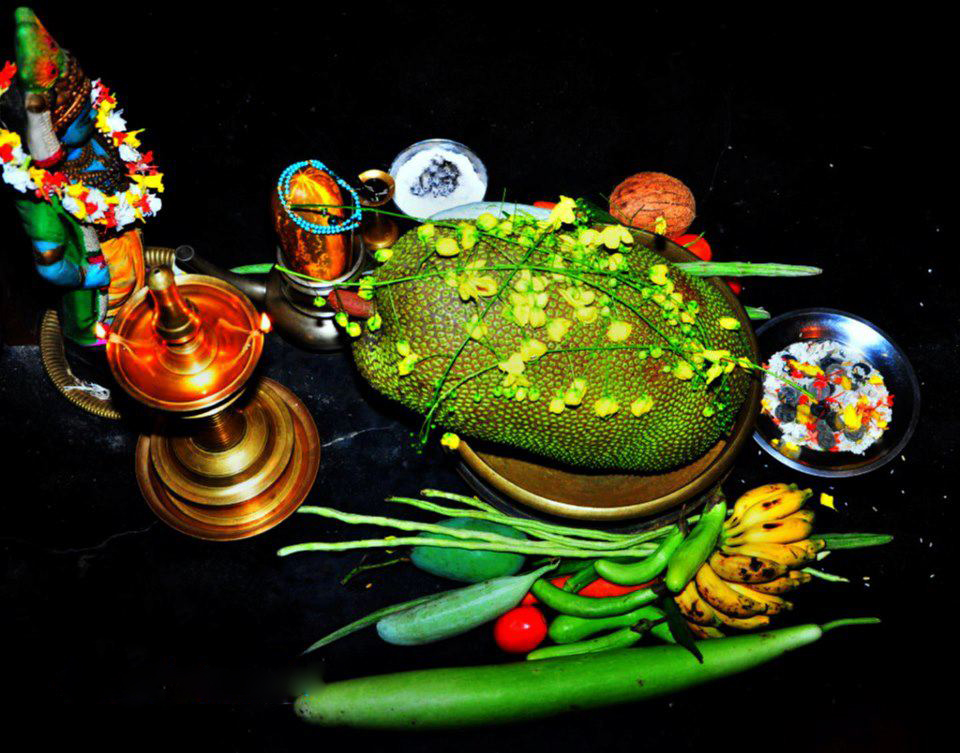
Celebrated on the first day of the Malayalam month of Medam (which in 2013 falls on April 14th) Vishu is one of Kerala’s most important festivals. The parallel festival to the Onam harvest celebration, Vishu is the festival of sowing. All Hindu households begin the day with offerings called vishu kani. This consists of a ritual arrangement of auspicious articles like raw rice, fresh linen, golden cucumber, betel leaves, banana, jack fruit , yellow flowers (indian Laburnum) and a metal mirror. Continue reading

Lake Vembanad

Photo Credits: Ramesh Kidangoor

Photo Credits: Ramesh Kidangoor

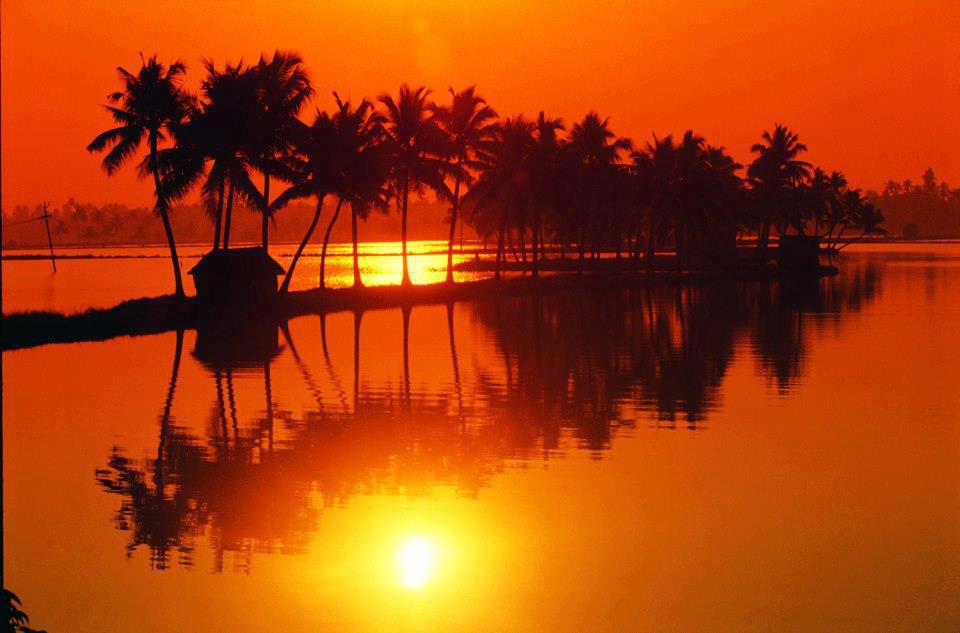
Lake Vembanad at sunset is a vision of coconut palms reflected on calm water. Famous for its boat races, marine products and ubiquitous coir industry, this land of lush paddy fields is also referred to as the “Rice Bowl of Kerala” and one of the few places in the world where farming is done below sea level. Continue reading

Napier Museum – Thiruvananthapuram, Kerala

Photo Credits: Nikhil Raj

Photo Credits: Nikhil Raj

The Napier Museum is also known as the Trivandrum Art Museum of Art. It was completed in 1880, making it the oldest museum in Kerala and one of the oldest in India.The museum houses an extensive collection of bronze and stone sculptures and wooden carvings dating from the 11th to the 18th centuries.  There are some very interesting musical instruments and a 400-year old clock.  The traditional ornaments used by Kerala women, elaborate lamps and  life -lized Kathakali figures complete with resplendent costumes add to the museum’s eclectic collection. Continue reading

Indian Palm Squirrel (Funambulus palmarum)

Photo credits ; Best of Kerala

Photo credits: Best of Kerala

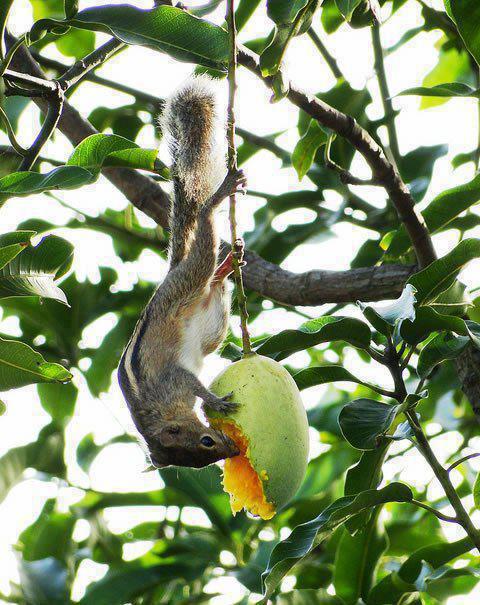
The Indian Palm Squirrel, also known as the Three-Striped Palm Squirrel, is very common in and around Periyar Tiger Reserve. These squirrels are native India and Sri Lanka and can often be seen running up and down trees and houses in the Western Ghats. Continue reading

Hindu Marriage

Photo credits: Ramesh Kidangoor

Photo credits: Ramesh Kidangoor

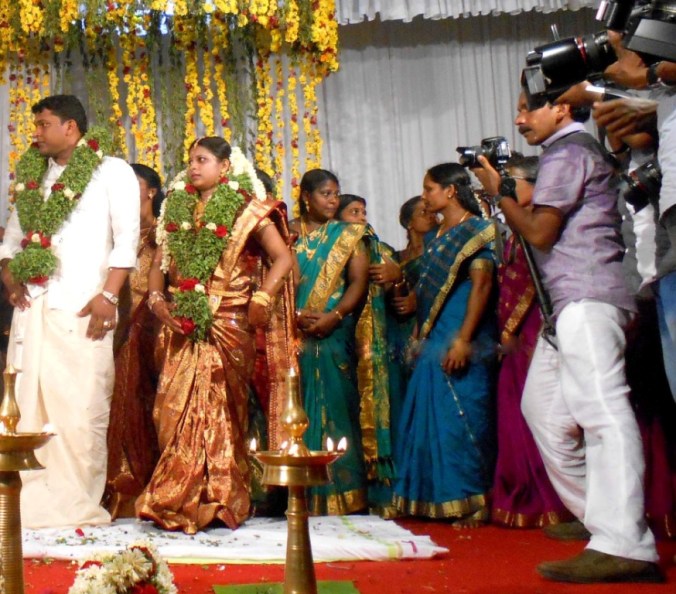
As is common in India, in Kerala the marriage rituals differ in accordance with religious groups. Even within communities there are dissimilarities. In Hindu families on the day of marriage the bride and groom visit their respective temples and pay obeisance to family deities. Both are dressed in traditional attire, the boy in Kasavu Mundu and the girl in a Pattu Sari with matching blouse, bedecked with gold ornaments. The marriage ceremony is extremely brief, consisting only of an exchange of rings, garlands and bouquets, followed by the groom tying the taali (a sacred gold thread) around the bride’s neck; all these rituals are to the accompaniment of auspicious music. The ceremony ends with a purely vegetarian feast, the sadya (traditional meals) which is hosted by the bride’s  family. Continue reading

Flavours Of Kerala – Meen Curry (Fish Curry)

Meen Curry (Fish Curry) is a hot and spicy fish preparation in thickly seasoned red sauce. Although the spice levels may be varied as per individual preferences, meen curry is one of the all-time favourites of every Malayali household. This preparition is best served with rice, but tapioca is also an extremely popular accompaniment. Continue reading

Theerthakkulam – Temple Ponds, Kerala

Photo credits: Shanavas

Photo credits:  Shanavas

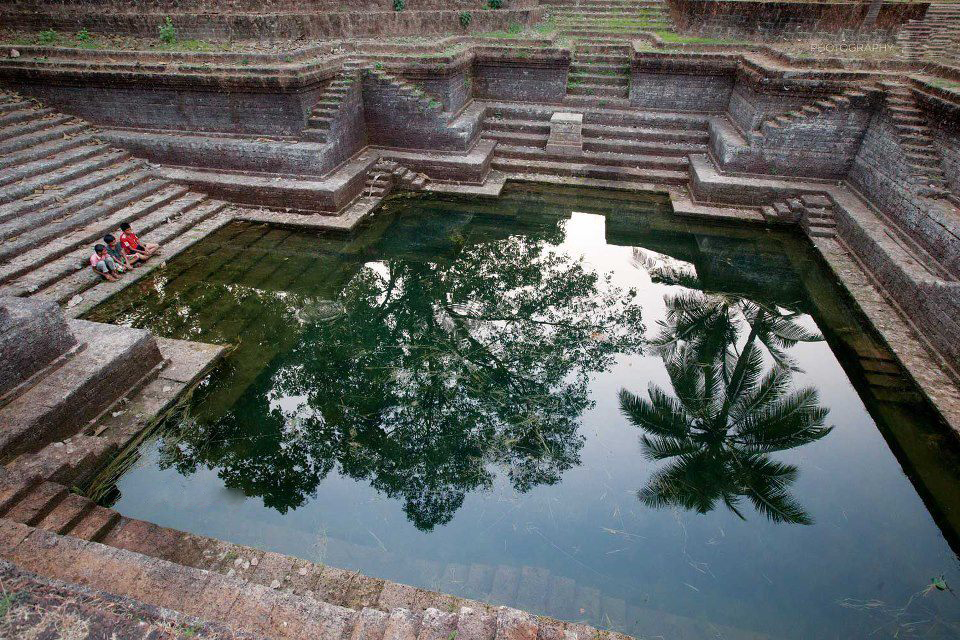
Most temples in Kerala have  a sacred pond, or Theerthakkulam, outside the temple wall. Normally the pond  is located on the North- East corner of the compound. The sacred water is used by devotees to wash their hands and feet before going into the temple . Continue reading

Beauty Of Kerala – Wayanad

photo Credits: Nidhin Poothully

Photo credits:  Nidhin Poothully

The road leading to Wayanad is smooth and even and surrounded by greenery from deciduous forest to soaring bamboos. The sanctuary around Wayanad is rich in fauna and flora. Elephants are the most common wildlife sighting, sometimes even amidst the the thick bamboo groves flanking the road en route to the sanctuary. Continue reading

Feather Hill Flowers

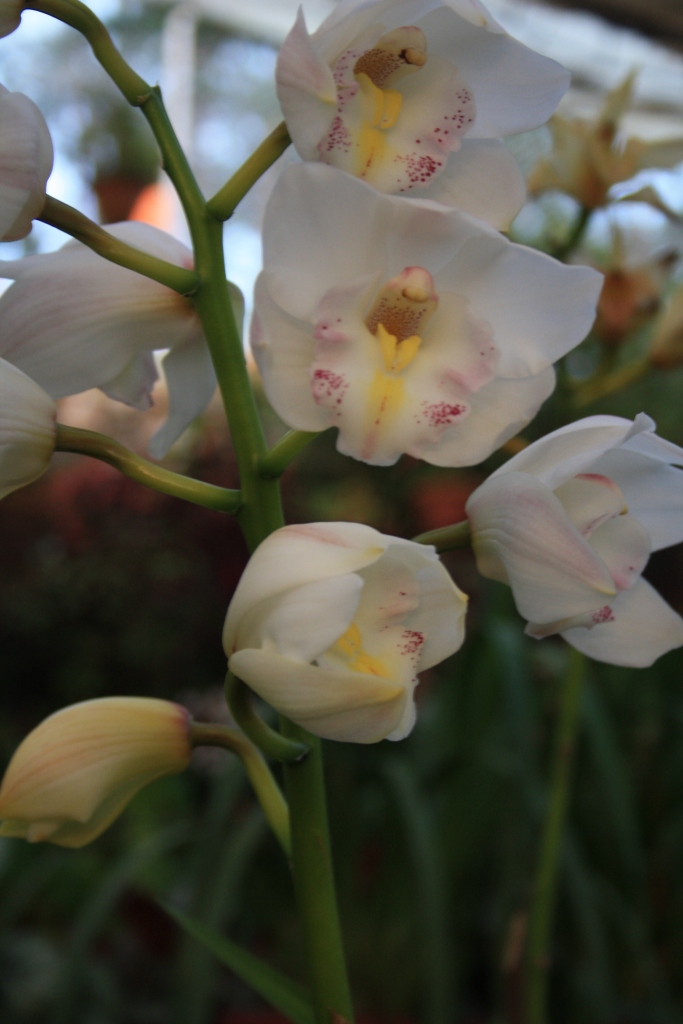
Feather Hill flowers are hybrid orchids in the Cymbidium family. Up to 15-25 butterfly-shaped white flowers adorned with light pink spots hang gently on the strong stems. Cymbidiums grow widely in Kerala’s Western Ghats above 1500 meters. Continue reading

Kerala Cities – Ernakulam (Kochi)

Photo Credits: Ramesh Kidangoor

Photo Credits: Ramesh Kidangoor

Known as the commercial capital of Kerala, Ernakulam is the one of the largest cities in the state. Ernakulam refers to the eastern part of the twin cities Ernakulam-Kochi. Alive and throbbing with people, shopping centers, cinemas, hotels, offices, plush buildings, and restaurants; the factors that come together to create the quintessential city life can be experienced here with an International Airport an hour away. Ernakulam is the only city in Kerala where one can experience the conveniences of an urban lifestyle that is now increasingly prevalent in the larger cities of India, in addition to the criss-crossing backwaters that make the area famous. Continue reading

Traditional Kerala Houses

traditional house

traditional house

Traditionally the architecture of Kerala has been of a humble scale, an ensemble of simplicity and elegance tailored to suit the climate and culture of the state. The low walls, sloping roofs and projecting eaves of ancient houses were built for protection against heavy rains and intense heat. The architecture of Kerala tells many stories; the way its structures have been designed not only speaks about the artistic and technical capabilities of the craftsmen, but also about the progression and evolution of its society. Continue reading

Chaya Kada – Traditional Tea Stalls

Photo Credits: Shanavas

Photo Credits: Shanavas

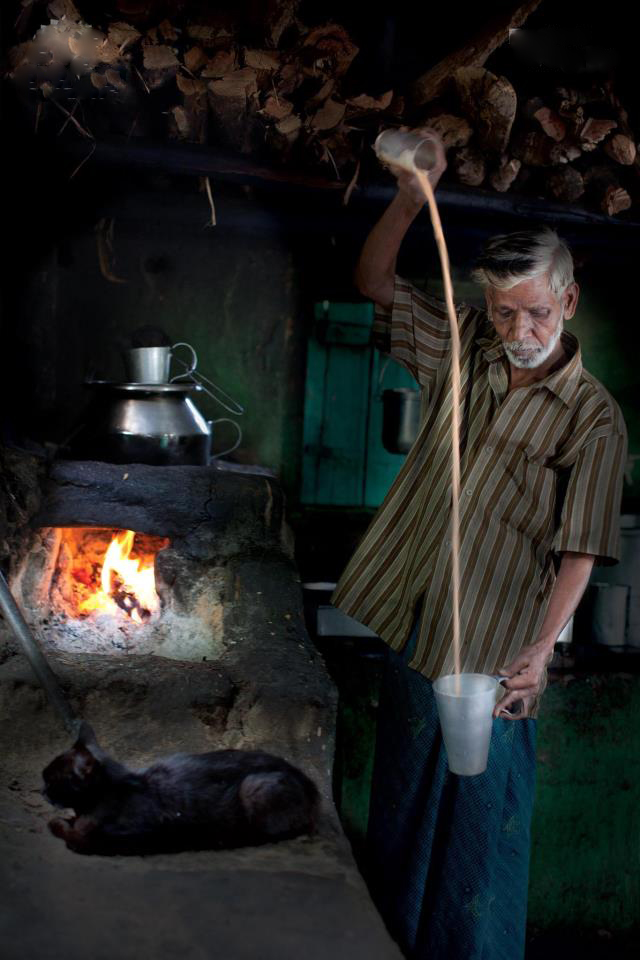
Tea stalls are an integral part of Kerala’s culture. These tiny restaurants offers a chance to enjoy traditional tea and Kerala snacks in authentic style. It has become something of a national pastime to enjoy conversation and a cup of chai masala or black tea at the end of the day. Parippu vada (lentil fritters), Ulli vada (onion fritters), and Pazham pori (banana fritters) are the most popular snacks enjoyed at tea stalls. Continue reading

Kindi – Traditional Kerala Water Vessel

Kandi

Kindi

The Kindi is integral to all rituals and ceremonies in Kerala. The spouted vessel is made out of  bronze (odu), and is mainly used for Hindu’s Poojas. In Kerala each and every household keeps a kindi for special occasions. Continue reading

Beauty Of Munnar

Photo credits: Ramesh Kidangoor

Photo credits: Ramesh Kidangoor

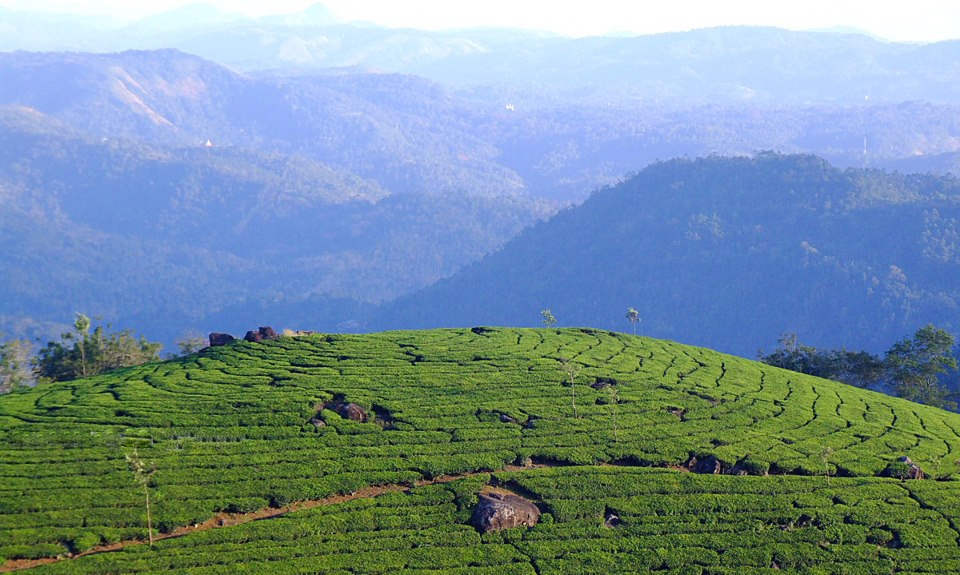
Munnar is a major tea producing area of South India. Over time Munnar became the headquarters for several tea plantations scattered throughout the High Ranges, and the need to service these estates led to the growth of Munnar town. With the attending “Hill Station” tag Munnar became a centre for tourism as well as plantation life. Continue reading

Gold Ornaments

Photo credits: Best Of Kerala

Photo credits: Best Of Kerala

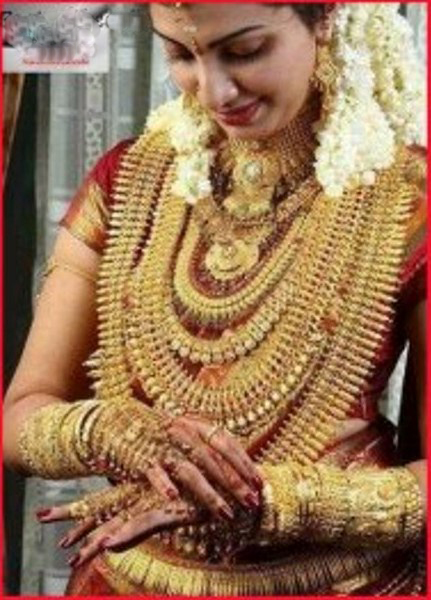
Throughout history the people of Kerala have had a special affinity for gold ornaments compared to people in other parts of India. Keralites love gold and the state is noted for a variety of gold designs made by traditional goldsmiths. Due to the influences of modern-day fashions the current trends are quite different. Continue reading

Bekal Fort

Photo Credits: Ramesh Kidangoor

Photo Credits: Ramesh Kidangoor

Located in the northern part of Kerala in the Kasaragod District, the 17th century Bekal Fort is one of the largest and best preserved forts in the state. This imposing circular laterite structure rises 130 ft above sea level and stands on a 35-acre headland that juts into the Arabian Sea. The fort consists of a centrally located 30 foot high observation tower, which affords a grand view of the blue sea and the green palm forest. There are underground tunnels leading to the Sea. Continue reading

Flavours Of Kerala – Pickles

Photo credits: Ramesh Kidangoor

Photo credits: Ramesh Kidangoor

Pickles are an important part of Indian cuisine, especially in Kerala. There are numerous varieties of pickles, locally called achar, in Kerala’s traditional meals. Lime, Mango, Gooseberry, Carrot, Chili and Garlic are among the favorites. Several types of Achar are usually a must in Kerala’s Sadya meals served on the banana leaf during special occasions. Continue reading