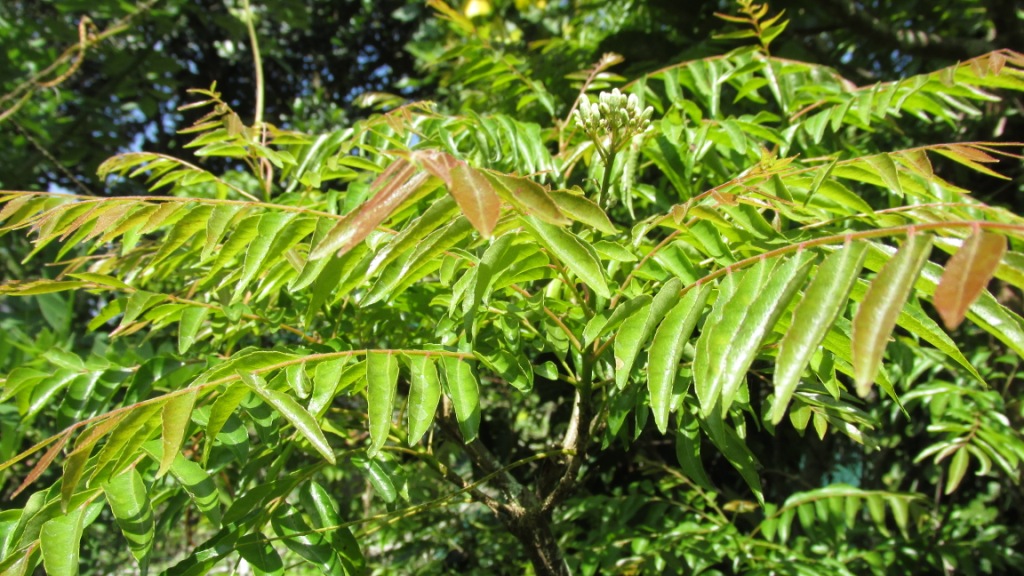
The Red Silk Cotton is a fast growing tree growing widely in the Western Ghats forest areas. These trees can reach a height of 35-40 meters, and bear large red-orange flowers from December to March. The timber of the tree is very soft and used for making plywood and match boxes. Continue reading
Kerala
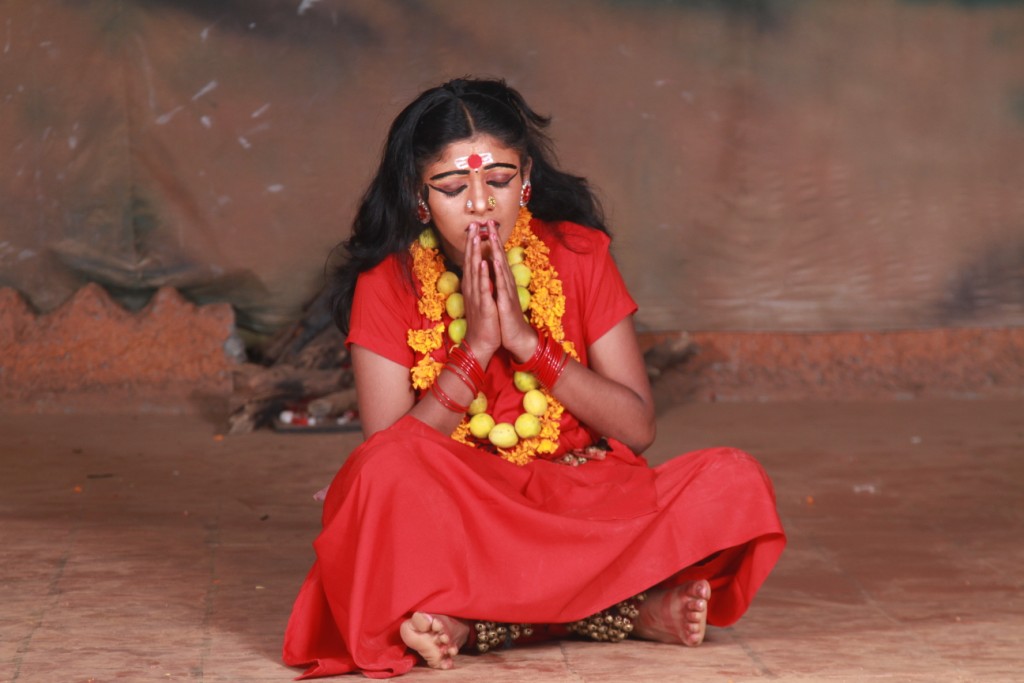
Pottan Theyyam
The Pottan Theyyam is one of the most popular ritualistic dances of Kerala performed by the Malayan community. It is a devotional performance with a surrealistic representation of the divine. The Pottan Theyyam leaps into the fire at the end of his performance, his costume made of fronds and leaves insulating him from burns . Continue reading
From Behind the Wheel: For Hearth and Home

Vadakkunanthan Temple (Thrissur, Kerala)
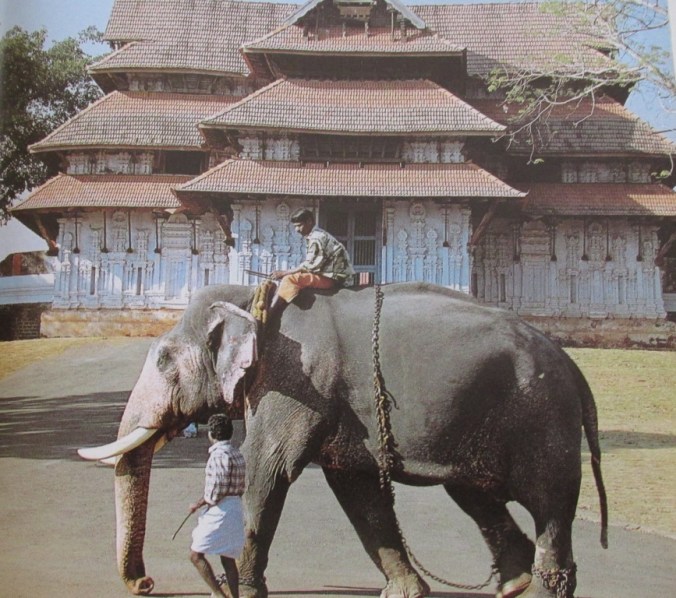
Vadakkunanthan Temple is one of Kerala’s most ancient and famous temples. Millions of people witness the famous Thrissur Pooram with dozens of elephants at the temple annually. They also visit the site to view the many decorative paintings and historically important pieces of art. Continue reading
Flavours Of Kerala – Pal-Appam (Lacy Rice Cake)
Pal-appam is a popular breakfast dish in Kerala, served with vegetable, mutton or chicken stew. Alternatively it is served as a starter dish with fish curry for formal meals. Pal-appam is a white lacy crepe-like cake with crispy brown edges.
Periyar Tiger Reserve (Thekkady, Kerala)
The Periyar Tiger Reserve is one of India’s most famous wildlife sanctuaries. Periyar was declared a Forest Reserve in the late 19th centuary, a Wildlife Sanctuary in the 1930s and a Tiger Reserve in 1977. This land of emerald vistas, productive grasslands, orchid-studded rain forests, moss-laden trees and dripping ferns provide food and shelter to mammals, including Elephants, Tigers, Dholes, Leopards, and Wild gaur, as well as birds, amphibians and insects.
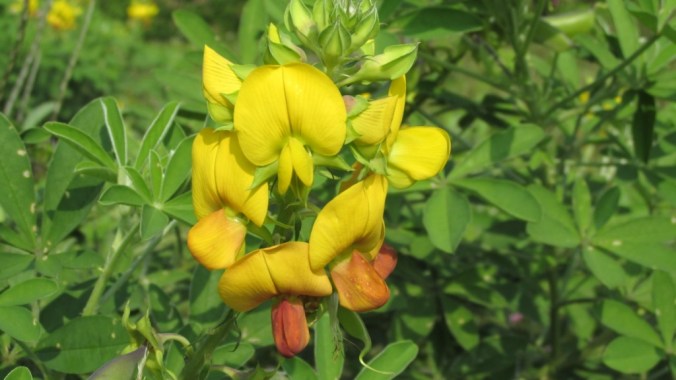
Wild Periyar – Smithia Racemosa
Periyar Tiger Reserve is one of the richest biodiversity pockets in the Western Ghats. Of nearly 4500 known flowering plants in the region, as many as 2000 species have been reported from Periyar itself. One fourth of these species are endemic to Southern Western Ghats.
From Behind the Wheel: Literal Prudence

Wild Periyar – East Indian Klugia
East Indian Klugia (Rhynchoglossum notonianum) is an annual herb which is commonly growing on hilly slopes in the Western Ghats above 900 metres. The flowers are a deep, rich blue and hang downwards. Continue reading
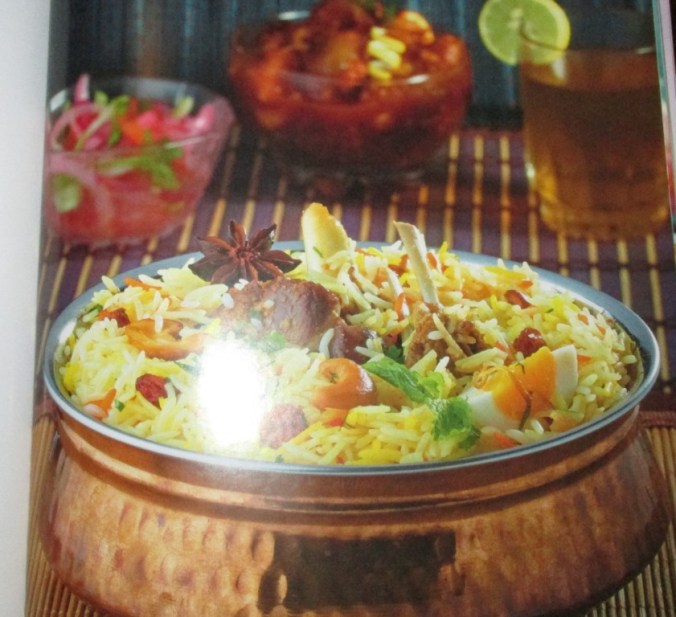
Flavours Of Kerala – Malabar Mutton Biriyani
The Persians and Mughals influenced the Malabar cuisine and Biriyani is an example of one such delicacy. Biriyani can be prepared using beef, fish or chicken also. Malabar Mutton Biriyani is the most popular among the Biriyanis. Made with special rice, this dish is made using the ‘Dhum’ method. The preparation of the Biriyani masala is a trade secret which is not shared outside of the cooking circles.
Continue reading
Common Palmfly (Elymnias hypermenstra)
Common Palmfly is one of the frequently seen butterflies throughout Kerala. Coconut, Areca Nut and other ornamental palms are the main food plant for this species.
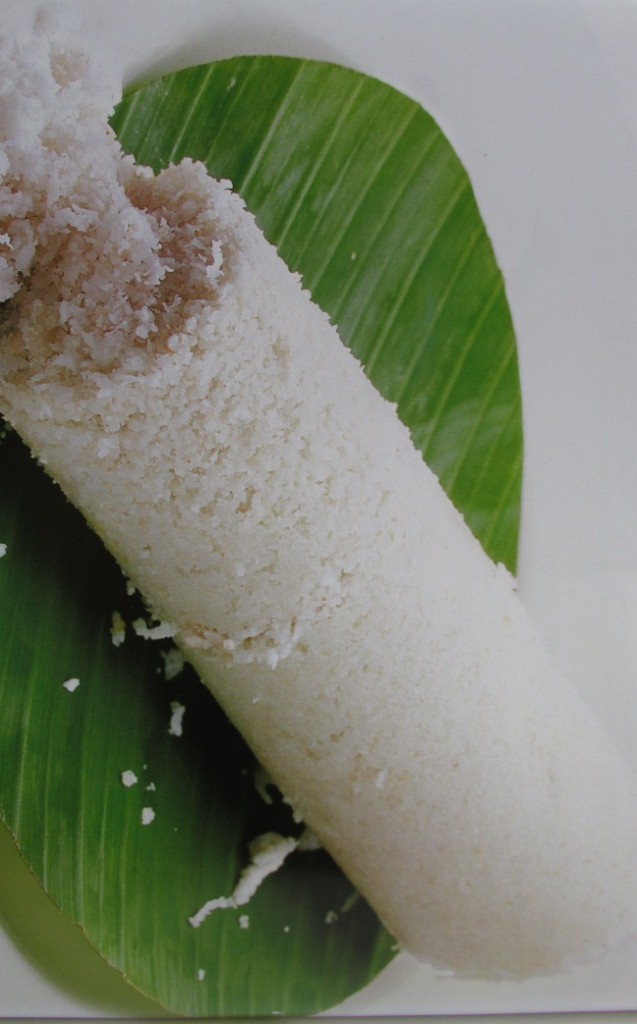
Flavours of Kerala- Puttu (Steamed Rice-Cake)
Puttu is a wonderful main dish for breakfast in Kerala. Easy to make and compatible with everything from ripe bananas to red fish curry this oil -free and healthy dish is made using a unique two piece vessel called a puttu – kudam and puttu- kutti. Continue reading
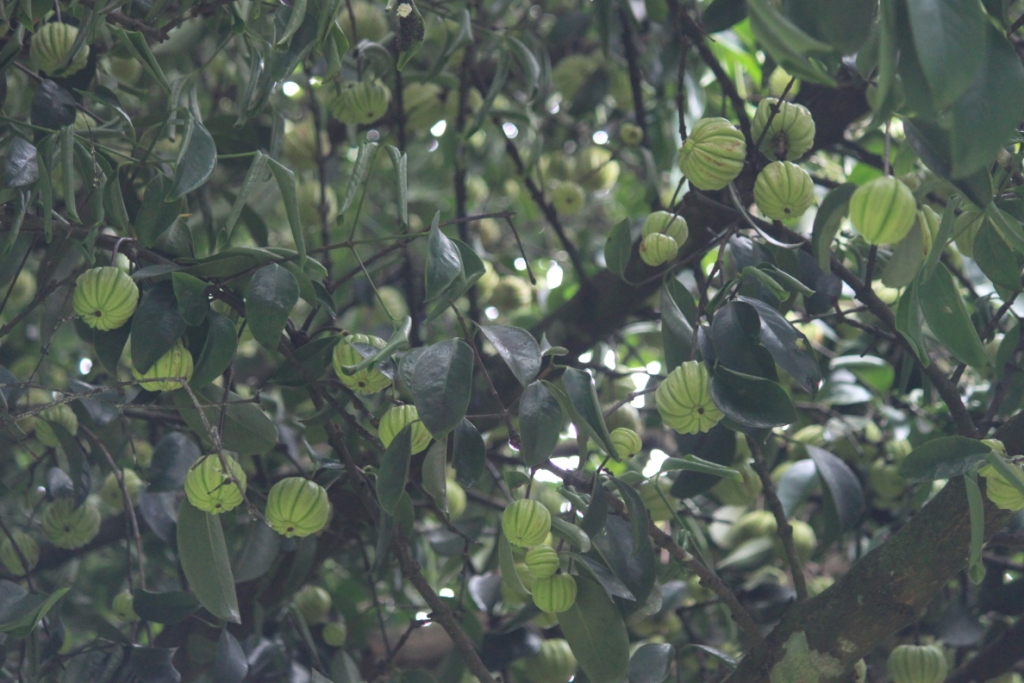
Kokam (Garcinia indica)
Kokam is endemic to the tropical evergreen forest of the Western Ghats and the Malabar coast. It is a slender tree with drooping branches and edible seeds. A member of the mangosteen family, the fruit ripens from green to orange-yellow, and when dried for use in cooking it assumes a near black colour. It has a sour taste with an underlying astringency.
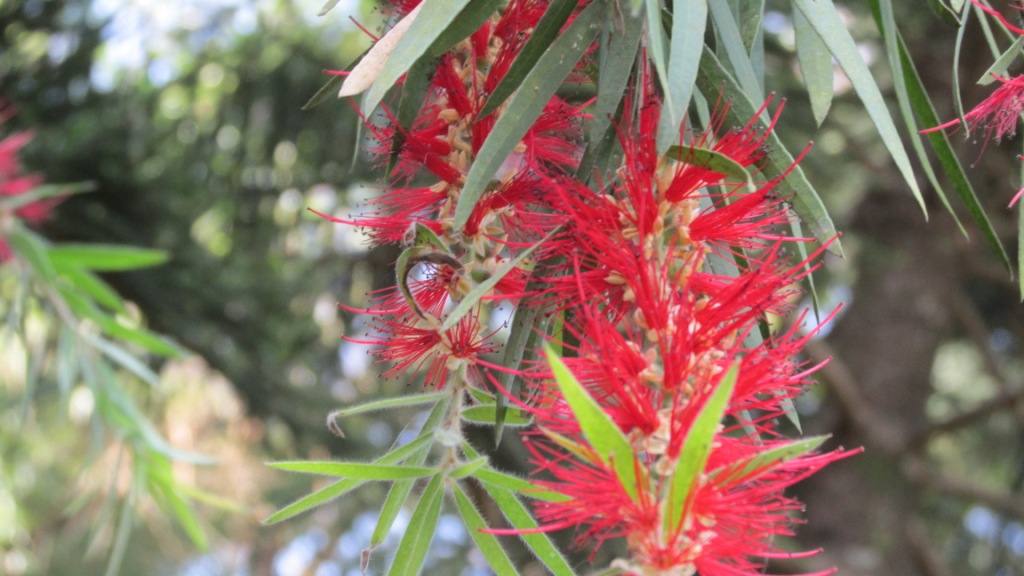
Bottle Brush (Callistemon)
Bottle Brush is a small evergreen tree belonging to the family of Myrtaceae that grows widely in the high ranges of Kerala. This is an decorative plant famous for its cylindrical flowers and the lovely fragrance of its leaves. Continue reading
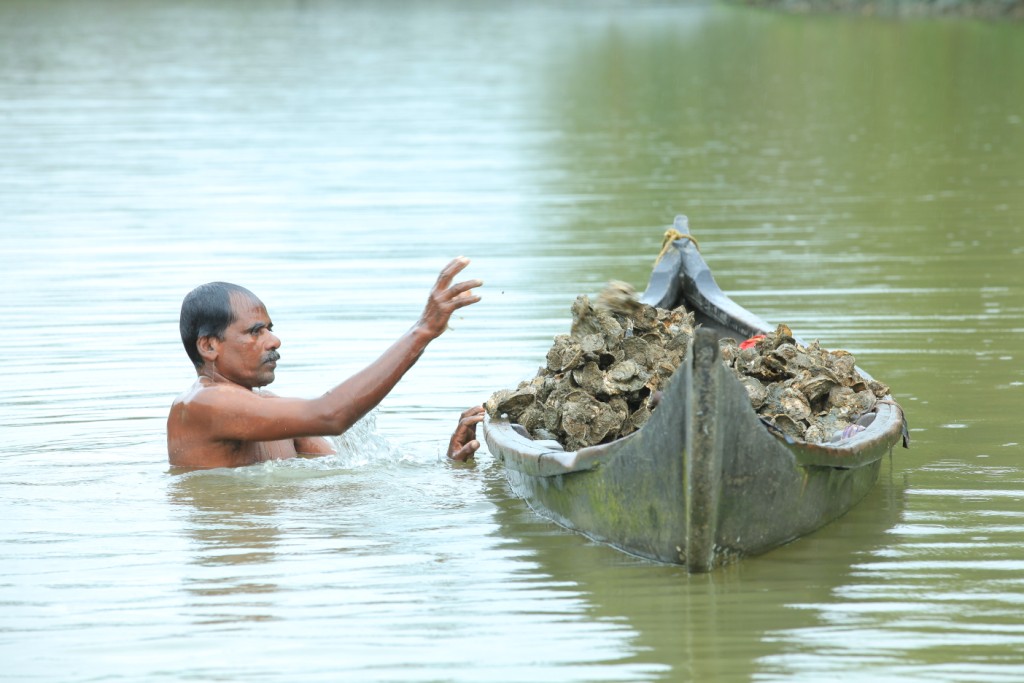
Flavours Of Kerala: Mussels
Mussels are abundantly found on the sea shores of Kerala especially the Malabar coast. The hard shell is removed and the mussels are cleaned well before cooking. Continue reading
Folk Dance
Kerala offers a wide variety of performing arts, most of them springing from folk tradition. The finesse, rhythm and elegance of the classical dances of Kerala are a result of the various cultural influences that took place in the state. These dance forms are a delicate fusion of ancient classical texts and folk traditions, making them distinctive and unique.
Curry Leaf (Murraya koenigi)
Curry Leaf is a small deciduous tree that grows profusely all over the India. It has been part of Kerala cuisine from the dawn of civilization. It is impossible to describe the aroma and flavour of curry leaves, but it helps define the sensory experience of an India market. Continue reading
Wild Periyar – Giant Wood Spider (Nephila pilipes)
Giant Wood Spiders are commonly seen in the Periyar Tiger Reserve. These spiders are the largest orb weavers of India with a web diameter ranging between 3 to 4 meters. Females are larger than males and these spiders are the biggest spiders in the world.
Alpinia (Chittaratha)
Alpinia is a perennial shrub in the ginger family that grows to a height of 2 meters found widely in the Western Ghats of Kerala. The rhizome of this herb is a major ingredient of many local remedies for relieving inflammation, stimulating digestion and purifying the blood.
Wild Periyar – Elephant Paradise
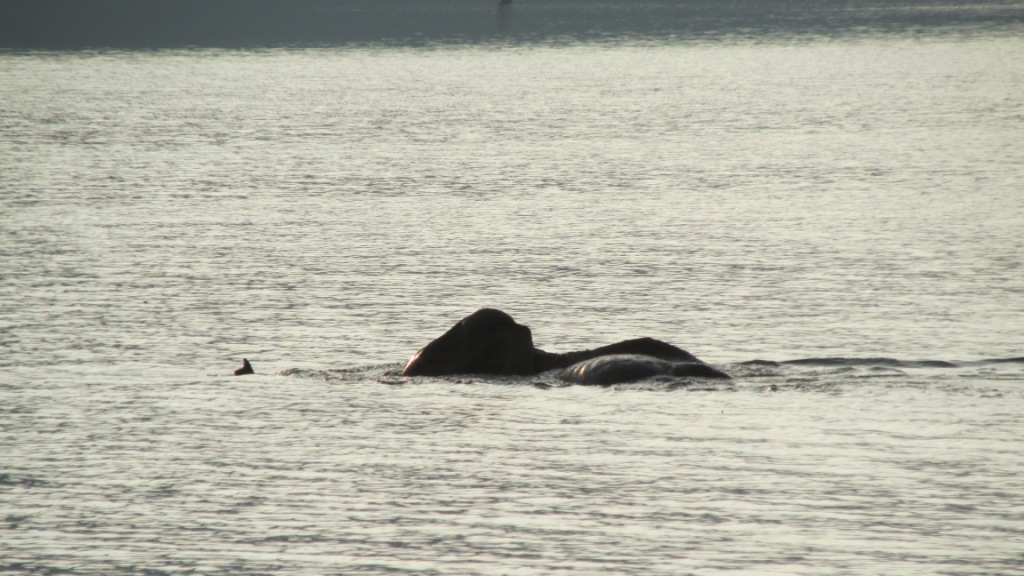
Although the Periyar dam reservoir had cut off the traditional migratory paths of elephants way back in 1899, four years after construction of the dam had started the world’s largest land animals had learned how to overcome the watery impediment. Entire herds, calves in tow, now routinely swim across the reservoir, presenting lucky visitors with one of Periyar’s more unforgettable and thrilling spectacles.