Roger In Kerala

Roger Mahoot

When Seth and Milo Inman heard that Roger would be in India, and that he wanted suggestions on what he would be missing given his short time available, they thought he might be interested in visiting some of Raxa Collective’s stomping grounds in the south of the country. He would be able to get back to nature, and in an authentic way.

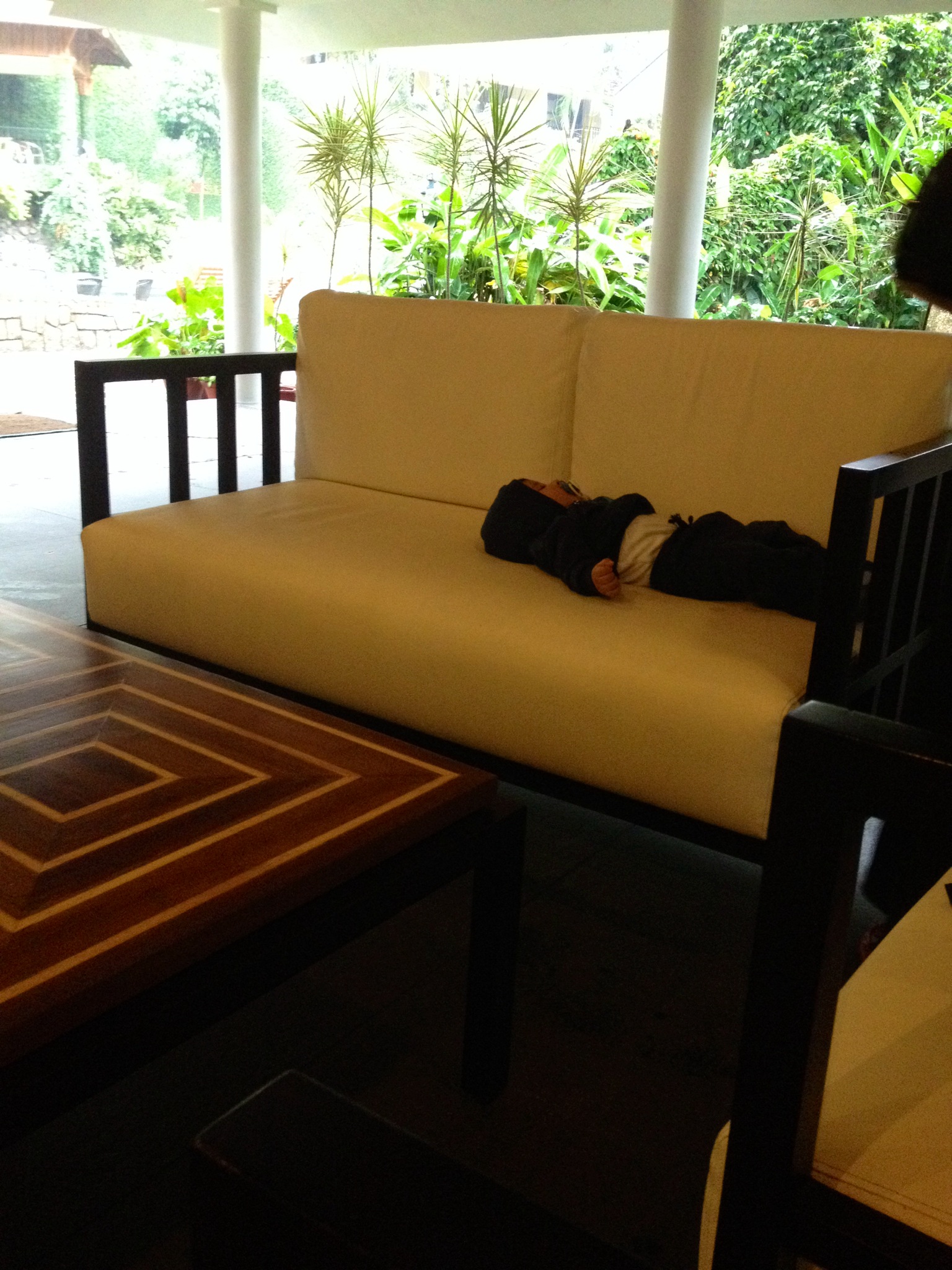
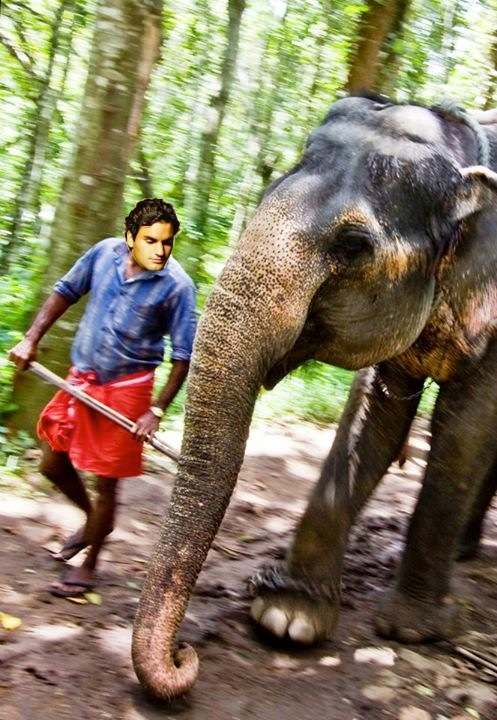
Seth has worked in Kerala, and Milo lived and worked here for two years. During that time, Milo took the photo above, not realizing until today that he had captured an image of Roger moonlighting as a mahoot. We hope Roger will return to show us his best moves.

51 Spice

The video above follows the process of acquiring, drying, and blending a mix of Indian spices to create the 51 spice mixes that head chef Ghanshyam Giri will be using for special chicken or fish dishes.

This slideshow requires JavaScript.

Back in January, I shared another spice video (which I didn’t Continue reading

South Indian Music at the Kathakali Culture Center

I had the pleasure of listening to classical South Indian music the other night with a guest I happened to connect with at the 51 restaurant in Spice Harbour. We went to the oldest remaining theater in Fort Cochin for Kathakali, which is a traditional art form of Kerala that originated in the early 17th century. In this theater, they have famous Kathakali dance as well as classical music, meditation, and yoga. Even though we just went for the music, I got to learn a little bit more about the dance.

kathakali2

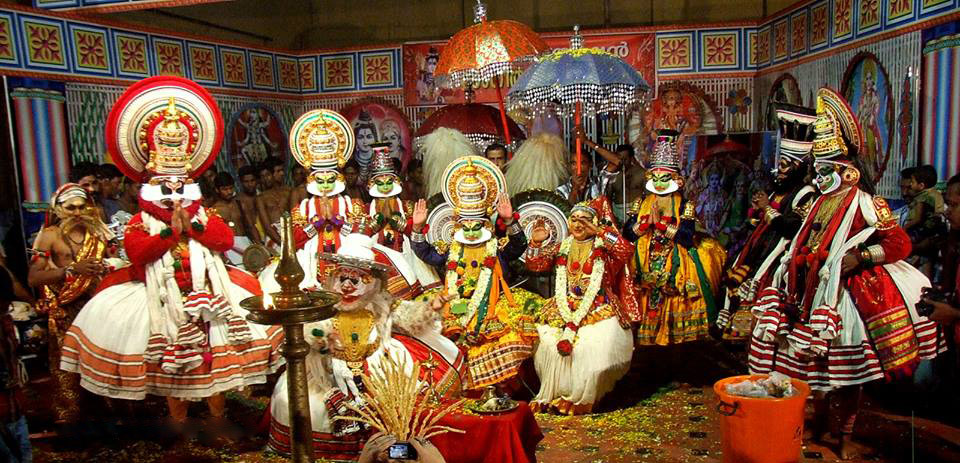
The made-up face of the Kathakali dancers is ubiquitous around Kerala. To do the make up takes at least one hour.

In Malayalam, ‘Katha’ means story and ‘Kali’ means play. I didn’t see the traditional Kathakali dance but from what I learned the dance has a storyline that is acted out through mime and drama. The stories are mostly based on Hindu mythology.

The instruments that we listened to were flute, mridangam, and kanjira. Mridangam and kanjira are drums. There was also a drone playing from an electronic shruti box.

The music put me into a dreamy state of mind. As I was listening I found my mind drifting back to all my music theory classes to help me wrap my mind around what I was listening to.  In the beginning they told us the ragas were in 8 count rhythm. Our minds can easily predict phrases that fit within a 4 count rhythm, so I wondered what made an 8 count so different. Then I realized the emphasis was on the 5th and 7th count which was pretty cool and made me understand why the phrasing was so unpredictable. Something about the syncopated rhythm and the ambiance sent me into a theta state of deep relaxation.

I was grateful to spontaneously meet that friend and get to experience that traditional aspect of Kerala culture!
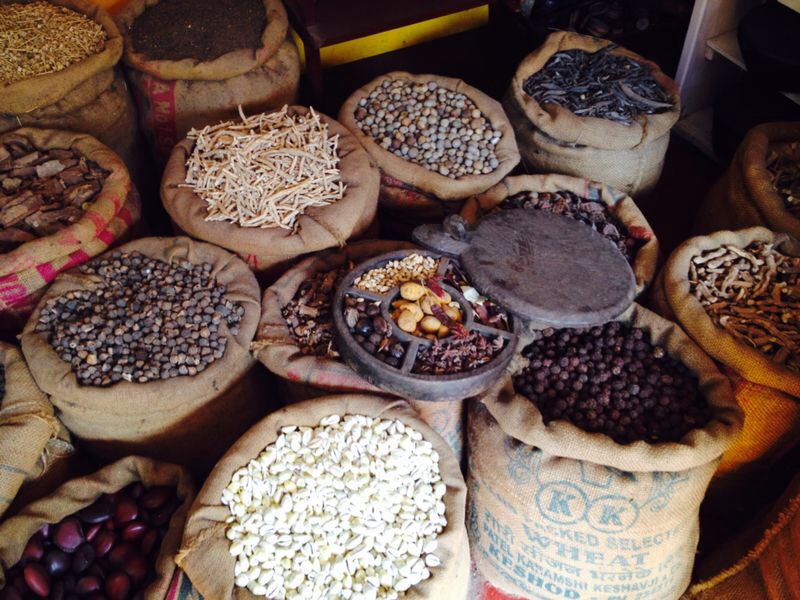
 

A little taste of Kerala

photo 2

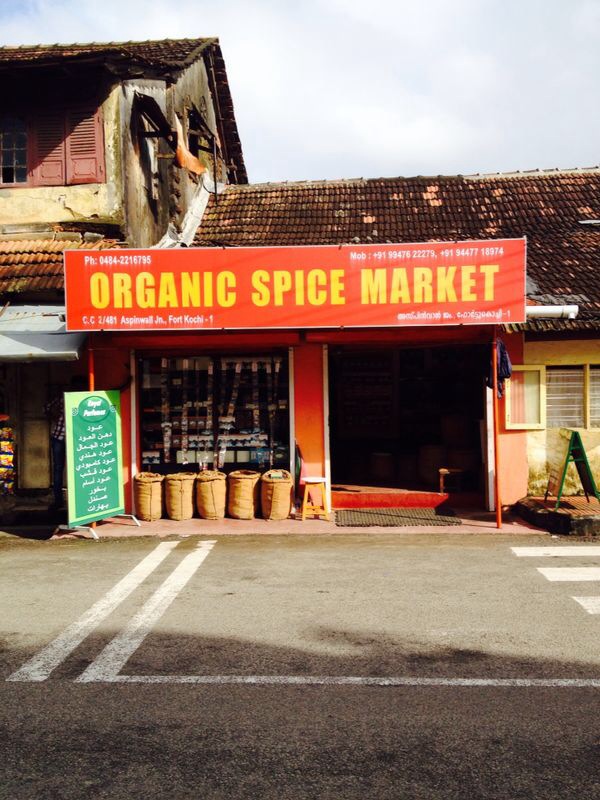
Just down the street in Mattancherry is an organic spice shop with a wide variety of classic South Indian spices. The aroma inside of the shop definitely met my olfactory needs for new smells.

The 51 restaurant at Spice Harbour serves a Xandari Salad to represent Raxa Collective’s other property, Xandari Resorts. The Xandari Salad has become a favorite at 51 with its tahini-yogurt dressing, avocado, roasted cashews, and feta cheese on top of a fresh lettuce mix.

photo 1
Continue reading

Indian Independence Day at Spice Harbour

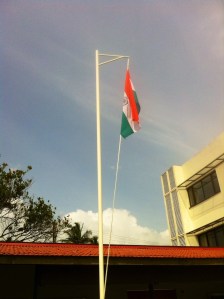
10355655_10201665725084704_4823049703076743324_oYesterday at Spice Harbour I got to participate for the first time in an Independence Day flag raising ceremony.
It’s a good time to tip our hats to history. On August 15, 1947, after centuries of British imperialism, India gained independence. I am no expert on the Indian Independence movement so I won’t speak to it too much, but I know there were many political organizations and philosophies behind it that were united by their desire to end British rule. Mohandas Gandhi’s nonviolent philosophy and civil disobedience is what led the final parts of the struggle for independence that prompted the eventual withdrawal of the British. Since we’re talking about colonial India, we can put Kerala and Spice Harbour into historical context. Continue reading

Our Gang, Thevara, On Independence Day

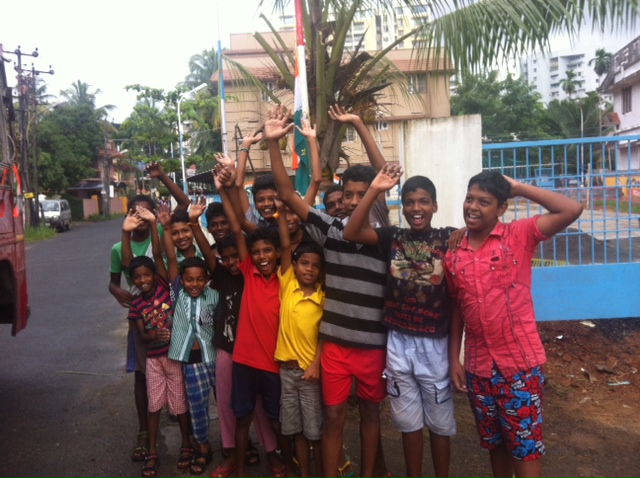
It has been a while since so much of the gang was gathered in one place at one moment. If you look back through the Our Gang, Thevara series over the life of this blog, you will find these, our usual suspects, all represented one time or another. Today, Independence Day 2014, they wanted their voices heard and faces seen again!

Southern Birdwing Butterfly

Photo credits : Josekallukaran

Photo credits: Jose Kallukaran

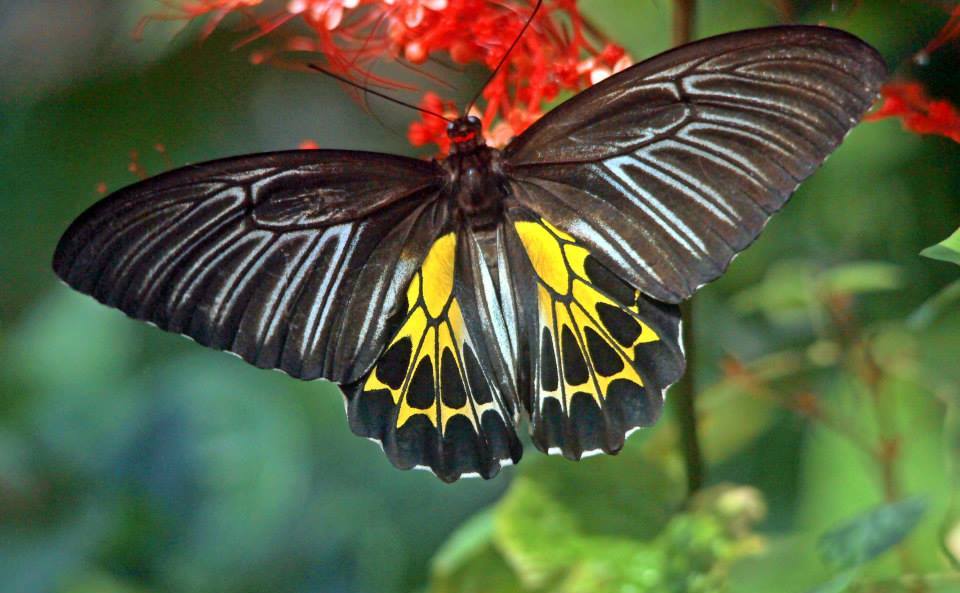
The Southern Birdwing butterfly  is the largest butterfly in India, and is endemic to the Western Ghats. Males are more frequently seen than females, mainly feeding on flowers of the Pagoda plant, west Indian jasmine, mimosa, and other ornamental bushes. Unlike many butterfly species that prefer full sun, the southern birdwing tends to be more active during the evening. Continue reading

Festival Of The Gods – Theyyam

Photo credits : Shymon G

Photo credits: Shymon G

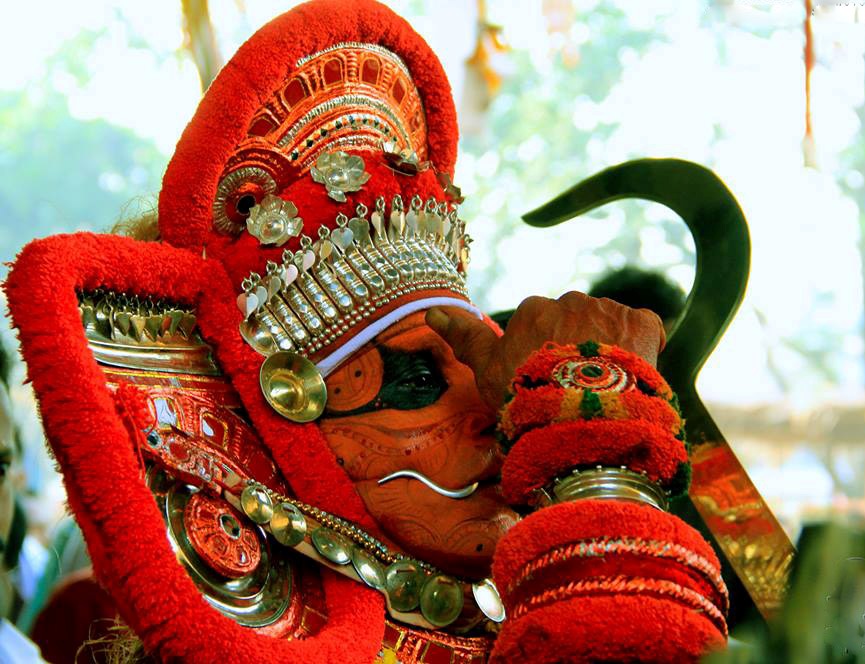
Theyyam is one of the most popular ritualistic dances of Kerala. It is a devotional performance with a surrealistic representation of the divine. Almost every village in Kerala has its own temple with an annual festival. So there’s always a local festival happening somewhere or the other, each with its own special flavour. Continue reading

Tamil Lacewing Butterfly

Photo credits : Aparna P

Photo credits: Aparna P

The Tamil Lacewing Butterfly (Scientific name: Cethosia nietneri) is endemic to the  Western Ghats of India and Sri Lanka, where it commonly cuts through the breezes from the months of June to September. Frequent at the onset of monsoon season, the beautiful insect usually disappears by September or October. Catch it while you can! Continue reading

Munnar, Gem of Kerala

Photo credits : Ramesh Kidangoor

Photo credits: Ramesh Kidangoor

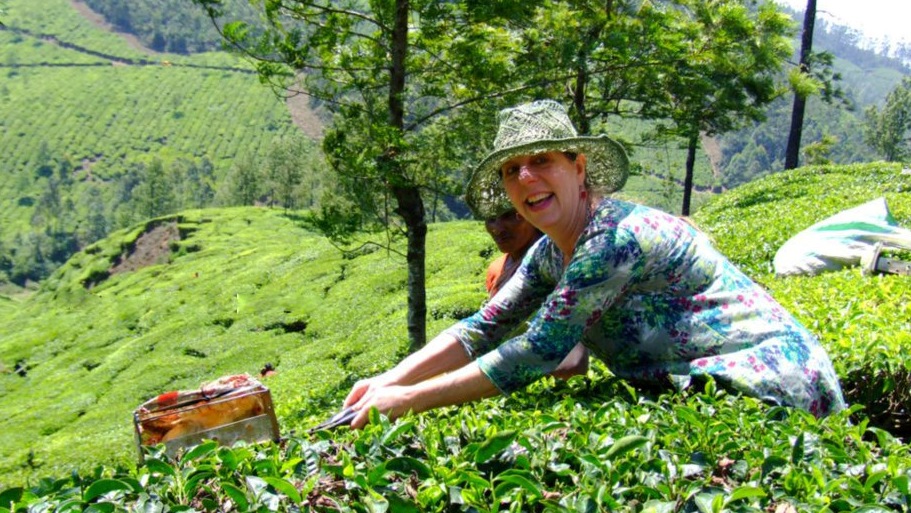
Munnar is famous for its tea plantations, rolling hills, sparkling waterfalls, and sprawling estates, a combination of features which makes it a popular tourist destination. Visitors to Munnar can not only enjoy Kerala’s natural beauty but also learn about and participate in the area’s culture and economy. As attested in these photographs, Munnar has been one of Kerala’s hotspots for tea production, with tea plantations scattered throughout the rolling mountain ranges. Continue reading

Temple Festival – Ezhara Ponnana

Photo credits : Ramesh Kidangoor

Photo credits: Ramesh Kidangoor

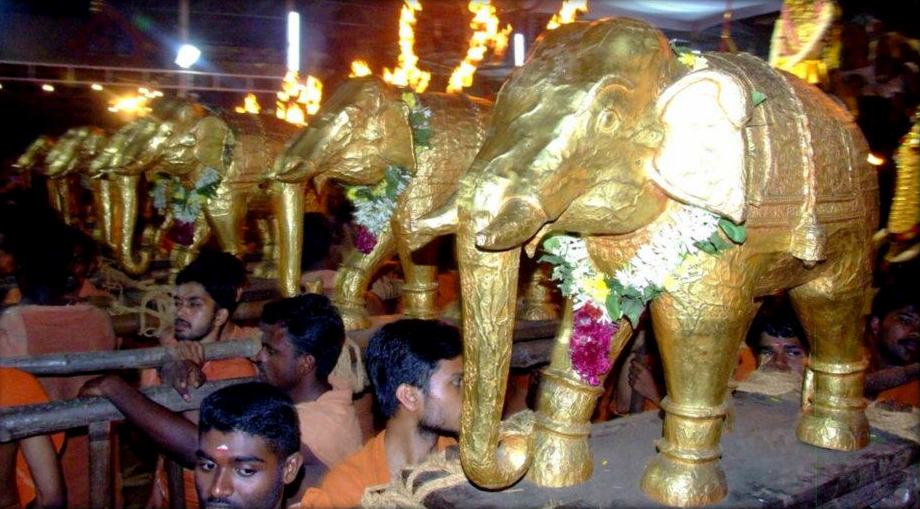
Ezhara Ponnana is a unique temple festival at Ettumanoor, a temple to Lord Shiva near Kottayam. “Ezhara” means seven-and-a-half and “Ponnana” means golden elephant. Statues of these elephants are made of nearly 13 kg of gold each. Seven of the elephants are two feet high, but the eighth one is only one foot tall, which gives the procession and festival of Ezhara Ponnana its name. Continue reading

Glory Of The Past – Allappuzha

Photo credits: Ramesh Kidangoor

Photo credits: Ramesh Kidangoor

Situated at the south-western tip of Lake Vembanad, Allappuzha had its heyday as a commercial hub in 1775-76 when Dewan Raja Keshavadas built it as a major port of the erstwhile Travancore state. Allapuzha had the dual advantage of cheap inland water transport on its eastern end and calm seas suitable for an all-weather port on the west. Continue reading

Temple Dance – Kerala

Photo Credits : Ramesh Kidangoor

Photo Credits: Ramesh Kidangoor

Kerala temples offer a veritable array of performing arts, often related to religious rituals and and mythological stories. The rhythm and elegance of the temple dances of Kerala are a result of  the various cultural influences that took place in the state. The dramatic costumes, vibrant colors, and throbbing music all make watching temple dances an unforgettable experience. Continue reading

Reflecting: Half-a-World Away

Cardamom Siesta

Cardamom Siesta

Five months have elapsed since my departure from Cardamom County and Raxa Collective in Kerala — sufficient time, in my opinion, to think back on my experience and growth during my adventures there, as well as the time I have spent back in the United States.

Words cannot express how thankful I am for having been given the opportunity to travel farther and live longer away from home than I ever have before, and in a truly amazing, diverse, and different region of the world than I could ever imagine.  The head honchos, Crist and Amie Inman, have an ethos rooted deeply in progressive ecological conservation that is truly admirable, and for the area they are established, borderline revolutionary.

Continue reading

Melodious Rhythms of India: the Nadaswaram

Photo credits : Ramesh Kidangoor

Photo credits: Ramesh Kidangoor

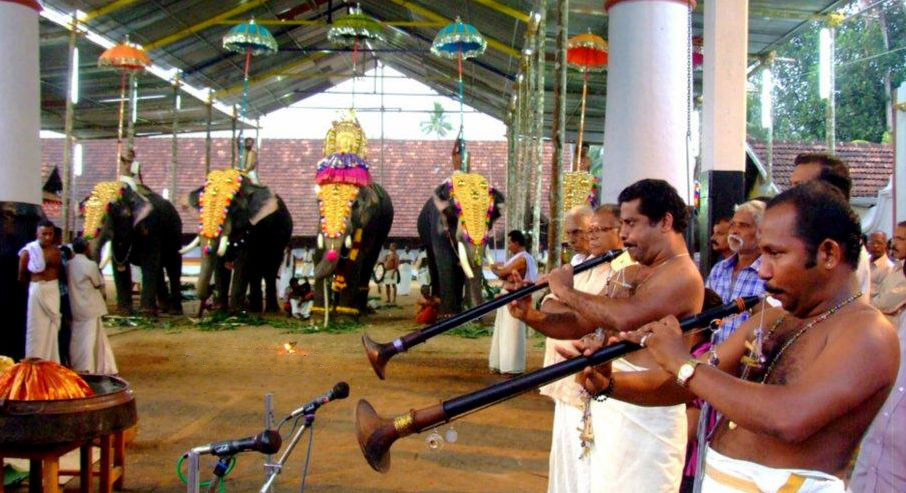
Kerala lays claim to a wide range of native musical instruments, which all together play host to a great range of unique sounds and melodies. The nadaswaram is a wooden-body pipe about two and a half feet long. This double-reed wind instrument is typically played during temple rituals and processions, weddings, and other celebrations. The nadaswaram is thought to achieve the peak of its acoustic quality in open environments where the sounds can resonate outwards, which is why it has evolved into a procession instrument. Continue reading

Edakkal Caves – Wayanad

Photo credits : Ramesh Kidangoor

Photo credits: Ramesh Kidangoor

Edakkal Caves  are situated in Wayanad district near Sulthan Bathery. This prehistoric rock shelter made up of natural rock formations includes a massive boulder wedged in between two huge vertical outcroppings, forming a large cave. Petroglyph writing inside the cave form inscriptions of human and animal figures with peculiar headdresses as well as drawings of wheels, bows, knives and trees. Continue reading

The Ritual of Karkidakam Vavu bali


Photo credits : Remash Kidangoor

Photo credit: Remash Kidangoor

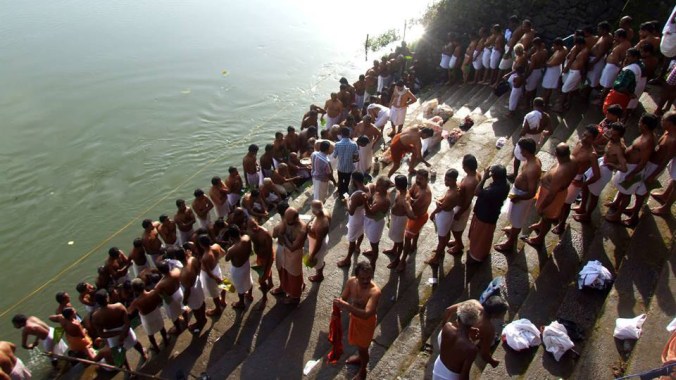
Karkidakam is the last month of Malayalam calendar, a calendar of significance for Hindus living in Kerala. On the eve of the new moon in Karkidakam–two days ago, July 26th–Keralite Hindus gather on the beaches and river banks to pay obeisance to their ancestors by performing the bali tharpanam ritual. This day is known as Karkidakam Vavu. Keralite Hindus believe that the souls of their ancestors attain liberation by the ritual pujas (prayers) and bathing on this day. Continue reading

The Nilgiri Marten


Photo credit : Aparna P

Photo credit : Aparna P

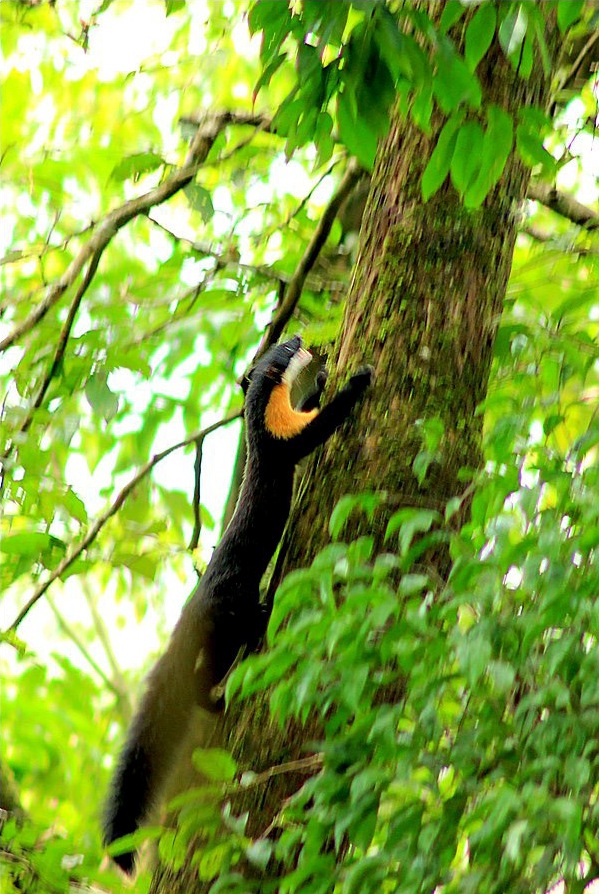
The Nilgiri marten (Sc. name: Martes gwatkinsii) is the only marten found in southern India, in the Nilgiris and western Ghats. Martens are fairly widespread members of the family Mustelidae, which also includes the familiar otter, badger, weasel, ferret, and other small carnivorous mammals. The Nilgiri marten, like other martens, makes its home in the forest, inhabiting the moist and semi-evergreen forests of the Western Ghats. They are quite rare and not very well researched; although mostly arboreal, their wide-ranging travels motivated by their carnivorous diet will occasionally bring them down from the trees where lucky photographers may be able to snap a few photos before the marten hightails it. Continue reading

Classical Dance

Photo credits ; Ramesh Kidangoor

Photo credits: Ramesh Kidangoor

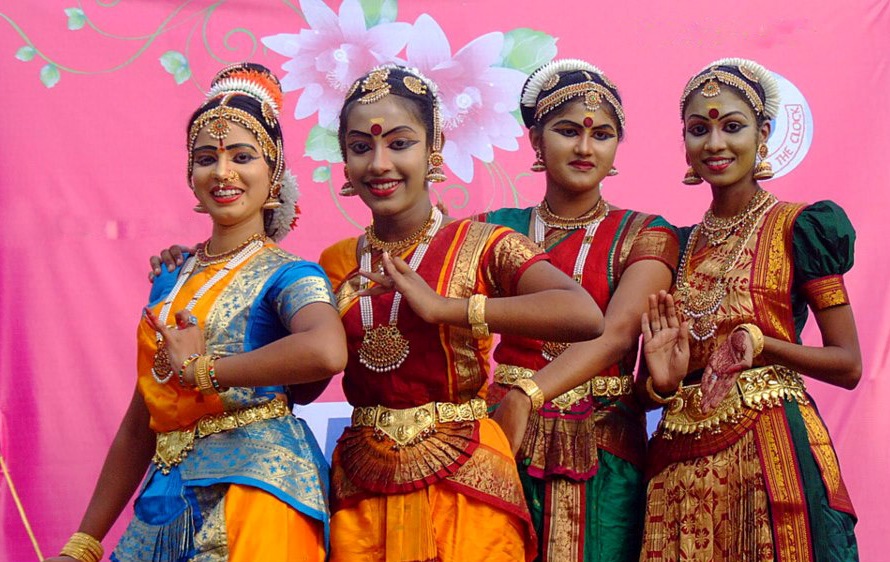
Classical dance forms in South India have accumulated from ancient customs that were closely linked to day-to-day life and culture of native peoples. The region around Kerala has thousands of years of tradition in fine arts and classical and folk dances. Continue reading

The Yamfly Butterfly

Photo credit : Jose K

Photo credit: Jose K

Yamfly butterflies are found across India and are commonly seen in the Western Ghats. They are especially numerous during the monsoon season in damp forest patches. This species has reddish orange bordered with black on the upper sides of the wings and a lighter yellow on the bottom. At the back of the wing, Continue reading