Blue Ventures, Belize

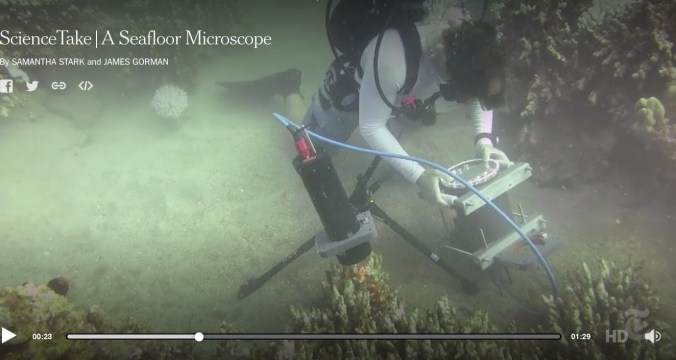
Screen Shot 2016-08-04 at 6.41.54 PM.jpg

We have been introduced to Blue Ventures by Phil Karp, and want to share their website far and wide:

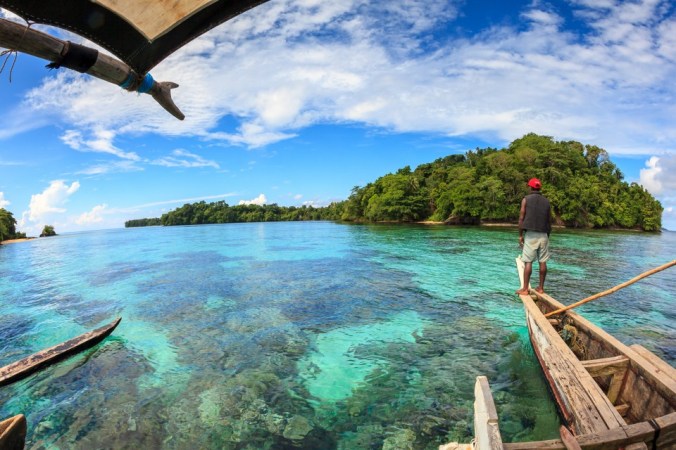
We rebuild tropical fisheries with coastal communities

Blue Ventures develops transformative approaches for catalysing and sustaining locally led marine conservation. We work in places where the ocean is vital to local cultures and economies, and are committed to protecting marine biodiversity in ways that benefit coastal people. Continue reading

Rethinking Fish

5120

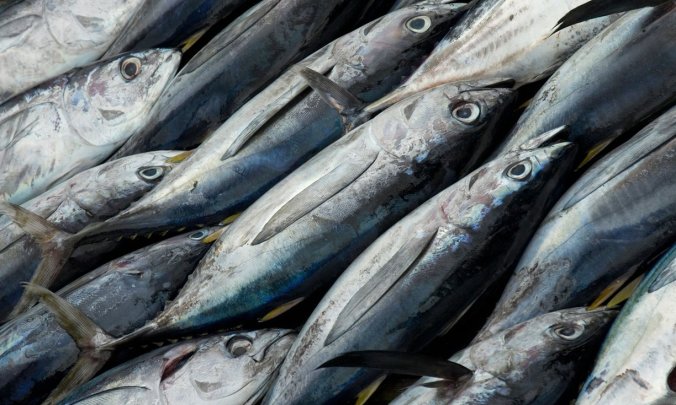
More than 40% of popular species such as tuna are being caught unsustainably, UN FAO says. Photograph: Alamy

Articles like this have me thinking about the meal I had last night, which had not one bit of animal protein in it, and wondering whether I could happily resist adding my own weight to the immensity of the food problem, especially with regard to fish:

Global fish production approaching sustainable limit, UN warns

Around 90% of the world’s stocks are now fully or overfished and production is set to increase further by 2025, according to report from UN’s food body

Continue reading

Coral Reef Bright Spots

lead_960 (3).jpg

Tane Sinclair-Taylor

Thanks, as always, to Mr. Yong and his team at Atlantic Monthly:

Why Some Coral Reefs Are Thriving

Not all of the world’s reefs are in bad shape—and a few of the healthiest are managed by humans.

by Ed Yong

In 1990, Jerry Sternin from the global charity Save the Children traveled to Vietnam to fight malnutrition. His strategy was simple. He looked for ‘bright spots’—mothers whose children were bigger and healthier than average, even though they were just as poor and disadvantaged as their neighbors. And he asked: what were they doing differently? Continue reading

Heroic Decisions, John Racanelli Edition

15dolphins-web-master768

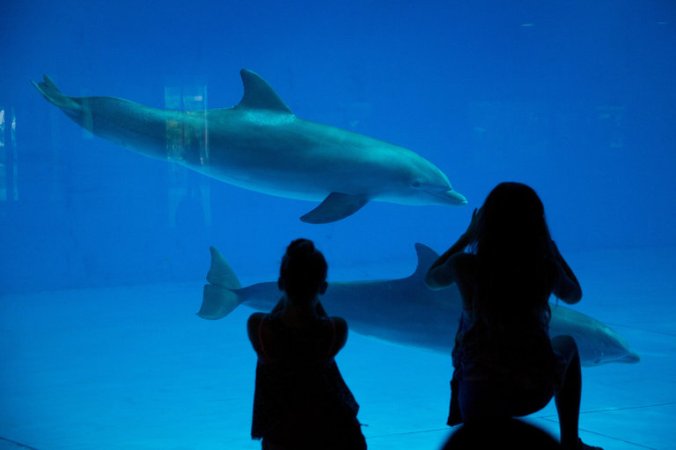
The dolphin exhibit at the National Aquarium in Baltimore last summer. Credit Andrew Harrer/Bloomberg

Four members of La Paz Group remember the day in May, 2014 when they had the good fortune to share a breakfast table with John Racanelli. The conversation was about conservation, what we call entrepreneurial conservation and what he seemed to be practicing in the world of mega-aquaria. We knew from that moment that this was someone to watch, and news from this week’s Science section of the New York Times is just one of many examples why:

Bravo, Tim Samuel

Screen Shot 2016-06-09 at 7.56.25 AM

Associate Professor Ian Tibbetts, a fish biologist at the Centre for Marine Science at the University of Queensland, says that while it’s difficult to tell from photos alone, the fish looks like it could be a juvenile trevally, which are known to seek shelter among the stingers of certain jellyfish. In this case, the situation may have taken a surprise turn for the small fish, which ended up inside the jellyfish.

Glancing at this image does not give clarity on what it is, so someone’s description is required. It is an intersection of nature’s surprises and the even greater surprise of a photographer capturing nature’s surprises. As if you needed us to remind you how awesome nature is, we send you to Tim Samuel’s portfolio, where you can also order prints and learn that he:

Continue reading

Lionfish Removal and Awareness Day Festival


Photo credit: Erin Spencer

Photo credit: Erin Spencer

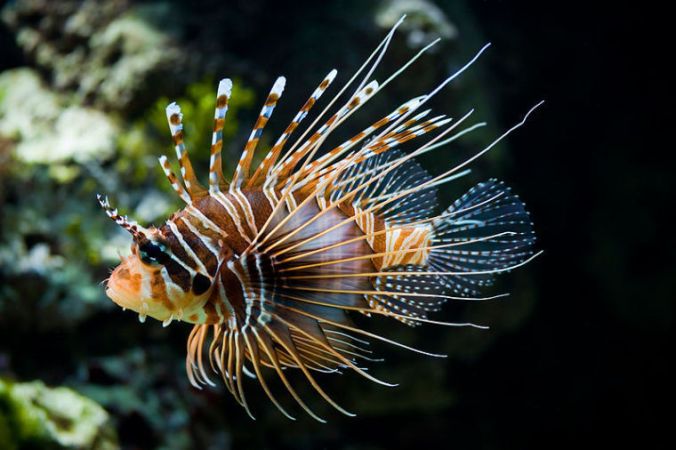
I’ve posted previously about the lionfish invasion that is threatening coral reef and other marine ecosystems throughout the Caribbean, Gulf of Mexico, and Southern Atlantic Seaboard of the United States. As I’ve noted in earlier posts, it is the general consensus of the scientific and conservation community that eradication of lionfish from the Atlantic is impossible. However, there is growing evidence that systematic removal efforts can be effective in controlling lionfish populations and in reversing their negative impact on reef health. The challenge faced by marine protection agencies and marine resource managers is how to undertake these removals on a regular and financially sustainable basis. I’m convinced that this challenge can best be met by an integrated approach involving coordinated action by public and private actors complemented by the creation of markets for lionfish products.

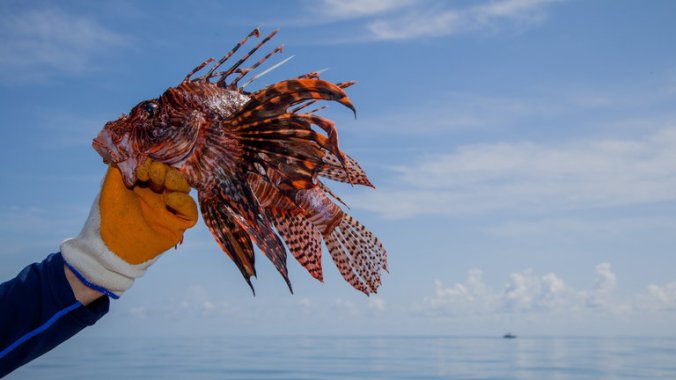
All of these elements were in evidence at the Lionfish Removal and Awareness Day festival in Pensacola, Florida which I attended last month. Organized by the Florida Fish and Wildlife Conservation Commission (FWC), the two-day event included a lionfish derby (with more than 8,000 lionfish removed by volunteer divers), lectures about the invasion and the threat that it poses, lionfish cooking and tasting, and sale of lionfish products.

Notable among the sponsors of the event was Whole Foods, which had announced a few weeks earlier that it was going to begin selling lionfish at its stores in California and Florida. The move by whole foods was sparked by the decision late last year of Monterey Aquarium’s Seafood Watch program to list lionfish as a best choice under its sustainable seafood recommendations, citing the invasive nature of the species. As I had noted in a previous post, Seafood Watch had previously declined to list lionfish due to the absence of an established commercial fishery, but to their credit, the group responded to what they described as a “grassroots campaign” and revisited the issue. Moreover, since taking the decision to list lionfish, Seafood Watch has been active in raising awareness about the invasion and in promoting lionfish consumption. Continue reading

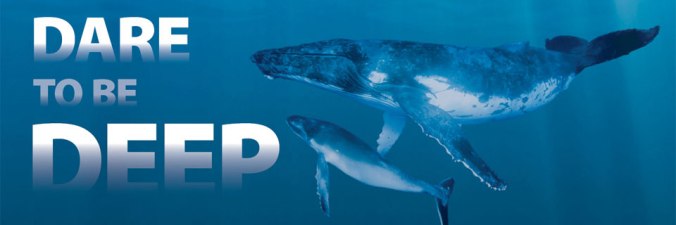
Dare To Be Deep

feature_daretobedeep.jpg

CPAWS has been around for decades, but we seem to have missed it in these pages in the five years we have been linking out to notable conservation initiatives:

The Canadian Parks and Wilderness Society (CPAWS) is Canada’s only nationwide charity dedicated solely to the protection of our public land and water, and ensuring our parks are managed to protect the nature within them. In the past 50+ years, we’ve played a lead role in protecting over half a million square kilometres – an area bigger than the entire Yukon Territory! Our vision is to protect at least half of our public land and water so that future generations can experience Canada’s irreplaceable wilderness.

The Dare to be Deep initiative just came to our attention:

Every second breath we take comes from the ocean that covers 70% of our planet. The ocean also regulates the temperature of our planet, and provides us with an important source of protein and food. Continue reading

Read Roger

26cohen-master675

Bleached coral in the Great Barrier Reef. Credit Agence France-Presse/XL Catlin Seaview Survey

Today’s editorial, from his current perch in Australia, is typical of the most reasoned editorialist currently writing for an English language major daily that we know of; so, worth a read:

Coral vs. Coal

Roger Cohen

MELBOURNE, Australia — Tim Flannery, a scientist and environmentalist who was named Australian of the Year in 2007, lost his job in 2013. The right-wing government of then-Prime Minister Tony Abbott shut down the Climate Commission that Flannery headed in a peremptory move designed to demonstrate its contempt for climate change. The commission had been established two years earlier to provide “authoritative information” to the Australian public. Continue reading

Lionfish Initiative Spearheaded By Whole Foods In Florida

5158843f5fcbe.image

Florida Stores First Region to Offer New “Spearited” Catch of the Day

We are not purposely low tech, but we do not use tracking devices for news topics we care about (this topic we have tended to leave to Phil Karp, a contributor who first brought it to our attention a few years ago, and is highly attuned to the news and trends related to lionfish entrepreneurial conservation). We just watch the news sources we are inclined to trust, and try to get exposed to new news sources as frequently as possible. Those of us tracking news from India sometimes are late picking up important stories, like this one that has already been out for more than a day as it comes to our attention.

No matter. We like it, and for the record we want to share good news when we encounter it. This comes from ABC television affiliate WWSB in Florida, USA. We consider it a public service announcement, and so quote in full here, but still please click to the source of the story so they get credit:

A hub for certified sustainable seafood, Whole Foods Market® is excited to offer shoppers a fresh and delicious new seafood option – lionfish. The fish is a nonnative, invasive species that has a potential negative impact on indigenous species and habitat. By reducing the number of lionfish in the wild, Whole Foods Market® will help to improve the serious environmental threat they cause. Continue reading

Lionfish Initiative In Florida

tbfish1-master768.jpg

Capturing lionfish is typically done by divers with spears. Credit Angel Valentin for The New York Times

We never tire of hearing about new initiatives to eradicate this introduced species, and like the way the folks in Florida are thinking outside the box:

Florida Needs a Lionfish King or Queen. It Could Be You.

By

Ladies and gentlemen, behold an opportunity to become maritime royalty. The Florida Fish and Wildlife Conservation Commission is hosting the Lionfish Challenge, a statewide hunting competition intended to encourage divers to capture, kill and eat the beguiling beauties, which have been invading western Atlantic waters and gobbling up native species for at least two decades. The title of Lionfish King or Queen goes to whoever captures the most lionfish by Sept. Continue reading

Fighting Flouting Fishing Fleets

3888

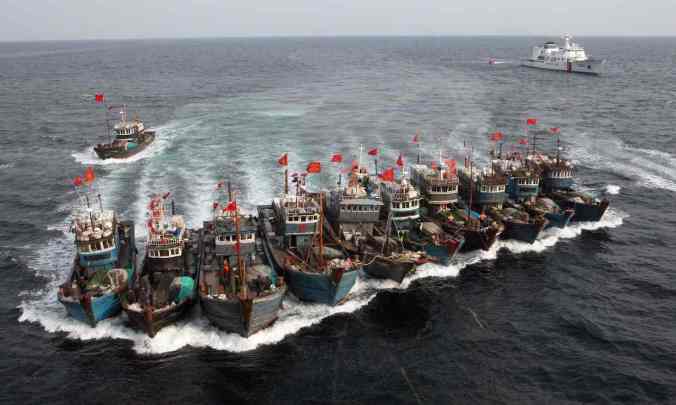
Chinese boats banded together with ropes, after alleged illegal fishing in South Korean waters in the Yellow Sea off the southwestern coast county of Buan. Photograph: Dong-A Ilbo/AFP/Getty Images

Tragedy of the commons on the high seas, fought by those who perceive their interests in common enough to do something about it (a tricky thing, as we note frequently), once again in the news.  Thanks to the Guardian, and environmental reporter Emma Bryce, for this reportage:

Tens of countries sign up to shut pirate fishers out of their ports

The first of its kind, a new international treaty obliges signatories to intercept pirate fishers before they can sell their catch

In March, the Argentinian coast guard shot at and sank a Chinese vessel that was alleged to be fishing illegally in Argentinian waters (the crew were all rescued). While it’s unclear whether the boat was committing crime, the incident showed that the tension surrounding pirate fishing is reaching a peak, marked elsewhere by increasing conflict, and the detainment and scuttling of illegal fishing fleets. But for pirate fishers, the financial gains appear to be worth these risks. Continue reading

Thank You, WWF Mexico, For Your Work In The Gulf Of California

2362

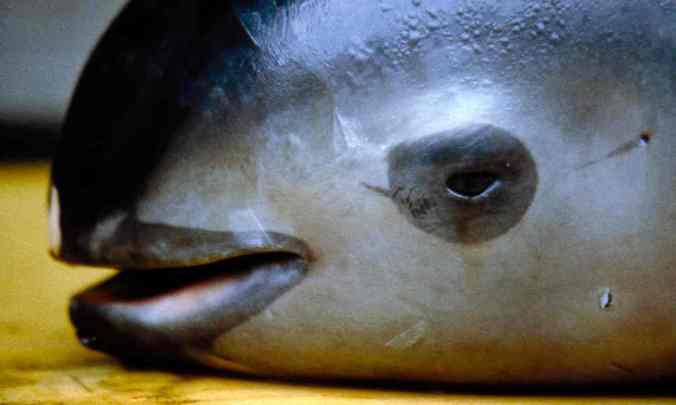
There are just 60 vaquita marina left in the wild, according the the latest estimate. Photograph: Ho New/Reuters

Even when there is tragic news, we take some comfort in seeing the WWF’s ongoing efforts to counter our worst tendencies as humans to deplete natural resources irresponsibly. Thanks the Guardian, and its French colleagues, for this news:

World’s smallest porpoise ‘at the edge of extinction’ as illegal gillnets take toll

Now only 60 of Mexico’s vaquita marina left despite the navy enforcing a ban on the fishing net, latest study shows

Environmentalists warned on Friday that Mexico’s vaquita marina, the world’s smallest porpoise, was close to extinction as the government reported that only 60 were now left. Continue reading

Science Cannot Serve Two Masters

overfishing_custom-1e6a0790cb0cea389c8c2aa9c4927c8b6f5686a1-s1400-c85.jpg

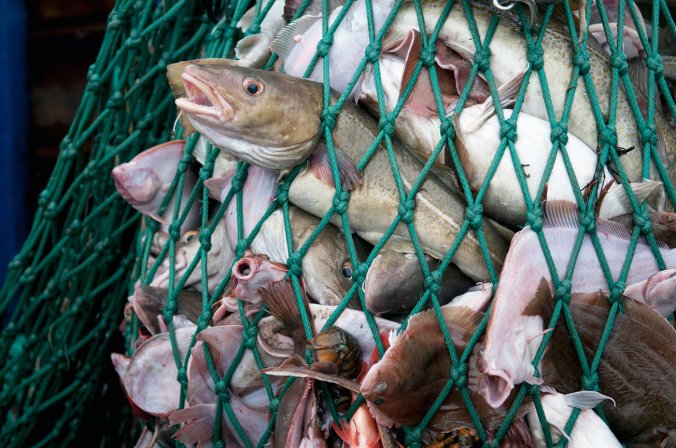
A fishing dragger hauls in a net full of Atlantic cod, yellowtail flounder and American lobster off the coast of New England. Greenpeace says Ray Hilborn, a prominent fisheries scientist known for challenging studies that show declines in fish populations, failed to fully disclose industry funding on some of his scientific papers. Jeff Rotman/Getty Images

Go to the dictionary, or notes from a science course you might have taken, to be reminded of the definition of how this body of knowledge operates, and the importance of avoiding bias is evident. When it relates to the survival or collapse of species, avoiding bias seems even more important than the definition implies. Science serves the interest of objective, verifiable truth; not economic or political interests (thanks to National Public Radio, USA):

Fisheries Scientist Under Fire For Undisclosed Seafood Industry Funding

A prominent and outspoken fisheries scientist at the University of Washington is under attack from Greenpeace for not disclosing industry funding in several scientific papers stretching back to 2006. Continue reading

Greenpeace, At It, As Ever

2500.jpg

Thanks to the Guardian for ongoing coverage of the band of environmentalists who are doing their best to keep the planet’s oceans healthy:

Greenpeace activists target destructive fishing in Indian Ocean – in pictures

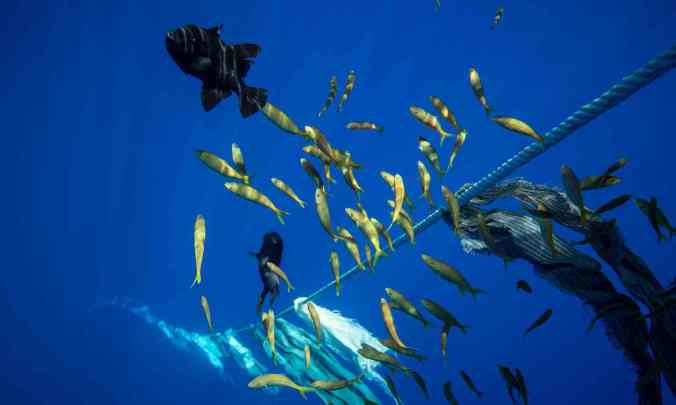
With some Indian Ocean tuna stocks on the brink of collapse, the expedition exposes harmful methods by the world’s largest tuna company, Thai Union, owner of John West

Continue reading

McKibben In The Guardian

3840

Global direct action began with hundreds of environmental activists invading the UK’s largest opencast coal mine in south Wales on Tuesday. Photograph: Kristian Buus for the Guardian

More McKibben, who we believe we will never tire of sharing here:

The time has come to turn up the heat on those who are wrecking planet Earth

An interesting question is, what are you waiting for?

Global warming is the biggest problem we’ve ever faced as a civilisation — certainly you want to act to slow it down, but perhaps you’ve been waiting for just the right moment. Continue reading

If You Happen To Be In Japan

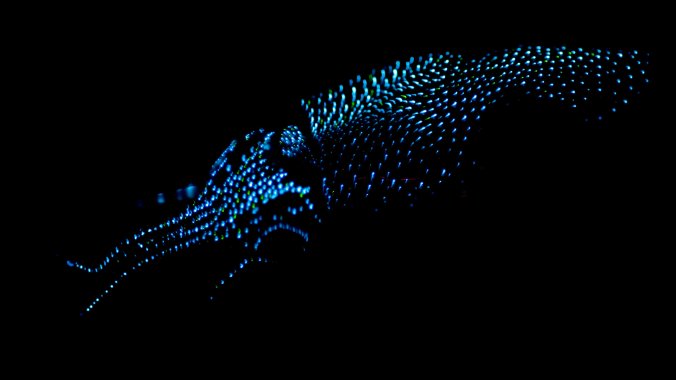
27tb-fireflysquid1-superJumbo

A firefly squid in Japan. The best time to see them is between March and June. Credit Michael Ready/Visuals Unlimited, Inc., via Getty Images

It is Science section day in the New York Times, and this story doubles as a travel recommendation:

Hop on a fishing boat in Toyama Bay, Japan, in the wee hours of the morning and you may feel as if you’re in a spaceship, navigating through the stars. That’s because each year, between March and June, millions of firefly squid transform the water into a galactic landscape. Lucky for you, all you need is a reservation to come aboard, your eyes and perhaps a really good camera.

The firefly squid may bring to mind a lightning bug. But the cephalopod is three inches long and flies through the sea, not the sky. And instead of a single light on its belly, it has five around each eye, three each on the tips of two of its arms and even more covering its body. Continue reading

Bad News for Lionfish in Costa Rica, Good News for Costa Rica

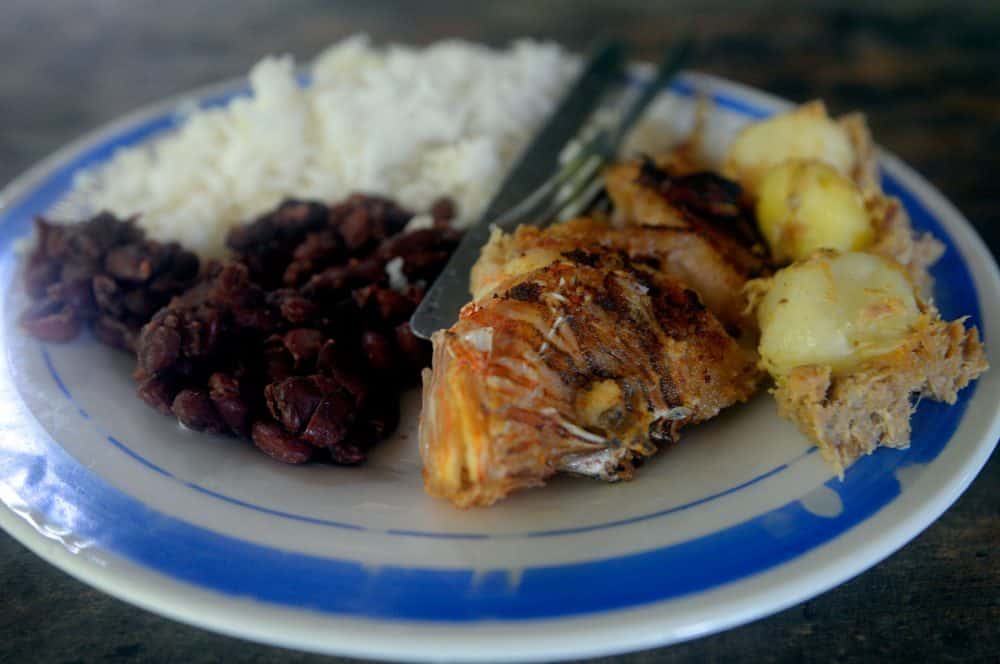
After a long day of fishing, the lionfish are fried and served up with rice and beans. Lindsay Fendt/The Tico Times

We’re always keeping our eye out for updates on the lionfish situation, and that’s why we’re happy to see that some more efforts are being made in Costa Rica to control a problem that is pretty out of control. More from Lindsay Fendt from the Tico Times:

Local efforts to curb the encroachment of invasive species in Costa Rica’s Caribbean got a big boost this week with the formation of a National Commission for the Management and Control of Lionfish. The new commission will provide government support for Caribbean fishing associations that are already actively combatting the proliferation of lionfish (Pterois).

Introduced to the Atlantic Ocean from the Indo-Pacific sometime in the 1980s, the lionfish has been wreaking havoc on Caribbean fish populations. The fish can gobble up two smaller fish every minute and lay up to 30,000 eggs each year, depleting catches for fishermen and damaging the ecosystem. Though not the hardest hit country in the region, Costa Rica has approximately 90 lionfish per hectare and fishermen have reported an 80-87 percent decline in their catches since 2009 when the fish began to appear off the country’s coast.

Continue reading

Mysterious Sea-Floor Activity

Screen Shot 2016-04-15 at 11.37.52 AM

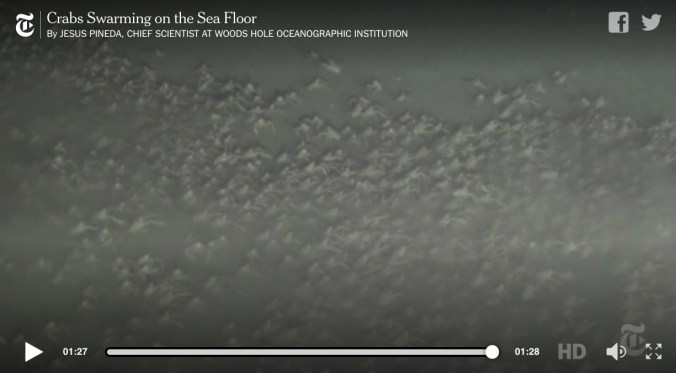
Thousands of red crabs swarmed the ocean floor off the coast of Panama. By JESUS PINEDA, CHIEF SCIENTIST AT WOODS HOLE OCEANOGRAPHIC INSTITUTION on Publish Date April 14, 2016. Photo by Jesus G. Pineda/Woods Hole Oceanographic Institution.

Watch the video above as an introduction to a fascinating story from the Science section of the New York Times:

Uncovering a Deep-Sea Swarm of Zombie Crabs

The team stumbled upon the horror movie moment last April while exploring the aptly named Hannibal Bank Seamount, an underwater mountain home to a plethora of sea life. Continue reading

Message In A Bottle, Future Perfect

Print

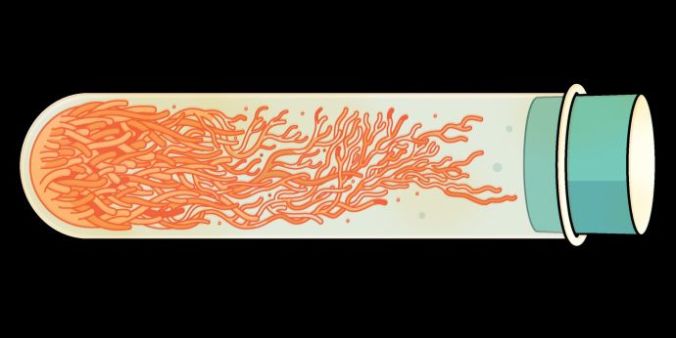
Researchers are hoping to “assist” evolution in order to produce hardier corals and tougher trees. ILLUSTRATION BY HARRY CAMPBELL

We are just browsing through the new edition of one of our favorite weekly sources of material–favored for its variety of topics, and its long form approach–and this Kolbert report hits the right spot for starting a new week with vim and vigor and creative spark:

Unnatural Selection

What will it take to save the world’s reefs and forests?

Ruth Gates fell in love with the ocean while watching TV. When she was in elementary school, she would sit in front of “The Undersea World of Jacques Cousteau,” mesmerized. The colors, the shapes, the diversity of survival strategies—life beneath the surface of the water seemed to her more spectacular than life above it. Without knowing much beyond what she’d learned from the series, she decided that she would become a marine biologist.

“Even though Cousteau was coming through the television, he unveiled the oceans in a way that nobody else had been able to,” she told me. Continue reading