Is It This Simple?

ghost-fishing

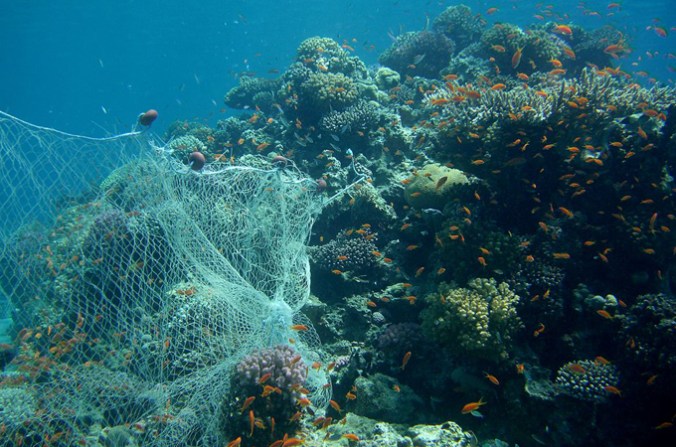
A serious problem with a relatively simple solution (thanks to Conservation magazine’s website):

BIODEGRADABLE GILLNETS COULD HELP RID THE OCEAN OF GHOST FISHING

Researchers have found that biodegradable gillnets catch fish as well as conventional nylon nets—and more quickly lose their ability to entangle animals when discarded at sea. Even more, the degradable nets tend to trap fewer young fish and bycatch. Continue reading

Putting All That Gee Whiz Technology And Creative Knowhow To Much Better Use

dotlonelyvr2-blog480

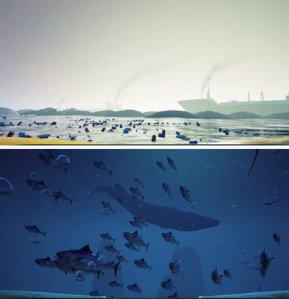
Two scenes from a virtual-reality “ride” that takes viewers into the realm of whales, fish and sonic and plastic pollution. Credit Dell

One of our favorite sources of “green news” in the early days of this blog five years ago, Mr. Revkin reappears every now and then with something really cool:

To Cut Ocean Trash, Adrian Grenier and Dell Enlist Filmmakers and Virtual Reality

Continue reading

Yay, Iceland

CcE7MA8WoAE1RFC

Thanks to Ecowatch for sharing this news, and megathanks to Iceland for making the news:

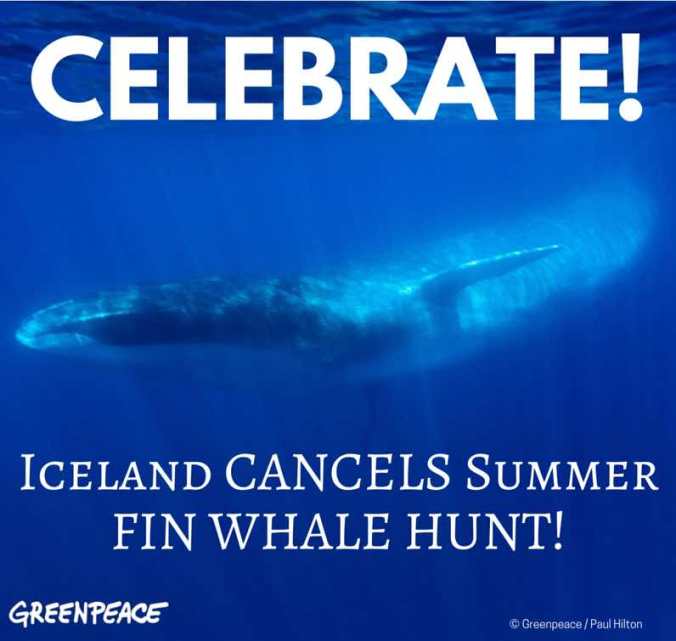
…Word today from colleagues in Iceland and now reports in both Icelandic and English-language media confirm that the planned hunt for fin whales will not happen this summer. The man behind that whaling is claiming that he’s stopping because of “hindrances” in exporting the meat. That’s great news for whales and everyone who has been opposing this needless, senseless hunt. Continue reading

Palau Power!

21mag-21palau-t_CA4-jumbo

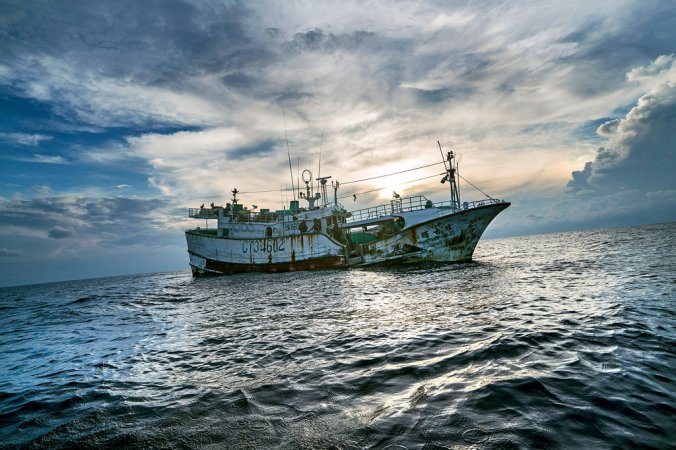
The Sheng Chi Huei 12, a Taiwanese fishing vessel. BENJAMIN LOWY/REPORTAGE, FOR THE NEW YORK TIMES

Where are the heroes on the high waters? Sea Shepherd, one of our favorites, is out there and Paul Watson continues to lead the charge; but not only them. Little places also do big things. Thanks to Palau for the inspiration, and the reporter/publication for the investigation:

Palau vs. the Poachers

The island nation has mounted an aggressive response to illegal fishing in their waters. How they protect themselves may help the rest of the world save all of the oceans.

Late on a January 2015 evening in Shepherdstown, W.Va., a data analyst named Bjorn Bergman, surrounded by whiteboards scribbled with computer code, was orchestrating a high-stakes marine police chase halfway around the world. Staring at his laptop in a cramped ground-floor office, he drank from his sixth cup of coffee and typed another in a long series of emails: ‘‘Try and cut them off rather than making for the last known position.’’ Nearly 9,000 miles away, the Remeliik, a police patrol ship from the tiny island nation Palau, was pursuing a 10-man Taiwanese pirate ship, the Shin Jyi Chyuu 33, through Palauan waters. Bergman, working for a nonprofit research organization called SkyTruth, had mastered the use of satellite data to chart a ship’s most likely course. Instead of pointing the police to where the pirate ship was, he would tell them where it was about to be. He took another sip of coffee, studied his screen, then typed again: ‘‘It may be advisable for the Remeliik to turn southeast.’’ Continue reading

A Lone Couple, a Desert Island, and Turtles

Despite living in utter isolation on a desert island for 40 years, one inspirational couple has overcome disability and blindness to make a difference. PHOTO: BBC

Despite living in utter isolation on an island for 40 years, one couple has overcome disability and blindness to make a difference. PHOTO: BBC

Isn’t there a line about finding heroes in the most unlikely places? This is the setting of Daeng Abu’s and his wife Daeng Maida’s inspirational story: a desert island off the coast of Sulawesi in Indonesia, disabilities in Abu being blind and facing leprosy, their days spent raising sea turtles and speaking against the cyanide and dynamite fishing that is devastating Indonesia’s reef.

Neither knows how old they were when they entered their arranged marriage on nearby Pulau Pala (Nutmeg Island) – they currently believe they’re in their 80s – but Abu thinks he was older than 20 and Maida remembers it was the dry season. Her uncle fired three shots in the air; she walked over to his family’s home; Abu built a shack from bamboo and palm leaf; and married life began. Little did they know at the time – the couple was bound to become a rather unlikely pair of environmental activists.

Continue reading

Oceans Of Plastic

Feature-NPEC

You may have seen headlines in recent days with predictions about plastic overtaking fish as the primary mass of our planet’s oceans. Go straight to the source to get the facts (below is the press release from the foundation that funded the research; see the chart after the page break below to really get a punch of reality from the scale of this problem):

Applying circular economy principles to global plastic packaging flows could transform the plastics economy and drastically reduce negative externalities such as leakage into oceans, according to the latest report by the World Economic Forum and Ellen MacArthur Foundation, with analytical support from McKinsey & Company.

The New Plastics Economy: Rethinking the future of plastics provides for the first time a vision of a global economy in which plastics never become waste, and outlines concrete steps towards achieving the systemic shift needed. The report, financially supported by the MAVA Foundation, was produced as part of Project MainStream, a global, multi-industry initiative that aims to accelerate business-driven innovations to help scale the circular economy. Continue reading

More Reasons For A Plant-Dominated Diet

4368

Global fish catches rose from the 1950s to 1996 as fishing fleets expanded and discovered new fish stocks to exploit. Photograph: Eyal Warshavsky/Corbis

We serve fish. We love fish. We love fish too much, all of us. Every day we get more evidence of the logic for shifting more of our diet to be plant-based, and this article in today’s Guardian adds one more powerful data point:

Overfishing causing global catches to fall three times faster than estimated

Landmark new study that includes small-scale, subsistence and illegal fishing shows a strong decline in catches as more fisheries are exhausted

Global fish catches are falling three times faster than official UN figures suggest, according to a landmark new study, with overfishing to blame. Continue reading

A Robot To Police The Oceans’ Ecosystems

rtx1i8gp

National Public Radio (USA) is carrying this story, which we guess will catch the interest of Phil Karp, among others interested in the health of our ocean ecosystems:

Climate change, pollution, and unsustainable fishing practices have threatened the world’s largest coral structure but there’s some hope for Australia’s Great Barrier Reef. An intelligent robot is ready to protect it. Continue reading

Lionfish Jewelry Update – Caribbean Gulf and Fisheries Institute Conference

I’ve posted previously about the emergence of lionfish jewelry as one of several market-based approaches to controlling the invasion of this non-native species which poses an unprecedented threat to marine ecosystems in the Western Atlantic.

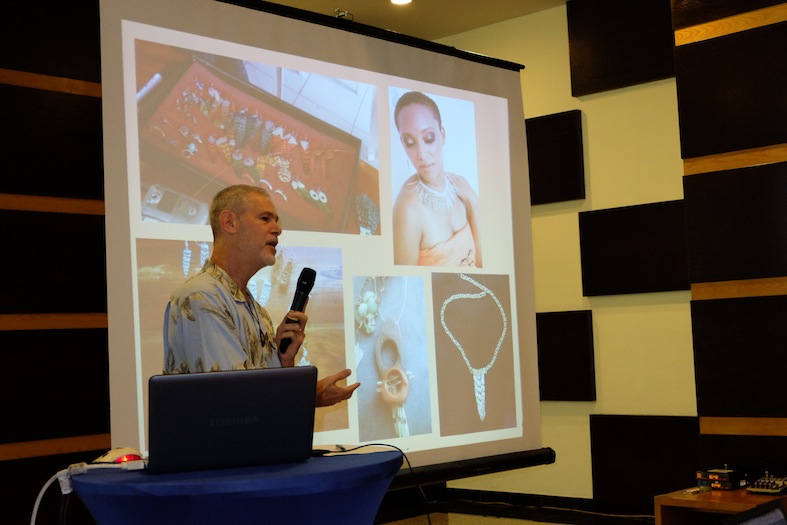
Last month I had the opportunity to make a presentation on lionfish jewelry at a special workshop on lionfish management that was held during the annual conference of the Gulf and Caribbean Fisheries Institute, in Panama. The conference program also included a full-day lionfish research symposium and a lionfish research poster session, both of which gave me an opportunity to learn more about the science aspects of the lionfish invasion and some of the latest findings on lionfish biology and behavior and to meet some of the leading researchers on these subjects.

The lionfish management workshop, which was organized by the United Nations Environment Program’s Caribbean Regional Activity Center on Specially Protected Areas and Wildlife (SPAW-RC) and the International Coral Reef Initiative (ICRI), brought together marine scientists, managers of marine protected areas, fishermen, and representatives of international organizations to share experiences and lessons learned with respect to strategies for controlling the invasion. Continue reading

Cod’s Feeling the Heat

Zach Whitener, research associate at the Gulf of Maine Research Institute, holds a cod while collecting samples for a study. PHOTO:  Gulf of Maine Research Institute

Zach Whitener, research associate at the Gulf of Maine Research Institute, holds a cod while collecting samples for a study. PHOTO: Gulf of Maine Research Institute

As climate change has warmed the Earth, oceans have responded more slowly than land environments. But scientific research is finding that marine ecosystems can be far more sensitive to even the most modest temperature change. A telling effect of rising temperatures is the problems fishing is plagued by.

Cod was once so plentiful in New England that legend had it you could walk across the local waters by stepping on the backs of the fish. Now, though, this tasty species is in such trouble there that cod fishing is practically shut down. And scientists say it looks like rapid warming in the Gulf of Maine explains why regulators’ recent efforts to help the cod while allowing fishing were a failure.

Continue reading

A Tiny Land and Its Large Ocean Reserve

The president of Palau signed legislation Wednesday designating a reserve that's about 193,000 square miles (500,000 square kilometers) in size. This makes it one of the five largest fully protected marine areas in the world. PHOTO: National Geographic

The president of Palau signed legislation Wednesday designating a reserve that’s about 193,000 square miles (500,000 square kilometers) in size. This makes it one of the five largest fully protected marine areas in the world. PHOTO: National Geographic

The Chilean government recently announced that it has created the largest marine reserve in the Americas by protecting an area hundreds of miles off its coast roughly the size of Italy. The new area, called the Nazca-Desventuradas Marine Park, constitutes about eight percent of the ocean areas worldwide that have been declared off-limits to fishing and governed by no-take protections. Now, the Pacific island nation of Palau has resolved to protect nearly 80% of its oceans.

Continue reading

Wedded to Their Land Despite the Tides

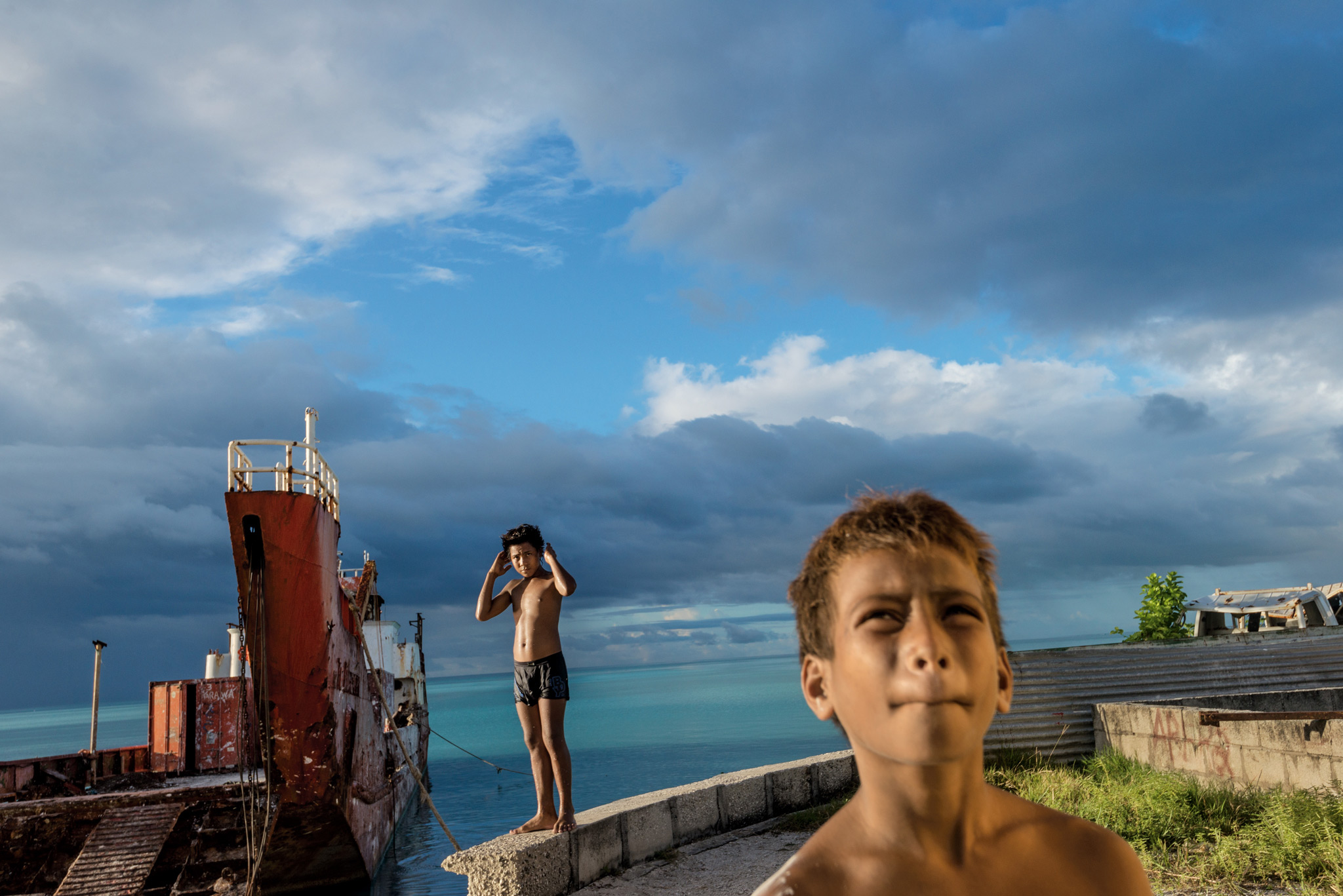
 Kiribati—33 coral islands in an expanse of the central Pacific larger than India—is “among the most vulnerable of the vulnerable” to climate change. PHOTO: Kadir Van Lohuizen

Kiribati—33 coral islands in an expanse of the central Pacific larger than India—is “among the most vulnerable of the vulnerable” to climate change. PHOTO: Kadir Van Lohuizen

They do not think of themselves as “sinking islanders,” rather as descendants of voyagers, inheritors of a proud tradition of endurance and survival.

That’s how National Geographic captures the spirit of the people of Kiribati, a spirit that forgives the seas despite the threats that its warming, rising, acidifying waters pose to their native islands. A people who believe that planting mangroves will stop the encroaching sea in its tracks, a people whose lives are centered on the seas that without it, they maybe forced to question who they are. This is their story then, from “the front line of the climate-change crisis.”

Continue reading

Let the Corals Have Their Colors

Partially bleached coral in Kaneohe, Hawaii. Coral reefs worldwide are at risk of damage from the suncscreen ingredient oxybenzone. PHOTO: AP

Partially bleached coral in Kaneohe, Hawaii. Coral reefs worldwide are at risk of damage from the suncscreen ingredient oxybenzone. PHOTO: AP

Corals worldwide are losing their colors, they are getting bleached. We’d discussed how stress due to global warming and climate change is forcing corals to drive out the zooanthellae that give them their colors. And now here’s more evidence on how human lifestyles are affecting life beneath the waters.

New research about sunscreen’s damaging effects on coral reefs suggests that you might want to think twice before slathering it on. Reports about the harmful environmental effects of certain chemicals in the water have been circulated for years, but according to the authors of a new study, the chemicals in even one drop of sunscreen are enough to damage fragile coral reef systems. Some 14,000 tons of sunscreen lotions wind up in coral reefs around the world each year.

Continue reading

An NBA Star and a Campaign to Protect Sharks

Yao Ming has teamed up with the conservation nonprofit WildAid to spread the word that shark fin soup bears bad news. PHOTO: Toshifumi Kitamura/AFP/Getty

Yao Ming has teamed up with the conservation nonprofit WildAid to spread the word that shark fin soup bears bad news. PHOTO: Toshifumi Kitamura/AFP/Getty

Yao Ming may now be a retired professional basketball player but him making it to the  All-NBA Team five times is not a forgotten feat. That and the fact that at the time of his final season, he was the tallest active player in the NBA, at 2.29 m (7 ft 6 in). Ming, who was born in Shanghai, China, started playing for the Shanghai Sharks as a teenager. Now, miles away from the court, his life is still closely linked to the sharks – the animal kind. Ming is a strong advocate on protecting sharks and is pushing for a ban on shark fin soup, a delicacy that significantly contributes to the estimate of 1 in 4 sharks now being endangered.

The number of sharks in our seas has been steadily decreasing for decades. About 100 million sharks a year are killed — 73% of those are targeted for their fins, which are usually cut off before the shark is left to die.

Continue reading

Where Are the Colors?

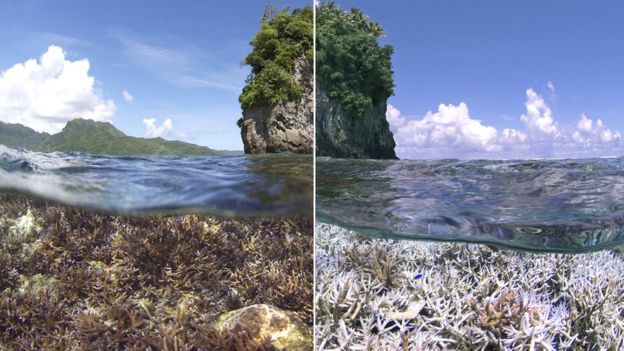
These images, taken in American Samoa, show the devastation caused by coral bleaching between December 2014 and February 2015. PHOTO: BBC

These images, taken in American Samoa, show the devastation caused by coral bleaching between December 2014 and February 2015. PHOTO: BBC

Yet another effect of global warming and changing ecosystems. Corals worldwide are at risk from a major episode of bleaching which turns reefs white.Although reefs represent less than 0,1% of the world’s ocean floor, they help support about a quarter of all marine species. The US National Oceanic and Atmospheric Administration (NOAA) says the livelihoods of 500 million people and income worth over $30bn (£19,6bn) are at stake.

Continue reading

Chile Looks Beneath the Waters

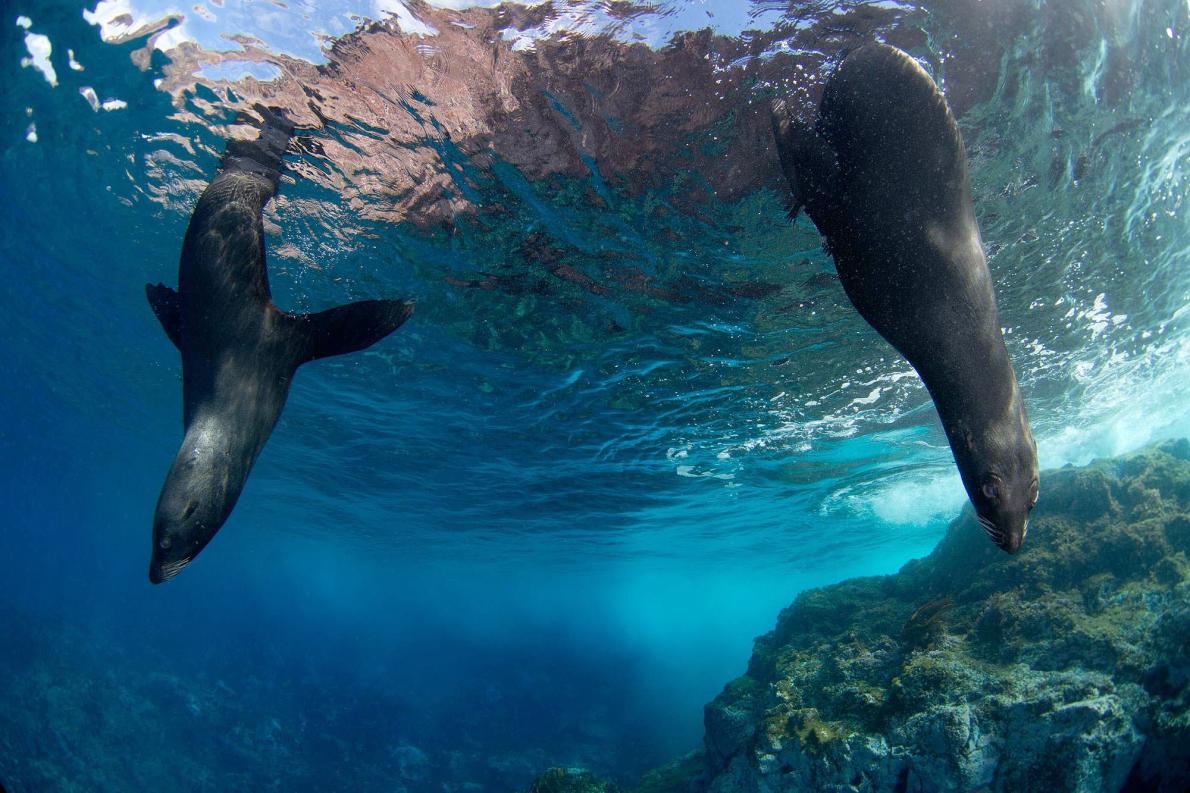
Two Juan Fernandez fur seals (Arctocephalus philippii) slide through the water off the Desventuradas Islands about 559 miles (900 kilometers) west of Chile. Divers snapped this picture during a 2013 expedition to an area that is now the largest no-take marine reserve in the Americas. PHOTO:  ENRIC SALA

Two Juan Fernandez fur seals slide through the water off the Desventuradas Islands. Divers snapped them during a 2013 expedition to an area that is now the largest no-take marine reserve in the Americas. PHOTO: ENRIC SALA

Here’s another win for those who vouch for the ecosystem wealth that lie beneath the waters. The Chilean government on Monday announced that it has created the largest marine reserve in the Americas by protecting an area hundreds of miles off its coast roughly the size of Italy.

The new area, called the Nazca-Desventuradas Marine Park, constitutes about eight percent of the ocean areas worldwide that have been declared off-limits to fishing and governed by no-take protections, says Russell Moffitt, a conservation analyst with the Marine Conservation Institute in Seattle, Washington. (Read about the world’s largest marine reserve in the Pacific Ocean.)

Continue reading

Helping Salmon Get By

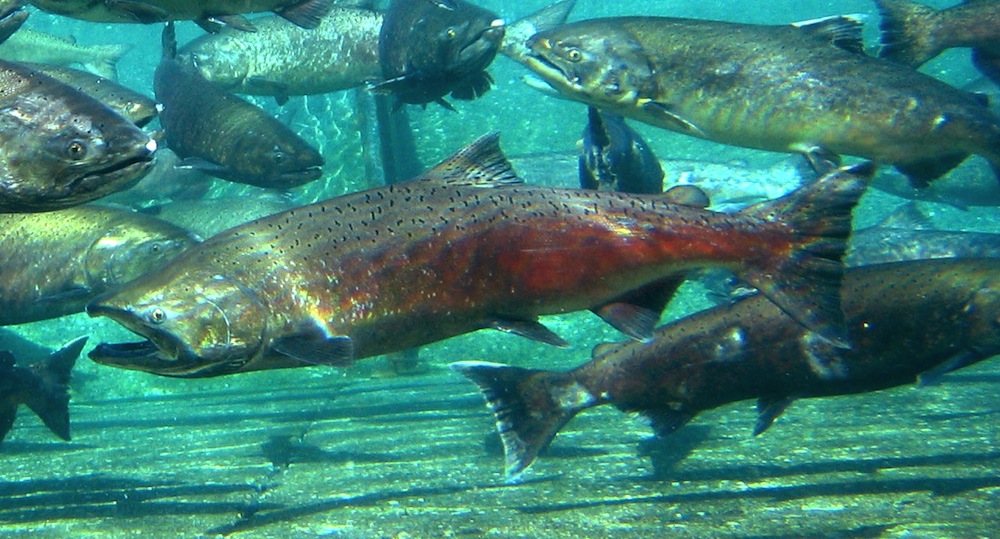
Drought and man-made obstacles lead fishery to boost releases of Chinook into Sacramento River, in hopes that a few thousand return to spawn.  PHOTO: Livescience

Drought and man-made obstacles lead fishery to boost releases of Chinook into Sacramento River, in hopes that a few thousand return to spawn. PHOTO: Livescience

To boost the dwindling population of natural chinook salmon in California, hundreds of thousands of fish are spawned and released by federal and state agencies every year. This year, 600,000 salmon were released earlier than normal because of a historic drought in California.

The California drought, the state’s worst on record, has taken a terrible toll on those already-diminished winter Chinook salmon runs. It’s not just that there isn’t enough water; there’s not enough cold water, especially after competing interests such as urban areas and big agriculture—each equipped with more political muscle than wild salmon advocates have—take their share. In 2014, the returning winter Chinook numbers were the worst that fishery officials had ever seen. In a normal year, about 25 percent of the eggs produce baby salmon healthy enough to migrate; last year, with only 5 percent surviving their infancy in the unusually warm water, nearly the whole winter run was wiped out.

Continue reading

Extinction By Accident

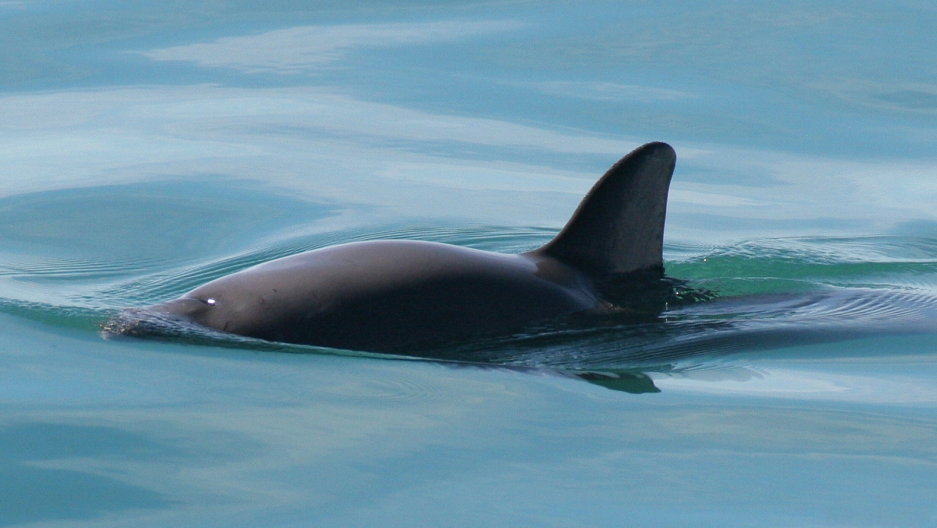
Vaquitas are considered the smallest and most endangered cetacean in the world. Credit: Paula Olson/Wiki Commons

Vaquitas are considered the smallest and most endangered cetacean in the world. Credit: Paula Olson/Wiki Commons

The world’s most endangered marine mammal is a small porpoise called the vaquita — Spanish for little cow. The vaquita has been under threat for years, but now the poaching of a rare fish may be driving the tiny Mexican porpoise to extinction.Scientists estimate that fewer than 100 vaquita porpoise exist today, all of them in the upper Gulf of California. Vaquitas are small porpoises with big eyes and a permanent grin. None have ever survived in captivity. Poachers are killing the vaquita, but they are actually targeting another endangered fish, the totoaba.

Continue reading

Who’s Taking Over Coral Reefs?

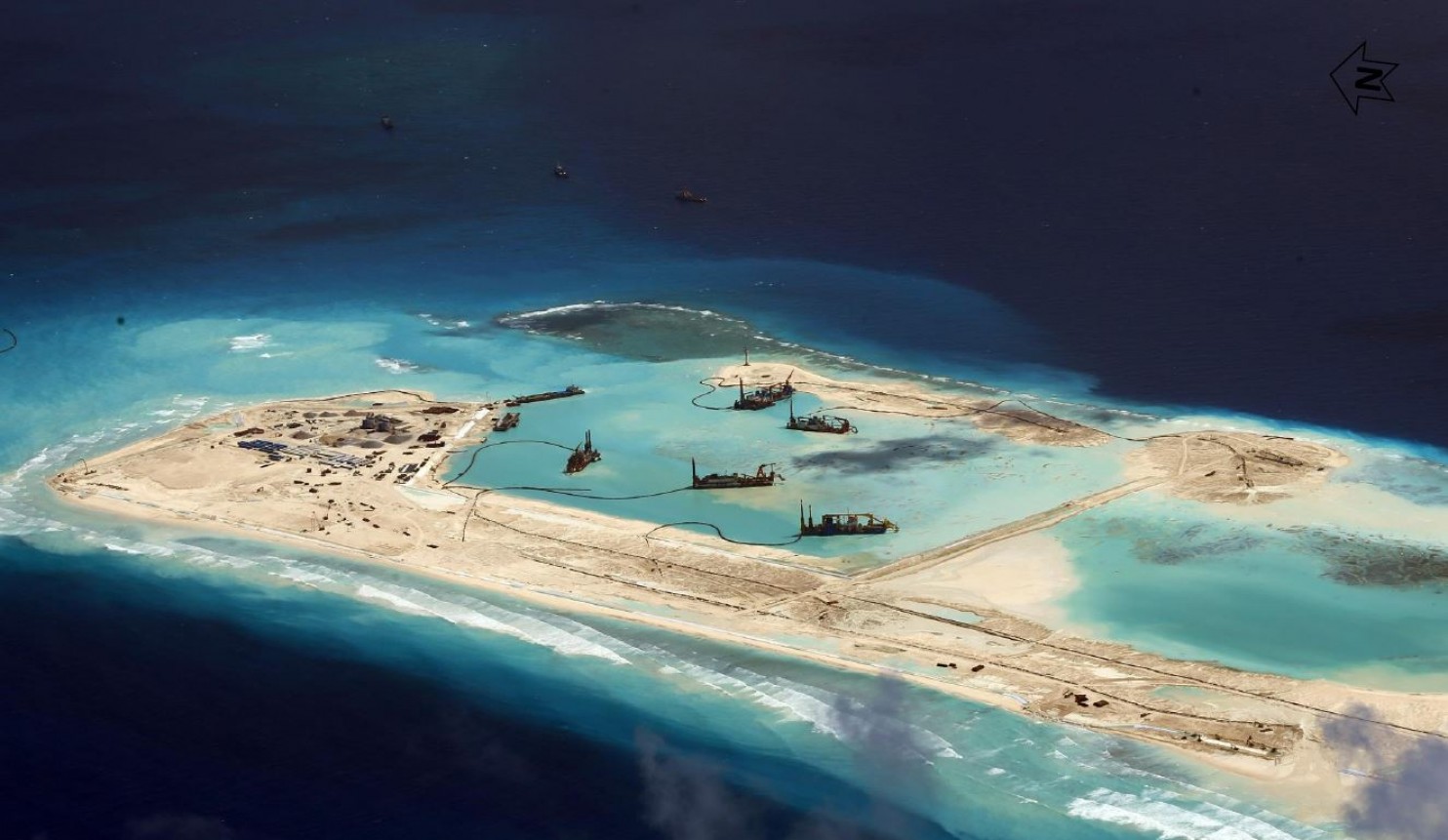
Between August and November in 2014, Chinese dredgers created a land mass on Fiery Cross that spans 3,000 meters long and 200 to 300 meters wide. PHOTO: Washington Post

Between August and November in 2014, Chinese dredgers created a land mass on Fiery Cross that spans 3,000 meters long and 200 to 300 meters wide. PHOTO: Washington Post

Here are some figures for China’s military strength. Here is also the fact that much of the country’s military building is concentrated in the high seas. Especially in waters that once hosted biodiversity hotspots in coral reefs.

As China races to extend its military reach, it is turning pristine habitats into permanent islands. Satellite images of the South China Sea show rapid destruction of some of the most biodiverse coral reefs in the world. The reclamation of land in the contested Spratly archipelago to build runways, military outposts and even small towns is endangering ecosystems that are key to maintaining world fish stocks and biodiversity.

Continue reading

Culture on the High Seas

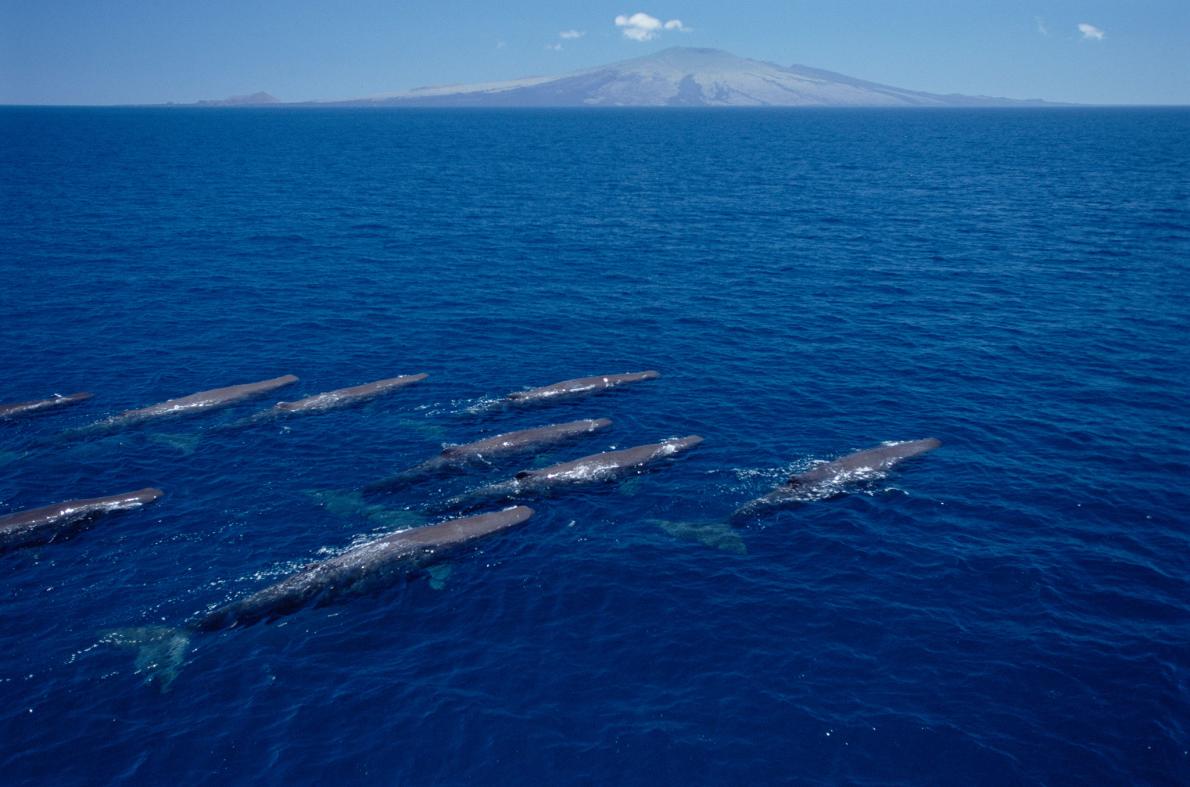
Female sperm whales and their calves swim off the coast of Pinta Island in the Galápagos.  PHOTO: FLIP NICKLEN, MINDEN/CORBIS

Female sperm whales and their calves swim off the coast of Pinta Island in the Galápagos. PHOTO: FLIP NICKLEN, MINDEN/CORBIS

Have you read about how lemon sharks are able to make and maintain social networks, despite the lack of Facebook and Twitter—and learn from their interactions? Or about the whales who communicate with other humpbacks through social learning? Now a study finds that deep-diving whales have a distinct series of clicks called codas they use to communicate during social interactions.

Continue reading