Community, Collaboration & Conservation in Mozambique

Thanks to contributor Phil Karp for sharing this great example of how peer-peer knowledge exchange can help to replicate and scale up innovative solutions.

For communities, by communities

Experience from around the world shows that managing fisheries and marine resources works best when responsibility is placed in the hands of local communities. This is particularly true in low-income countries, where there is often limited capacity and infrastructure for fisheries management and conservation.

Locally Managed Marine Areas (LMMAs) are areas of ocean managed by coastal communities to help protect fisheries and safeguard marine biodiversity. Found throughout the world’s tropical and subtropical seas, and encompassing diverse approaches to management and governance, their sizes and contexts vary widely, but all share the common theme of placing local communities at the heart of management.
Continue reading

Citizen Science, 2017 & Beyond

tnc_90078497_preview_cropped-e1493211756535-1260x708.jpg

We have an event coming up that is our main focus now with regard to citizen science. After a few years of linking out to plenty of initiatives in this realm, 2017 is our big year, so to speak. And not only for us, nor only for 2017. We see the trend building momentum. Thanks to the Nature Conservancy and Cool Green Science for this story reminding us of the variety of citizen science projects are out there waiting to be discovered:

As a remotely operated vehicle (ROV) descends into the ocean depths, inky blackness slowly consumes all sunlight. Jellyfish and unidentified floating objects drift by, marine snow shimmers in the vehicle’s headlights. Suddenly, mountains and canyons taller and deeper than any on land materialize out of the darkness. Then, a voice breaks over the intercom, “Bridge, this is Nav, can we move five-meters South and hold position? Okay, let’s get underway again. Bearing 180°, 20 meters.” Continue reading

A Big Fish Story We Can Get Behind

Cool video from the Red Sea of a moray eel (Gymnothorax javanicus) preying on a lionfish (Pterois miles).

Morays are quick to chow down on lionfish carcasses in the Caribbean and will readily accept (or steal) lionfish off of a spear (although such feeding is a BAD idea as it causes them to associate divers with food).

Let’s hope they will begin to hunt lionfish o their own in the Caribbean as well.

Whispering Whales

whispering-whales-1-737094c2b8f1aaac28bc47183219c85f80bea1a7-s1400-c85.jpg

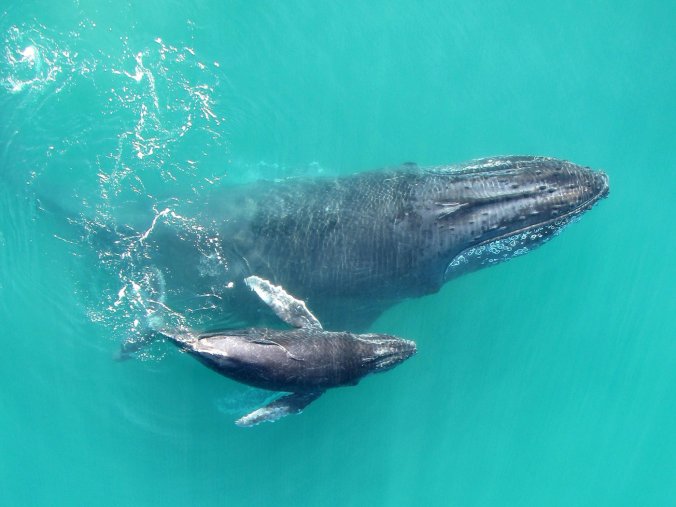
A mother and calf humpback whale swim in the Exmouth Gulf in Western Australia. Fredrik Christiansen/Functional Ecology

Thanks to National Public Radio (USA) for this story:

Recordings Reveal That Baby Humpback Whales ‘Whisper’ To Their Mothers

by Nell Greenfieldboyce

Whalesound.jpgBaby humpback whales seem to whisper to their mothers, according to scientists who have captured the infant whales’ quiet grunts and squeaks.

The recordings, described in the journal Functional Ecology, are the first ever made with devices attached directly to the calves. Continue reading

If You Eat Canned Tuna, Consider This

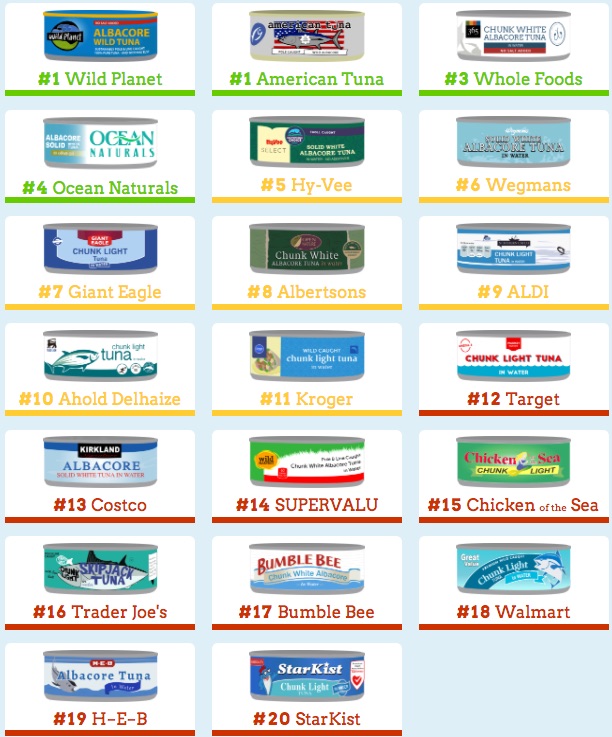
TunaRank.jpg

We check in with EcoWatch regularly, and from time to time Greenpeace has a surprising piece of content featured, like this 20 Canned Tuna Brands Ranked: How Sustainable Is Your Brand?

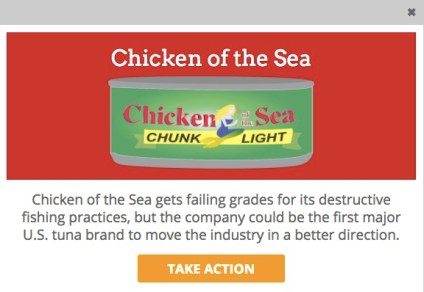
StarkistWarn.jpgWhat is surprising to me is this pop up call to action, which echoes back at least three decades for me to the first time I heard of Greenpeace, which was also the first time I heard of any issues related to canned tuna, which was also the first time I looked on a map to see where the Gulf of California, and Baja California Sur were situated. It is surprising because on the ranking above, this same tuna is not the absolute worst of the worst. Even more surprising, in its own way, is that Trader Joe’s is even worse in this ranking. Go figure. Anyway, thanks to David Pinsky, Greenpeace, and EcoWatch for this: Continue reading

WhaleCam, Antarctica

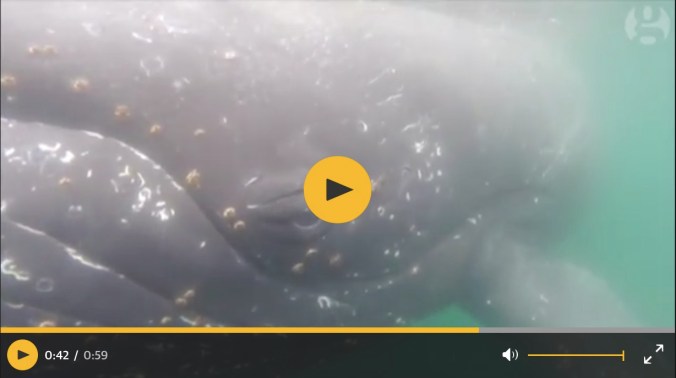
WhaleCam.jpg

While fish were surf-spawning in California, the Guardian was sharing this footage from way down south:

The World Wildlife Fund released this footage filmed in March 2017 that shows the view from a camera attached to a whale in Antarctica. Scientists used suction cups to attach cameras to humpback and minke whales, revealing new feeding habits and their social lives. The data gathered will be used to protect whales and their ecosystems

Surf Spawning Spree

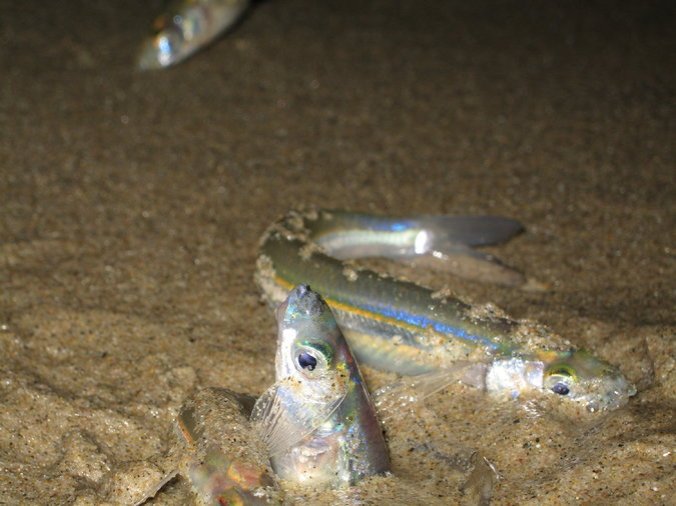
14GRUNION1-master675

Female grunions twist their bodies tail first into the sand and lay 2,000 to 3,000 eggs, which males then fertilize. Credit Doug Martin

Thanks to Joanna Klein and the Science section of the New York Times for this explanation of a full moon mating phenomenon:

Silver Fish Surf the Waves to Spawn on California Beaches

Every year, thousands of little fish ride waves onto Southern California’s beaches at night to lay and fertilize eggs. High up in the sand, they squirm, wriggle and wrap around one another. As they dance beneath the moonlight, the beach transforms into a twinkling tapestry of spawning silver bodies. It’s known as the grunion run, and within a few hours, the show is over. Continue reading

Whales Off Sri Lanka

4269.jpg

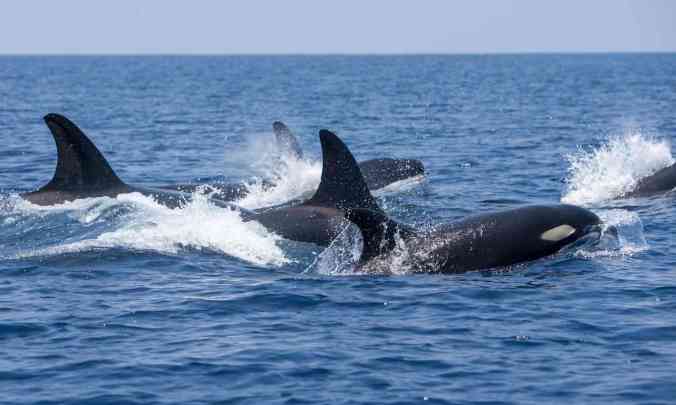
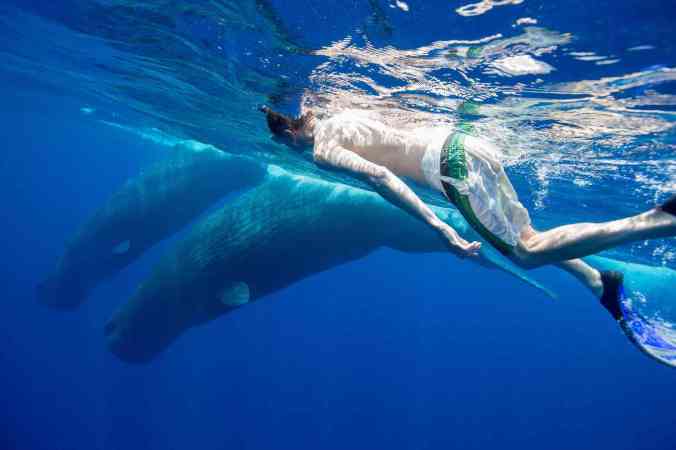
While observing sperm whales off the Sri Lankan coast, Philip Hoare came face to face with eight hunting orcas who had no fear of the 100-strong sperm whale pod

Thanks to Philip Hoare for this photo-documentary of his recent dive in our old neighborhood just south of the southern tip of India:

5184.jpg

Photograph: Andrew Sutton

Continue reading

Responsible Fish-Sourcing, 2.x

image1-25-_custom-3db4ae8eae0b5e55705a0a56736bb1277bb1d1e3-s1400-c85

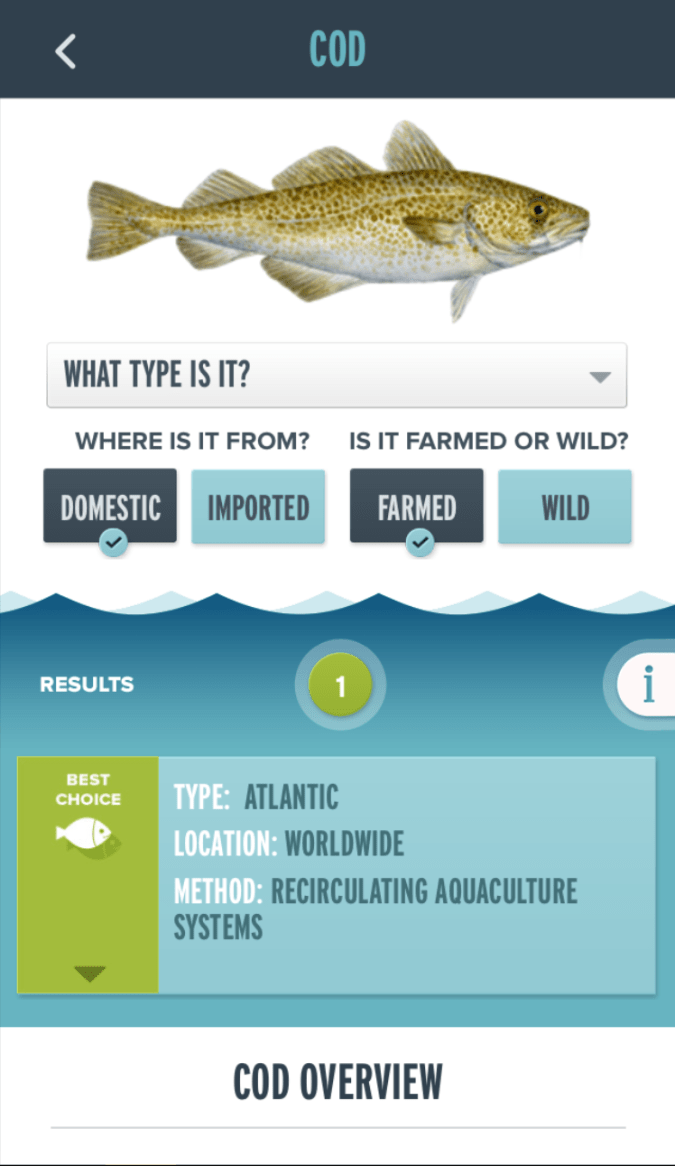
Monterey Bay Aquarium Seafood Watch App best choice recommendations for cod. Screenshot by NPR

Rules change. Guides get updated. Staying on top of this topic requires effort. But it is worth it. Thanks to the folks at the salt for an acknowledgement that choosing fish in a responsible manner is no easy task, even for those regularly paying attention:

This month, I ventured to ask the man behind the counter at a Whole Foods Market what kind of shrimp he was selling. “I don’t know,” he replied. “I think they’re just normal shrimp.” I glanced at the sustainable seafood guide on my phone. There were 80 entries for shrimp, none of them listed “normal.”

What about the cod? Was it Atlantic or Pacific? Atlantic. How was it caught? I asked. “I’m not sure,” he said, looking doubtfully at a creamy fish slab. “With nets, I think. Not with harpoons.” Continue reading

Demanding Action From Those Accountable

3110

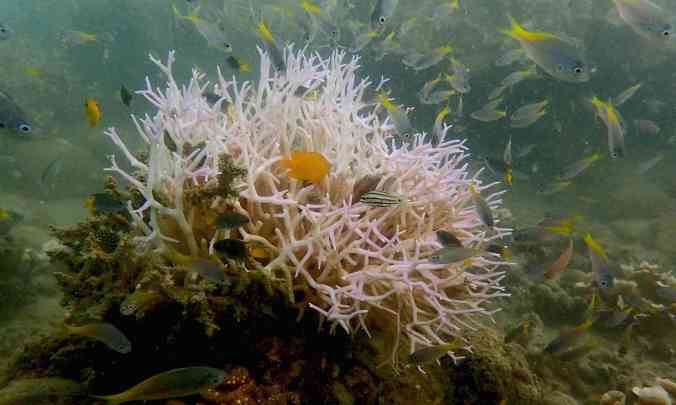
Newly bleached coral on the Great Barrier Reef near Palm Island in February. Photograph: Australian Marine Conservation Society

We could not have said it better:

As the Great Barrier Reef faces the return of coral bleaching, why are Mantra, Accor and Marriott still silent on Adani? Continue reading

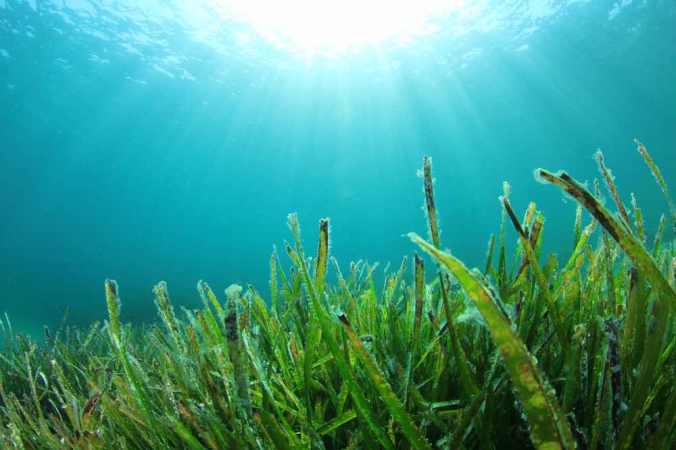
Love Your Seagrass

shutterstock_142303630.jpg

Seagrass meadow © Rich Carey / Shutterstock.com

Thanks to Cool Green Science:

New Science Shows Seagrass Meadows Suppress Pathogens

NatureNet Fellows Science Update

It was a rough bout of illness while she and her colleagues were studying corals in Indonesia that first focused Nature Conservancy NatureNet Science Fellow Joleah Lamb’s attention on the disease-mitigating possibilities of seagrass meadows. Continue reading

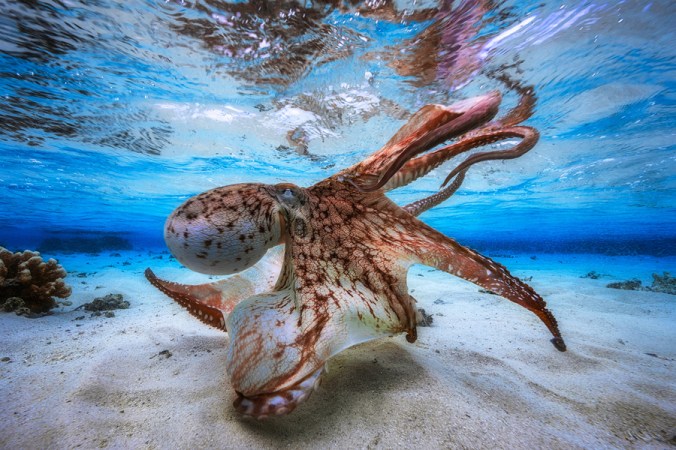
Photography, Underwater, Best In Show

© Gabriel Barathieu / UPY 2017

Thanks to the Atlantic for bringing our attention to The 2017 Underwater Photographer of the Year Contest, and especially the top photo according to the judges:

Underwater Photographer of the Year, 2017 – Dancing Octopus. In the lagoon of Mayotte, during spring low tides, there is very little water on the flats. Only 30 cm in fact. That’s when I took this picture. I had to get as close as possible to the dome to create this effect. The 14 mm is an ultra wide angle lens with very good close focus which gives this effect of great size. The octopus appears larger, and the height of water also. Photographed off Mayotte Island on May 7, 2016. Continue reading

Ocean Refuges, Bonus Benefits

shark-in-bagWe appreciate Anthropocene’s ongoing efforts to summarize important scientific findings related to the environment, conservation and related topics.  Earlier this week Emma Bryce offered “The invisible boundaries of ocean refuges protect even wide-roaming creatures” — a worthy read about these spaces providing more benefit than expected:

In recent years, we’ve preserved several million square kilometers of ocean inside Marine Protected Areas (MPAs), the wildlife reserves of the sea. By cordoning these areas off from commercial fishing, undersea mining, and development, we hope to protect the species within them. But does it actually work? Continue reading

Protect This Coral Reef

588fa0ad17000030001d1373

GREENPEACE

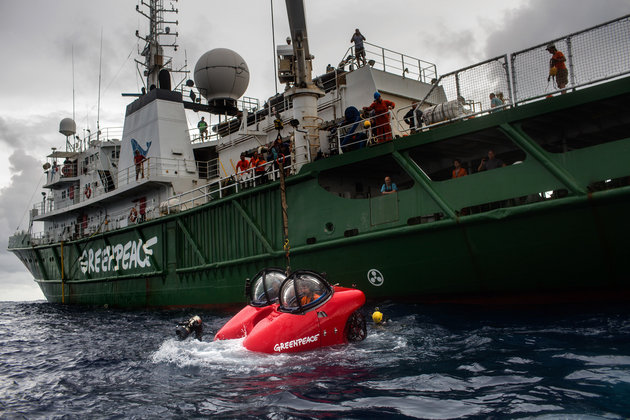
Thanks to the old school model mad outfit, Greenpeace, for bringing this to our attention in a fresh press release today, that adds urgency to earlier announcements starting last year on this rare and unexpected find:

Greenpeace captures first underwater images of Amazon Coral Reef

Recifes da foz do rio Amazonas.Crédito obrigatório: Divulgação/Greenpeace

GREENPEACE

Amapá state, Brazil, 28 January 2017 – Greenpeace Brazil has captured the first underwater images of the Amazon Reef, a 9500 km2 system of corals, sponges and rhodoliths located where the Amazon River meets the Atlantic Ocean – an area that the Brazilian government has opened for oil exploration.

Recifes da foz do rio Amazonas.Crédito obrigatório: Divulgação/Greenpeace

GREENPEACE

A team of experts, including several oceanographers who announced the discovery of the reef last year, have joined the Greenpeace ship Esperanza on an expedition to document this new biome, which runs from French Guyana to the Brazilian state of Maranhão, an area larger than the cities of São Paulo or London.[1] Oil companies Total and BP could start drilling in this area if they obtain authorization from the Brazilian government. Continue reading

Snorkeling with Whale Sharks in La Paz

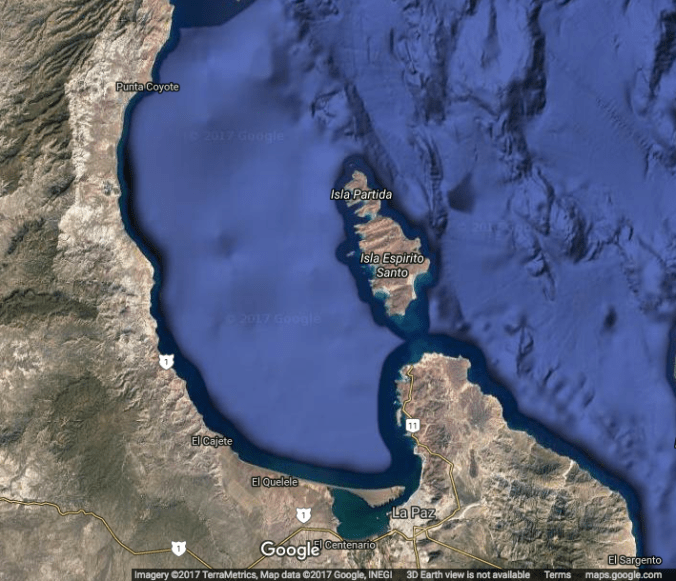
Last week, Jocelyn and I took the three-hour drive from Villa del Faro to La Paz, the capital of Baja California Sur. After about seventy minutes on the dirt coastal road that runs along the East Cape, one reaches the asphalt road near La Ribera, which connects to Mexico’s Route 1, a well-paved highway that runs from San José del Cabo all the way north to Tijuana (1,654km away). Before heading anywhere near that far, however, we turned off at the La Paz exit, to explore the port city home to over 200,000 people.

screen-shot-2017-01-25-at-12-59-58-pm

If you look at a map of the geography surrounding La Paz, you can see that it is quite sheltered from the ocean, with a chunk of land protecting it on the east side, a thin strip closing in from the west, and a long bay running to the north, all this in the relatively calmer Gulf of California. In 1535 the Spanish conquistador Hernán Cortés tried to start a colony in the area, but it wasn’t fully settled till over sixty years later.

Today, the main tourist attractions to La Paz are marine in nature, Continue reading

Ruby Sea Dragon, First Live Portrait


13Tb-seadragon2-superJumbo.jpg

A ruby sea dragon that washed up on the Point Culver cliffs in Western Australia. Credit Zoe Della Vedova

Click the image above, a Ruby Sea Dragon washed ashore, to go to a moving image of another member of this creature’s species, alive and well in the wild waters off Australia:

For the First Time, a Ruby Sea Dragon Flaunts in Front of the Camera

By

Famous for their flamboyant, leaflike appendages and mesmerizing movements, sea dragons are aquatic works of art. Since the 19th century, marine biologists had thought that only two types of these enchanting fish existed — the leafy and weedy — until they discovered a third among museum specimens in 2015: the ruby sea dragon. Continue reading

New Rules, Fishing & Conservation

seal-caught_custom-88cc31db868f28dc5d59726aed04e66499e21c83-s1400-c85.jpg

Divers release a seal from fishing gear. Getting entangled in active or abandoned fishing gear often leads to injury or death in marine mammals. NOAA Marine Debris Program/Flickr

Thanks to the salt folks at National Public Radio (USA) for this news on a rule change that could do for all marine mammals what has already been done for dolphins:

The vaquita is a small porpoise found only in the northern Gulf of California, in Mexico. Today, the species is critically endangered, with less than 60 animals left in the wild, thanks to fishing nets to catch fish and shrimp for sale in Mexico and America. The animal is an accidental victim of the fishing industry, as are many other marine mammals. Continue reading

Support Sea Shepherd

2016-12-15-lightbox-donation-appeal-01

Of all the posts we could possibly share on the last day of the year, the jolly roger gets our nod this year more than most. Heavy weather ahead, and these folks know how to sail through and get done what no one else is willing or able to do when it comes to protecting marine ecosystems.

logo-jolly-roger-white-on-black-thick-140x

We have shared as many news stories as we could follow since starting this platform, and always hope to see more. Their story is not as well known as it should be, nor do they have as much financial support as they need to continue to carry out their mission, so we urge support:

WE ARE SEA SHEPHERD

Sea Shepherd Conservation Society (SSCS) is an international non-profit, marine wildlife conservation organization.

Established in 1977, our mission is to end the destruction of habitat and slaughter of wildlife in the world’s oceans in order to conserve and protect ecosystems and species. We use innovative direct-action tactics to investigate, document, and take action when necessary to expose and confront illegal activities on the high seas. By safeguarding the biodiversity of our delicately balanced ocean ecosystems, Sea Shepherd works to ensure their survival for future generations.

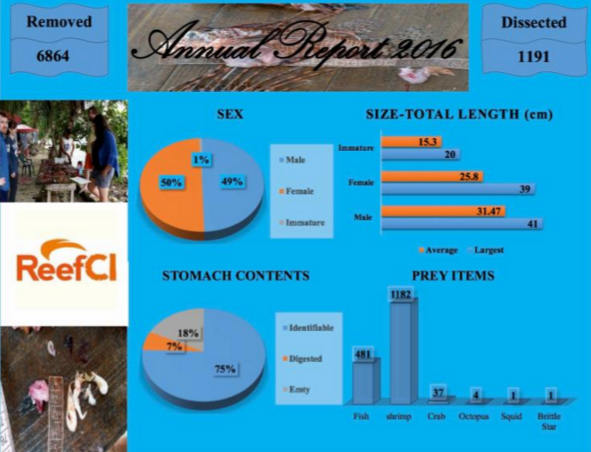
ReefCl Annual Report 2016

The citizen science activities we’ve discussed during this past year go beyond bird counts and uploading data. In the case of the invasive lionfish, participants have to really get their feet wet, so to speak.

In addition to creating a viable income in local fishing communities affected by the lionfish invasion by the developing the market for the meat and the spines, numerous organizations invite volunteers to assist in the eradication process itself. Continue reading

Atlantic Canyon Withdrawal, Another Obama Legacy

ap_16281732045464_wide-253ae041d7cf2035c25a21f614330c82b0673230-s400-c15

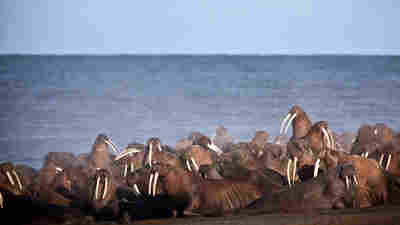
Walruses rest on the shores of the Chukchi Sea, the vast majority of which was designated off-limits to drilling on Tuesday. Ryan Kingsbery/AP

It is impossible to predict what will happen 2017 onward to these final environmental initiatives of the outgoing President of the USA. Nonetheless, we will cheer his efforts on behalf of conservation right to the very end of his term.  Thanks to National Public Radio (USA) for this news:

Obama Designates Atlantic, Arctic Areas Off-Limits To Offshore Drilling

“These actions, and Canada’s parallel actions, protect a sensitive and unique ecosystem that is unlike any other region on earth,” the White House said in a statement. Continue reading