Nature’s Silence Is Golden

rainforest-slide-S9Y8-jumbo

Yesterday’s post, linking to an article from the same source, combines with this one to confirm that some venerable members of the “mainstream media” see an audience (us, for example) for green-leaning reporting. Then we found this, about a remarkable Norwegian silence-hunter who has gone to the ends of the earth; and now finds himself in the East Village of New York City. Instead of featuring that story, this one below is must-read on the topic of quietude:

Lessons in Stillness From One of the Quietest Places on Earth

In the wilderness of Washington State’s Hoh Rain Forest, a poet searches for the rare peace that true silence can offer.

THE OLYMPIC NATIONAL PARK stretches down coastal Washington and east toward Seattle on a thumb of land known as the Olympic Peninsula, some 60 miles long by 90 miles wide. Around a three-hour ride by car from Seattle, it feels much farther, as if you have passed into an otherworldly realm. Within it are volcanic beaches scattered with the remains of massive Sitka spruces, evergreen-crowded mountains, broad, flat valleys and the Hoh Rain Forest, through which 12 miles of hiking trails and the glacier-formed Hoh River run. The Park, in total nearly a million acres, is home to what may be the most complex ecosystem in the United States, teeming with big-leaf maples, lichens, alders, liverworts, Monkey flowers, licorice ferns, club mosses, herbs, grasses and shrubs of remarkable abundance. Today, thanks to federal protections, it is home to some of the largest remaining stands of old-growth forest in the continental U.S. Continue reading
Pines, Beetles & Grizzlies

15mcnamee-master768

Zoe Keller

Thanks to Thomas McNamee for his opinion on these matters:

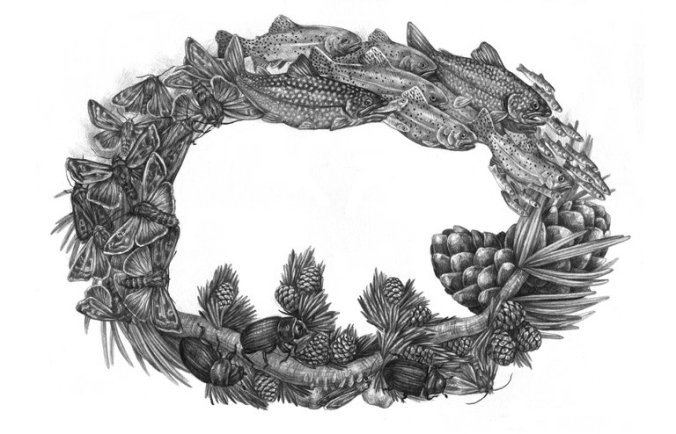
The Government Is Now the Yellowstone Grizzly’s Biggest Threat

In March 2016, the United States Fish and Wildlife Service proposed removing the Yellowstone grizzly bear population from the list of threatened species. The uproar was ferocious. Conservationists, scientists, 125 Indian tribes and some 650,000 citizens expressed concern about the move.

Now the government has gone and done it anyway. Continue reading

Nature Needs More Good Ideas

5000d.jpg

There is no known vaccine against temptation to harness nature. There is not enough nature left on the planet to allow this temptation to spread. But bad ideas are infectious:

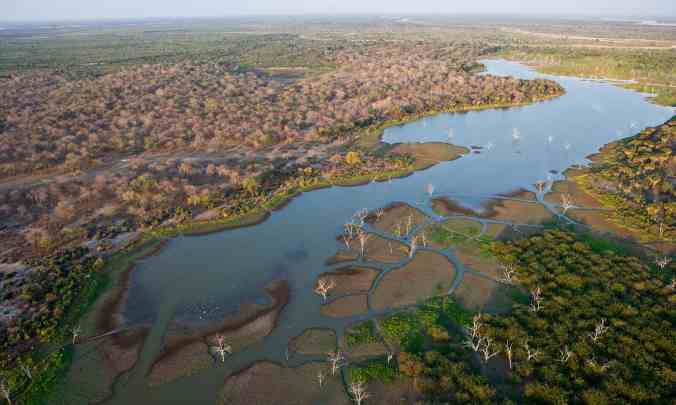
Tanzania presses on with hydroelectric dam on vast game reserve

Stiegler Gorge dam on the Selous park, a world heritage site listed as ‘in danger’, will cause irreversible damage, say conservationists Continue reading

The Greatest Idea, Dumbed Down

1800

The Majestic Yosemite Hotel in Yosemite National Park. The facility had to be rebranded after a private concessionaire trademarked the previous name and common phrases like “Yosemite National Park.” Photograph: Handout

We have seen this movie before. It does not end well:

As Trump moves to privatize America’s national parks, visitor costs may rise

Some are concerned that the proposed privatization of some public park services would drive up costs for visitors and fail to raise enough for repairs Continue reading

Collaborating In Nepal For Wildlife

Thanks to EcoWatch for bringing this to our attention:

This fall, rangers protecting rhinos, tigers and other endangered wildlife in Nepal’s famous Chitwan National Park will get a solar system that powers one of their isolated stations deep in the jungle. At the same time, local women will get the training and tools they need to sell low-cost clean energy technologies to people living in the buffer zone that surrounds the park. Continue reading

El Capitan Never Disappoints

Mackinnon-Alex-Honnold-Perfect-Climb-Featured-1200

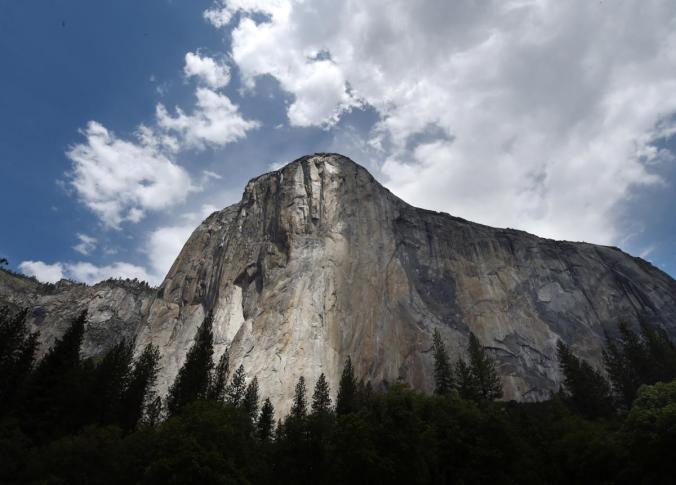
El Capitan, the towering stone heart of Yosemite National Park and a sweep of golden granite reaching twenty-seven hundred feet into the sky. PHOTOGRAPH BY MARK RALSTON / AFP / GETTY

I am not a climber and I do not generally favor extreme sports where someone else has to come in and clean up after an adventurer’s misfortune. I am in awe in this case, and so make an exception. It never bores me to look again at the image above. But it electrifies me more than usual when it accompanies a story like this one:

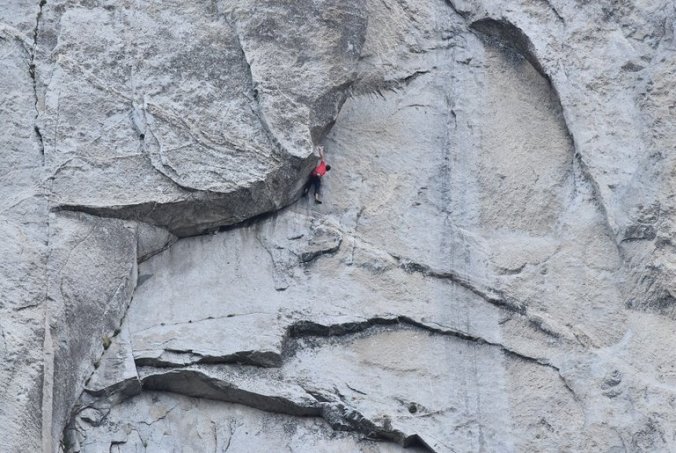
…Four hours later, that lone figure, the thirty-one-year-old professional climber Alex Honnold, had completed the first ascent of El Cap in the free-solo style. In other words, he had climbed the cliff alone and without a rope or protective equipment of any kind. Had he fallen, he would have died.

The achievement had long been predicted but never quite accepted as possible. The iconic face of El Capitan—photographed by Ansel Adams, praised by John Muir as “the most sublime feature of the Valley”—has long been the proving ground for American rock climbing. It has been climbed at incredible speeds and via routes of extraordinary difficulty; a ropeless ascent was the last “big psychological breakthrough” that remained, as Peter Croft, who completed groundbreaking free solos in the nineteen-eighties and nineties, put it. There was no real competition to be the first to meet the challenge. Either Honnold would do it, or he would leave it to future generations. Or he would try, fail, and fall…

A sports writer for the New York Times titles it perfectly:

10duaneWeb-master768.jpg

Alex Honnold at the 1,000-foot level of his free-solo climb of El Capitan. CreditTom Evans

El Capitan, My El Capitan

Alex Honnold woke up in his Dodge van last Saturday morning, drove into Yosemite Valley ahead of the soul-destroying traffic and walked up to the sheer, smooth and stupendously massive 3,000-foot golden escarpment known as El Capitan, the most important cliff on earth for rock climbers…

Snorkeling in Cabo Pulmo

We’ve mentioned Cabo Pulmo here several times in the context of marine conservation, as well as from a personal visit. Although I still haven’t had a chance to go out on a scuba diving expedition here, a couple weeks ago Jocelyn and I were able to accompany some Villa del Faro guests on a snorkeling trip outfitted by Cabo Pulmo Sport Center, which is run by members of the Castro family mentioned in the posts linked above. The tour took two hours, but I’ve condensed the experience into almost fifteen minutes of video that I took on a rented GoPro:

Continue reading

Keep This Place Out Of Bounds

4256b.jpg

The letters come amid fears that the Trump administration will favor the powerful mining lobby, increasing the risk, particularly, of uranium contaminating water flowing into the Grand Canyon. Photograph: Stephen Yelverton Photography/Getty Images

Arizona officials, sensing an opportune moment, are using one of the most iconic places on earth to make a point. And the point is at one with the reason given for the USA pulling out of an environmental treaty, that every last buck to be raked out of the earth is more important than the earth as a whole, or a particular spot on the earth, or those living on the planet generations from now. The headline and story below fail to shock. This is how things are lately. Getting numbed to it is not an option. Arizona officials have made their point clear, but the point cannot be conceded. Boundaries still exist and must be protected. Thanks to the Guardian for its vigilance in its This is Your Land series:

Grand Canyon at risk as Arizona officials ask Trump to end uranium mining ban

Exclusive: Powerful regional officials to ask administration to end 20-year ban, saying it is unlawful and inhibits economic opportunity Continue reading

Technology, Wilderness & Balance

4240

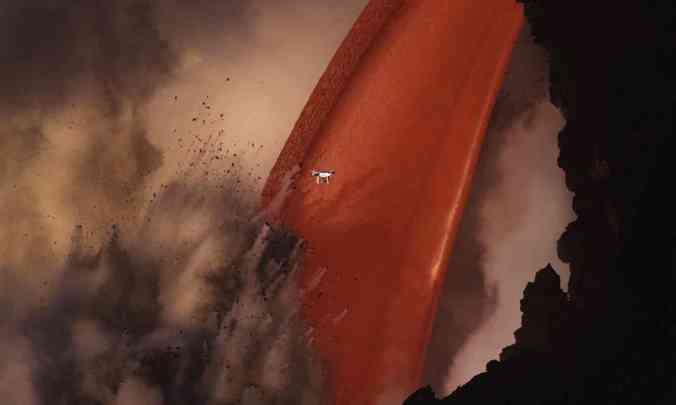
An illegally flown drone gives scale to next to a lava tube in Hawaii Volcanoes national park. Photograph: Andrew Studer

Some in the hospitality business will likely embrace technologies that I cannot picture using in our hospitality operations, ever, but that is fine. Good for them, I say. Recent events at Chan Chich Lodge have reinforced my wonder at, and love for, technology as a tool to support conservation. There is no doubt that guest photos of big (or small) cats and monkeys, shared via social media, help our conservation mission. There is no doubt that tech tools such as eBird and Merlin (Belize edition recently released, just in time for Global Big Day for those of us who need it) also move our conservation mission forward.

That said, I still have a preference for digital detox among our guests, as much as possible. Artificial noises, visuals, aromas and structures are best minimized in order to maximize the many benefits of nature. Distractions, which may be normal things and habits quite common at home, are the spoilers of visits to great places. The problem first came to my attention nearly two decades ago while visiting Mont Saint Michel, where helicopter tours were just becoming a thing, which clearly annoyed every individual who was making the wondrous visit on foot.

I hope, but doubt, that such tours have been limited in the time since then. The evidence seems to point to more distractions in monumental places, whether natural or cultural, that had previously been visually and sonically protected (thanks to Sam Levin at the Guardian for this):

‘Turn it off’: how technology is killing the joy of national parks

As drones, smartphones other gadgets invade America’s most tranquil trails, many lament the loss of peace and quiet Continue reading

Sound, Noise & Wilderness

lead_960c

I’m sorry, what was that? Ints Kalnins / Reuters

Sound is often profound. Noise often annoys. Thanks as always to Ed Yong, touching on a topic we have been sensitive to for some time now:

A Not-So-Silent Spring

Even America’s protected areas are being subjected to harmful levels of noise pollution.

If a tree falls in the forest, and there’s no one around, the National Park Service will still hear it. Continue reading

Model Mad, Markets

01leshy-master768

Leigh Wells

On a day often reserved for gags and laughs, we instead repeat, without much cheer but plenty of conviction, two of our favorite words: entrepreneurial conservation. Two opinion pieces today highlight the role of both government and market forces as vehicles of environmental protection. When government must take action, as John D. Leshy and Mark Squillace point out, there is a law that allows the President of the United States to protect nature in the public interest. That law is endangered, and it is not okay, these model mad legal scholars remind us. They also point out that markets have tended to follow and reward the actions Presidents have taken to protect natural monuments in the last 111 years since that law was enacted.

A former Mayor of New York City, who also has credibility when it comes to market forces, reminds us in another editorial that with or without a President’s leadership we can still make progress on our environmental commitments. But only if all the rest of us are fully on board, and ready to shake things up when needed, providing all the more reason for each of us to keep all these model mad examples fresh in mind. If you only have time for one quick read at the moment, make this the one:

Climate Progress, With or Without Trump

America’s Best Idea Just Got Better

In our current political climate we continue to applaud those who stand up for science, nature and culture. It’s been particularly heartening to watch the steward’s of our national parks create a virtual protective shield around the vision they’re charged to protect.

My personal standing ovation goes to the partially anonymous park ranger who spends his spare time creating downloadable maps of all our country’s national parks, by state, from A to Z. (F, Q, U and X seem to be the only letters missing…) In addition to maps, site visitors find all sorts of experiential tips to prepare for safe exploration.

Glacier Maps

If you’re looking for a Glacier map, you’ve come to the right place; currently I’ve collected 28 free Glacier National Park maps to view and download. (PDF files and external links will open in a new window.) Here you’ll find a bunch of trail maps, along with other maps such as campgrounds and the shuttle bus. You can also browse the best-selling Glacier maps and guidebooks on Amazon. Continue reading

Seeing Sequoias Surprises

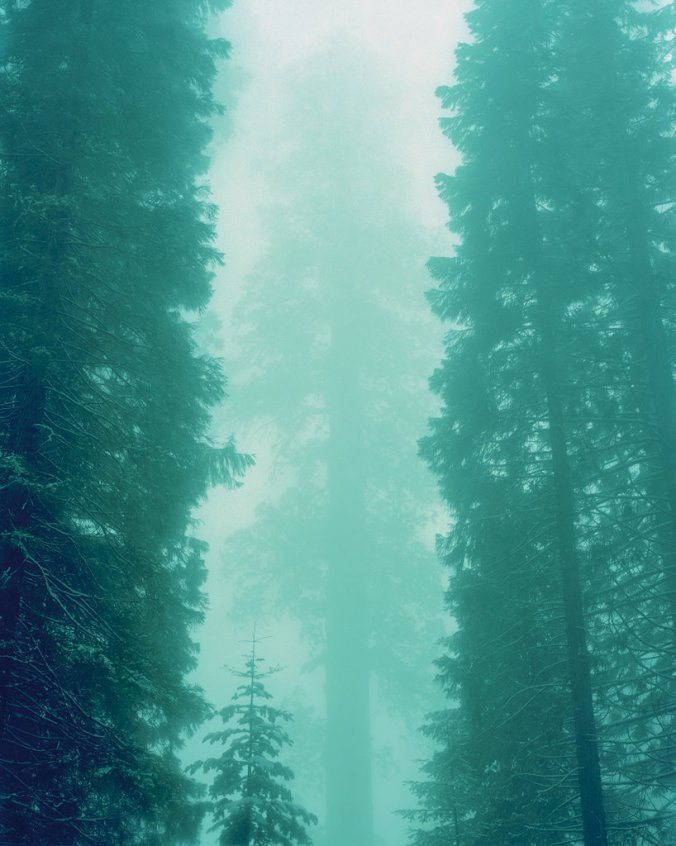
26mag-26sequoias-t_CA0-jumbo.jpg

Titans in the fog in Sequoia National Park, California. CreditDavid Benjamin Sherry for The New York Times

Model Mad, Effective

2900.jpg

Utah’s congressional delegation has vigorously fought to open Ute tribal land, currently partially protected by the Bears Ears National Monument, above, to drilling. Photograph: Francisco Kjolseth/AP

Thanks to the Guardian for first bringing this to our attention, another example of model mad, and a pretty big deal too:

Model Mad, Alt

gettyimages-541079114-270d8a863b14cf1c1d10eee0eaee567e7efe20fd-s1400-c85.jpg

Multiple Twitter accounts claiming to be run by members of the National Park Service and other U.S. agencies have appeared since the Trump administration’s apparent gag order. The account owners are choosing to remain anonymous. David Calvert/Getty Images

Thanks to Wynne Davis at National Public Radio (USA) for It’s Not Just The Park Service: ‘Rogue’ Federal Twitter Accounts Multiply, another example of model mad:

“Rogue” accounts that have the look of those by real federal agencies are spreading like wildfire on Twitter.

The AltUSNatParkService Twitter account has gained more than 1 million followers and inspired the creation of many more “unofficial resistance” accounts for specific national parks and other entities, including accounts like Rogue NASA and AltUSForestService. Continue reading

Model Mad, Corporate

oh418v0r-1Thanks to EcoWatch for identifying these companies for speaking out, as is their right and responsibility as much as their self-interest–a good self-interest in conservation–and providing another example of model mad, corporate style:

The most anticipated outdoor recreation event of the year just finished in Salt Lake City, Utah, where hundreds of outdoor brands from small business outfitters to industry pioneers like Patagonia and Black Diamond Equipment gathered to witness the cutting-edge in outdoor gear. Continue reading

Model Mad, NPS

4212

Redwood national park in California. Photograph: Jeffrey Schwartz/Alamy

We like what we see of the madly determined folks risking their professional careers in the interest of the environment and social justice:

National Park Service climate change Twitter campaign spreads to other parks

A day after three climate-related tweets sent out by Badlands National Park were deleted, other park accounts have sent out tweets that appear to defy Trump

The National Park Service employees’ Twitter campaign against Donald Trump spread to other parks on Wednesday, with tweets on climate change and a reminder that Japanese Americans were forcibly interned in camps and parks during the second world war.

A day after three climate-related tweets sent out by Badlands National Park were deleted, other park accounts have sent out tweets that appear to defy Trump. One, by Redwood national park in California, notes that redwood groves are nature’s number one carbon sink, which capture greenhouse gas emissions that contribute to global warming…

…Golden Gate national park in California said in a tweet that 2016 was the hottest year on record for the third year in a row. The tweet directed readers to a report by Nasa and the National Oceanic and Atmospheric Administration, also known as Noaa…

…The tweets went beyond climate change.

Death Valley national park tweeted photos of Japanese Americans interned there during the second world war, a message that some saw as objecting to Trump’s pledge to ban Muslims from entering the country and a proposal to restrict the flow of refugees to the United States…

Read the whole story here.

Model Mad, McKibben

McKibben-ABadDayfortheEnvironmentwithManyMoretoCome-1456x750-1485299497.jpg

PHOTOGRAPH BY DOUG MILLS / THE NEW YORK TIMES / REDUX

Bill McKibben is the founder of 350.org and we have posted on him so many times in the past for his environmental and other forms of activism we sometimes forget that he also has a day job, as the Schumann Distinguished Scholar in environmental studies at Middlebury College. Today he posted in a manner that captures well what we meant when we used the word mad, and qualified our intent to remain madly determined:

…There’s not the slightest evidence that Americans want laxer environmental laws. A poll released last week showed that nearly two-thirds of Americans would prefer that the E.P.A.’s powers be preserved or strengthened. Solar power, meanwhile, polls somewhere in the neighborhood of ice cream among Democrats, Independents, and Republicans alike. Continue reading

Montenegro, 2017

5565

Wild and wet … Lake Skadar national park, Montenegro. Photograph: Alamy

It is now ancient history, but it may as well be yesterday, since I can look at the photo above and it has no less of an impact on me. When Montenegro was still part of what remained of ex-Yugoslavia, La Paz Group worked in partnership with UNDP on a project for the Prime Minister of this soon-to-be independent nation. He was visionary, and wanted to replicate what Costa Rica had accomplished as a small ecologically diverse country–harnessing sustainable development to ensure his country would not become the victim of the forces of mass tourism.

Skadar Lake was the crown jewel in the country’s potential attraction of ecologically-oriented travelers, and the perfect complement to the wild beauty of the coast line and the spectacular mountains. Montenegro has done a very good job in the decades since my first visit to Skadar Lake (standing exactly where the photographer above stood, looking at my own photos from that visit), communicating its commitment to those principles. Nonetheless, the challenges never go away, so we wish them continued success in fighting the dark forces:

Montenegro’s pristine Lake Skadar threatened by new resort

Tourism in Montenegro is booming, but the approval of plans for a new ‘eco-resort’ has led to protests from conservationists who fear it will threaten a stunning national park Continue reading

Bumble Bees & Conservation

06About-blog427-v2.jpg

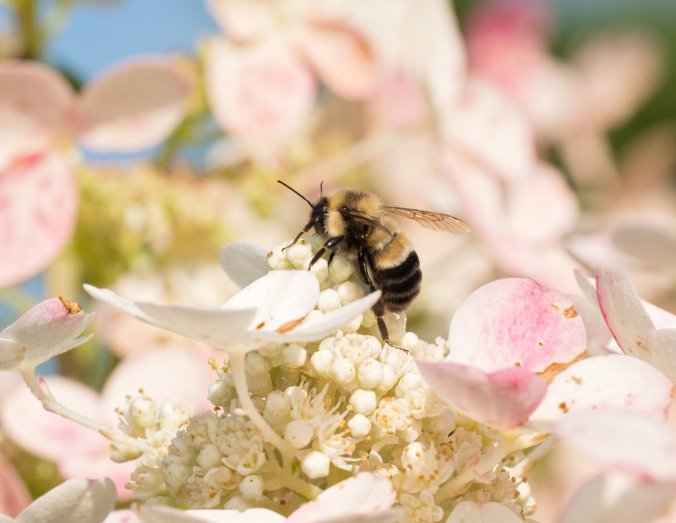
The rusty-patched bumblebee, once common across the continental United States, has been designated an endangered species. Credit Clay Bolt

One more gift of protection:

A Bumblebee Gets New Protection on Obama’s Way Out

By and

The Obama administration, rushing to secure its environmental legacy, has increased protection for a humble bumblebee. Continue reading