Expeditions In The Interest Of Science (Secondary Discovery, Nature’s Majesty)

p03xtfz4

The survey crew inventories the park for butterfly habitats (Credit: John McLaughlin)

This BBC article, featuring butterfly hunters in the very northwestern-most spot in the lower 48 of the USA, reminds us of an expedition we tracked not long ago:

Equal parts academic and mountain man, wildlife biologist John McLaughlin has scaled mountains and traversed snowbound passes to identify more than 40 butterfly species.

It’s best to bring an ice axe when counting butterflies in North Cascades National Park. Located on the Canadian border in the US state of Washington, the park is renowned for its jagged peaks, limited trails and annual snow pack.

“Before my census crew could learn to identify over 40 butterfly species,” John McLaughlin recalled, “they had to know how to safely traverse snowbound, steep passes and – if necessary – to self-arrest using an ice axe.” Continue reading

Continue Protecting The Boundary Waters Canoe Area Wilderness

02MONDALE-web-master768

Canoeing in the Boundary Waters Canoe Area Wilderness near Ely, Minn.CreditBre McGee/The St. Cloud Times, via Associated Press

None in our immediate circle has been there, but it looks like our kind of place. We hope to see it, to canoe it, to breathe in that clean air. This editorial makes it clear what’s at stake, and what needs to be done. It’s not the messengers, it’s the message (but wow on the messenger front too):

Protect Minnesota’s Boundary Water

MINNESOTA’S Boundary Waters Canoe Area Wilderness is one of America’s most popular wild destinations. Water is its lifeblood. Over 1,200 miles of streams wend their way through 1.1 million acres thick with fir, pine and spruce and stippled by lakes left behind by glaciers. Moose, bears, wolves, loons, ospreys, eagles and northern pike make their home there and in the surrounding Superior National Forest. Continue reading

Words, Nature, Ideas

From today’s New York Times, whose lead headline is the largest in my lifetime that I remember, yet (with apologies to all those affected by the cause of those headlines) I find this editorial more urgent and hope Mr. Egan will not mind my sharing it here:

John Muir’s Writings About Yosemite

lead_large (3).jpg

Library of Congress

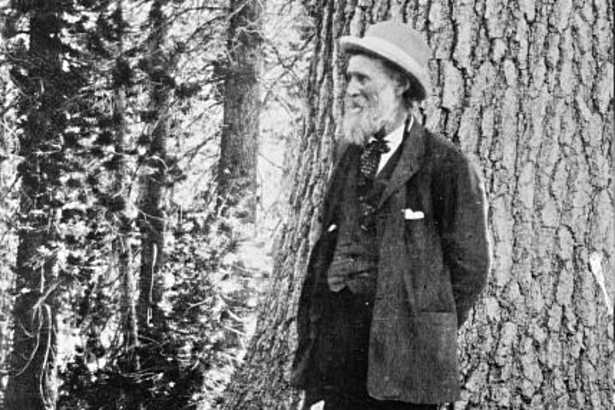
We posted about John Muir’s writings in the Atlantic four years ago, once we realized they were so accessible in that magazine’s archives. In that post, two years into our foray in India, we simply wanted to share our amazement that Muir had written about India as an example relevant to the case for protecting the forests of North America. We have also posted about Muir indirectly, including a lovely photo-documented post about his visit with Teddy Roosevelt to several wilderness areas that would become iconic national parks.

As we prepare for the expansion of our activities in India, and in advance of our announcement of two exciting new conservation initiatives in Mesoamerica that we will embark upon next month, I have been going back through our archives, enjoying some examples of the historical perspective this platform has allowed us to share.

Today, in the spirit of the centenary of the National Parks Service, and considering this past weekend’s visit to Yosemite by the President of the USA, it makes sense to share another of Muir’s several contributions to The Atlantic, this one specifically about the first national park (which predates the creation of the NPS):

The Yosemite National Park

“All the world lies warm in one heart, yet the Sierra seems to get more light than other mountains.”

JOHN MUIR   AUGUST 1899 ISSUE

Of all the mountain ranges I have climbed, I like the Sierra Nevada the best. Though extremely rugged, with its main features on the grandest scale in height and depth, it is nevertheless easy of access and hospitable; and its marvelous beauty, displayed in striking and alluring forms, wooes the admiring wanderer on and on, higher and higher, charmed and enchanted. Benevolent, solemn, fateful, pervaded with divine light, every landscape glows  Continue reading

New York Times Editorial On USA National Parks

18sat1-master768

If you have been reading our posts for the last five years, you will find we have much in common with the editorial board at one of our favored news sources:

Monuments for Future Generations

President Obama’s visits this weekend to Carlsbad Caverns and Yosemite national parks give him a timely opportunity to think about how, in the twilight of his presidency, he can add to what has already been an admirable record of protecting America’s public lands and marine reserves. The parks themselves are in a celebratory moment, the 100th anniversary of the founding of the National Park Service. But given Congress’s preference for partisan infighting over environmental stewardship, it is unlikely to approve any additions to the park system. Still, there is much that Mr. Obama can do on his own using the 1906 Antiquities Act, which allows a president to unilaterally protect areas of great natural or historical value as monuments when Congress is unlikely to act. Continue reading

USA Celebrates 100 Years Of National Parks

Sahale-Arm-Trail-Hikers_1.jpg

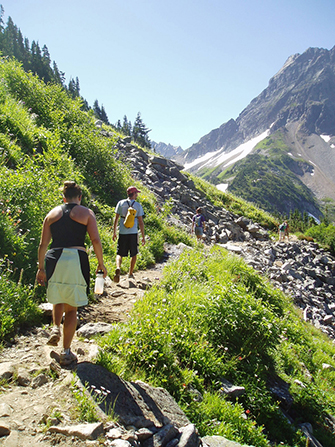
Hikers enjoy the Sahale Arm Trail in North Cascades National Park; repair and revegetation of the trail will be completed in partnership with Washington’s National Park Fund. NPS/Liang

On August 25, 1916 the National Parks Service was created. Please support it:

In 2015 and 2016, the National Park Service selected more than 150 projects to leverage $25 million in congressional appropriations with more than $45 million matching funds from partner organizations across the country.

These projects will improve visitor services, support outreach to new audiences, and strengthen partnerships to reinvigorate national parks and forge connections to new communities.

A list of the 2016 projects is here.

A list of the 2015 projects is here.

Scientists Speak On Behalf Of Yellowstone Grizzly Bears

Thank you, EcoWatch, for keeping us posted on Jane Goodall’s never-ending advocacy on behalf of various members of the animal kingdom we co-inhabit the earth with:

Dr. Jane Goodall is one of 58 prominent scientists and experts who have signed a letter asking the U.S. Fish and Wildlife Service (USFWS) to retain Endangered Species Act protections for Yellowstone-area grizzly bears. Continue reading

Exploration in Yellowstone Lake

Yellowstone Lake at dawn by Wikimedia contributor Seglea

We like national parks, and are surprised to learn that the body of water pictured above hasn’t actually been explored much. The good news is that there are efforts underway to send an underwater drone down into the lake’s depths to better study this interesting site of thermal activity. Jeffrey Marlow reports for Discover Magazine’s blog:

2016 marks the 100th anniversary of the National Park Service, a milestone that has set off a year of celebration for what historian Wallace Stegner called “the best idea we ever had.” The first park, Yellowstone, predates the Service itself, and despite its 4.1 million yearly visitors that are putting real stress on a highly interconnected ecosystem, certain portions of the park remain a nearly unadulterated wilderness.

One of these sites is the floor of Yellowstone Lake, a 350 square-kilometer body of water that reaches depths of 120 meters. And while much of Yellowstone’s thermal activity manifests on the surface – think rainbow-colored hot springs, gooey mudpots that smell of sulfur, and spurting geysers – the same forces create heated water and unique oases of microbial life at the lake bottom.

Continue reading

Boquete and Barú

waterfall_zpszydkbpmv

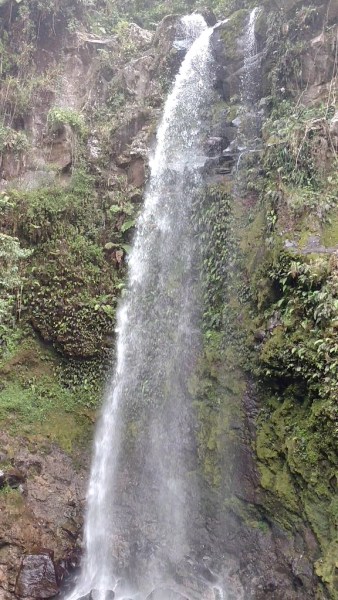
The first waterfall on the Lost Waterfalls Trail

During Easter weekend, I took an eight-hour bus ride from San José, Costa Rica to David, Panama, and then a 45- to 60-minute bus ride from David to Boquete, a mountain town in the foothills of Barú, Panama’s only volcano and the country’s highest peak at 3,474 meters above sea level. Barú Volcano National Park is adjacent to the international park that Costa Rica and Panama share, called La Amistad (The Friendship), though it is far smaller than La Amistad, at around 14,000 hectares compared with 207,000. I was joined on the four-day weekend trip by my friend and coworker, Jocelyn, who had never been to Panama before, and we enjoyed hiking the conservation areas above the town of Boquete, admiring the many waterfalls in the region and also looking for the high-elevation bird species native to the cloud forest, many of which are endemic to Costa Rica and western Panama, as I wrote in my previous volcano-related post.


IMG_20160327_140448935_HDR_zpsjgqp1kax

In addition to the national park, which charges $5 for entrance and has two main trails (one to the peak of the volcano, which takes about five hours to ascend, and one across the forest and part of the mountain ride, called Sendero Los Quetzales), there are some private forest reserves that charge a small admission fee. One is called the Lost Waterfalls Trail, which features three cascades and costs $7; another is called the Pipeline Trail, which follows a series of water tubes to the source and costs $3.

Continue reading

Waste Not, Want Not Tiger Habitat

4047

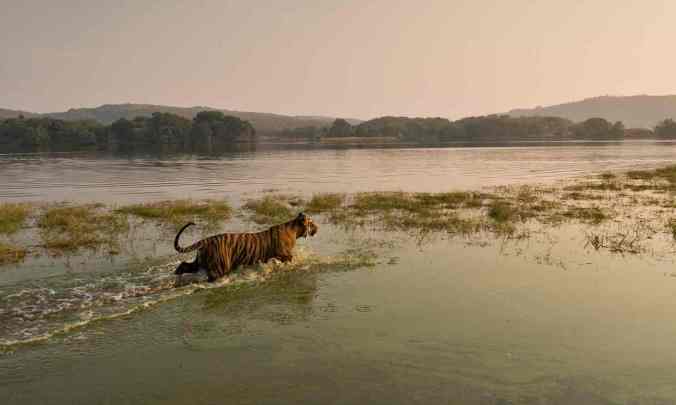
A tiger wades into the waters of Raj Bagh lake in Ranthambhore tiger in Rajasthan, India. Conservationists warn ‘tiger corridors’ connecting habitats across Asia are crucial for the survival of the species. Photograph: Aditya Singh/Alamy

From today’s Guardian in the Environment section, some welcome news on one of our most posted-on topics:

Forests still large enough to double the world’s tiger population, study finds

Satellite maps show tiger habitat is being lost but still adequate for meeting international goal of doubling tiger numbers by 2022

Forests that harbour tigers are being lost but are still large enough to take double the world’s tiger population in the next six years, according to a study using new satellite mapping technology. Continue reading

Celebrating the Oldest National Park in Costa Rica

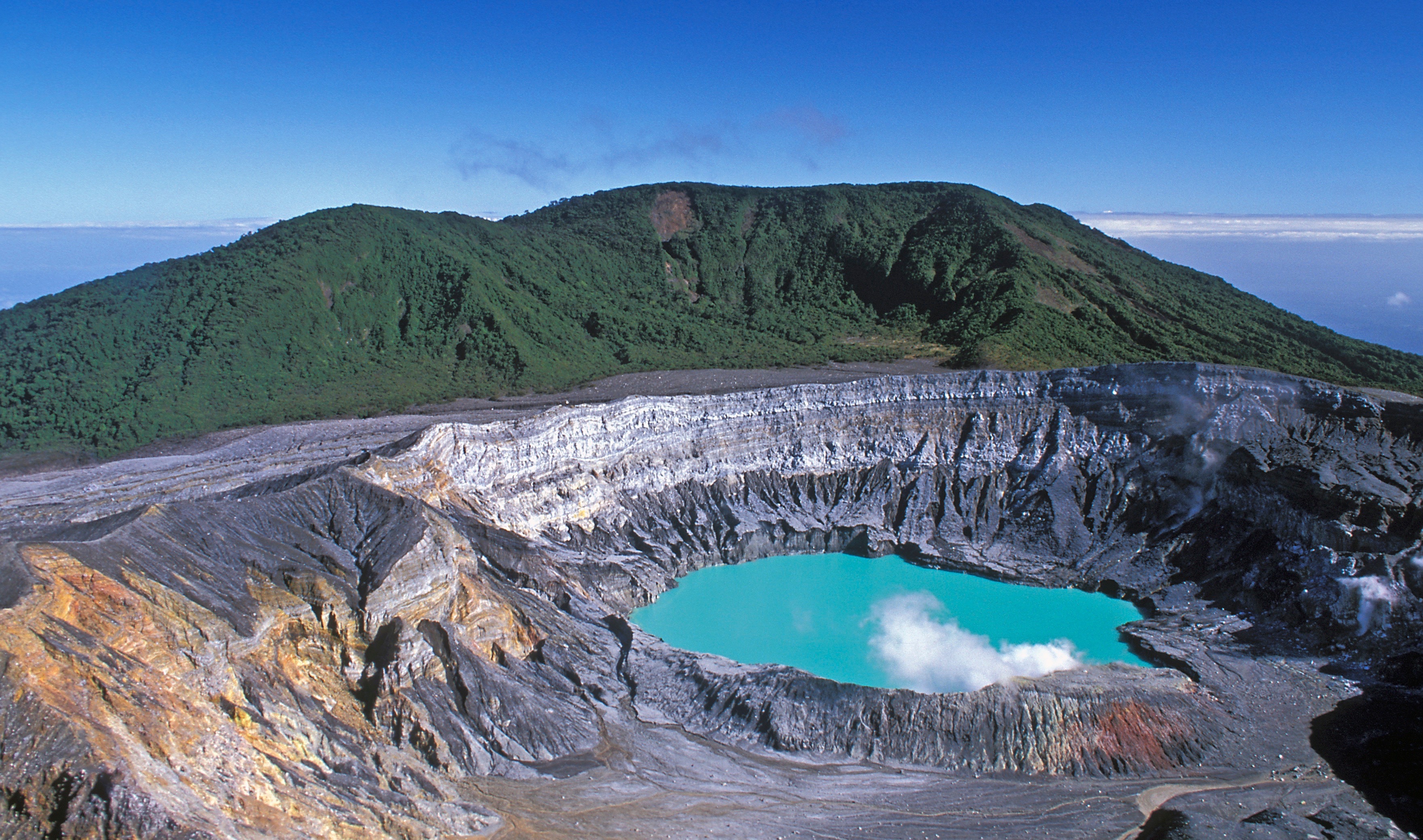
Poas Volcano crater on a clear day. Photo credit: Juan K Gamboa

Poas Volcano crater on a clear day. Photo credit: Juan K Gamboa

Today in Costa Rica we celebrate Poás Volcano National Park, which is the oldest national park in the country. It was founded on January 25th, 1971 and is the most visited national park by locals and foreigners alike. The volcano remains active to this day, with clouds of smoke frequently emitting from the main crater. Since 1989 the size of the lake crater has been shrinking and the amount of acid rain increasing, damaging some of the flora in the surrounding areas of the park and farming lands nearby.

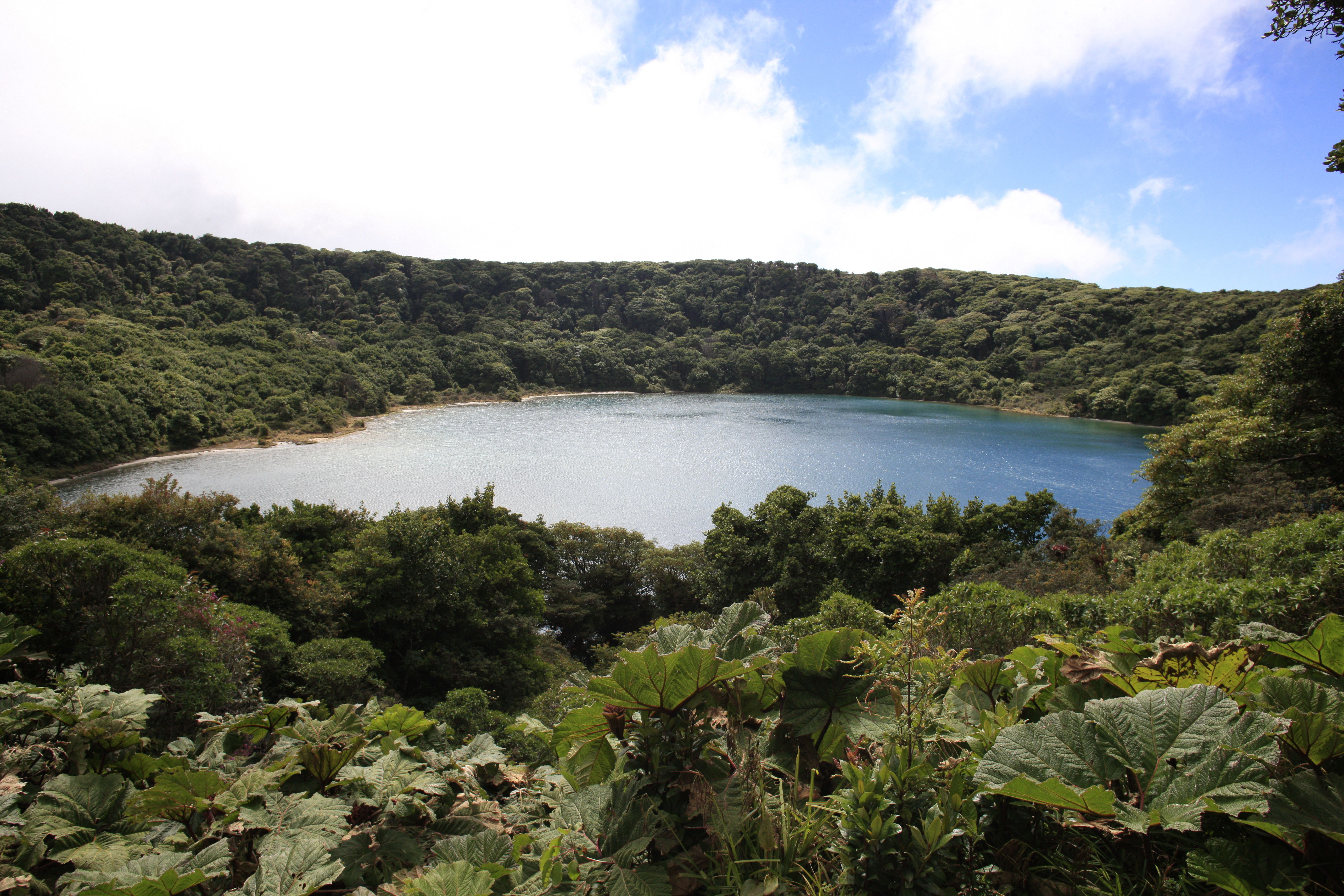
Poas Volcano National Park, Lake Botos fills an extinct crater at the end of one trail, and is home to many cloud forest birds including hummingbirds, tanagers, flycatchers, toucanets, Costa Rica’s national bird the clay-colored robin. Photo credit: Juan K. Gamboa

The story behind the name Poás is a curious one. Continue reading

Warming Climate & Shrinking Bison

12938647293_8441c5bf5f_k-1260x708

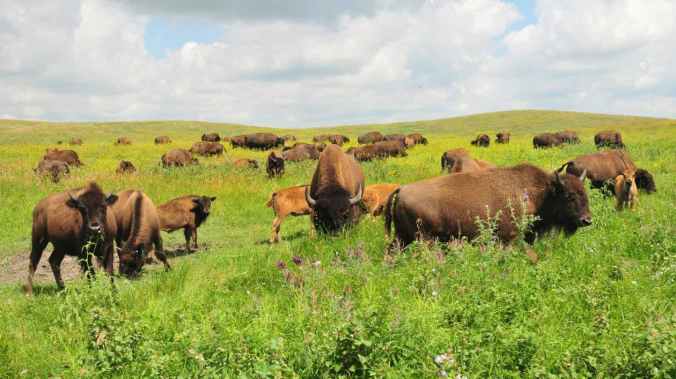
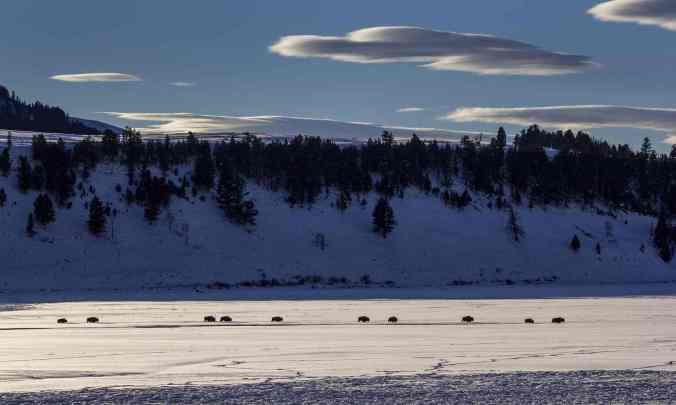
Bison graze on Ordway Prairie, owned and managed by the Nature Conservancy. The site has a USFWS grassland easement protecting it in perpetuity. Photo © USFWS Mountain-Prairie/Flickr

Thanks to science writer Matt Miller, and the Cool Green Science website, we get these stories daily that increase our understanding of the lesser known details of our environment. Are they important? It is a matter of perspective:

Here’s a climate change impact you probably never considered: bison diets.

As the climate warms, bison in North America are likely to shrink, as documented in research published by Joseph Craine and colleagues.

The reason they shrink is because as grasslands warm, grasses and other plants accumulate less protein. Bison are then forced to eat plants that are less nutritious.

This raises a related question: what plants do bison actually eat?

The answer to this question could help conservationists manage for plant species that are higher in protein and preferred by bison – ensuring healthy herds on warming grasslands. Continue reading

Conservation, Technology & Ethics

13duaneWEB-jumbo

Adam Ferriss

We have had the good fortune, and could not agree more with the questions raised and the puzzles presented in this opinion editorial published two days ago in the New York Times:

The Unnatural Kingdom

If technology helps us save the wilderness,
will the wilderness still be wild?

By

IF you ever have the good fortune to see a Sierra Nevada bighorn sheep, the experience might go like this: On a sunny morning in Yosemite National Park, you walk through alpine meadows and then up a ridge to the summit of Mount Gibbs at 12,764 feet above sea level. You unwrap a chocolate bar amid breathtaking views of mountain and desert and then you notice movement below. Continue reading

Volcán Barva

IMG_8066_zpsuftku7jl

The lagoon in the crater of Barva Volcano

This weekend, I visited Braulio Carrillo National Park for the second time, but at a different sector: Barva Volcano. I’d been to the Quebrada González area further east in July of last year, where the ecosystem is more tropical rainforest than the high-altitude cloud forest of a volcano. The Quebrada González eBird hotspot has 382 species reported in 288 checklists at the time of writing this post; in stark contrast, the Volcán Barva hotspot on eBird has 82 species in only 8 checklists, including my own contribution despite arriving at the national park at around 11am, nowhere near ideal circumstances for birdwatching.

This discrepancy is likely explained both by the fact that Barva is at a higher elevation and therefore less diverse in terms of species count, but also a pretty small chunk of this massive national park. The lower diversity, however, is compensated by a higher rate of endemism, which is what occurs along high mountain gradients where habitat needs are specialized. For example, I spotted a Spangle-cheeked Tanager that’s endemic to the highlands of Costa Rica and western Panama, and there were lots of special bromeliads and mossy, licheny trees to admire. Continue reading

Buffalo Is Back, But…

2074

The Guardian story below captures vividly the meaning of the law of unintended consequences that sometimes governs in cases of conservation:

The American bison once faced extinction – now they’re being culled. Native American photographer Joe Whittle attends a hunt held by tribal members

by Joe Whittle at Yellowstone National Park

Every winter the small town of Gardiner, Montana, welcomes Native American tribal members from around the Inland Northwest. Hospitality businesses are happy to see them arrive during the off-season, but they’re not the only ones – ranchers are thrilled.

The tribal members are there to hunt American bison (or buffalo) that wander out of Yellowstone national park to find forage during winter. Bison are naturally migrating animals, and as the frozen snows of winter make finding sustenance difficult and competitive, herds start to head to lower elevations to seek sufficient feed.

The north entrance of Yellowstone is at the edge of Gardiner, and the wild roaming bison that leave the park often walk right into town or on to private property. That’s when the interests of the bison and private landowners begin to conflict. Continue reading

Ever Heard of a Quoll?

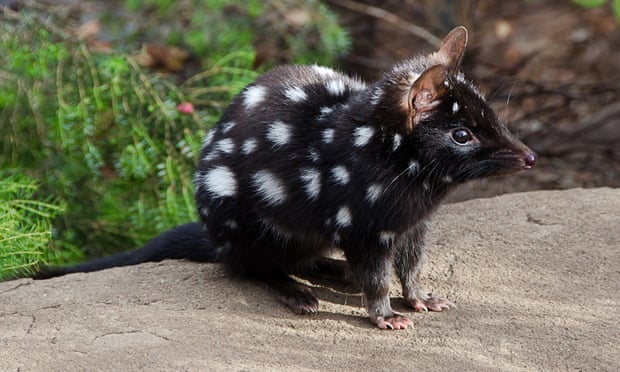
An eastern quoll. Professor Adrian Manning said it was the first ‘translocation’ of wild eastern quolls ‘into a free-ranging situation’ on the Australian mainland. Photograph: Marc Faucher, via The Guardian

We’re always happy to hear about the reintroduction of a previously extirpated species to its original habitat, even if we’re wary of some of the more ambitious projects from prior extinctions. Even though we weren’t aware of the existence of this cute marsupial named the Eastern Quoll, we’re glad to know that it is returning to its homeland. Elle Hunt reports for the Guardian:

The eastern quoll is making a comeback to mainland Australia, from where it disappeared more than 50 years ago, with a new generation introduced to the Australian Capital Territory from Tasmania.

A team of researchers from the Australian National University has reintroduced a group of wild eastern quolls from Tasmania into the Mulligan’s Flat Woodland Sanctuary in Canberra.

The small, carnivorous marsupial has not been seen there for almost 80 years.

Prof Adrian Manning, who led the team from the ANU’s Fenner School of Environment and Society, said it was the first “translocation” of wild eastern quolls “into a free-ranging situation” on the Australian mainland.

Continue reading

Firefall At Yosemite, An Enduring Fantastic Natural Beauty

Day after day, it seems, we find something that shocks us–something we did not know that, had we known it, we might have dropped everything to go and see. This February is coming to a close, so we will have to wait until 2017 to check this out in person, but for now thanks to the Science section of the New York Times for bringing it to our attention:

25TRI-FIREFALL-COMBO-master1050

Instagram was filled with thousands of versions of the firefall. These are a few that photographers shared with us. CreditClockwise, from top left: Vincent James, @vjamesphoto; Andrew McDonald/High Sierra Workshops; Carlos Loya, @t3nthirty1; Jeff Lui, @jeffreyplui; Bethany Gediman, National Park Service; @xbirdo; Nicki Frates, @nickif24, @theoutdooradventurer; Wayne Nguyen, @potatounit; Vincent James, @vjamesphoto; Gregory Woodman, @gregorywoodman

At Yosemite, a Waterfall Turns Into a Firefall

Desert Gold in Death Valley

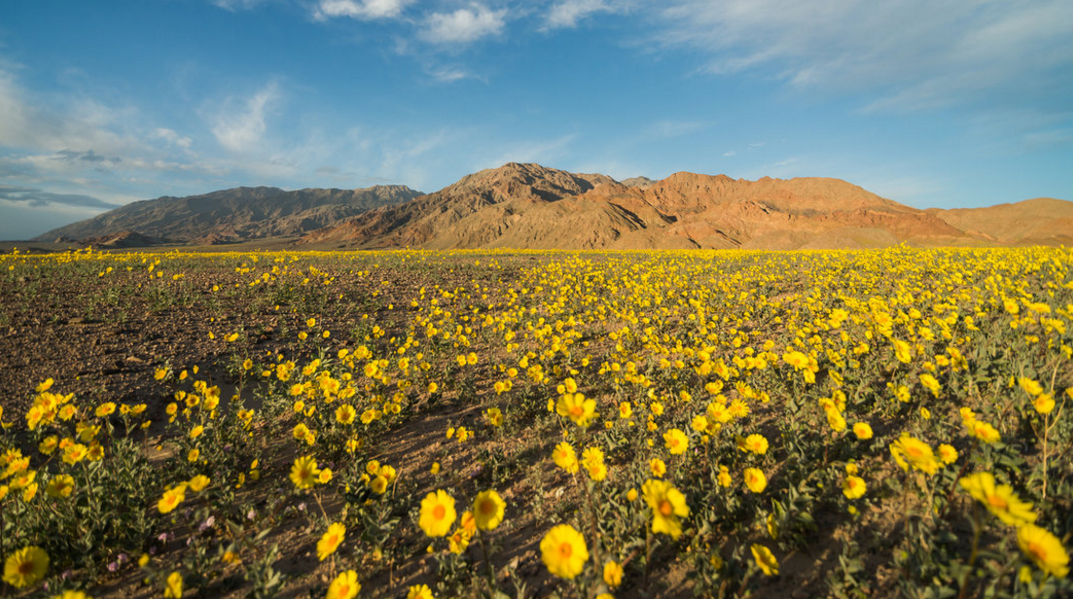
The primary threads in the floral carpet are yellow — the most common flower is called Desert Gold, which looks like a yellow daisy. Credit National Park Service

The primary threads in the floral carpet are yellow — the most common flower is called Desert Gold, which looks like a yellow daisy. Credit National Park Service

One of the most evocatively named US National Parks, Death Valley is currently awash in color due to record-breaking autumn rains. The impact of water on one of the driest places on earth is stunning, with carpets of flowers blooming from the latent seeds that remain dormant for years in the dry, crusty soil.


https://www.youtube.com/watch?v=LJbcWFTBn08


Find more images in the NYTimes Science feature, and via the National Park Service.

The Power of Parks

yosemite

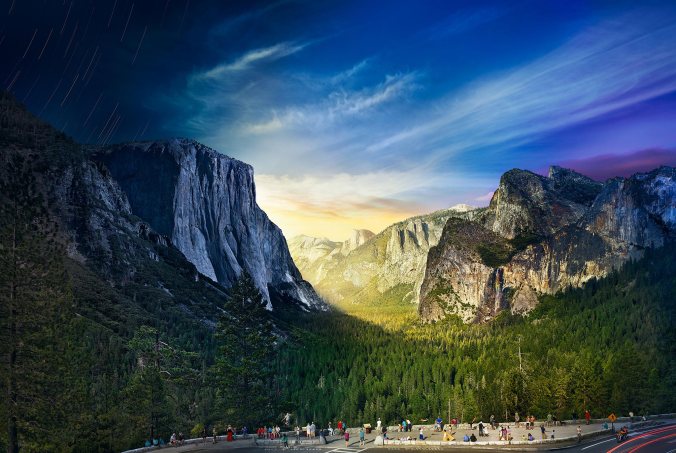
Photographs of Yosemite National Parks composed by Stephen Wilkes. Courtesy: National Geographic

Which side are you on – the one that believes national parks are the past or to the side that sees the future in these stretches? As long as national parks figure on your maps and feature in your scheme of things, you must know that the National Park Service is celebrating its centennial this year.  In commemoration, National Geographic looks at how to preserve these wild spaces:

“In March 1868 a 29-year-old John Muir stopped a passerby in San Francisco to ask for directions out of town. “Where do you wish to go?” the startled man inquired. “Anywhere that is wild,” said Muir. His journey took him to the Yosemite Valley in California’s Sierra Nevada, which became the spiritual home of Muir’s conservation movement and, under his guidance, the country’s third national park. “John the Baptist,” he wrote, “was not more eager to get all his fellow sinners into the Jordan than I to baptize all of mine in the beauty of God’s mountains.” Today around four million people a year follow their own thirst for the wild to Yosemite.”

Continue reading

To Keep The Mountain Gorillas Alive

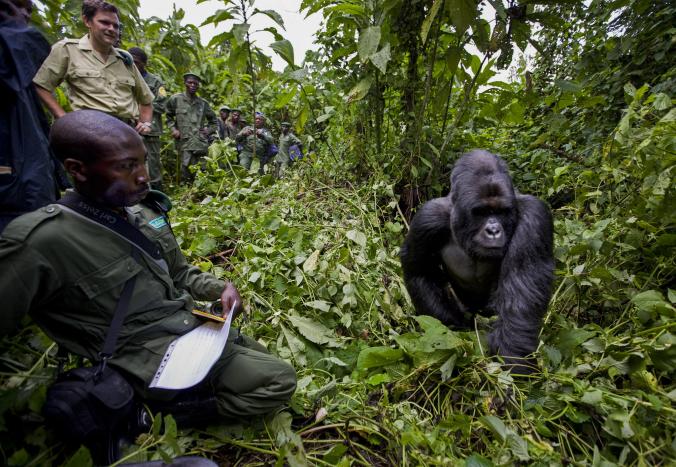
In November 2008, conservation authorities in the DRC had their first sighting of a mountain gorilla in more than 15 months. Because of the commitment and bravery of its rangers, the gorilla population is now estimated to be 880. PHOTO: BRENT STIRTON, GETTY

In November 2008, conservation authorities in the DRC had their first sighting of a mountain gorilla in more than 15 months. Because of the commitment and bravery of its rangers, the gorilla population is now estimated to be 880. PHOTO: BRENT STIRTON, GETTY

The Virunga National Park in the Democratic Republic of Congo is one of the world’s deadliest parks. It’s also home to some 300 mountain gorillas—more than a quarter of those that remain on the planet. Beneath Virunga’s surface lies a wealth of minerals and oil, coveted by multinational companies. Deadliest park because since 1996, more than 150 Virunga rangers have been killed in the line of duty. Emmanuel de Merode, director of Virunga National Park and a National Geographic Society Explorer of the Year, was nearly killed in 2014 for protecting the park and its mountain gorillas.

Continue reading