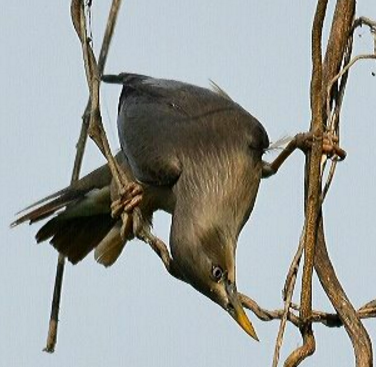
Pudukkottai, Tamil Nadu
Pudukkottai, Tamil Nadu

Tortuguero National Park, Costa Rica
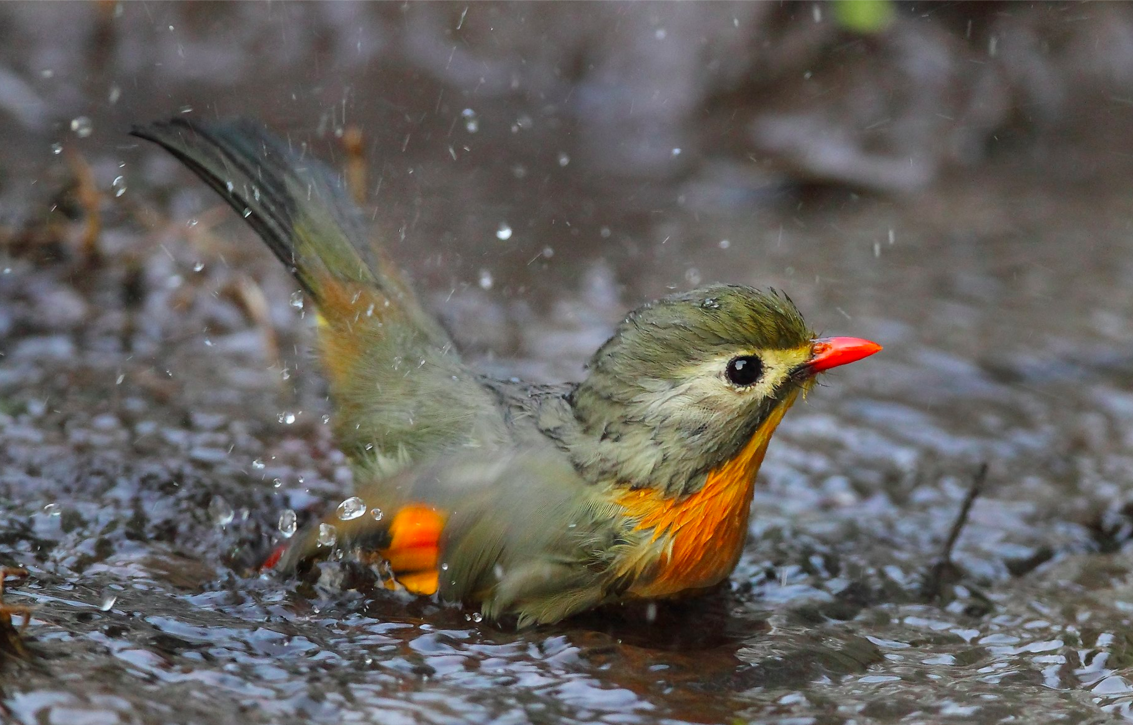
Sattal, Uttarakhand

Little Rann of Kutch, Gujurat

Aerial night photograph by Reuben Wu, via ThisIsColossal
Photographer Reuben Wu has been practicing a new form of his trade using drones–which many people are, nowadays, but none that we know of so far have used this recent technology to create dramatic scenes at night with lighting from above. On his website, Wu writes of this project, titled Lux Noxtis, that it is:
a series of photographs depicting landscapes of North America within the framework of traditional landscape photography but influenced by ideas of planetary exploration,19th century sublime romantic painting, and science fiction.
We are overwhelmed everyday by beautiful images of the familiar. I imagine these scenes transformed into undiscovered landscapes which renew our perceptions of our world.

Sivarpanam Palace, Tamil Nadu

Great Nicobar Island, India
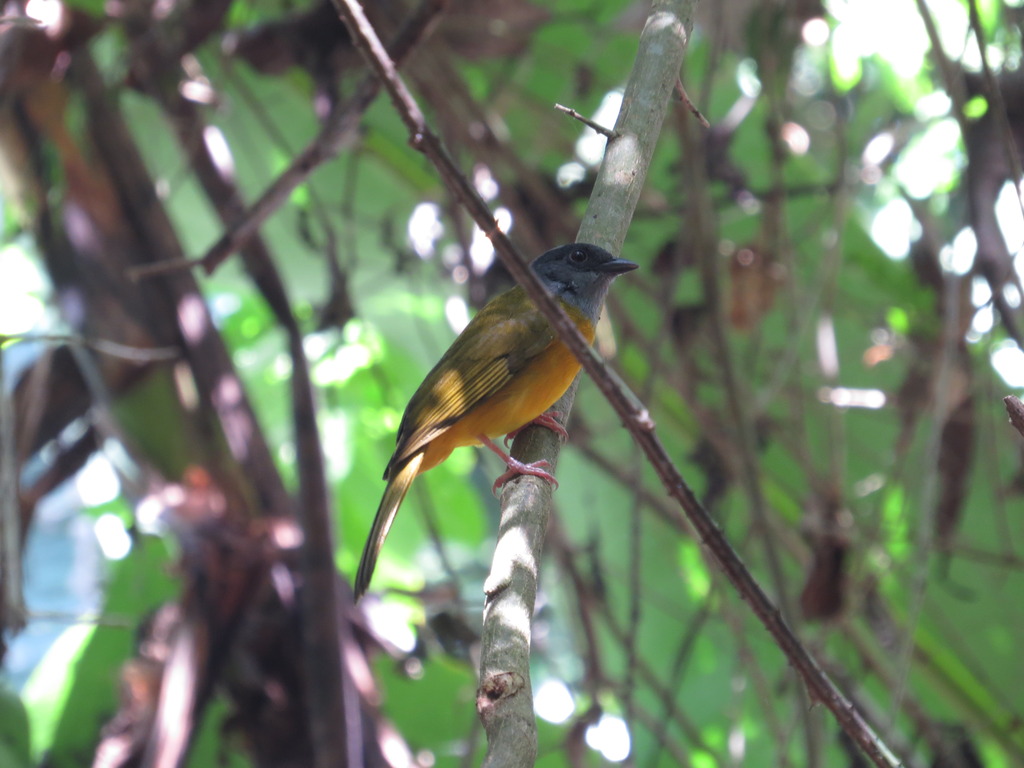
Carara National Park, Costa Rica

Masinagudi, Tamil Nadu

Tacacori, Costa Rica

Dandeli, Karnataka

Biligirirangana Hills, Karnataka
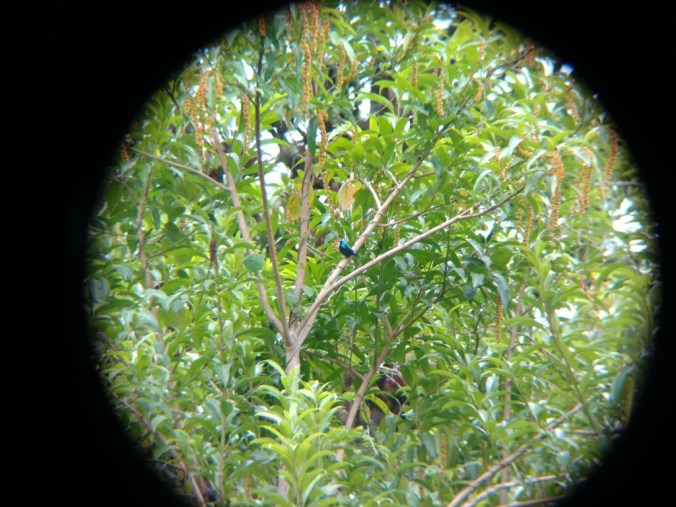
A male Scarlet-thighed Dacnis before zooming in with the camera in the digiscope setup
The first time I digiscoped, I wasn’t aware of the term, and I was using a small, borrowed point-and-shoot camera with a guide’s spotting scope. The results ended up here on the blog, though the images are, in retrospect, fairly low quality. In certain cases, however, digiscoping–basically the pairing of a scope with a camera for photography–can yield quite good shots of wildlife, and is arguably more versatile than having a big camera with a telephoto lens attached. Just check out Sharon Stiteler’s photos in her digiscoping article on Audubon’s webpage last year, or simply look up “digiscoping birds” to find some stunning images. Note, however, that digiscoping almost always refers to using a scope, or, in other words, a high-end piece of optic technology that costs anywhere between $400 and $3000–and that’s without the tripod.
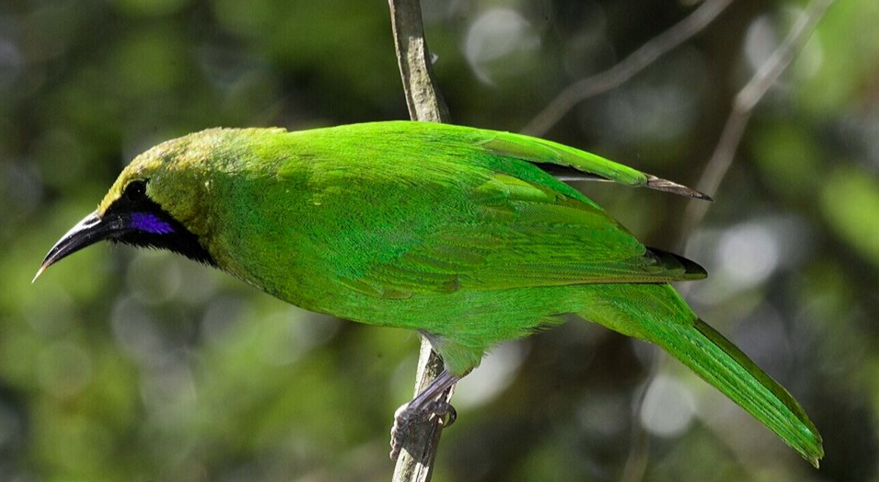
Masinagudi, Tamil Nadu

Braulio Carrillo National Park, Costa Rica

Koratty, Trichur District, Kerala

Gazaldoba, Siliguri, West Bengal
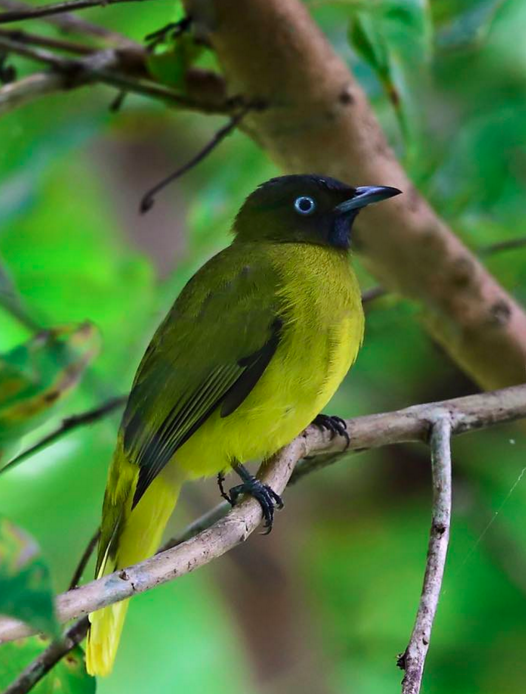
Port Blair, Andaman Islands
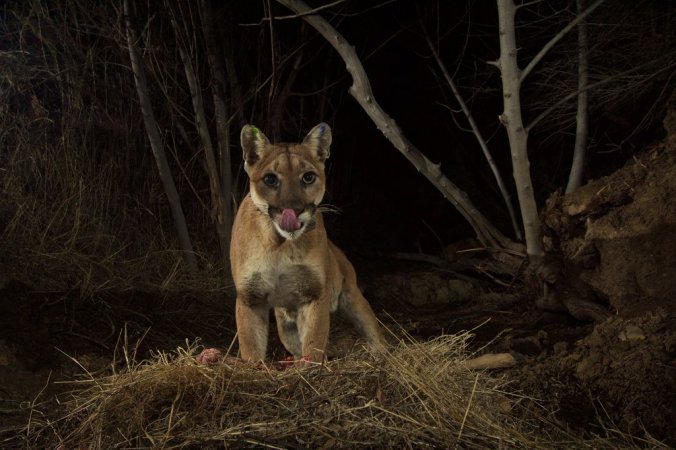
A female mountain lion called P-35 was photographed by a camera trap in the Santa Susana Mountains northwest of Los Angeles. National Park Service
From today’s Science section of the New York Times:
Photographing Wildlife Without a Photographer
By
Camera traps can help illuminate the world’s most elusive animals. When a cougar, elephant or other creature triggers the device’s motion sensor, it snaps a picture.
“Most animals are hiding, you actually never get to see them and you might be led to believe there’s nothing out there,” said Roland Kays, a zoologist at North Carolina State University and author of the forthcoming book “Candid Creatures: How Camera Traps Reveal the Mysteries of Nature.” Continue reading
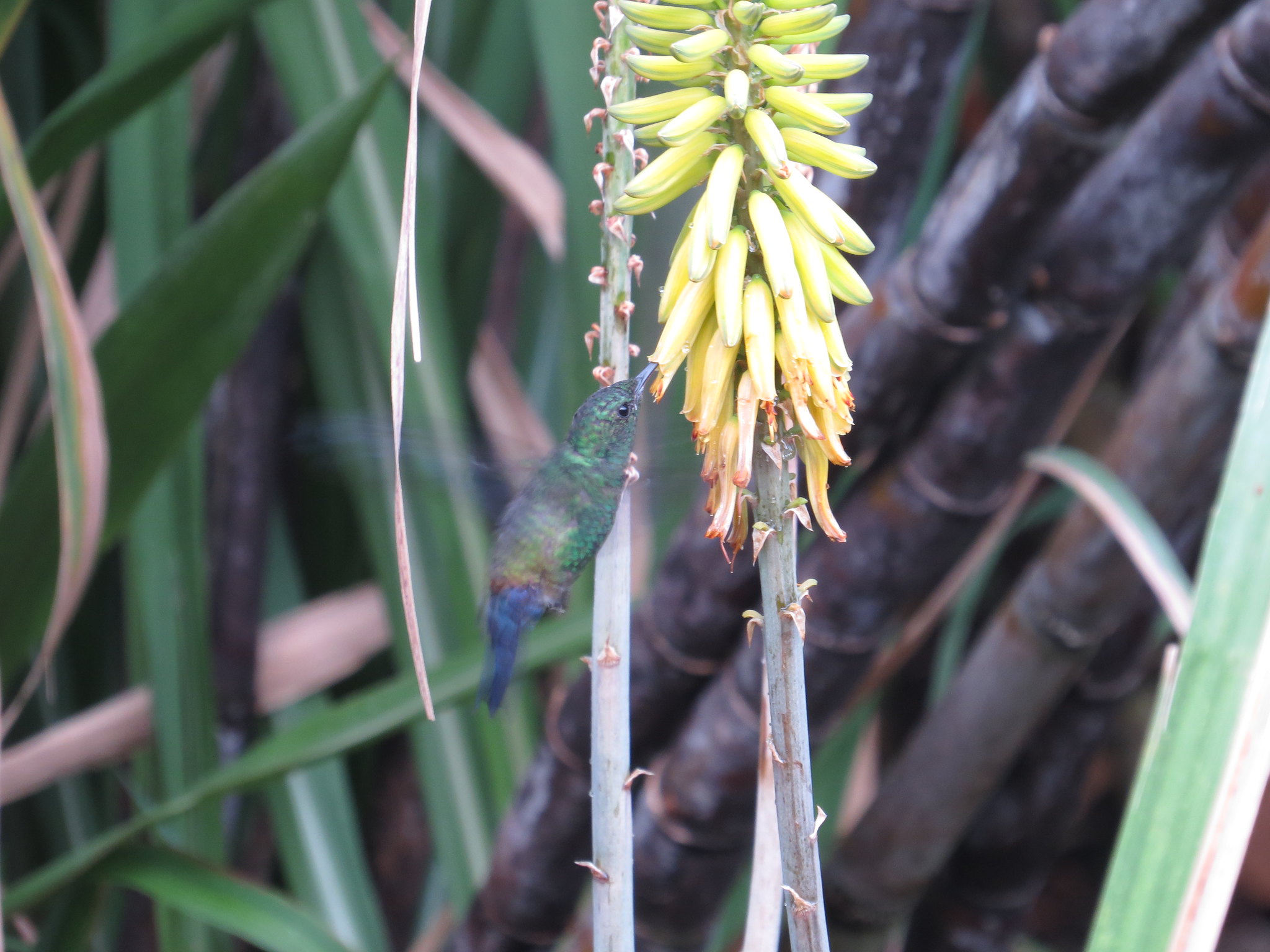
Tacacori, Costa Rica

