
Bird of the Day: House Sparrow (Tadoba National Park, Maharashtra)
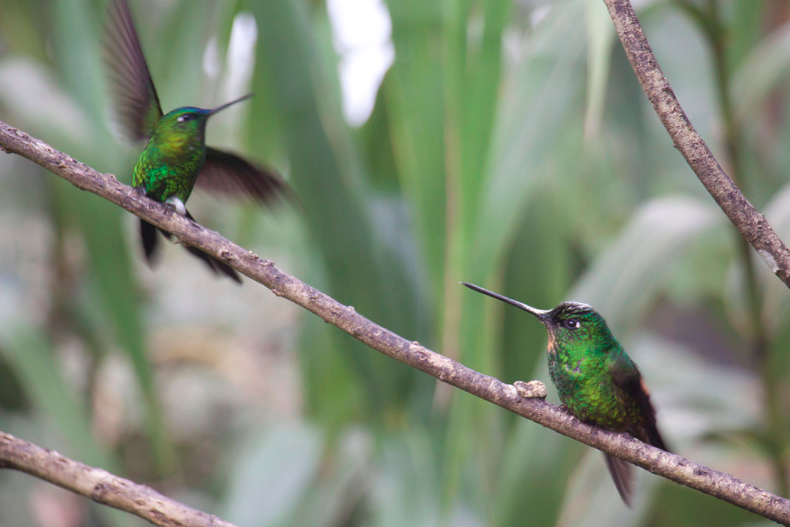
Yanacocha Reserve, Ecuador
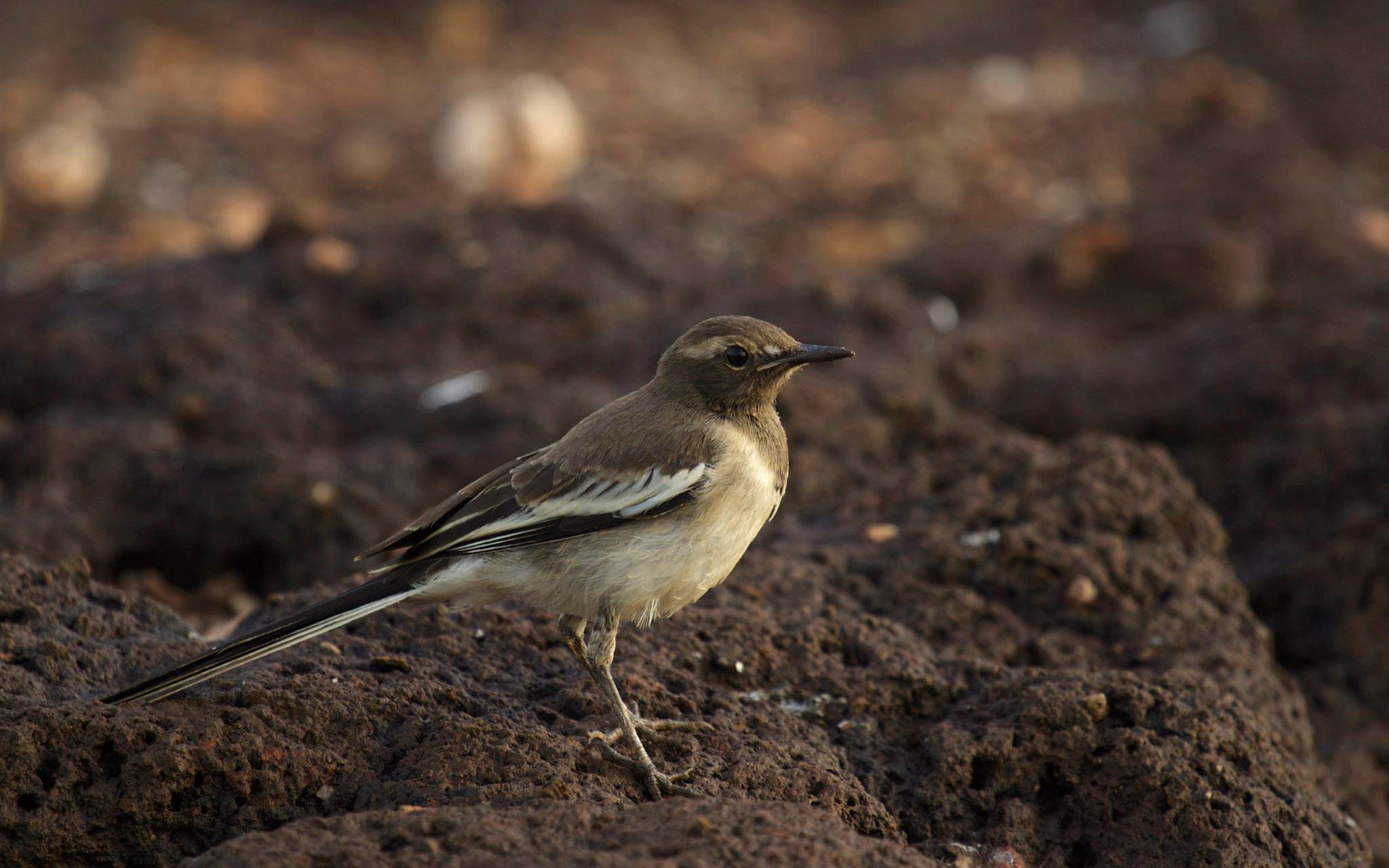
Juvenile – Bhadra Tiger Reserve, Karnataka

Bharatpur Bird Sanctuary, Rajasthan
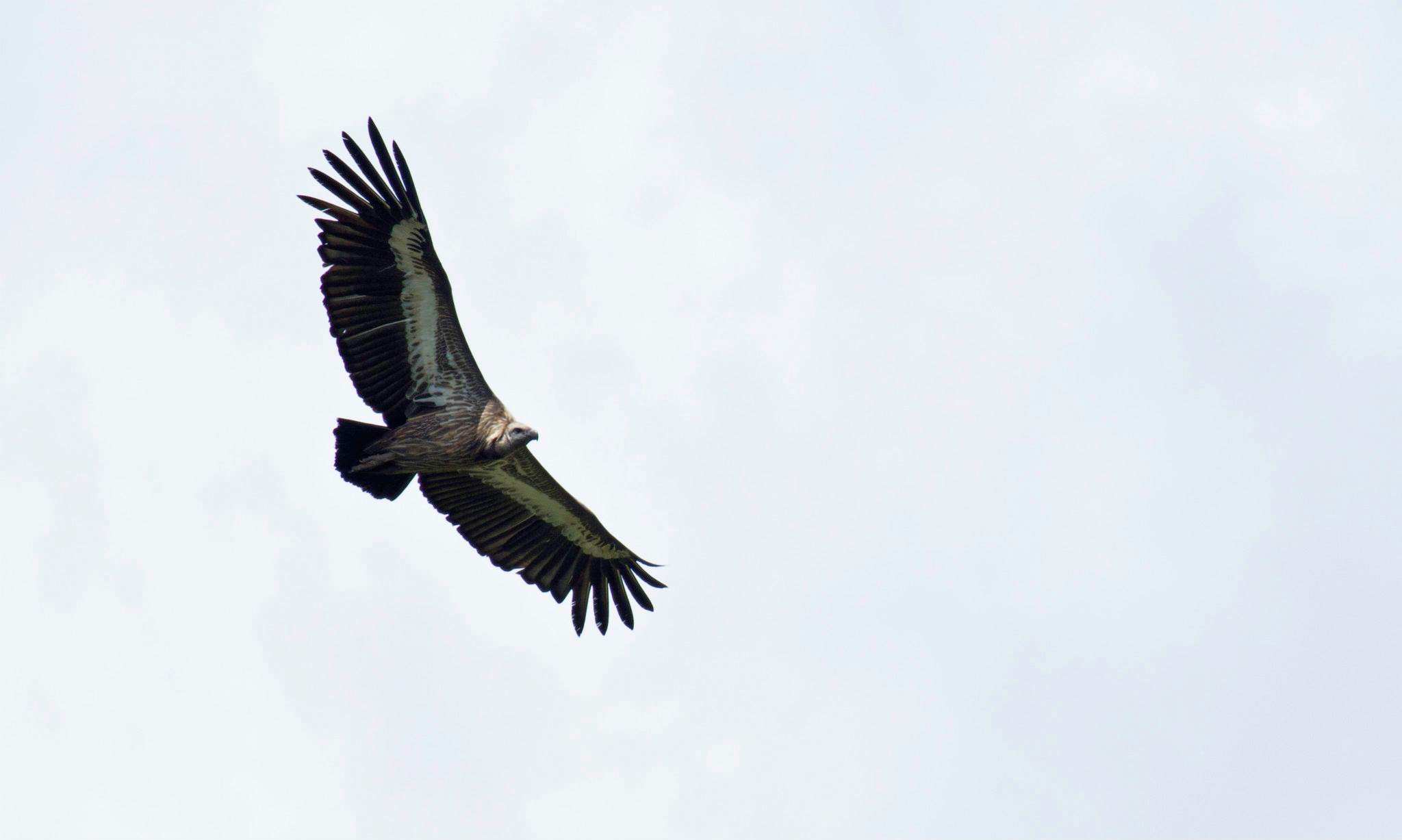
Bandipur National Park, Karnataka


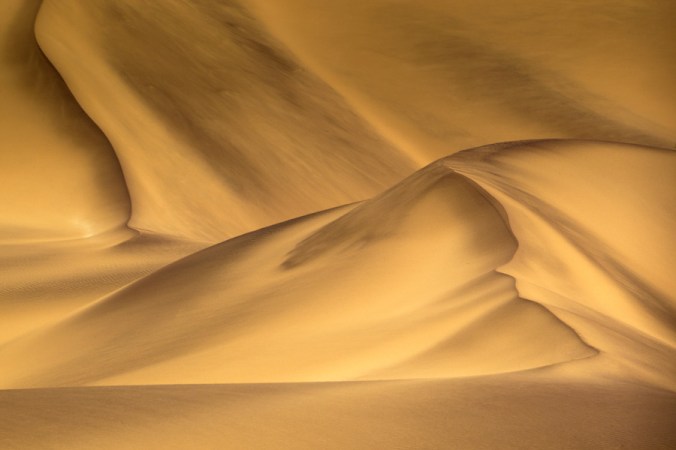
Paul Kornacker
We never tire of sharing the results of contests to produce the best nature photography. The photo above is the winner of this year’s Gesellschaft Deutscher Tierfotografen–a new organization and contest for us–but we are slightly partial to one or two other finalists. Continue reading
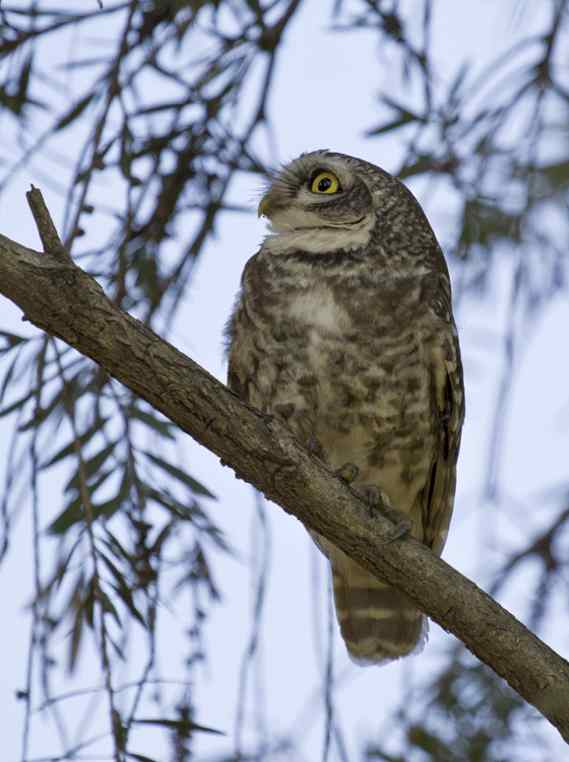
Bangalore, Karnataka


Munnar, Kerala
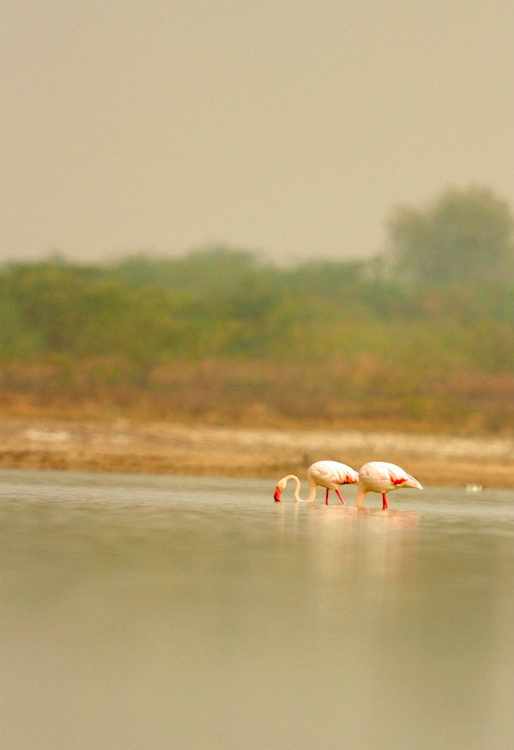

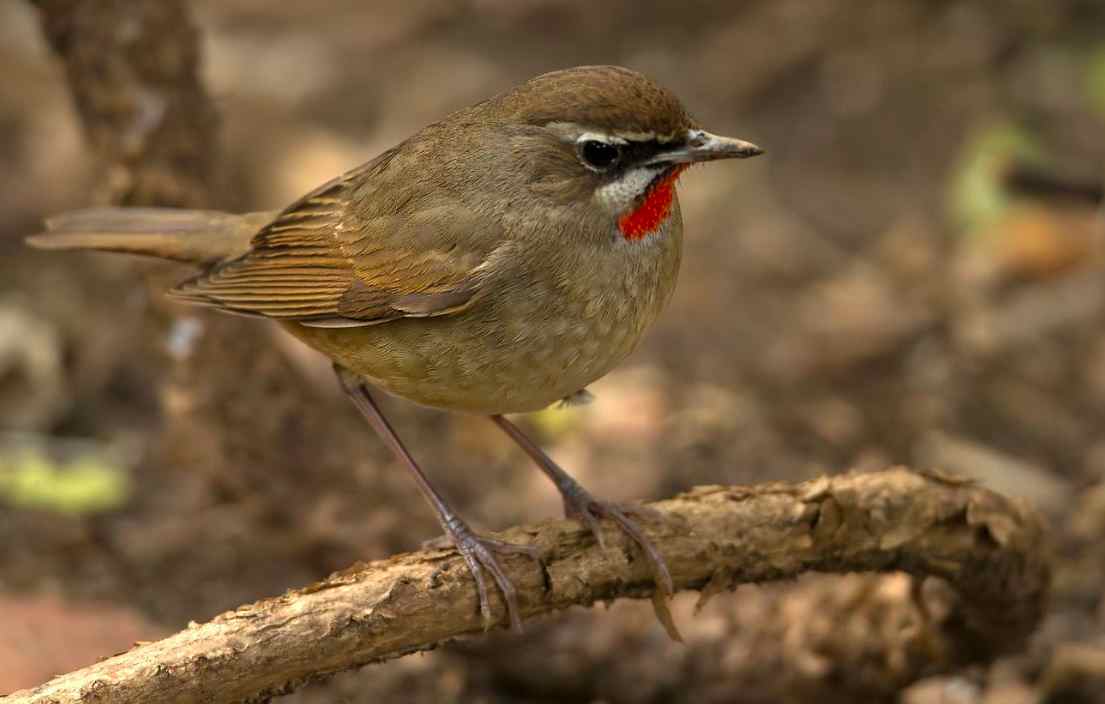
Bharatpur, Rajasthan

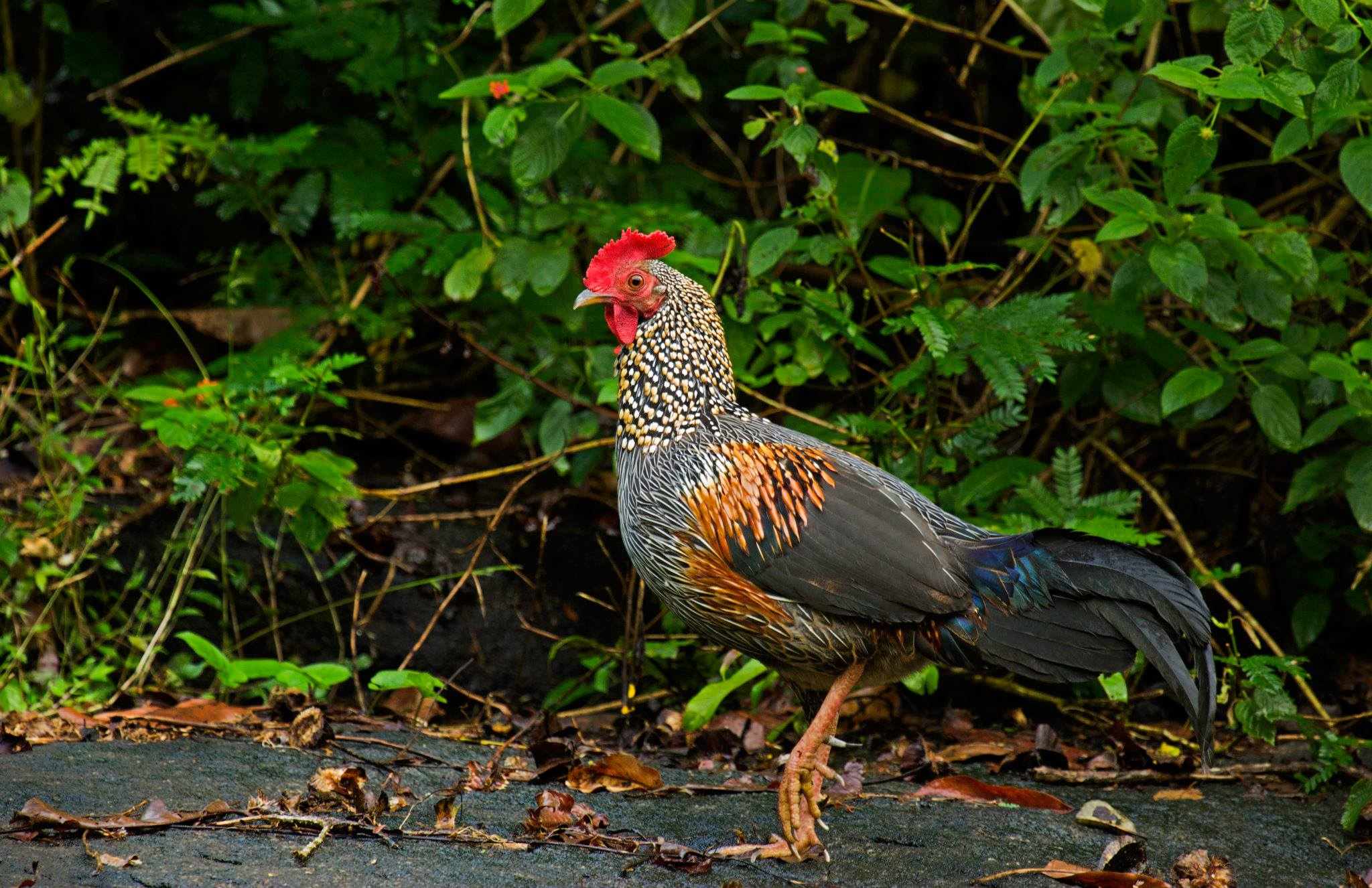
Male – Thattekad, Kerala

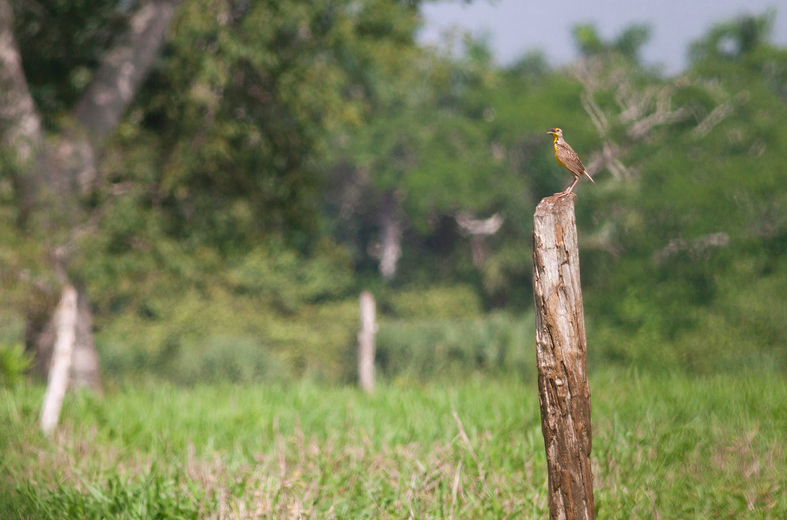
El Cuyo, Mexico
This year, the earliest hours of April 15 provided a somberly luminescent spectacle in the sky for viewers in North America. To the naked eye, a round dark shadow grew imperceivably across the face of the moon, within hours consuming the lunar glow entirely. Just as slowly, the shadow passed, the bright crest of the familiar full moon growing back into the dawn. The phenomenon witnessed was a lunar eclipse – one of four such that our satellite will experience in this year.

While not as rare or shockingly magnificent as the total solar eclipse, total lunar eclipses offer a very special view of our place in the solar system. The strange red shadow that creeps across the bright white moon is that of our own planet – the earth briefly passes between the sun’s line of sight of the moon, cutting off the solar light that is usually reflected so strongly by our closest companion. While lunar eclipses are frequent occurences, total lunar eclipses are less common, as the entire moon falls into the earth’s shadow, rather than any portion. Continue reading

